
How Sapphires Form Underground
How do sapphires form underground? Sapphires form where aluminum-rich, silica-poor chemistry meets heat, pressure and time. That happens in metamorphic rocks such as marbles and high-grade gneisses, in desilicated pegmatites, and at depth, where basalt-related sapphires were later carried up by rising magma. Erosion then frees the hard, dense crystals, and rivers concentrate them in gem gravels, where much of the world’s sapphire mining takes place.
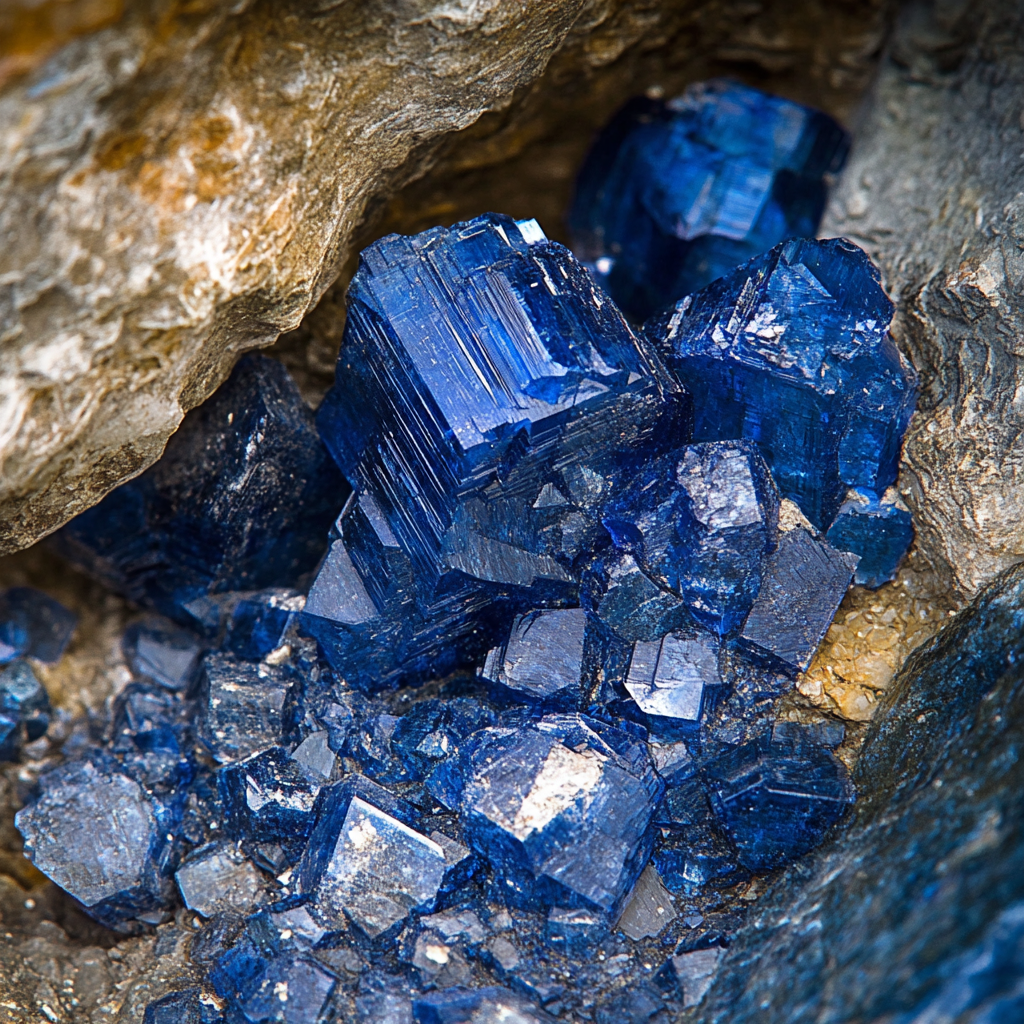
What a Sapphire Is Made Of
Sapphire is a variety of corundum, a crystal of aluminum oxide. Corundum in any color except red is called sapphire; red corundum is ruby. The trace elements that give sapphire its colors are covered in The Science Behind Sapphire Color.
To form corundum, nature needs an environment that is rich in aluminum but poor in silica. This is a key point, because silica is abundant in the earth’s crust. Where aluminum and silica are both present, they tend to combine to form other minerals, such as feldspars and micas, instead of corundum. Sapphire forms only where silica is scarce or has been removed.
The Ingredients for Sapphire Growth
Several conditions must come together:
- Aluminum-rich, silica-poor chemistry.
- High temperatures and, in many cases, high pressures.
- Trace elements to provide color.
- Time and stability, allowing crystals to grow to gem size.
These conditions occur in a few main geological settings.
Metamorphic Sapphires
Metamorphism is the transformation of rocks by heat and pressure, typically deep within the earth during mountain-building and tectonic activity. Many of the world’s important sapphire deposits are associated with metamorphic rocks.
Marbles and Metamorphosed Rocks
When aluminum-rich sediments or rocks are buried and transformed, corundum can crystallize if silica is limited. Some marble-hosted deposits, for instance, are well known for producing gem corundum, including both ruby and sapphire.
High-Grade Metamorphic Terrains
Sri Lanka and Madagascar are classic examples of regions where sapphires are associated with high-grade metamorphic rocks, such as gneisses, formed under intense heat and pressure. These regions have produced sapphires in a wide range of colors.
Desilicated Pegmatites
In some settings, silica-rich pegmatites intrude silica-poor rocks such as ultramafic rocks. Chemical exchange between the two can strip silica from the pegmatite, creating conditions where corundum can form. The famous sapphires of Kashmir are associated with this type of environment.
Magmatic Sapphires
Some sapphires are carried to the surface by magma.
Basalt-Related Sapphires
In regions such as Australia, Thailand, Cambodia, and parts of Africa, sapphires are found in association with alkali basalts, a type of volcanic rock. The sapphires are thought to have formed deep in the earth, and were then picked up and carried upward by rising magma. These sapphires are often relatively rich in iron, which can give them deeper blue, green, or yellow tones.
Other Igneous Rocks
Sapphires also occur in some other igneous settings. In Montana, for example, sapphires from the Yogo deposit are found in a type of igneous rock called a lamprophyre, and are known for their even cornflower to violetish blue color. The history of Montana’s sapphires is told in The Great Montana Sapphire Rush.
How Sapphires Reach the Surface
Formation is only half the story. Sapphires need to reach the surface before anyone can find them.
Uplift and Erosion
Over long spans of geological time, tectonic forces lift deep rocks toward the surface. Weathering and erosion gradually break down the surrounding rock.
Volcanic Transport
In magmatic deposits, sapphires may be carried upward by magma and erupted with volcanic rocks.
Secondary (Alluvial) Deposits
Because corundum is hard, dense, and chemically resistant, it survives weathering much better than most of the minerals around it. Rivers and streams carry sapphire crystals away from their source and deposit them in gravel beds. These secondary deposits can concentrate sapphires over time.
Sri Lanka is famous for its gem gravels, known locally as “illam,” which yield sapphires along with many other gemstones. Much sapphire mining around the world takes place in alluvial deposits like these.
From Crystal to Gem
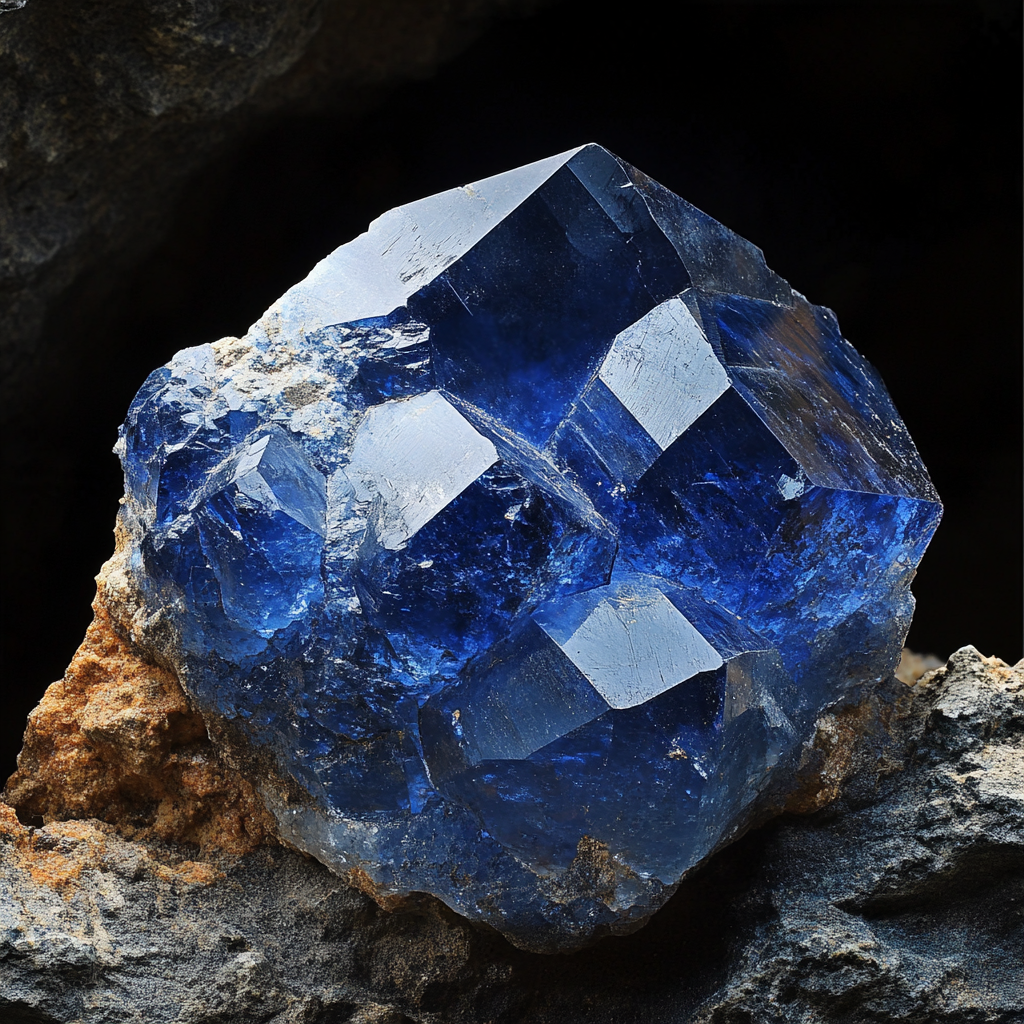
Sapphire crystals typically grow in a hexagonal shape, often as barrel-shaped or bipyramidal forms. As they grow, they may trap inclusions, such as rutile needles (silk), mineral crystals, or fluids, which help gemologists confirm that a sapphire is natural. What those inclusions look like is explained in The Secrets Inside a Sapphire.
Rough and Cut Sapphires From Our Inventory
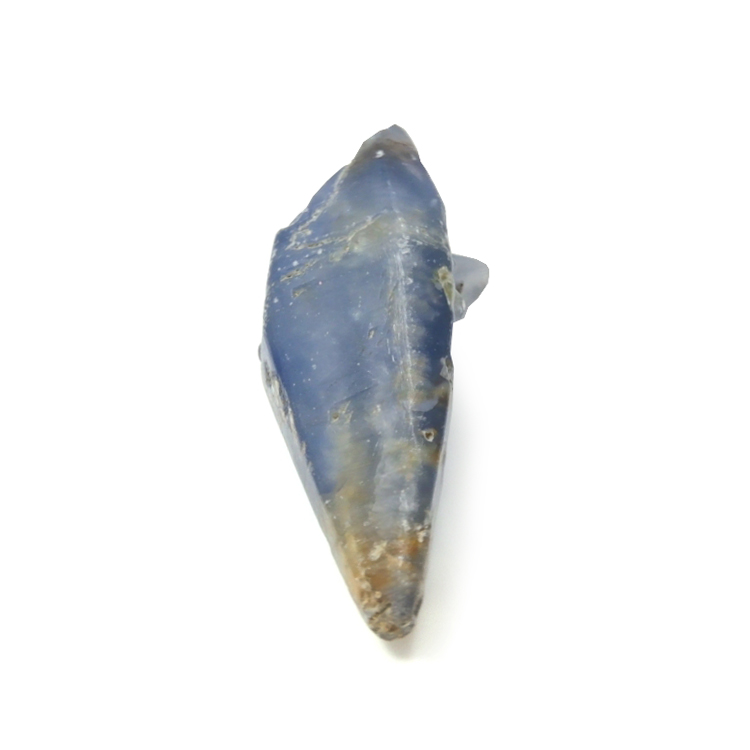
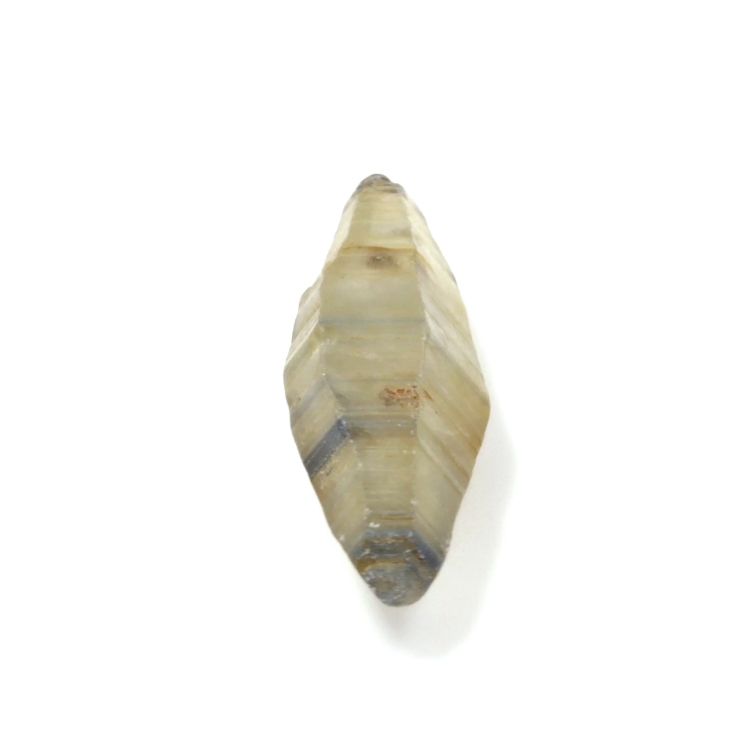
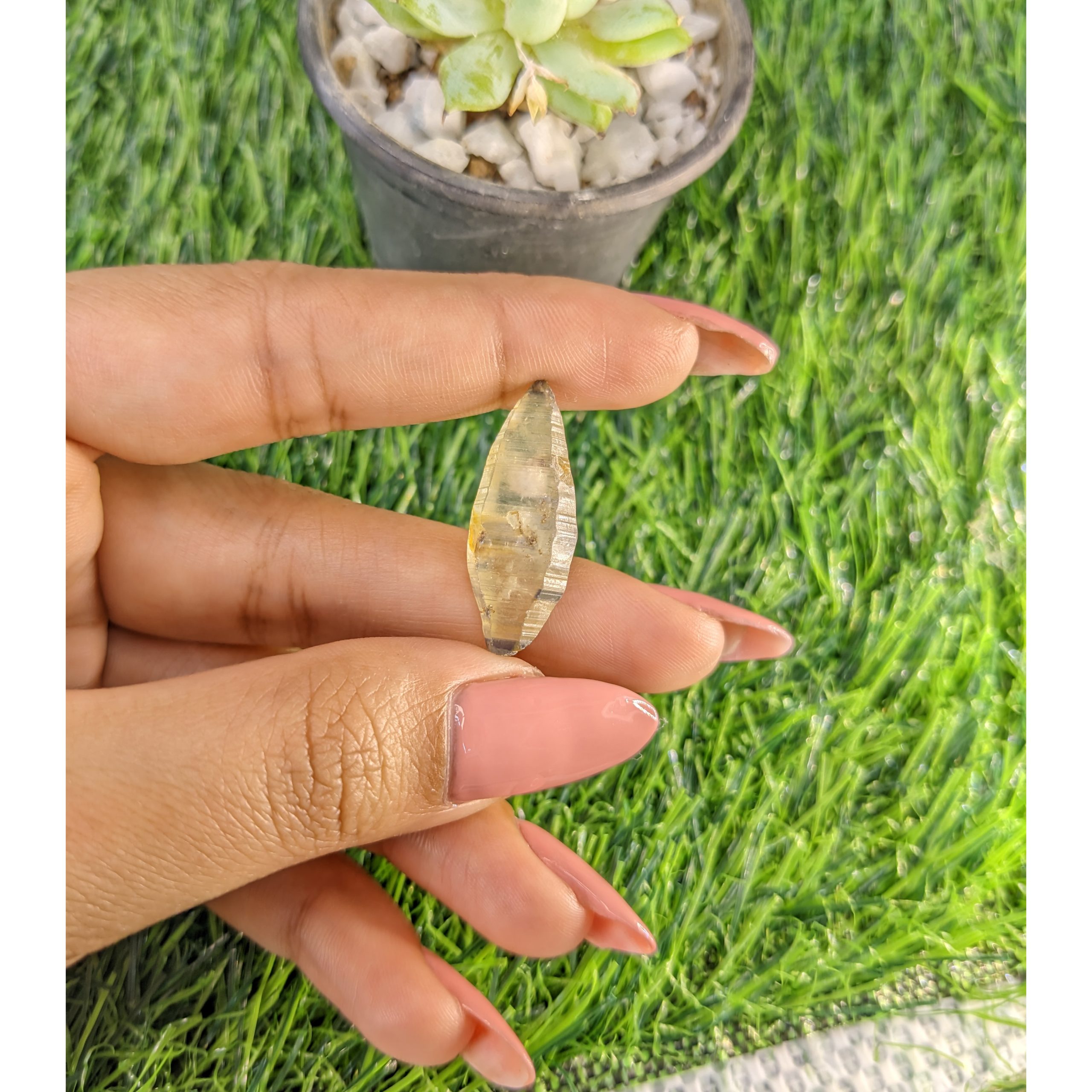
Rough crystals show the starting point best. The 51.60 ct Ceylon rough blue sapphire S11417 measures 35.8 × 15.54 × 17.17 mm and is listed as Intense blue, Very Slightly Included, with No Enhancement. In the photographs it is an elongated, tapering crystal with a muted, uneven surface. The 20.11 ct Ceylon rough yellow sapphire S11409, listed as Medium yellow with No Enhancement, shows a pointed crystal with visible flat faces. Both are from Sri Lanka, where much sapphire is recovered from alluvial gravels.
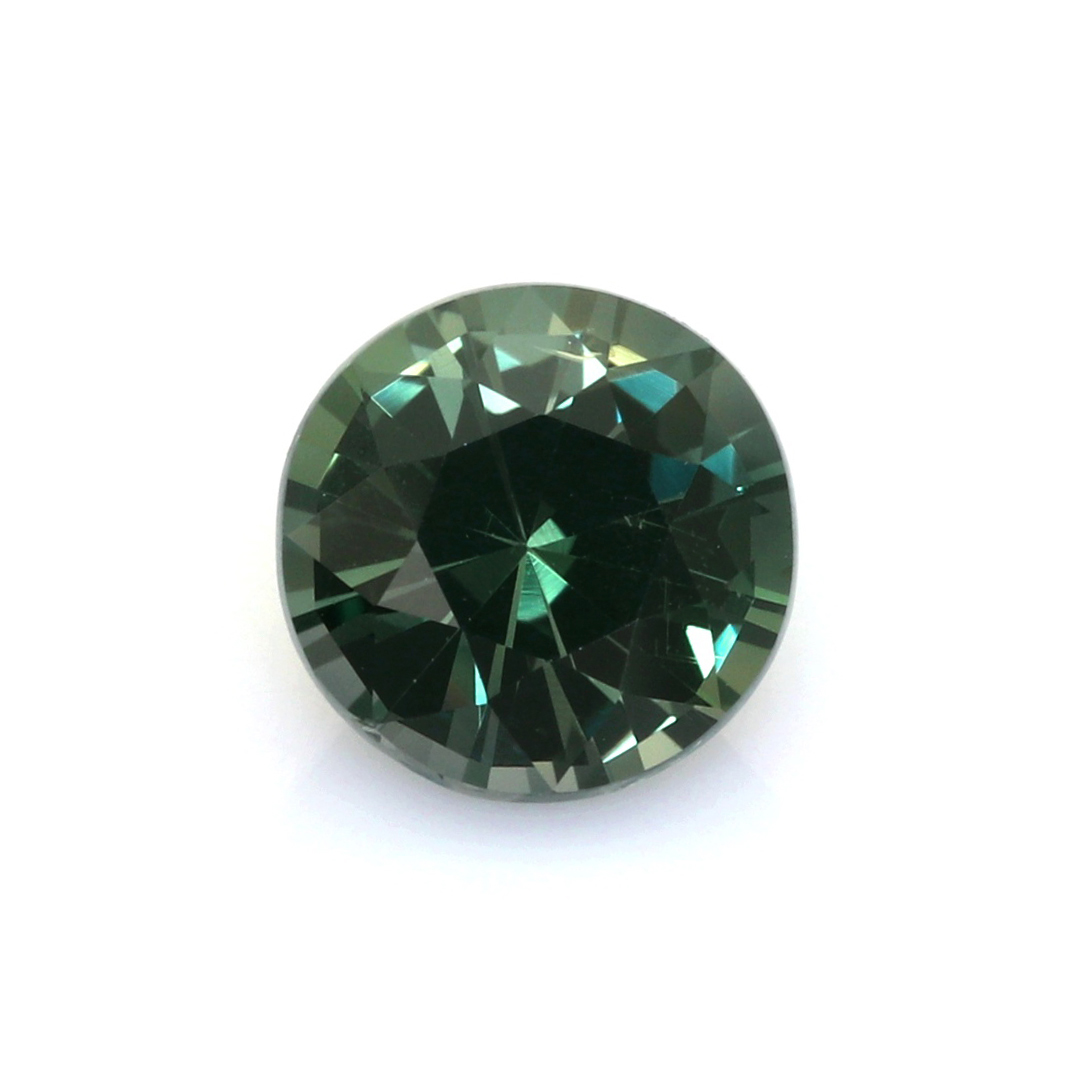
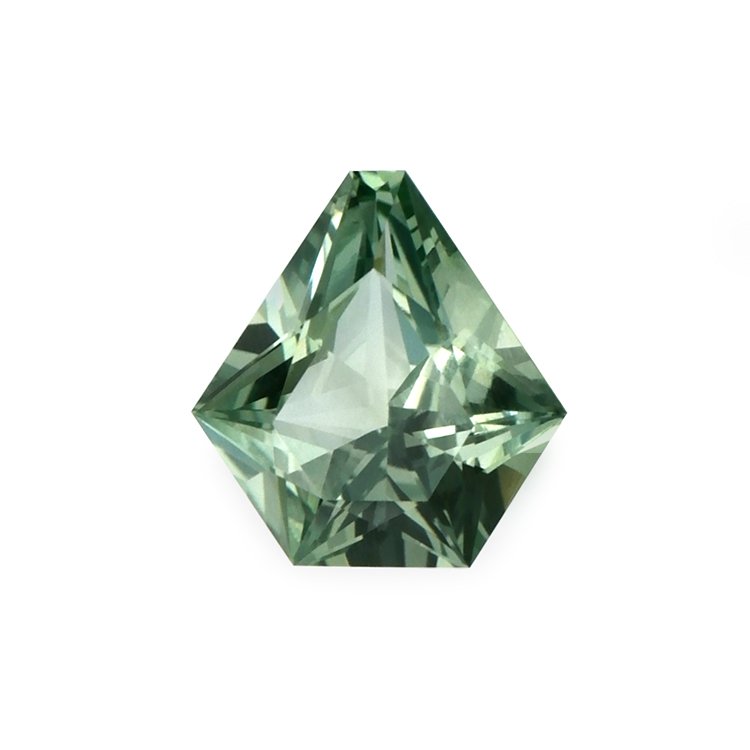
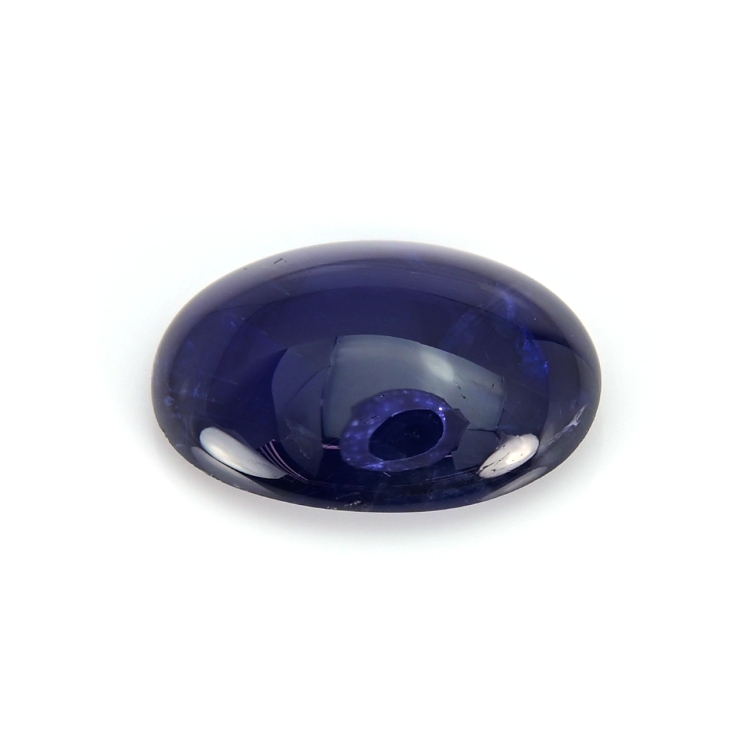
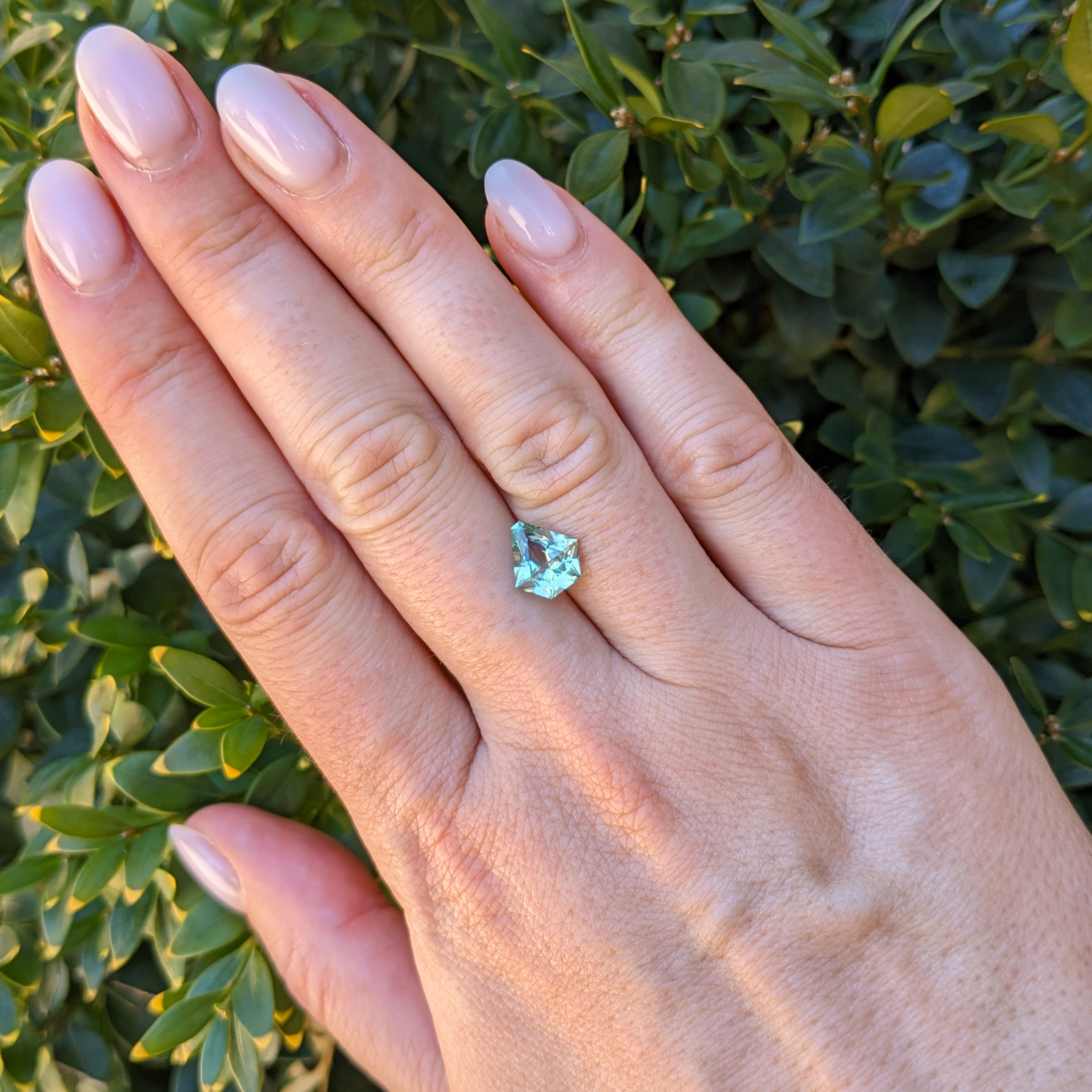
Cut stones show what comes next. The 2.14 ct Madagascar bluish green round S7232 and the 1.80 ct Montana fancy-cut green sapphire U15292 are both listed as No Enhancement, as is the 7.64 ct Burma oval blue cabochon S17386. A listed origin says where a stone was found, not which of the geological settings above produced it; for what origin can and cannot tell you, see Do Sapphire Origins Matter? and A Glimpse into Ruby and Sapphire Trading in Renowned Mogok, Myanmar.
From Rough to Hand
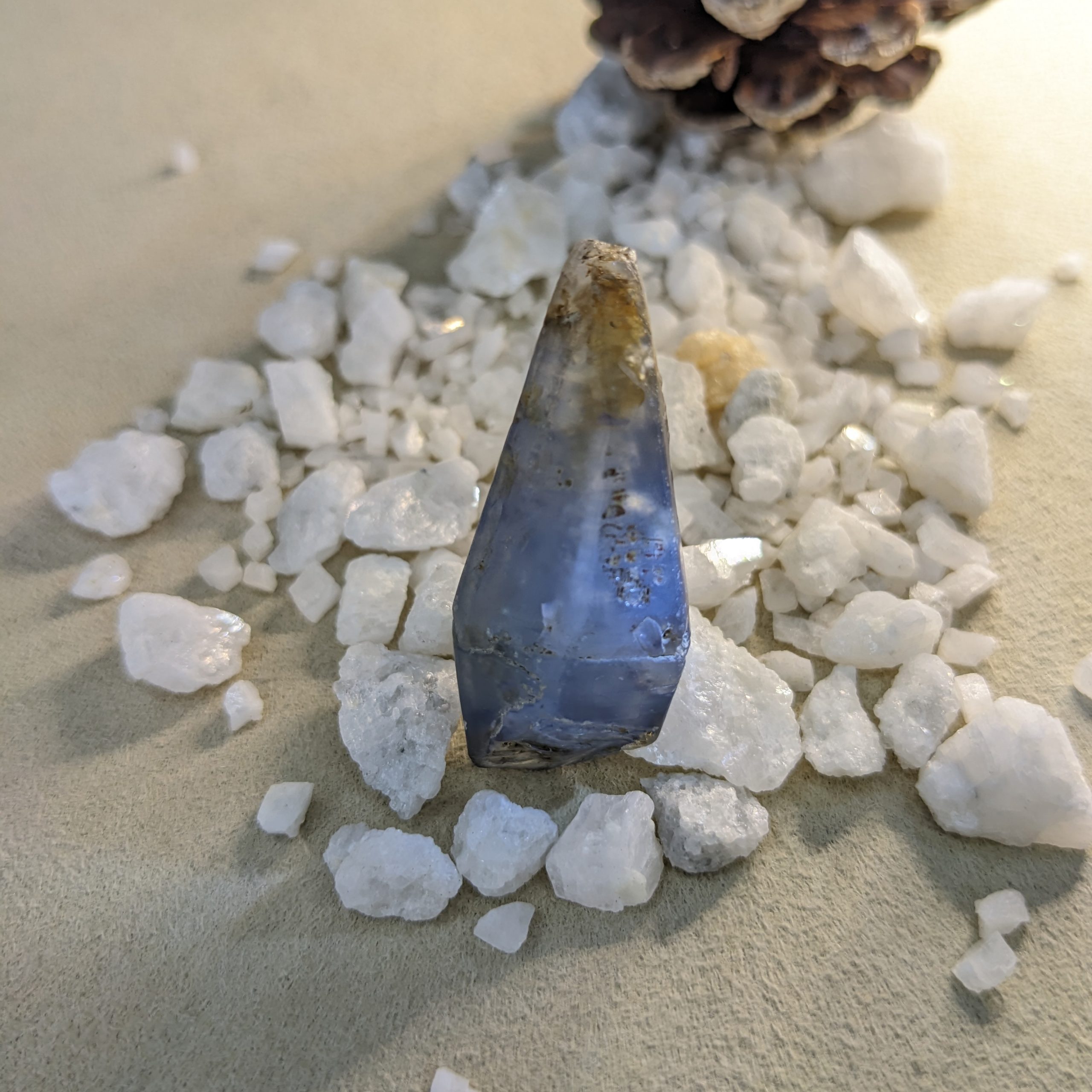
Three short phone videos: two rough crystals in the hand and one resting among stones, so you can see how a sapphire looks before it is cut.
Why Sapphires Are Rare
Considering how specific the conditions must be, it is remarkable that gem-quality sapphires exist at all. Aluminum-rich, silica-poor environments are uncommon, trace elements must be present in the right amounts, and crystals must grow large and clean enough to be cut. Then they must survive geological upheaval and be recovered by miners.
Reading the Clues Inside a Sapphire
Many of the features inside a sapphire are small clues to where and how it formed. Laboratories combine observations of inclusions with chemical analysis and spectroscopy to form origin opinions. These are expert judgments rather than certainties, and they work best for stones with characteristic features. The Secrets Inside a Sapphire goes into the inclusions in detail, and The Legendary Kashmir Sapphires tells the story of one famous origin.
Frequently Asked Questions
How long does it take for a sapphire to form?
Sapphires form over geological timescales. The exact duration varies by deposit and is difficult to determine precisely.
Why do sapphires from different places look different?
Each geological setting offers different chemistry and conditions. Basalt-related sapphires, for example, are often richer in iron, which can produce deeper or greener tones.
Are sapphires found near volcanoes?
Some are. Basalt-related sapphires are associated with volcanic rocks, though the sapphires themselves formed deep below before being carried upward.
Can sapphires form in a laboratory?
Yes. Synthetic sapphires have been produced for over a century. They share the same chemistry as natural sapphire but are grown in controlled conditions. Reputable sellers disclose this clearly.
What does a rough sapphire look like?
Quite different from a polished gem. Our rough listings, such as S11417 (51.60 ct, listed blue) and S11409 (20.11 ct, listed yellow), show tapering crystals with a muted, uneven surface in the photographs, and only cutting and polishing reveal the final color and brilliance.
Conclusion
Sapphires form underground through a rare combination of aluminum-rich, silica-poor chemistry, heat, pressure, and time, in settings ranging from metamorphic rocks to deep sources tapped by volcanic magma. Erosion and rivers then deliver them to the gem gravels where many are found. Every natural sapphire is a record of that remarkable journey.
If you would like to learn more about where a particular sapphire came from, our team at The Natural Sapphire Company would be glad to share what we know. Explore our collection at thenaturalsapphirecompany.com.