
The Science Behind Sapphire Color
What makes sapphires different colors? Sapphire color comes from tiny amounts of trace elements and how they interact with light inside the crystal. Iron and titanium are primarily responsible for blue sapphires, chromium produces pink hues, and iron-related effects contribute to yellow and green. Combinations of these elements create other colors, including purple, teal, and padparadscha.
Sapphire Is Corundum
Sapphire is a variety of corundum, a crystal of aluminum oxide. Pure corundum is colorless. When small amounts of other elements replace some of the aluminum in the crystal structure, they can create color. Red corundum is called ruby; corundum of every other color is called sapphire. It is also very durable, at 9 on the Mohs hardness scale. How the crystals form in the earth is the subject of How Sapphires Form Underground.
How Color Is Created
Color in sapphire arises when trace elements absorb certain wavelengths of visible light. The light that is not absorbed is what we see. Different elements, and different combinations of elements, absorb light in different ways.
Blue: Iron and Titanium
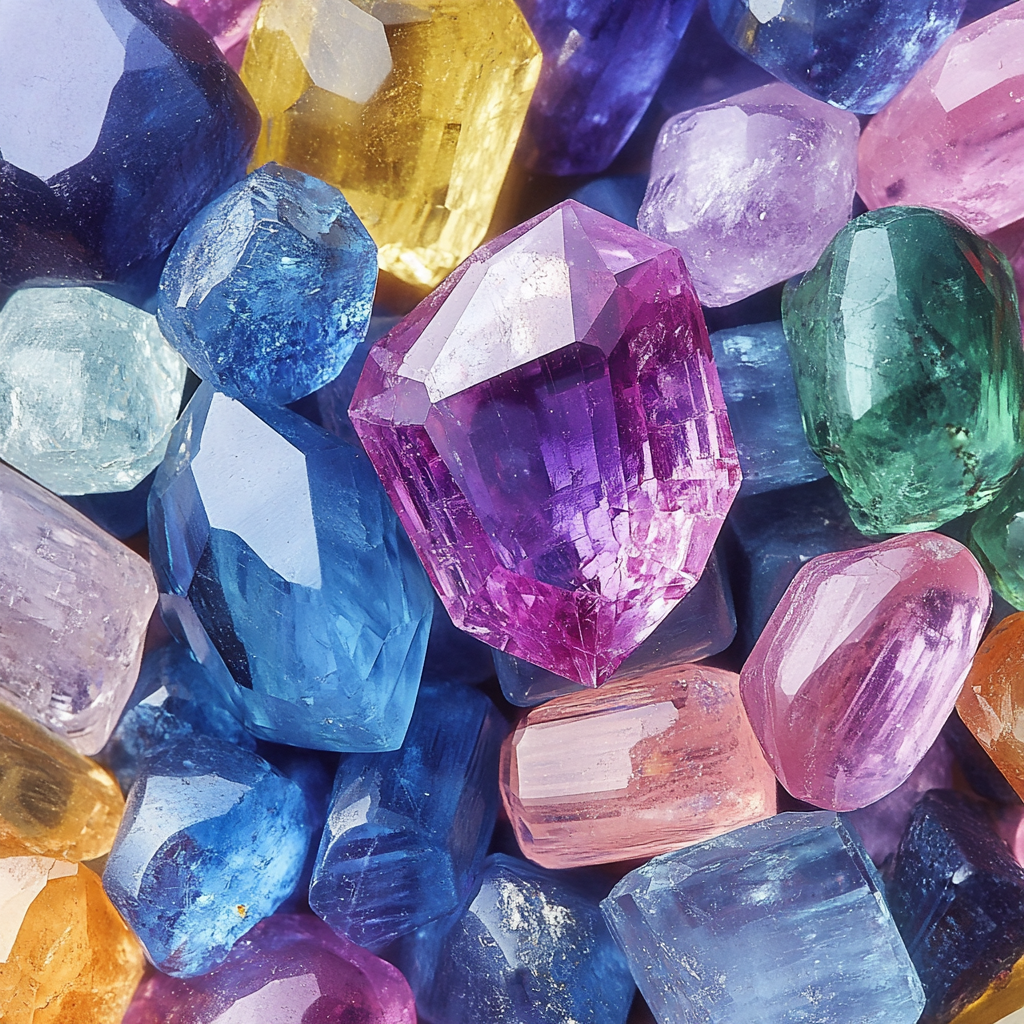
The classic blue of sapphire is generally attributed to a process called intervalence charge transfer between iron and titanium. When these two elements sit near each other in the crystal, an electron can move between them, and this process absorbs light in the yellow-red part of the spectrum. The light that remains appears blue.
Only very small amounts are needed. The precise balance of iron and titanium affects the shade, and iron alone can contribute additional absorption that may shift blue toward green or make it darker.
Pink and Red: Chromium
Chromium produces pink in sapphire and, at higher concentrations, red in ruby. There is no single universal boundary between pink sapphire and ruby; it is a matter of color judgment, and trade practices can differ between regions and laboratories.
Yellow and Orange: Iron and Color Centers
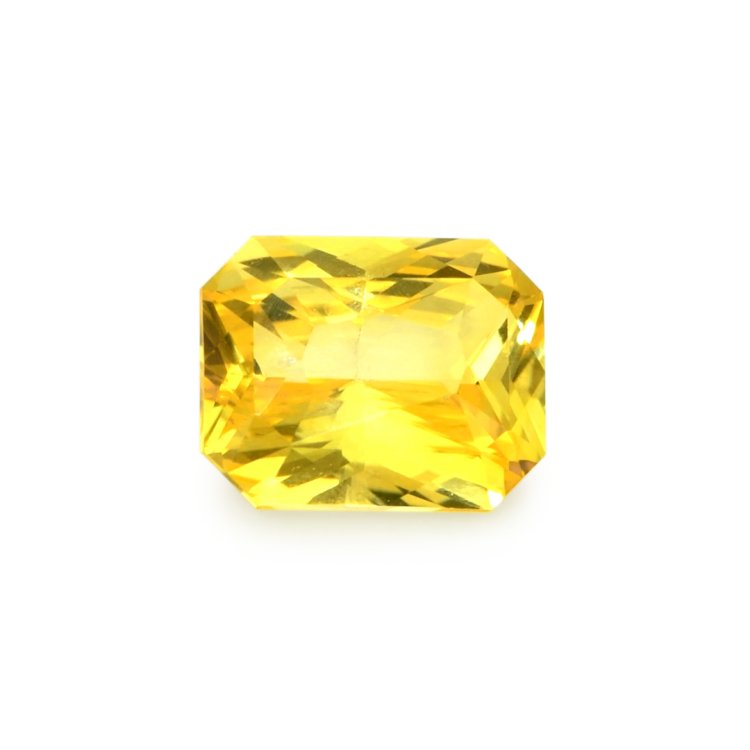
Yellow sapphires are often colored by iron, sometimes together with defects in the crystal structure known as color centers. Orange tones can result from combinations of these causes, sometimes with chromium.
Purple and Violet
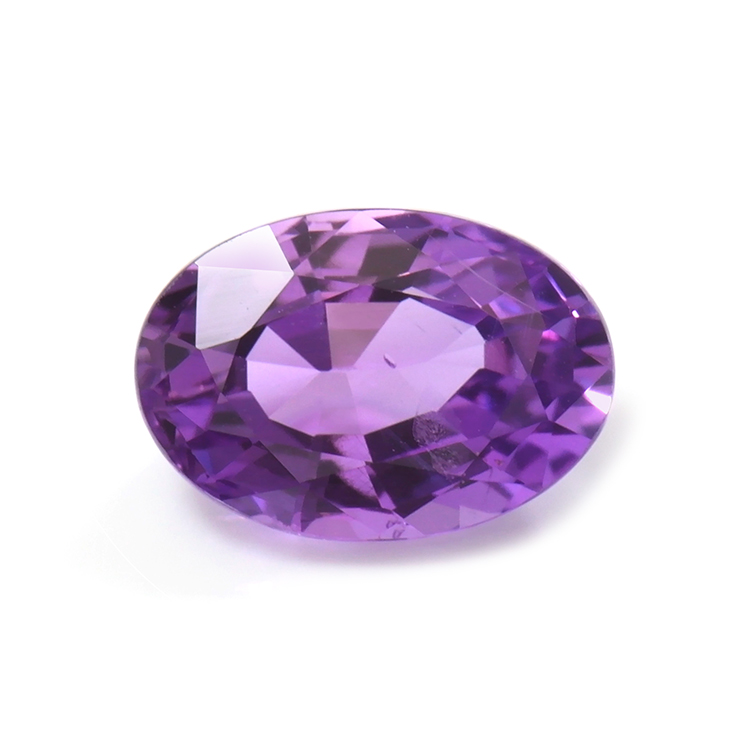
Purple sapphires typically combine the effects that produce blue (iron and titanium) with chromium, which adds pink to red. The balance determines whether a stone appears violet, purple, or plum.
Green and Teal
Green sapphires generally owe their color to iron-related absorption, often combining blue and yellow color mechanisms. Teal sapphires sit between blue and green and have become a recognizable category in their own right.
Padparadscha
Padparadscha is a rare pink-orange variety. Its delicate color typically comes from chromium, adding pink, combined with mechanisms that add yellow or orange. Laboratory definitions of padparadscha can vary in detail.
At a Glance
| Color | Main color-causing factors |
|---|---|
| Blue | Iron and titanium |
| Pink | Chromium |
| Yellow and orange | Iron, sometimes with color centers or chromium |
| Purple and violet | Iron and titanium with chromium |
| Green and teal | Iron-related absorption |
| Padparadscha | Chromium with yellow- or orange-adding mechanisms |
Sapphire Colors in Our Inventory
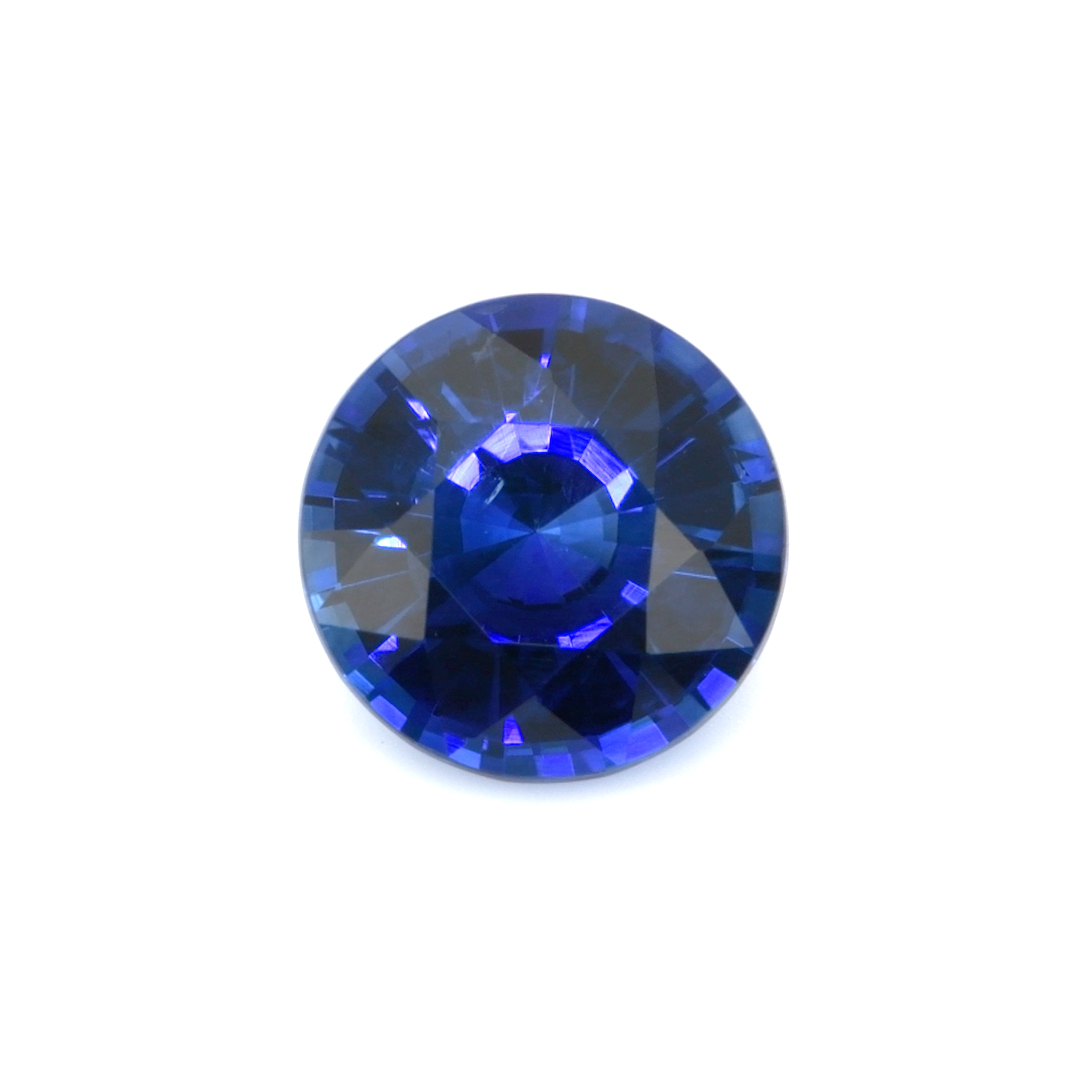
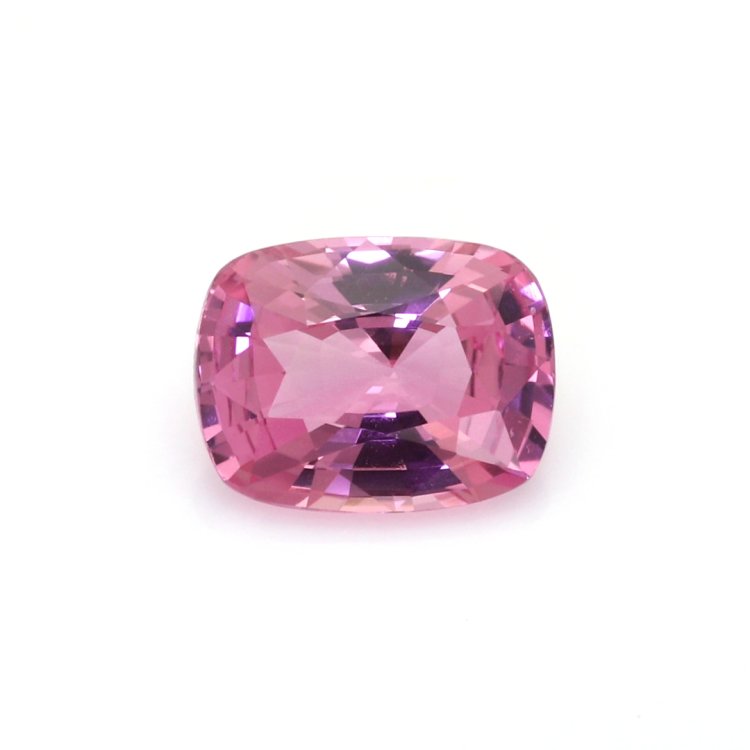
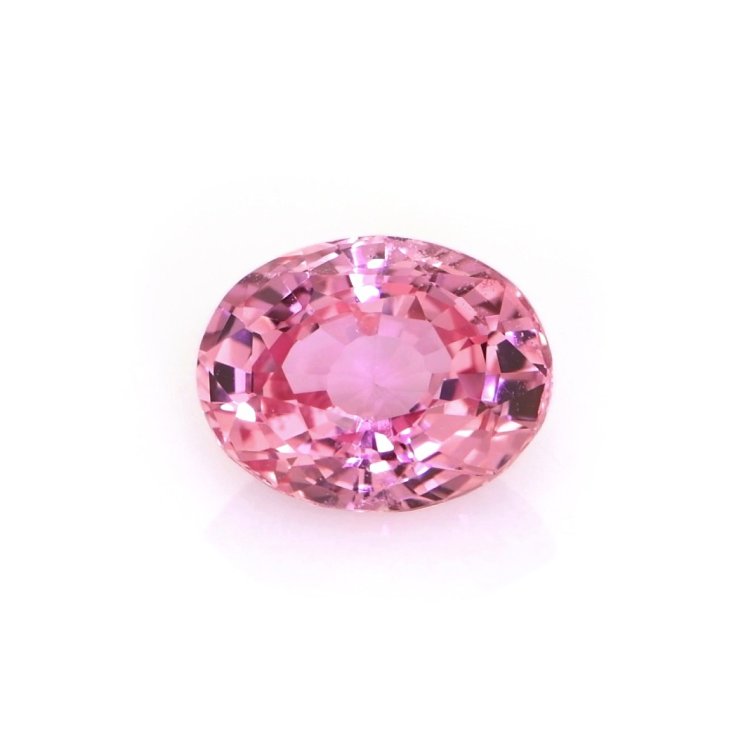
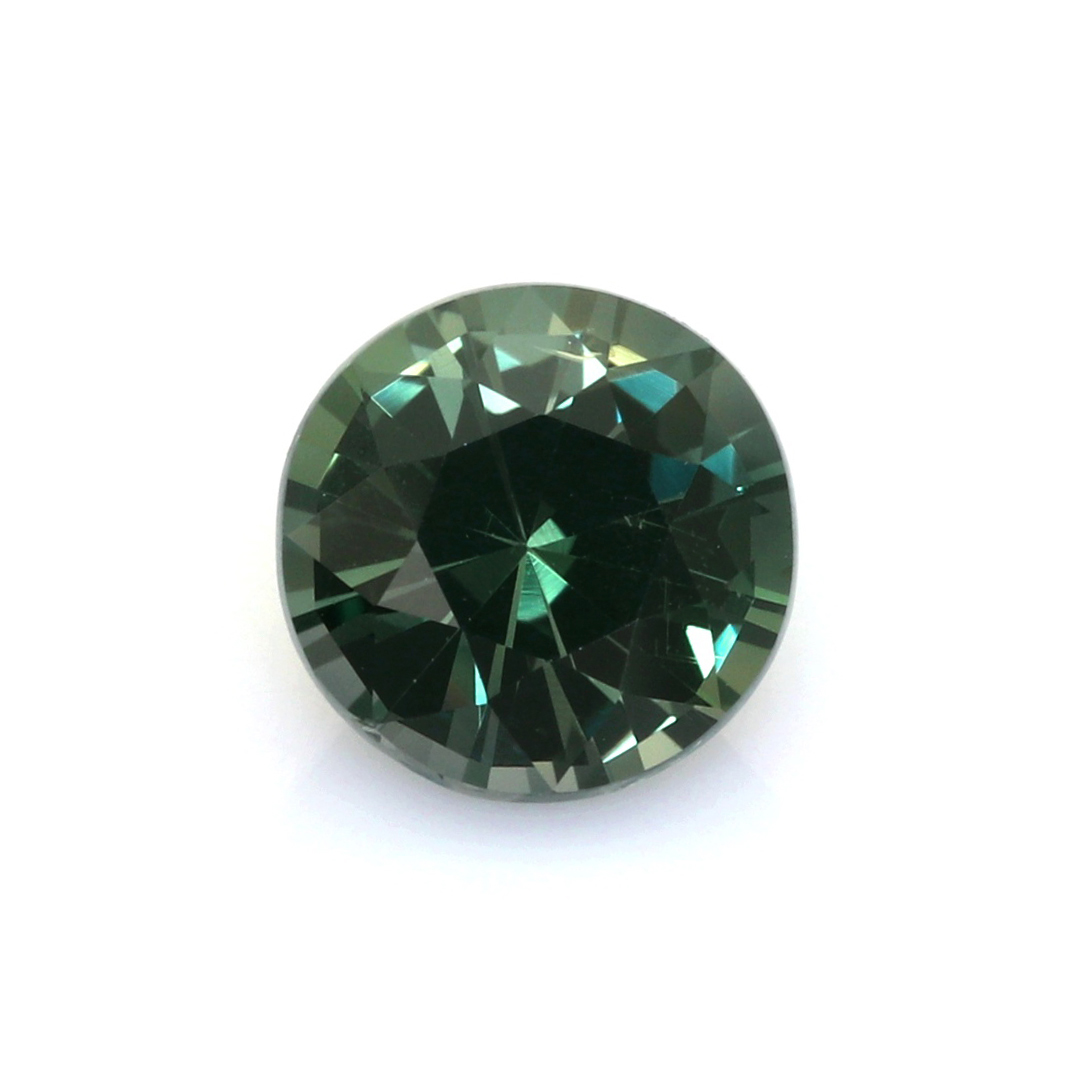
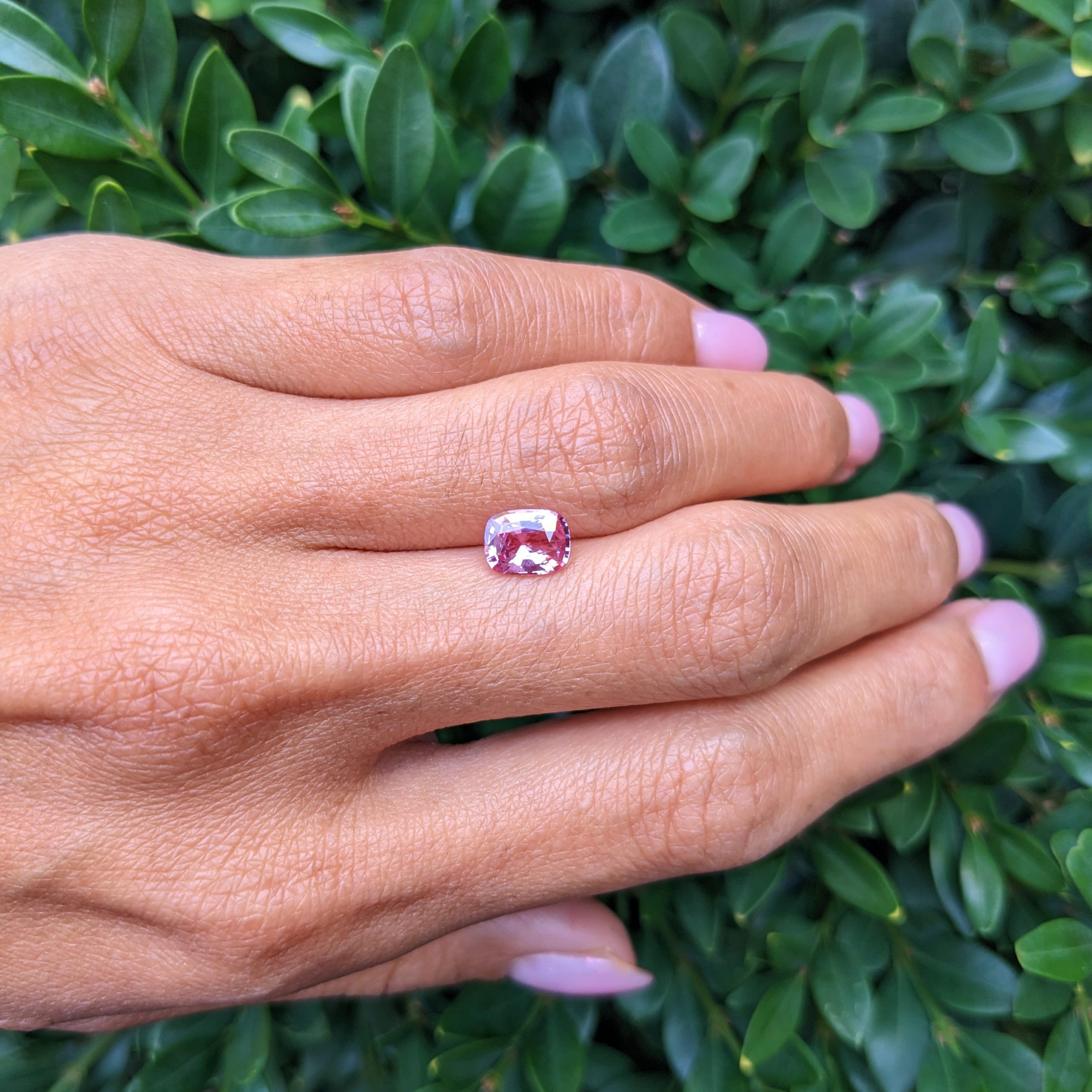
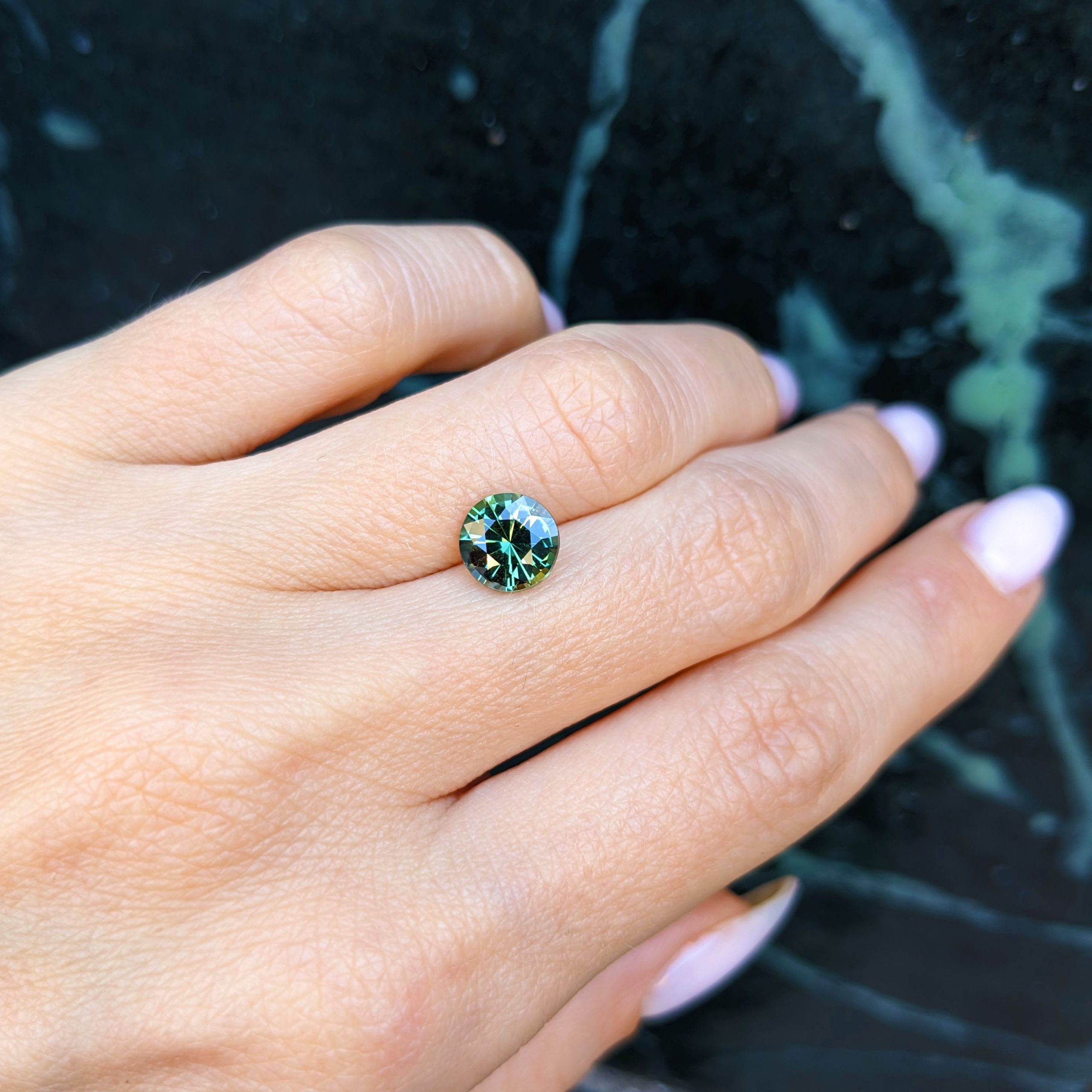
Real stones show how these differences look. The 1.56 ct Ceylon blue round S11898 is listed as Vivid blue and heat treated, in line with the heating practice described below. The 1.33 ct Ceylon pink cushion S4039 is listed as Intense pink with No Enhancement, and the 1.34 ct Ceylon purple oval S9338 as Intense purple with No Enhancement. The 1.52 ct Ceylon yellow radiant Y5495 is listed as Intense yellow and heat treated, and the 2.14 ct Madagascar round S7232 as Intense bluish green with No Enhancement. For padparadscha, the 1.74 ct oval PA3310 and the 1.24 ct heart S15221 are both listed as Medium, one heat treated and one not, and What Makes a Sapphire a Padparadscha? explains how definitions differ. You can see more in our sapphire colors and varieties guide.
Color causes cannot be read from a photograph or a listing, so the explanations here describe the general science rather than any individual stone. A laboratory report is the place to confirm origin and treatment.
Color-Change Sapphires
Some sapphires appear different under daylight and incandescent light, for example blue in daylight and purple under warm light. This color change is often associated with vanadium, sometimes with chromium, which creates absorption patterns that respond differently to light sources with different balances of wavelengths.
For examples and buying advice, see Color-Change & Bi-Color Sapphires: The Chameleons of the Sapphire World.
Pleochroism
Sapphire is pleochroic, meaning it can show slightly different colors when viewed along different directions in the crystal. Blue sapphires, for example, may appear violetish blue in one direction and greenish blue in another. Cutters orient rough so that the best color shows face-up.
Color Zoning
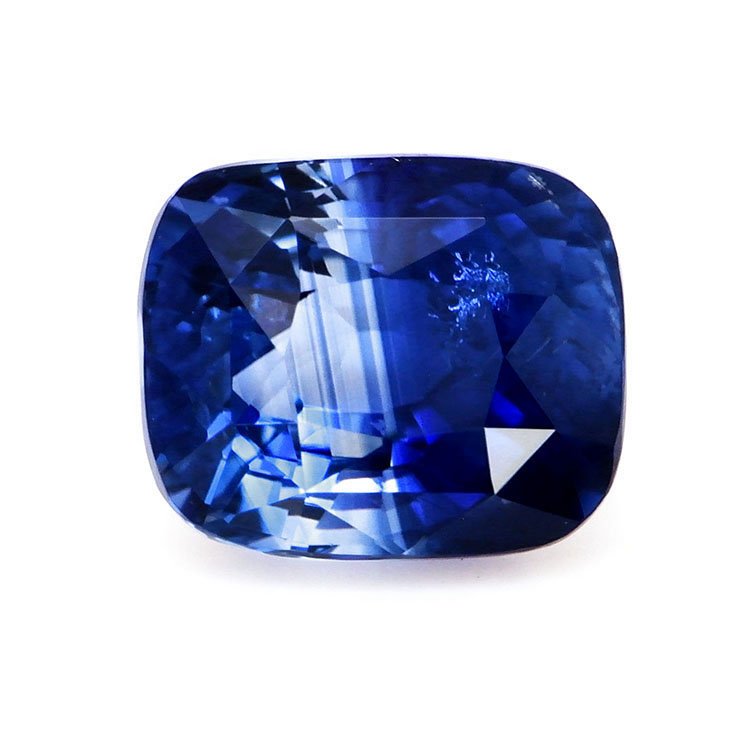
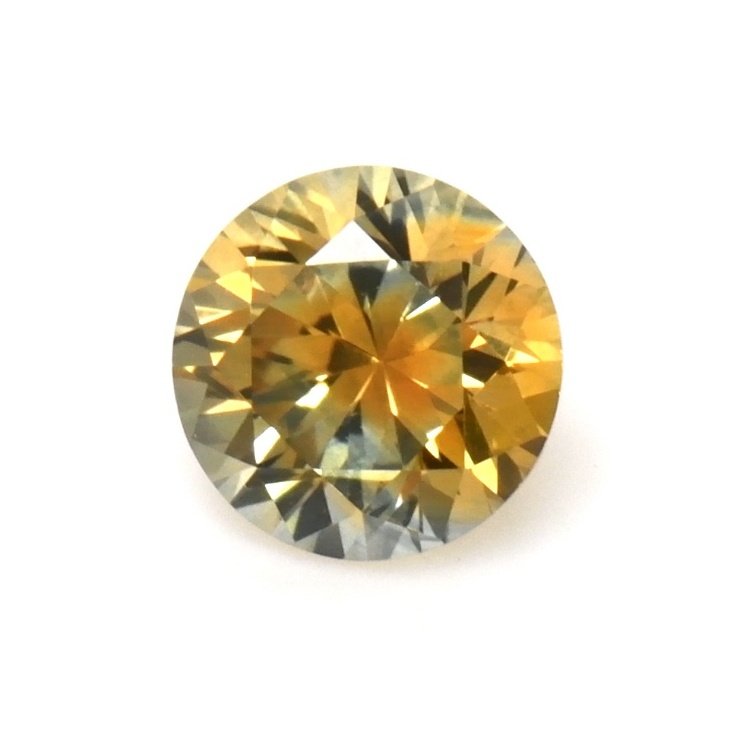
As a sapphire grows, the chemistry of its environment can change, creating bands or zones of stronger and weaker color. Color zoning is common in sapphire and often follows the crystal’s hexagonal growth. In some stones it is visible face-up; in others it is only seen when viewed from the side or under magnification. Skilled cutting can minimize its visibility.
Parti-color stones make the effect obvious. In the photograph, the 3.06 ct Ceylon cushion CG918 shows blue alongside paler zones, and the 0.54 ct Montana round CG726 mixes yellow with a grey-green tone; both are listed as Bi Color / Parti and heat treated.
How Treatments Affect Color
Heat Treatment
Heat treatment is widely used in sapphire and is generally accepted when disclosed. In many blue sapphires, heating can dissolve fine rutile needles (silk). Because rutile contains titanium, dissolving it can make more titanium available to pair with iron, which can intensify blue color and improve clarity. Heating can also lighten overly dark stones or remove unwanted tones in some cases.
Diffusion Treatment
In diffusion treatment, elements are introduced into the stone from the outside at high temperatures. Beryllium diffusion, for example, has been used to create or enhance yellow, orange, and padparadscha-like colors. Titanium diffusion can create a thin blue surface layer. Diffusion-treated sapphires have a significantly different value from heated or untreated stones and must always be disclosed.
Hue, Tone, and Saturation
When evaluating sapphire color, gemologists consider:
- Hue: the basic color, such as blue, violetish blue, or greenish blue.
- Tone: how light or dark the color is.
- Saturation: the intensity or purity of the color.
Many buyers favor strongly saturated, medium to medium-dark tones, but preferences vary.
Seeing the Science for Yourself
You can observe some of this science without special equipment. Look at a blue sapphire from the top and then from the side, and you may notice the shift in hue caused by pleochroism. Hold it near a window and then under a warm lamp to see how the light source changes the color. Under a loupe, you may spot color zoning as parallel bands. These small experiments make the chemistry far more tangible, and they are a lovely way to get to know a stone.
A stone with a hand or tweezer photograph, such as the S9338 below, gives you a good reference for what color looks like away from a white background. For what is happening inside the crystal, The Secrets Inside a Sapphire continues the story.
Colors in Motion
Three short phone videos of a blue, a purple and a padparadscha sapphire on the hand. Turn a stone and watch the color shift.
Frequently Asked Questions
What makes a sapphire blue?
Blue sapphire’s color is generally attributed to interactions between iron and titanium in the corundum crystal, a process called intervalence charge transfer.
Are ruby and sapphire the same mineral?
Yes. Both are corundum. Ruby is red, colored mainly by chromium; sapphire describes every other color.
Does heat treatment change sapphire color permanently?
Heat treatment is generally considered stable and permanent under normal wear and care.
Why does my sapphire look different under different lights?
Different light sources contain different balances of wavelengths, and sapphire’s color-causing elements respond differently to each. Some sapphires show a dramatic color change.
What do “Vivid” and “Intense” mean on a sapphire listing?
They describe how strong the color is, which is closely related to saturation. For example, the S11898 is listed as Vivid blue, the S4039 as Intense pink, and padparadscha stones such as PA3310 as Medium. Intensity says how strong a color is, not what causes it.
Conclusion
The science behind sapphire color reveals how tiny amounts of iron, titanium, chromium, and vanadium transform colorless corundum into a spectrum of hues. Understanding these processes, along with pleochroism, color zoning, and treatment, helps you appreciate why every sapphire’s color is unique.
If you would like to explore sapphires across the full spectrum of color, our team at The Natural Sapphire Company is always happy to help. Explore our collection at thenaturalsapphirecompany.com.