
What Makes a Sapphire a Padparadscha?
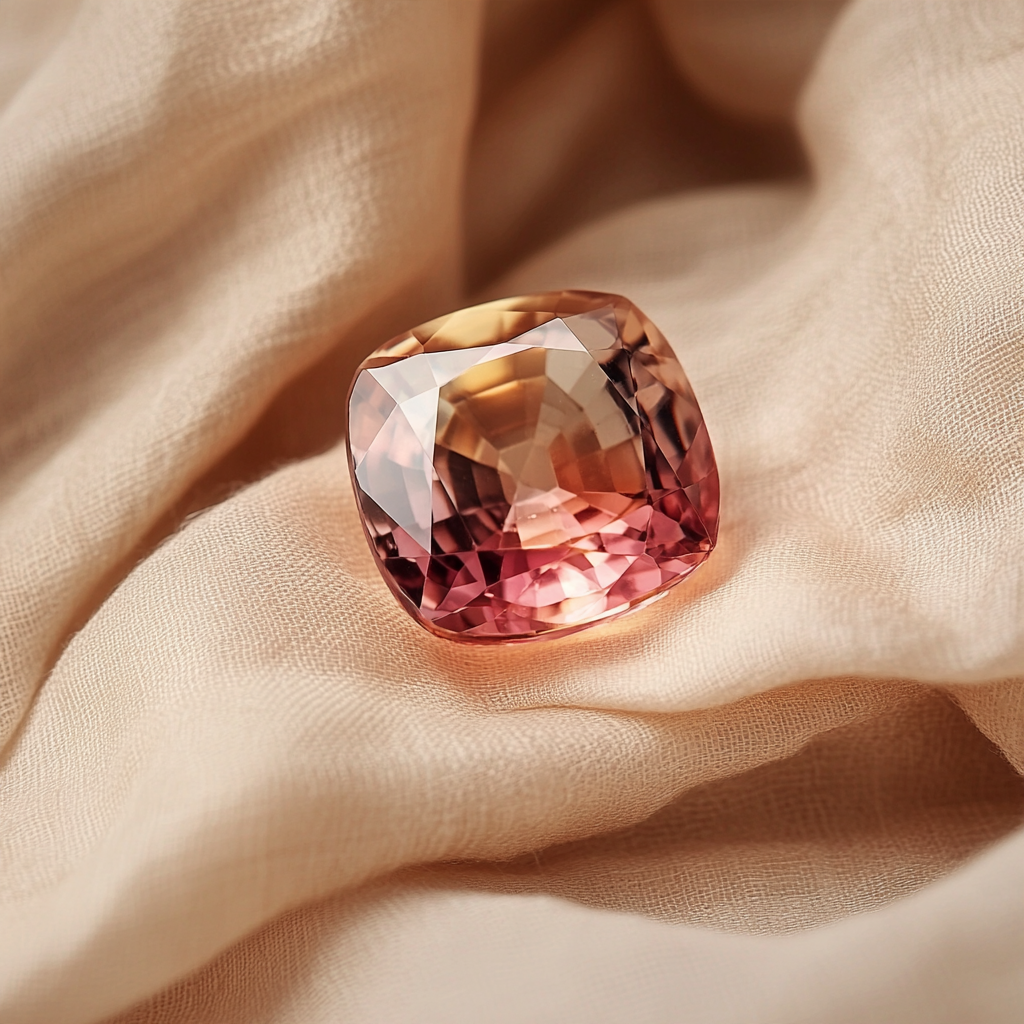
Among all the colors found in sapphire, few create as much fascination as Padparadscha. Neither simply pink nor orange, a true Padparadscha sapphire displays a delicate meeting of both colors. Its unusual appearance, limited supply, and long association with Sri Lanka have made it one of the most desirable varieties of sapphire in the world.
But what actually makes a sapphire a Padparadscha? The answer is more complicated than color alone.
The Sri Lankan Origins of Padparadscha
Padparadscha sapphires are historically associated with Sri Lanka, one of the world’s oldest and most important sources of colored gemstones.
The name Padparadscha is generally connected to the Sinhalese word padmaraga, traditionally associated with the color of a lotus blossom. This connection beautifully reflects the gemstone’s famous mixture of pink and orange.
For generations, Sri Lankan gem gravels have produced these unusual sapphires alongside blue, yellow, pink, and other varieties of corundum.
Although Padparadscha-like sapphires have since been discovered in other locations, including Madagascar and Tanzania, Sri Lanka remains deeply connected with the history and identity of the gemstone.
What Color Is a True Padparadscha Sapphire?
This is where Padparadscha becomes particularly interesting.
A Padparadscha should show a harmonious combination of pink and orange. Neither color should completely dominate the stone. The most admired examples often have a delicate salmon, lotus, or sunset-like appearance.
Unlike intensely saturated blue sapphires or vivid pink sapphires, Padparadscha is often valued for the subtle balance of its colors.
A sapphire that is too strongly orange may simply be classified as an orange sapphire, while one dominated by pink may be considered a pink sapphire.
The boundary between these categories is not always obvious, which has made the Padparadscha name one of the most discussed color descriptions in gemology.
Why Is Padparadscha So Rare?
Corundum occurs in many colors, but the particular conditions required to create an attractive combination of pink and orange are uncommon.
Even among rough crystals displaying both colors, relatively few will produce a beautifully balanced Padparadscha after cutting.
Cutters also face an important challenge. They must consider not only brilliance and weight retention but also how the finished shape and orientation will display the pink and orange components.
This combination of geological rarity and cutting difficulty contributes to the limited availability of fine-quality stones.
Not Every Pink-Orange Sapphire Is Padparadscha
One of the biggest misconceptions is that any sapphire containing pink and orange can automatically be sold as Padparadscha.
Gemological laboratories apply specific criteria when determining whether a sapphire qualifies for the designation. They may examine its hue, tone, saturation, color distribution, treatments, and other characteristics.
Certain stones may fall outside accepted Padparadscha ranges even though they appear pinkish orange or orangish pink.
This makes an independent laboratory report particularly valuable when purchasing an expensive sapphire represented as Padparadscha.
Natural, Heated, and Treated Padparadscha Sapphires
Treatment is another important consideration.
Like other sapphires, some Padparadscha sapphires are heated to improve their color or clarity. Heated stones can still be beautiful and valuable, but treatment should be properly disclosed.
Unheated examples with attractive natural pink-orange color are especially desirable among collectors because finding this combination naturally is exceptionally difficult.
More controversial treatments can also create or alter pink-orange appearances. For this reason, laboratory testing is important when significant value depends on both the Padparadscha designation and treatment status.
Does Origin Affect the Value?
Sri Lankan Padparadscha sapphires have a particularly strong historical reputation, but geographic origin alone does not determine quality.
Fine stones have also been discovered in Madagascar and East Africa.
For an individual sapphire, color balance, beauty, clarity, size, treatment status, cut, and laboratory documentation can all influence desirability.
A beautiful Padparadscha from one origin may therefore be more valuable than an ordinary example from another.
Why Collectors Love Padparadscha Sapphires
Part of the attraction is that no two Padparadscha sapphires look exactly alike.
One may lean toward warm peach and orange, while another may reveal more pink. Some resemble the soft colors of a lotus flower, while others bring to mind a tropical sunset.
Their rarity also gives them a different appeal from traditional blue sapphires. For collectors who already understand the major sapphire varieties, finding a beautifully balanced Padparadscha can become a serious pursuit.
The Beauty of Two Colors in One Sapphire
Padparadscha sapphire proves that rarity does not always have to be dramatic.
Its beauty comes from balance: pink meeting orange without either completely taking control.
Combined with its historic connection to Sri Lanka, limited availability, and challenging identification, this unusual color variety has earned a special position within the sapphire world.
For someone who truly loves sapphires, Padparadscha represents one of the most fascinating possibilities offered by corundum—a gemstone whose greatest beauty lies somewhere between two colors.
Explore our exceptional collection of Padparadscha sapphires, where captivating pink and orange hues come together in some of nature’s most distinctive and sought-after sapphires.