
How Taste in Sapphires Changes with Age
How Taste in Sapphires Changes with Age is a fascinating reflection of how personal preferences, experiences, and appreciation for gemstones evolve over time. Many people begin with a classic, rich blue sapphire. As they learn more and their tastes develop, they may become drawn to pink, purple, yellow, and teal stones, eventually exploring rarer varieties such as padparadscha and parti-color sapphires. Others develop a deeper appreciation for natural characteristics, including unheated sapphires with delicate silk inclusions. While these preferences may change with age and experience, there is no fixed pattern, and the best sapphire will always be the one that captures your heart.
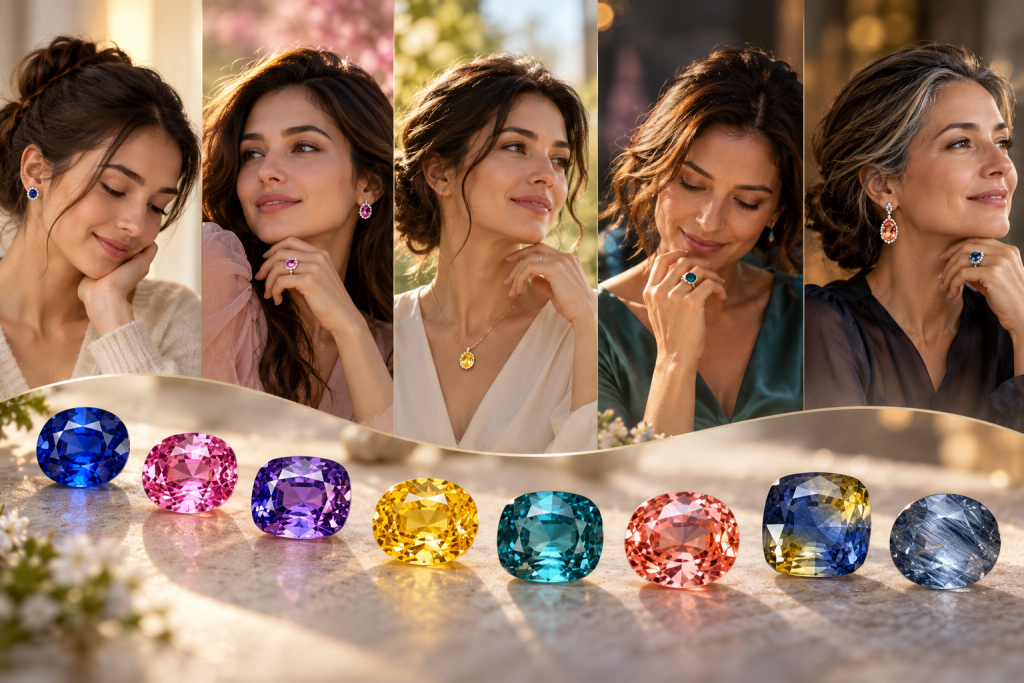
Everyone’s path is different, but recognizing the common turns can help you choose a stone you will still enjoy years from now. Real stones from our inventory illustrate each stage below.
The First Sapphire: Classic Blue
For many people, a first sapphire is chosen for its iconic color. Blue sapphire has been prized for centuries and is closely associated with royalty, loyalty, and wisdom in popular culture. It is also September’s birthstone and a popular choice for engagement rings.
At this stage, buyers often focus on what they have heard is “best”: a rich, saturated blue, a clean appearance, and a recognizable shape like an oval or round. These are excellent starting points. Blue sapphire’s durability, at 9 on the Mohs scale, also makes it a practical choice for a first piece worn daily.
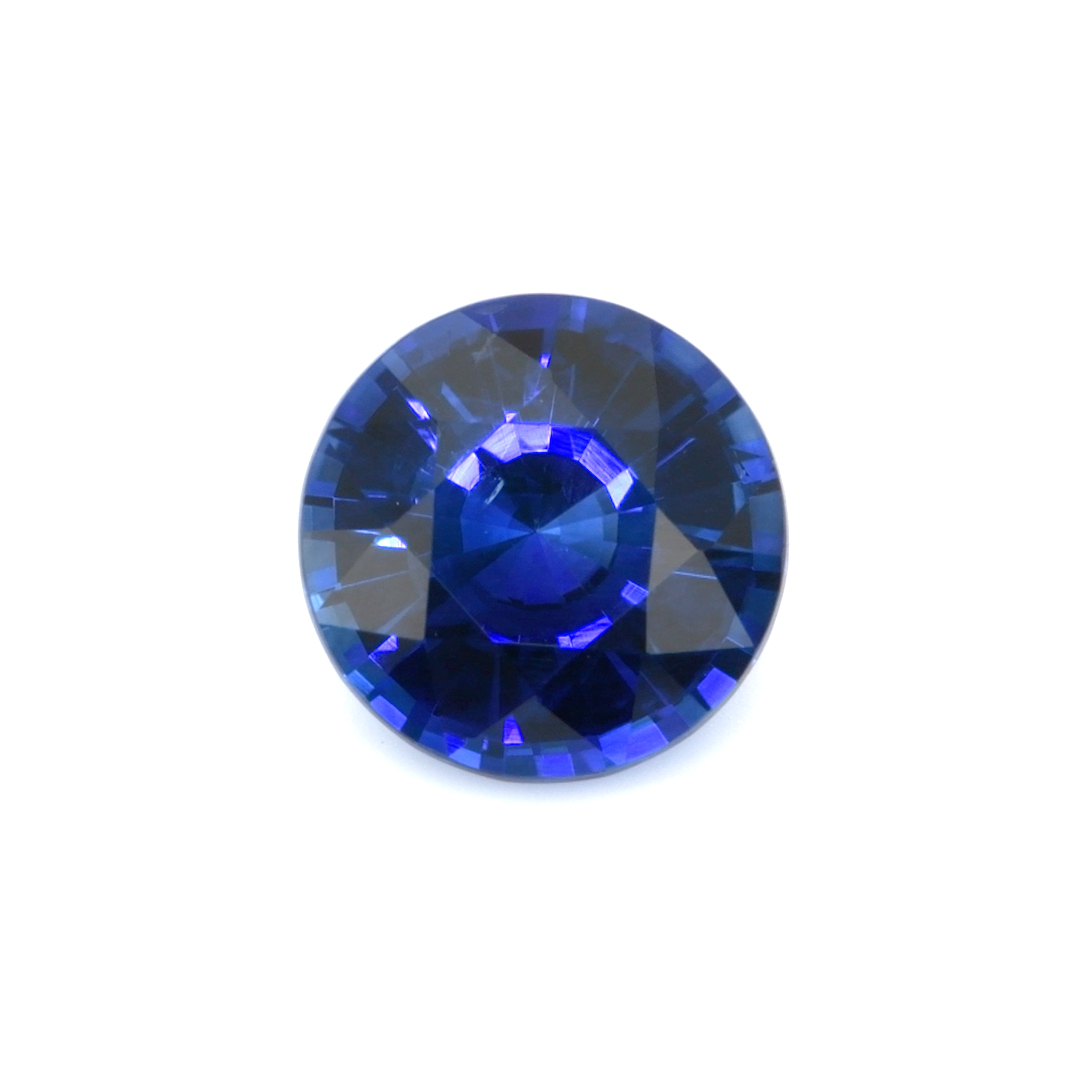
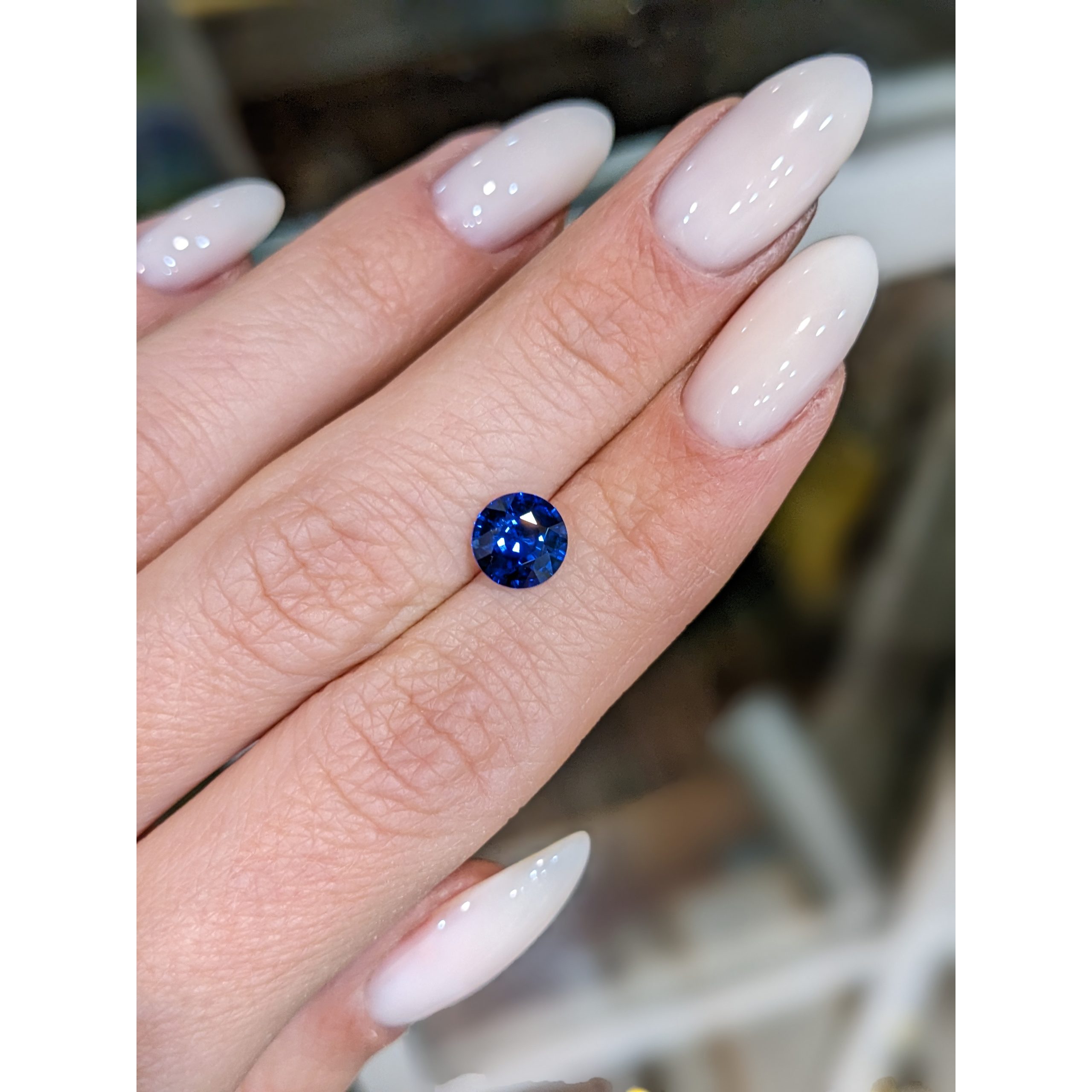
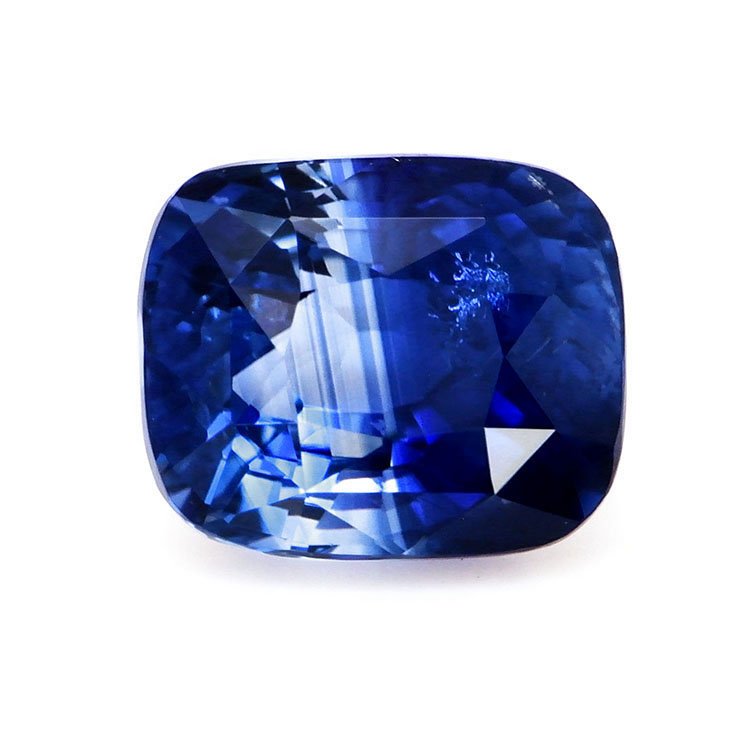
A good example is the 1.56 ct Ceylon blue sapphire S11898, a round stone listed as Vivid blue and Eye Clean, and heat treated. At 7.06 × 7.02 mm it is a size that suits a daily ring. A smaller option in the same style is the 0.82 ct round S21038, also listed as Vivid blue, Eye Clean and heat treated.
Discovering the Rainbow of Sapphire Colors
Sapphire is corundum in any color other than red (red corundum is ruby). Once people learn this, many are surprised by how many colors exist: pink, yellow, orange, purple, green, white (colorless), and combinations in between.
Pink and Purple
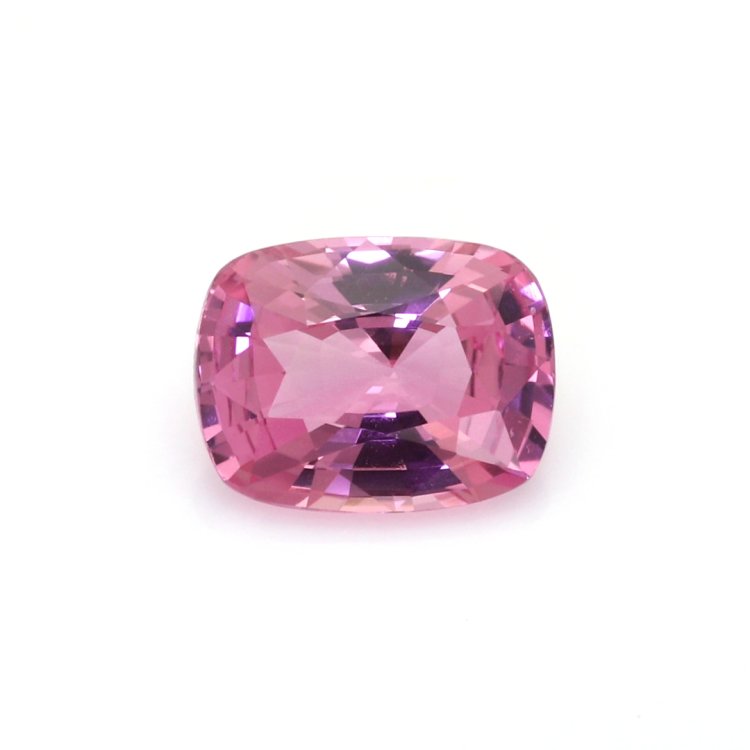
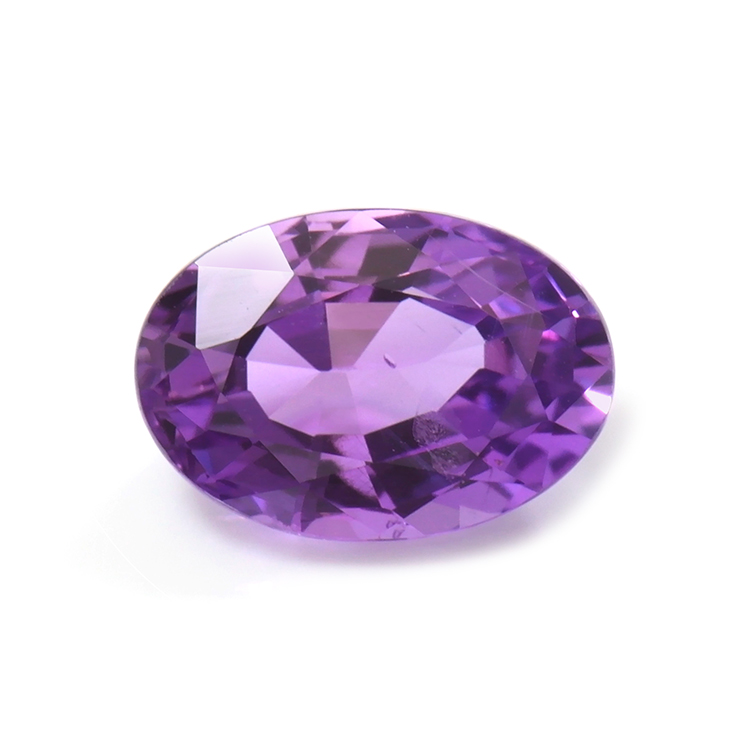
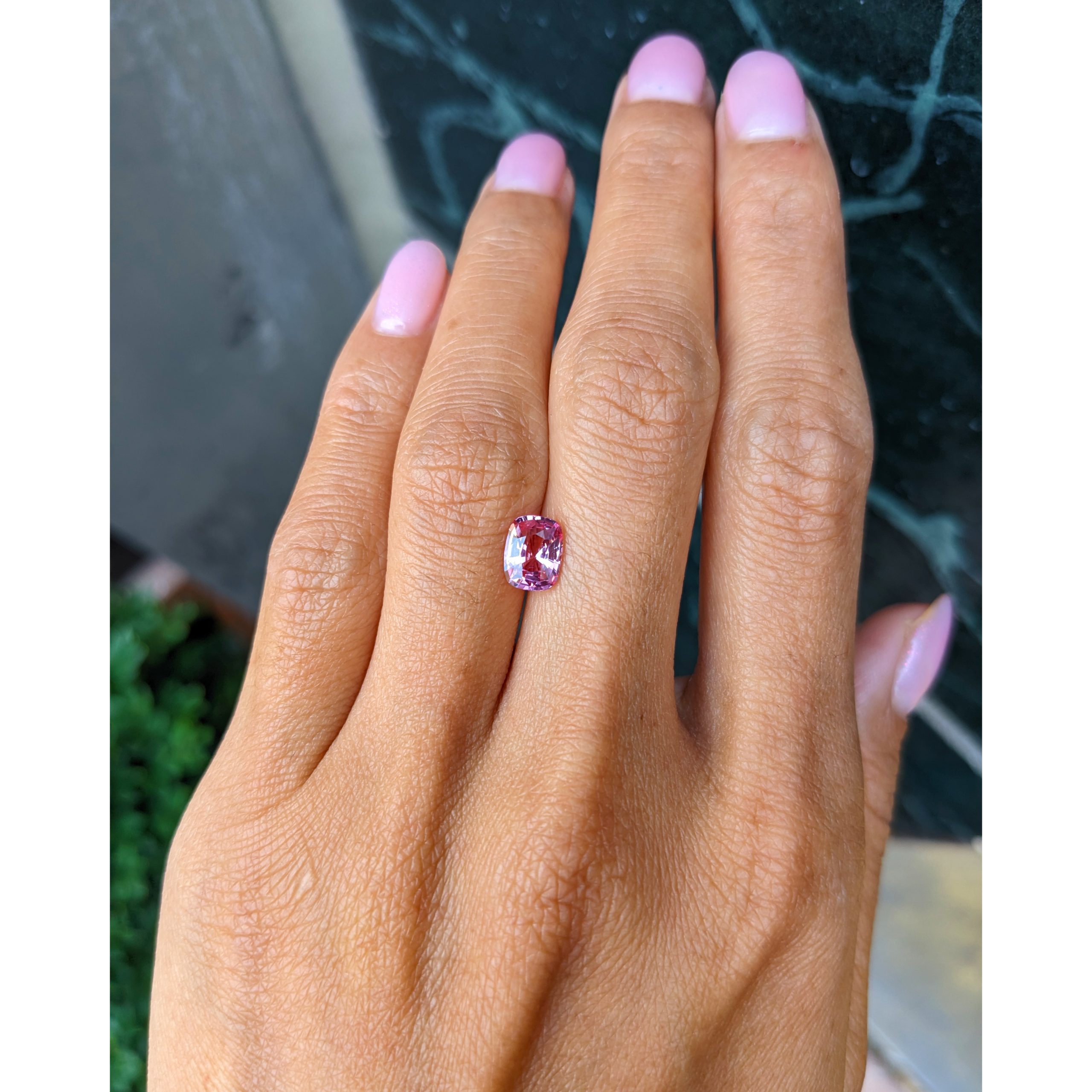
Pink sapphires often appeal to people looking for something romantic but less traditional, and purple sapphires offer a regal alternative. The 1.33 ct Ceylon pink cushion S4039 is listed as Intense pink and Eye Clean with No Enhancement, and the 1.34 ct Ceylon purple oval S9338 is listed as Intense purple with No Enhancement. Why these colors differ from blue is a chemistry story we tell in The Science Behind Sapphire Color.
Yellow and Orange
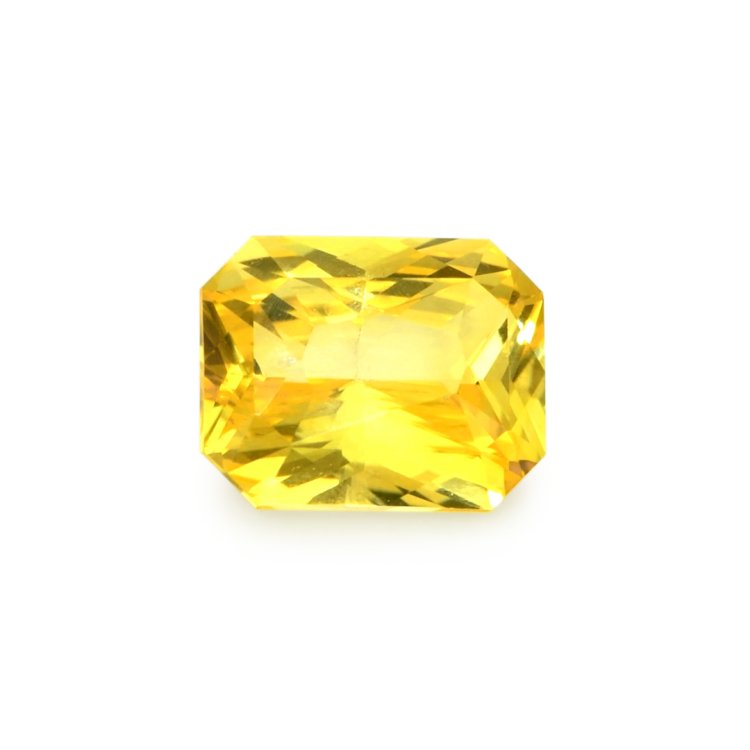
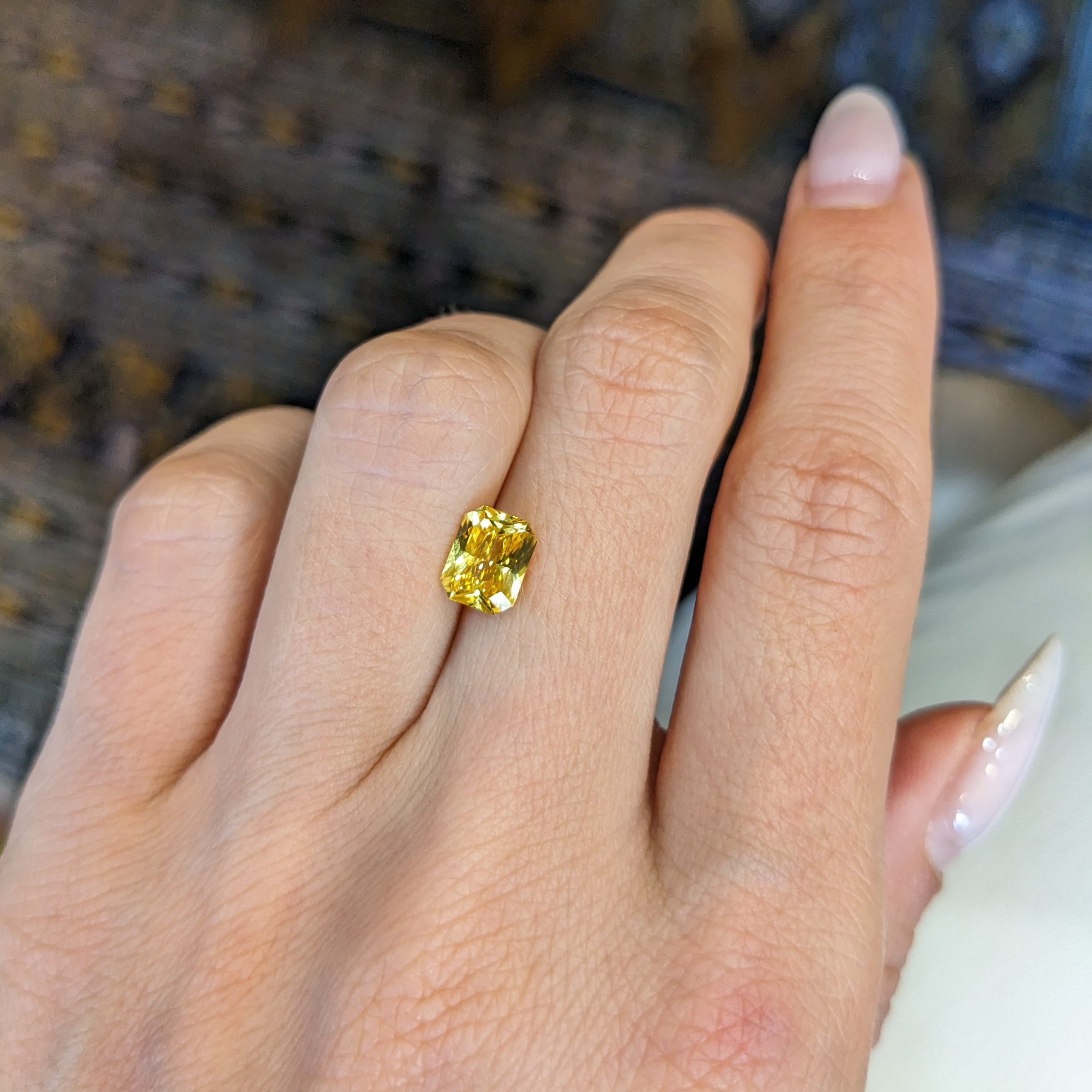
Yellow sapphires bring warmth and brightness, and orange sapphires can be vibrant and modern. They are often chosen for their energy, or to stand out in a jewelry collection. The 1.52 ct Ceylon yellow radiant Y5495 is listed as Intense yellow and Eye Clean, and heat treated.
Green and Teal
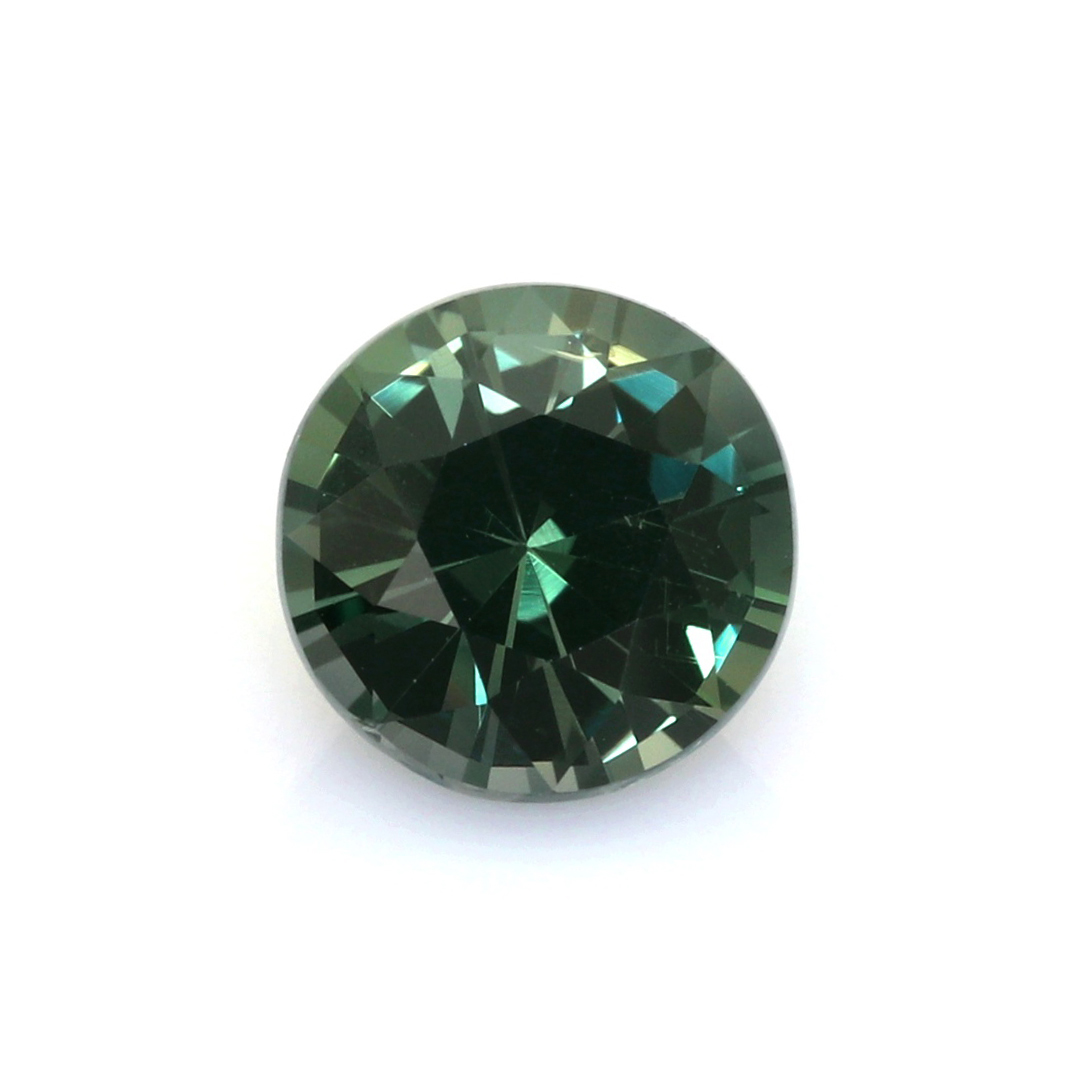
Green and teal sapphires have found a devoted following among buyers who enjoy subtle, nature-inspired tones. The 2.14 ct Madagascar bluish green round S7232 is listed as Intense bluish green and Eye Clean with No Enhancement, a good example of the teal-leaning shades that often attract collectors after a first blue stone.
Three Stones, Three Hands
Three short phone videos show a pink, a yellow and a bluish green sapphire on the hand, where color and scale are easier to judge than in a still photo.
The Pull Toward the Unusual
With experience, many sapphire lovers develop a taste for stones that are rarer or more distinctive.
Padparadscha
Padparadscha sapphires display a delicate blend of pink and orange, often compared to lotus blossoms or sunsets. The name is generally said to derive from the Sinhalese word for the lotus flower. They are rare, and definitions of what qualifies can vary between laboratories, which is part of their mystique.
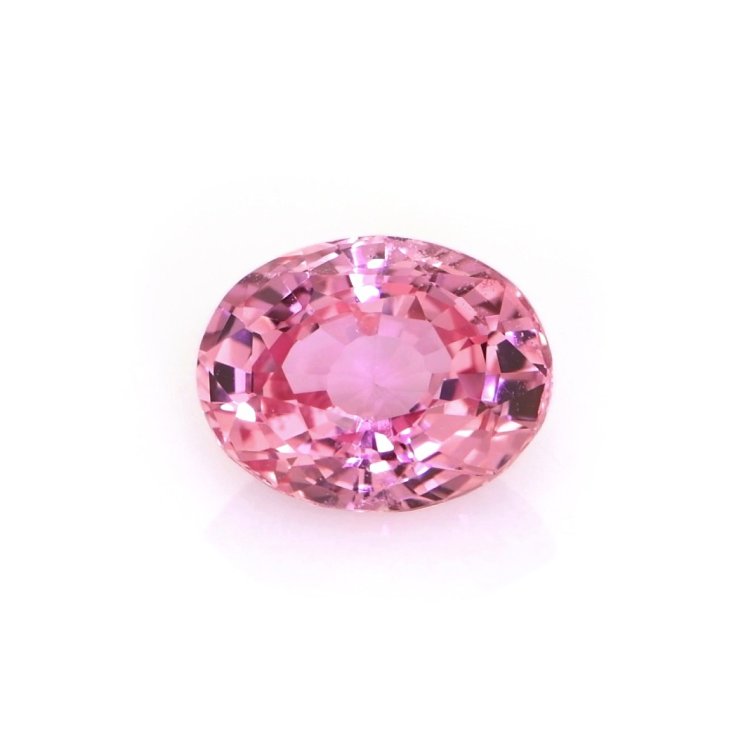
Two listings show how varied the category is. The 1.74 ct Ceylon oval PA3310 is listed as a Medium padparadscha, Very Slightly Included and heat treated, and the 1.24 ct Ceylon heart S15221 is listed as a Medium padparadscha, Eye Clean, with No Enhancement. In the product photographs the oval reads as a soft pink and the heart as a peachy orange, which is a reminder of how much latitude there is within one name. For a closer look at the definitions, see What Makes a Sapphire a Padparadscha?.
Parti-Color Sapphires
Parti sapphires show two or more distinct colors in a single stone, such as blue and yellow or green and yellow. Each one is unique, which appeals to collectors who value individuality.
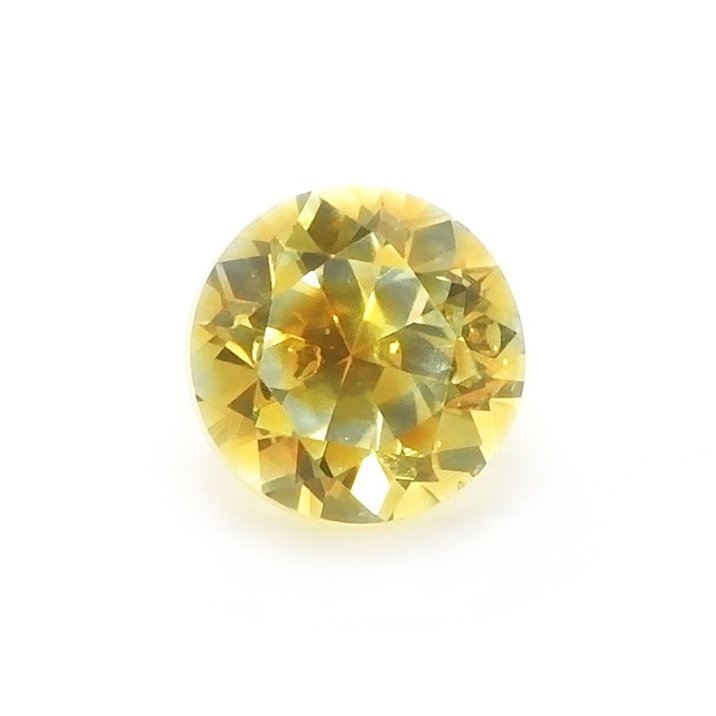
The 0.92 ct Montana round parti CG625 is listed as a Bi Color / Parti stone and, in the photograph, mixes yellow and green. Parti stones are a quiet favorite with collectors who like a gem that no one else will have.
Color-Change Sapphires
Some sapphires shift color between daylight and incandescent light, for example from blue to purple. These fascinate people who enjoy gems with a sense of surprise. For a full guide, see Color-Change & Bi-Color Sapphires: The Chameleons of the Sapphire World.
From Perfection to Character
Early on, many buyers seek a flawless look. Over time, some come to appreciate natural character.
Unheated Sapphires
Heat treatment is common in sapphire and is generally accepted when disclosed. Experienced collectors often develop an interest in unheated stones, valuing them for their rarity and their unaltered state. Color is not limited to blue here: our listings for the pink S4039, the purple S9338, the padparadscha heart S15221 and the bluish green S7232 all state No Enhancement. Comparing one of these with a heated blue such as S11898 shows how much of this choice is personal, since both are beautiful. For more on what inclusions say about a stone, see The Secrets Inside a Sapphire.
Inclusions as Fingerprints
Gemologists use inclusions to help identify natural stones and, sometimes, estimate origin. Collectors may come to see them as fingerprints of nature rather than flaws, and a stone listed as Very Slightly Included, such as S9338, shows that a little character can sit comfortably alongside strong color.
Why Tastes Change
Knowledge Grows
The more people learn about sapphires, the more they notice: the nuance of a slightly violet blue, the softness that silk can give, the effect of a well-cut pavilion. Knowledge naturally refines taste.
Life Changes
Milestones such as engagements, anniversaries, career changes, or retirement often inspire new jewelry. Someone who chose a classic blue engagement ring may later want a colorful right-hand ring or a bold pendant that reflects a different chapter of life.
Style Evolves
Wardrobes, skin tones, and personal style can change over time. Colors that once felt too bold may become favorites, or a preference for warmer metals might shift toward white or rose gold.
Meaning Becomes Central
As people collect pieces with personal significance, the story behind a stone can matter as much as its appearance. Heirlooms, origins, and custom designs gain importance.
Tips for Choosing a Sapphire That Grows With You
- Choose color you love today, rather than what you think you “should” like.
- Consider versatile designs that work for daily wear and special occasions.
- Ask about treatment and origin to understand the full story of the stone.
- Think about future additions, such as complementary bands or matching earrings.
- Keep documentation for your stones, including any laboratory reports.
Revisiting Pieces You Already Own
A changing taste does not mean your earlier choices were wrong. Many people find new appreciation for a first sapphire once they understand it better, noticing its particular shade of blue or the quality of its cut. Others prefer to reset a stone into a design that suits their current style, or to pair it with new colors. Looking at an existing piece with fresh eyes, perhaps alongside a few sapphires in other hues, can be a rewarding way to see how your preferences have developed.
Frequently Asked Questions
Is blue still the most popular sapphire color?
Blue remains the classic and most recognized sapphire color, but fancy colors such as pink, yellow, teal, and padparadscha have a wide and enthusiastic following of their own.
What is a padparadscha sapphire?
It is a rare sapphire with a delicate mix of pink and orange. Definitions can vary, so a laboratory report is recommended for important purchases.
Are unheated sapphires better?
They are rarer and often valued more highly, but heated sapphires can be just as beautiful. The key is accurate disclosure.
Can I reset a sapphire if my taste changes?
Yes. Sapphire’s durability makes it well suited to resetting into new designs, which is a lovely way to refresh a piece while keeping its meaning.
Can I find unheated sapphires in colors other than blue?
Yes. Our inventory includes unheated sapphires in pink (S4039), purple (S9338), padparadscha (S15221) and bluish green (S7232), each listed as No Enhancement. Please check a listing for current availability and its treatment disclosure.
Conclusion
Taste in sapphires often changes with age and experience, moving from classic blue toward the full rainbow of colors, unusual varieties, and a greater appreciation of natural character. Wherever you are in that journey, the best sapphire is the one that feels right for you now, and can carry its story into the future.
If you are curious about exploring new sapphire colors or redesigning a piece you already love, our team at The Natural Sapphire Company would be happy to help. Explore our collection at thenaturalsapphirecompany.com.