
- Stone12
- Reports2
-fancy-blue-sapphire-16.1000-cts-s28610-1.jpg?d=200x200&v=20250814031124)
-various-yellow-sapphire-16.1000-cts-s28610-lifestyleimage-1.jpg?d=200x200&v=20250819015150)
-various-yellow-sapphire-16.1000-cts-s28610-lifestyleimage-2.jpg?d=200x200&v=20250819015330)
-various-yellow-sapphire-16.1000-cts-s28610-lifestyleimage-3.jpg?d=200x200&v=20250819015330)
-various-yellow-sapphire-16.1000-cts-s28610-lifestyleimage-4.jpg?d=200x200&v=20250819015330)
-fancy-blue-sapphire-16.1000-cts-s28610-1.jpg?d=750x750&s=nsc&v=20250814031124)
-various-yellow-sapphire-16.1000-cts-s28610-lifestyleimage-1.jpg?d=750x750&s=nsc&v=20250819015150)
-various-yellow-sapphire-16.1000-cts-s28610-lifestyleimage-2.jpg?d=750x750&s=nsc&v=20250819015330)
-various-yellow-sapphire-16.1000-cts-s28610-lifestyleimage-3.jpg?d=750x750&s=nsc&v=20250819015330)
-various-yellow-sapphire-16.1000-cts-s28610-lifestyleimage-4.jpg?d=750x750&s=nsc&v=20250819015330)


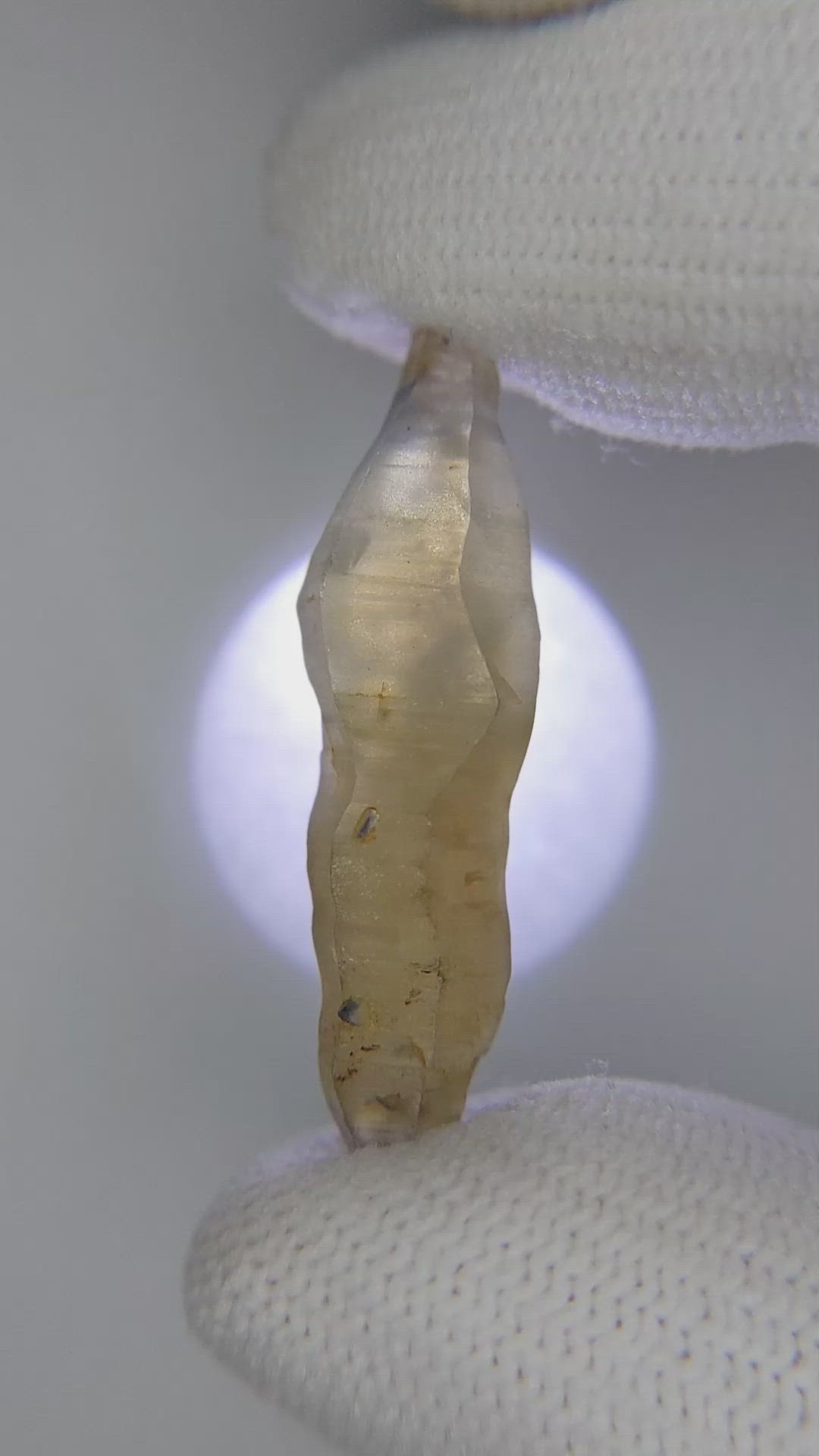
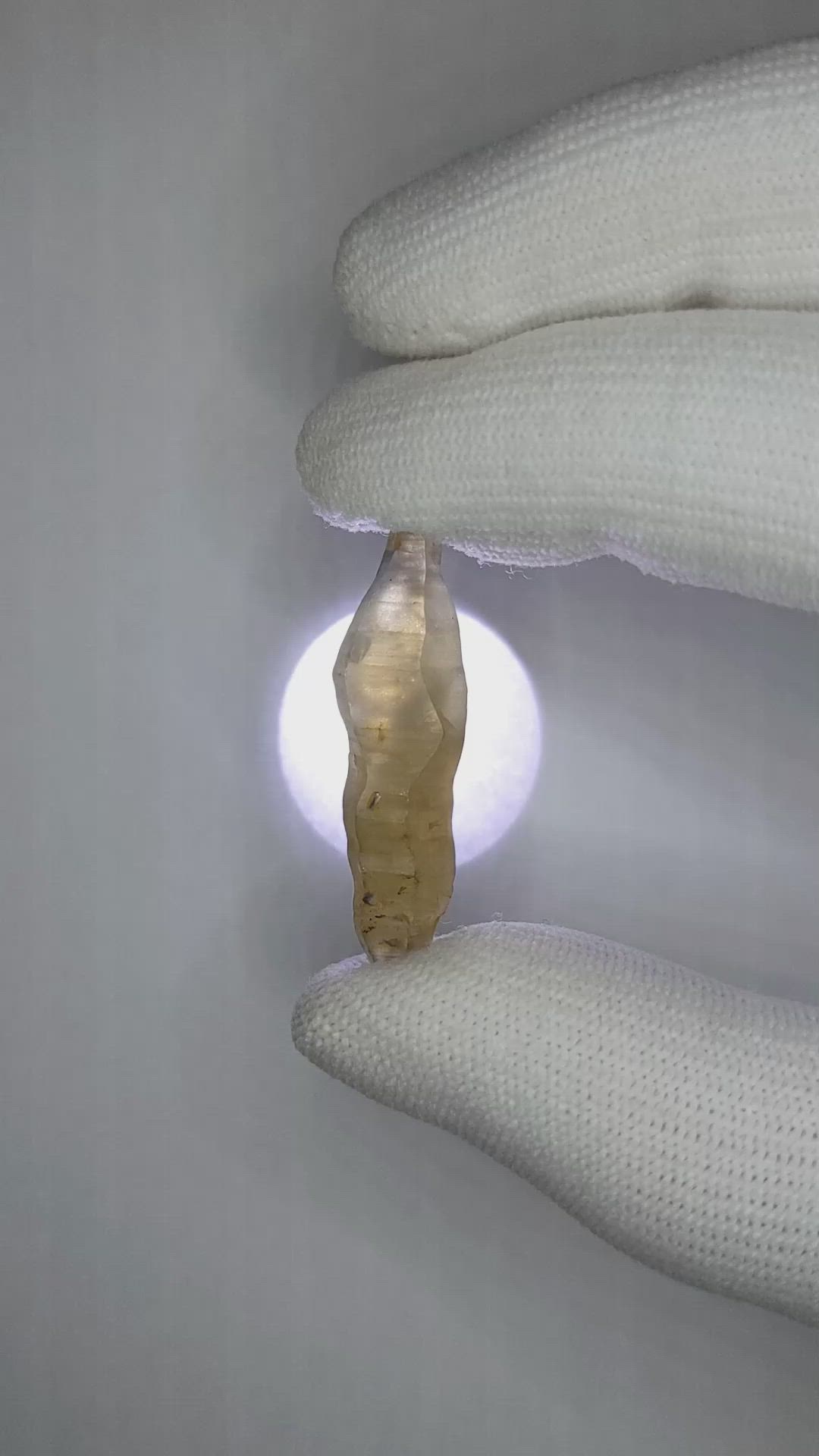
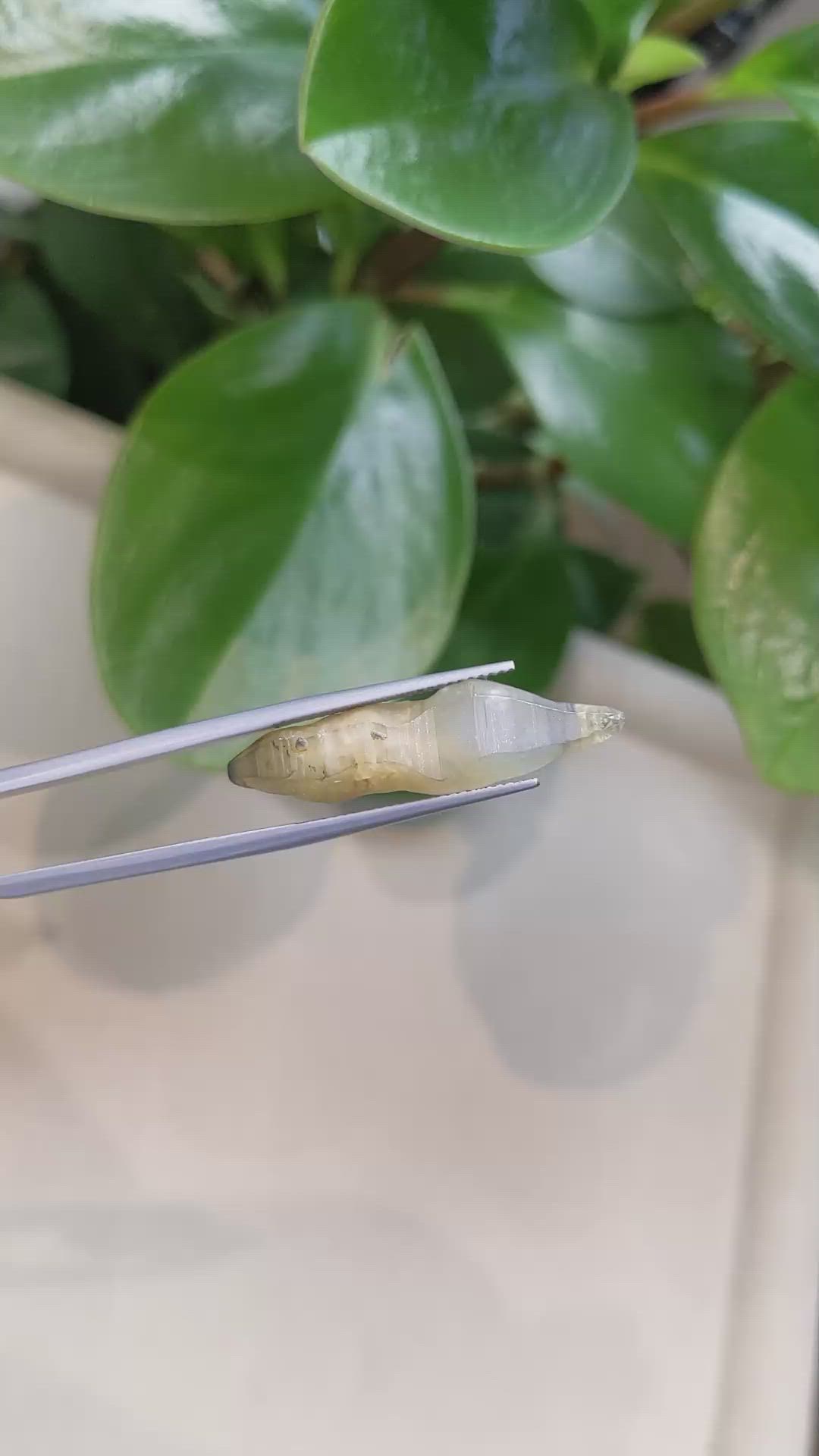
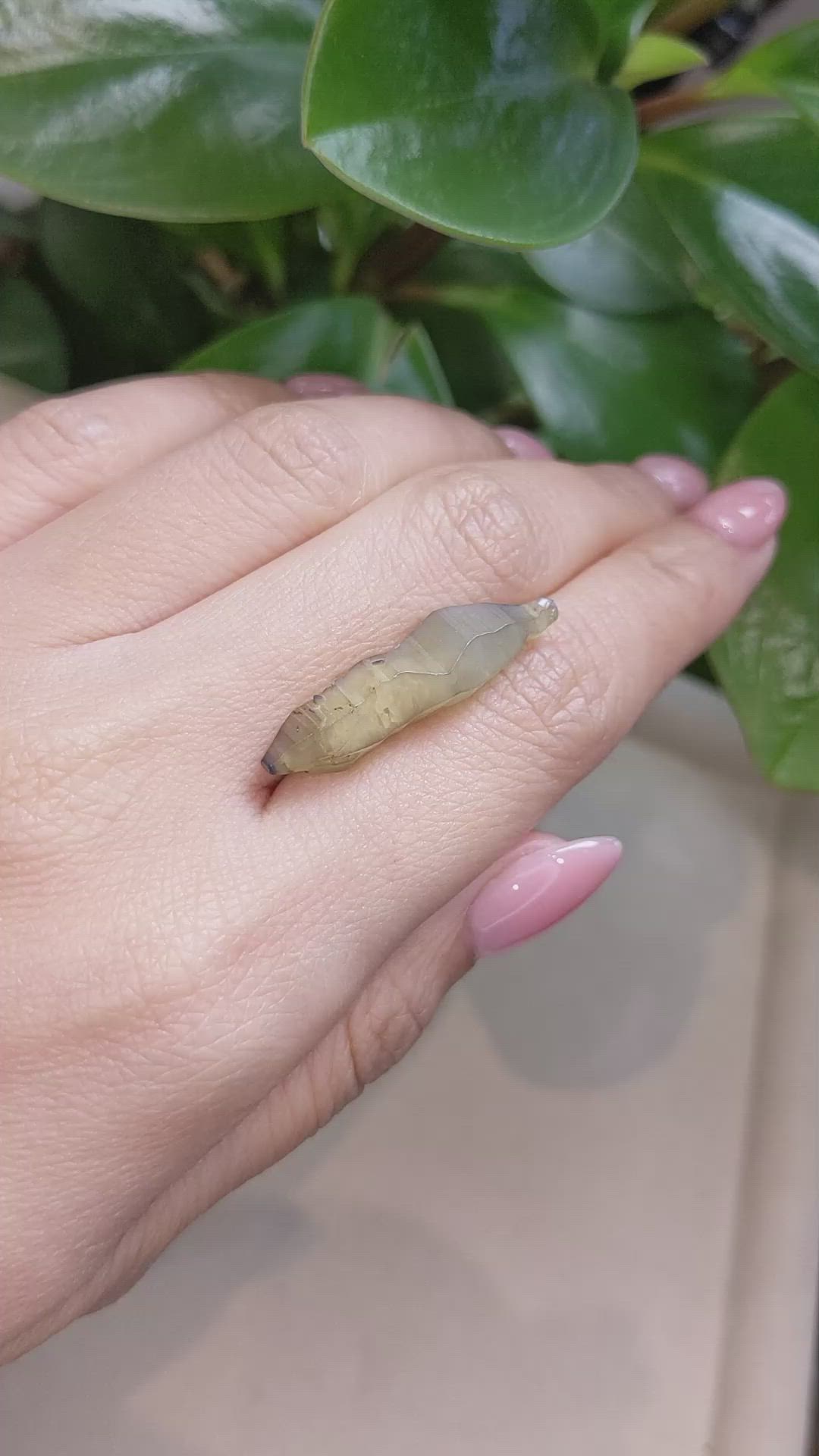
16.10 Ct. Yellow Sapphire Crystal from Ceylon (Sri Lanka)
This loose stone is available to ship now
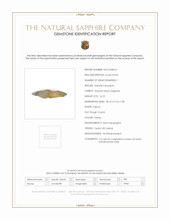
Item ID: | S28610 |
|---|---|
Dimensions (MM): help | Length: 33.1 Width: 9.1 Height: 7.3 |
Weight: | 16.10 Ct. |
Color: help | Yellow |
Color intensity: help | Medium |
Clarity: help | Not Applicable |
Shape: help | Various |
Cut: | Rough Crystal |
Cutting style: | Crystal |
Enhancements: help | No Enhancement |
Origin: help | Ceylon (Sri Lanka) |
Per carat price: help | $80 |
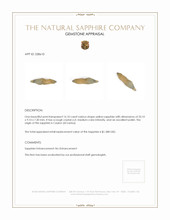
This specimen from The Natural Sapphire Company is a semi transparent yellow sapphire, weighing 16.10 carats, with dimensions 33.10 by 9.10 by 7.30 millimeters. The stone presents a various shape, indicative of an elongated natural habit rather than a conventional symmetrical outline, and it carries a rough crystal cut that preserves much of its original morphology. Color is classified at a medium intensity, yielding a balanced yellow tone that reads evenly across the central table, while the stone exhibits an excellent polish that permits strong surface reflection and clean facet junctions. The sapphire is unenhanced, with no heat treatment or diffusion applied, and its origin is Ceylon, Sri Lanka, a locality noted for producing sapphires with clear, bright yellow tints.
From a cutting and light performance perspective, the rough crystal cut of this piece is deliberate, retaining native facets and plane changes that reveal the original crystal habit. The elongated outline and narrow width create a pronounced length to width ratio, which affects light travel through the pavilion and crown, resulting in a characteristic interplay of direct transmission and internal light return. The shallow profile at seven point three millimeters depth relative to its length concentrates light in axial directions, producing areas of brighter transmission along the central axis, while the natural plane terminations at each end generate subtle contrast zones. The excellent polish enhances return of incident light, by reducing surface scattering, and the preservation of natural faces lends the gem an organic, museum quality aesthetic, suitable for settings that emphasize form over conventional brilliance.
Chromatic attributes are consistent with iron related chromophores typical of yellow sapphires from Ceylon, giving the piece a medium saturated yellow that is neither overly pastel nor deeply mustard. Color zoning is present at a fine scale, aligning with the elongated growth direction, and the semi transparency allows viewer engagement with internal features, while maintaining overall clarity that supports visual appeal. Inclusions are consistent with natural crystallization, they are useful for origin determination and for confirming lack of treatment, and they sit within the body of the stone without dominating its face up presentation. Pleochroism in yellow sapphires is generally weak to moderate, and this sapphire shows slight variation when viewed from different crystallographic directions, which can be used by a cutter or a designer to orient the stone for optimal face up hue. The untreated status, combined with Ceylon provenance, places this sapphire in a category prized by collectors and connoisseurs who favor natural state gems with regional character.
For practical use and design, the elongated various shape and preserved terminations recommend settings that protect the narrow ends, such as partial bezels or custom prongs that follow the natural outline, and a design that secures the stone without masking its crystal cut features. Re cutting or re faceting is possible to convert the piece to a standardized shape, however any such operation will reduce carat weight significantly and alter the natural aesthetic, therefore clients should weigh the trade off between achieving traditional optical performance and retaining the specimen as a natural, unaltered crystal. The dimensions allow for dramatic bespoke rings, pendants that emphasize length, or collectors mounting for display, and The Natural Sapphire Company can provide detailed photographs and laboratory reporting to accompany provenance and treatment documentation. This yellow sapphire offers a technical and aesthetic profile that will appeal to buyers who value crystal habit, precise measurement, and untreated origin, and our team is available to advise on mounting, appraisal, and conservation techniques to preserve surface polish and minimize abrasion during wear.


