
- Stone15
- Reports4
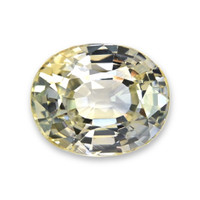
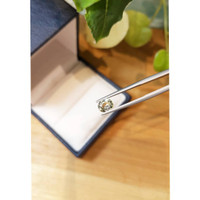
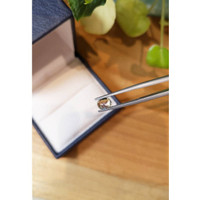
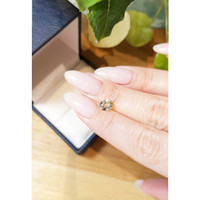
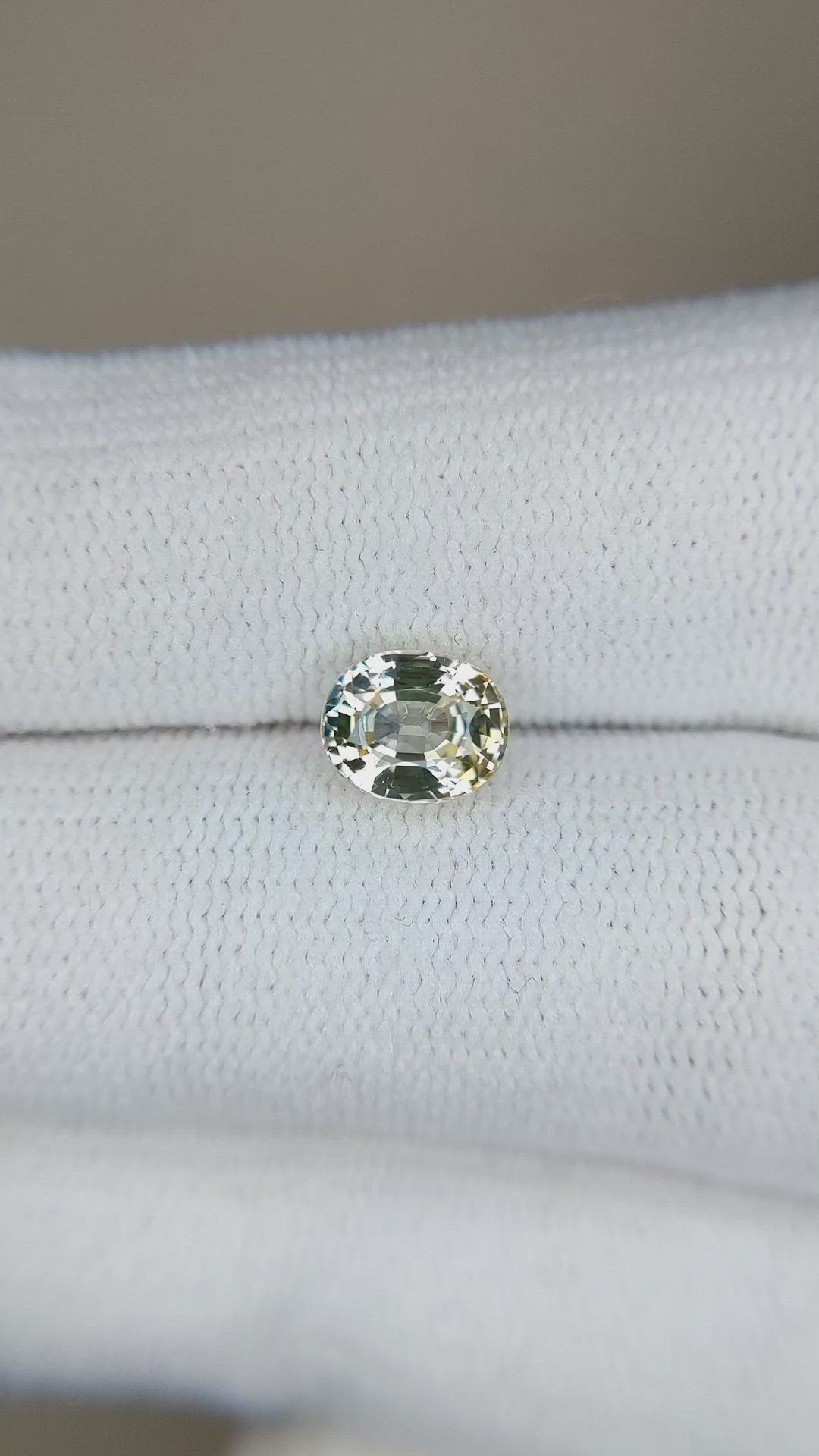
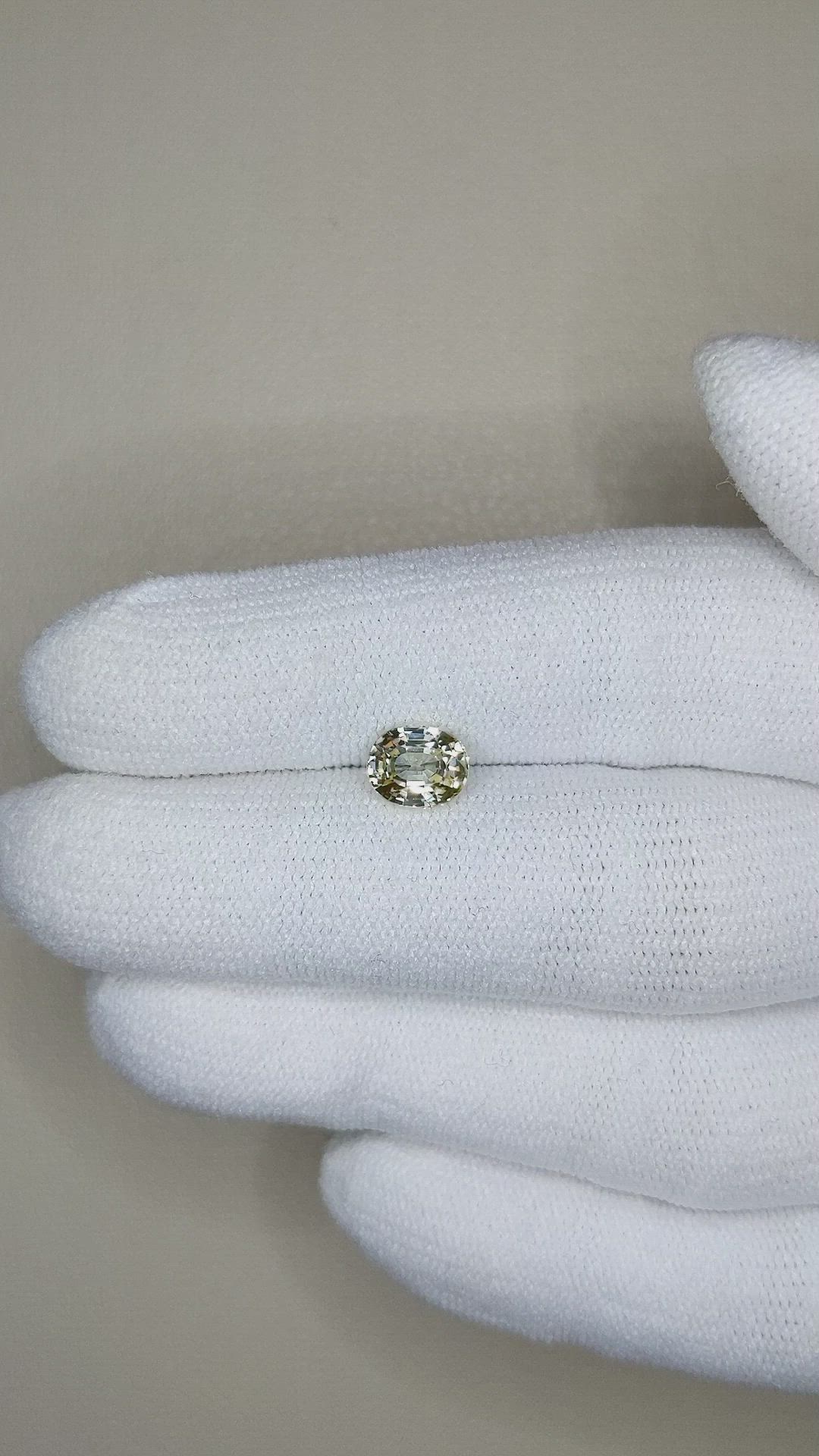
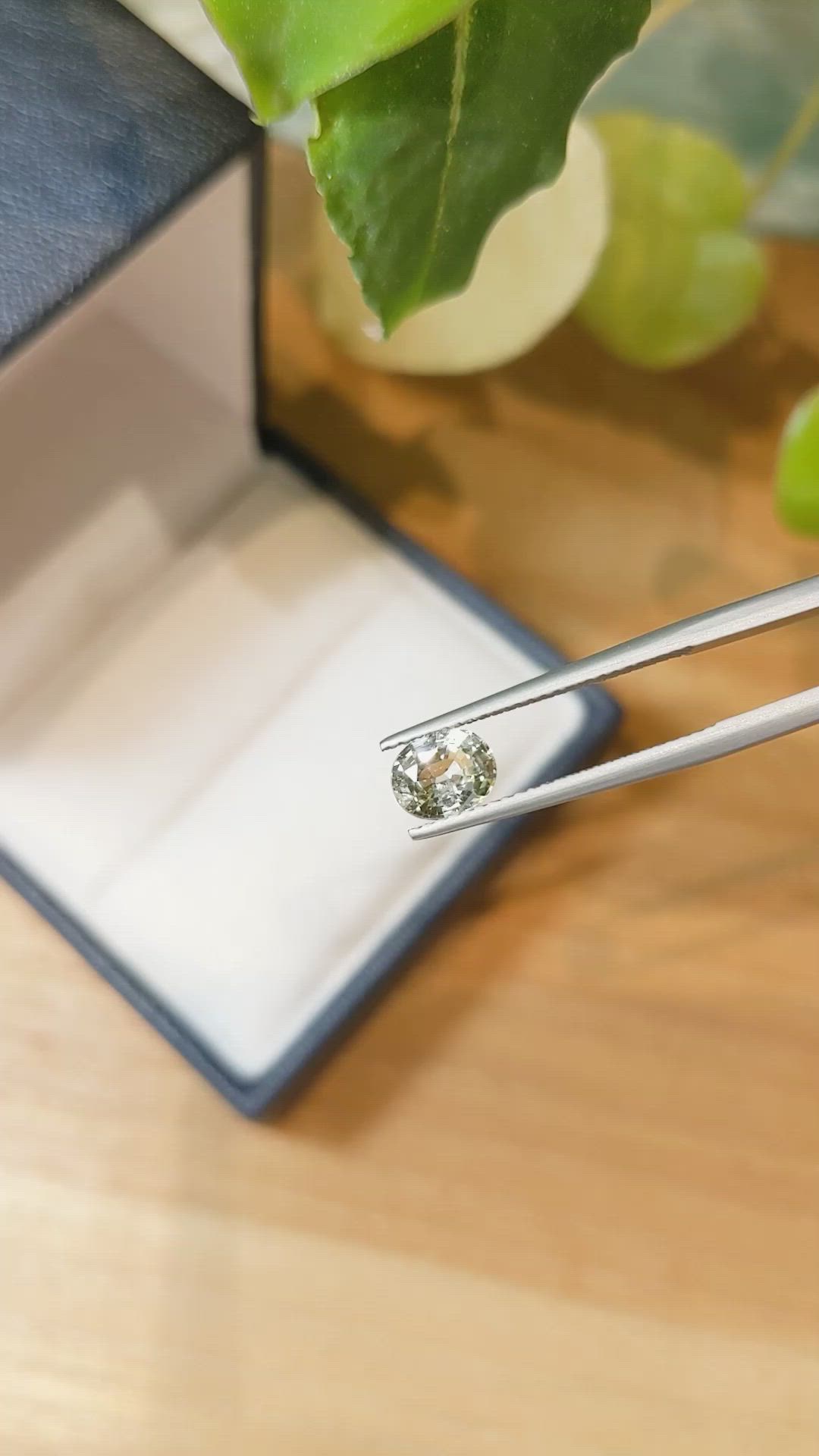
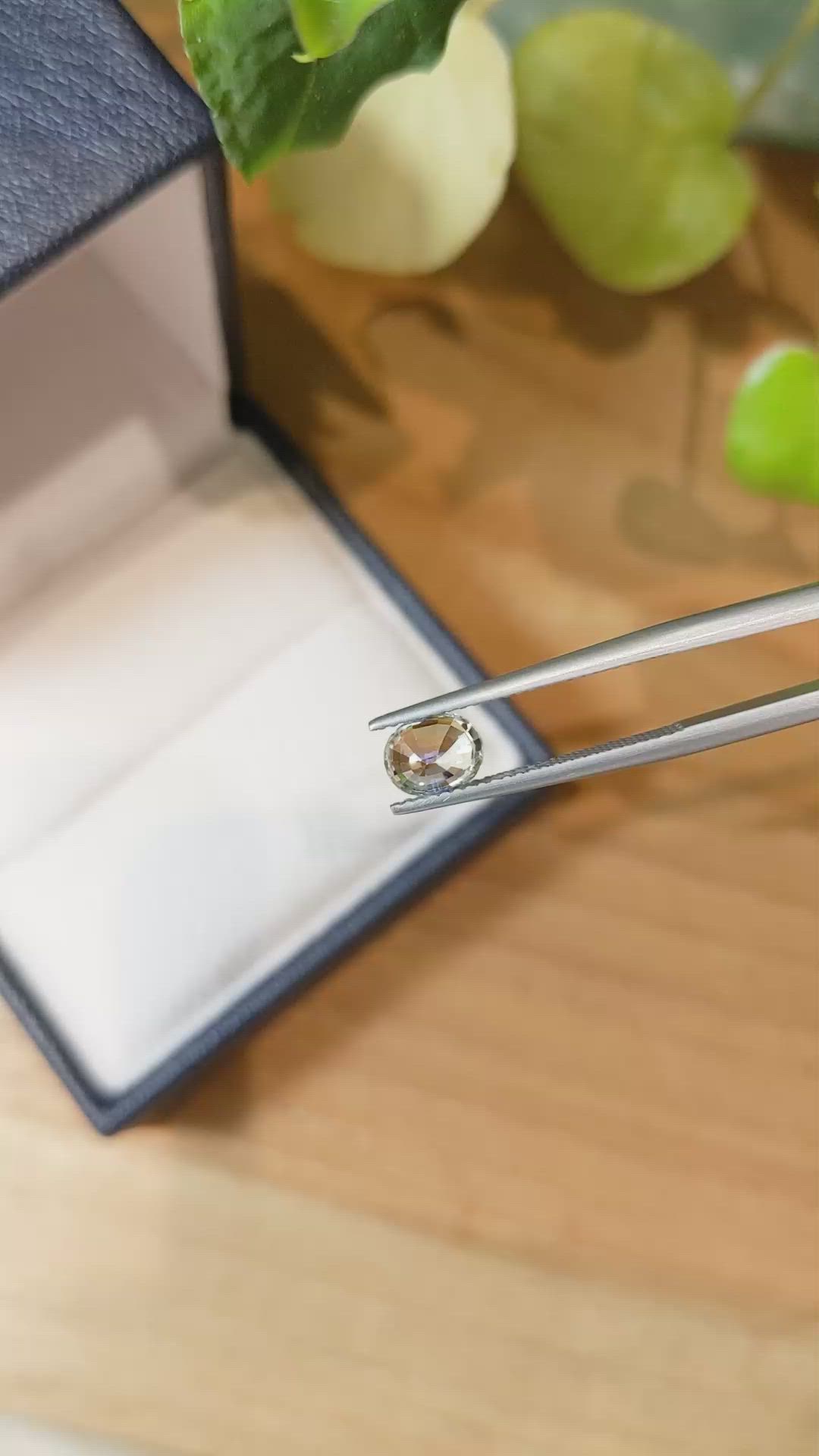
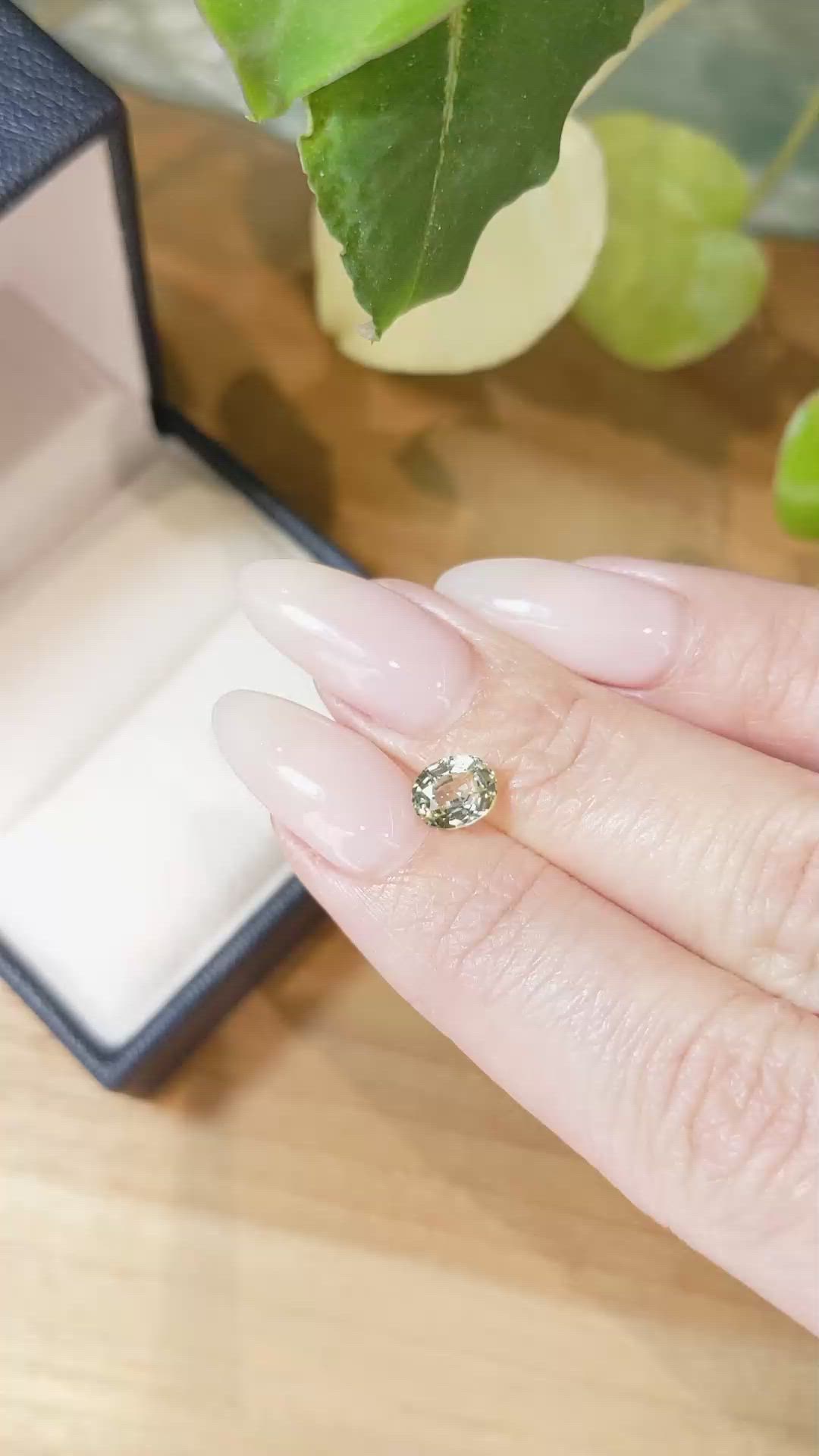


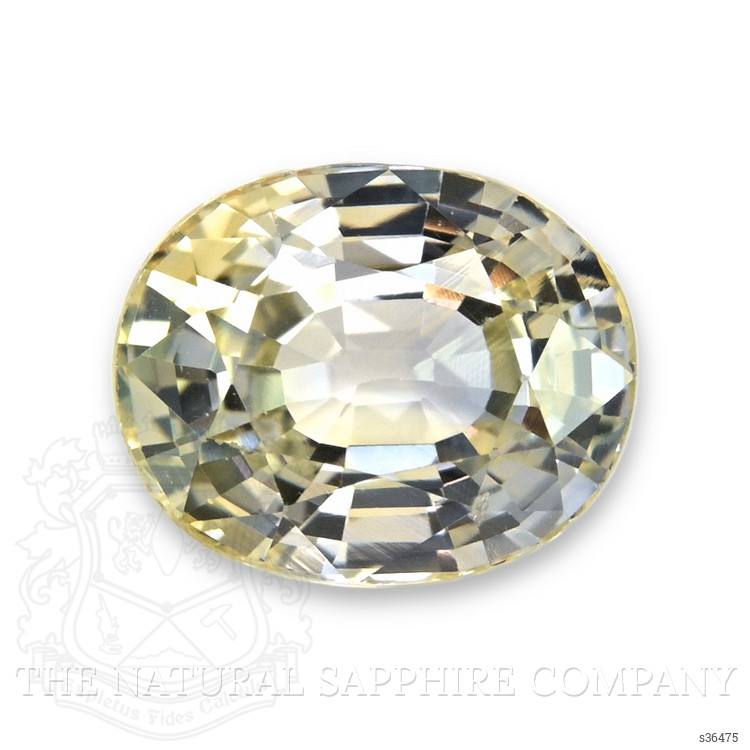
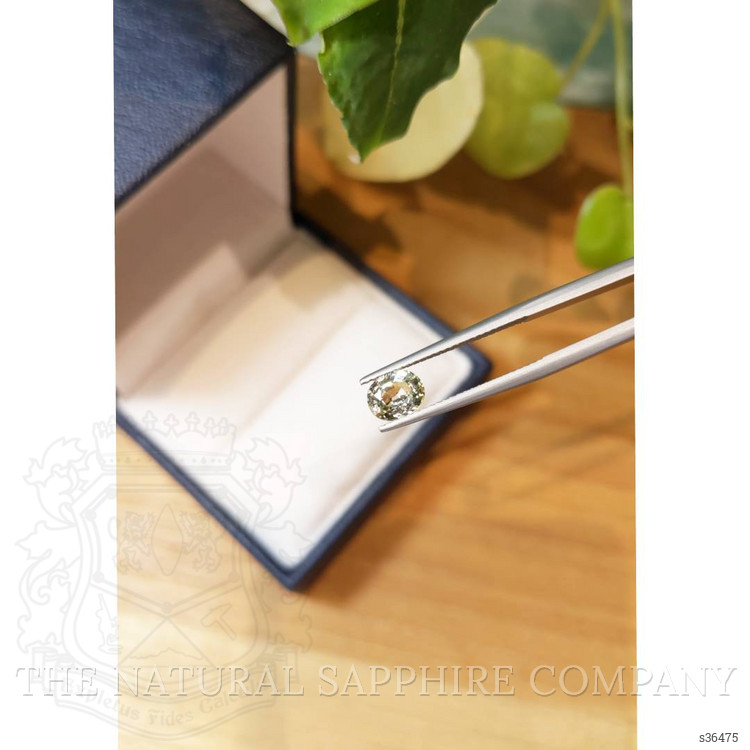
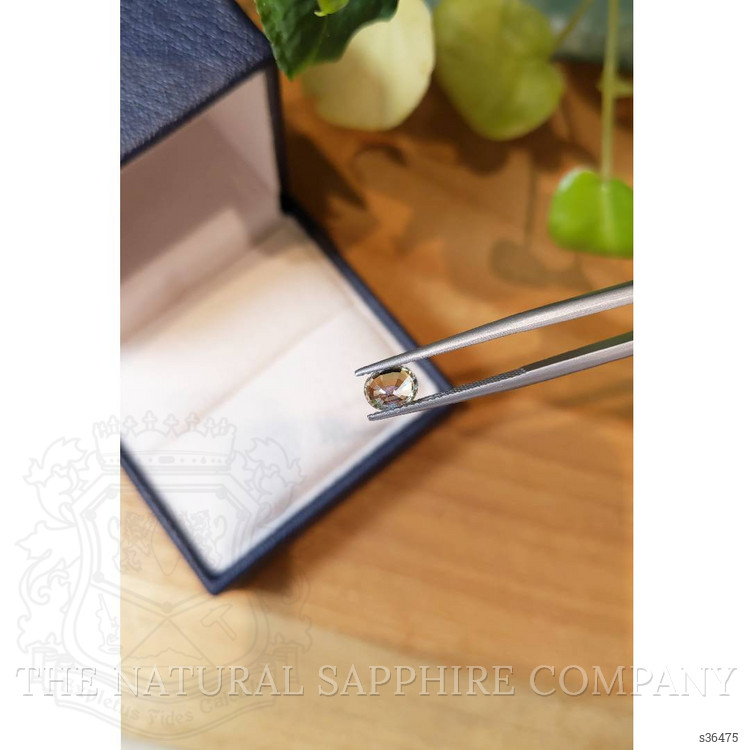
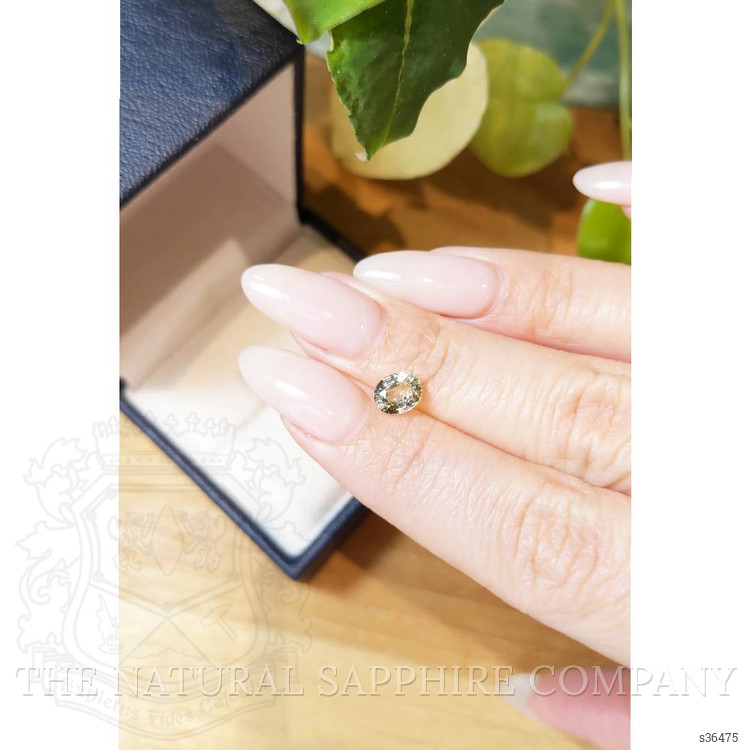

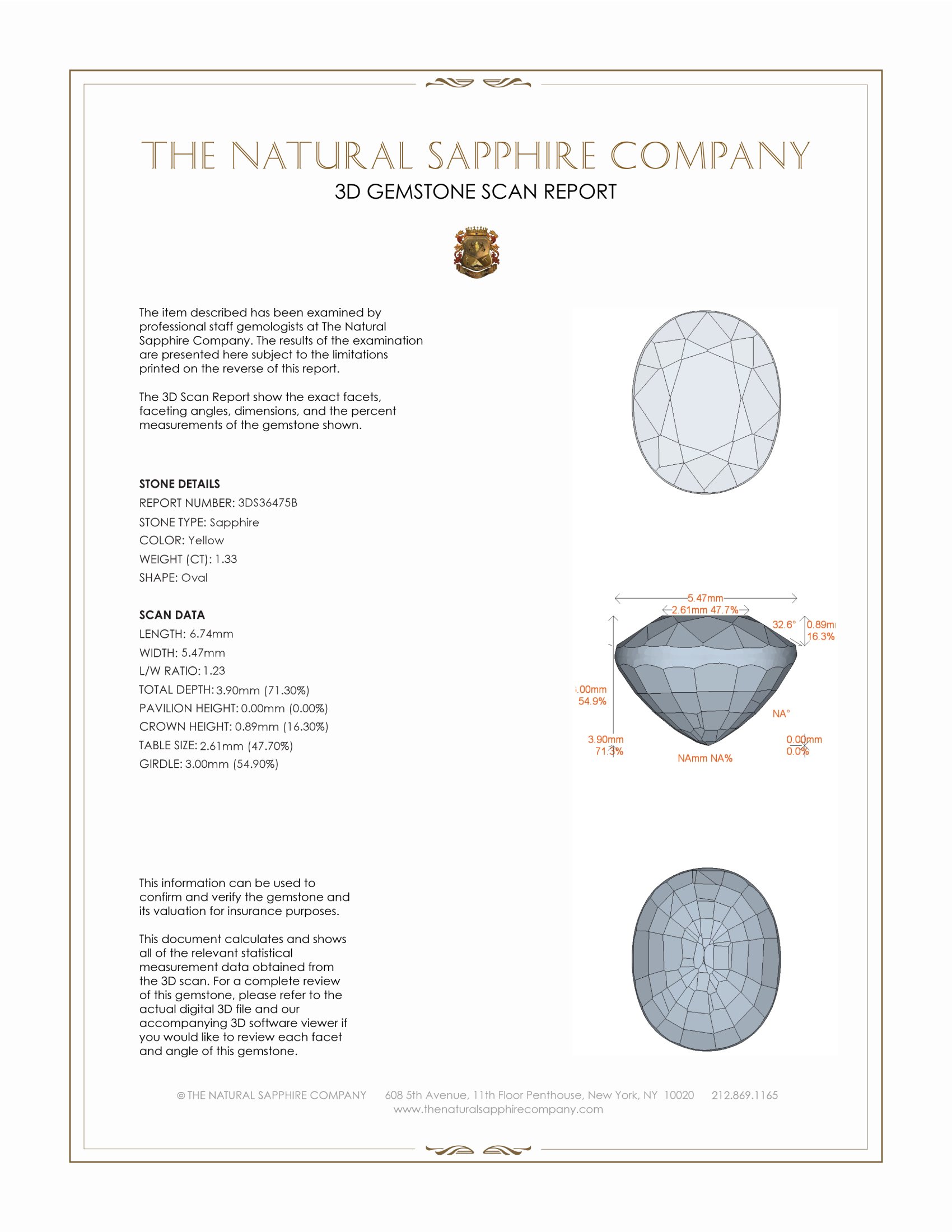

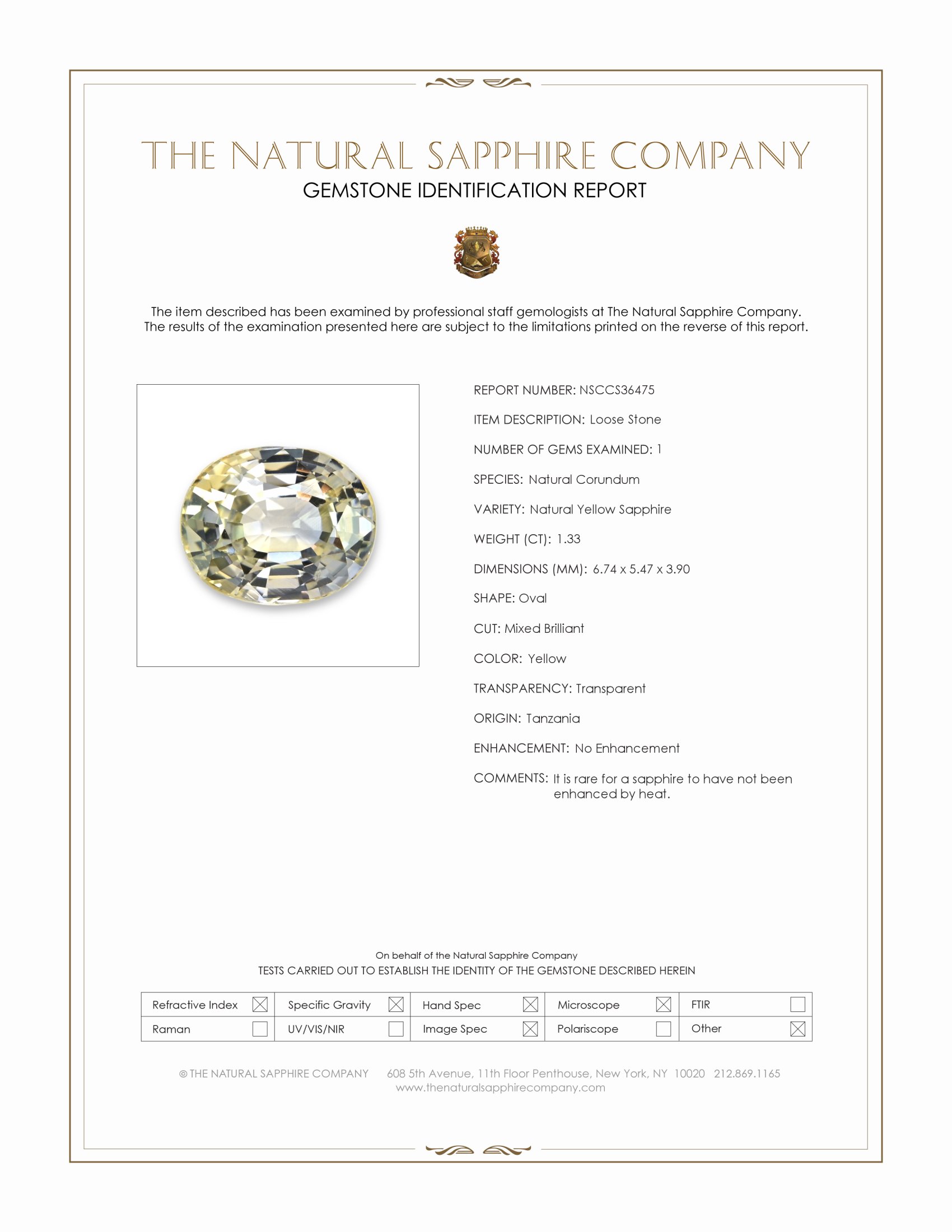
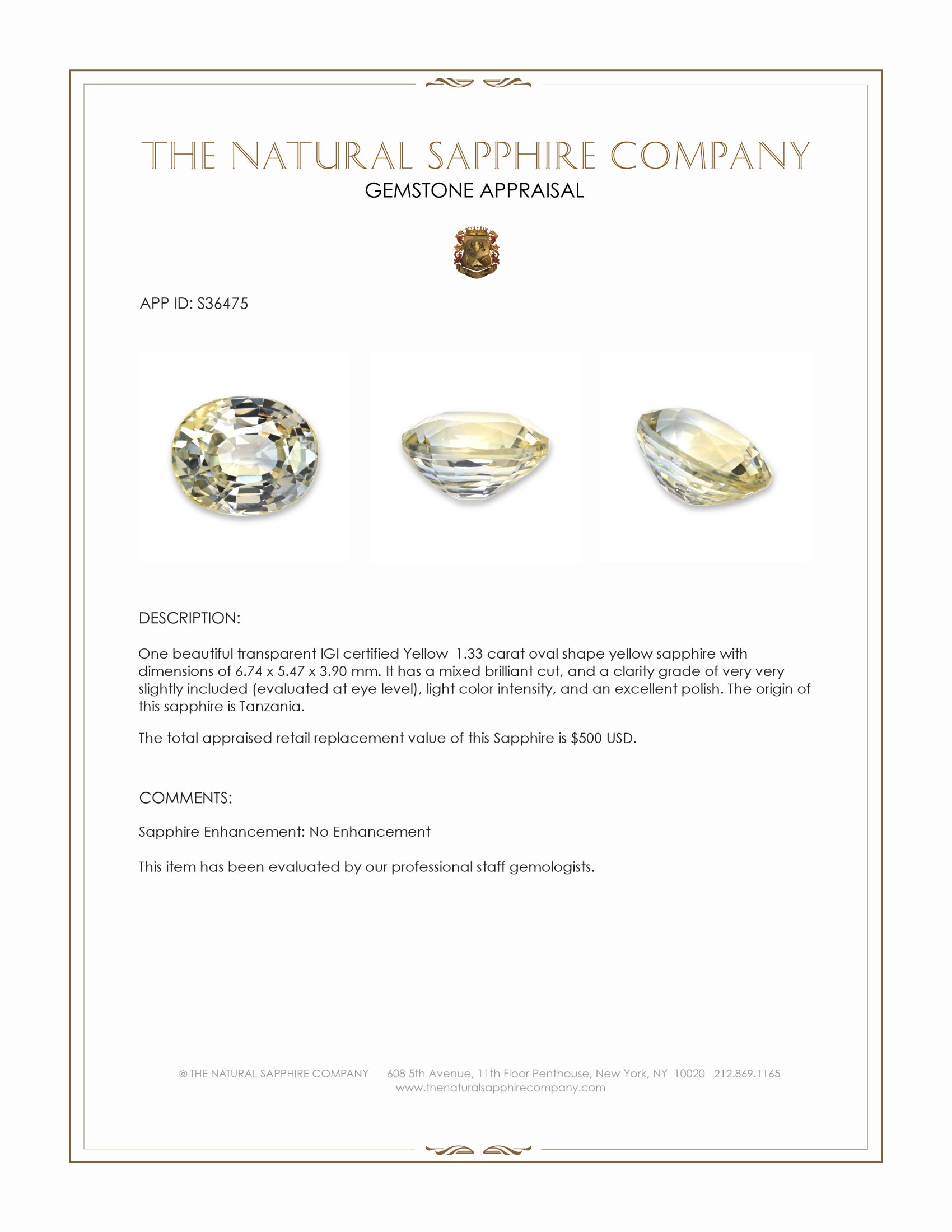
1.33 Ct. Yellow Sapphire from Tanzania
This loose stone ships by Mar 10
Item ID: | S36475 |
|---|---|
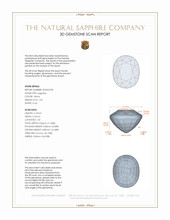
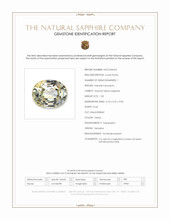
Dimensions (MM): help | Length: 6.74 Width: 5.47 Height: 3.9 |
Weight: | 1.33 Ct. |
Color: help | Yellow |
Color intensity: help | Light |
Clarity: help | Very Very Slightly Included |
Shape: help | Oval |
Cut: | Mixed Brilliant |
Cutting style: | Faceted |
Enhancements: help | No Enhancement |
Origin: help | Tanzania |
Per carat price: help | $376 |
This transparent 1.33 carat oval yellow sapphire from Tanzania presents a rare combination of proportions and polish that will appeal to a discerning buyer. The stone measures 6.74 x 5.47 x 3.90 mm, and its mixed brilliant cut has been executed to maximize both scintillation and light return, creating lively sparkle across the table and crown facets. The light color intensity is elegant and versatile, lending itself to classic solitaire settings as well as more contemporary halo or cluster designs, and the excellent polish produces clean facet junctions and crisp reflections. As an item offered by The Natural Sapphire Company, this sapphire is presented with full disclosure of its attributes, including weight, dimensions, cut style, and origin, allowing an educated purchaser to compare it accurately with other stones and make an informed decision based on measurable criteria.
Clarity is evaluated at eye level as very very slightly included, a grade that indicates the stone appears essentially clean to the unaided eye, while retaining natural internal features that testify to its authenticity. These minute inclusions are not flaws in the ordinary sense, they are intrinsic to natural corundum and provide a microscopic map that can be used for identification and provenance studies. Inclusions in sapphire often take the form of tiny crystals, slender needles, or faint feather like features, and in this particular example they are subtle enough that they do not interrupt the gem's overall transparency or brilliance. For a buyer who values both aesthetic purity and verifiable natural origin, the presence of such small inclusions is reassuring, because they confirm that the stone is unenhanced and natural, and they offer unique markers that can be documented and referenced for future appraisal or insurance purposes.
The absence of enhancement is a significant factor in the value assessment of this sapphire, because unheated and otherwise untreated corundum retains a premium in both collector and investment markets. This sapphire is described as having no enhancement, which means its color and clarity are entirely the result of natural geological processes in Tanzania, rather than thermal treatments or diffusion methods that alter appearance. Tanzanian deposits are known for producing fine quality sapphires in a range of hues, and a light yellow tone such as this is prized for its clarity and wearable warmth. Coupled with the durable hardness of corundum, this stone is well suited for daily wear in engagement rings and other jewelry, and its combined attributes of natural origin, attractive color, responsible provenance, and excellent finish make it a robust choice for a buyer seeking both beauty and long term value.
For clients of The Natural Sapphire Company who require technical detail, this oval mixed brilliant cut sapphire offers reliable, measurable qualities that support its valuation and desirability. The 1.33 carat weight places it in a size range that balances presence with manageable setting budgets, and the dimensions and crown to pavilion relationship indicate efficient light performance that enhances perceived size and brilliance. The clarity grade of very very slightly included at eye level assures the buyer of visual purity while acknowledging the natural internal characteristics that make the gem unique, and the lack of enhancement preserves the stone as a natural specimen of Tanzanian corundum. Inclusions, when present in such minor form, are best thought of as positive identifiers, akin to a fingerprint, they add character and help establish a documented identity for the sapphire, and they support confidence in its natural provenance and long term collectibility.


