
- Stone14
- Reports3
-pear-orangishyellow-sapphire-0.4600-cts-s38178-1.jpg?d=200x200&v=20260303020836)
-pear-orangishyellow-sapphire-0.4600-cts-s38178-lifestyleimage-1.jpg?d=200x200&v=20260302012755)
-pear-orangishyellow-sapphire-0.4600-cts-s38178-lifestyleimage-2.jpg?d=200x200&v=20260302012755)
-pear-orangishyellow-sapphire-0.4600-cts-s38178-lifestyleimage-3.jpg?d=200x200&v=20260302012755)

-pear-orangishyellow-sapphire-0.4600-cts-s38178-1.jpg?d=750x750&s=nsc&v=20260303020836)
-pear-orangishyellow-sapphire-0.4600-cts-s38178-lifestyleimage-1.jpg?d=750x750&s=nsc&v=20260302012755)
-pear-orangishyellow-sapphire-0.4600-cts-s38178-lifestyleimage-2.jpg?d=750x750&s=nsc&v=20260302012755)
-pear-orangishyellow-sapphire-0.4600-cts-s38178-lifestyleimage-3.jpg?d=750x750&s=nsc&v=20260302012755)

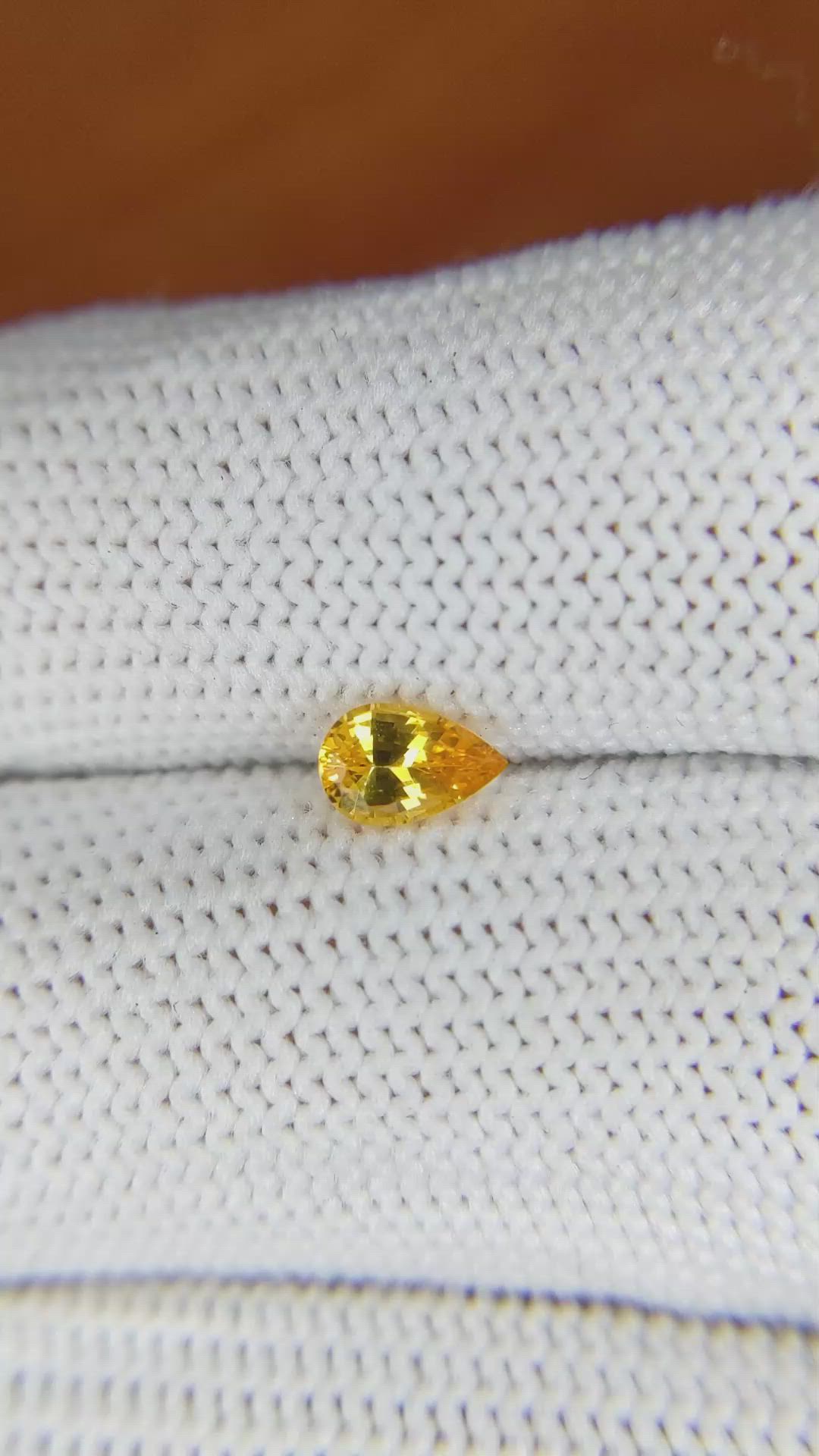
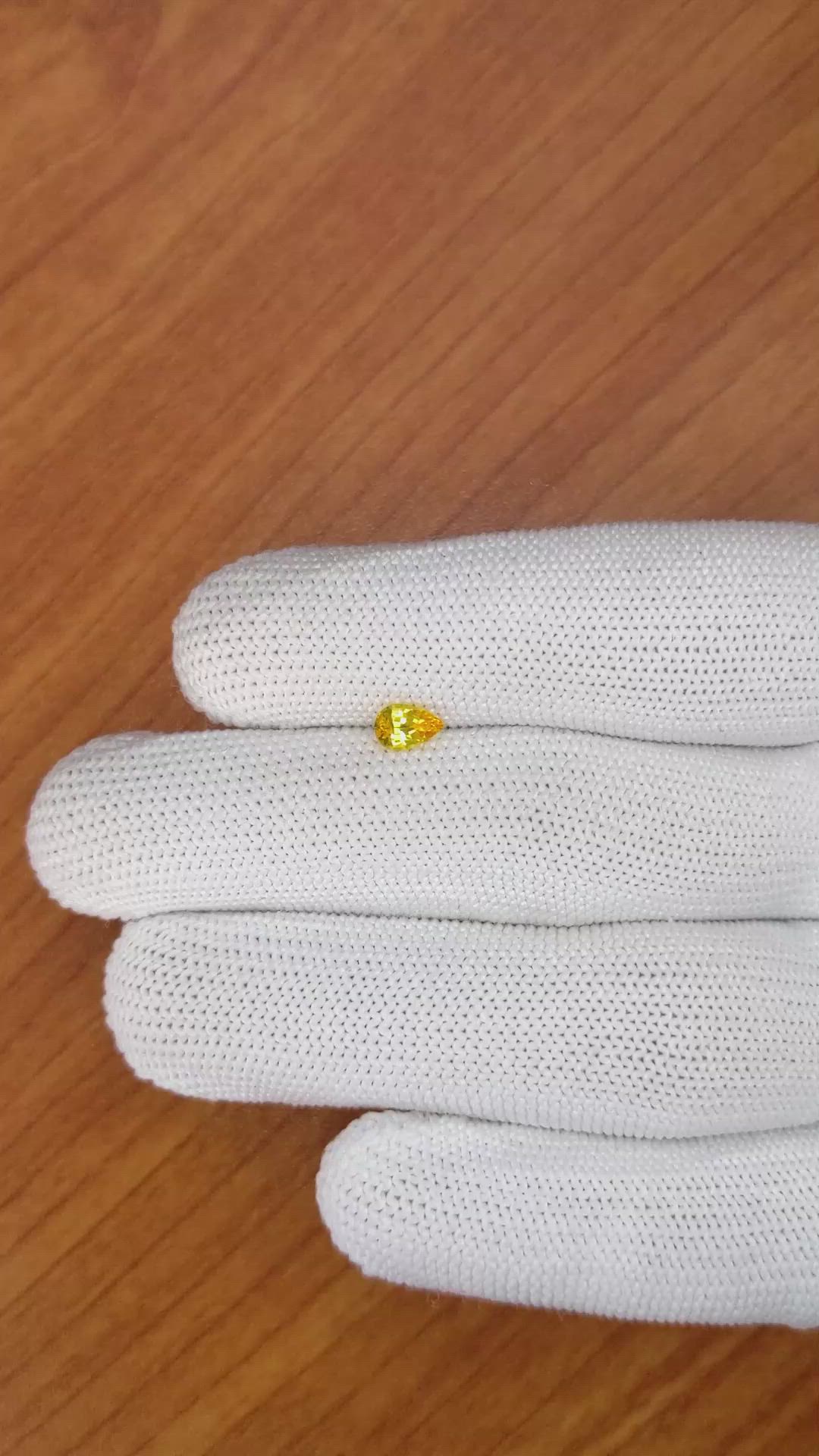
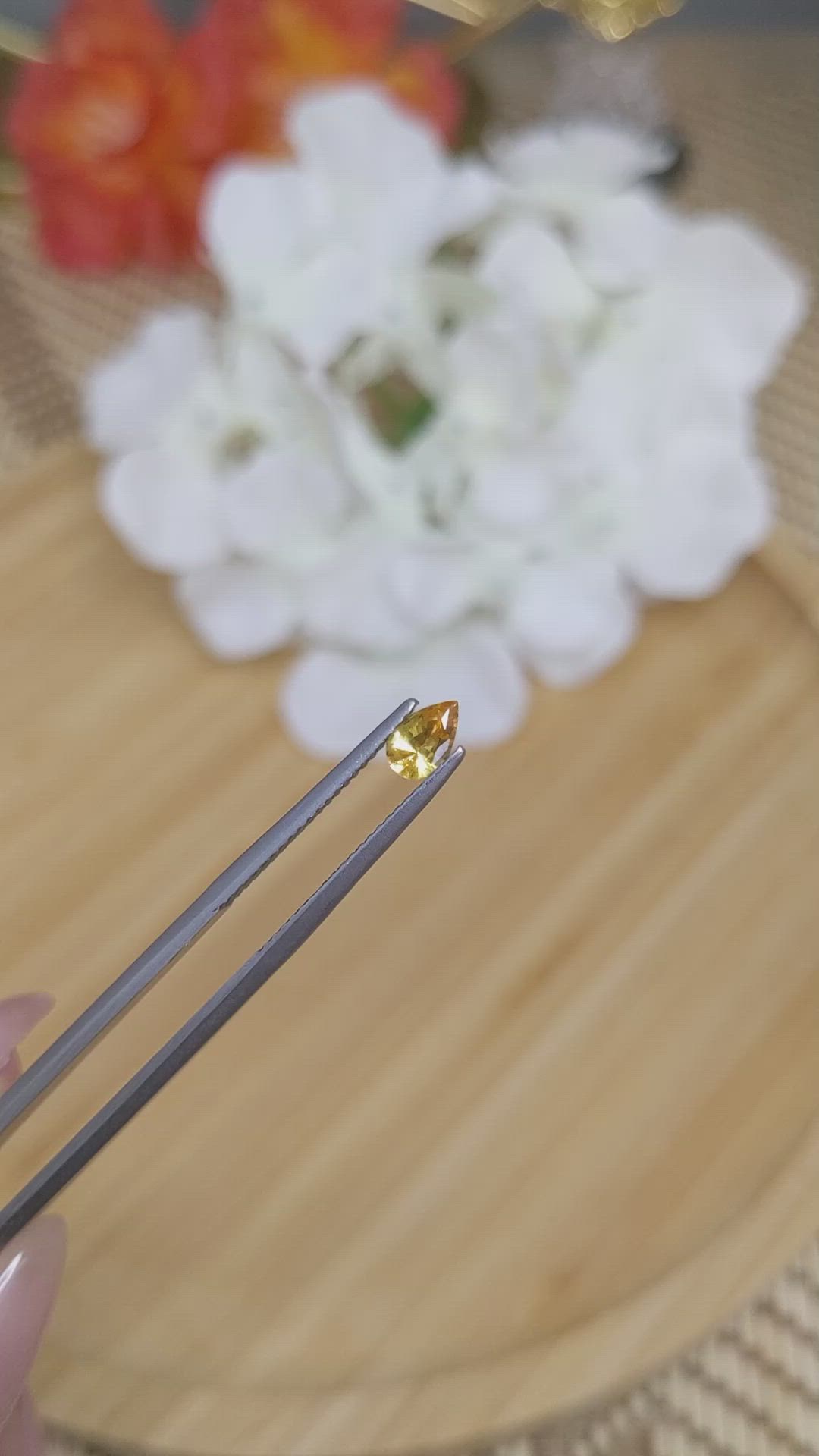
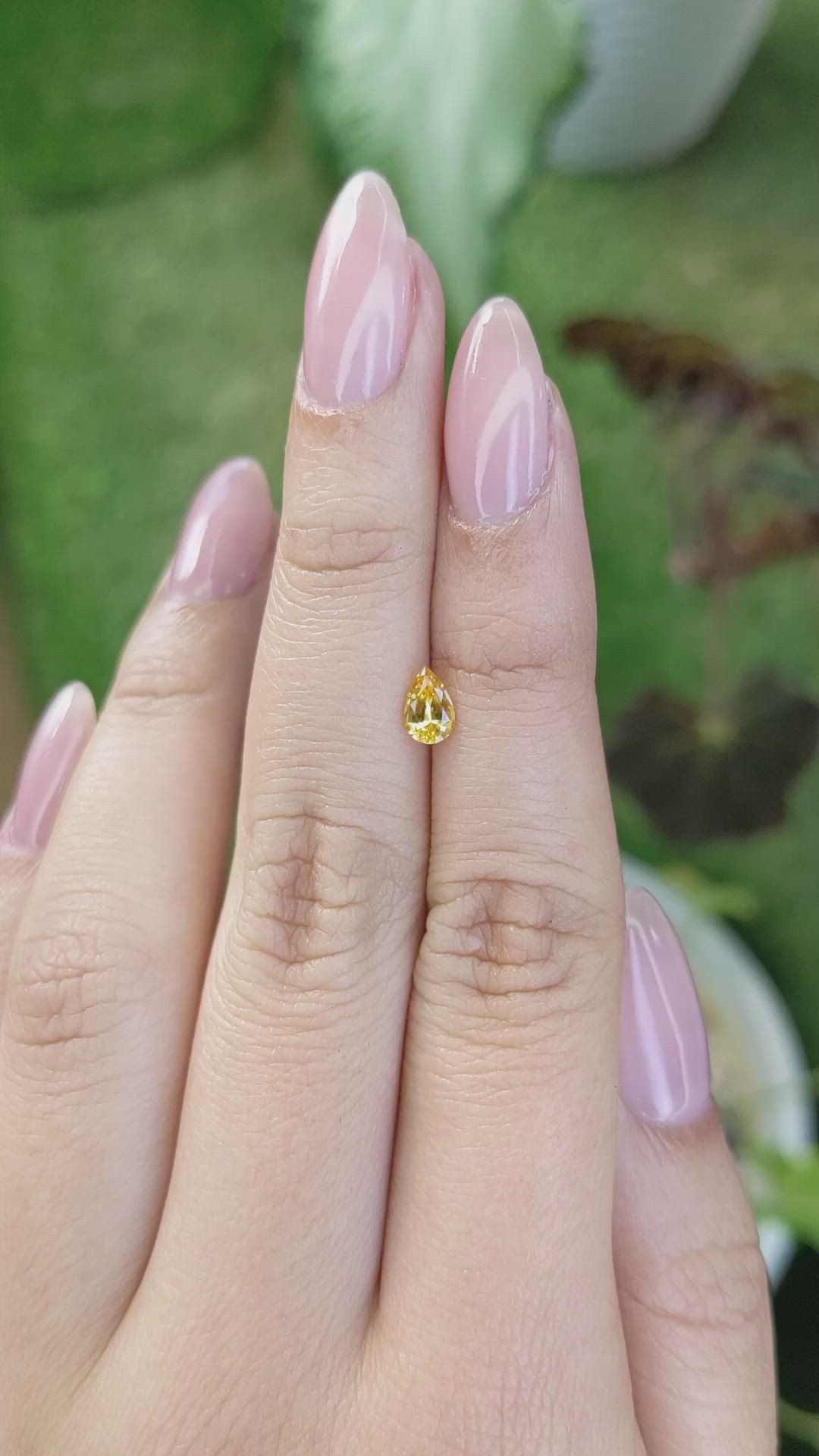
0.46 Ct. Orangish Yellow Sapphire from Ceylon (Sri Lanka)
This loose stone ships by Mar 26
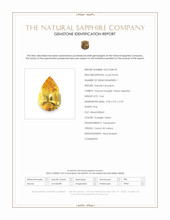
Item ID: | S38178 |
|---|---|
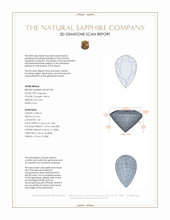
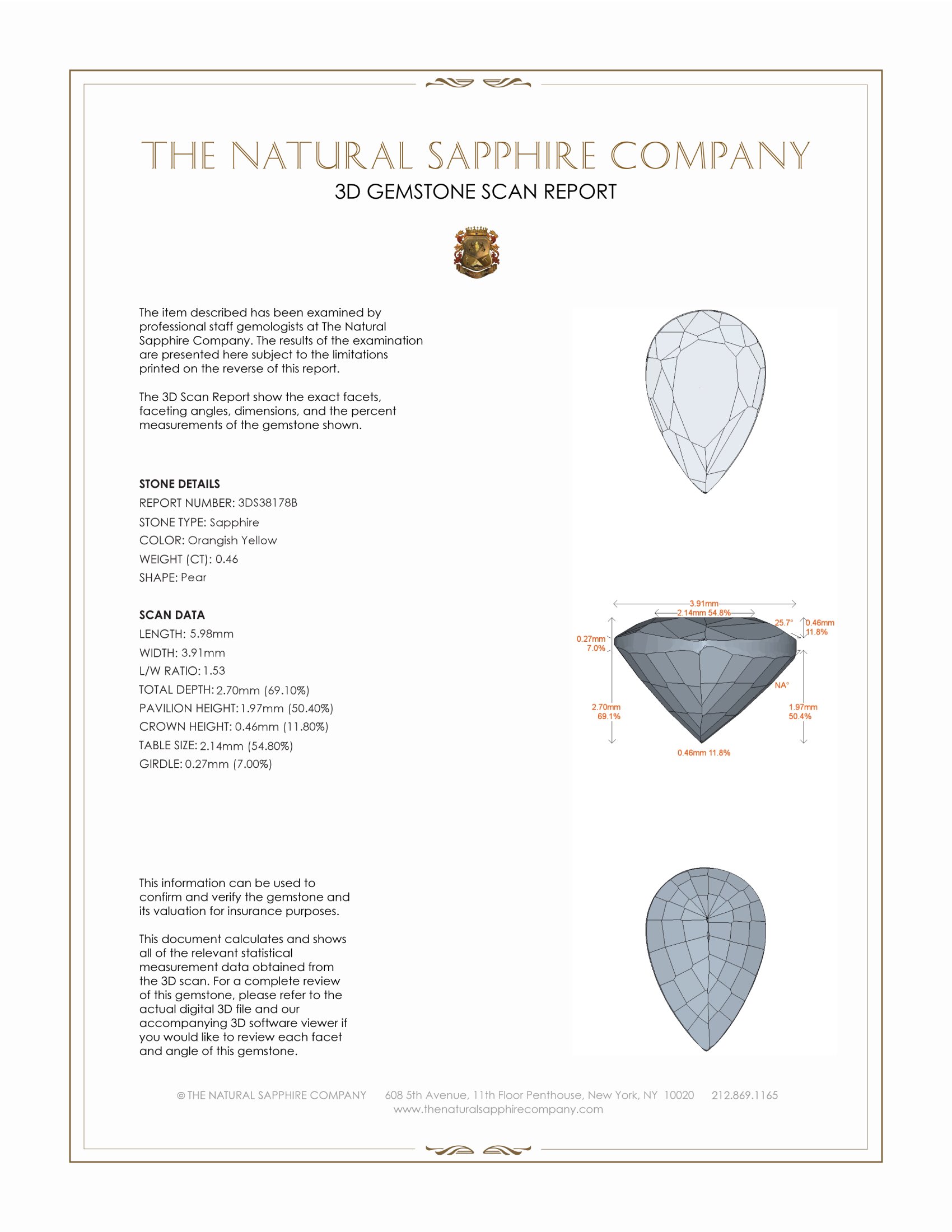
Dimensions (MM): help | Length: 5.98 Width: 3.91 Height: 2.7 |
Weight: | 0.46 Ct. |
Color: help | Orangish Yellow |
Color intensity: help | Intense |
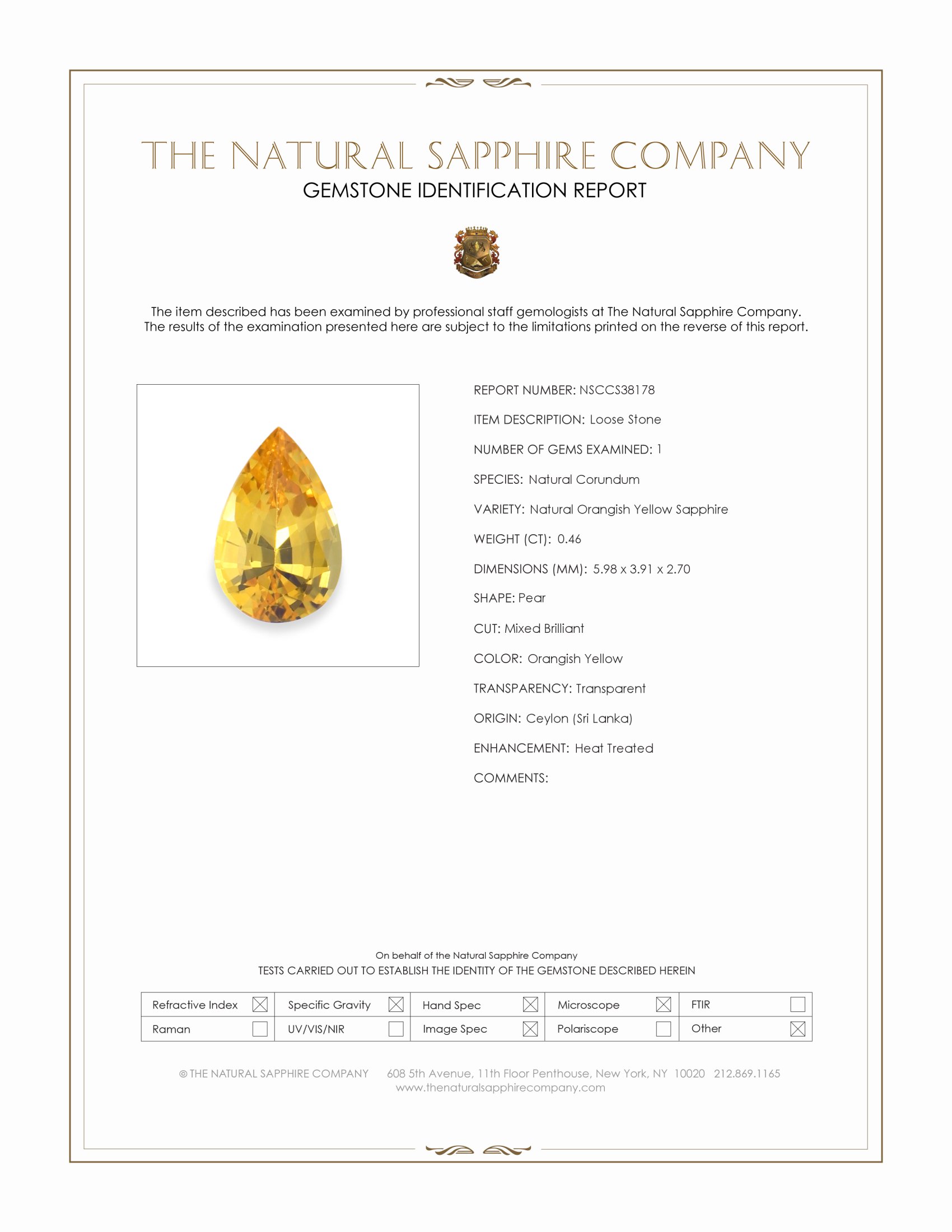
Clarity: help | Eye Clean |
Shape: help | Pear |
Cut: | Mixed Brilliant |
Cutting style: | Faceted |
Enhancements: help | Heat Treated |
Origin: help | Ceylon (Sri Lanka) |
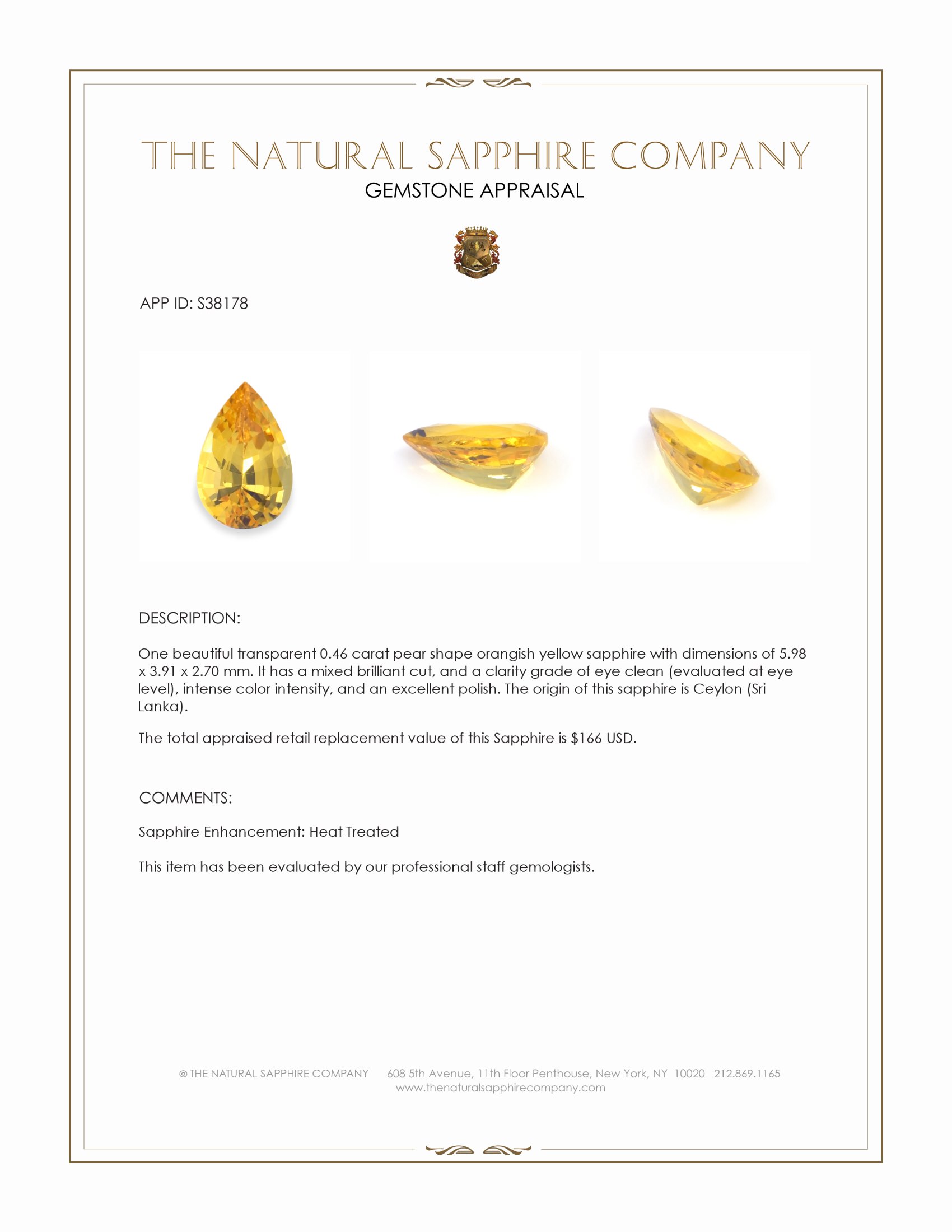
Per carat price: help | $361 |
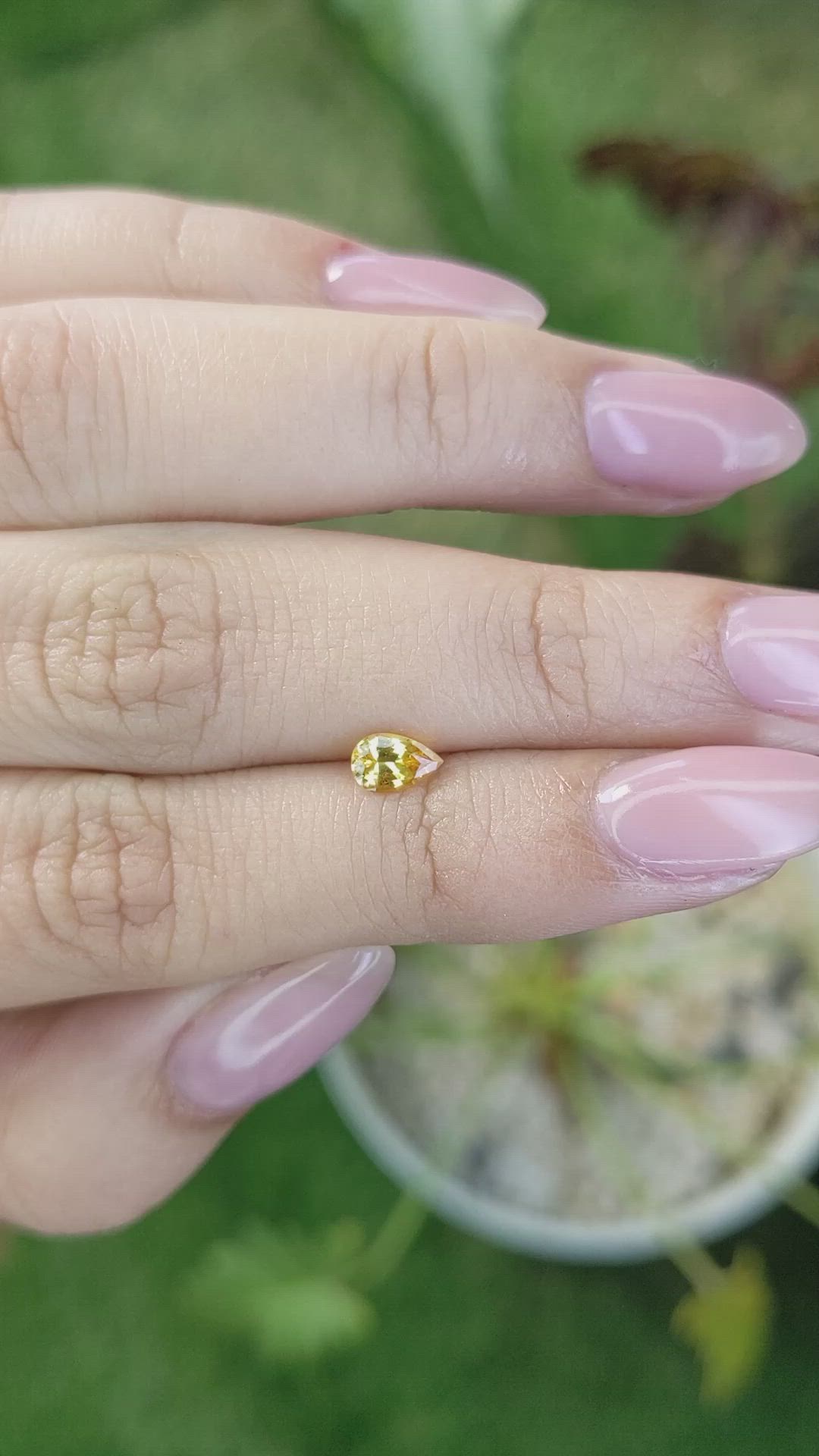
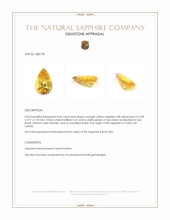
This transparent orangish yellow sapphire weighs 0.46 carat and measures 5.98 by 3.91 by 2.70 millimeters in a classic pear shape, presented by The Natural Sapphire Company. The stone is fashioned in a mixed brilliant cut, with a brilliant facet arrangement on the crown combined with controlled step and modified facets on the lower pavilion to balance scintillation and face up color. The length to width ratio of approximately 1.53 yields an elegant, elongated pear silhouette that is well suited for solitaire and pendant applications. The overall depth of 2.70 millimeters produces a depth to average dimension ratio of about 54.6 percent, which is within an optimal range to preserve lively light return while maintaining a generous face up spread. The clarity is graded eye clean at normal viewing distance, indicating no inclusions that distract from visual performance, and the polish is noted as excellent, minimizing surface diffusion and maximizing mirror finish on each facet plane.
Color is a defining attribute of this stone, evaluated as intense in color intensity with a distinct orangish yellow hue that reads as warm and saturated under standard daylight and artificial lighting. The chromophore for yellow through orange sapphires is predominantly iron in variable oxidation states, and the specific balance of iron and trace elements in Ceylon geology imparts the lively, bright tone characteristic of Sri Lankan material. The mixed brilliant faceting scheme has been executed to orient pavilion facets so that the primary color zones align with the table and upper crown facets, preserving even color distribution and reducing windowing. The eye clean clarity allows unobstructed light passage, producing strong internal reflection and scintillation without the visual disruption of large inclusions. Heat treatment has been applied, an industry standard enhancement for sapphire, to stabilize and intensify the face up color and to anneal growth-related inclusions. This heat treatment is permanent under normal wear and common cleaning, and it delivers consistent, predictable results when combined with precise cutting and finishing.
When comparing natural Ceylon sapphires to lab grown material, there are technical differences that matter to discerning buyers. Natural sapphires display complex growth zoning, mineral inclusions, and subtle trace element heterogeneity that produce a layered, dynamic color that changes slightly with viewing angle and lighting, a phenomenon that connoisseurs often describe as liveliness. Under magnification natural stones typically show angular crystal growth, healed fractures, silk rutile needles, and mineral inclusions that record the gem forming environment. Lab grown sapphires, produced by flame fusion, hydrothermal, or flux methods, can achieve excellent color and clarity, but they frequently exhibit diagnostic features such as curved growth lines, metallic flux inclusions, or homogeneous trace element chemistry that lack the microstructural complexity of natural material. From a gemological standpoint the provenance and paragenesis of a natural Ceylon sapphire are verifiable by spectroscopic signatures, inclusion panoramas, and trace element mapping, and those characteristics underpin long term rarity and collectible value in ways that lab grown material does not replicate.
For practical use, this 0.46 carat pear is suitable for precision mounting where its dimension and facet geometry can be showcased. The sharp pear tip should be protected in bezel or v-shaped prong settings to avoid mechanical stress, while an open gallery will maximize backlit transmission when desired. The mixed brilliant cut favors settings that allow light entry through the pavilion and crown rather than closed backings that mute color. Because the stone has been heat treated, standard jewelry care applies, including avoiding prolonged exposure to open flame or extreme thermal shock, and routine cleaning with warm soapy water, an ultrasonic machine is generally acceptable for sapphires that are eye clean and heat treated, though inspection prior to ultrasonic use is recommended. At The Natural Sapphire Company we document origin, enhancement, and measured proportions to provide transparency for collectors and designers. For buyers who value geological provenance, nuanced color, and the long term value associated with natural Ceylon material, this intense orangish yellow pear shape sapphire represents a technically refined choice that combines expert cutting, eye clean clarity, and stable enhancement to maximize both aesthetic performance and investment potential.


