
- Stone12
- Reports3
-radiant-white-sapphire-1.1600-cts-s34916-lifestyleimage-1.jpg?d=200x200&v=20251218032003)
-radiant-white-sapphire-1.1600-cts-s34916-lifestyleimage-2.jpg?d=200x200&v=20251218032003)
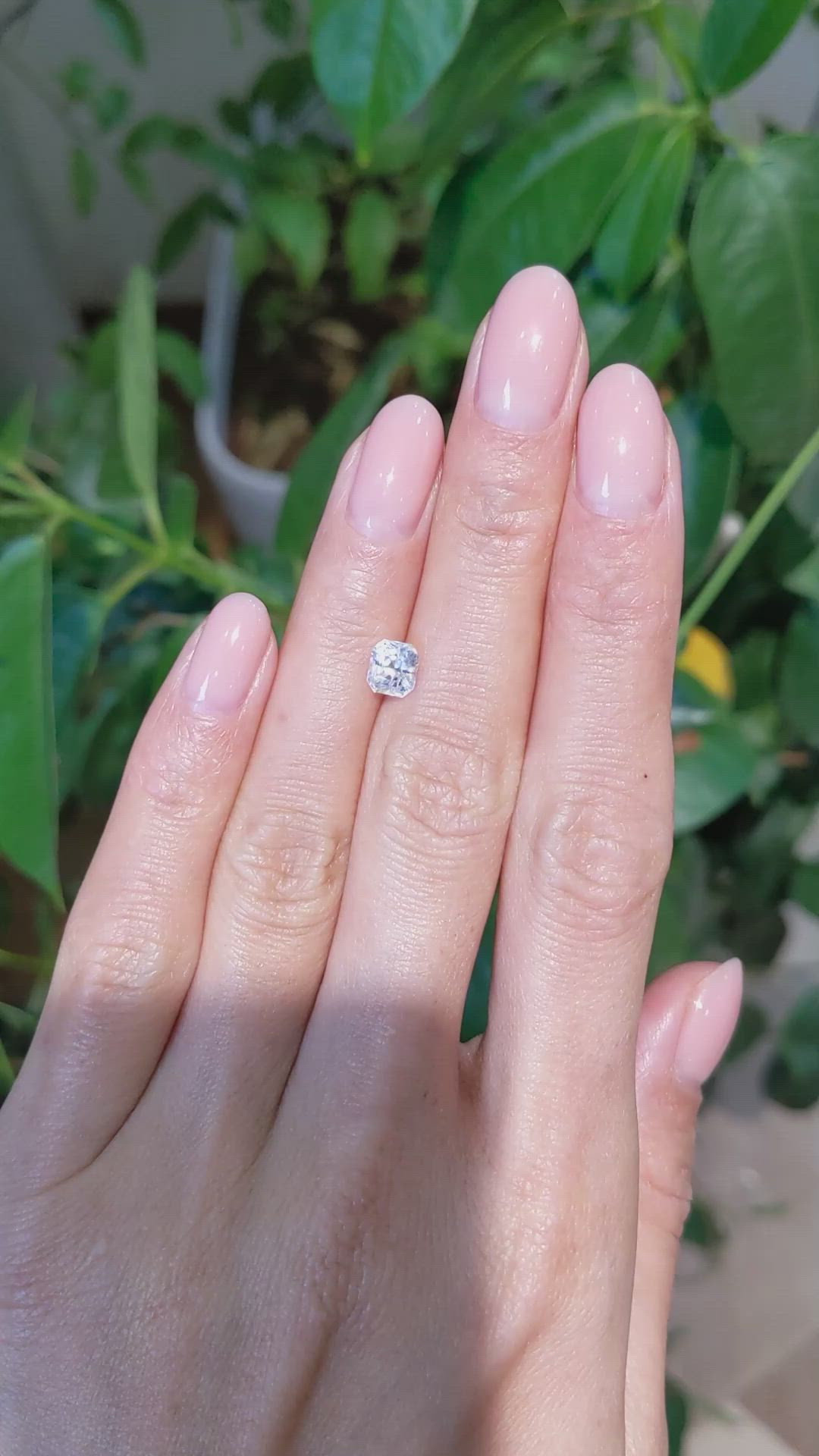

-radiant-white-sapphire-1.1600-cts-s34916-lifestyleimage-1.jpg?d=750x750&s=nsc&v=20251218032003)
-radiant-white-sapphire-1.1600-cts-s34916-lifestyleimage-2.jpg?d=750x750&s=nsc&v=20251218032003)


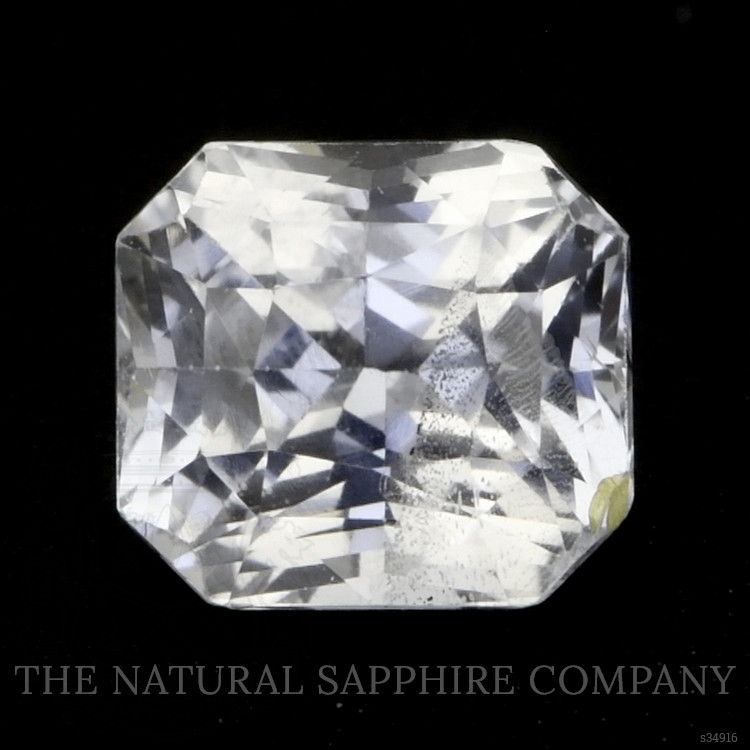
1.16 Ct. White Sapphire from Ceylon (Sri Lanka)
This loose stone is available to ship now
Item ID: | S34916 |
|---|---|
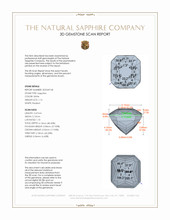
Dimensions (MM): help | Length: 5.67 Width: 5.15 Height: 4.13 |
Weight: | 1.16 Ct. |
Color: help | White |
Color intensity: help | Colorless |
Clarity: help | Slightly Included |
Shape: help | Radiant |
Cut: | Radiant Cut |
Cutting style: | Faceted |
Enhancements: help | No Enhancement |
Origin: help | Ceylon (Sri Lanka) |
Per carat price: help | $78 |
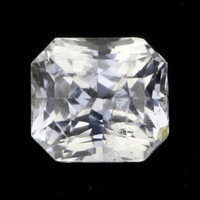
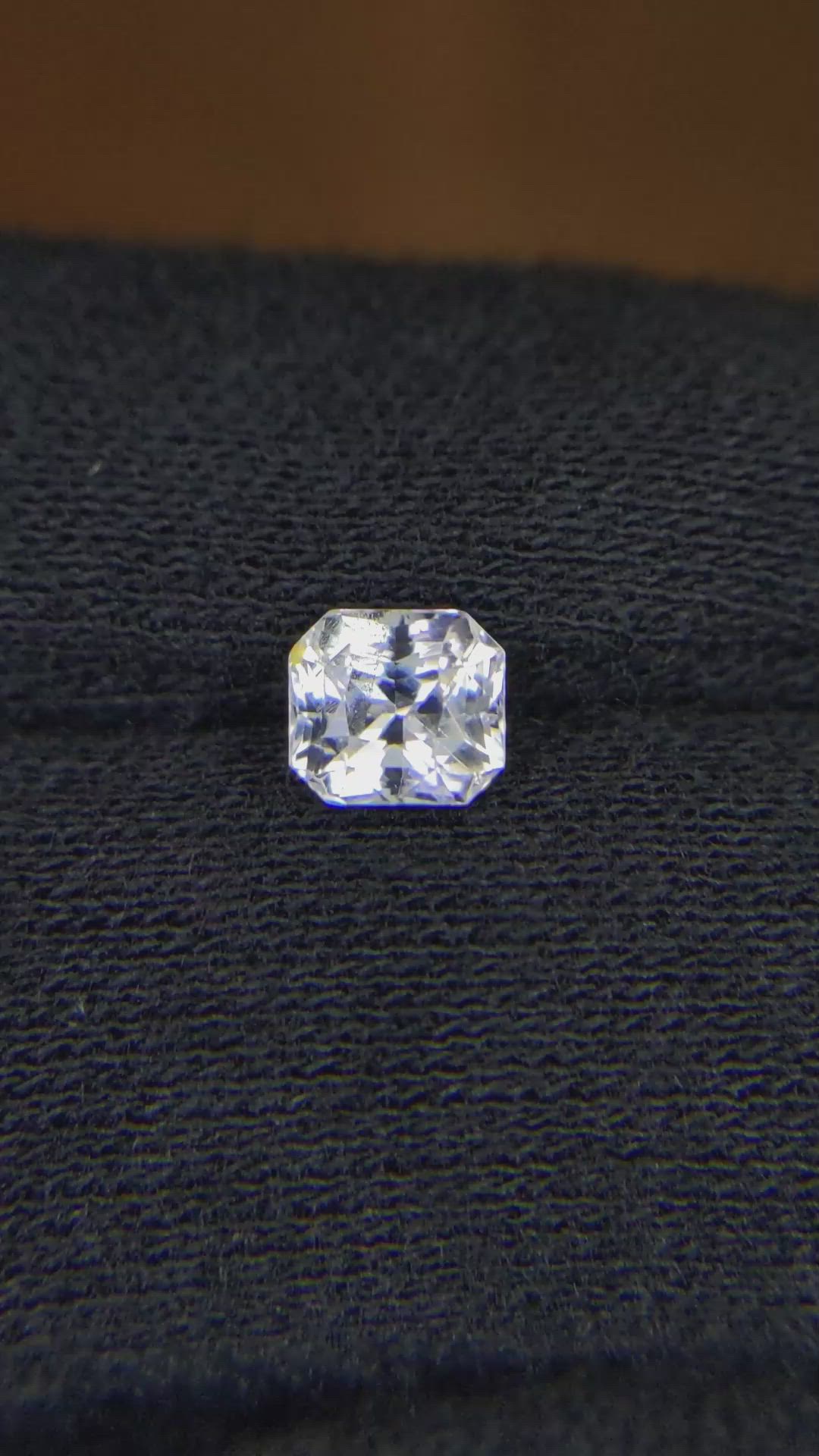
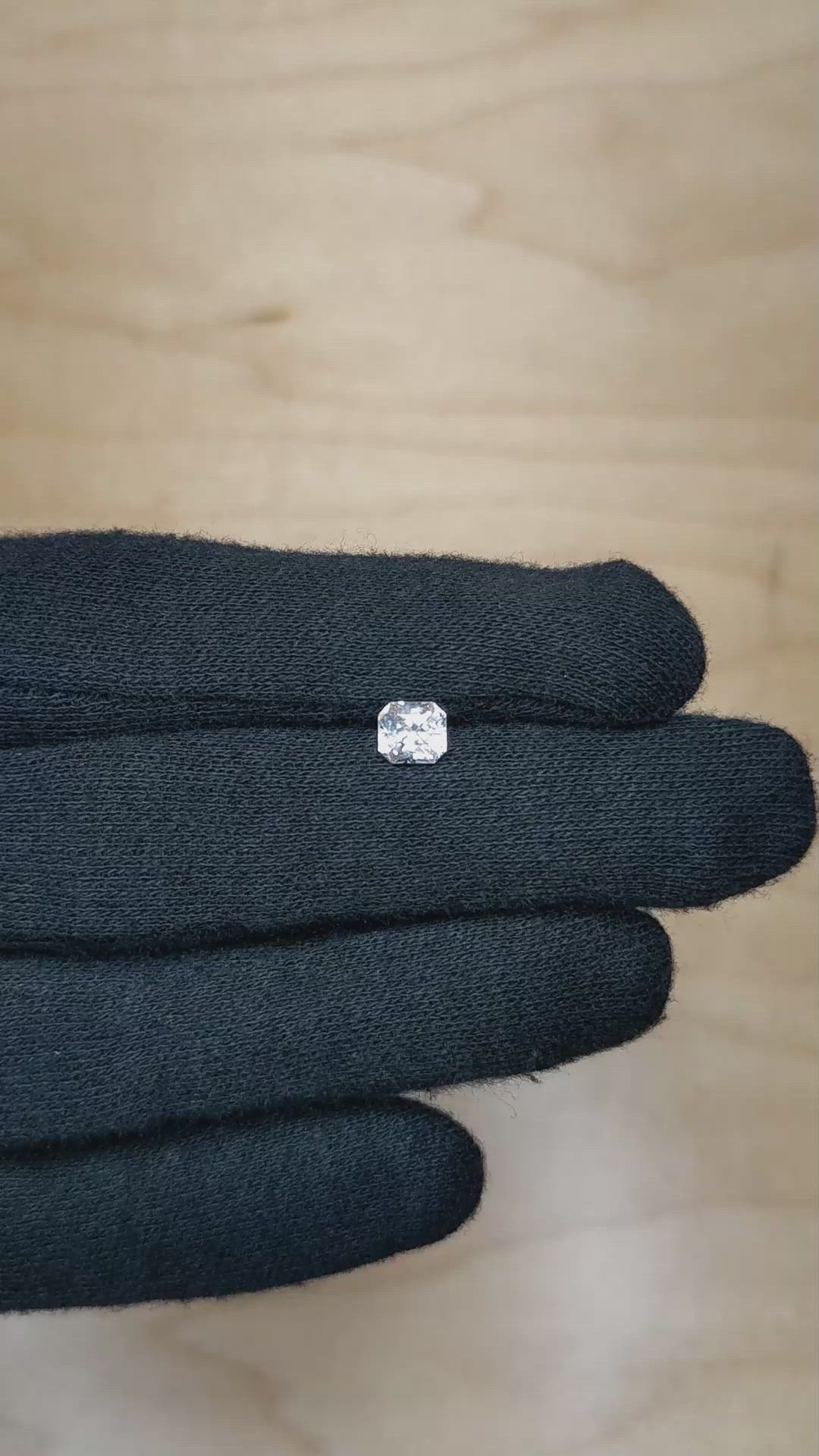
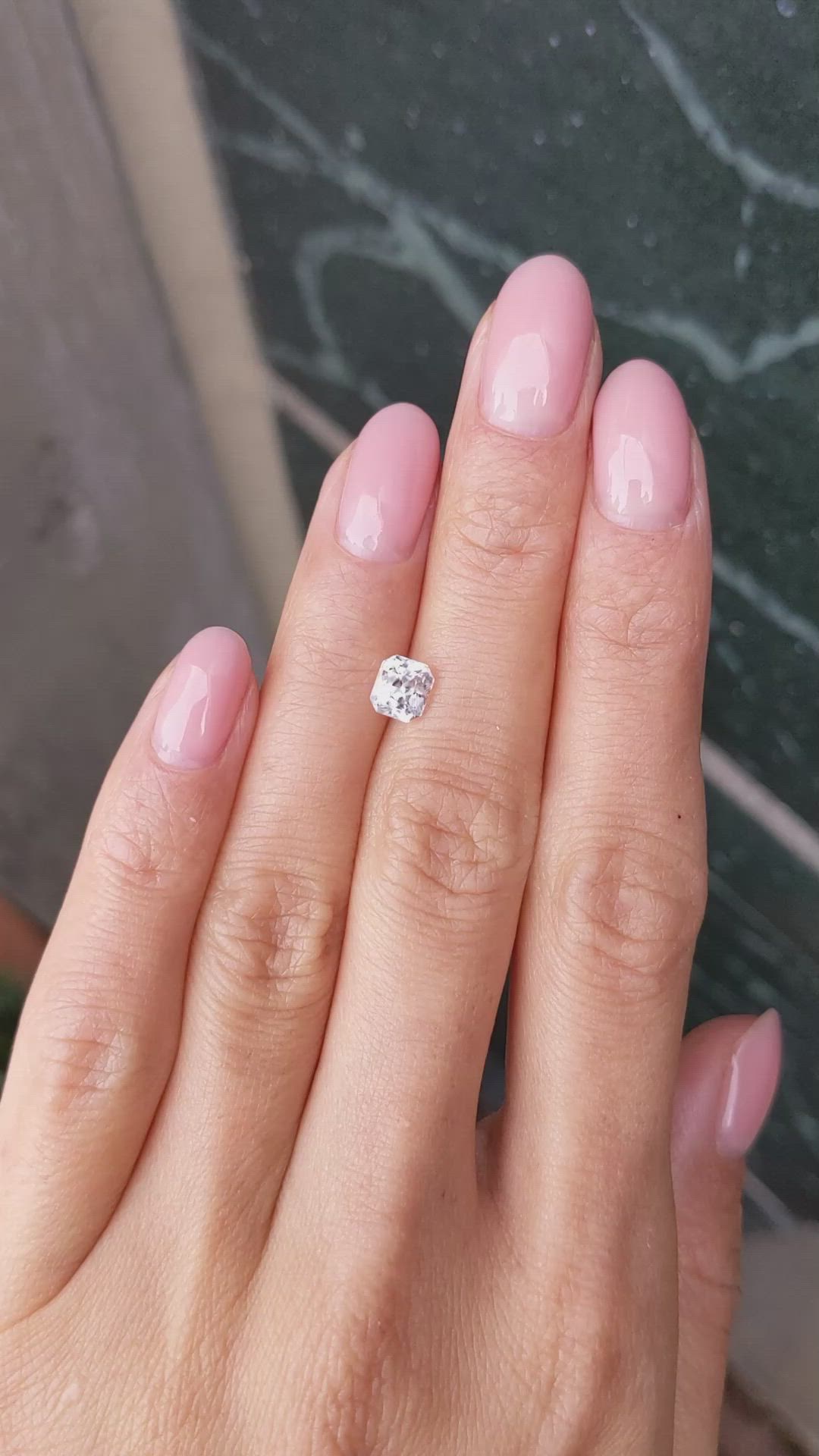
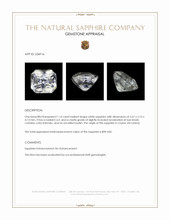
This 1.16 carat white sapphire presents as a transparent, colorless stone cut into a radiant shape, with exact dimensions of 5.67 by 5.15 by 4.13 millimeters. The radiant cut here combines a brilliant facet arrangement on the crown with a more structured pavilion facet design, producing an intentional interplay of scintillation and broad light return. The faceting geometry has been executed to emphasize table brightness and controlled windowing, the trimmed corners of the radiant outline reduce susceptibility to chipping during setting, and the overall outline offers a pleasing balance between perceived size and optical performance. Clarity is graded as slightly included, evaluated at eye level, which means there are small internal features visible under careful inspection but no large disruptive crystals. These inclusions serve as natural fingerprints of growth, confirming the stone's geological origin while minimally affecting light performance. The polish is graded excellent, ensuring that facet junctions and planes are smooth and that surface reflections remain crisp, contributing to a sharp, lively appearance in both direct and diffuse lighting.
From a gemological perspective this white sapphire is classical corundum, with the physical attributes that make sapphire one of the most practical and valuable gem species. Corundum has a refractive index in the range typically around 1.762 to 1.770, and the low dispersion of approximately 0.018 means the stone favors white brilliance over pronounced spectral fire, which is appropriate for a colorless sapphire intended to emulate a clean, diamond like presence without strong color flashes. Birefringence in corundum is modest, about 0.008, so the cut must be optimized to avoid anisotropic doubling effects in the table image, a consideration the cutter addressed by aligning pavilion facets to the optic axis. Specific gravity in the neighborhood of 3.98 to 4.06 informs weight retention during cutting, which is why the cutter chose a radiant outline to preserve carat weight while maximizing face up spread. With a Mohs hardness of nine, this sapphire is exceptionally durable for daily wear, suitable for engagement rings and heirloom pieces where both abrasion resistance and long term polish retention are required. The absence of enhancement, noted in the grading, means the stone retains its natural state, untouched by heat treatments or diffusion processes, an important technical and market distinction.
When compared to lab grown white sapphires there are clear technical and provenance differences to consider, which translate into distinct advantages for a natural, untreated Ceylon stone. Laboratory grown sapphires can achieve very high clarity and homogeneous chemistry, and they typically display growth features such as curved growth lines in flame fusion material or distinctive seed plate signatures in flux grown stones, features which are diagnostic under magnification. Natural sapphires from Ceylon frequently contain mineral inclusions, rutile silk, and subtle zoning that record the crystal growth environment, these features provide incontrovertible evidence of natural genesis and are often prized by collectors and connoisseurs for their uniqueness. From a trade and investment perspective natural, untreated sapphires with a documented origin from Sri Lanka command a premium because of rarity, historical desirability, and the provenance that ties the object to a known mining tradition. Technically, natural stones can exhibit complex trace element chemistry that influences tone and response to light in ways that are difficult to replicate exactly in laboratory conditions, and untreated status preserves these natural characteristics. At The Natural Sapphire Company we prioritize sourcing verifiable natural material, and we supply full information on origin, clarity grading, cut description, and enhancement status so that buyers can assess both gemological quality and the long term value proposition.
For the technically minded buyer this white sapphire offers a precise combination of measurable attributes and artisanal execution, the radiant cut facets and excellent polish maximize optical return for a colorless corundum, the slightly included clarity provides natural fingerprinting without materially compromising brightness, and the untreated Ceylon origin adds provenance and market distinction. The stone performs well under microscope and loupe, and it behaves predictably in jewelry applications where hardness and facet durability are required. Choosing a natural, unenhanced Ceylon sapphire from The Natural Sapphire Company means acquiring a gem with traceable origins, demonstrable gemological parameters, and the nuanced internal structure that only nature can produce, aspects that remain significant advantages over laboratory grown counterparts for collectors, gemologists, and anyone seeking a time tested, technically verifiable gemstone.


