
- Stone17
- Reports3


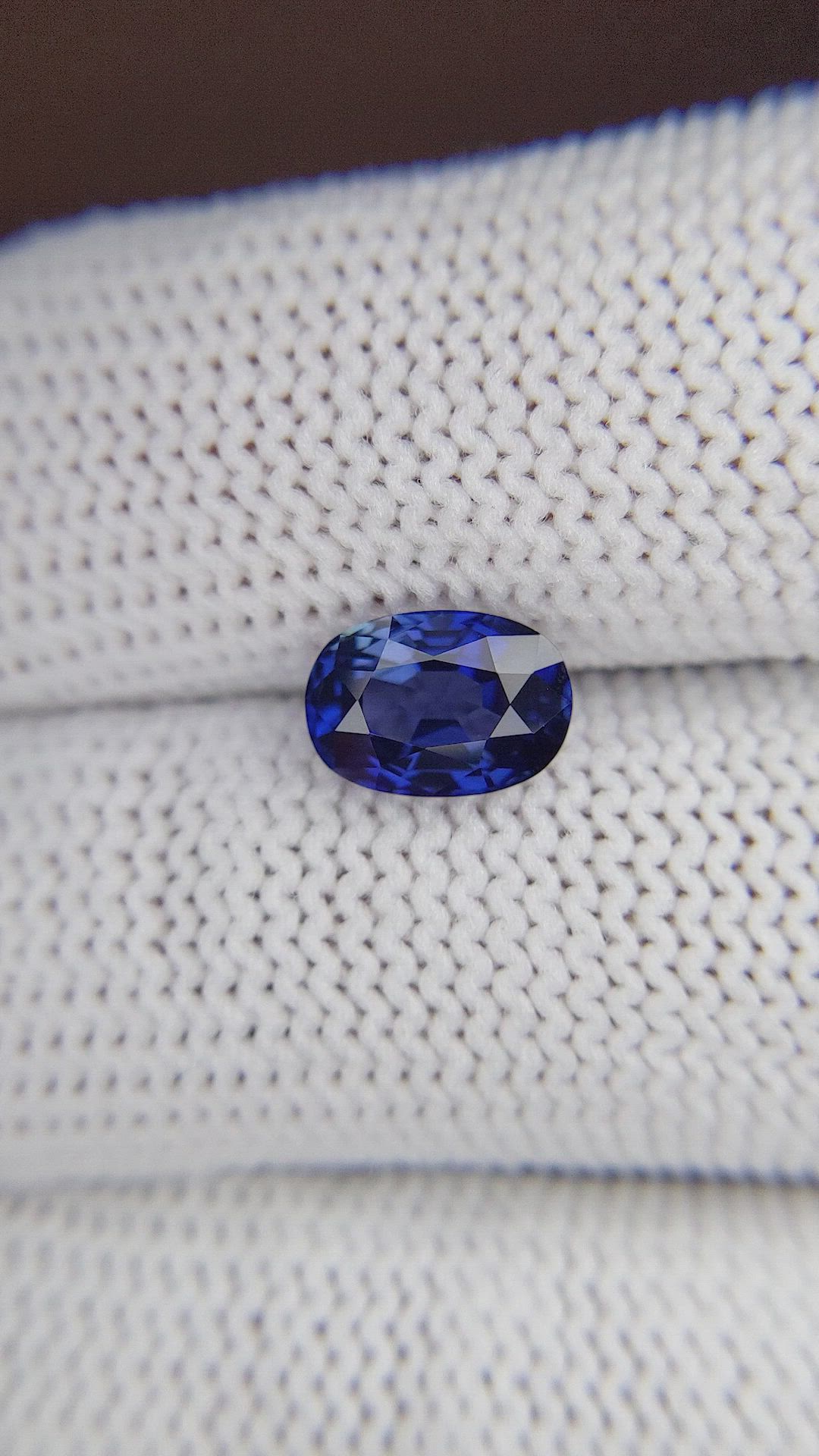
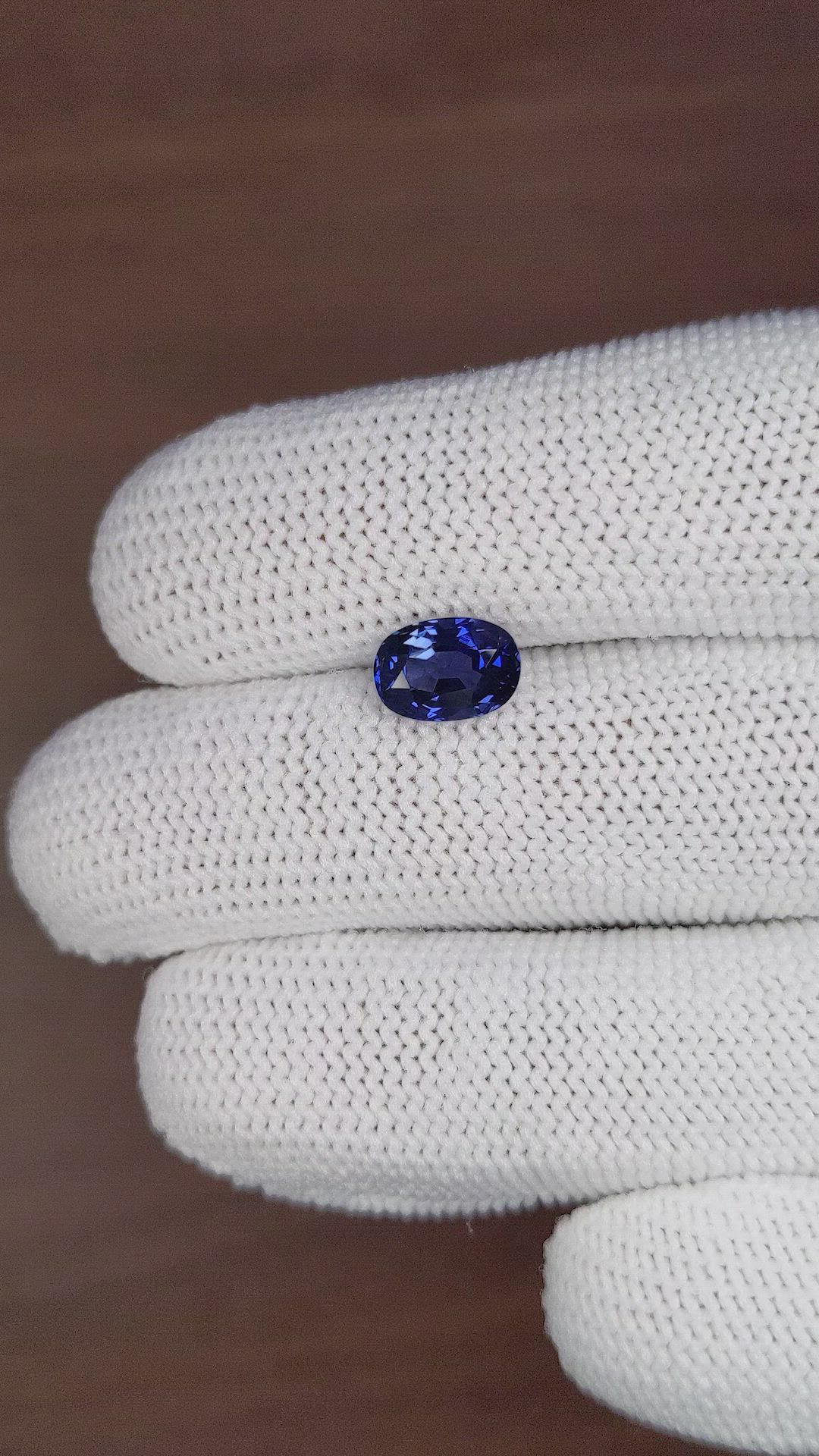
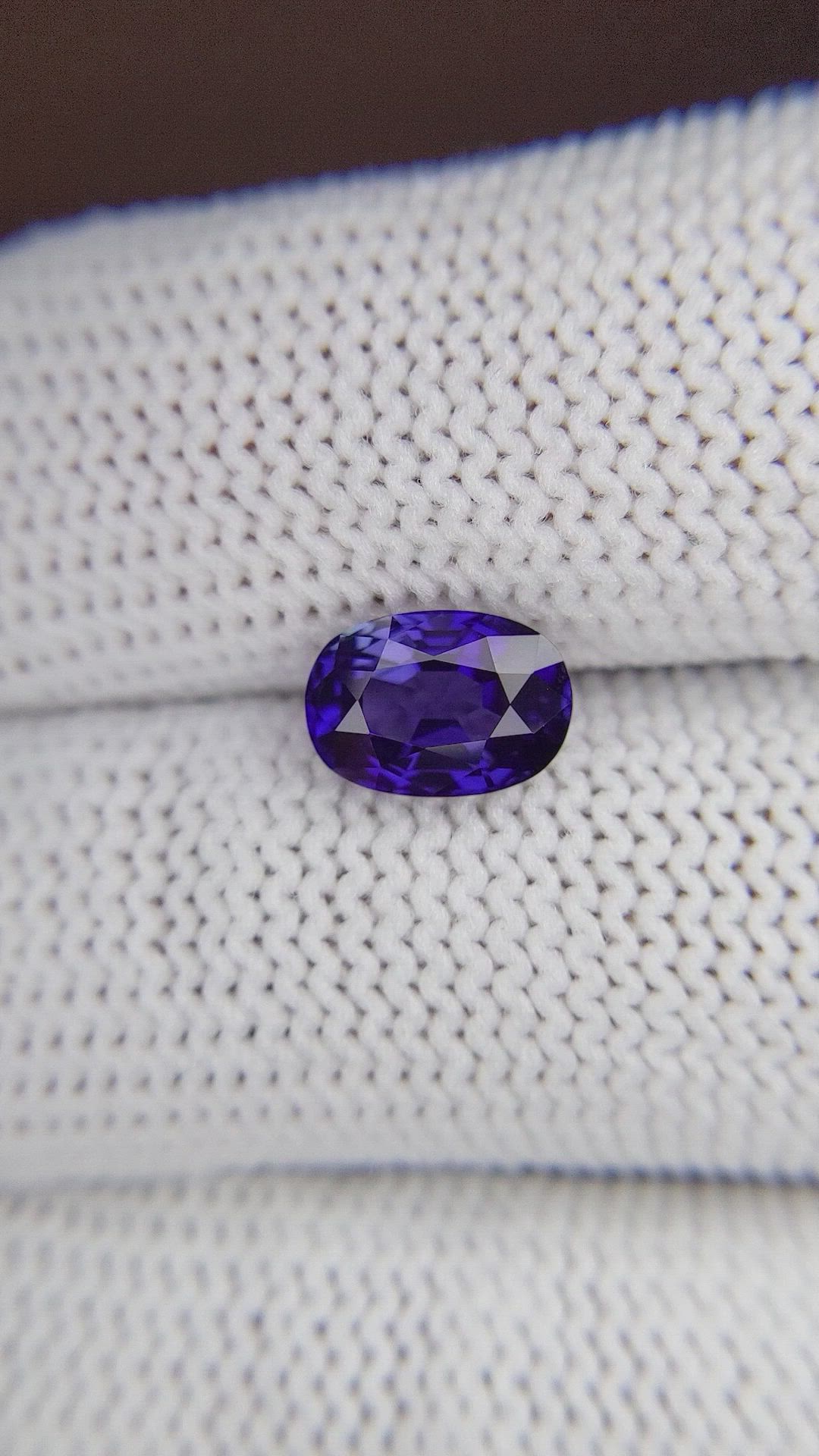
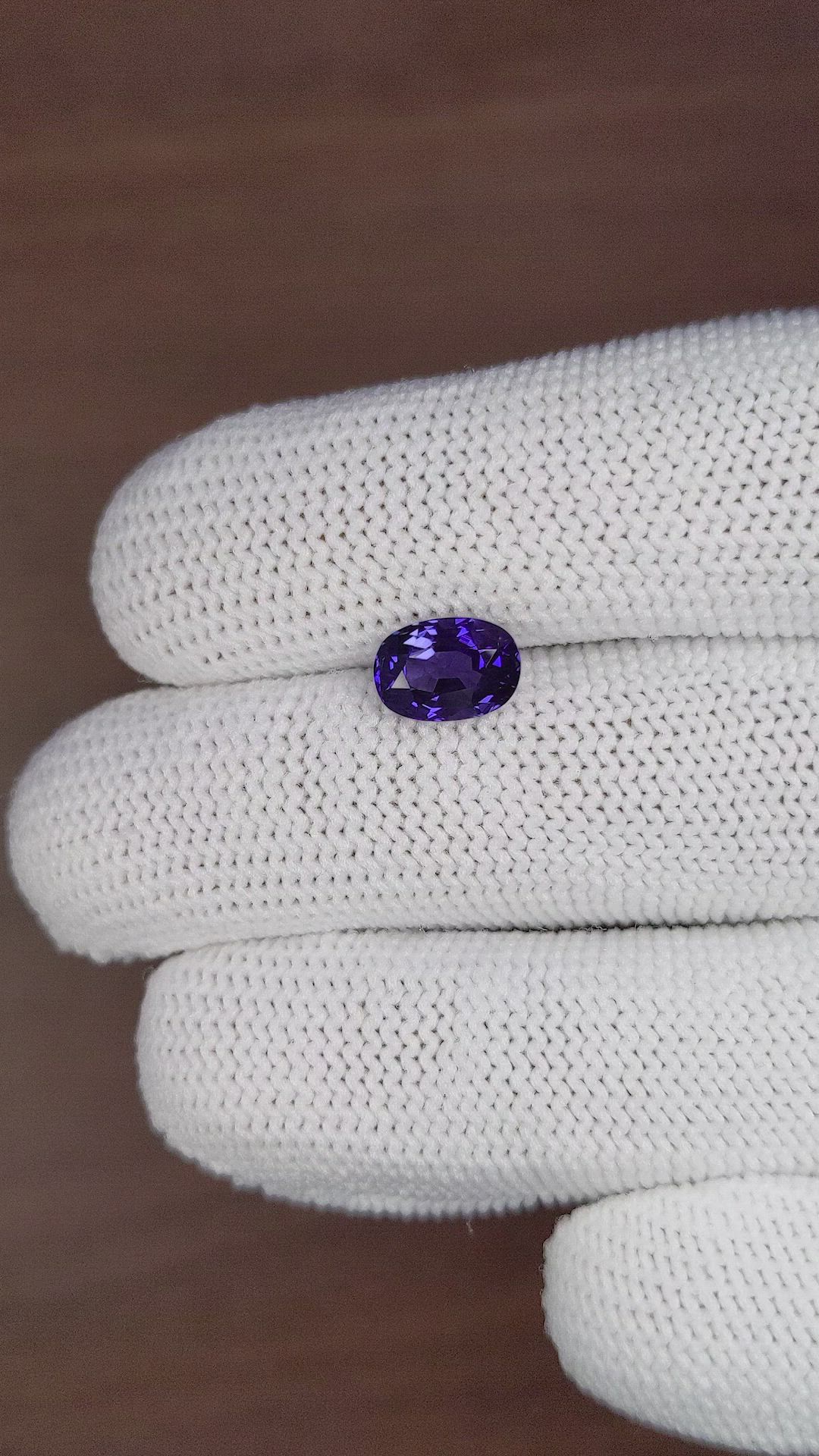
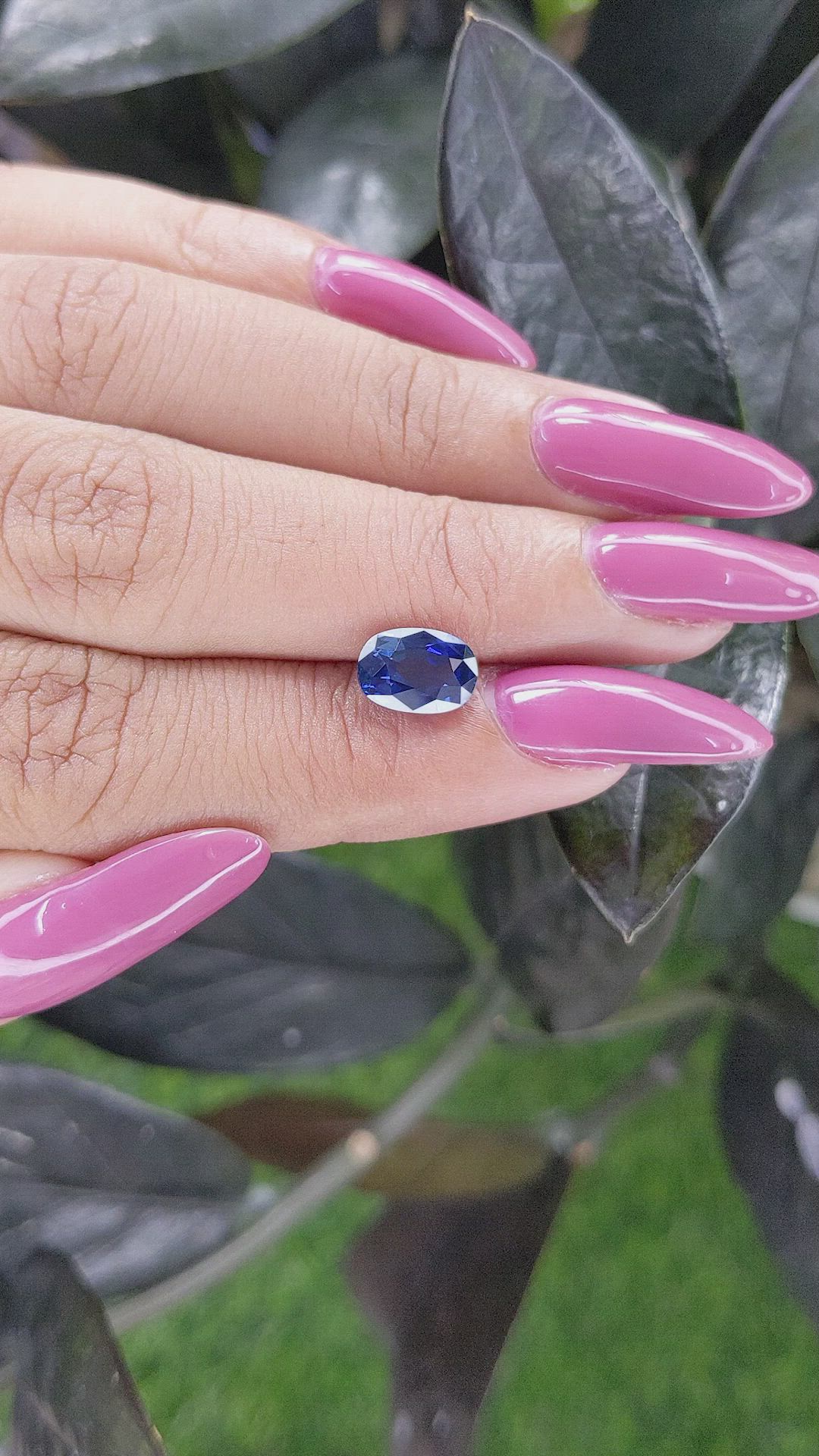
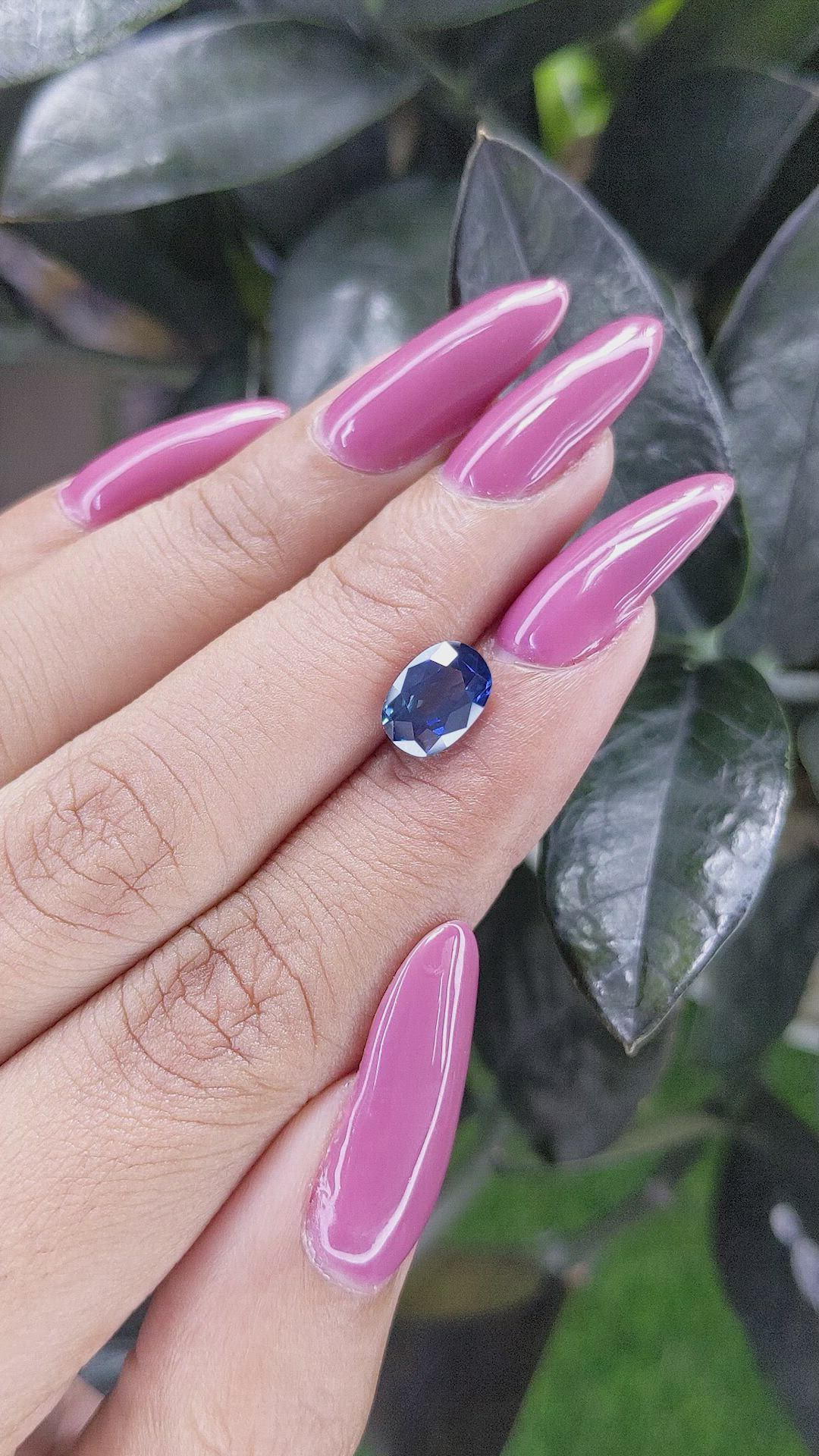
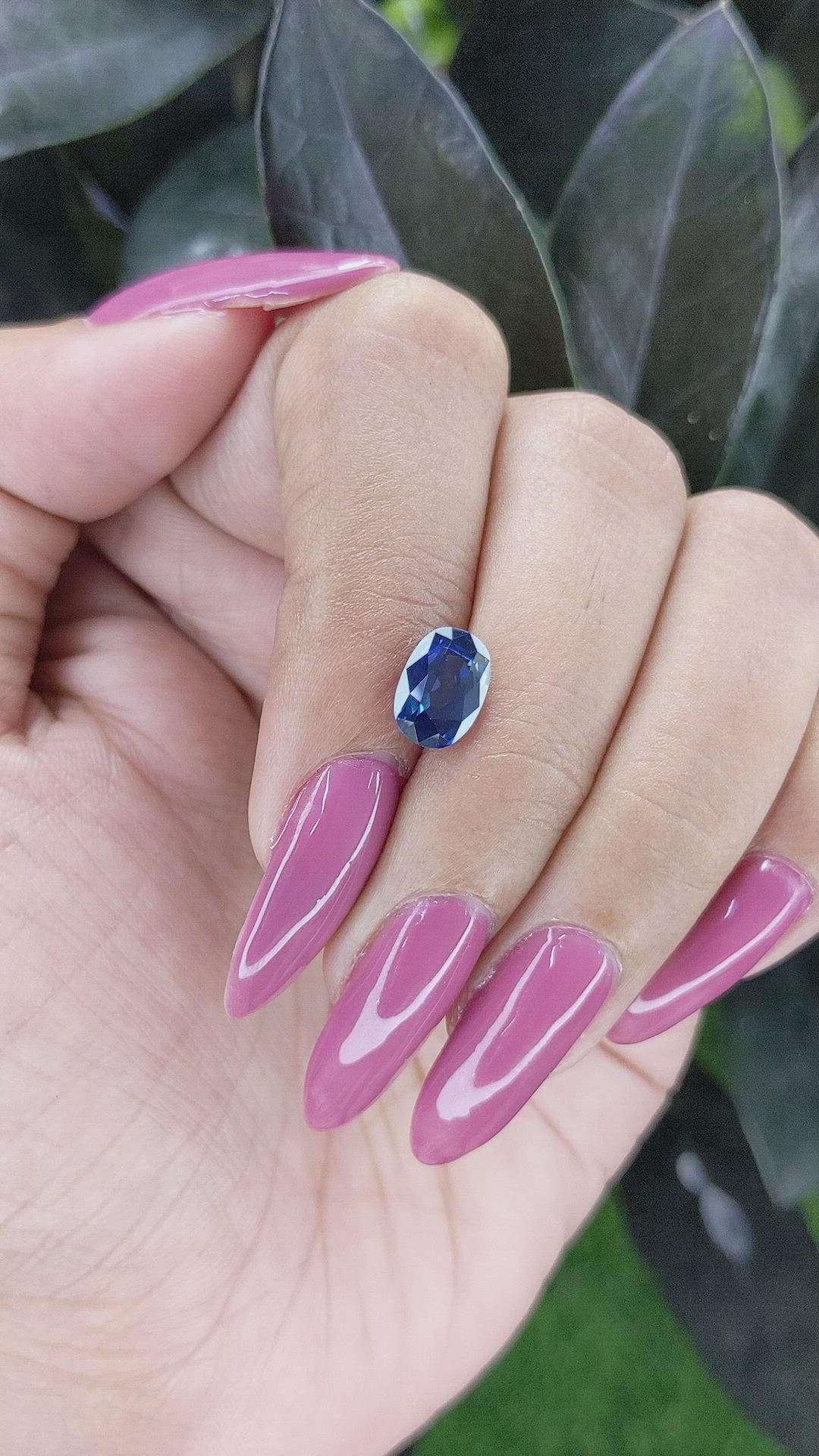




2.21 Ct. Color Change Sapphire from Tanzania
This loose stone ships by May 11
Item ID: | S32427 |
|---|---|
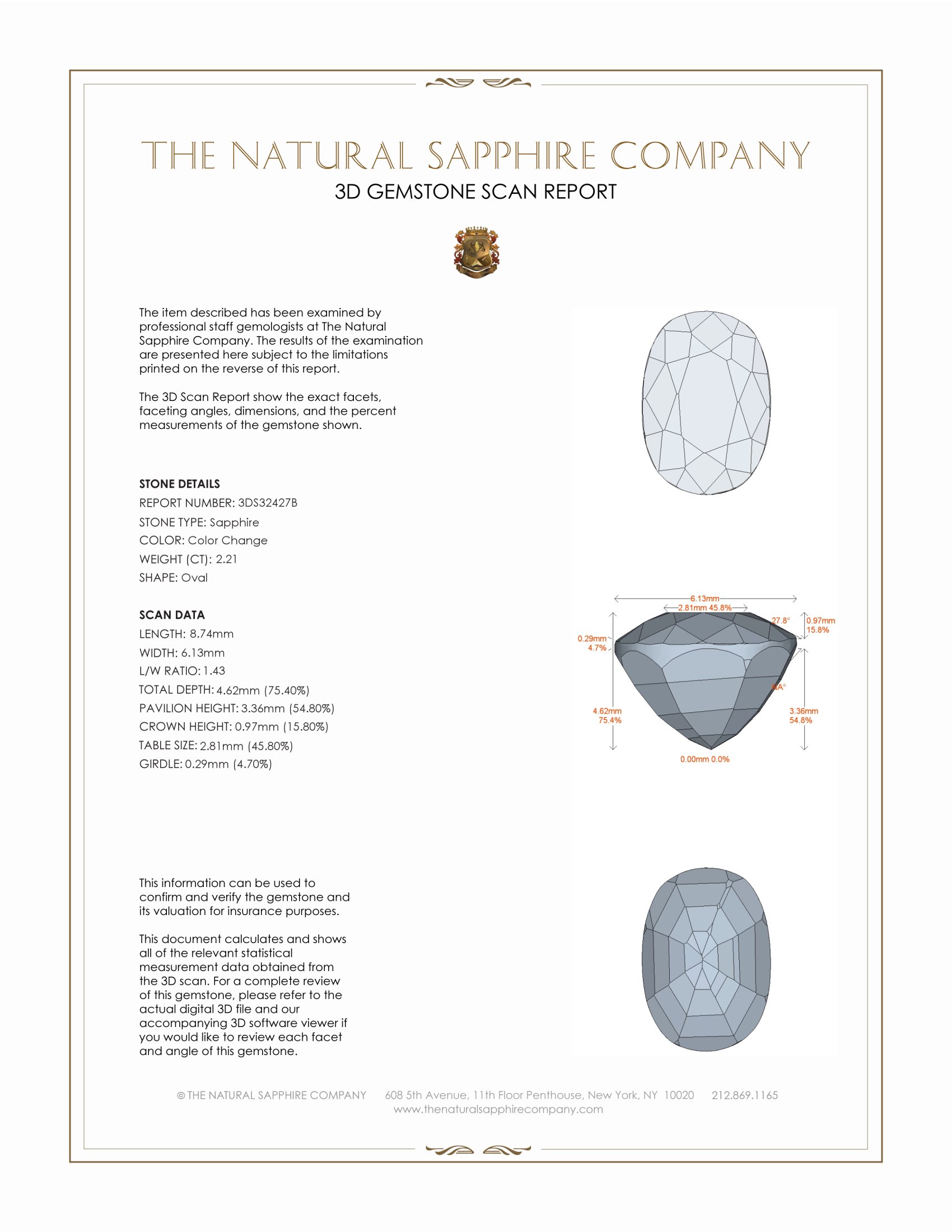
Dimensions (MM): help | Length: 8.74 Width: 6.13 Height: 4.62 |
Weight: | 2.21 Ct. |
Color: help | Color Change |
Color intensity: help | Vivid |
Clarity: help | Very Slightly Included |
Shape: help | Oval |
Cut: | Mixed Brilliant Cut |
Cutting style: | Faceted |
Enhancements: help | No Enhancement |
Origin: help | Tanzania |
Per carat price: help | $2,127 |
This offering from The Natural Sapphire Company is a transparent 2.21 carat oval shape color change sapphire, presented in a mixed brilliant cut with dimensions of 8.74 x 6.13 x 4.62 mm. The stone exhibits very slightly included clarity when evaluated at eye level, vivid color intensity, and an excellent polish. There has been no enhancement, and the sapphire is of Tanzanian origin. These objective specifications define the gem at first inspection, and they form the basis for assessing its optical performance and suitability for various settings. The mixed brilliant cut combines pavilion facets designed to maximize light return with the elongated oval outline that preserves carat weight and color saturation, resulting in a gemstone that balances scintillation, color, and wearable proportions.
The color change character of this sapphire is its most distinctive attribute, and it should be understood in both descriptive and physical terms. This sapphire demonstrates a clear and repeatable shift in appearance between cooler and warmer illumination, a phenomenon driven by selective absorption related to trace elements within the corundum crystal lattice. In practical viewing, the stone will present cooler blue to bluish green nuances in daylight or fluorescent sources that are rich in short wavelength light, and it will shift toward warmer violet to purplish red nuances under incandescent or warm LED lighting that emphasizes longer wavelengths. The mixed brilliant cutting style enhances this effect by producing lively facet reflections that modulate with movement and changes in incident light, while the high transparency and very slightly included clarity allow the color change to be observed without obstruction from internal features.
When comparing brilliance and light performance to more common gemstones, it is useful to reference optical constants and typical material behavior. Diamond, with a refractive index near 2.42 and high dispersion, displays exceptional fire and contrast, resulting in the widely recognized scintillation and spectral flashes. Corundum, the mineral species of sapphire, has a refractive index around 1.762 to 1.770 and lower dispersion, so it produces less prismatic fire than diamond, but it can achieve substantial brilliance through precise cutting, excellent polish, and high transparency. Rubies and sapphires share the same species, and therefore their overall light return and brilliance are comparable when cut and clarity conditions are similar. Emeralds, by contrast, commonly contain dense inclusions that reduce transparency and diminish lively light performance, making a clean sapphire like this one appear brighter and more vibrant in day to day wear. In this specific example, the mixed brilliant cut, the very slightly included clarity at eye level, and the excellent polish combine to maximize specular reflection and internal light return, producing a perceptible brilliance that complements the vivid color intensity and the dynamic color change.
Beyond optical performance, the combination of untreated origin and robust physical properties gives this sapphire practical and long term advantages. The lack of enhancement confirms that the color and clarity are natural, which is an important factor for collectors and for maintaining value over time. Tanzanian sources are recognized for producing color change material, and provenance contributes to traceability and informed valuation. On a practical level, sapphire is a durable gem with high resistance to wear, making it well suited for rings and other pieces intended for regular use, though as with all gemstones it should be protected from hard knocks and abrasive contact to preserve the polish and facet integrity. For presentation, settings that allow changing light to interact with the stone will best display the color change and the facet dynamics, with open bezels or prong settings recommended to maximize light circulation. The Natural Sapphire Company can provide additional information on certification, independent gemological reports, and recommended mounting options to ensure the stone performs as expected in wearable form, and we encourage viewing the sapphire under both daylight and warm light to fully appreciate its unique optical behavior.


