
- Stone16
- Reports3

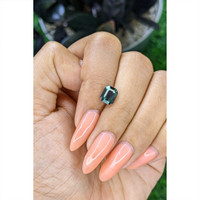
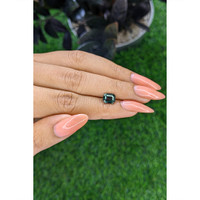
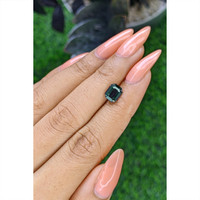
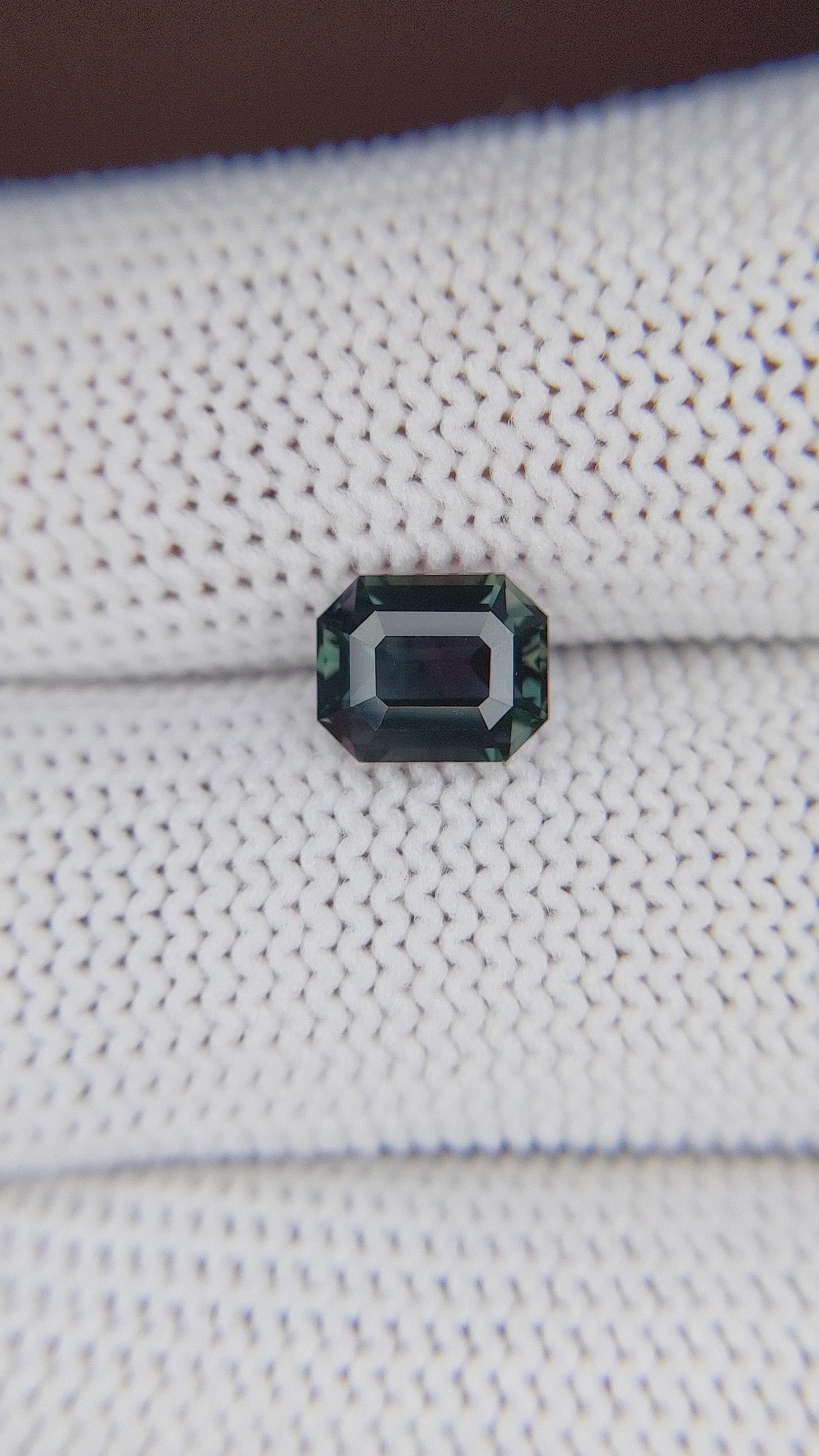
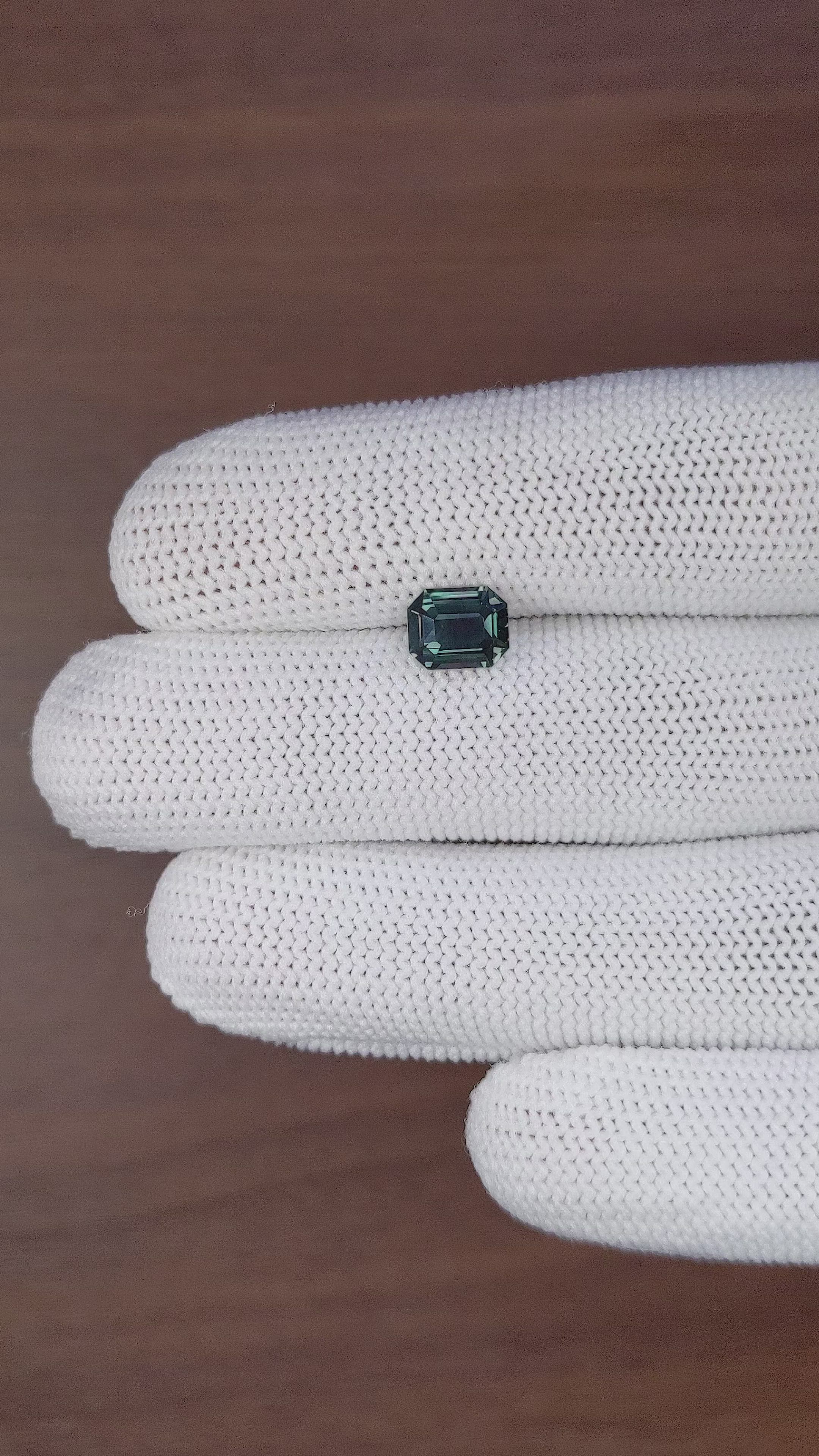
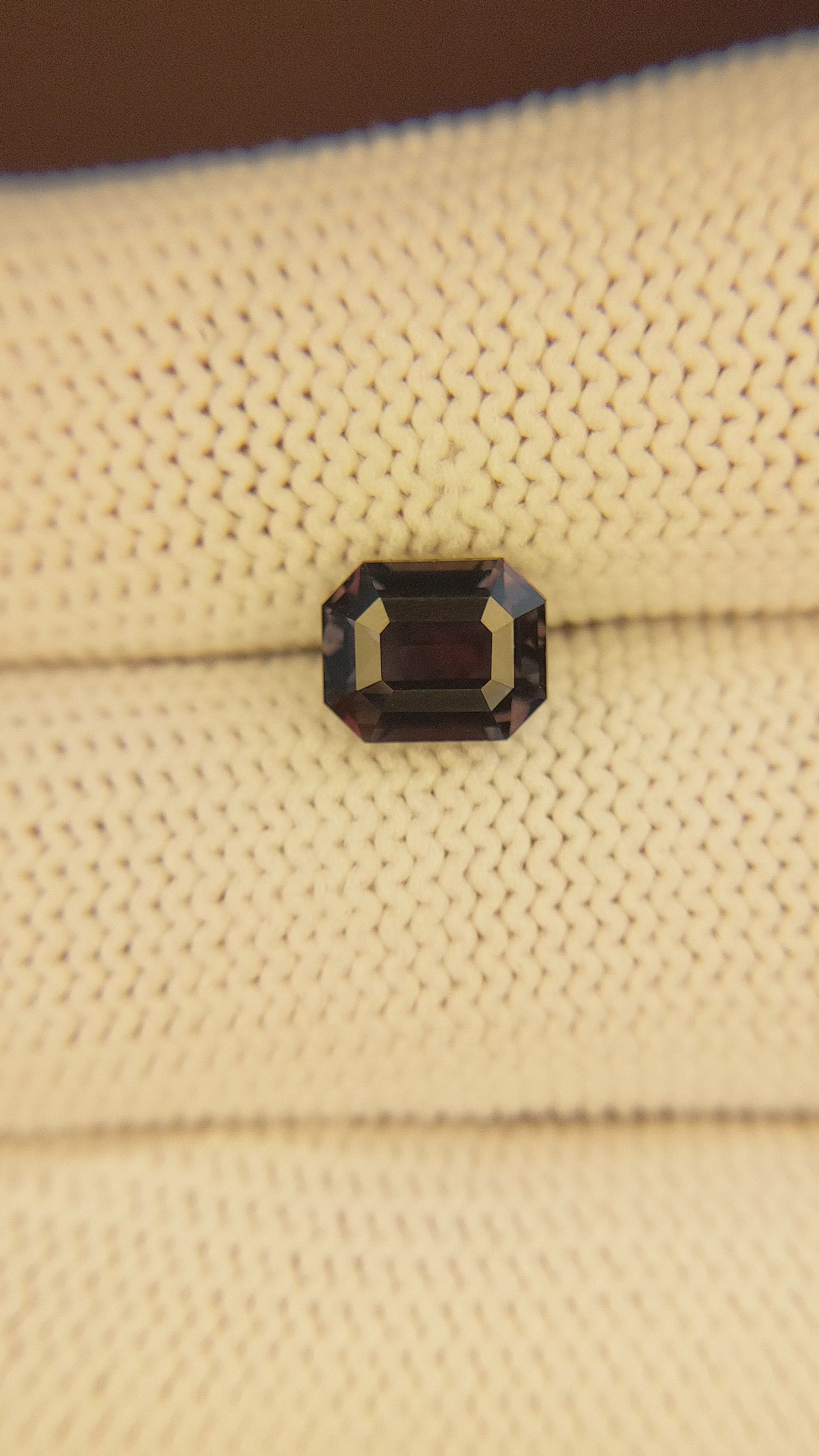
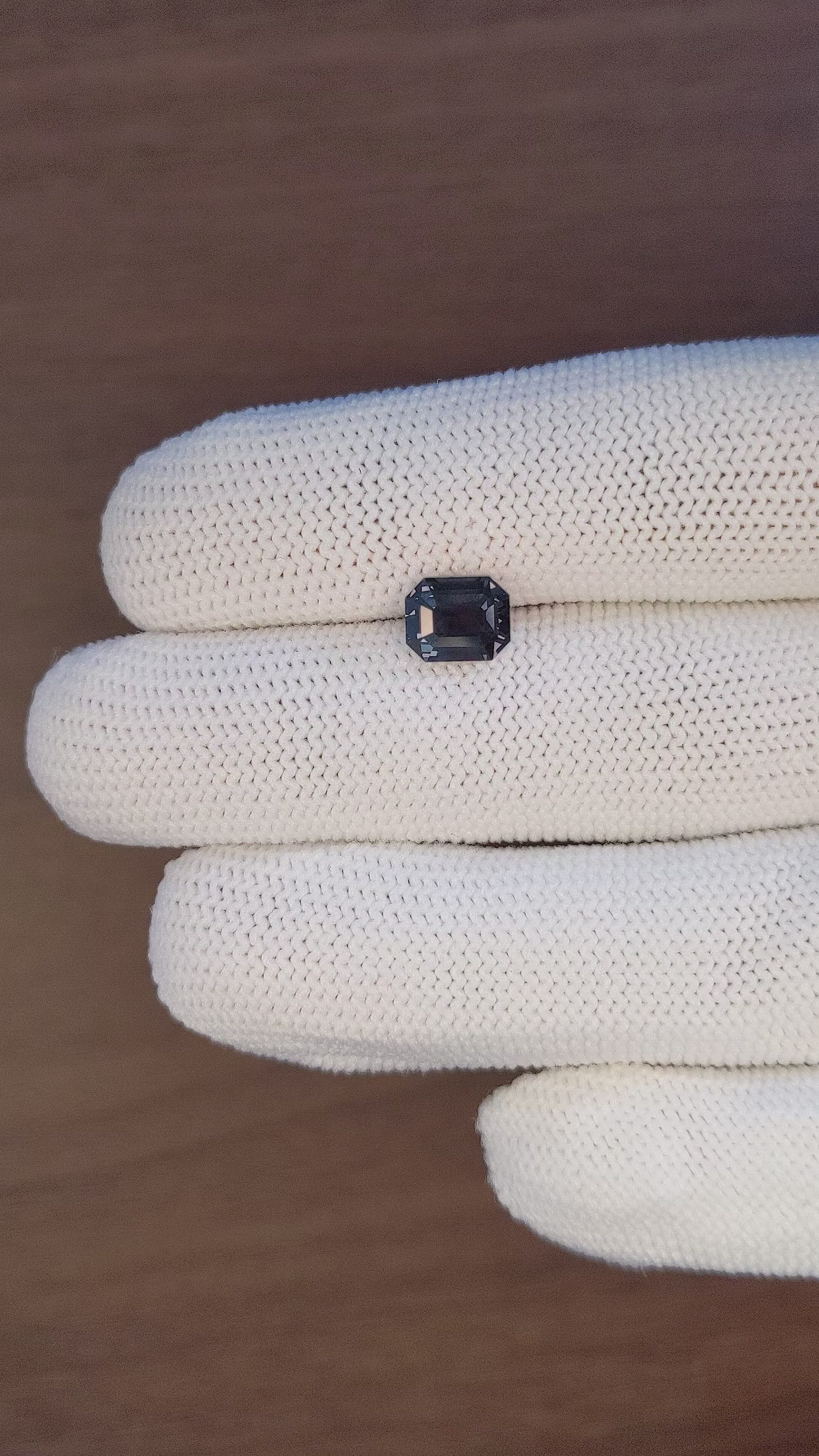
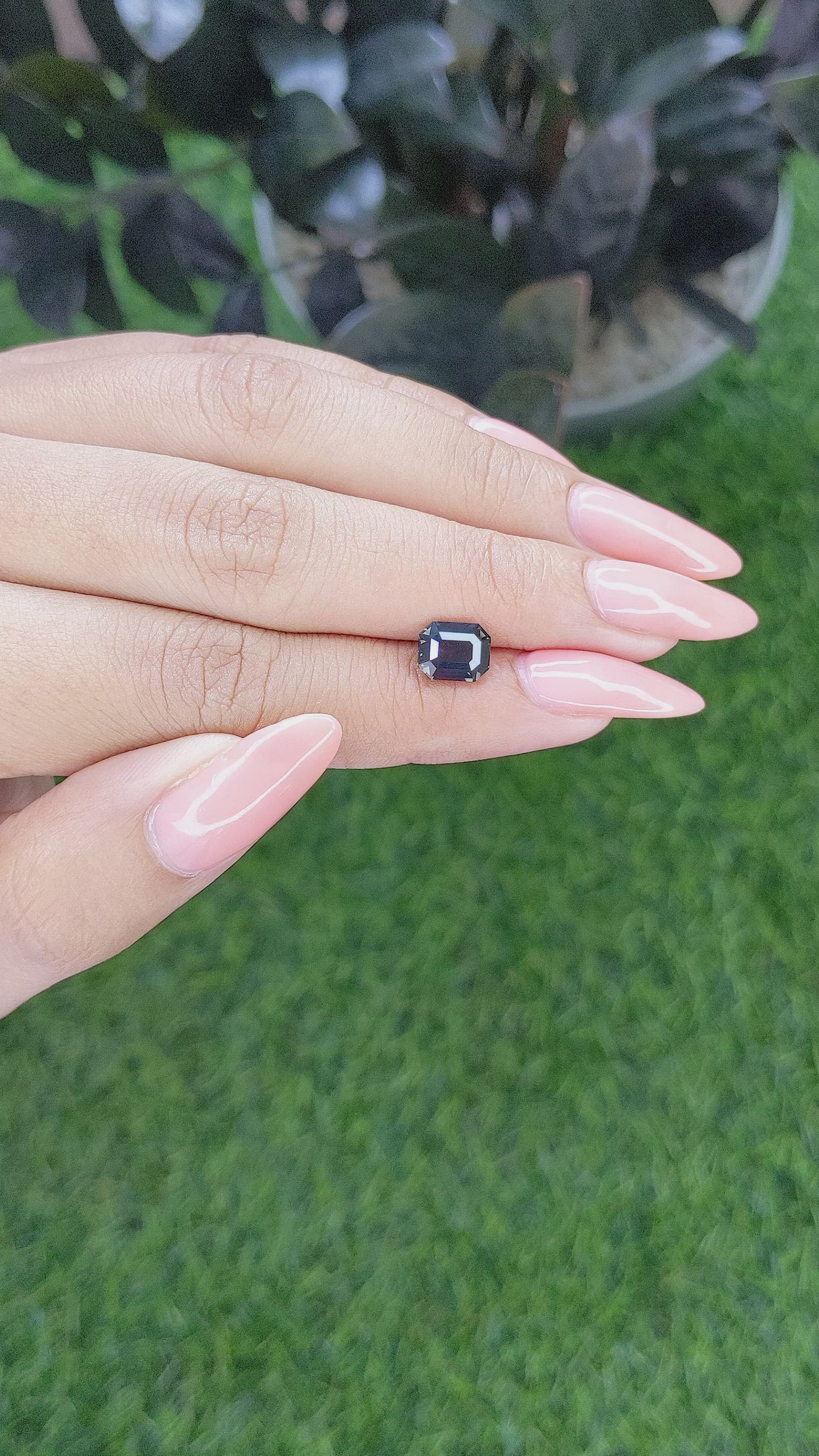



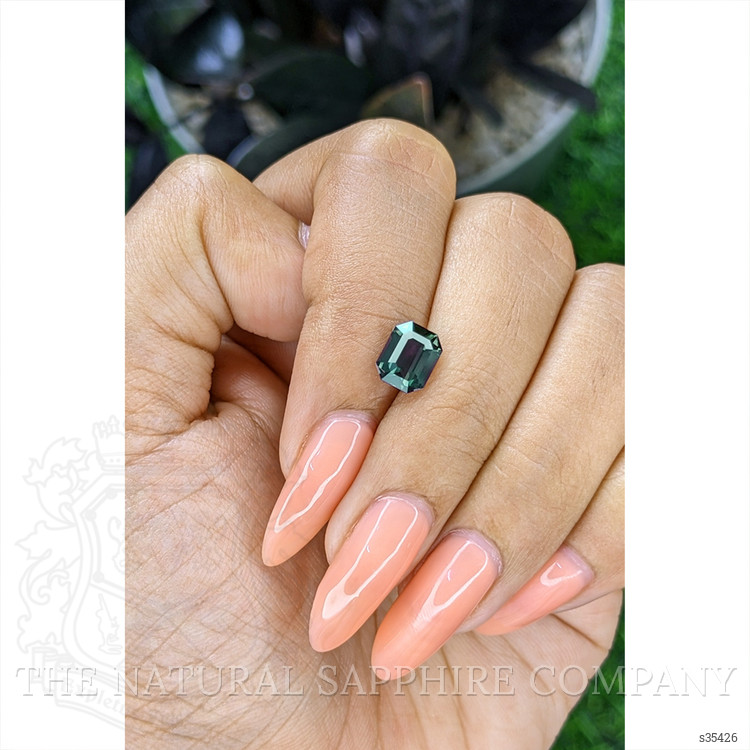
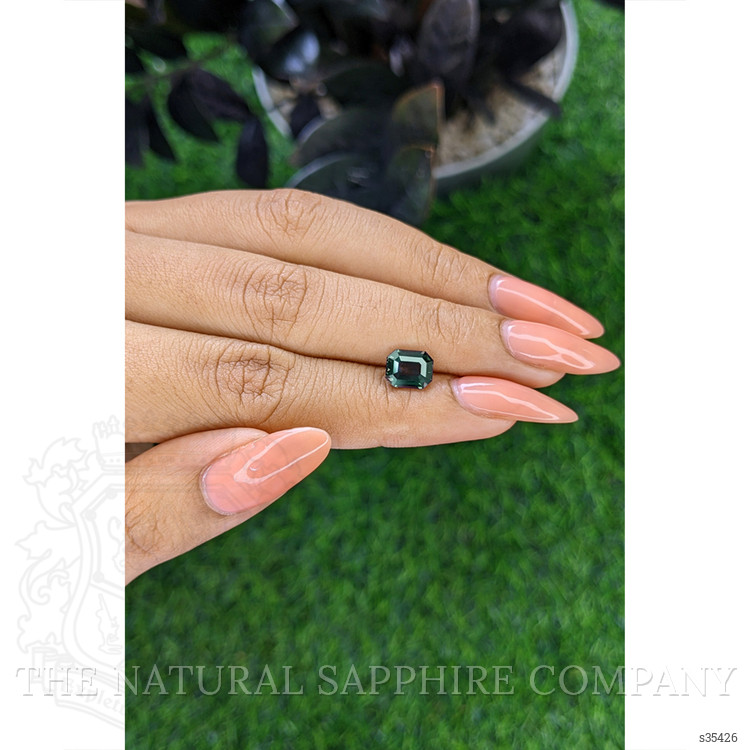
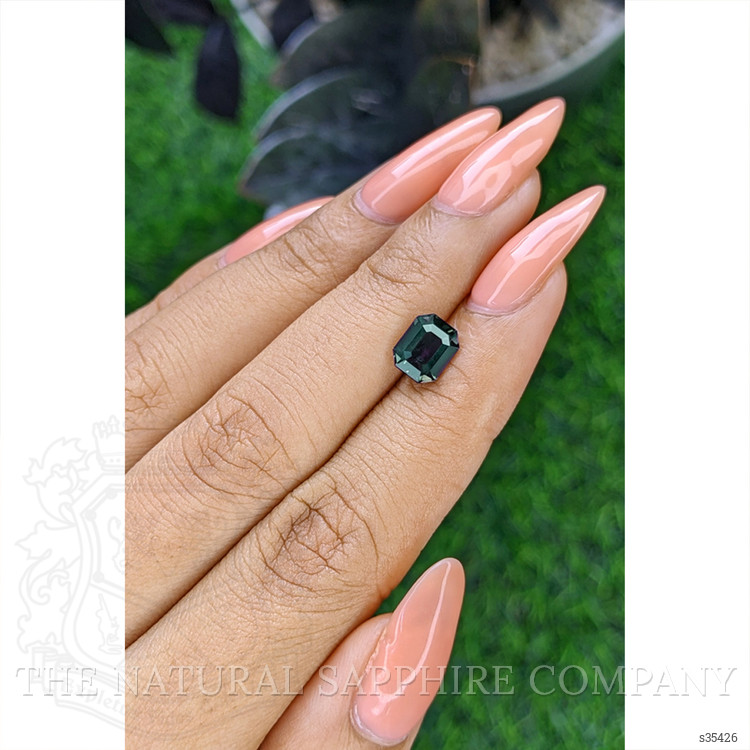


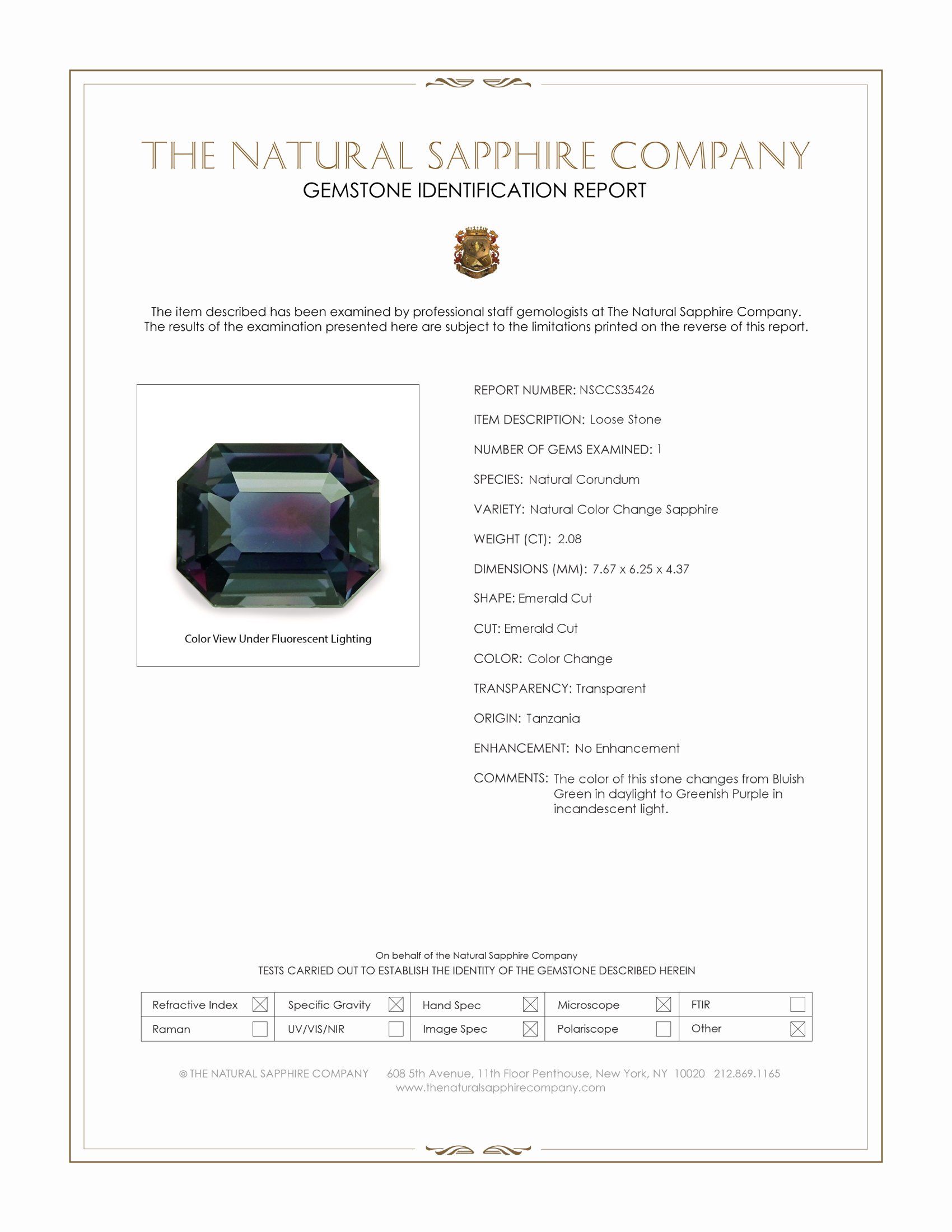
2.08 Ct. Color Change Sapphire from Tanzania
This loose stone ships by Mar 23
Item ID: | S35426 |
|---|---|
Dimensions (MM): help | Length: 7.67 Width: 6.25 Height: 4.37 |
Weight: | 2.08 Ct. |
Color: help | Color Change |
Color intensity: help | Intense |
Clarity: help | Very Slightly Included |
Shape: help | Emerald Cut |
Cut: | Emerald Cut |
Cutting style: | Faceted |
Enhancements: help | No Enhancement |
Origin: help | Tanzania |
Per carat price: help | $1,700 |
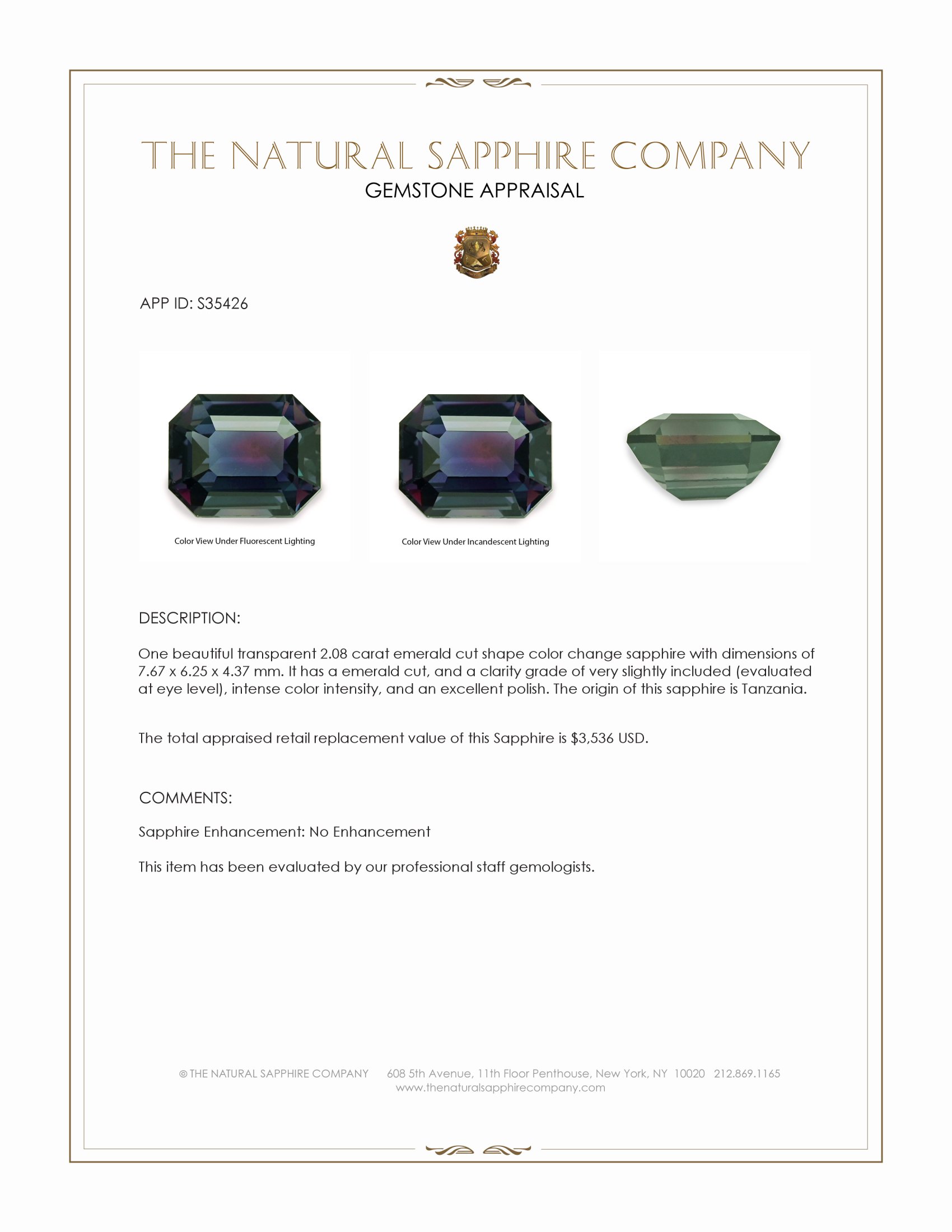
A dramatic and rare treasure, this transparent 2.08 carat emerald cut shape color change sapphire from Tanzania embodies the kind of natural beauty that collectors and connoisseurs seek. The pavilion and step facets of its classic emerald cut measure 7.67 x 6.25 x 4.37 mm, and the stone has been evaluated with a clarity grade of very slightly included at eye level, an intense color intensity, and an excellent polish. Unlike many offerings on the market that have undergone heat treatment or other enhancements to mask imperfections or intensify hue, this sapphire arrives to you without enhancement, in its authentic state. At The Natural Sapphire Company we source and present gems like this one to highlight genuine geological character, and when compared to heat treated or synthetic alternatives, an unenhanced, naturally occurring color change sapphire commands a higher level of interest because of its provenance and unaltered chemistry. Many sellers offer lower price points with treated material, but those options do not carry the same story, nor do they offer the same long term value for someone who values natural rarity and integrity.
Imagine a world when this sapphire began its journey, a saga written over millions of years beneath the surface of the earth. Deep within ancient Tanzanian crust, intense heat and pressure transformed aluminum rich sediments into corundum crystals, and trace elements infused the forming mineral lattice. The presence of iron and chromium, in delicate balance, permitted this crystal to develop the optical complexity necessary for color change. Over eons the crystal grew grain by grain, each layer recording slight shifts in chemistry and growth rate, until a well formed crystal blank of exceptional transparency took shape. Later tectonic forces and hydrothermal fluids carried the nascent sapphire closer to the earths surface, where weathering and erosion freed it from its host rock. That slow geological journey is absent from most market stones that have been artificially altered to approximate rarity. This sapphire has the slow, patient biography that distinguishes true natural gems from modern imitations.
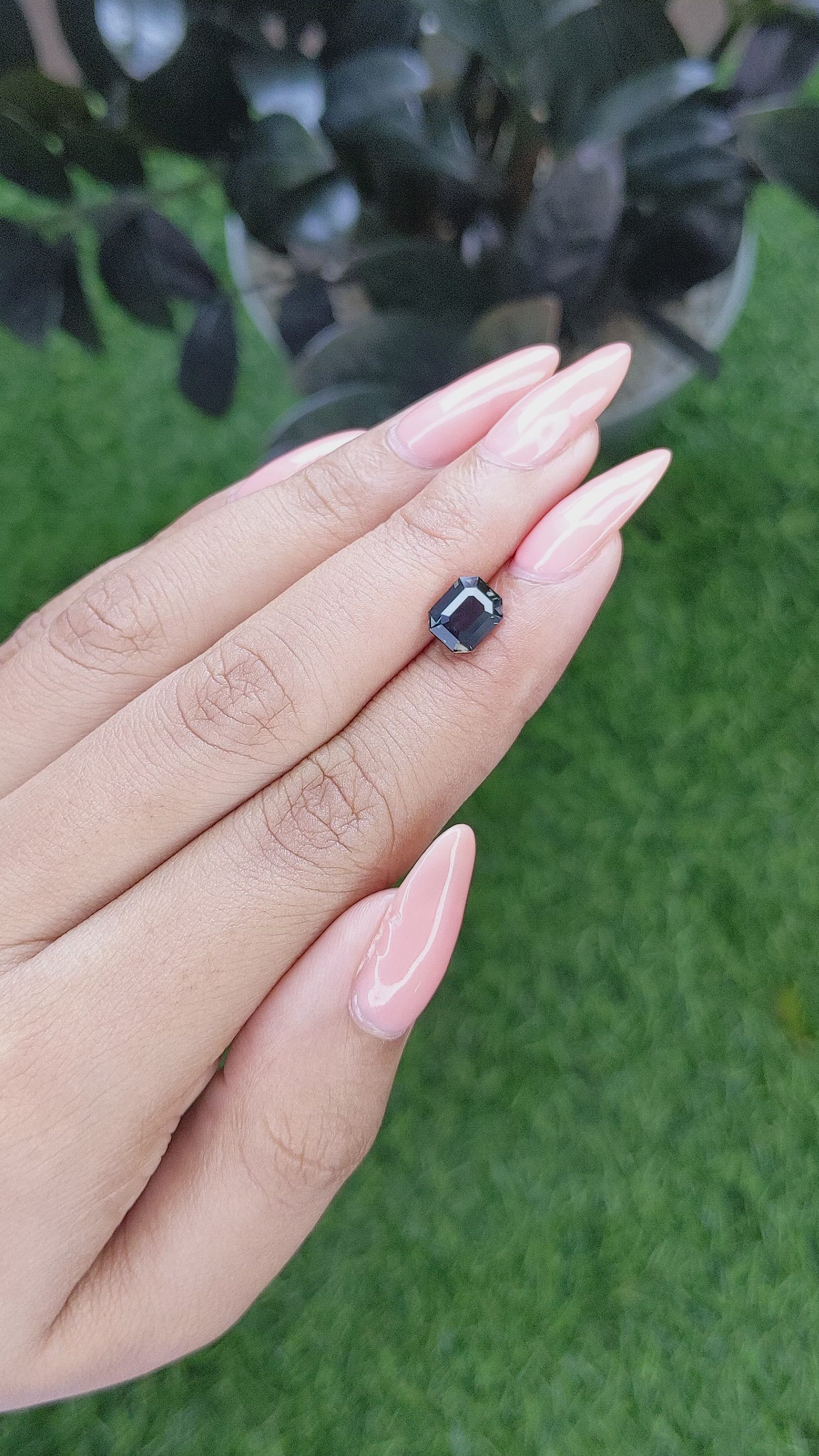
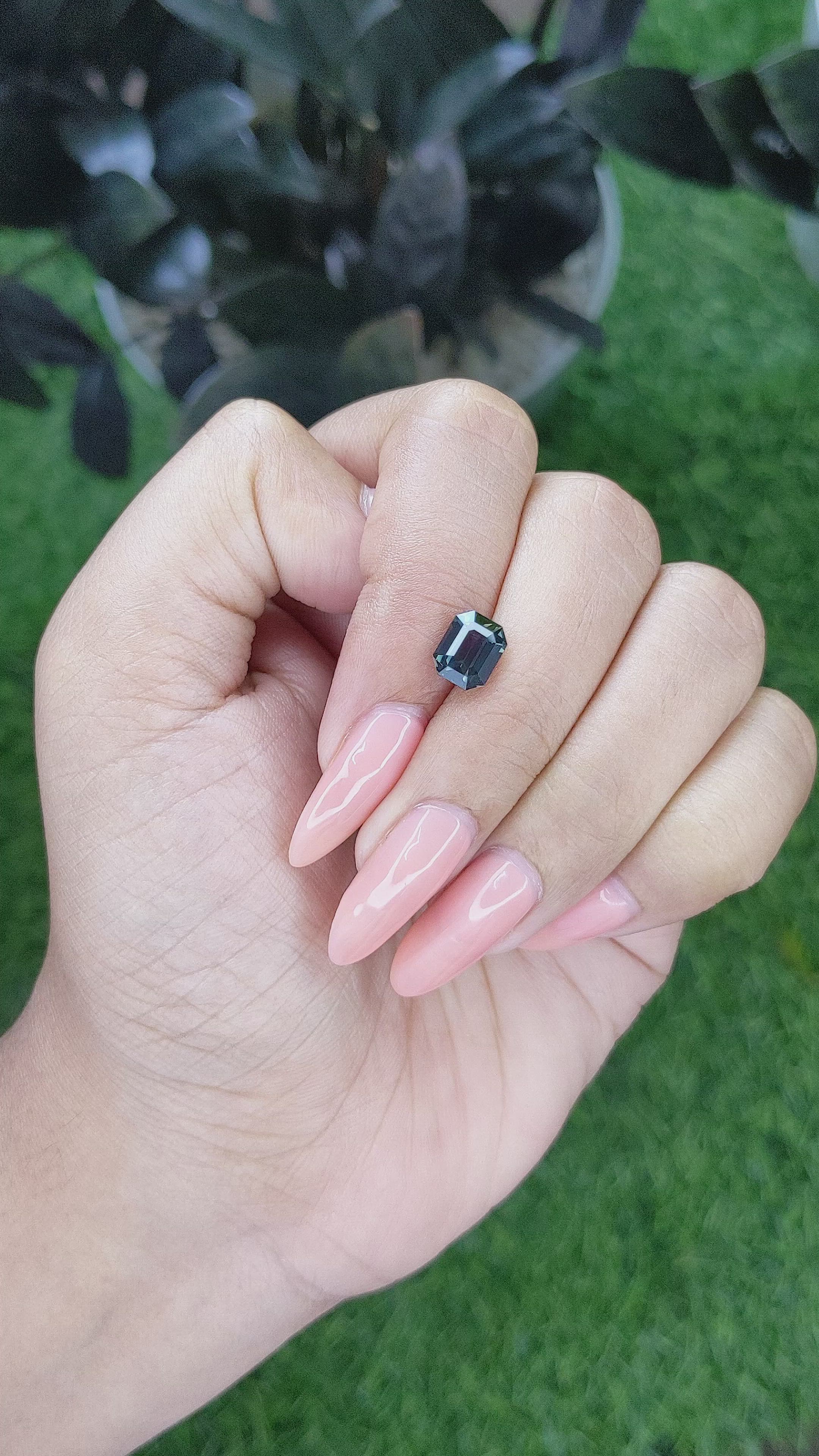
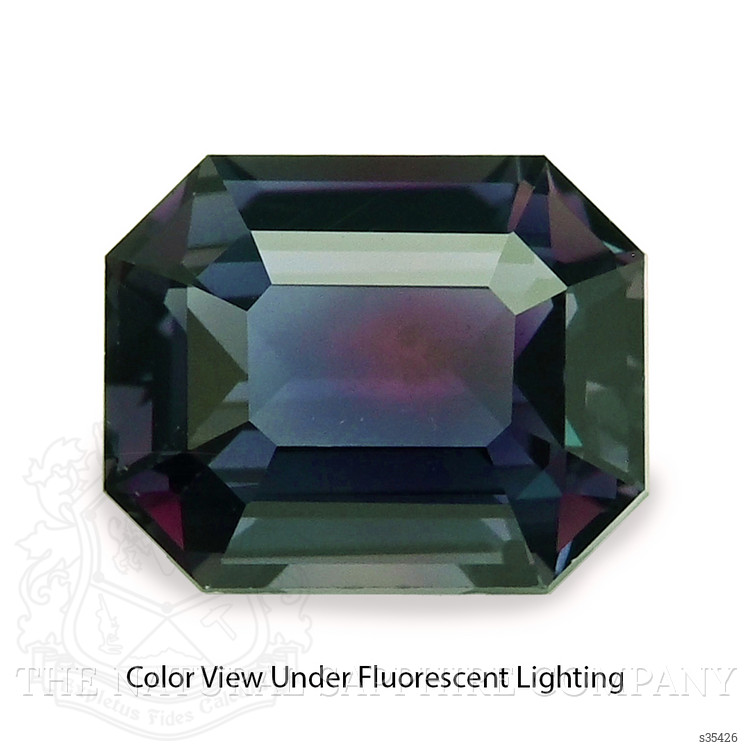
The color change itself is one of the most compelling reasons to choose this stone over typical blue or fancy sapphires. In neutral daylight or fluorescent illumination the stone can present cooler teal and green tones, while under incandescent light the stone shifts to richer violet or purplish hues. This optical transformation is reminiscent of alexandrite in effect, but far rarer in sapphire material and very different in character from the uniform color you find in most commercial sapphires. The emerald cut enhances the perception of color by producing broad, flat facets that act like windows into the depth of the gem, rather than fragmenting light into excessive brilliance. That makes the cut ideal for a stone whose primary appeal is its dramatic change in hue, rather than an overemphasis on sparkle. At 2.08 carats and the given proportions, the gem sits beautifully on a finger or in a pendant, as shown in reference photos, where its size reads substantial yet elegant. When compared to lighter, more heavily included stones or to lab created alternatives that lack a geological story, this sapphire offers a combination of clarity, cut, and natural color behavior that is difficult to find.
When choosing a color change sapphire, buyers must weigh authenticity, long term value, and visual impact. This Tanzanian stone outperforms many market options because it is unenhanced, it displays intense color, and it carries the geological pedigree of formation in ancient rock. The clarity grade of very slightly included at eye level means the gem remains visually clean to the naked eye, while still retaining natural internal features that prove its origin. The excellent polish and the precision of the emerald cut allow jewelers to set the stone in a way that showcases the dramatic shifts in hue, whether in a classic solitaire design or an artful halo mounting that complements its deep tones. For someone considering heat treated sapphires or synthetic stones, the choice is clear for those who prioritize provenance and natural character. The Natural Sapphire Company presents this gem as a rare and responsible option for collectors and for anyone who wants a tangible connection to the earth, a stone that formed over geologic time and that will continue to tell that story when it is worn and admired for generations.


