
- Stone12
- Reports2
-fancy-blue-sapphire-118.8500-cts-s28560-1.jpg?d=200x200&v=20250814035450)
-various-white-sapphire-118.8500-cts-s28560-lifestyleimage-1.jpg?d=200x200&v=20250818020639)
-various-white-sapphire-118.8500-cts-s28560-lifestyleimage-2.jpg?d=200x200&v=20250818020639)
-various-white-sapphire-118.8500-cts-s28560-lifestyleimage-3.jpg?d=200x200&v=20250818020639)
-fancy-blue-sapphire-118.8500-cts-s28560-1.jpg?d=750x750&s=nsc&v=20250814035450)
-various-white-sapphire-118.8500-cts-s28560-lifestyleimage-1.jpg?d=750x750&s=nsc&v=20250818020639)
-various-white-sapphire-118.8500-cts-s28560-lifestyleimage-2.jpg?d=750x750&s=nsc&v=20250818020639)
-various-white-sapphire-118.8500-cts-s28560-lifestyleimage-3.jpg?d=750x750&s=nsc&v=20250818020639)
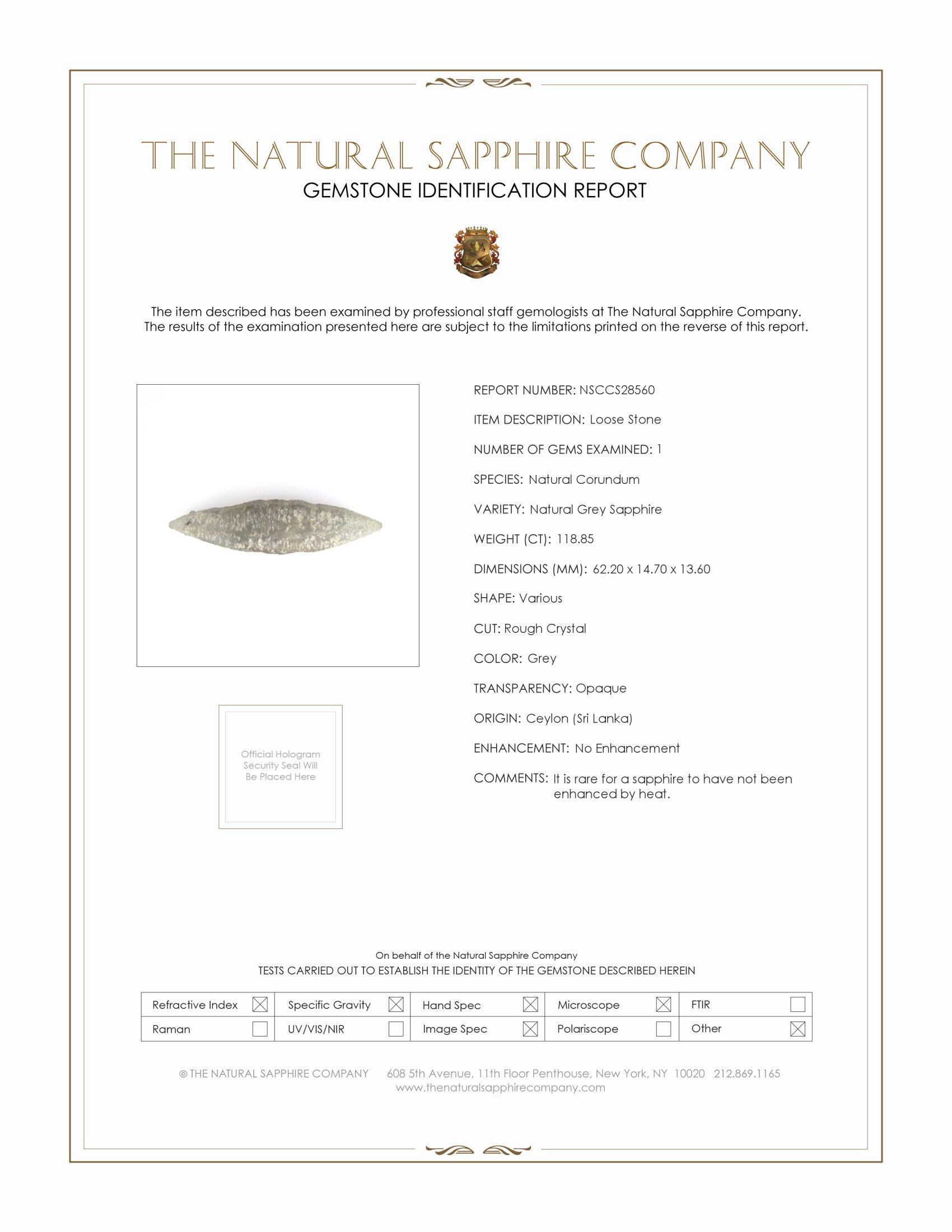
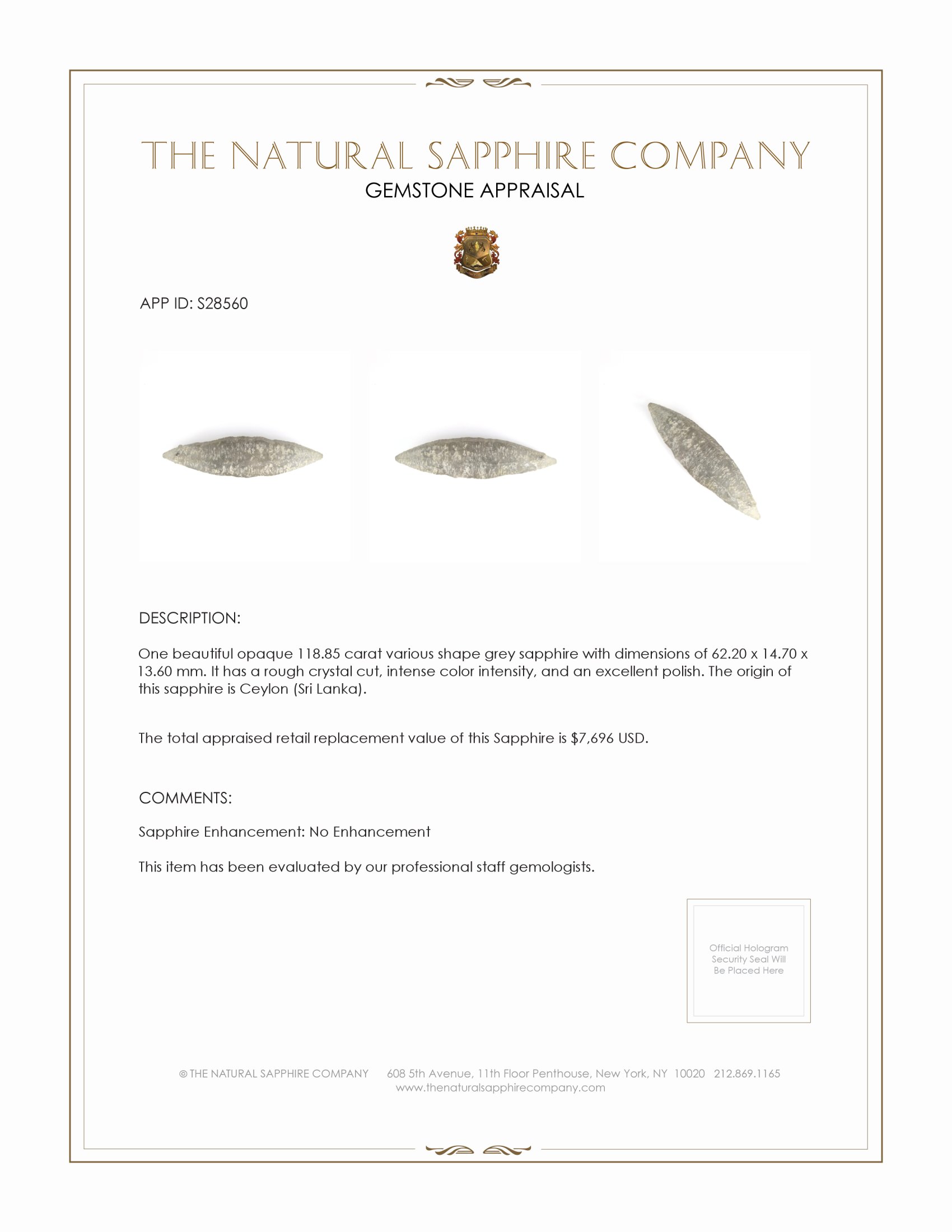
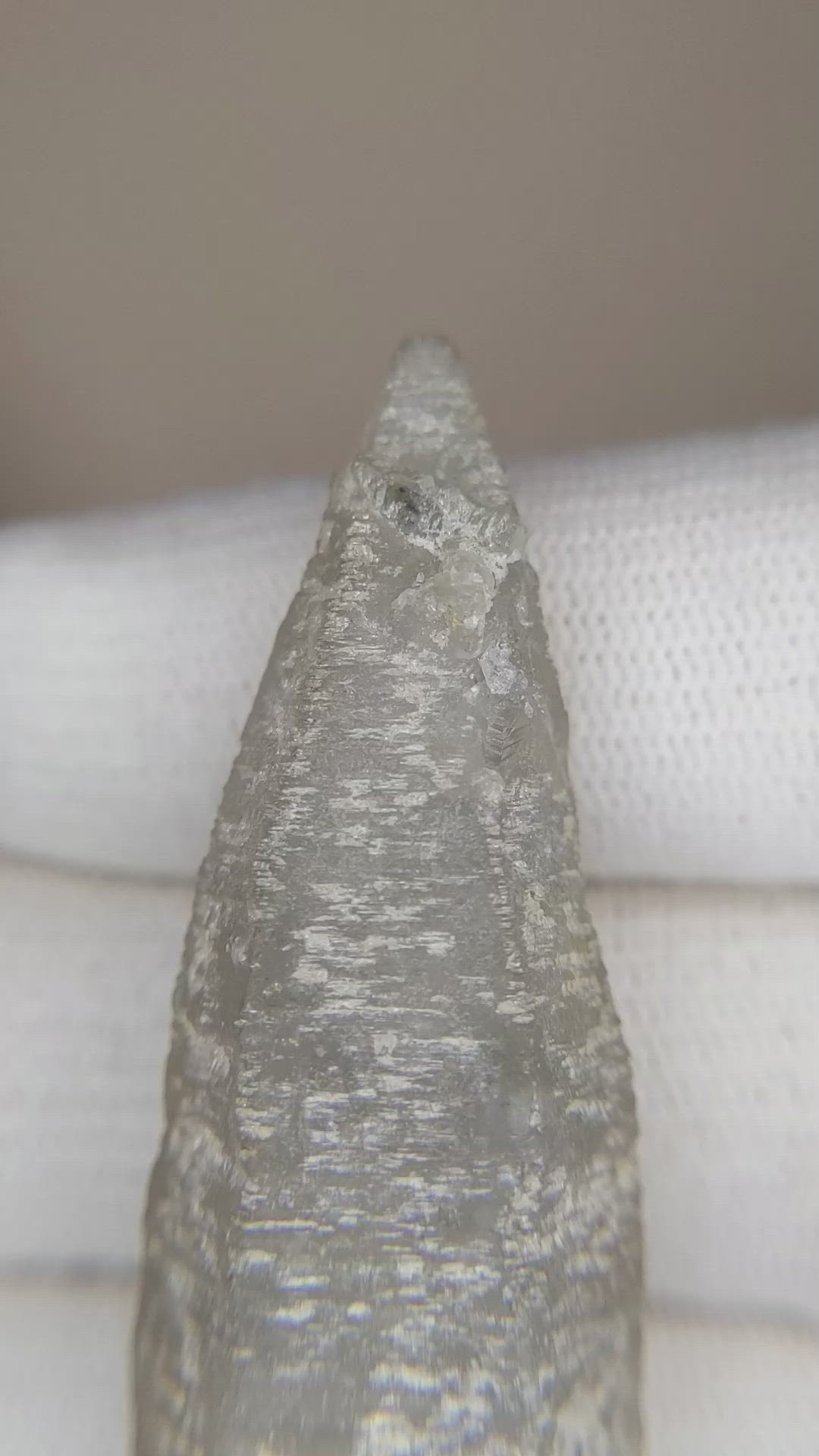
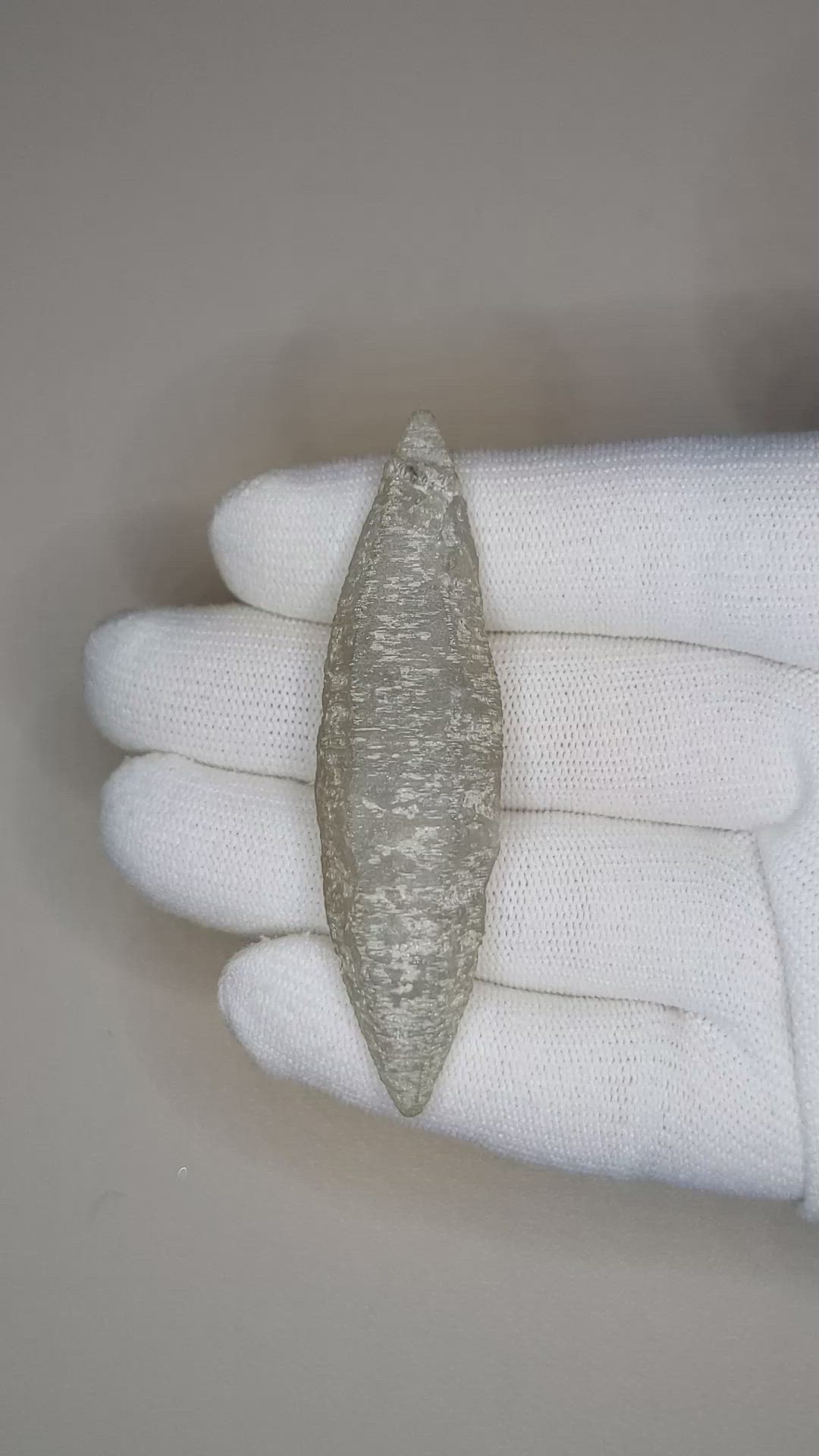
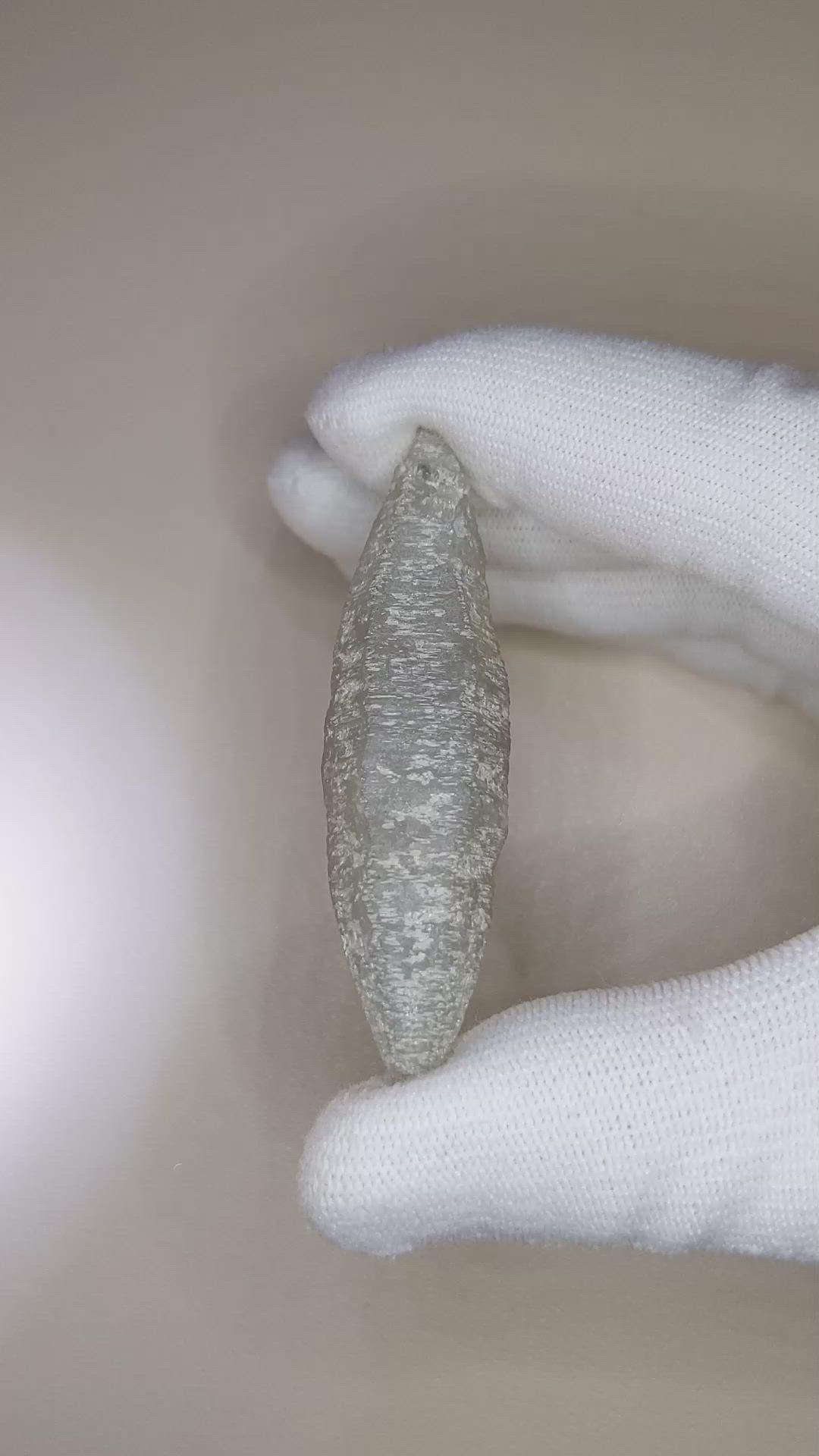
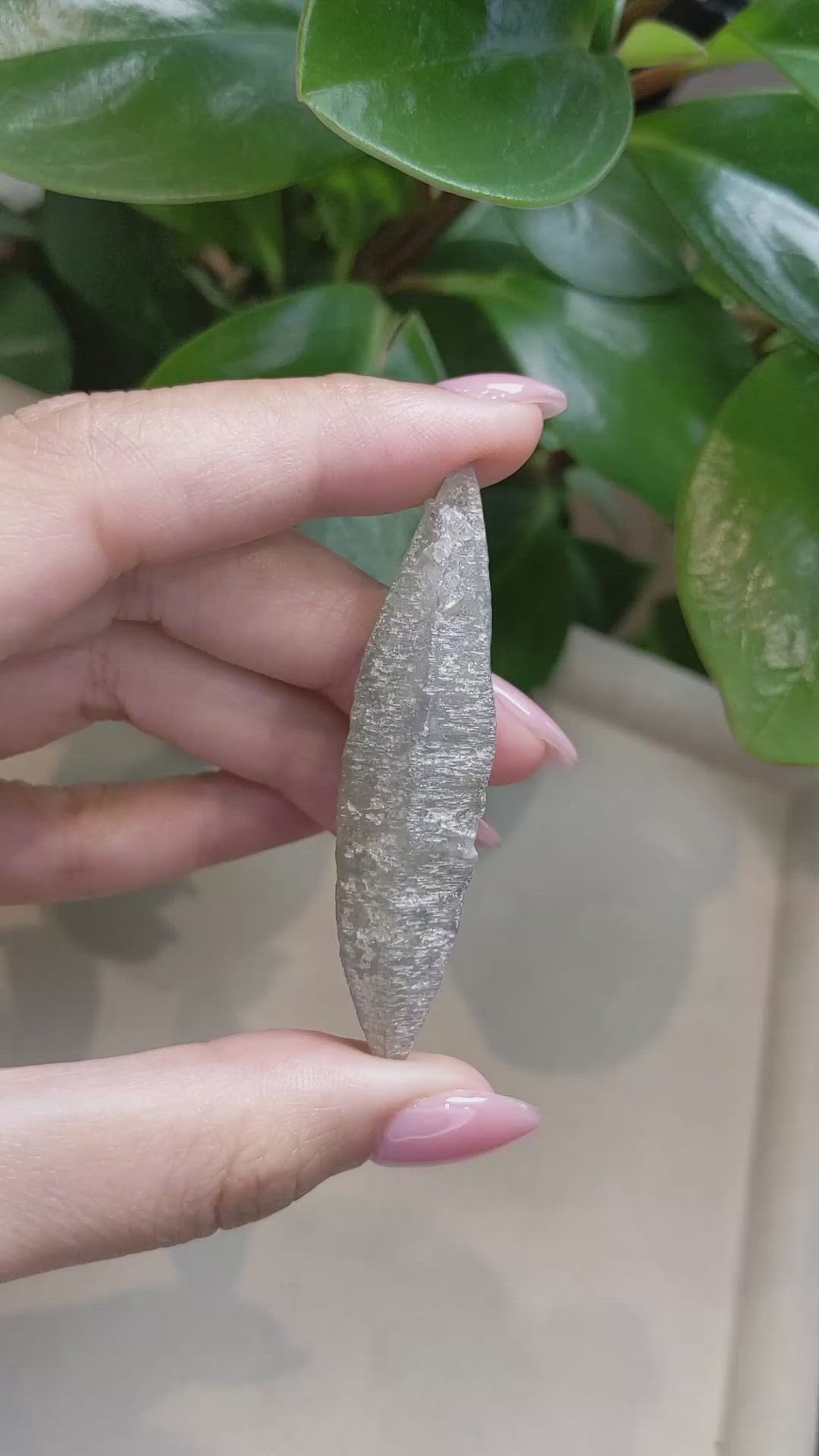
118.85 Ct. Grey Sapphire Crystal from Ceylon (Sri Lanka)
This loose stone is available to ship now
Item ID: | S28560 |
|---|---|
Dimensions (MM): help | Length: 62.2 Width: 14.7 Height: 13.6 |
Weight: | 118.85 Ct. |
Color: help | Grey |
Color intensity: help | Intense |
Clarity: help | Not Applicable |
Shape: help | Various |
Cut: | Rough Crystal |
Cutting style: | Crystal |
Enhancements: help | No Enhancement |
Origin: help | Ceylon (Sri Lanka) |
Per carat price: help | $65 |
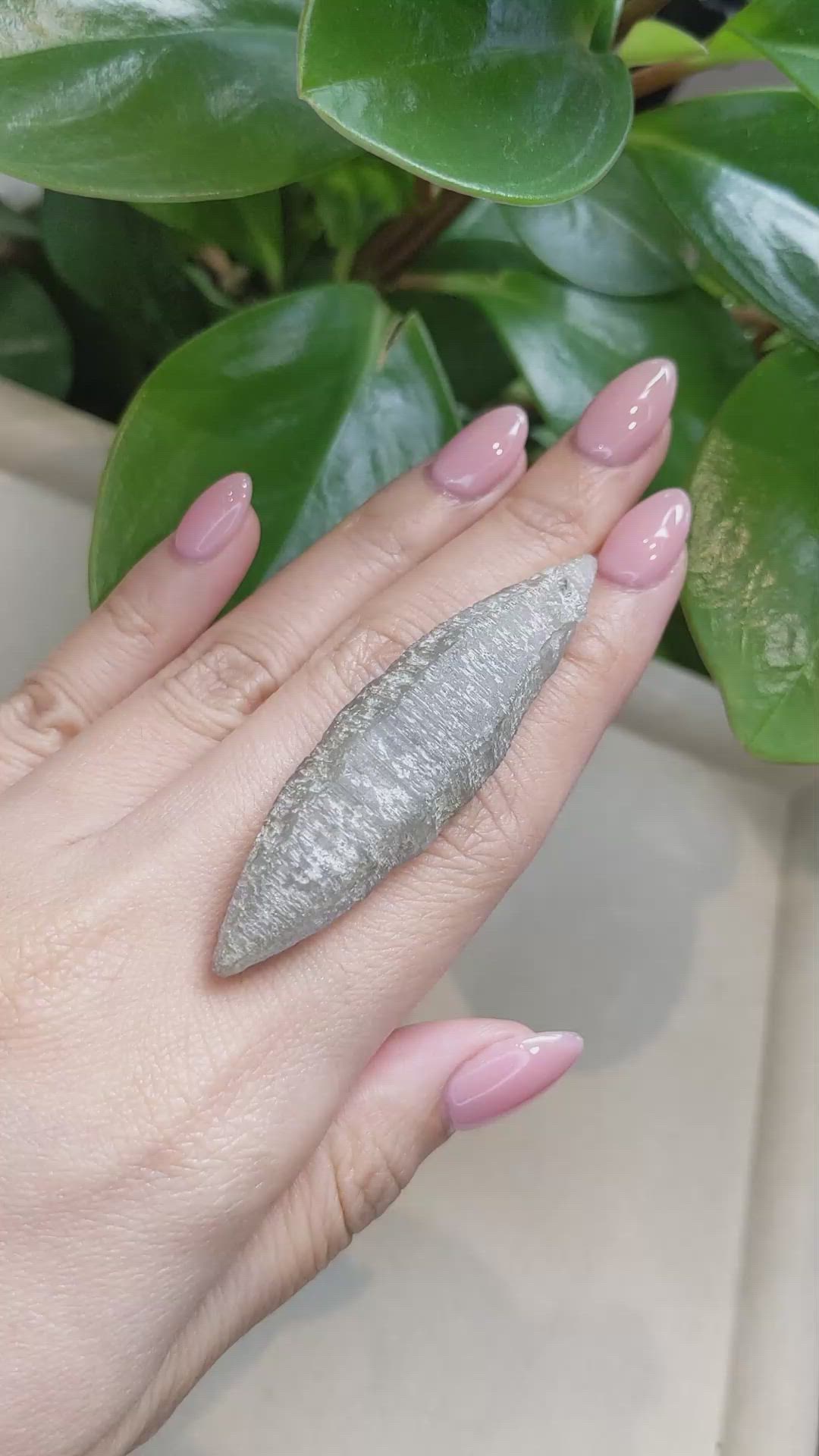
This specimen is a substantial, opaque grey sapphire weighing 118.85 carat, with linear dimensions measuring 62.20 by 14.70 by 13.60 millimeters, presented in a various shape profile that reads as an elongated, navette like outline when viewed face on. The tone is definitively dark to medium dark, with an intense apparent color intensity that is consistent across the exposed surfaces, and the material presents as uniformly opaque rather than translucent. The cut is described as a rough crystal cut, indicating that the lapidary preserved much of the natural crystal habit and elongated geometry, while executing selective shaping to refine outline and symmetry. No enhancement has been applied to this stone, and its origin is documented as Ceylon, Sri Lanka, which is relevant because Sri Lankan provenance often correlates with a particular suite of trace elements and crystal growth habits that influence hue, pleochroism, and inclusion types. The overall polish is graded excellent, meaning that despite the retained natural form and rough aesthetic, the finished surfaces were given a high quality mechanical polish to optimize luster and tactile smoothness.
From a faceting and lapidary perspective the piece is noteworthy for the intentional balance between conservation of weight and the articulation of planar surfaces that read as pseudo facets, rather than aggressive pavilion and crown faceting typical of transparent stones. Rough crystal cut in this context implies the cutter minimized removal of material to preserve carat weight and the natural outline, and oriented the long axis to follow the principal crystal growth direction in order to reduce stress during cutting and to preserve any directional color effects. The polishing sequence would have progressed from coarse diamond laps for preforming, through progressively finer diamond impregnated laps and powders, to final polish with submicron diamond or cerium based agents on appropriate laps to achieve the excellent polish noted. The exterior shows a lightly textural pattern from natural etch features and growth zoning, which contribute to the stone being opaque yet highly interesting to the connoisseur who values natural crystal character. Optical behavior under direct light reveals a subtle variability in tone along the length, consistent with pleochroic tendencies in corundum where viewing angle and orientation relative to light alter perceived shade, and this variability can be exploited in a finished setting to present the most desirable face up tone.
Gemologically the material is corundum, with the intrinsic hardness rating that confers excellent wearability for a wide range of jewelry applications, while simultaneously demanding care in mounting due to its size and mass. The absence of enhancement enhances its collector and investment appeal, as the color and surface character are inherent to the crystal rather than the result of heat or diffusion treatments. Given the opaque nature and the elongated dimensions, this sapphire is particularly well suited to settings that emphasize silhouette and profile, such as elongated pendants, architectural ring bezels, or a statement cuff element, where the stone can be set in a shallow bezel that follows its outline to protect edges and distribute stress. For a ring application a low profile bezel or channel setting will secure the stone while minimizing exposure to impact on the narrow edges, whereas a prong setting is less recommended unless custom engineered prongs are used to cradle the thick central mass and protect the thinner terminations. For display or collector mounts, an open back can be used to allow examination of the stone profile and internal structure, keeping in mind that the polished face and natural etching present visually even without transmitted light. Care should focus on avoiding hard blows and abrasive contact despite corundum hardness, because the elongated geometry and natural terminations can chip under directional shock.
From a provenance and valuation standpoint the piece benefits from documented origin in Ceylon, which is a historically significant and well regarded source, and from the fact that it is unenhanced, which is increasingly prized by buyers who seek natural state material. The combination of mass, unusual elongated form, and rough crystal cut with excellent polish makes this sapphire distinctive for collectors, designers, and high end custom jewelers who prioritize natural character and substantial presence. When considering acquisition it is advisable to request formal gemological documentation or a photographic report that notes the lack of thermal or diffusion treatment, the measured dimensions and weight, and any microscopic observations of inclusion type and distribution. The Natural Sapphire Company stands ready to provide additional technical photographs, facet and profile views, and consultation on setting design and mounting techniques to best showcase the stone while preserving structural integrity. For routine maintenance use warm soapy water and a soft brush for cleaning, avoid ultrasonic or steam cleaning if there is concern about old surface cavities or fracture filled regions even though none are present by description, and store the piece in a padded compartment to prevent contact with other gemstones to preserve the excellent polish and natural surface textures.


