
- Stone18
- Reports3
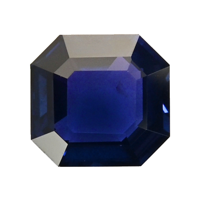
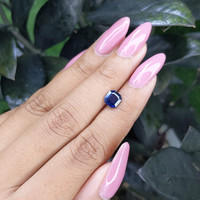
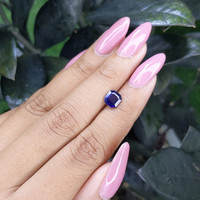
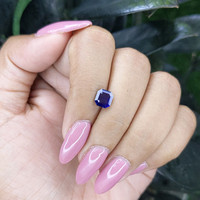
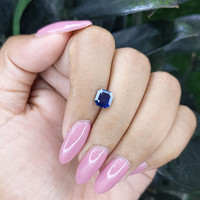
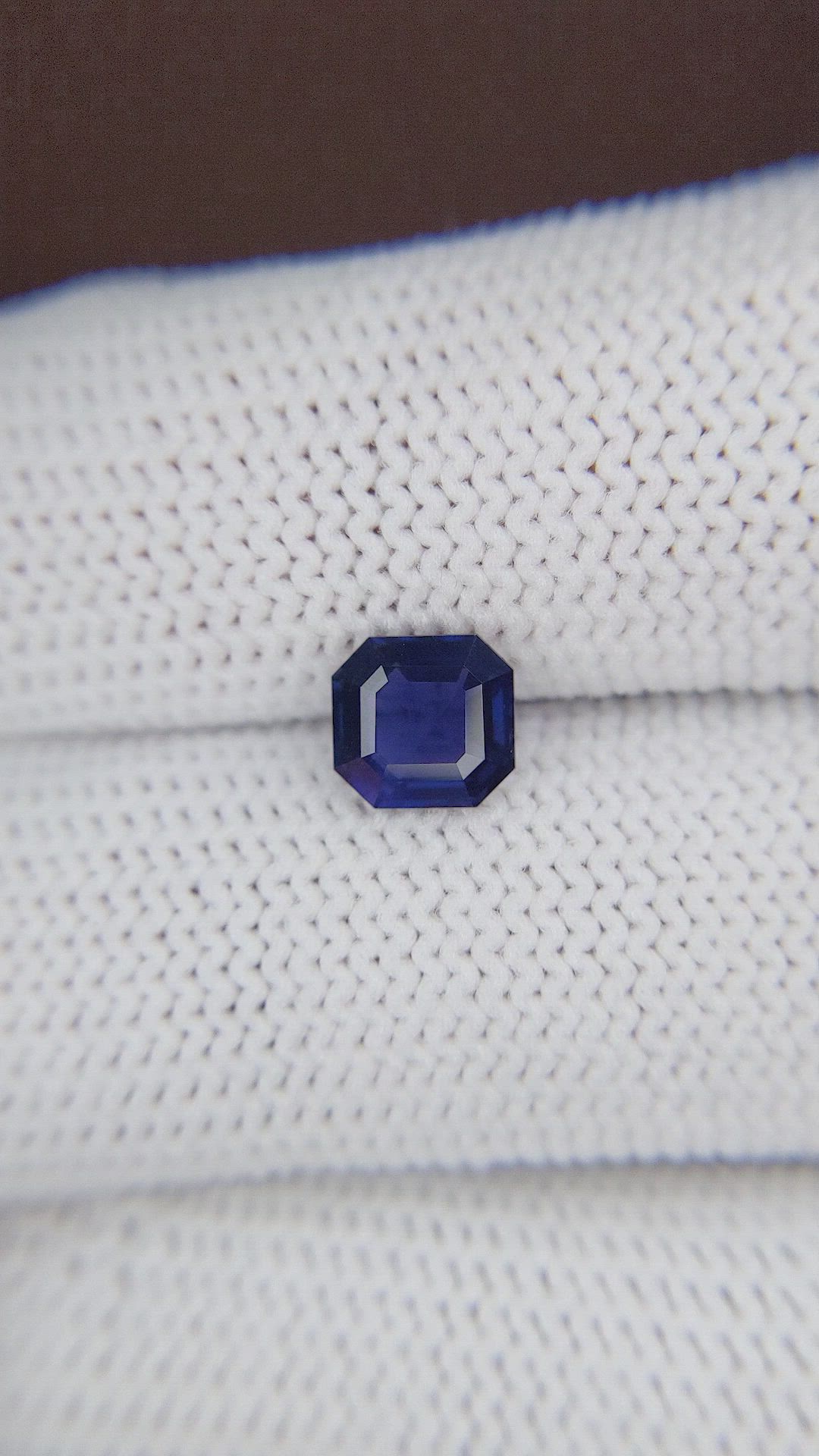
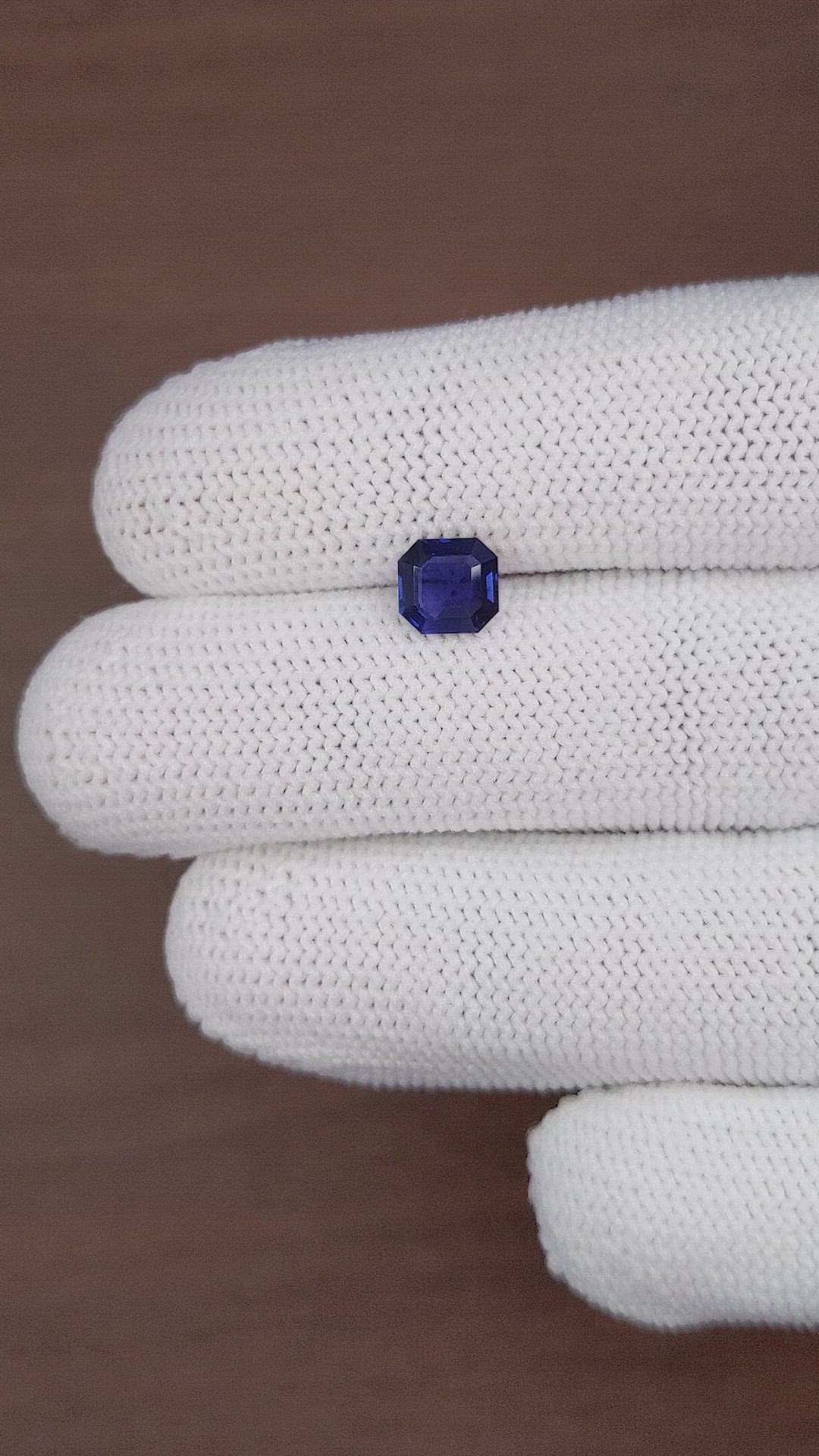
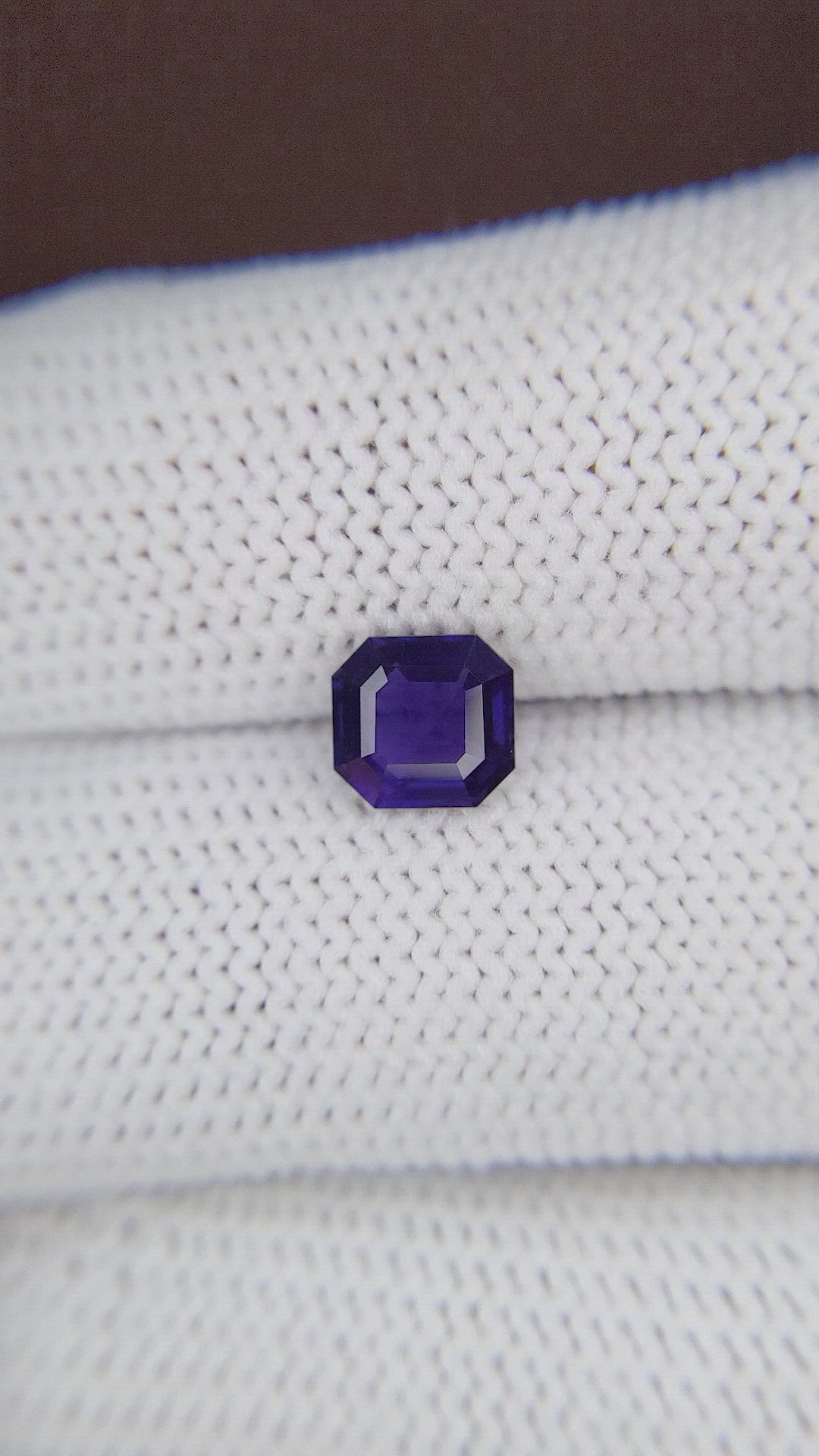
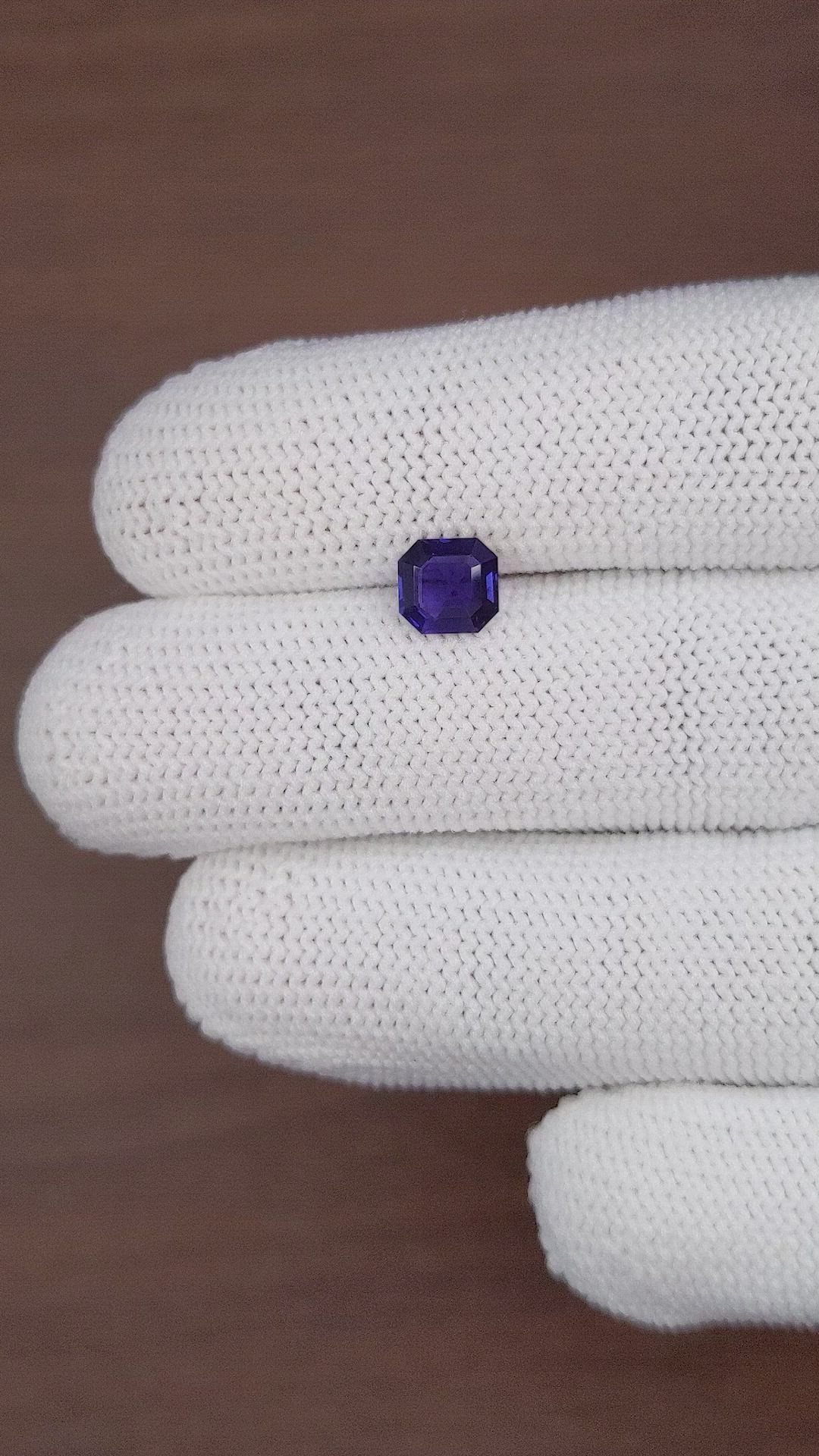
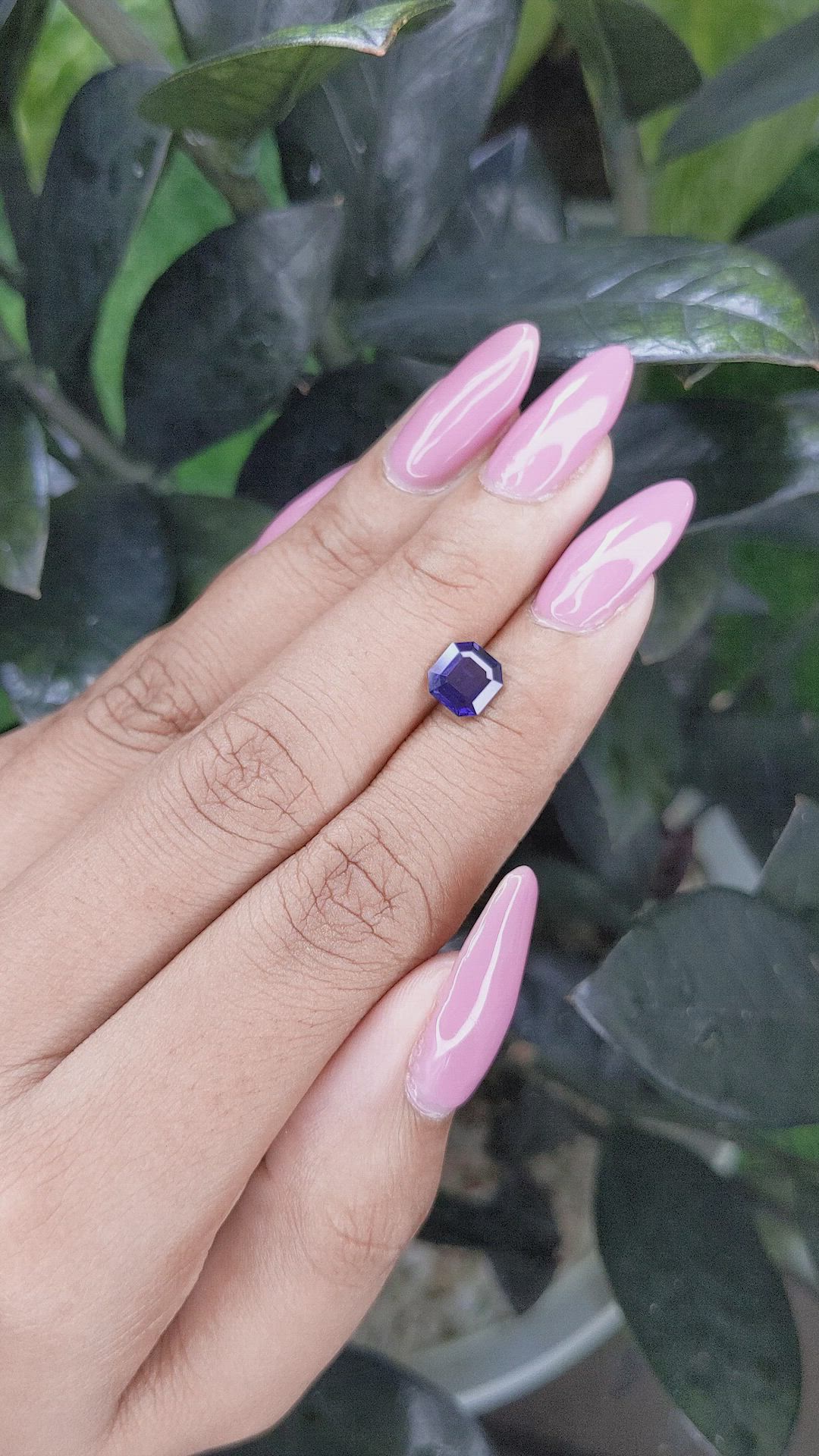
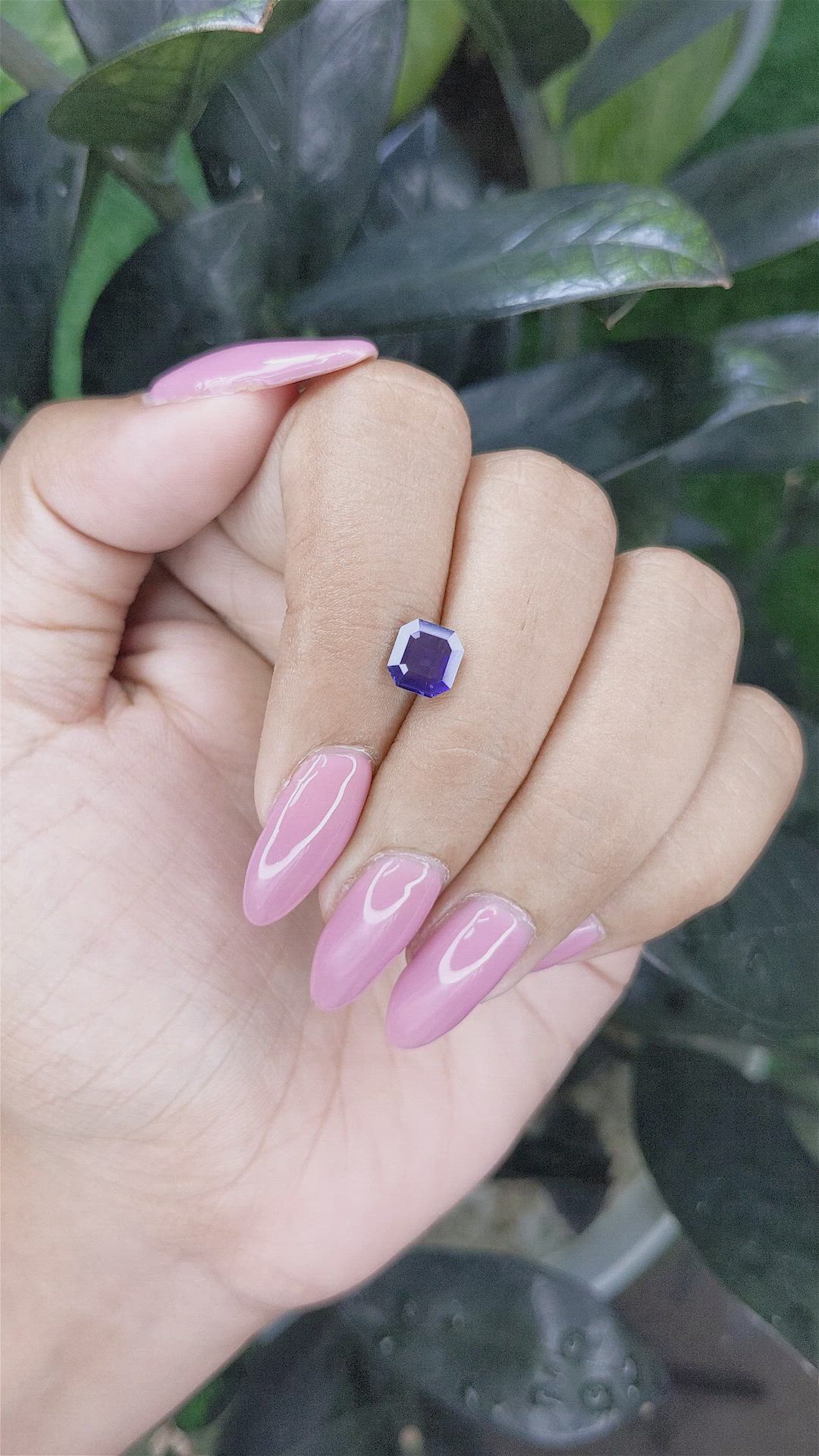
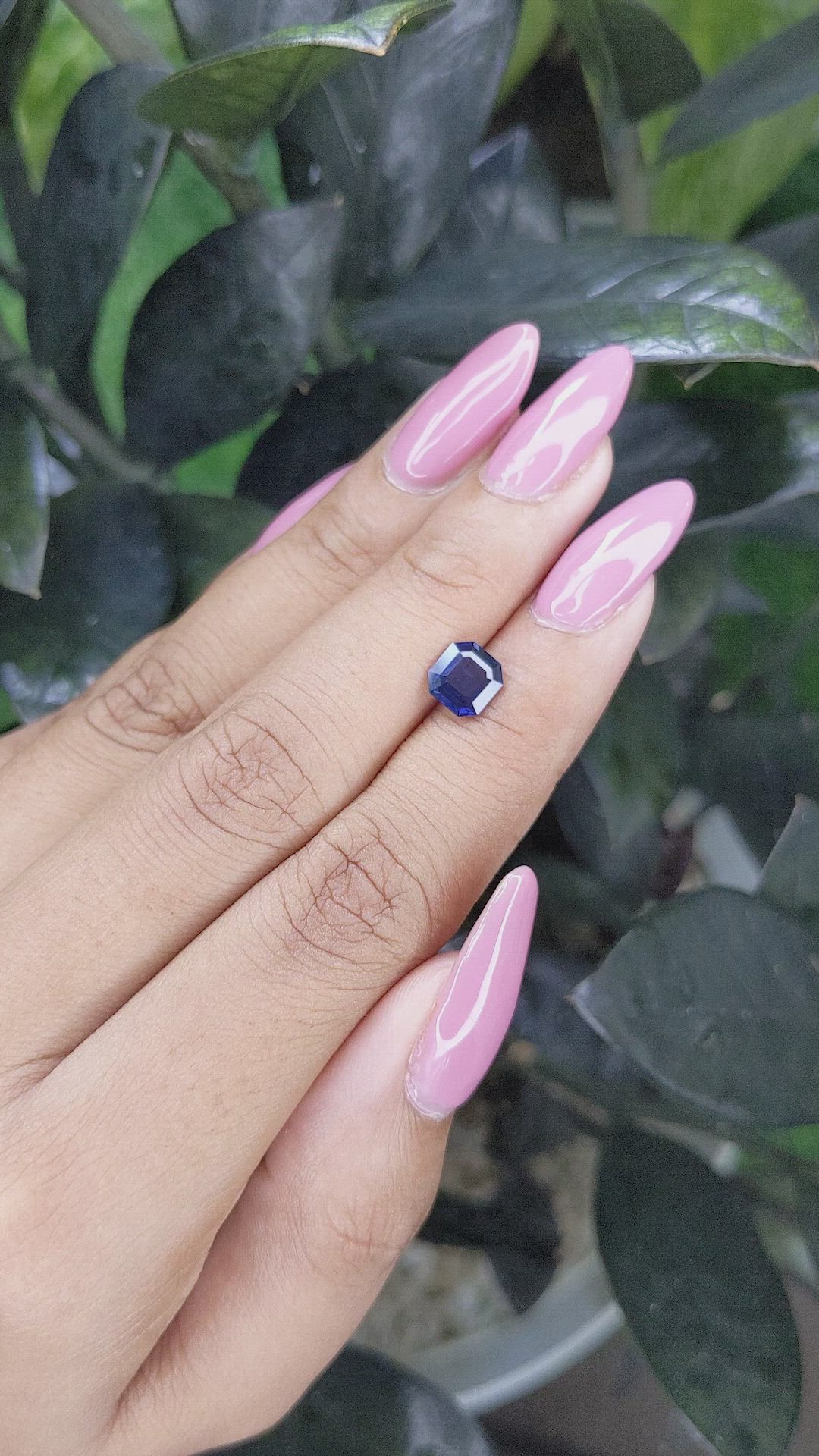





1.28 Ct. Color Change Sapphire from Tanzania
This loose stone ships by Mar 25
Item ID: | S29680 |
|---|---|
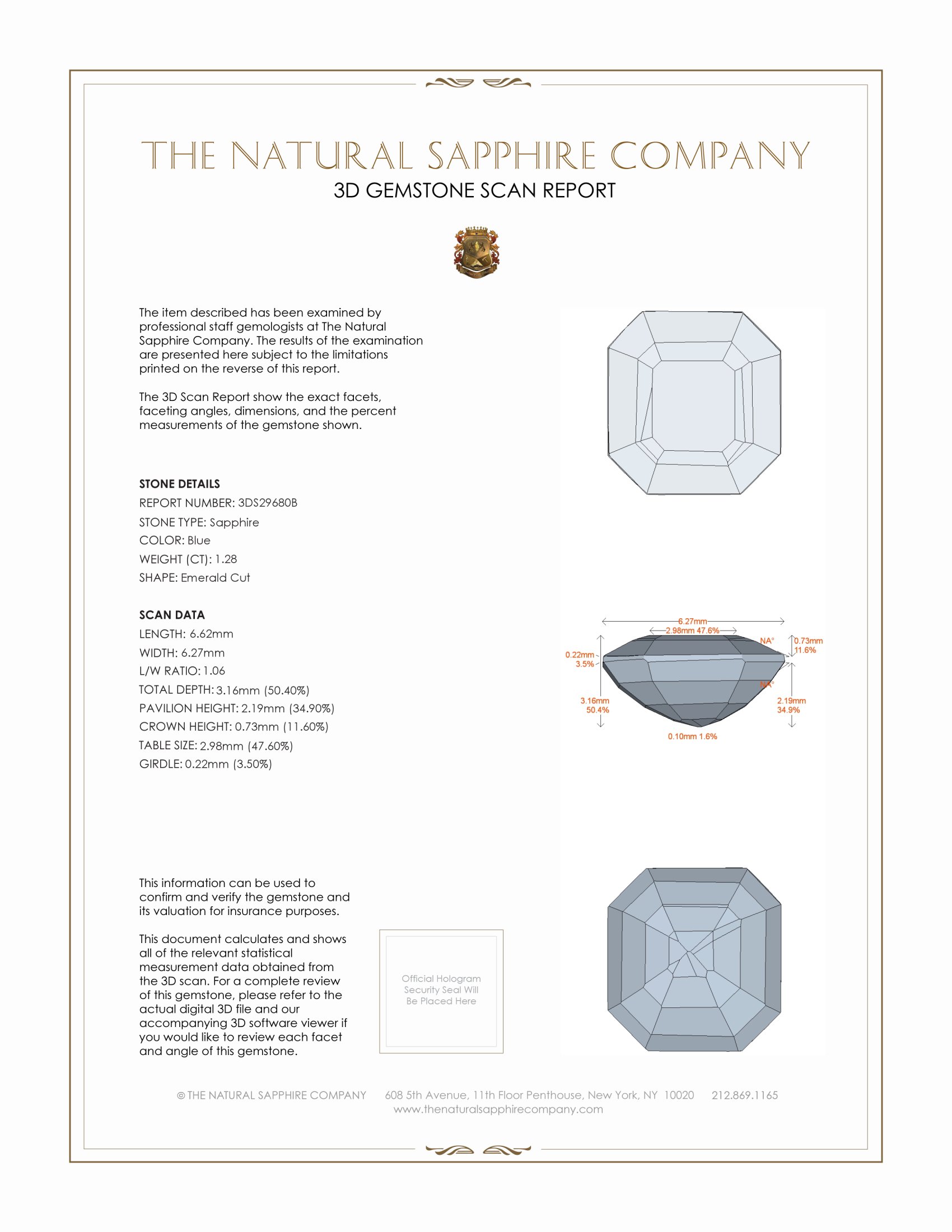
Dimensions (MM): help | Length: 6.62 Width: 6.27 Height: 3.16 |
Weight: | 1.28 Ct. |
Color: help | Color Change |
Color intensity: help | Vivid |
Clarity: help | Very Slightly Included |
Shape: help | Emerald Cut |
Cut: | Emerald Cut |
Cutting style: | Faceted |
Enhancements: help | No Enhancement |
Origin: help | Tanzania |
Per carat price: help | $1,200 |
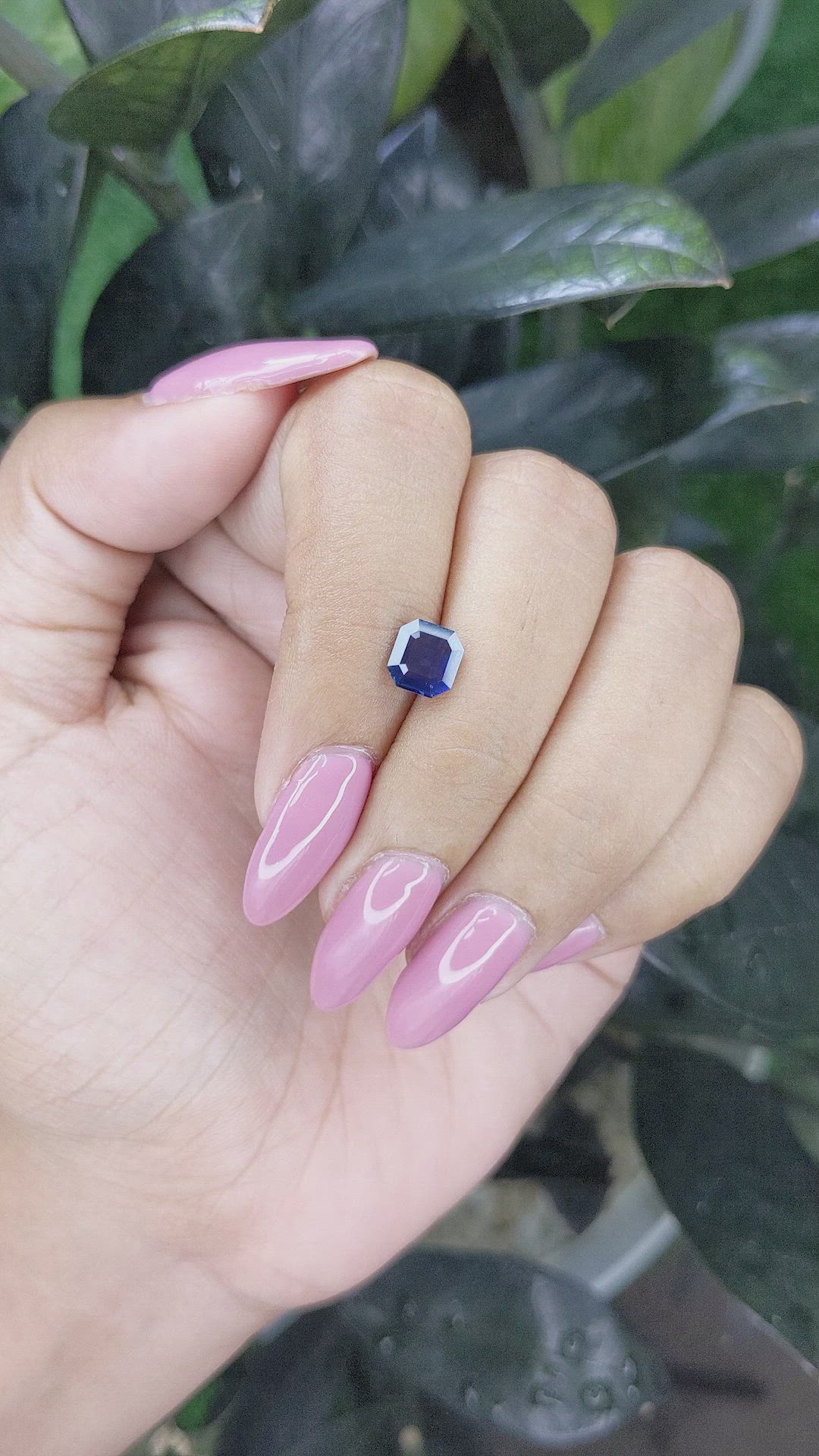
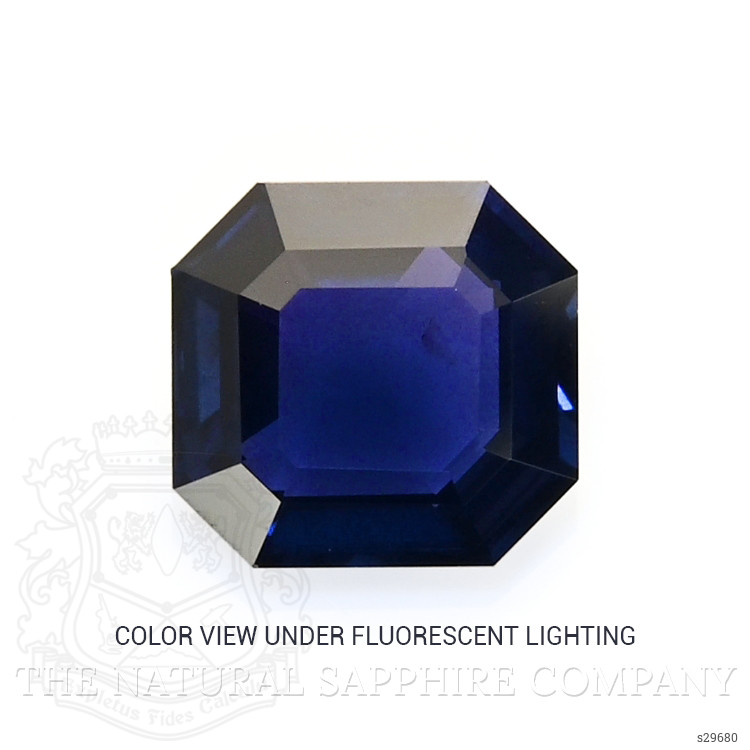
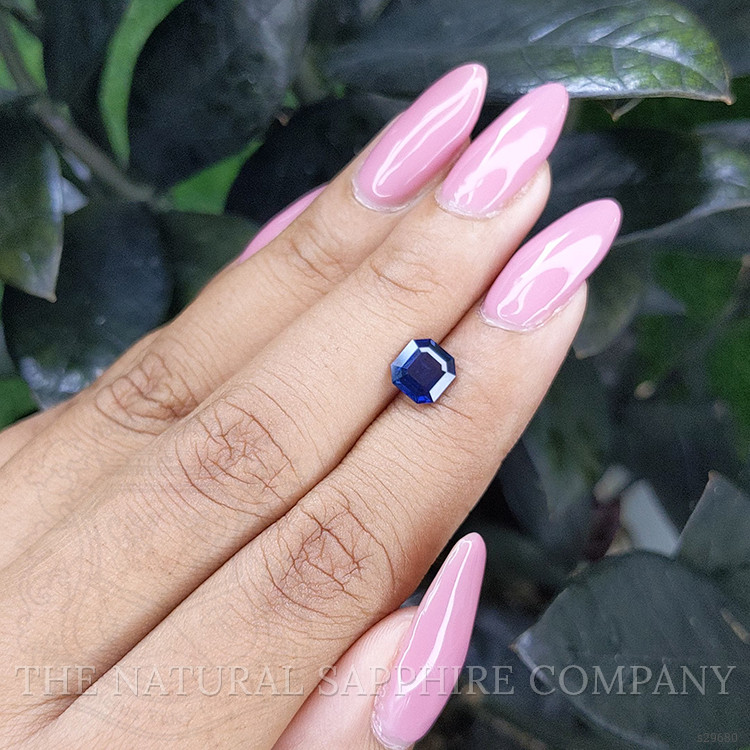
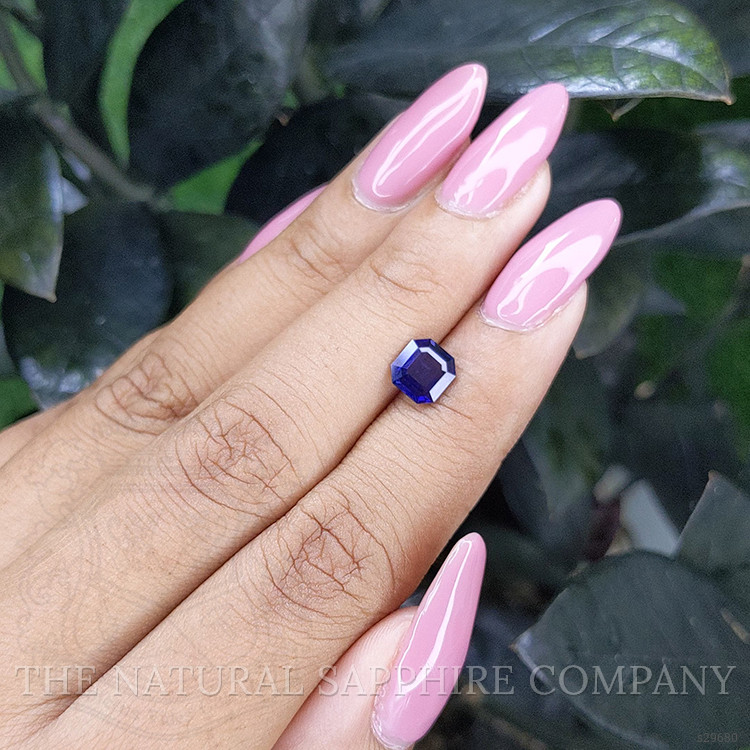
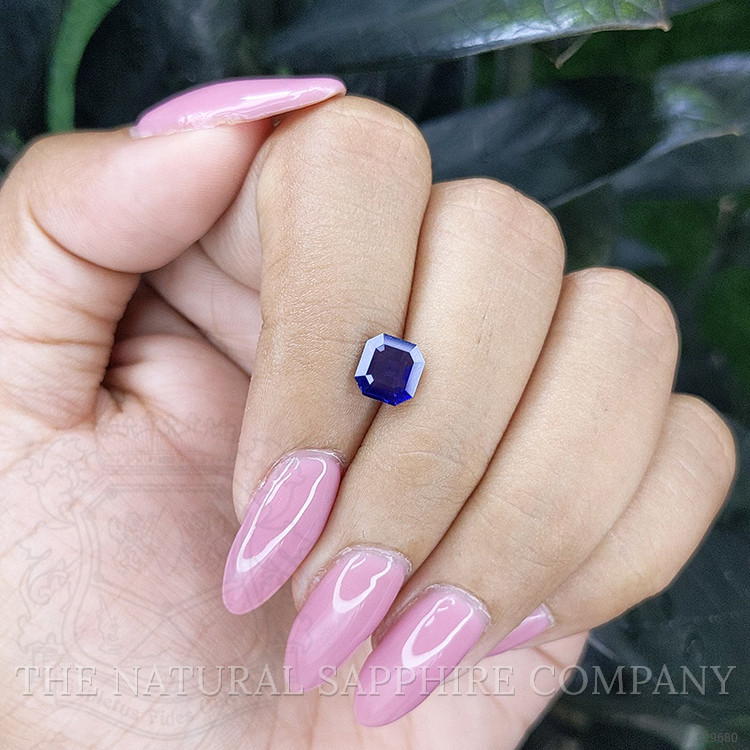
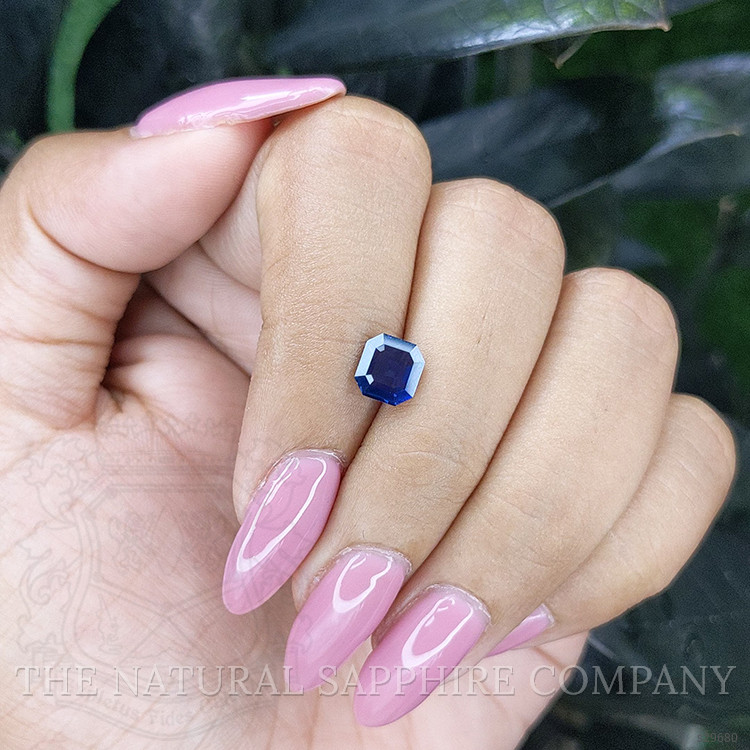
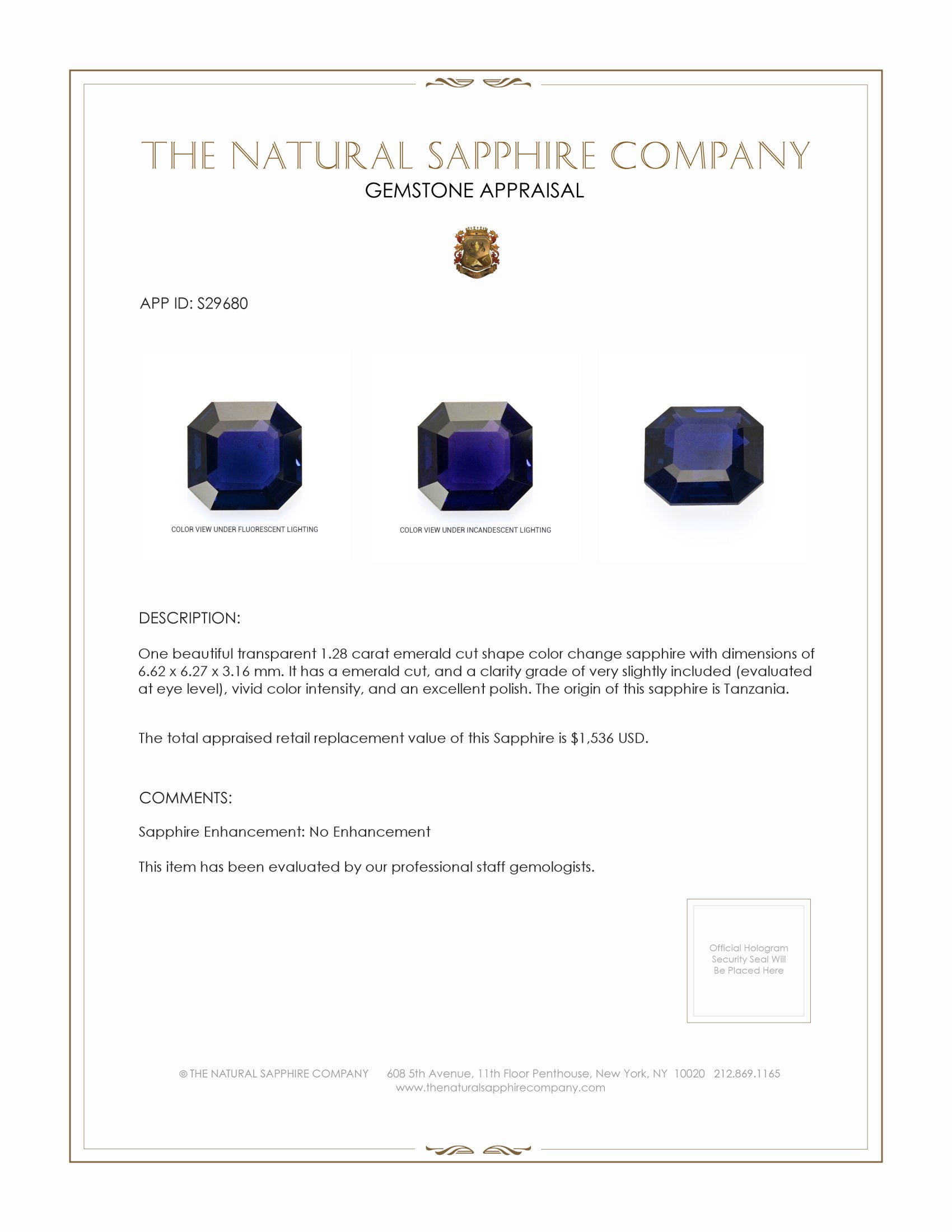
This emerald cut, color change sapphire presents a precise combination of measured proportions and natural character. The stone weighs 1.28 carat, and measures 6.62 x 6.27 x 3.16 mm, with a clean, transparent body that benefits from an emerald cut profile. The step faceting and large table created by the emerald cut emphasize depth of tone and directional light return, and the cutting work displays an excellent polish that produces crisp facet junctions and an even surface finish. The clarity grade is described as very slightly included evaluated at eye level, which means that the stone is visually clean to most observers while retaining the natural inclusions that are often used to verify origin and natural formation. The color intensity is vivid, and there has been no enhancement applied to alter the stone, so the color and clarity are the result of the original geologic conditions that produced the crystal.
The color change property of this sapphire is immediately notable, and it is one of the defining attributes that sets this gem apart. Under neutral daylight the gem shows a strong blue tone, and under incandescent light the stone shifts to a richer, violet leaning blue, a response that comes from the interaction of light with trace elements within the corundum structure. This behavior is a classic expression of color change in sapphires, and it is particularly enhanced by the stone being unheated, which preserves the natural lattice state and the subtle interactions that cause the shift. The vivid color intensity ensures that the change is both noticeable and pleasing across lighting situations, and the emerald cut helps by presenting broad, even color planes that reveal the shift in tone without distracting scintillation. The origin is Tanzania, a region respected for producing a range of gem quality sapphires, and the provenance is consistent with known deposits that yield stones with strong color and natural change under differing light sources.
The historical and cultural context of sapphires adds further value to this gem, and this sapphire fits within a long tradition of use for similar stones. Sapphires have been valued across civilizations as symbols of protection, wisdom, and status, and stones that exhibit a change in color were often regarded as especially auspicious or mysterious, used in personal amulets and signet rings. In many traditions a color changing gem was selected for an engagement ring or a talisman because the shifting color was interpreted as responsiveness to the wearer and to the environment. This particular sapphire carries that lineage in a contemporary form, and it is well suited to use as a central stone in a refined solitaire, as a focal point in a bespoke pendant, or as an elegant element in a tailored pair of cufflinks. For setting considerations select a design that protects the delicate corners of an emerald cut, and consider a bezel or low profile prong setting to preserve the gem through daily wear. As a corundum family member, sapphire rates nine on the Mohs hardness scale and offers excellent durability, yet routine care is recommended, including occasional professional cleaning and inspections to maintain the polish and to ensure the integrity of the mounting. The Natural Sapphire Company documents the stone as natural and unenhanced, and this gem represents both a measurable set of specifications and a connection to a storied gemological heritage.


