
- Stone16
- Reports3
-fancy-colorchange-sapphire-1.0900-cts-s35946-1.jpg?d=200x200&v=20260122222159)
-fancy-colorchange-sapphire-1.0900-cts-s35946-lifestyleimage-1.jpg?d=200x200&v=20260129043848)
-fancy-colorchange-sapphire-1.0900-cts-s35946-lifestyleimage-2.jpg?d=200x200&v=20260129043848)
-fancy-colorchange-sapphire-1.0900-cts-s35946-lifestyleimage-3.jpg?d=200x200&v=20260129043848)



-fancy-colorchange-sapphire-1.0900-cts-s35946-1.jpg?d=750x750&s=nsc&v=20260122222159)
-fancy-colorchange-sapphire-1.0900-cts-s35946-lifestyleimage-1.jpg?d=750x750&s=nsc&v=20260129043848)
-fancy-colorchange-sapphire-1.0900-cts-s35946-lifestyleimage-2.jpg?d=750x750&s=nsc&v=20260129043848)
-fancy-colorchange-sapphire-1.0900-cts-s35946-lifestyleimage-3.jpg?d=750x750&s=nsc&v=20260129043848)


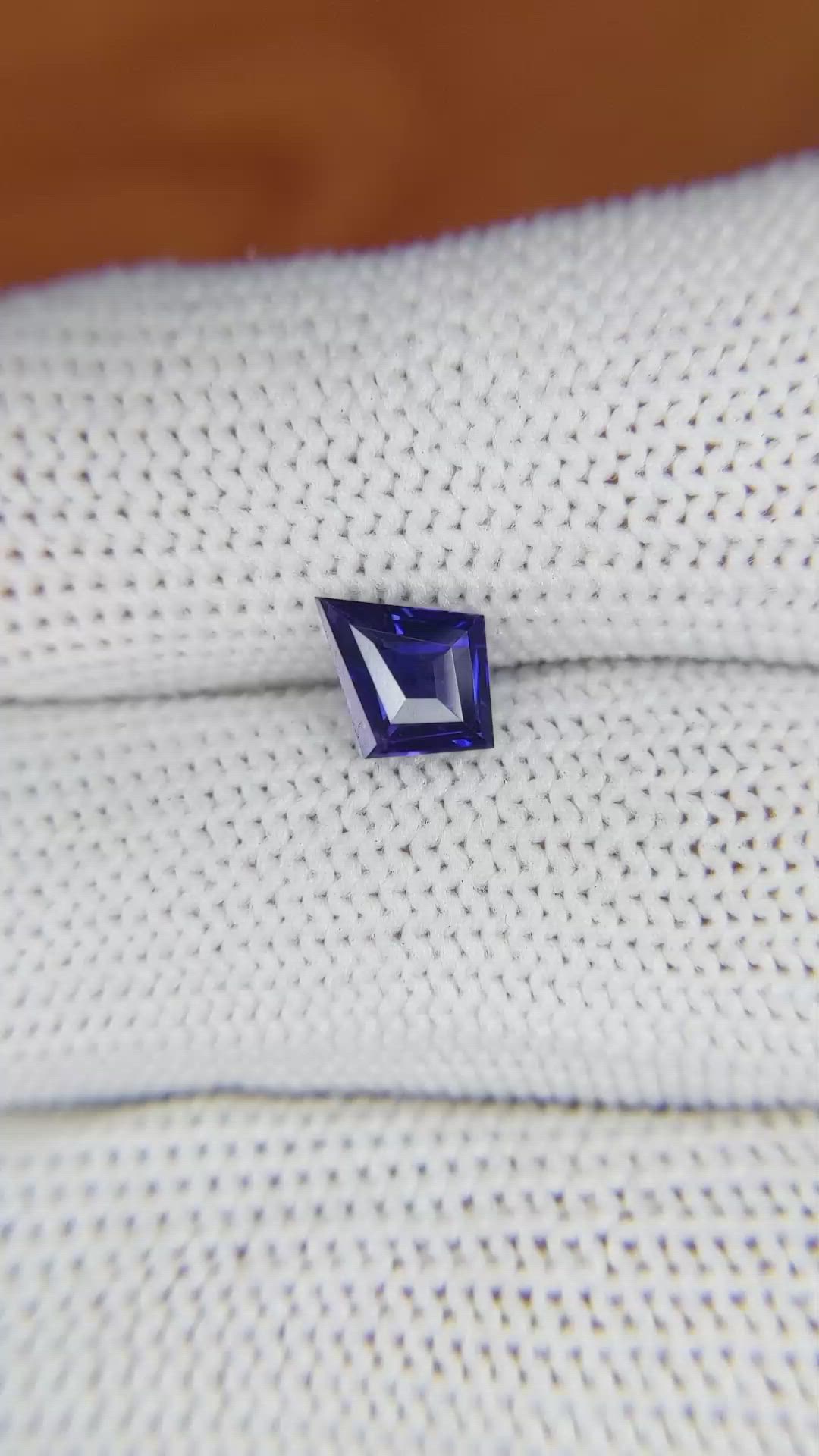
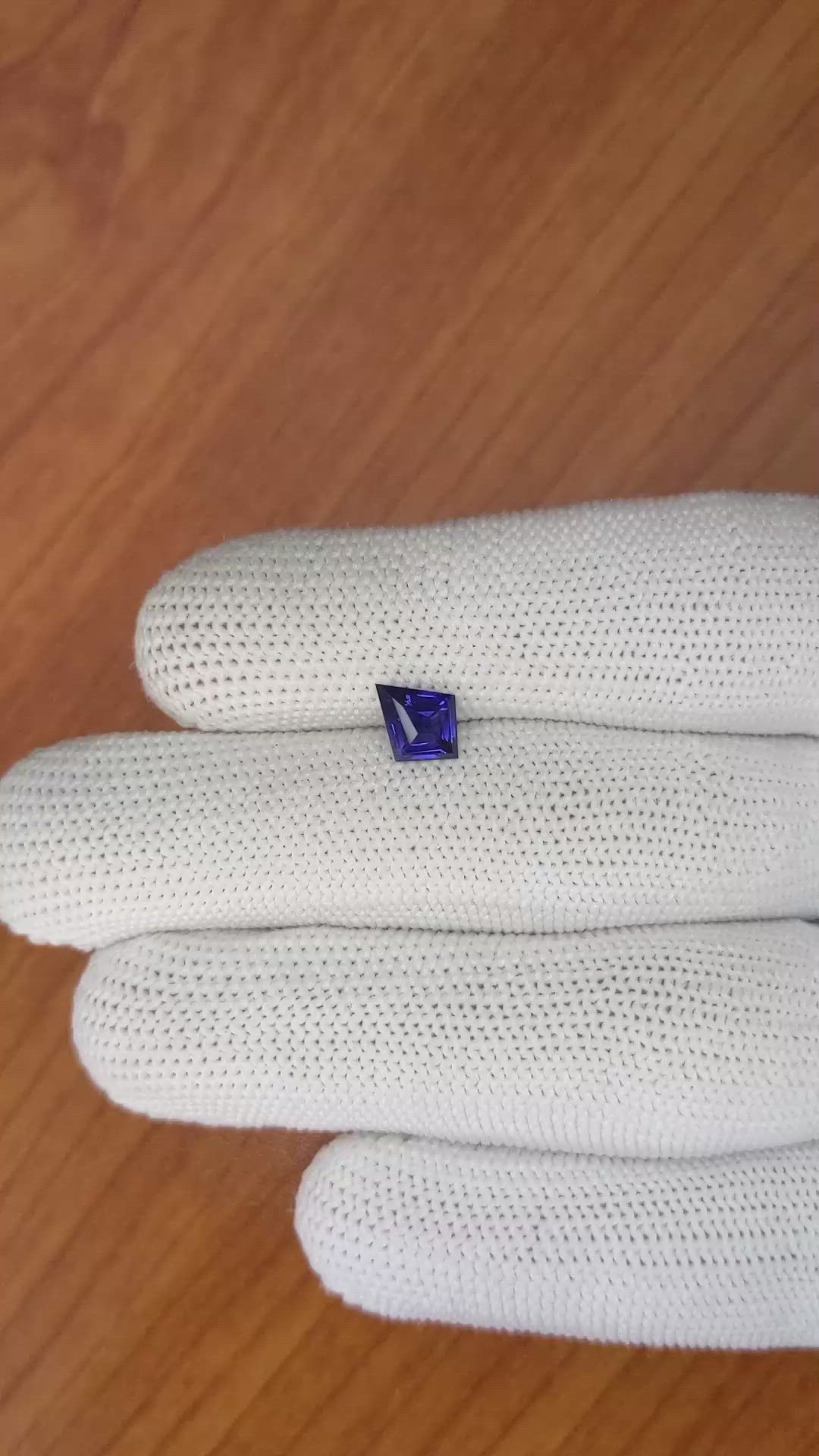
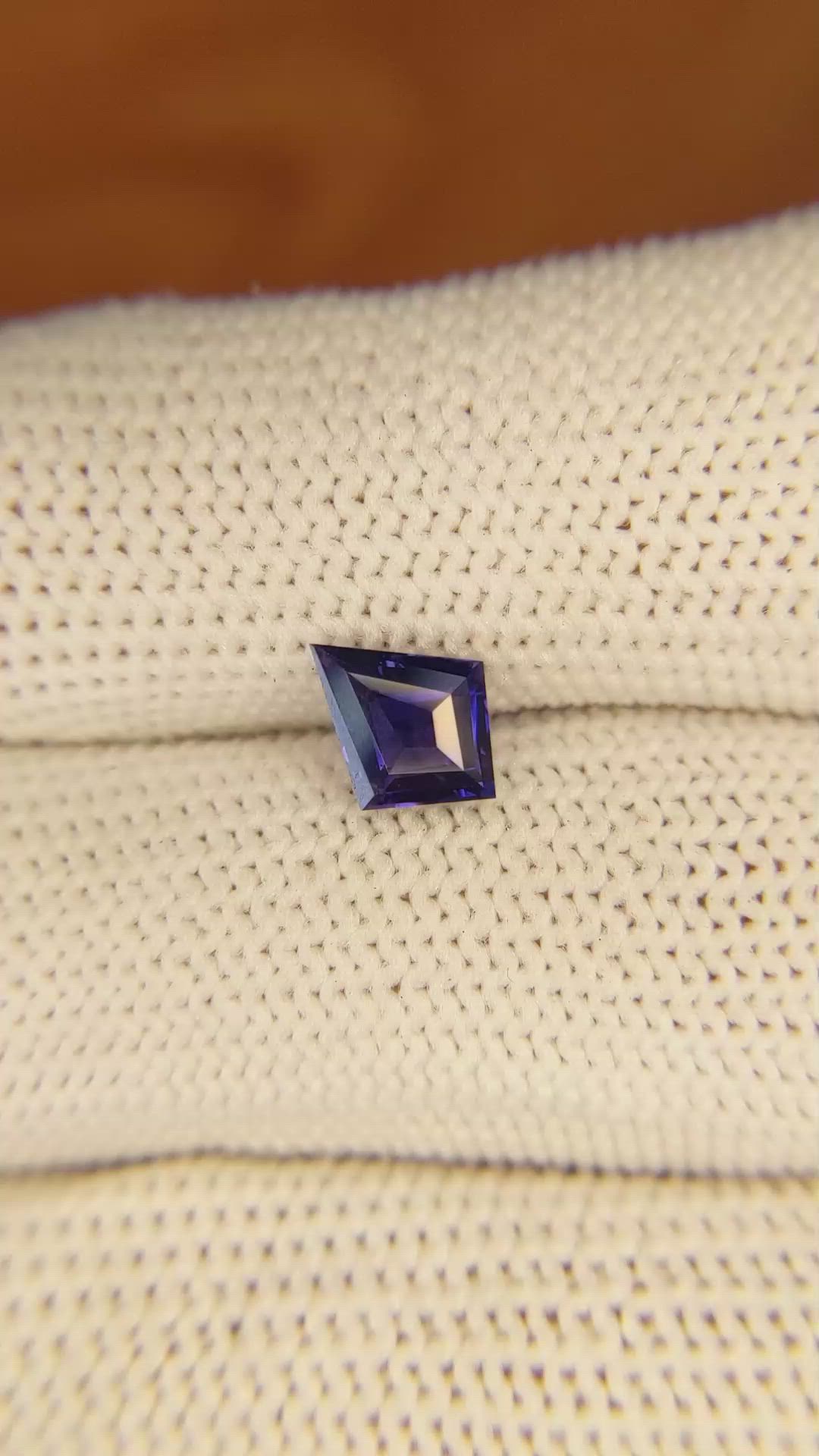
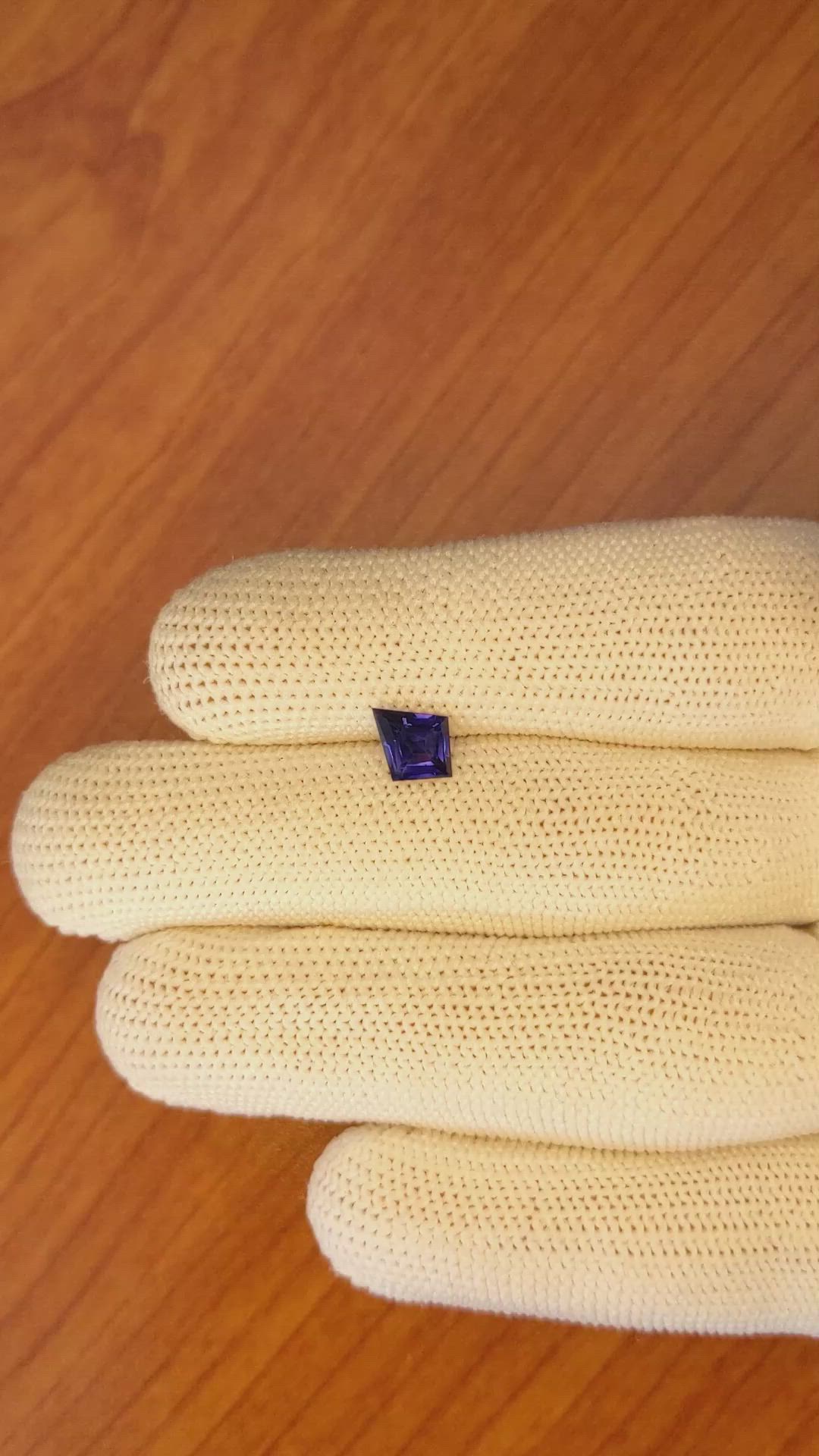
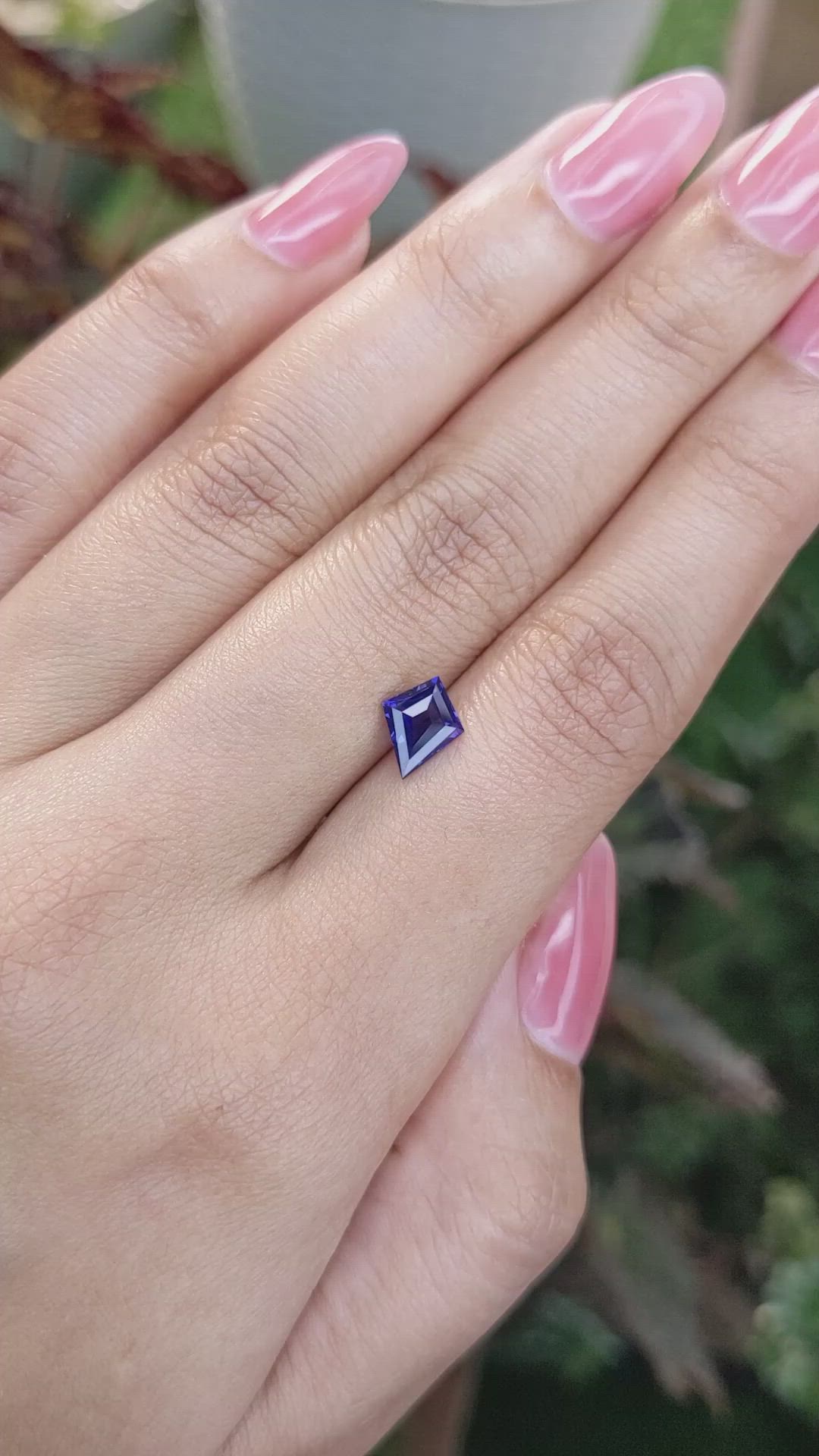
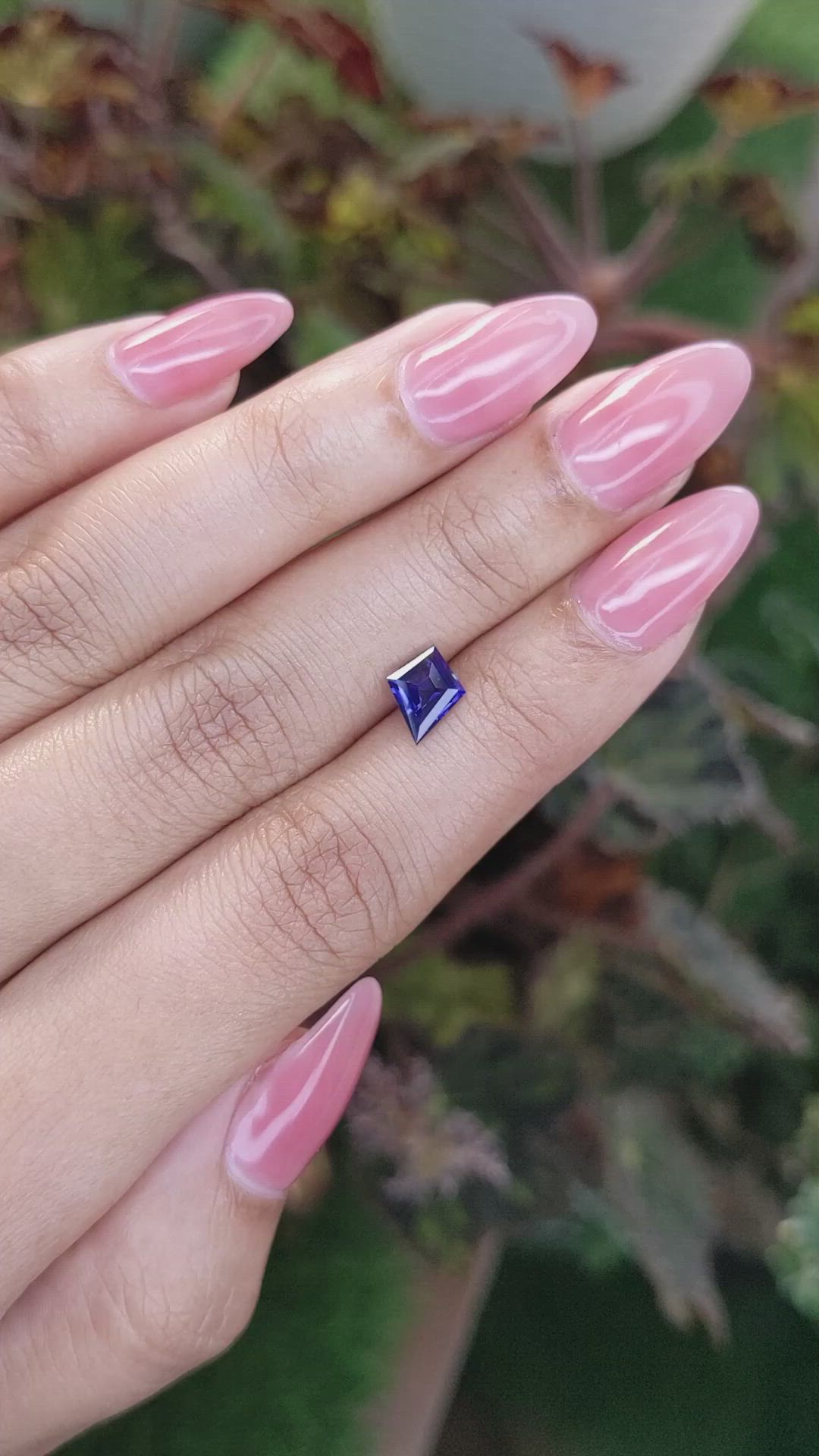
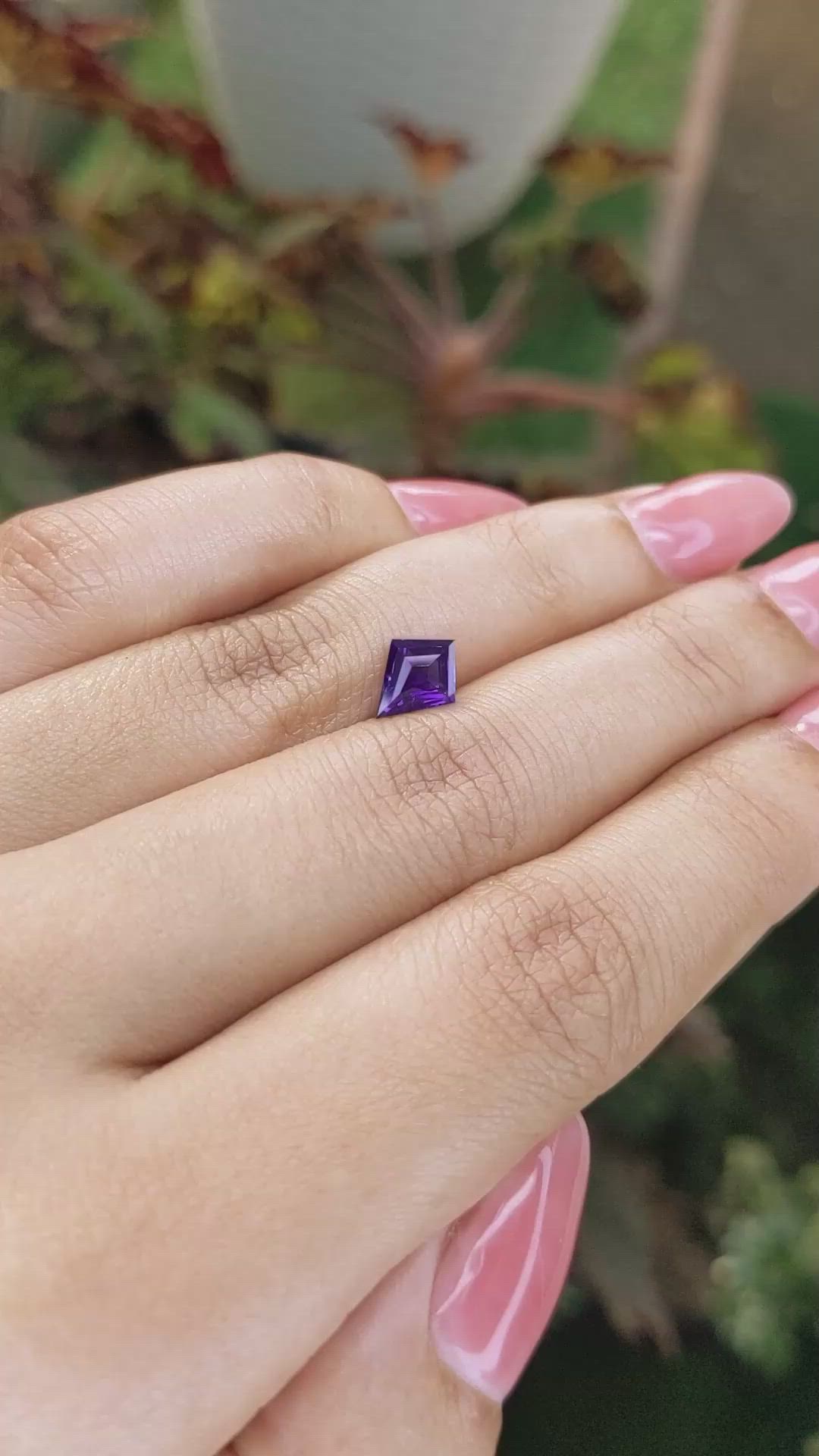
1.09 Ct. Color Change Sapphire from Ceylon (Sri Lanka)
This loose stone ships by Mar 17
Item ID: | S35946 |
|---|---|
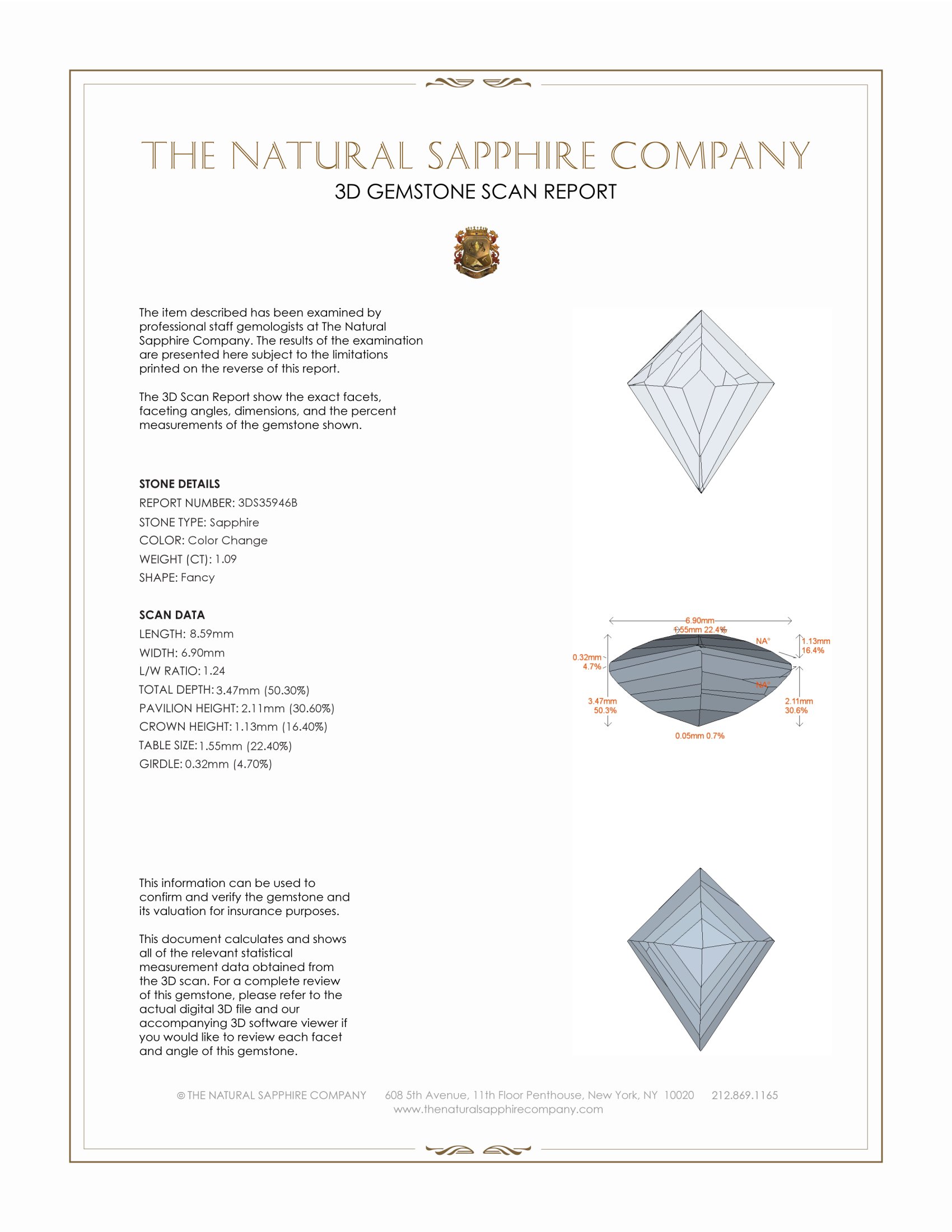
Dimensions (MM): help | Length: 8.59 Width: 6.9 Height: 3.47 |
Weight: | 1.09 Ct. |
Color: help | Color Change |
Color intensity: help | Intense |
Clarity: help | Very Very Slightly Included |
Shape: help | Fancy |
Cut: | Step Cut |
Cutting style: | Faceted |
Enhancements: help | No Enhancement |
Origin: help | Ceylon (Sri Lanka) |
Per carat price: help | $440 |
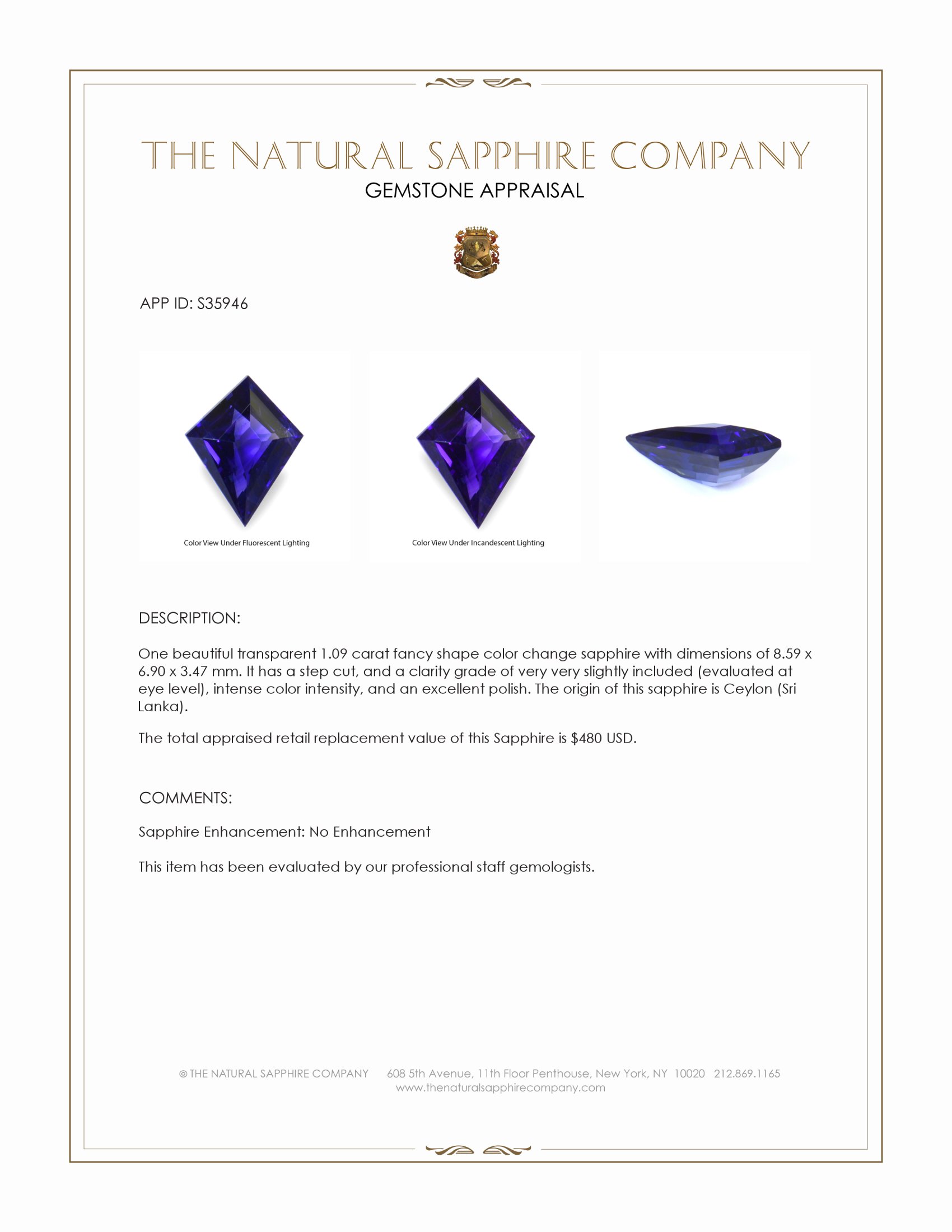
One beautiful transparent 1.09 carat fancy shape color change sapphire is presented by The Natural Sapphire Company, an exceptional gem that combines rarity with refined workmanship. This sapphire measures 8.59 by 6.90 by 3.47 millimeters, and its step cut faceting creates a disciplined play of light that emphasizes deep color rather than scintillation. The most striking attribute is its color change character, observable as distinct color shifts under different lighting environments, exhibiting a vivid blue violet tone under fluorescent light, and a richer purple blue nuance under incandescent light. The stone is transparent throughout, and its overall proportions give it a pleasing visual presence on the finger for use in rings, pendants, or bespoke settings that favor a controlled and elegant aesthetic.
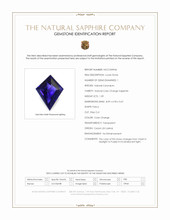
From a gemological perspective this sapphire was evaluated with a clarity grade of very very slightly included, as observed at eye level, which indicates that any inclusions are minimal and do not detract from the gem when examined without magnification. The cut is a precision step cut, a choice that preserves color saturation and provides broad facet planes for the color change phenomenon to be clearly read by the observer. The depth of the stone relative to its length and width is well balanced, providing a good depth ratio that combines face up color saturation with comfortable weight retention. The polish was graded as excellent, which enhances the gem face up appearance and gives the pavilion and crown facets crisp, reflective planes. Importantly this sapphire has no enhancement, it is untreated, and it is documented as originating from Ceylon Sri Lanka, a source famed for producing sapphires with lively color and historic desirability.
For the educated buyer there are several reasons this particular sapphire is compelling, beyond its immediate visual charm. Natural color change sapphires are inherently rarer than single tone sapphires, because the color change effect arises from a specific balance of trace elements and lattice conditions within corundum. That unique chemistry imparts a distinct personality to each stone, making each example effectively one of a kind. An untreated Ceylon color change sapphire of this size and clarity is uncommon, and the absence of heat or other enhancement is a meaningful determinant of value for collectors and connoisseurs who prioritize provenance and natural state. In addition the hardness of sapphire, nine on the Mohs scale, assures durability for daily wear, while the step cut reduces the risk of visible damage by concentrating the light return and protecting corners in a sturdy mounting. At The Natural Sapphire Company we provide transparent sourcing information and detailed imagery to allow buyers to assess the gem under multiple lighting conditions, which is essential for appreciating the full extent of the color change.
When compared to lab grown sapphires the advantages of a natural, untreated Ceylon color change sapphire are clear for buyers who value rarity, provenance, and long term desirability. Lab grown sapphires are chemically and crystallographically similar, and in many cases they can be produced with very high clarity and predictable color, which makes them an economical and ethical choice for some applications. However lab grown stones are manufactured, and they lack the geological history and geographic origin that contribute to the premium placed on natural gems. Natural inclusions, which in this stone are minimal and graded very very slightly included, serve as internal fingerprints that help gemologists verify origin and natural growth, attributes that support secondary market value and collector interest. Color change in natural stones can be more complex and nuanced than in laboratory material, because natural stones reflect the unique geological conditions of their formation. For buyers seeking a singular natural artifact with documented origin, untreated status, and demonstrable color change, this Ceylon sapphire from The Natural Sapphire Company offers a level of authenticity and investment potential that lab grown alternatives cannot replicate.


