
- Stone16
- Reports3
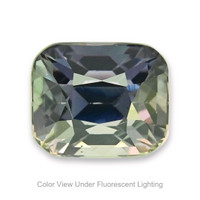
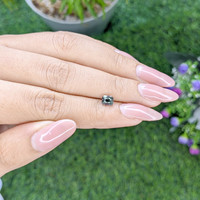
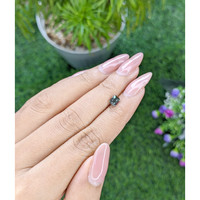
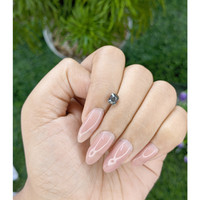
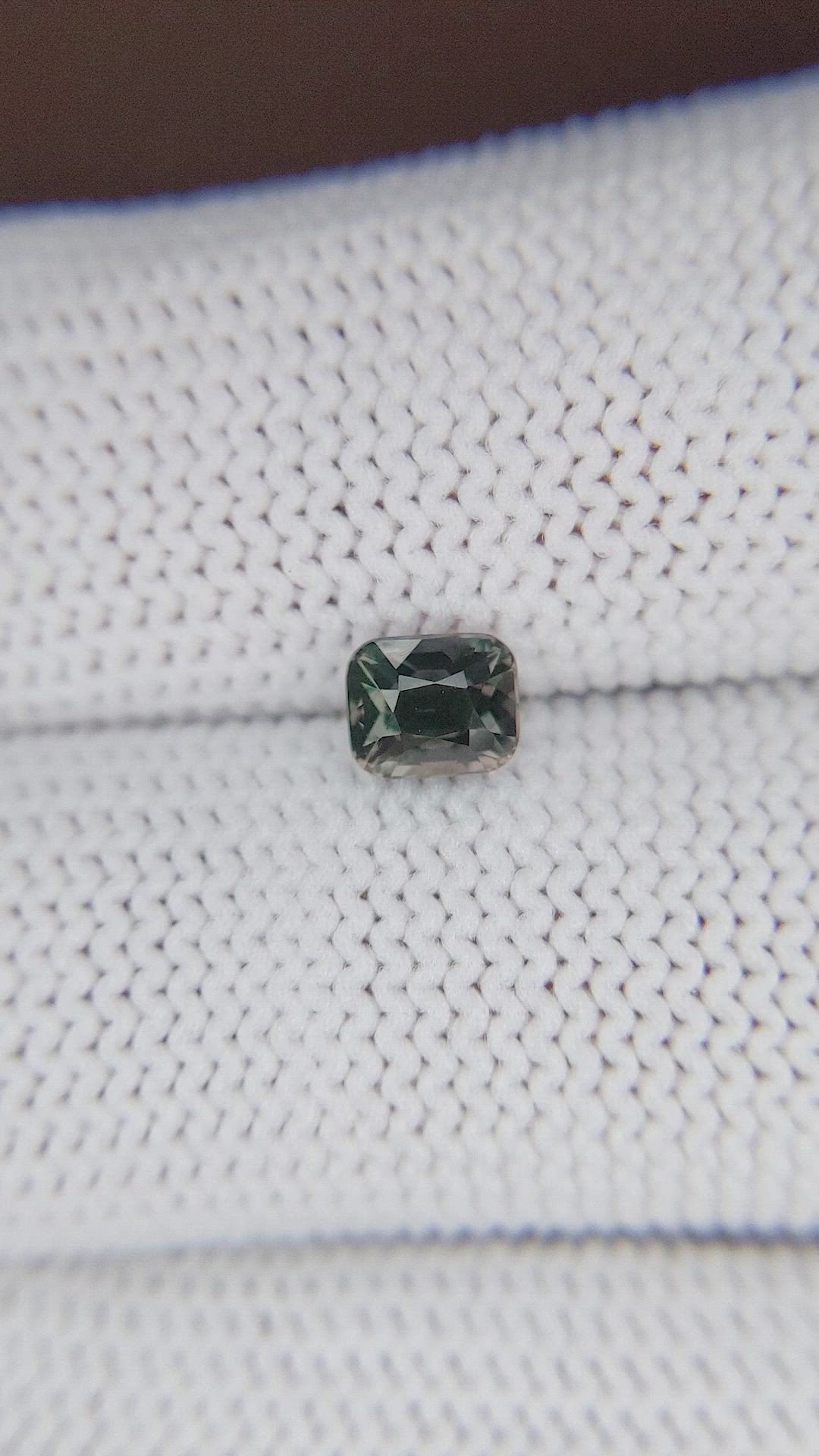
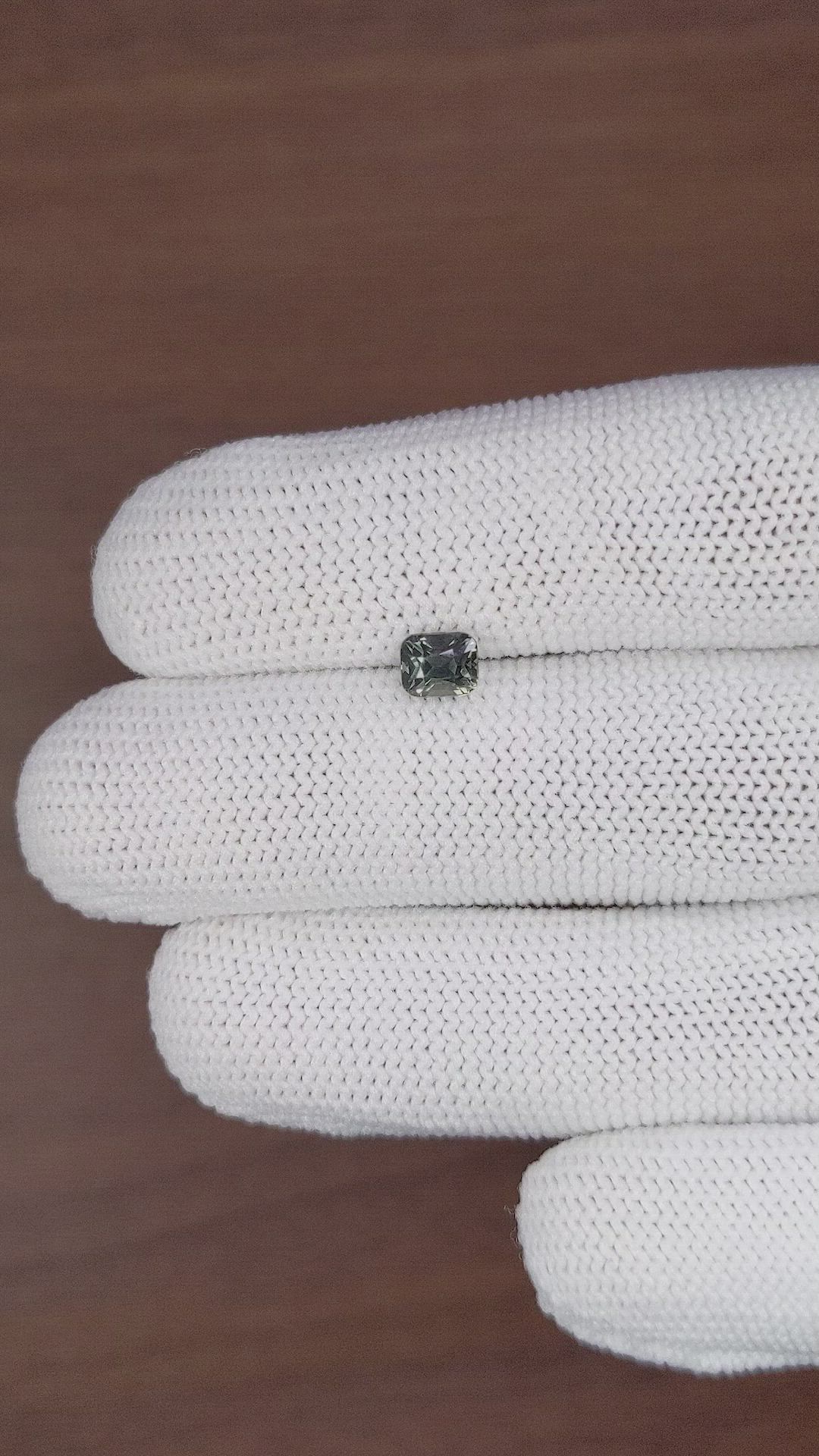
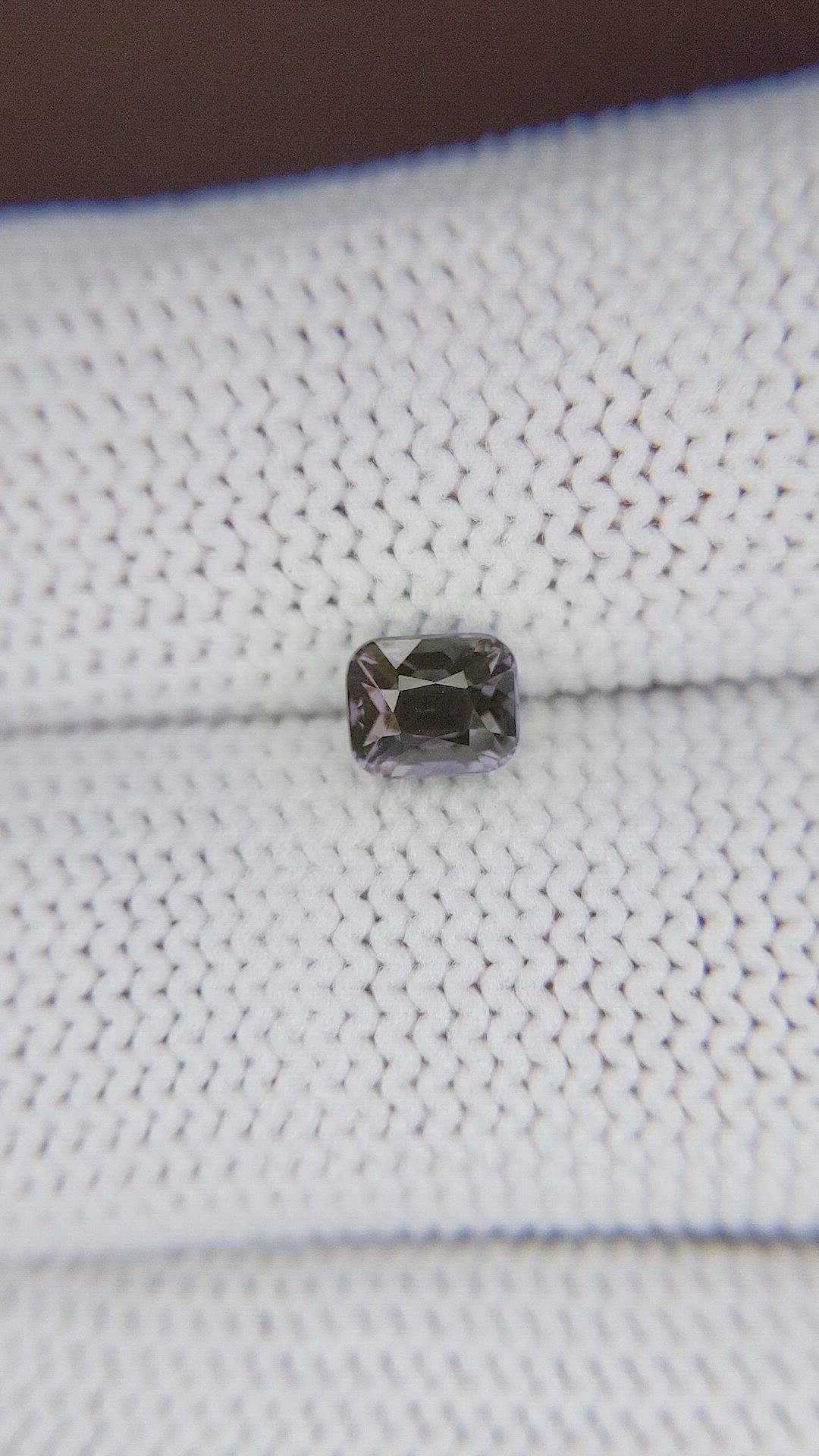
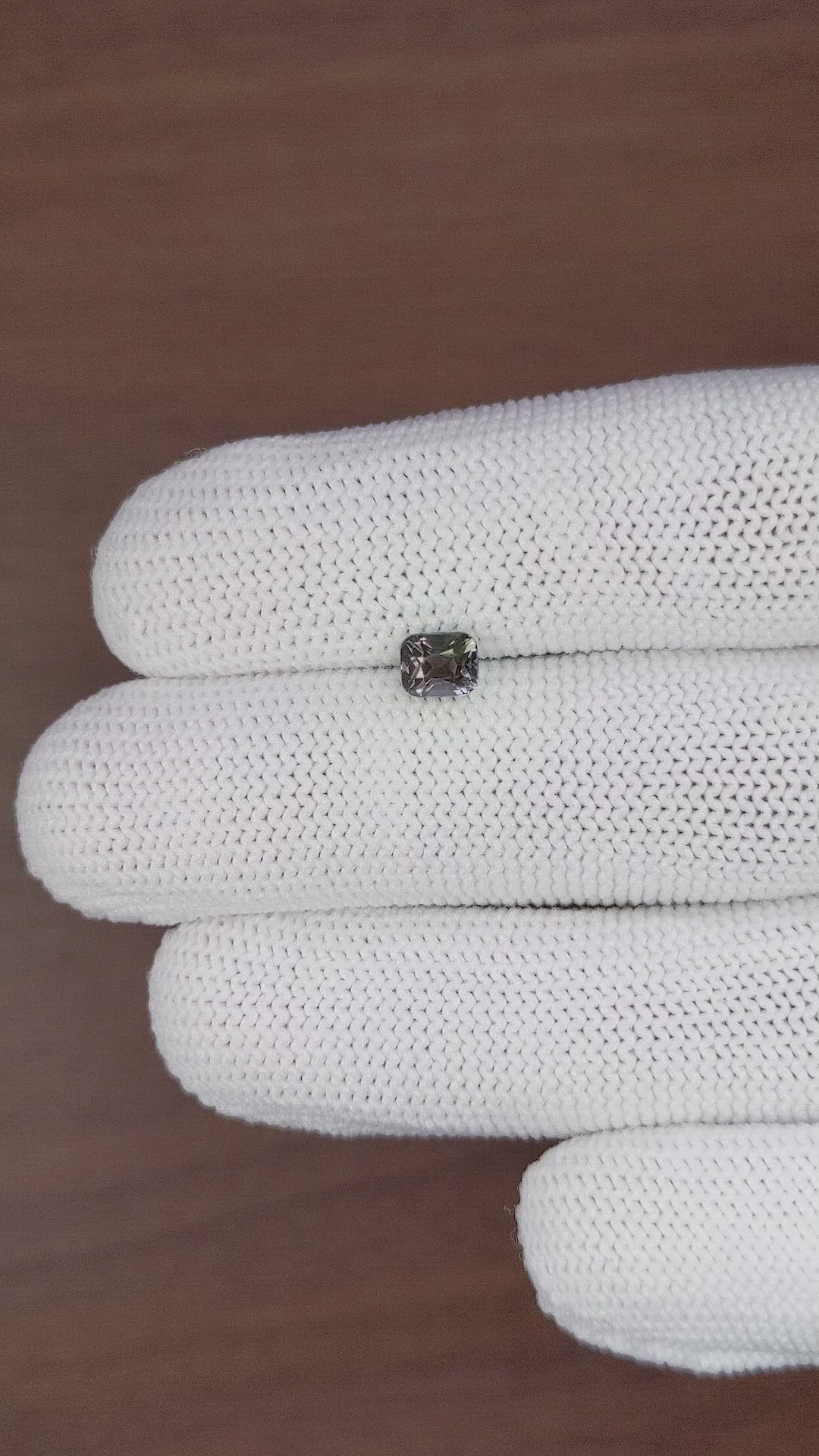
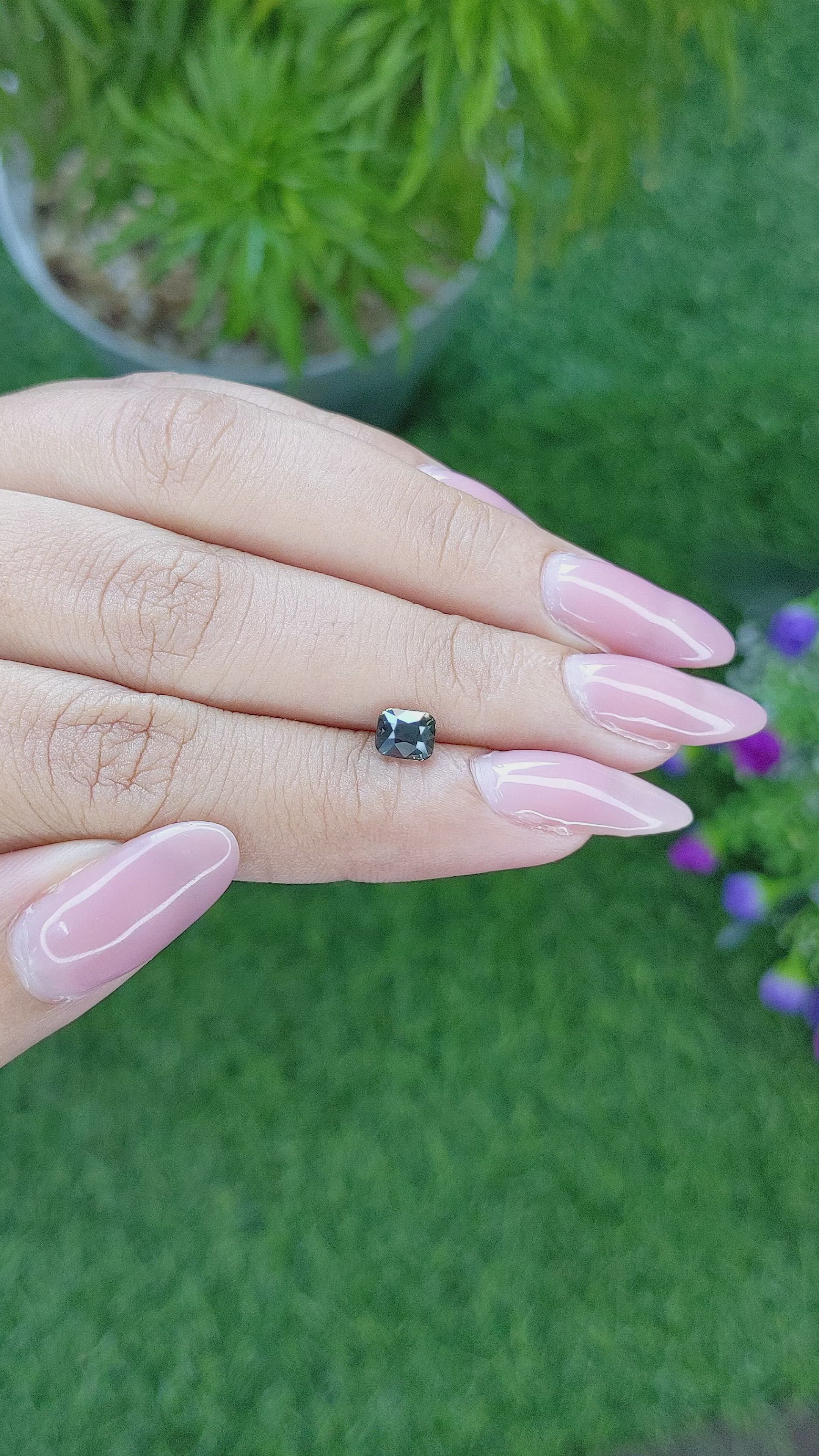
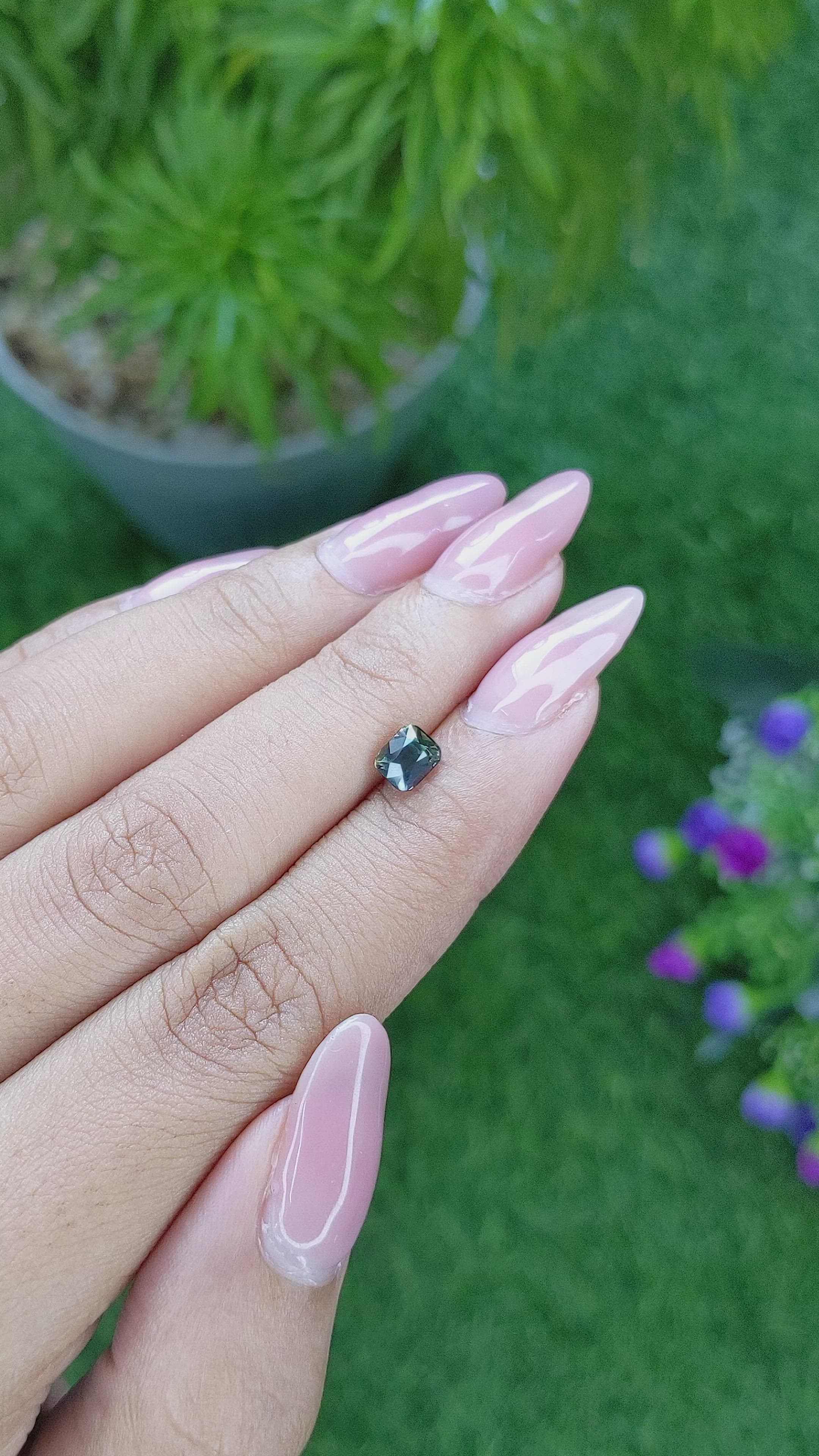
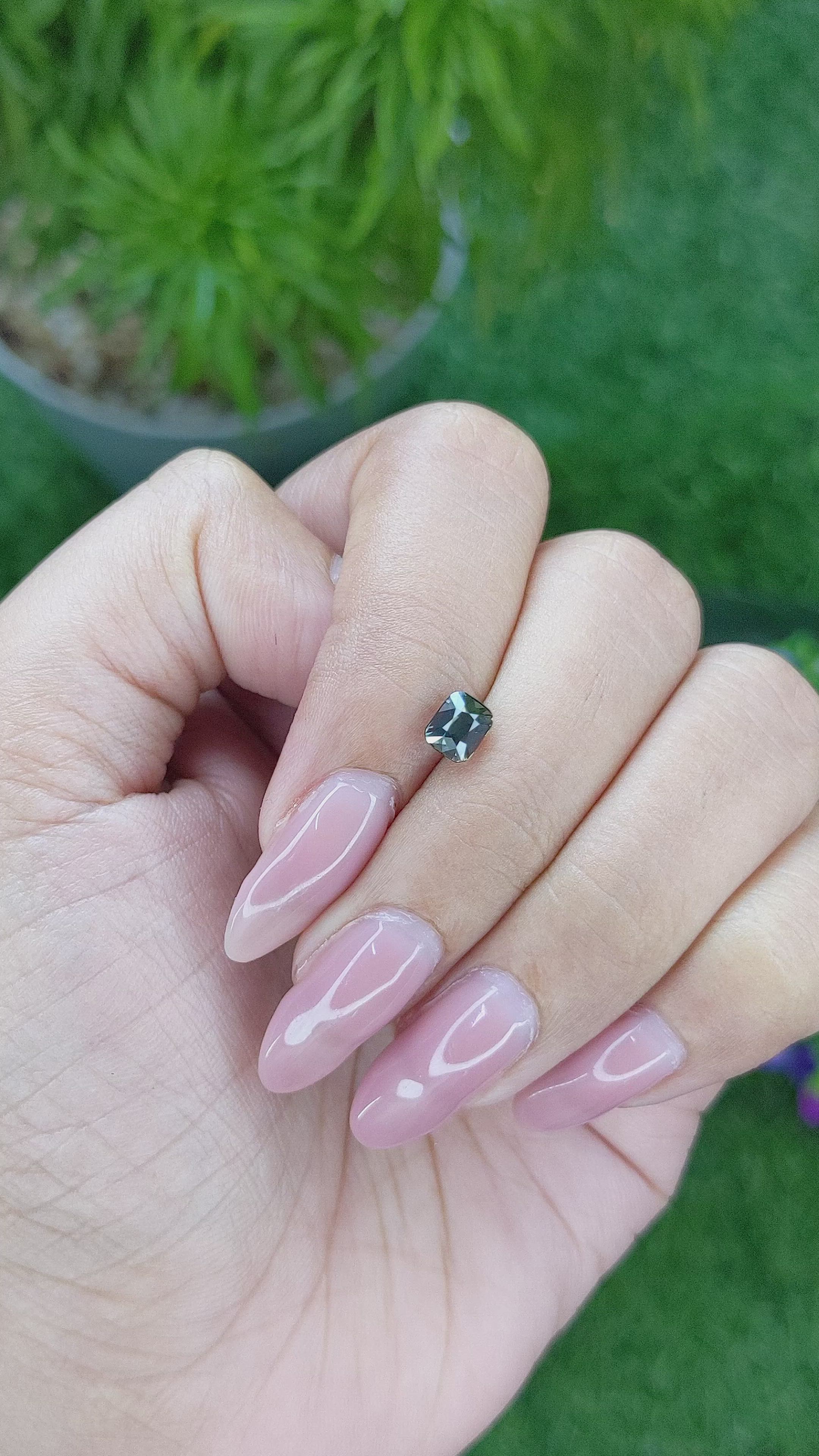

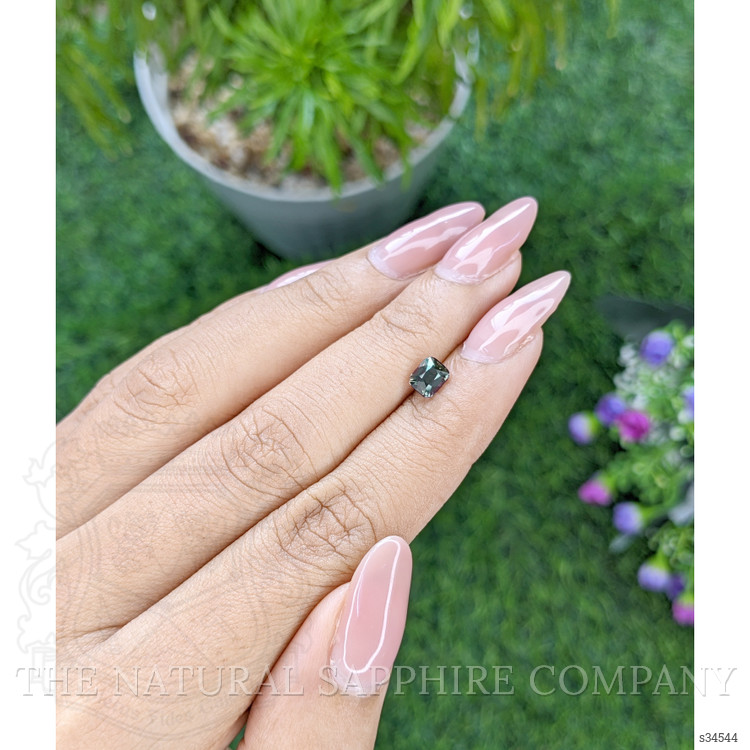
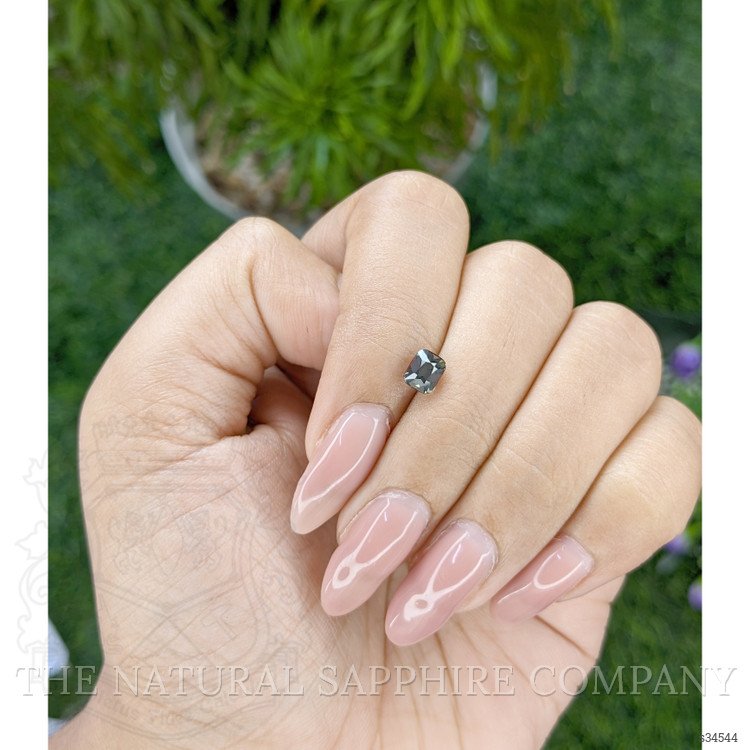

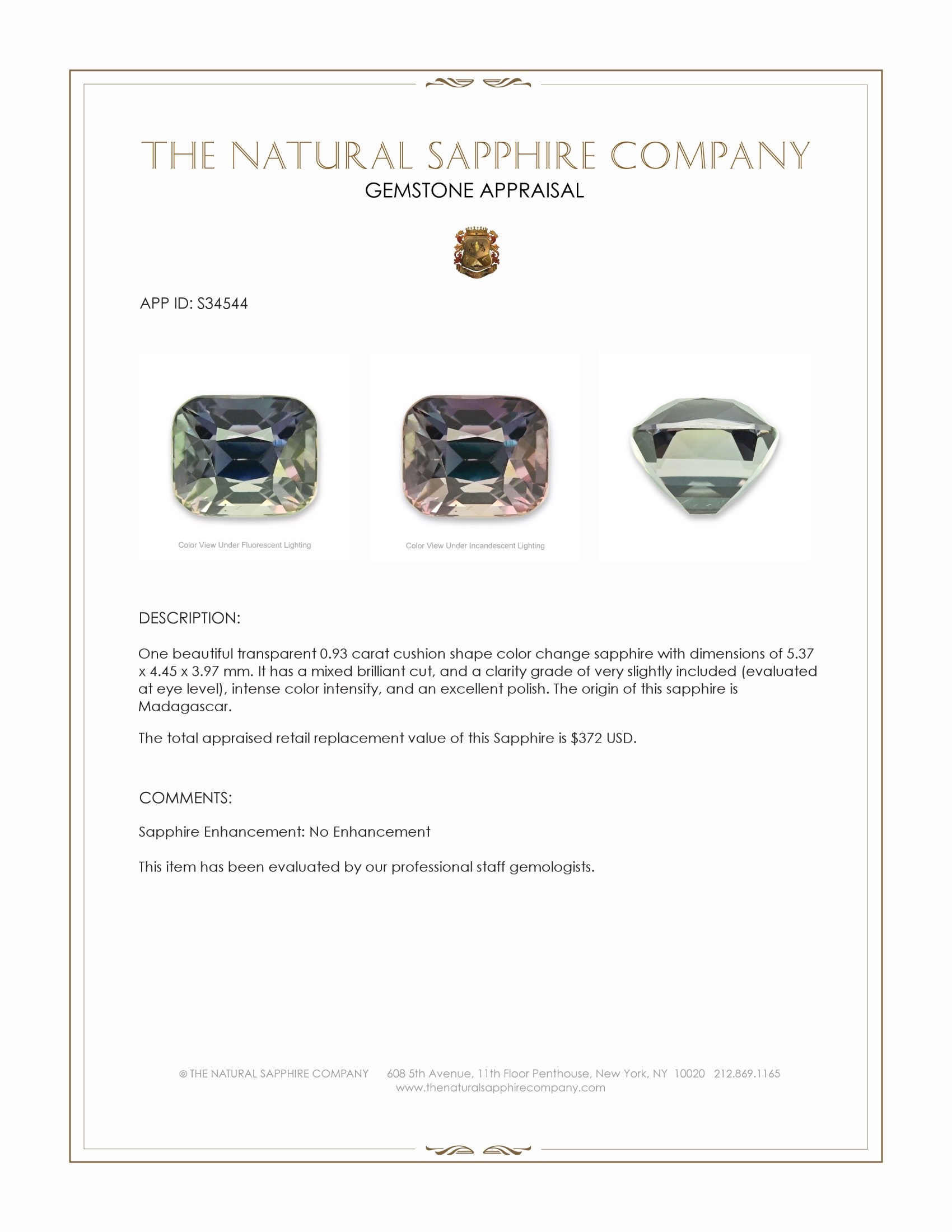
0.93 Ct. Color Change Sapphire from Madagascar
This loose stone ships by Mar 24
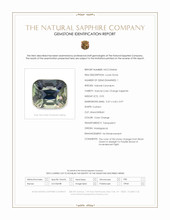
Item ID: | S34544 |
|---|---|
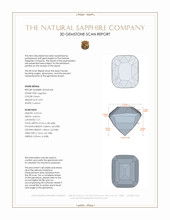
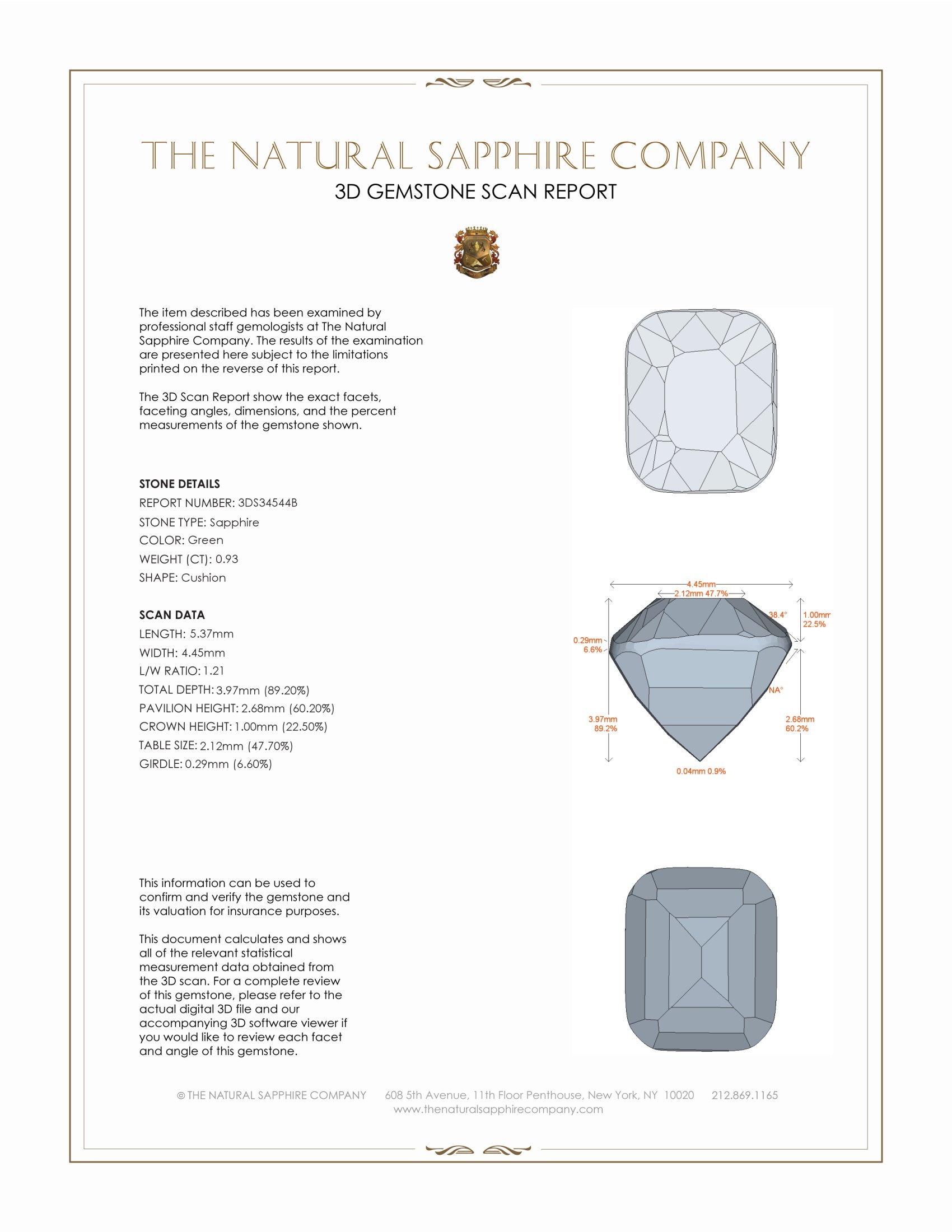
Dimensions (MM): help | Length: 5.37 Width: 4.45 Height: 3.97 |
Weight: | 0.93 Ct. |
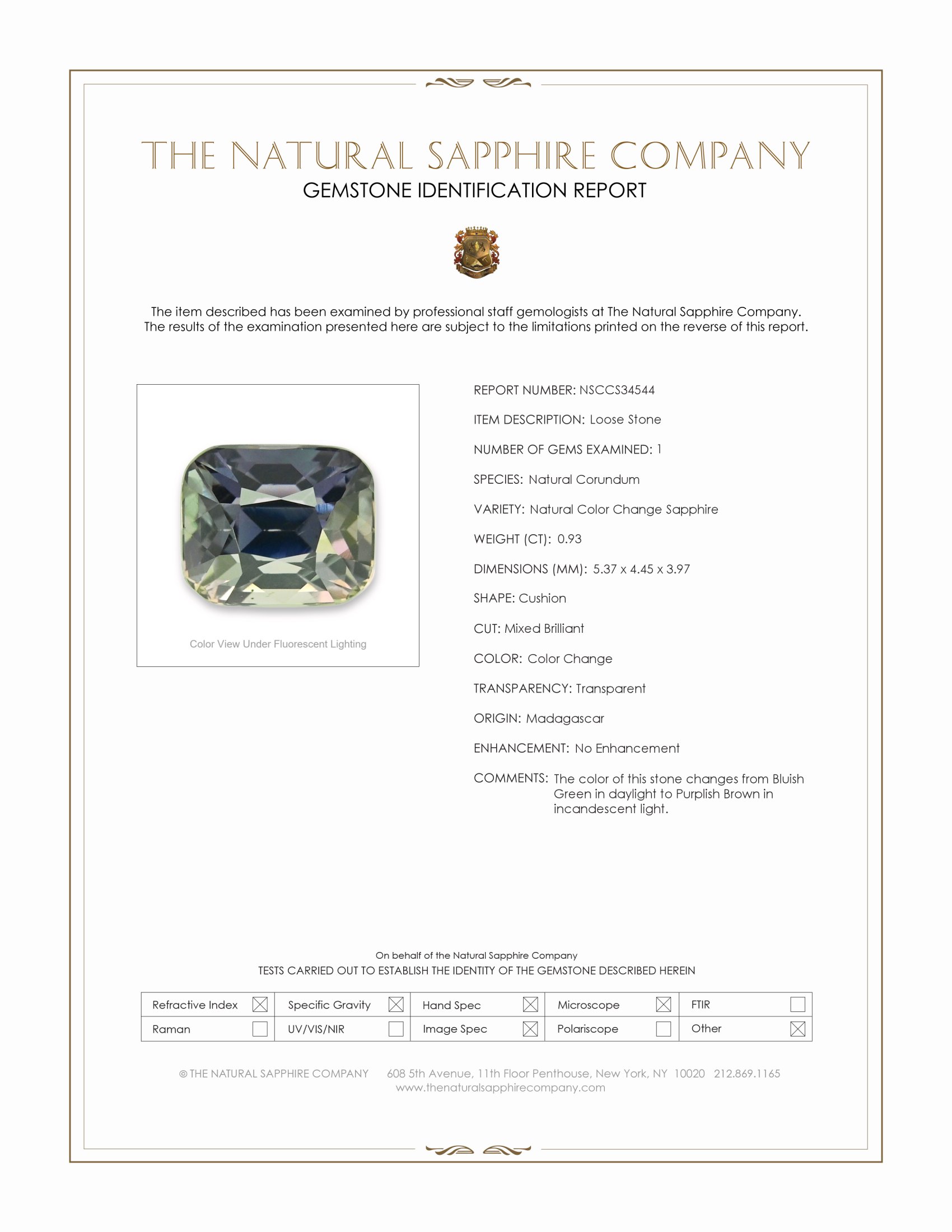
Color: help | Color Change |
Color intensity: help | Intense |
Clarity: help | Very Slightly Included |
Shape: help | Cushion |
Cut: | Mixed Brilliant |
Cutting style: | Faceted |
Enhancements: help | No Enhancement |
Origin: help | Madagascar |
Per carat price: help | $400 |
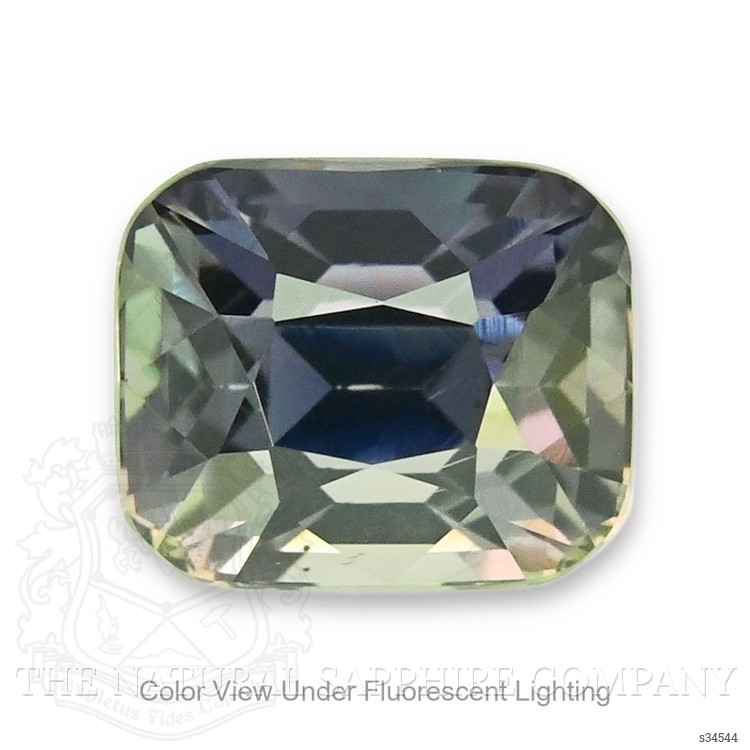
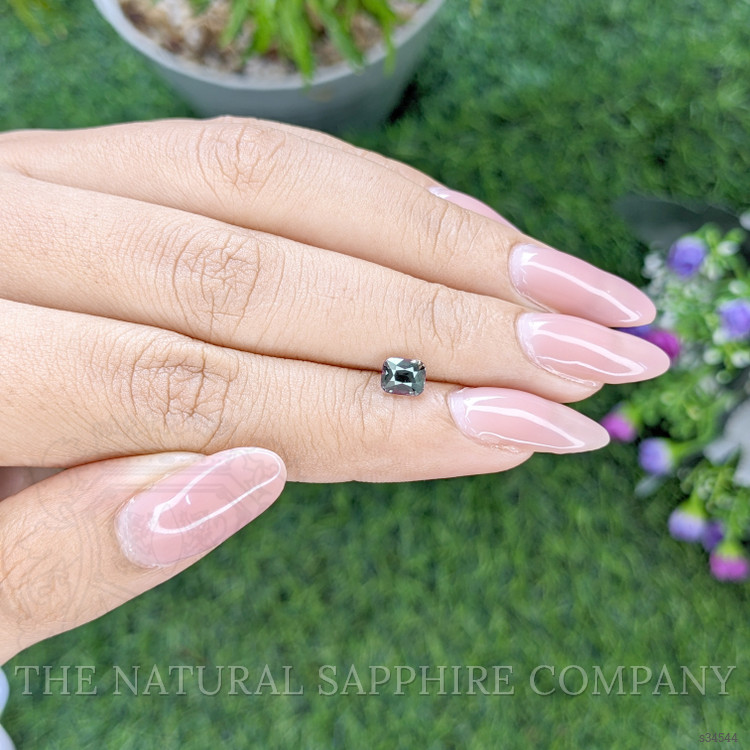
This transparent 0.93 carat cushion shape color change sapphire measures 5.37 x 4.45 x 3.97 mm, with a mixed brilliant cut, a clarity grade assessed as very slightly included at eye level, intense color intensity, and an excellent polish. The cutter retained substantial pavilion depth, producing an overall depth ratio that favors color saturation without sacrificing optical return. No enhancement has been applied, so this material is presented in its natural state, and it is documented as originating from Madagascar. The cushion outline combines softened shoulders with gently rounded corners, and the mixed brilliant faceting pattern was selected to balance scintillation with broad color planes, creating lively face up movement and a stable color change response as the illumination shifts.
The mixed brilliant cut on this stone features a brilliant style crown with well defined star facets and a modified pavilion that merges facets of step and brilliant orientation. This configuration increases the number of light intercepting facets across the table and crown, while the pavilion angles promote strong internal reflection and controlled light leakage. The result is a gem that exhibits both clean brilliance and pronounced color zones, which is critical for color change sapphires where pleochroic absorption must be channeled through the facet architecture. The excellent polish enhances facet windowing, allowing the color shift to read cleanly across the table, and the slightly included clarity grade means there are no significant eye visible features to distract from the color play. For settings, the relatively deep pavilion provides durable seat options for closed back and semi closed back designs, and the facet symmetry ensures consistent performance when set in both open gallery and bezel styles.
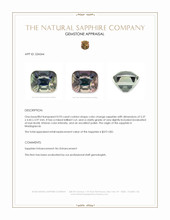
Optically this sapphire demonstrates a classic daylight to incandescent shift, appearing as a bluish green to teal green in natural or fluorescent light, and moving toward a richer teal to bluish violet with subtle pinkish undertones under warm incandescent illumination. The hue range is concentrated along the blue green axis, with fine secondary violet and pink components that emerge in warmer spectra. Compared to Sri Lanka sapphires that often present softer pastel shifts and lighter tone transitions, this Madagascar stone reads darker and more saturated, providing a more dramatic visual change rather than a gentle pastel shift. Compared to Kashmir sourced sapphires, which are renowned for a velvety, pure cornflower blue with medium tone and high diffusion, this color change effect is fundamentally different, because Kashmir material rarely exhibits a pronounced color change, and the tone in the present stone is deeper and more variable with lighting. Montana sapphires can show green to blue shifts, but they more commonly display lower saturation and a lighter to medium tone, whereas this Madagascar example maintains intense saturation and a medium dark to dark tone that preserves presence even at sub one carat weight.
When set against material from East African localities such as Umba and certain Tanzanian finds, this specimen shares the characteristic vanadium related color mechanisms that drive pronounced alexandrite like shifts, but it differs in hue balance and tone. Umba and some Tanzanian stones may swing toward more pronounced purple or brownish overtones in warm light, while this Madagascar piece favors cleaner blue violet and teal transitions without significant brown masking. The intact, untreated nature of the sapphire elevates both its gemological interest and market desirability, because no heat or diffusion has been used to alter hue or clarity. The cutting style maximizes the stone at its measured dimensions, providing optimal table proportions and pavilion angles to intensify color change while retaining brilliance. For collectors and makers seeking a natural color change example that reads dynamic on the hand, this sapphire is technically compelling, given its combination of mixed brilliant faceting, high polish, and strong inherent pleochroism.
At The Natural Sapphire Company we emphasize provenance, cutting quality, and accurate color description, and this Madagascar color change sapphire exemplifies those priorities. Its size and intense color intensity render it particularly well suited to fine jewelry applications as a center stone for an elegant solitaire, a three stone design where side stones can be chosen to frame the color shift, or a bespoke piece that showcases the unique optical behavior during different daily activities. We can supply additional gemological imaging and independent laboratory reporting upon request, which is recommended for insured placement and appraisal. For care, avoid sudden exposure to strong thermal shock and refrain from harsh chemical cleaners, because untreated corundum benefits from routine professional maintenance to preserve facet integrity and polish. This sapphire is an excellent example of natural color change material from Madagascar, combining technical lapidary execution with a rare, untreated color response, and it is offered with the attention to detail that defines The Natural Sapphire Company.


