
- Stone17
- Reports3
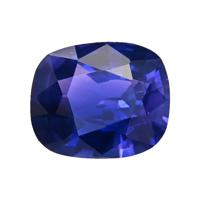
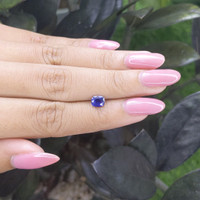
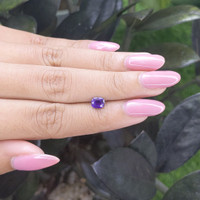
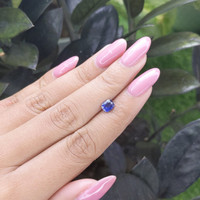
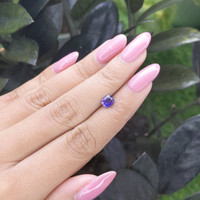
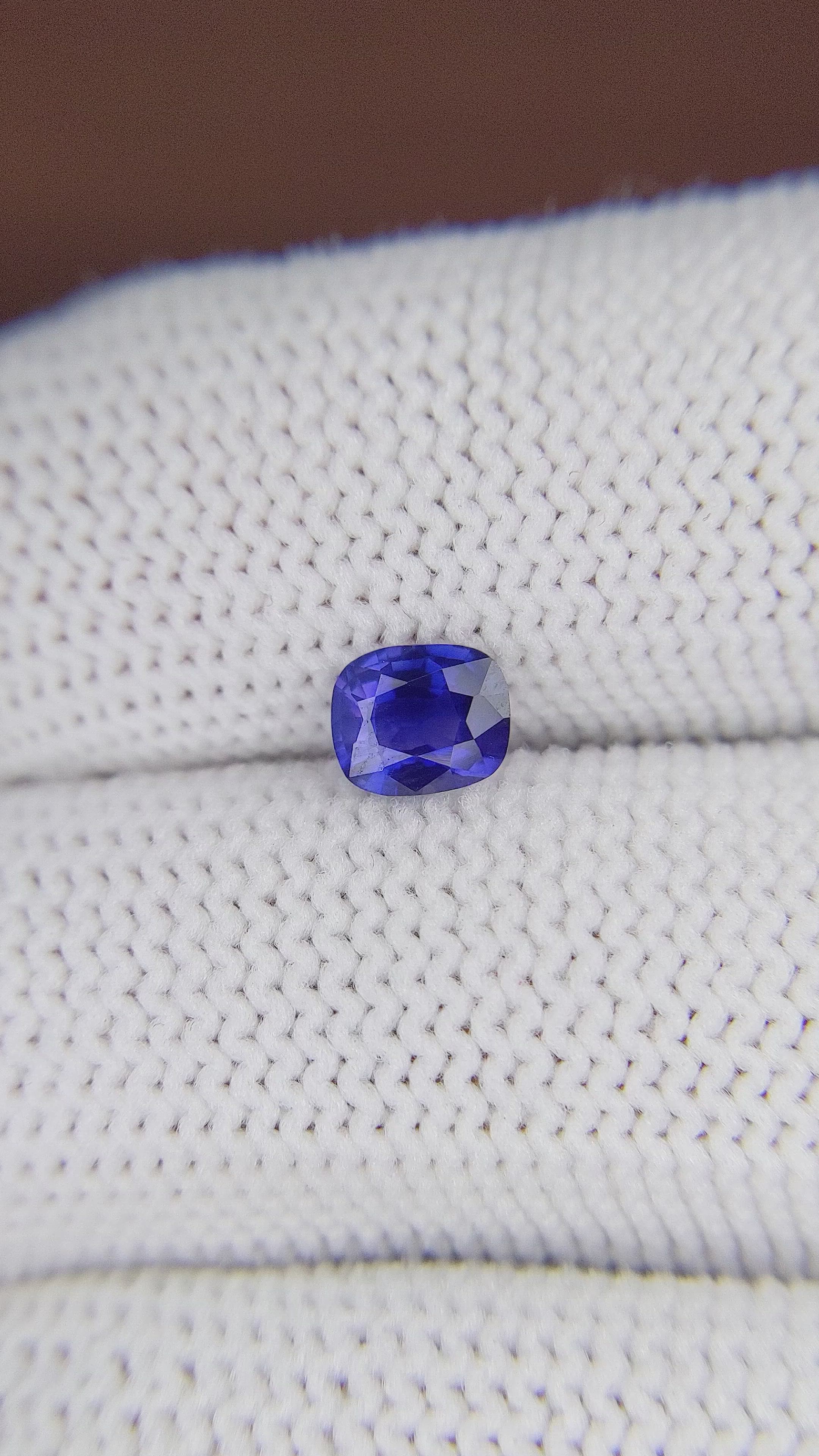
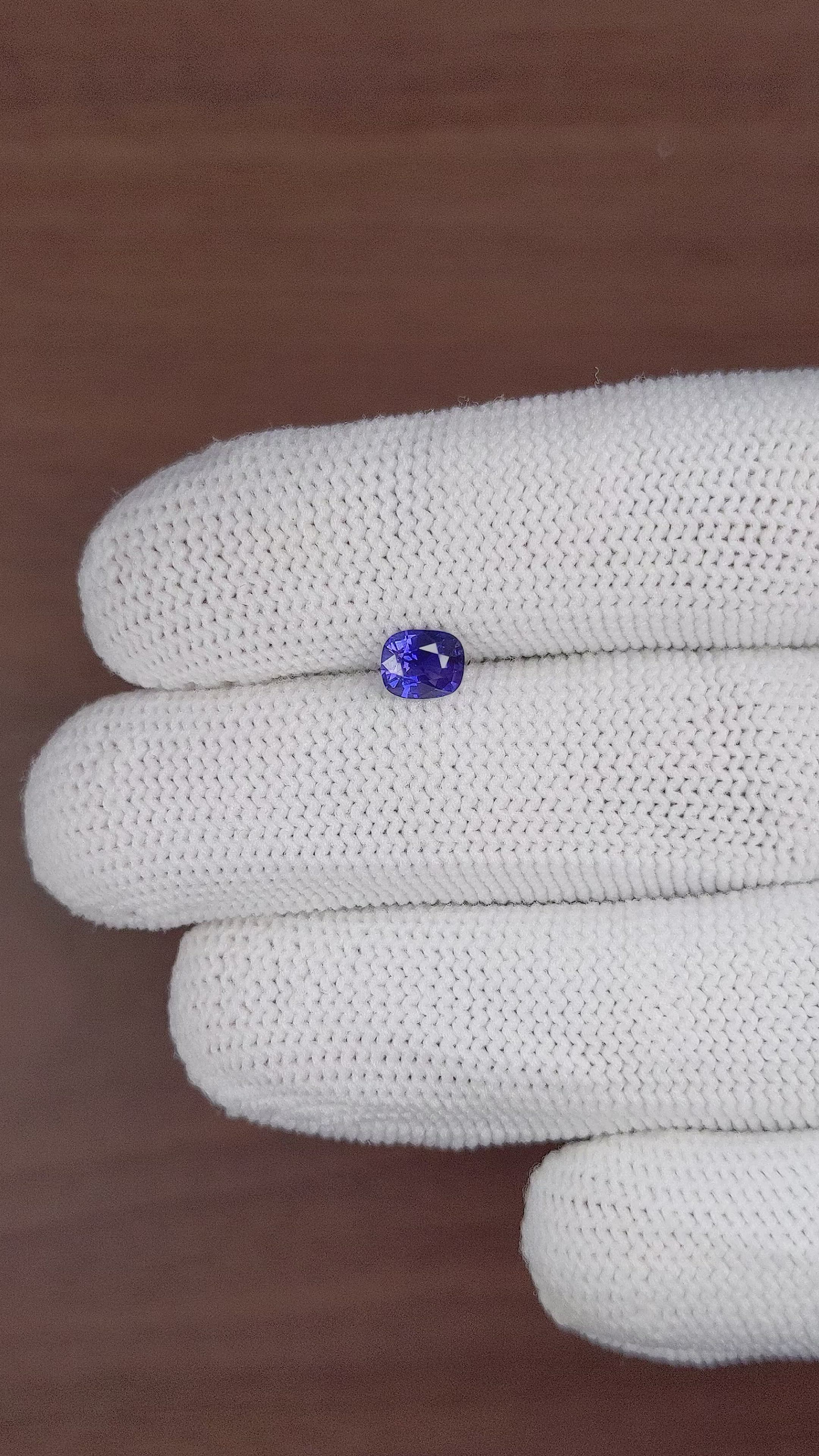
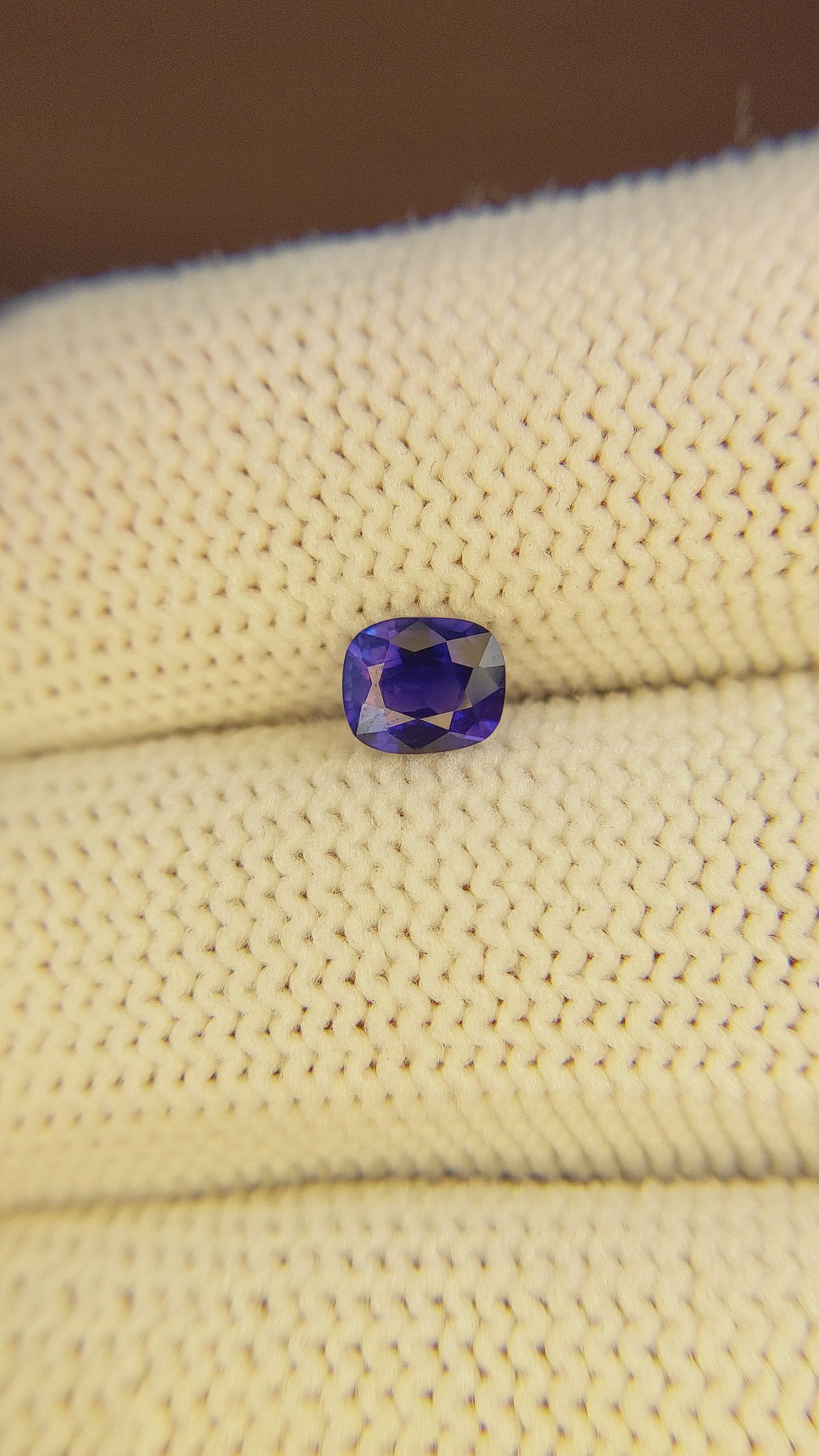
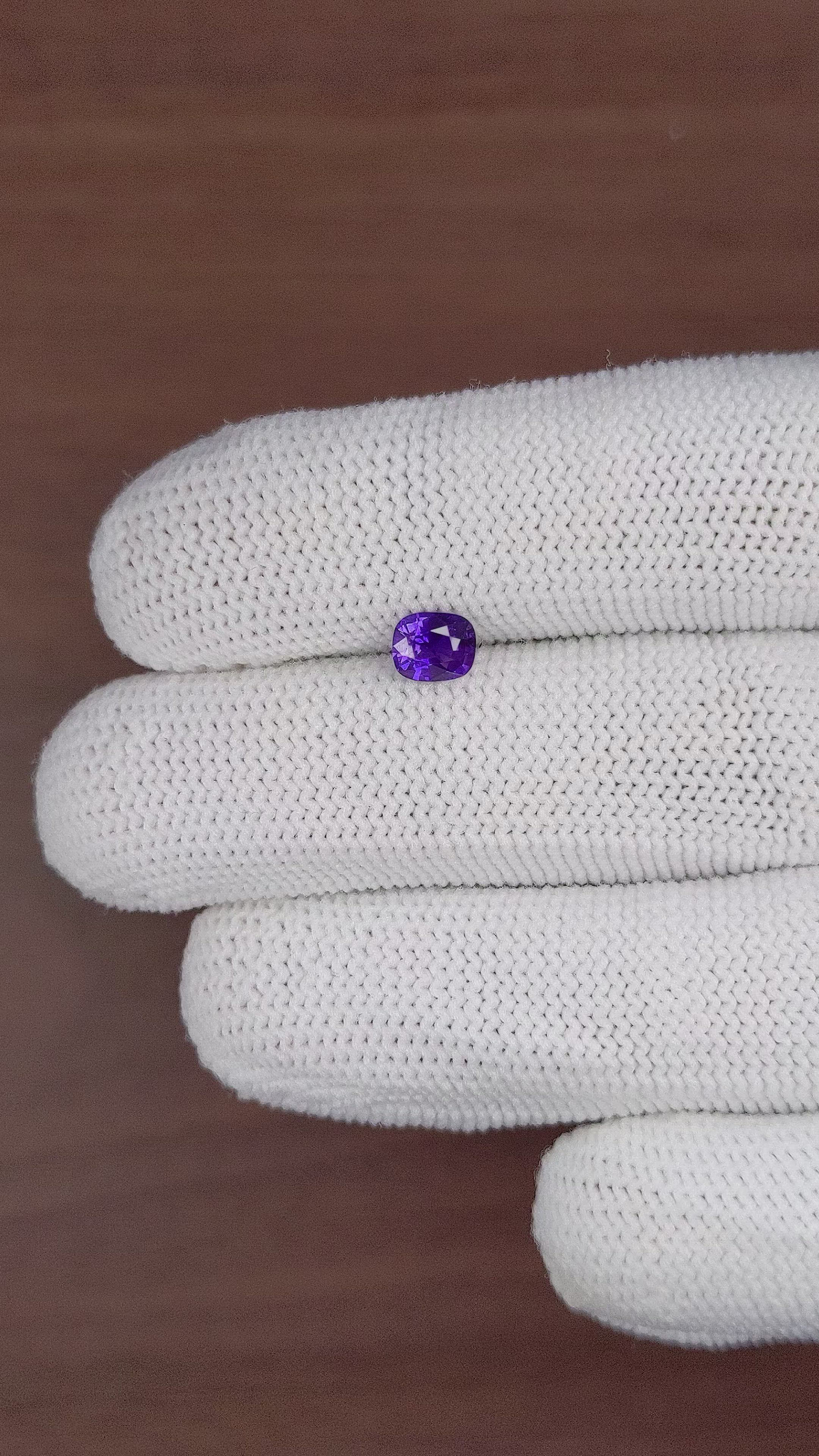
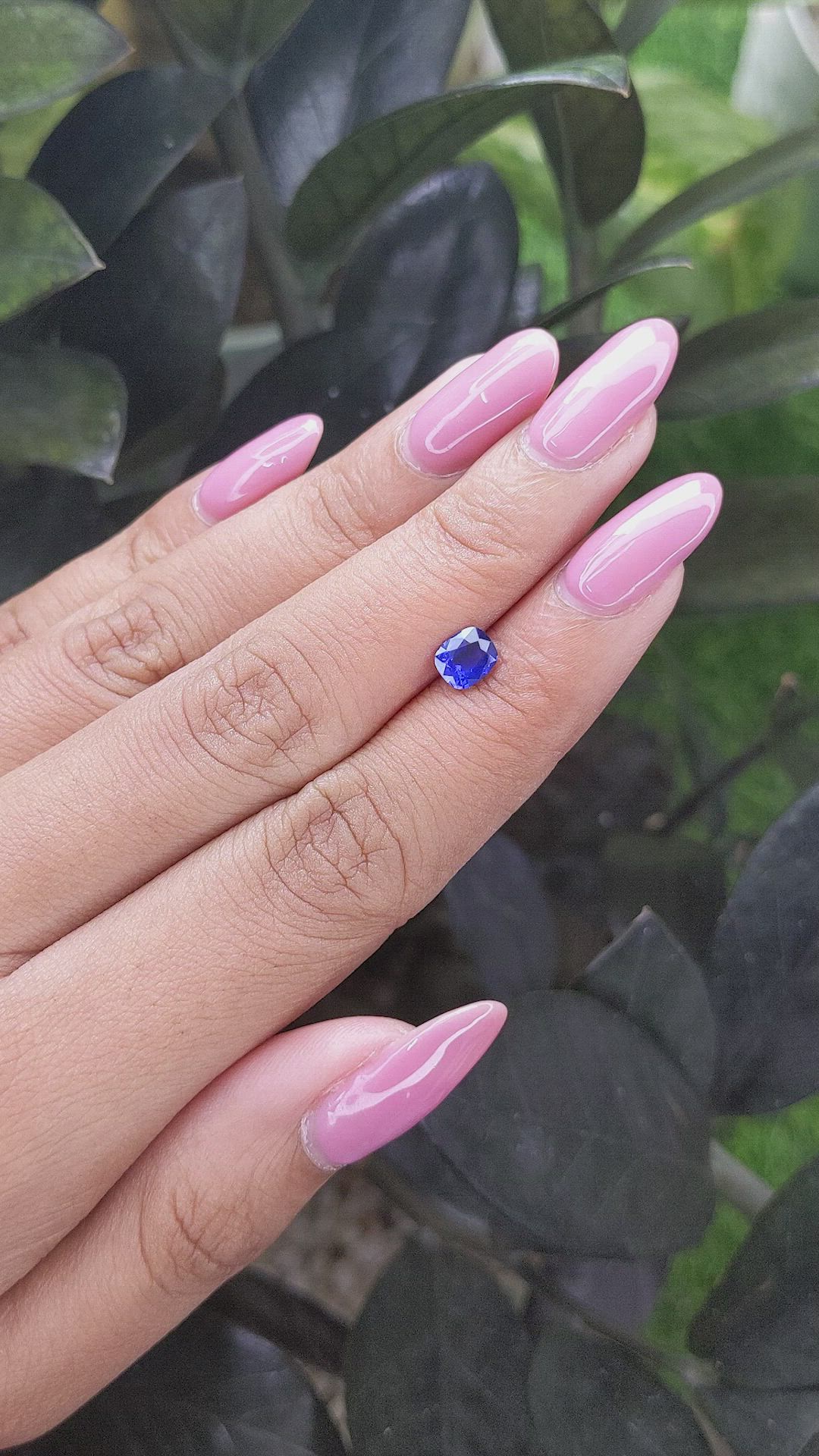
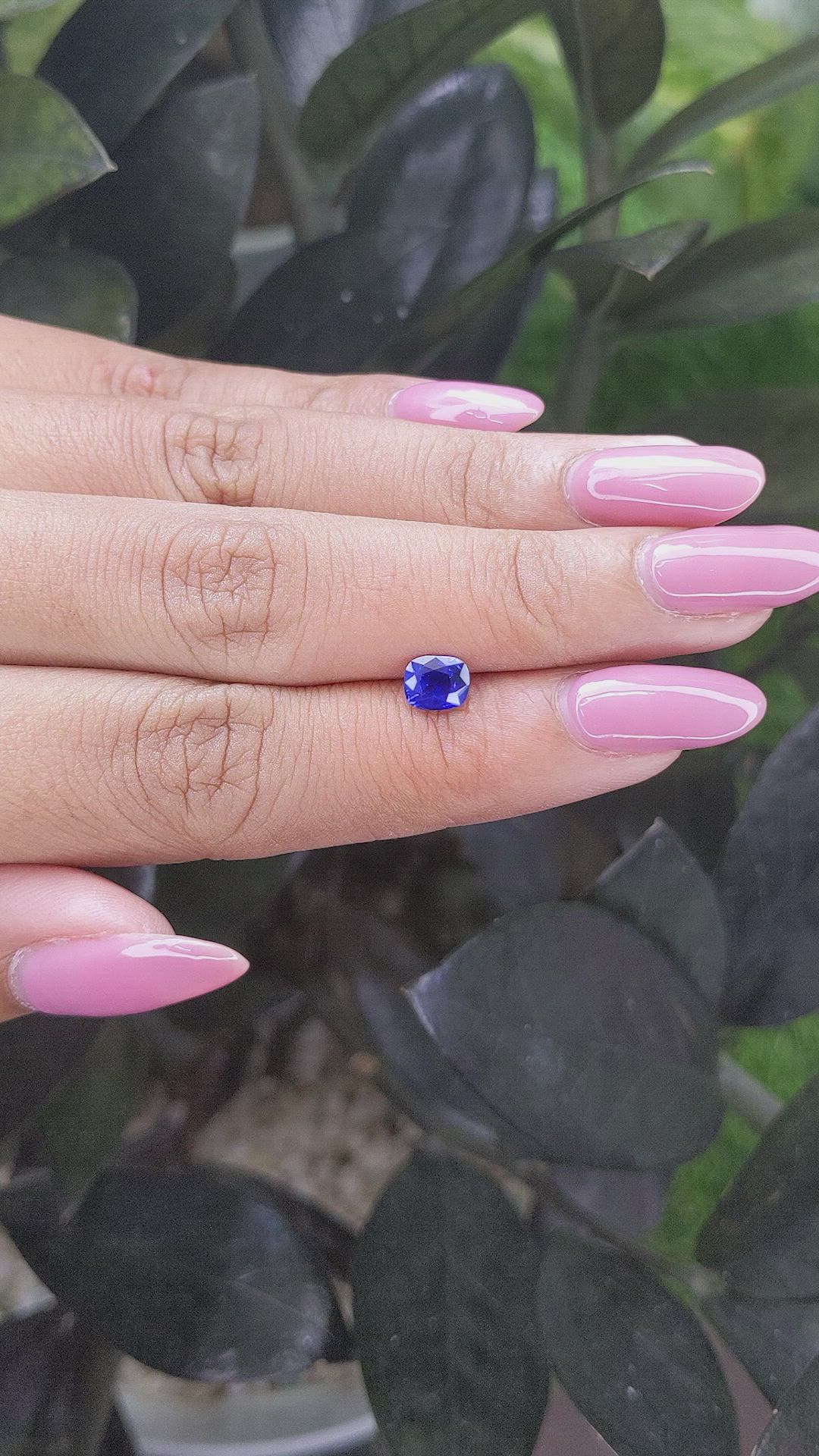
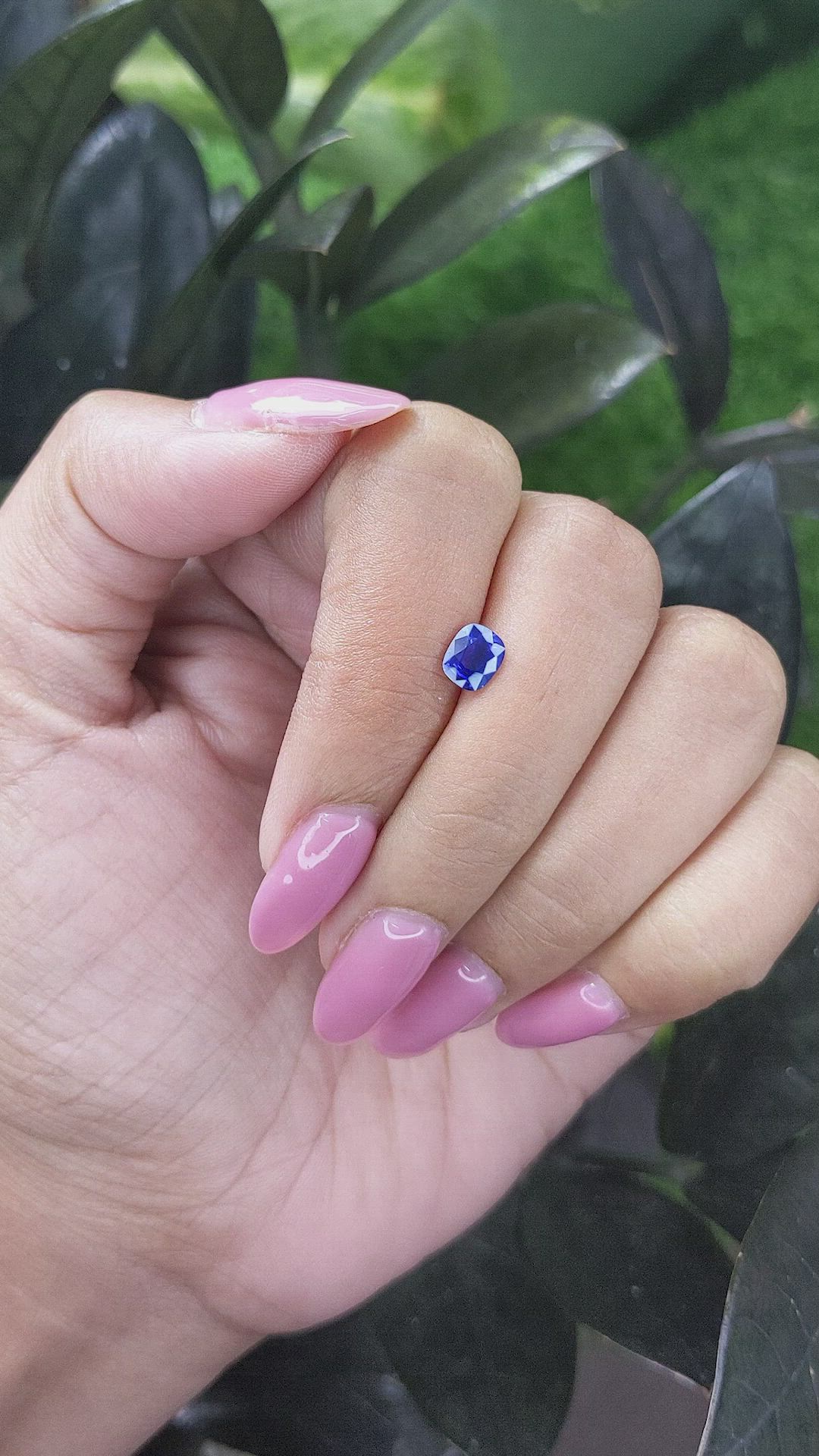





0.74 Ct. Color Change Sapphire from Tanzania
This loose stone ships by Apr 20
Item ID: | S28458 |
|---|---|
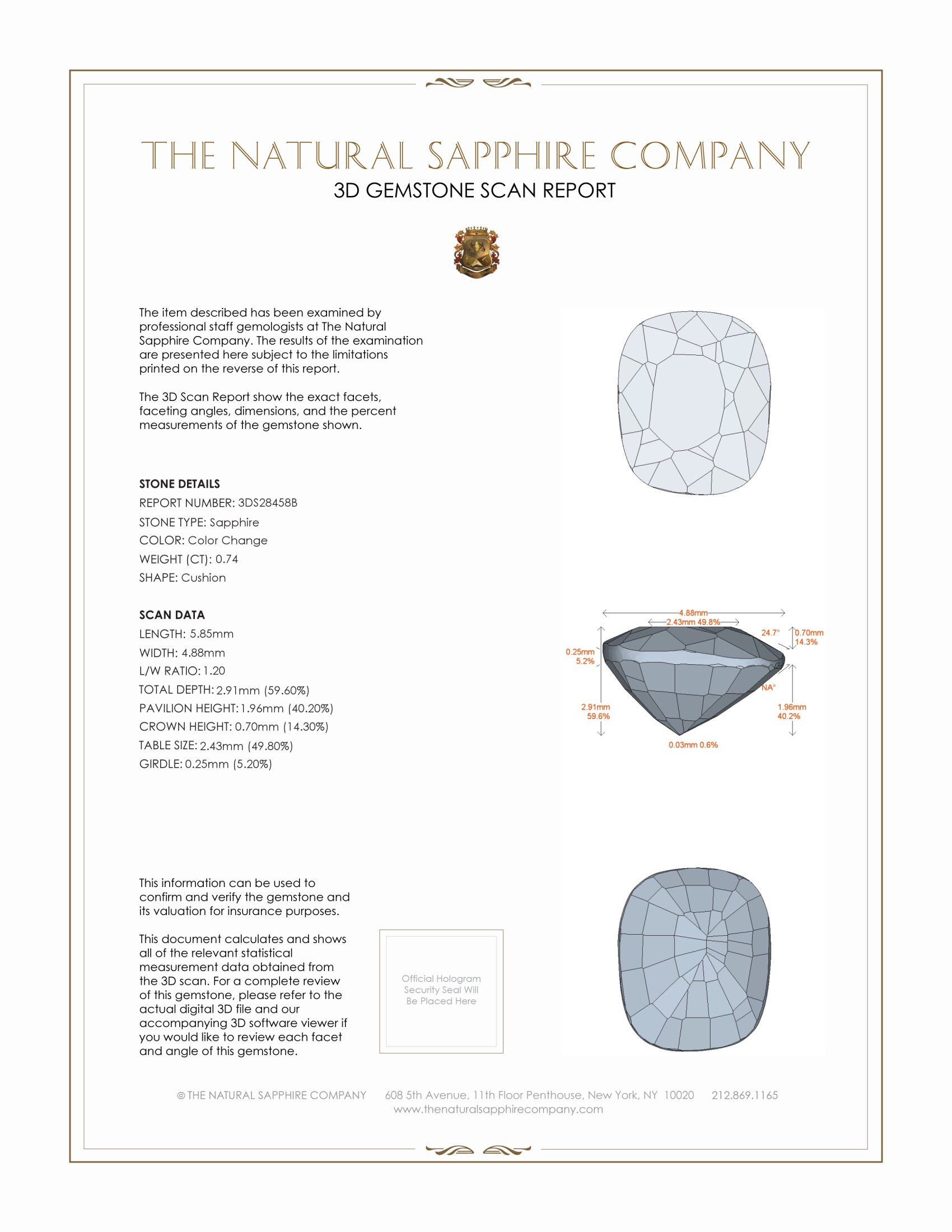
Dimensions (MM): help | Length: 5.85 Width: 4.88 Height: 2.91 |
Weight: | 0.74 Ct. |
Color: help | Color Change |
Color intensity: help | Vivid |
Clarity: help | Very Very Slightly Included |
Shape: help | Cushion |
Cut: | Mixed Brilliant |
Cutting style: | Faceted |
Enhancements: help | No Enhancement |
Origin: help | Tanzania |
Per carat price: help | $1,400 |
This 0.74 carat color change sapphire is a technically refined specimen, presented in a classic cushion shape with exact dimensions of 5.85 x 4.88 x 2.91 mm, making it an excellent match for precision set jewelry. The cutting style is a mixed brilliant cut, executed to optimize both scintillation and color performance, with a brilliant configured crown that maximizes return from small incident angles and a modified pavilion architecture that controls light leakage and deepens saturation. The measured depth is approximately fifty four percent of the average of length and width, a proportion that supports a vivid color intensity without sacrificing face up spread. Clarity is graded as very very slightly included, evaluated at eye level, which indicates that internal features are minimal and do not materially interrupt light return or the color change effect. The polish is described as excellent, with crisp facet junctions and smooth facet planes that enhance both brilliance and the sharpness of the color transition. No enhancement has been applied to this stone, so the sapphire is completely natural in both formation and appearance, and its documented origin is Tanzania.
From a gemological perspective this sapphire embodies the key material attributes of corundum, including a refractive index in the range expected for sapphire, and a hardness of nine on the Mohs scale that is favorable for durable daily wear. The color change phenomenon in natural sapphires arises from a complex interaction of trace elements and crystal field effects, typically involving vanadium and chromium among other transition elements, and natural zoning and growth patterns produce the dichroic and pleochroic responses that enable the stone to appear different under daylight and incandescent light. Because this stone is unheated, the color and its changing behavior are intrinsic, not induced, which is a rare and technically important characteristic. The mixed brilliant cut was chosen specifically to balance the needs of color saturation and spectral dispersion, so the facet architecture supports maximal color loyalty when the stone is viewed face up, and the excellent polish preserves the integrity of the optical transitions that define color change sapphires.
Compared to lab grown color change sapphires this natural Tanzanian stone offers several quantifiable advantages for technically minded buyers. Lab created material often displays higher uniform clarity and markedly different inclusion patterns, including curved growth lines and spherical gas inclusions in melt grown material, or distinctive flux and seed related textures in flux grown varieties, which are diagnostic under magnification. Natural sapphires show internal features such as angular mineral inclusions, linear growth zoning, and minute negative crystals that record geological formation conditions, and these features contribute to the gemological fingerprint used to verify origin and treatment history. In addition natural, untreated stones tend to retain secondary market value more reliably, and provenance from Tanzania adds a documented geological context that many collectors and connoisseurs consider essential. The Natural Sapphire Company provides full disclosure for this gem, emphasizing that no thermal or chemical enhancements have been applied, and that the stone is supplied with measured dimensions, cut description, and an origin attribution. For buyers who prioritize authenticity, geological complexity, and the subtle optical effects that only natural formation can produce, this 0.74 carat cushion color change sapphire represents a technically superior choice relative to lab created alternatives, combining durable material properties, expert cutting to enhance color change, and an unmodified natural state that supports long term desirability.


