
- Pair15
- Reports4

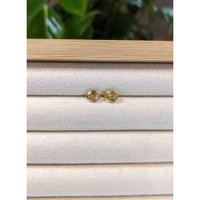
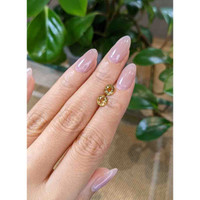
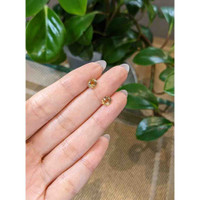
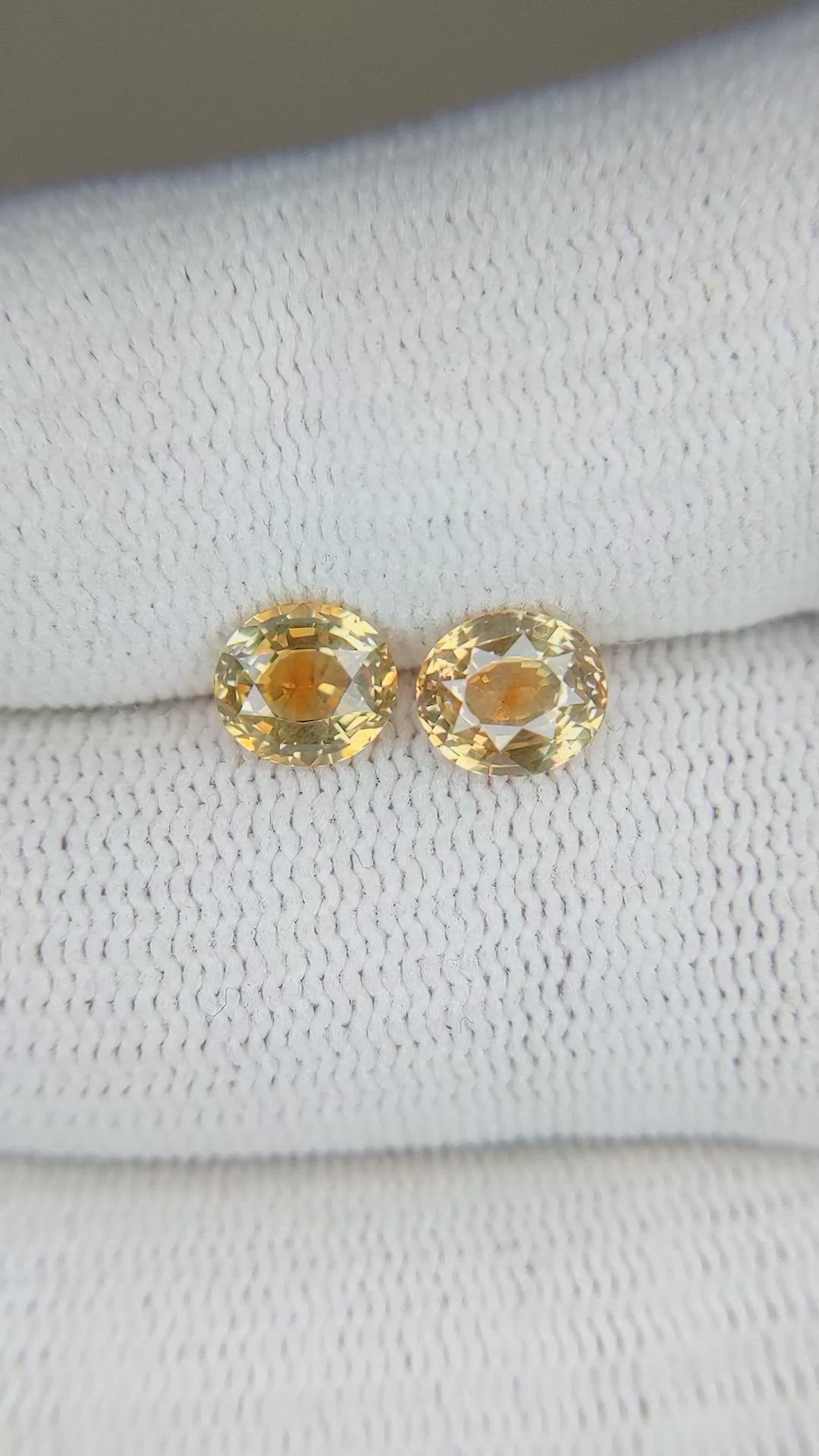
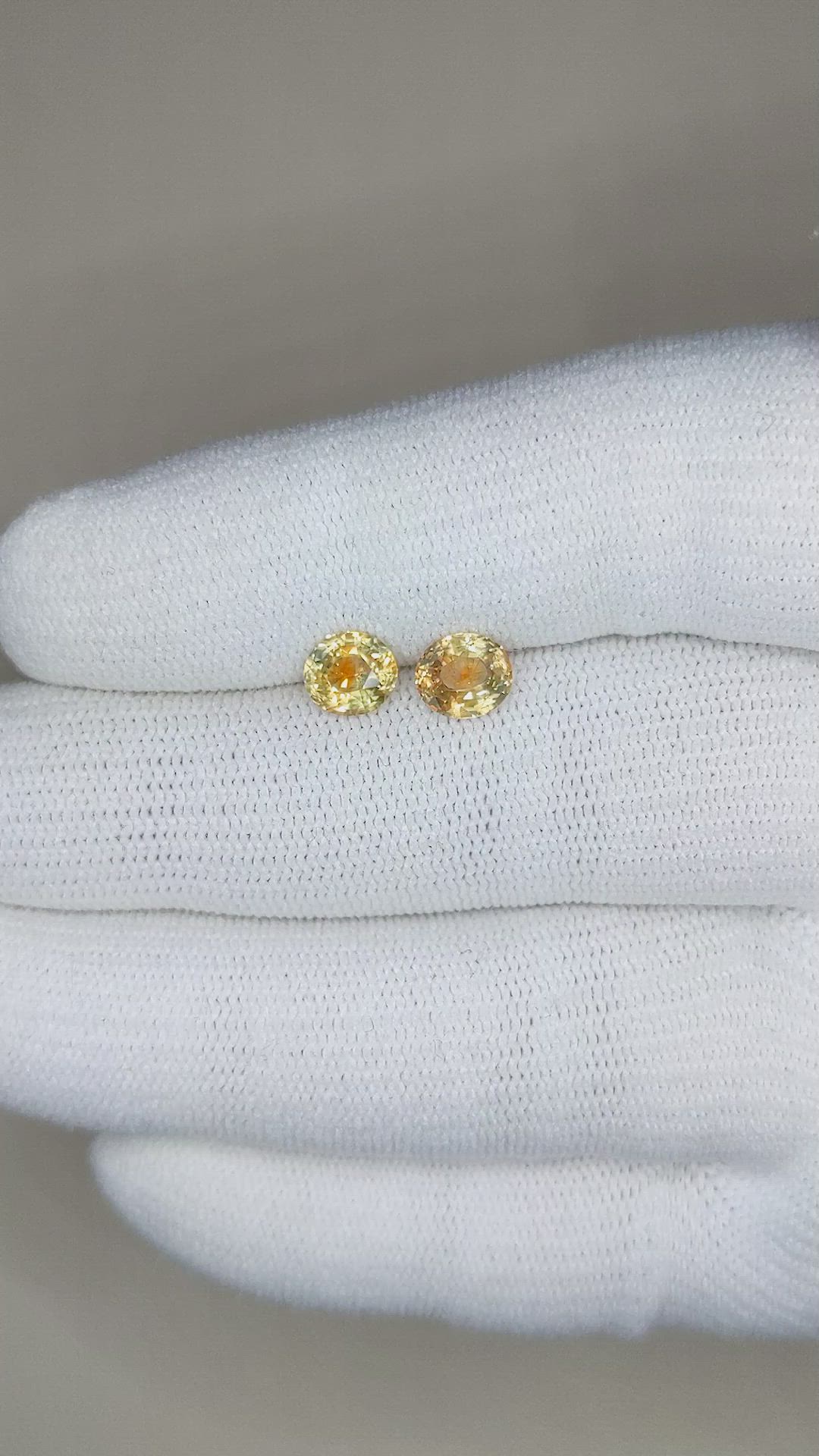
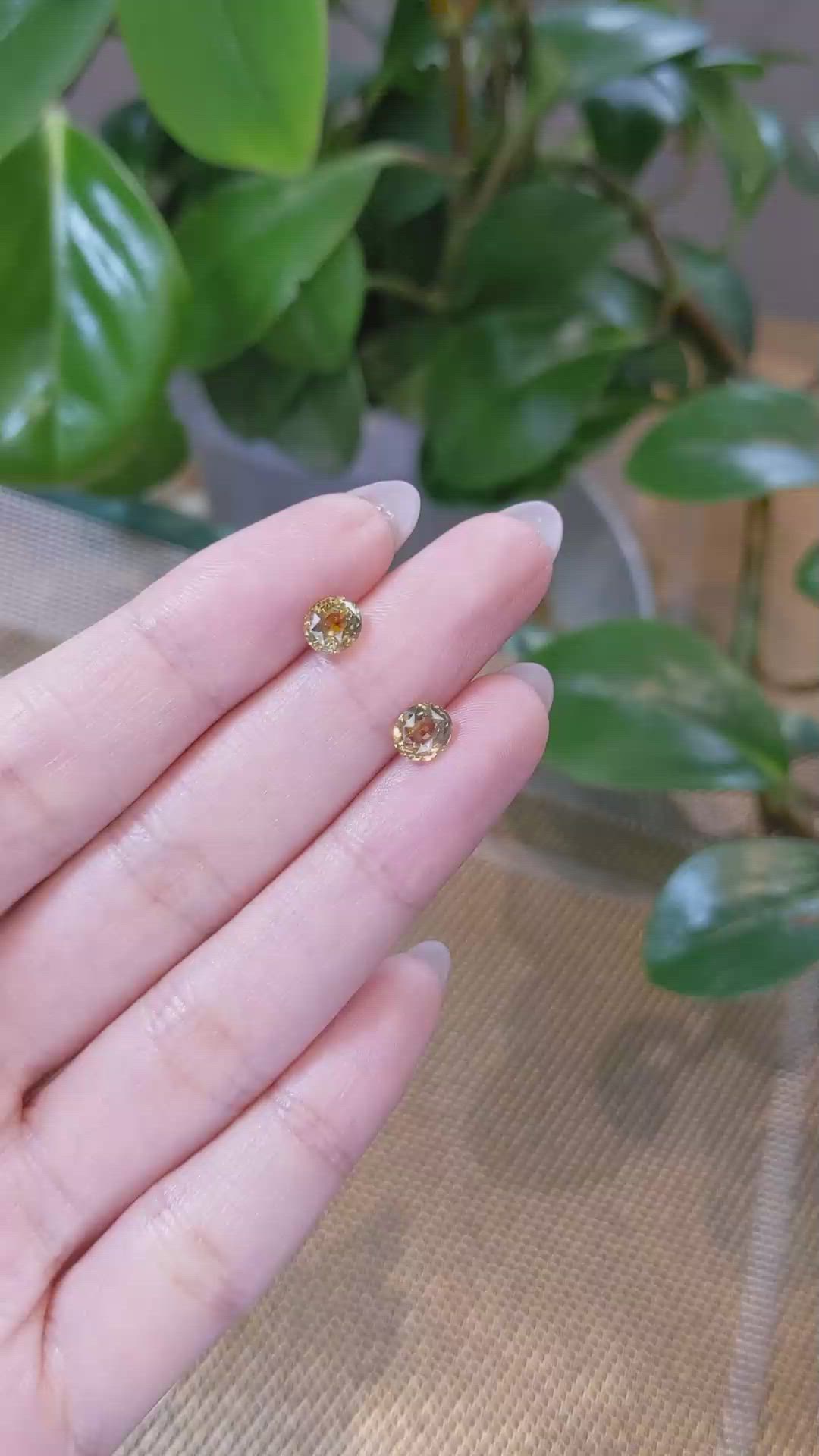
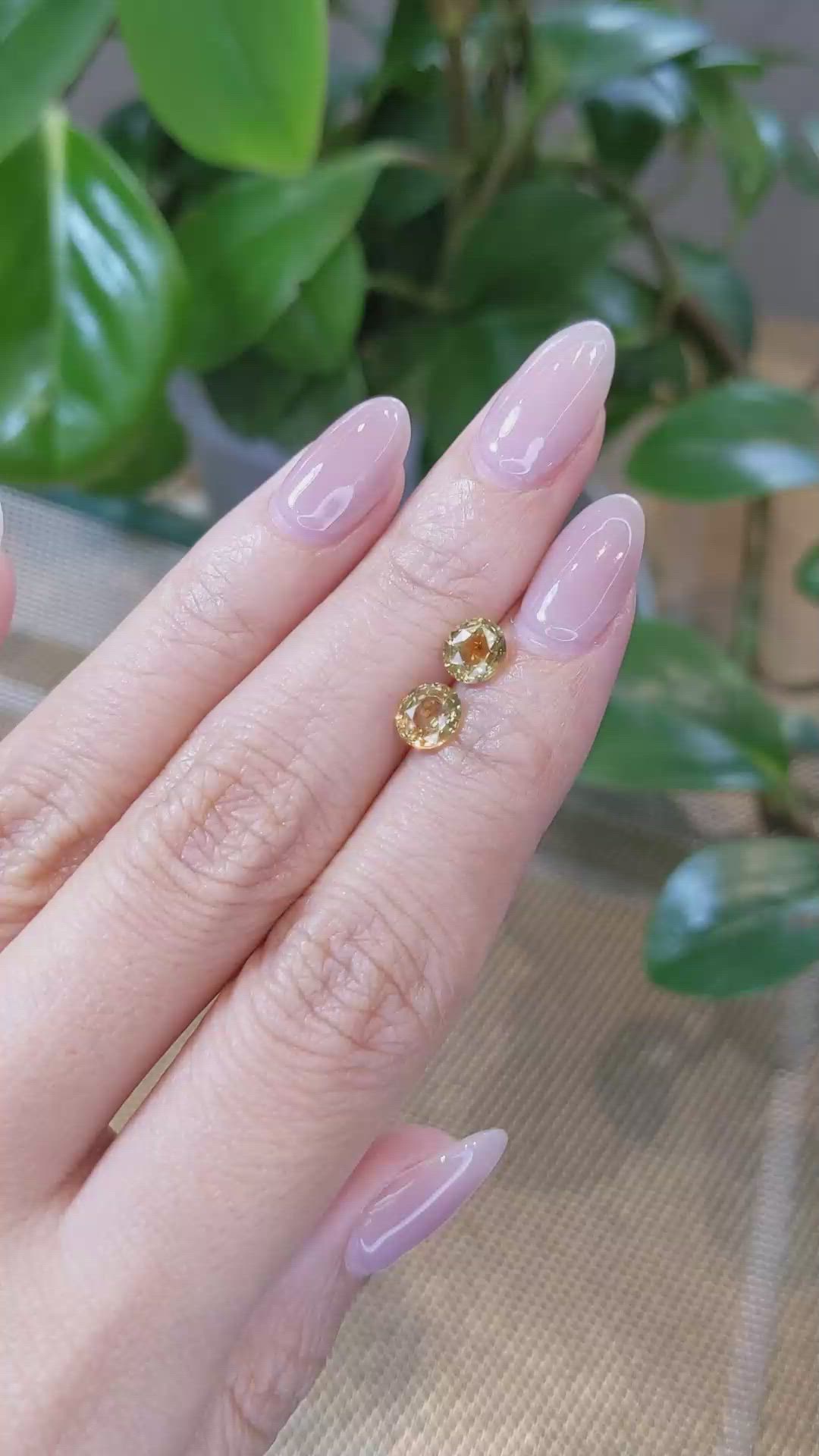
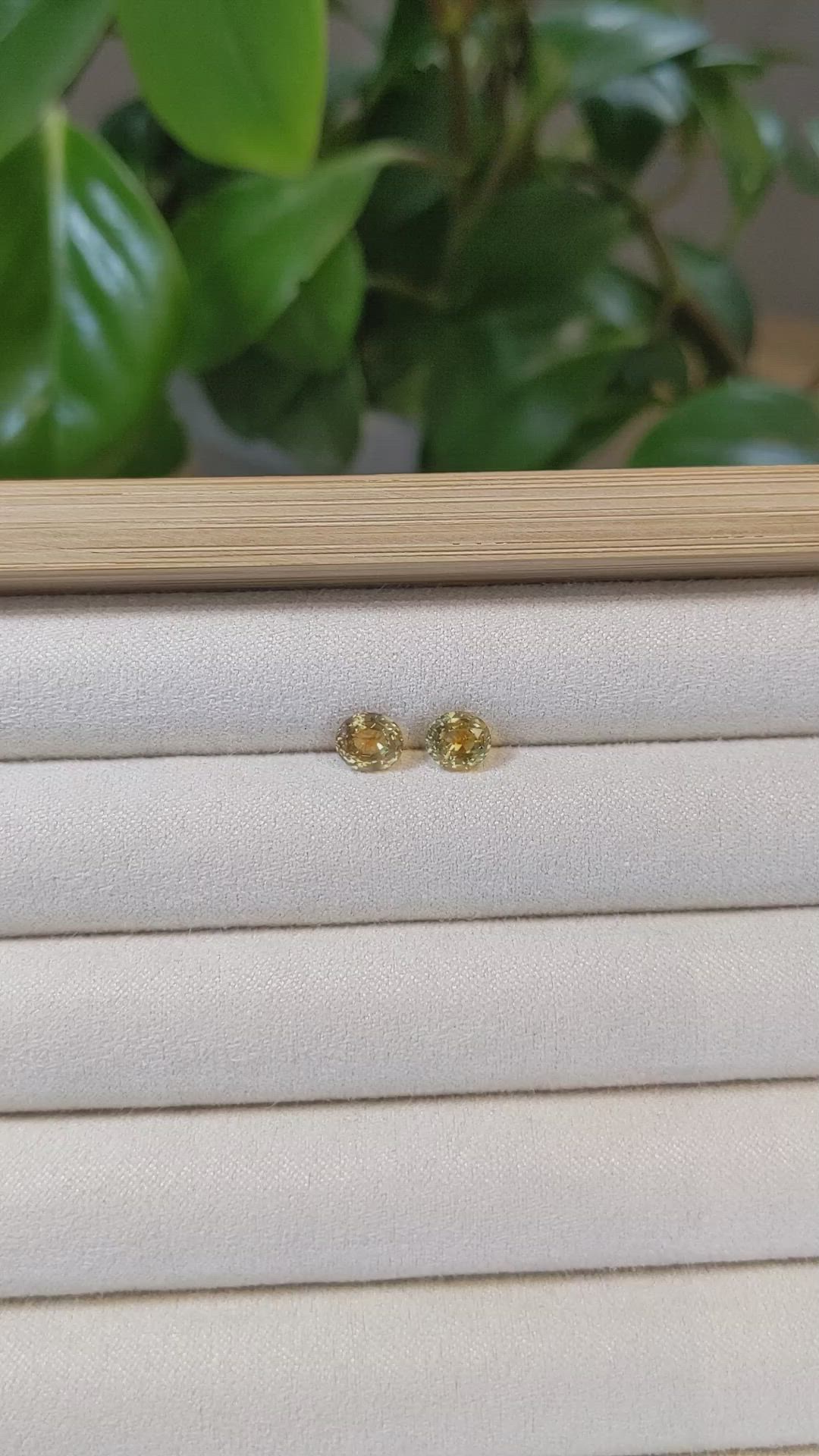


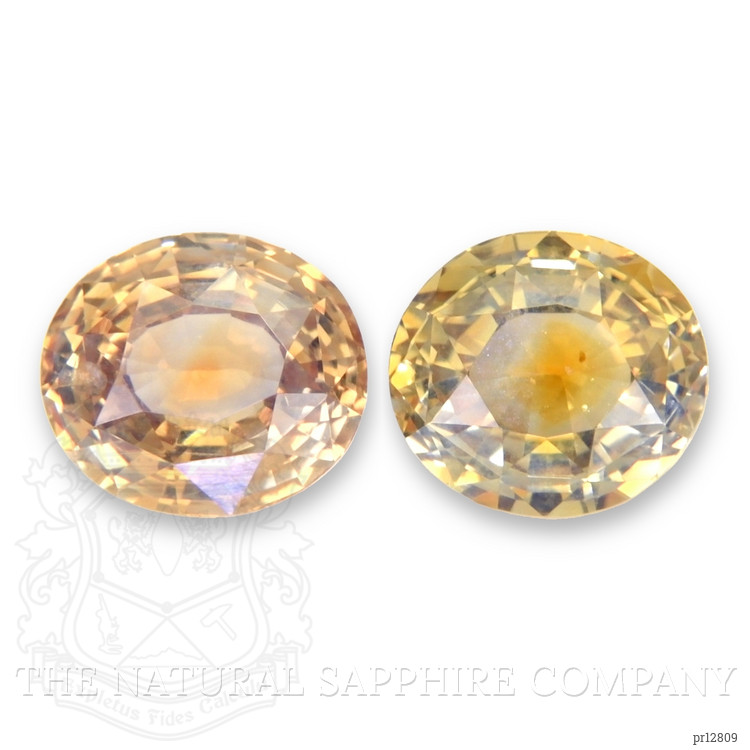


2.20 Ct.Tw.Total Carat Weight Bi Color Sapphire Pair from Montana
Stone type: | Sapphire | Sapphire |
|---|---|---|
Item ID: | PR12809 | PR12809 |
Dimensions (MM): help | Length: 6.14 Width: 5.35 Height: 3.64 | Length: 6 Width: 5.38 Height: 4.01 |
Weight: | 1.09 Ct. | 1.11 Ct. |
Color: help | Bi Color | Bi Color |
Color intensity: help | Medium | Medium |
Clarity: help | Very Very Slightly Included | Very Very Slightly Included |
Shape: help | Oval | Oval |
Cut: | Mixed Brilliant | Mixed Brilliant |
Cutting style: | Faceted | Faceted |
Enhancements: help | Heat Treated | Heat Treated |
Origin: help | Montana | Montana |
Per carat price: help | $760 | $760 |
This pair of Montana sapphires presents a technical combination of form and material integrity that will appeal to discerning buyers. Each stone is oval in outline, weighing 1.09 carats and 1.11 carats respectively, measuring 6.14 by 5.35 by 3.64 millimeters and 6.00 by 5.38 by 4.01 millimeters. Both are fashioned in a mixed brilliant cut, a faceting schema that employs a brilliant style crown to maximize return of white light, paired with a more structured pavilion that can include step elements to control color saturation and scintillation. The mixed brilliant approach in these pieces produces strong face up brightness while preserving the bi color zoning that defines their character. Clarity is graded as very very slightly included evaluated at eye level, which indicates minimal visible inclusions under casual inspection, and excellent polish confirms meticulous lapidary finishing. The stones have medium color intensity after heat treatment enhancement, a standard and stable enhancement method for Montana sapphires, and originate from Montana, a source known for producing sapphires with subtle, nature driven color transitions.
In gemological terms the defining feature of this pair is the bi color expression, which in these examples reads as warm yellow to soft peach in face up presentation. The paired stones exhibit consistent medium intensity across their surfaces, with localized zoning that shifts gently rather than abruptly. This gradient interacts with the mixed brilliant facet set to generate varied flashes of golden and champagne highlights at different viewing angles, an effect that is both visually interesting and technically precise. The crown facets are cut to balance table size with dispersion, permitting the secondary hue to remain visible even under strong light, while the pavilion geometry is tuned to return light through the warmer tones, enhancing perceived saturation without creating an overly dark appearance. The slight difference in pavilion depth between the two stones contributes to their individual personality, but the close match in carat weight, outline proportions, and polished finish ensures that they read as a cohesive pair when set side by side.
When compared to other matched gemstone sets the harmony in this pairing is distinctive because it relies on complementary tonal relationships rather than mirror image color uniformity. A matched pair of single tone blue sapphires emphasizes uniform color and saturation, and a pair of pink sapphires stresses chroma consistency. These Montana bi color sapphires instead create a duet of related hues, where the warm yellow and soft peach tones reinforce one another, producing a unified palette that reads as sophisticated and nuanced. In practical design terms the pair works especially well in settings that favor warm metals, where gold alloys will accentuate the yellow facets, and in open backed or halo settings that allow light to interact with the pavilion angles, revealing the bi color interplay. For designers seeking contrast, these sapphires provide a gentle complement to offset diamonds, where crisp white sparkle frames the colored stones without overpowering their subtler color story.
The Natural Sapphire Company presents these gems as a matched set suitable for precision ear studs, a balanced right left composition in a bespoke ring ensemble, or a coordinated pair in a three stone design where center and side stones play off of each other. From a craftsmanship standpoint the decision to use a mixed brilliant cut was intentional to preserve bi color zoning while achieving commercial face up brightness. The heat treatment reported is consistent with standard industry practice for Montana sapphires and serves to stabilize and enhance the medium intensity color without obscuring natural zoning. For clients who value technical integrity, the pair offers near symmetrical weights, tightly controlled proportions, an excellent polish grade, and clarity that is very very slightly included evaluated at eye level. If you are evaluating this pair against other matched sets, consider the effect you want to emphasize, uniform chroma or complementary tonality, and select mountings that either magnify the bi color transitions or provide a neutral frame, depending on your aesthetic objective.


