
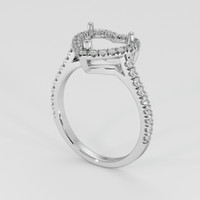
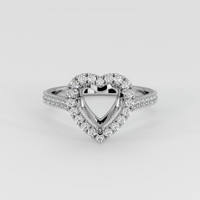
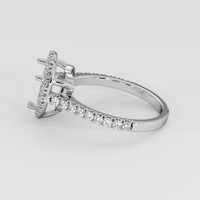
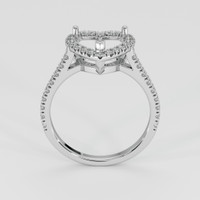
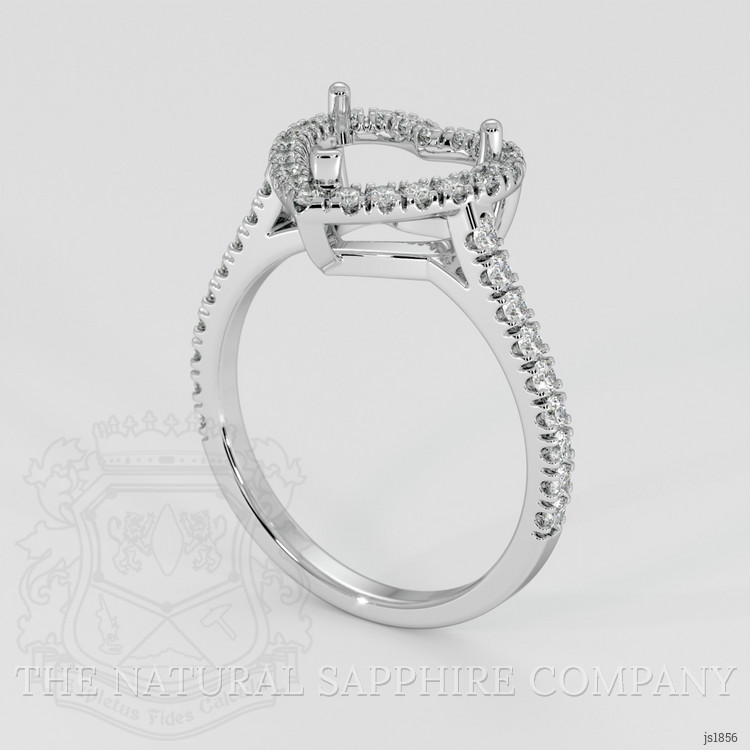
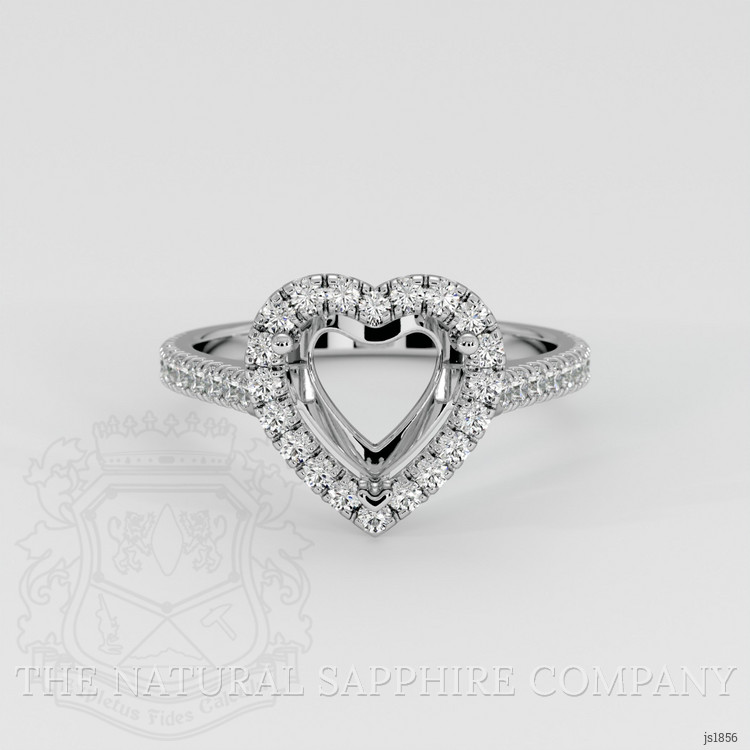
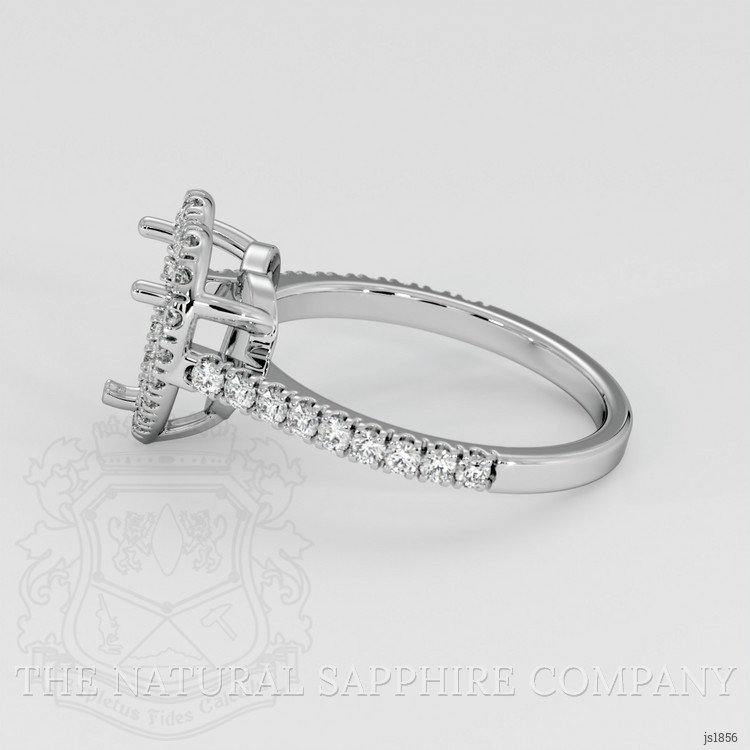
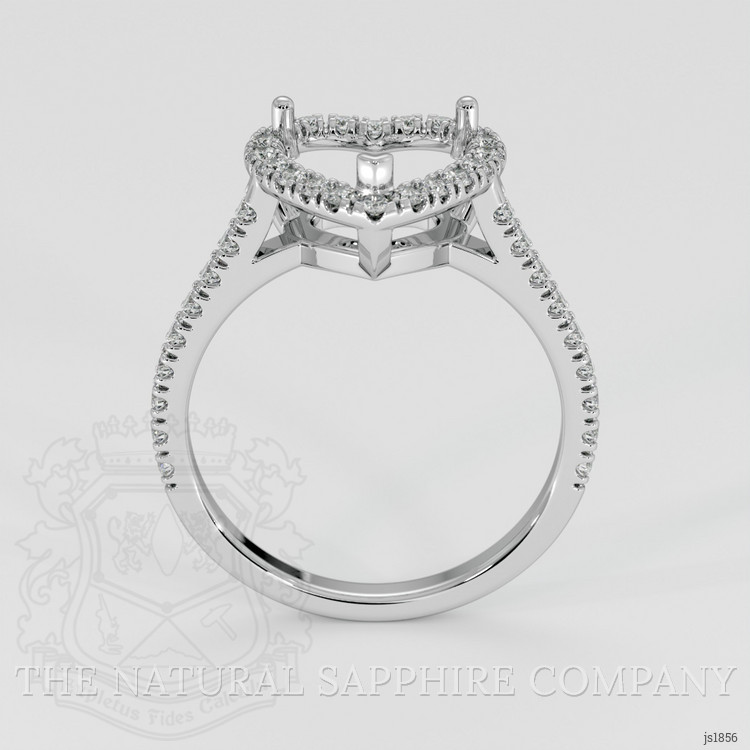
Silver Pave Ring Setting


The halo style is an optical and structural amplification of the center gemstone achieved by surrounding a primary stone with a concentric ring of smaller calibrated melee stones. In technical terms the halo acts as a secondary crown that increases the effective table diameter and enhances face up spread without altering the center stone s pavilion depth. When matched to a well cut center stone the halo redirects returned light from the pavillion back through the table and crown of the main gem producing a visually larger face up appearance and increased apparent brilliance. The halo layout requires precise seat geometry in the head to control bezel or prong height and to maintain consistent bezel lip engagement around the girdle of each melee. For faceted sapphires and rubies which are typically cut to a modified brilliant or mixed facet pattern, the halo is sized to complement crown angles so that the melee reflect into the center s crown facets. For step cut center stones such as classic emerald cuts the halo is often tightened to follow the silhouette thereby preserving the step facet reflections while increasing scintillation at the perimeter. The under gallery or basket is engineered with cross beams and a low profile seat to protect pavilion points from impact while allowing maximum light ingress and egress. The combination of prong geometry, crown height control, and calibrated halo diameter yields an eye catching ring that balances optical enlargement with structural integrity.
The pave style focuses on surface continuity through closely set small diamonds or gemstones that create a continuous field of scintillation along the shank, shoulders, or halo itself. Technically pave is achieved by either bead setting or micro prong setting where each melee is sited into a precisely cut seat and secured with multiple tiny grains of metal raised from the surrounding surface. The ideal pave uses melee with strict dimensional tolerances and consistent cut quality, typically very good to excellent cut grades for round brilliants in small sizes, and near colorless color grades when the intent is to maintain white light reflection. Tight setting spacing, minimal metal visible between stones, and uniform grain height are critical to achieve seamless sparkle and avoid light leakage at the girdles of the melee. For mixed metal options and two tone designs the setter will often use a white gold or platinum inset to maximize contrast and light return when using white melee, or a warmer rose or yellow gold seat to harmonize with fancy color melee. Micro pave requires high precision drilling and seat forming, often executed by CAD guided milling and then hand finishing, to ensure that each grain transfers load into the surrounding metal rather than into the stone s girdle in order to preserve long term security.
This custom ring setting integrates both halo and pave elements with engineering choices that enhance both security and brilliance of the chosen center stone whether that is sapphire, ruby, emerald, or another precious gemstone. The head is configured with four or six high profile prongs depending on the selected shape and faceting, each prong tapered and heat hardened, and their contact points polished and rounded to protect the girdle from chipping. For stones with deeper pavilions the seat depth is calibrated so that the girdle sits precisely at the designed plane, preventing rotation while maximizing internal reflection. The halo is set on a reinforced basket which distributes lateral forces into the shoulders and shank rather than into the prongs alone, and the gallery incorporates cross braces to guard pavilion tips. The pavé melee along the shoulders are set using bead setting techniques with grain thickness optimized to resist wear and to maintain stone retention under repeated torque cycles. Optical performance is maximized by pairing well proportioned melee with center stone faceting choices, using brilliant cut melee to augment scintillation for brilliant cut sapphires, and using tapered melee to follow curvature adjacent to step cut center stones, thereby creating controlled light interplay that increases perceived color intensity and fire.
Craftsmanship methods include initial CAD modeling and engineering analysis, three dimensional printed wax prototypes, lost wax casting in the selected precious metal option, and meticulous hand setting followed by ultrafine polishing and inspection under ten power magnification. Metal choices are selected to support both aesthetics and function. Platinum offers superior density and wear resistance for everyday settings and holds prongs securely over time, white gold when rhodium plated provides a bright reflective collar to the melee, rose and yellow gold warm the appearance and can intensify the visual saturation of rubies and certain sapphires, and two tone constructions allow strategic placement of white metal behind white melee for enhanced brilliance while preserving warm hue at the bezel. For emerald centers the seat accommodates typical clarity characteristics with a slightly more protective head and option for low profile bezel engagement. The ring is customizable to match specific faceting styles and color grading preferences, and each finished setting is load tested and inspected to ensure the highest standards of security and optical performance.

