
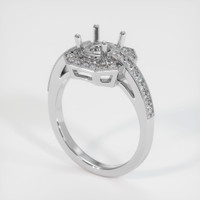
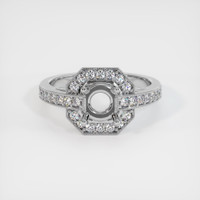
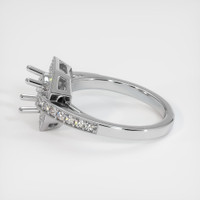
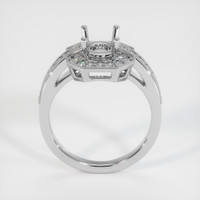
Silver Pave Ring Setting


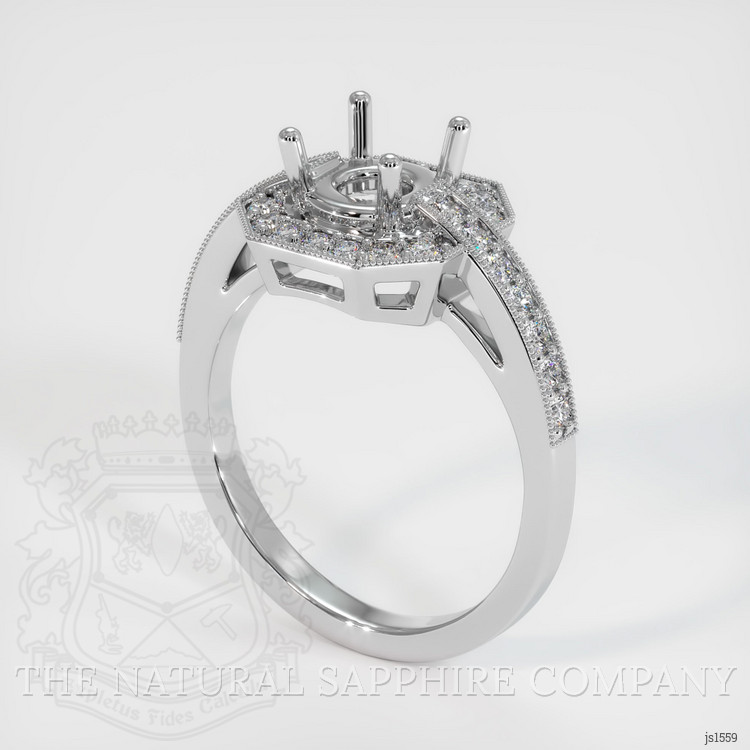
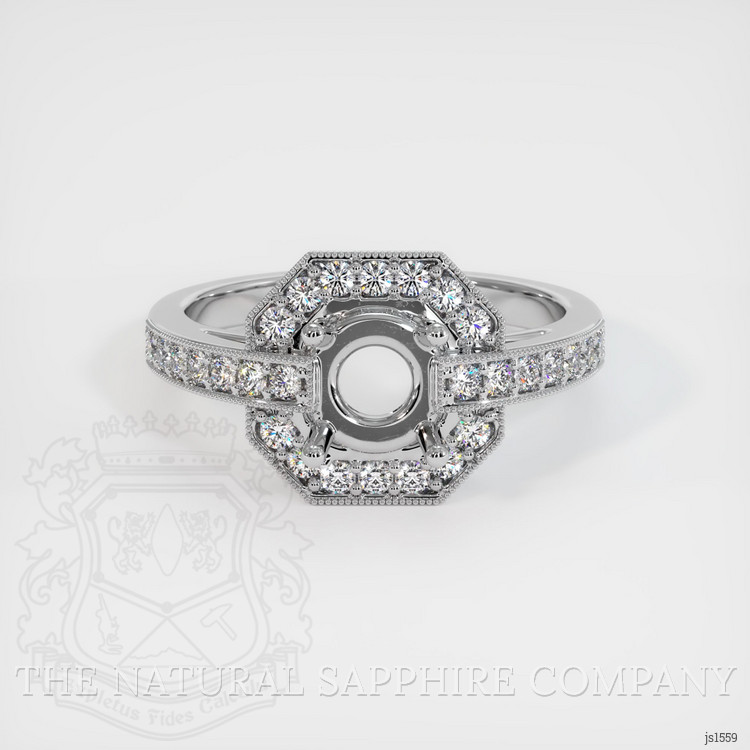
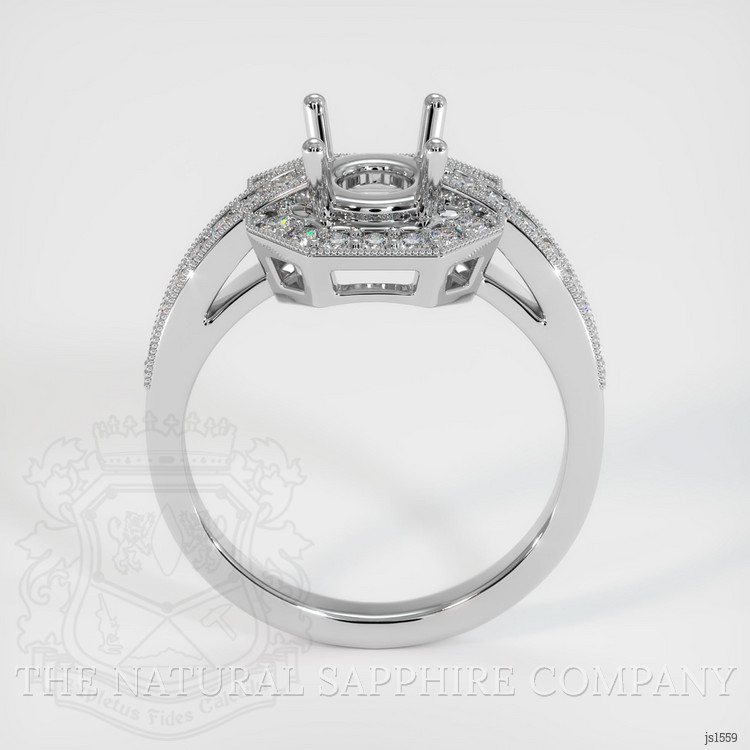
The halo style places a single center gemstone within a concentric ring of smaller stones, a configuration that increases apparent size and concentrates reflected light toward the center gem, enhancing its brilliance and presence. In this setting the center stone may be a sapphire, ruby, emerald, or other gemstone, each choice affecting optical interaction and color contrast with the surrounding accent stones. The halo may be circular, cushion, or geometric in plan, and can be designed to follow the exact outline of the center gem or to create a slightly larger optical outline for a more pronounced effect. Choice of metal, including rose gold, white gold, yellow gold, or platinum, alters the overall tone and perceived warmth of the piece. Rose gold imparts a warm, vintage leaning appearance that complements warmer red and blue tones, white gold and platinum offer a neutral, high contrast field that emphasizes color and dispersion, and yellow gold provides a classical, rich counterpoint that can enhance the depth of colored center stones. The halo ring of accents increases scintillation at multiple viewing angles, and when executed with consistent stone size and precise alignment, it produces a unified, eye catching silhouette that reads as a single, elevated plane of light surrounding the primary gem.
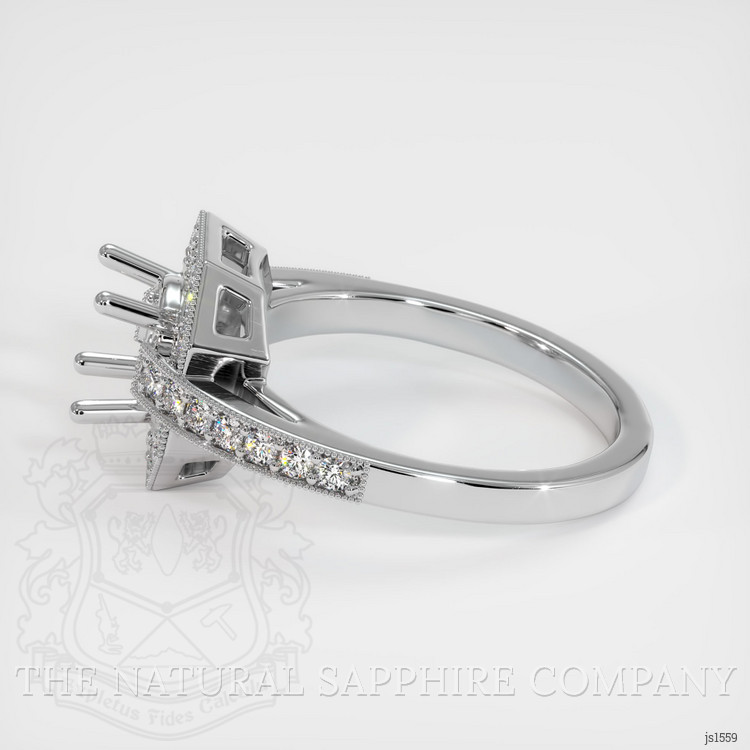
The pave approach employs closely set small diamonds or gemstones across the band, gallery, and sometimes the underside of the halo, creating a continuous surface of sparkle with minimal visible metal between stones. Stones are chosen for uniformity in diameter, cut proportion, and color grade to ensure seamless visual continuity, and they are secured using micro prongs or beads that are formed to gently embrace each stone while preserving maximum exposed crown for light return. On the shoulders of the ring the pave can be graduated or uniform, depending on whether a tapered optical transition toward the center is desired, and the depth of the stone seats is optimized to balance security with optical lift. The technique reduces apparent negative space and creates a surface that reads as a sheet of light from typical viewing distances, while close inspection reveals individual stones held in meticulously shaped seats. Pave requires strict tolerances in stone size and spacing, and the selection of accent diameters is coordinated with the center stone size and halo proportions to maintain visual harmony. For colored center gems such as sapphire, ruby, or emerald, pavé accents are commonly diamonds or complementary gemstones chosen to enhance or neutralize color, with the setting metal chosen to support the intended contrast and overall tone.
Design and refinement of this custom made ring setting follow a methodical sequence that balances aesthetic criteria with structural engineering and long term wearability. Initial design begins with a technical brief that records center stone options, target proportions, and preferred metal. Computer aided design models are developed to exacting tolerances, showing prong geometry, halo profile, pave placement, shoulder taper, and internal clearances. Prototypes are produced using additive manufacturing or wax carving, and these physical models are inspected for silhouette, ergonomic comfort, and the relationship between head height and gallery openness to permit cleaning access and light transmission. Structural considerations include prong thickness relative to gemstone hardness, seat depth to avoid stress fractures in brittle stones such as emerald, and platform reinforcement beneath the halo to prevent deformation, especially when cast in softer alloys. Once a prototype meets form and function criteria, stone setting trials confirm bead placement, prong integrity, and the uniform visual plane of the pavé. Finishing processes such as polishing, rhodium plating for white gold, and final dimension verification are applied, followed by a microscopic inspection and setting wrench test to certify security of all stones. Documentation of specifications, including metal type, recommended center gem dimensions, and care instructions, accompanies the finished setting to guide the subsequent setting of the chosen sapphire, ruby, emerald, or other gemstone, ensuring the completed ring performs reliably while preserving the intended refined and cohesive appearance.

