
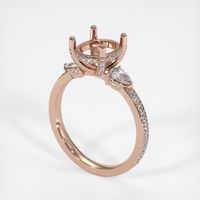
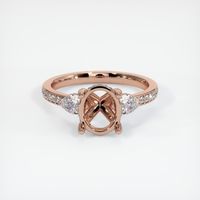
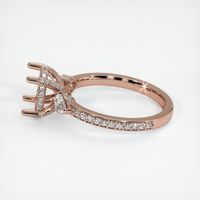
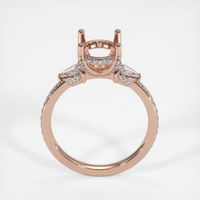
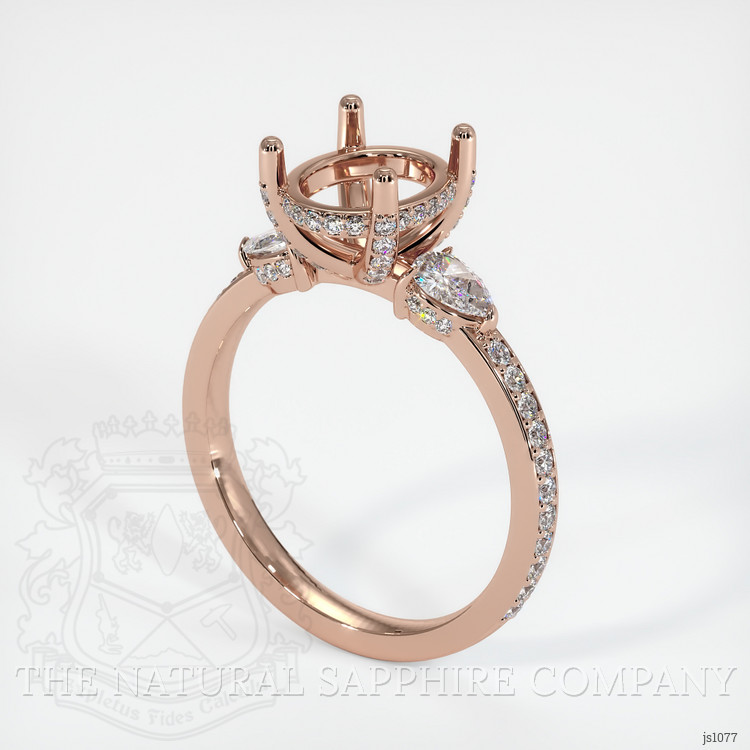
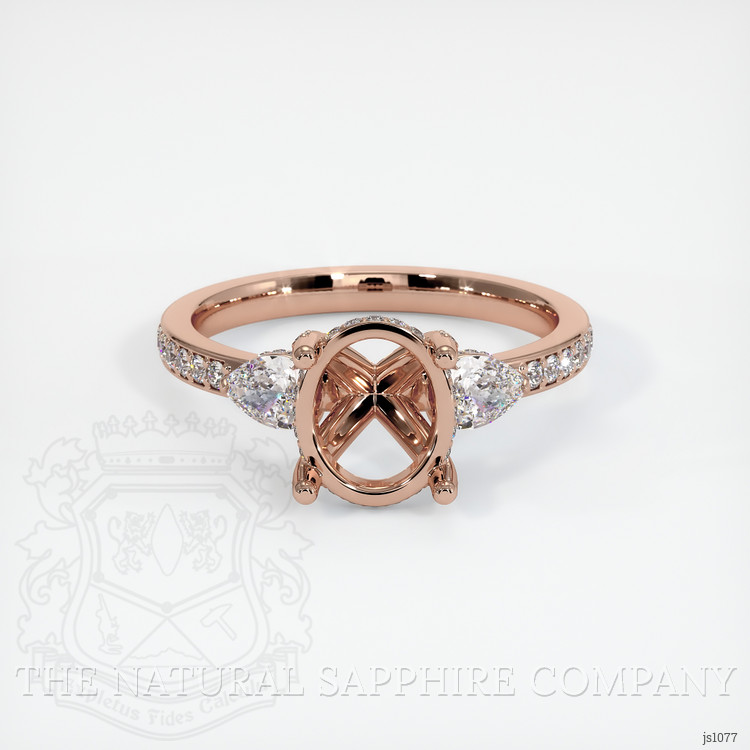
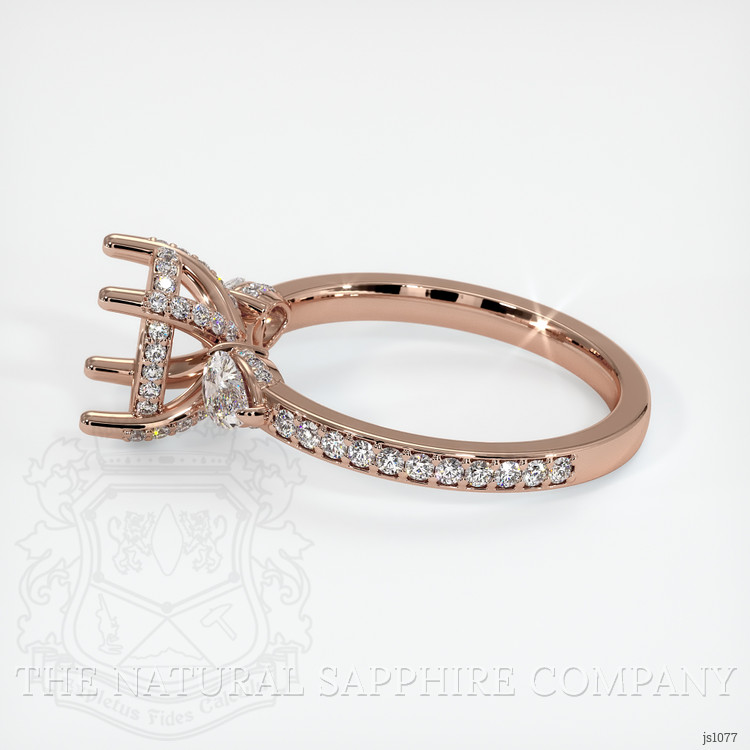
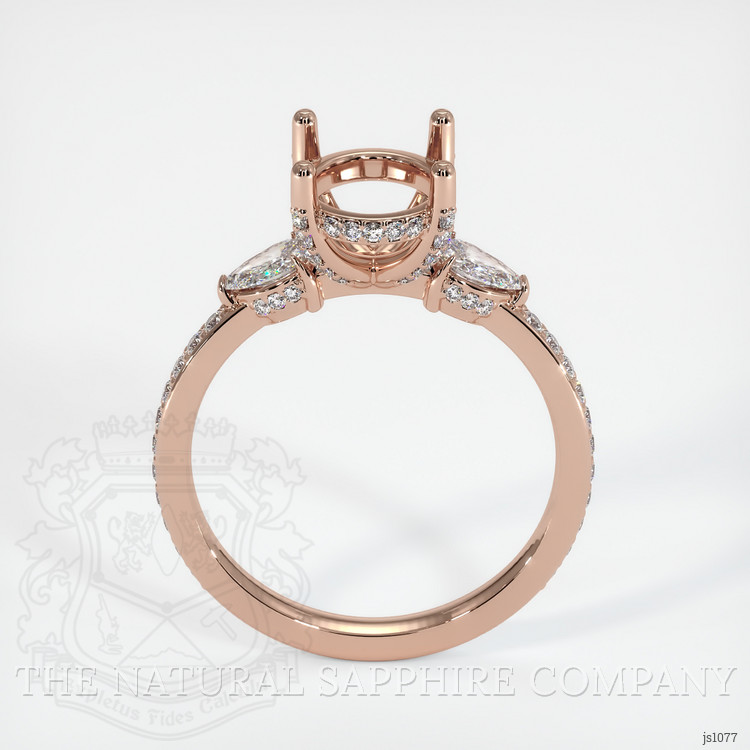

14K Rose Gold Three Stone Ring Setting


Pave is a setting technique that uses many small diamonds or gemstones set closely together to create the appearance of a continuous surface of sparkle, the term comes from the French word for paved, and the effect is deliberately seamless and elegant. In pave settings each tiny stone is seated into a small hole, then secured by minute beads or walls of metal that are pushed over the stone girdles, this construction minimizes visible metal and maximizes visible gem surface, and the result is a ribbon of light along a band or around a halo. For micro pave the stones are exceptionally small and set with extreme precision to produce a silky, glittering plane, and for standard pave the stones are slightly larger, offering a bolder scintillation while still maintaining a refined profile. When evaluating pave diamonds for quality, cut and surface condition matter more than absolute clarity for each tiny stone, because good cuts reflect light well even at small sizes, and clarity grades such as VS to SI are common and appropriate for pave work, as inclusions at the microscopic scale are rarely visible to the naked eye in stones under one point. The durability of a pave setting depends on the craftsmanship and metal choice, platinum or 18 karat gold provide the best longevity for the tiny beads that hold the stones, and regular inspection and occasional professional cleaning preserve the even sparkle and prevent loosening of the small stones.
The three stone style is a classic design that typically features a prominent center gemstone flanked by two complementary side stones, and beyond aesthetics this arrangement carries symbolic resonance, often described as representing past, present, and future. Proportion and harmony are essential in a three stone ring, the center stone is usually larger and takes the dominate visual role, while the two side pears or other shapes are chosen to balance weight and profile, and pear shaped side stones offer elegant tapering that draws the eye toward the center. For colored center stones such as sapphire, ruby, or emerald, color saturation, tone, and origin are primary considerations, and these gems are commonly evaluated by their hue, saturation, and clarity, with untreated or minimally treated stones commanding a premium. Sapphires and rubies are typically heat treated to enhance color, which is acceptable when disclosed, and origin reports such as Kashmir, Burmese, or Ceylon for sapphires and Burmese for rubies can add provenance value when present and certified. Emeralds historically contain more inclusions, known as jardin, and buyers should expect trade off between color and clarity, with eye clean emeralds being rare and valuable. In practice, a three stone composition with a hidden halo around the center gem enhances brilliance without changing the three stone narrative, because the hidden halo nests beneath the center, reflecting light upward and increasing perceived size while preserving the side stone silhouette.
This custom made ring setting is designed to combine three stone symbolism, a hidden halo, and a pave band to create a confident, luminous, and wearable piece, the setting is available in rose gold, white gold, yellow gold, or platinum, and it is engineered to accept a range of center stone types, including sapphire, ruby, emerald, or a custom gemstone chosen by you. The design includes four pear shaped side stones, paired to flank the center and oriented to harmonize with the hidden halo and the profile of the gallery, the gallery is open to allow maximum light entry under the center stone, and the prong structure secures the main gem while maintaining a delicate silhouette. For a discerning buyer who values technical specifics, recommended diamond grades for the pave and side stones are color G to H for a near colorless appearance, and clarity VS to SI to balance cost and eye cleanliness, for diamonds certified by a laboratory such as GIA or AGS the grading information offers objective assurance. For colored center gems, I recommend requesting a laboratory report when possible, GIA or AGL reports identify treatments, and documentation of origin or treatment increases transparency and long term value. The hidden halo is set with the same attention to matching color and cut as the band, because consistent sparkle and tone across tiny stones produces a cohesive optical effect.
Wearing this setting conveys elegance and confidence through deliberate design choices and rigorous standards for craftsmanship and gemstone selection, the warm tones of rose gold complement the deep red of a ruby and the velvety blue of a sapphire, while white gold or platinum emphasizes contrast and maximum brilliance for diamonds and lighter colored gems. Platinum is advisable for clients seeking ultimate durability and minimal maintenance, because platinum prongs hold stones securely over time and the metal will not wear away as quickly as lower karat alloys. From a valuation perspective, the ring combines several desirable attributes, a timeless three stone composition, a pave band that amplifies scintillation without overpowering the center, and provenance and grading documentation for the chosen gems, these factors contribute to both aesthetic satisfaction and market confidence for educated buyers. We offer bespoke adjustments, including center stone size recommendations based on the intended carat weight and finger proportions, and consultations to select the best gem based on clarity, color, cut, and origin, the result is a ring that reads as both an intimate symbol and a well considered investment in fine jewelry craftsmanship.

