
- Stone12
- Reports2
-various-blue-sapphire-8.1400-cts-s37940-1.jpg?d=200x200&v=20260224060334)
-various-blue-sapphire-8.1400-cts-s37940-lifestyleimage-1.jpg?d=200x200&v=20260225045436)
-various-blue-sapphire-8.1400-cts-s37940-lifestyleimage-2.jpg?d=200x200&v=20260225045436)
-various-blue-sapphire-8.1400-cts-s37940-lifestyleimage-3.jpg?d=200x200&v=20260225045436)
-various-blue-sapphire-8.1400-cts-s37940-1.jpg?d=750x750&s=nsc&v=20260224060334)
-various-blue-sapphire-8.1400-cts-s37940-lifestyleimage-1.jpg?d=750x750&s=nsc&v=20260225045436)
-various-blue-sapphire-8.1400-cts-s37940-lifestyleimage-2.jpg?d=750x750&s=nsc&v=20260225045436)
-various-blue-sapphire-8.1400-cts-s37940-lifestyleimage-3.jpg?d=750x750&s=nsc&v=20260225045436)
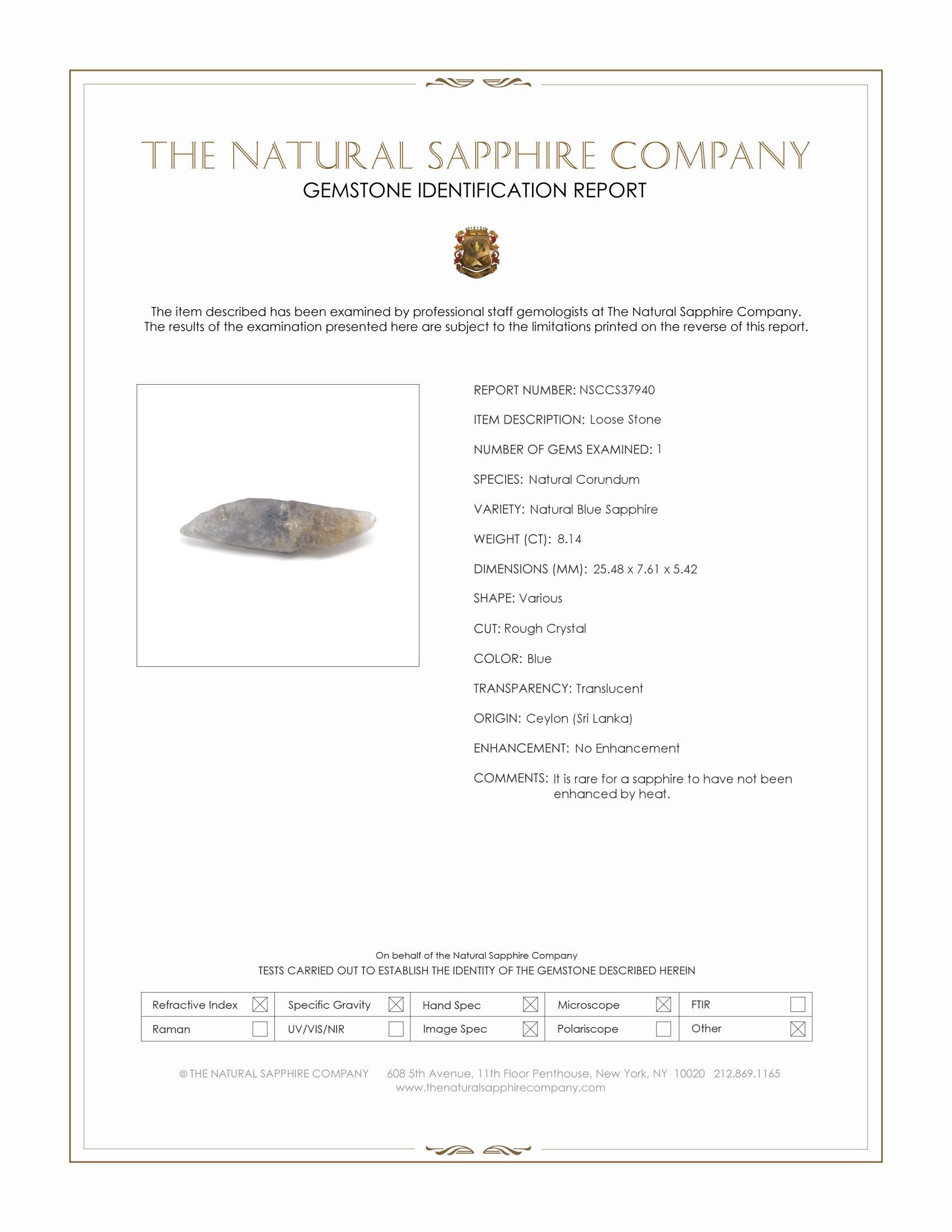
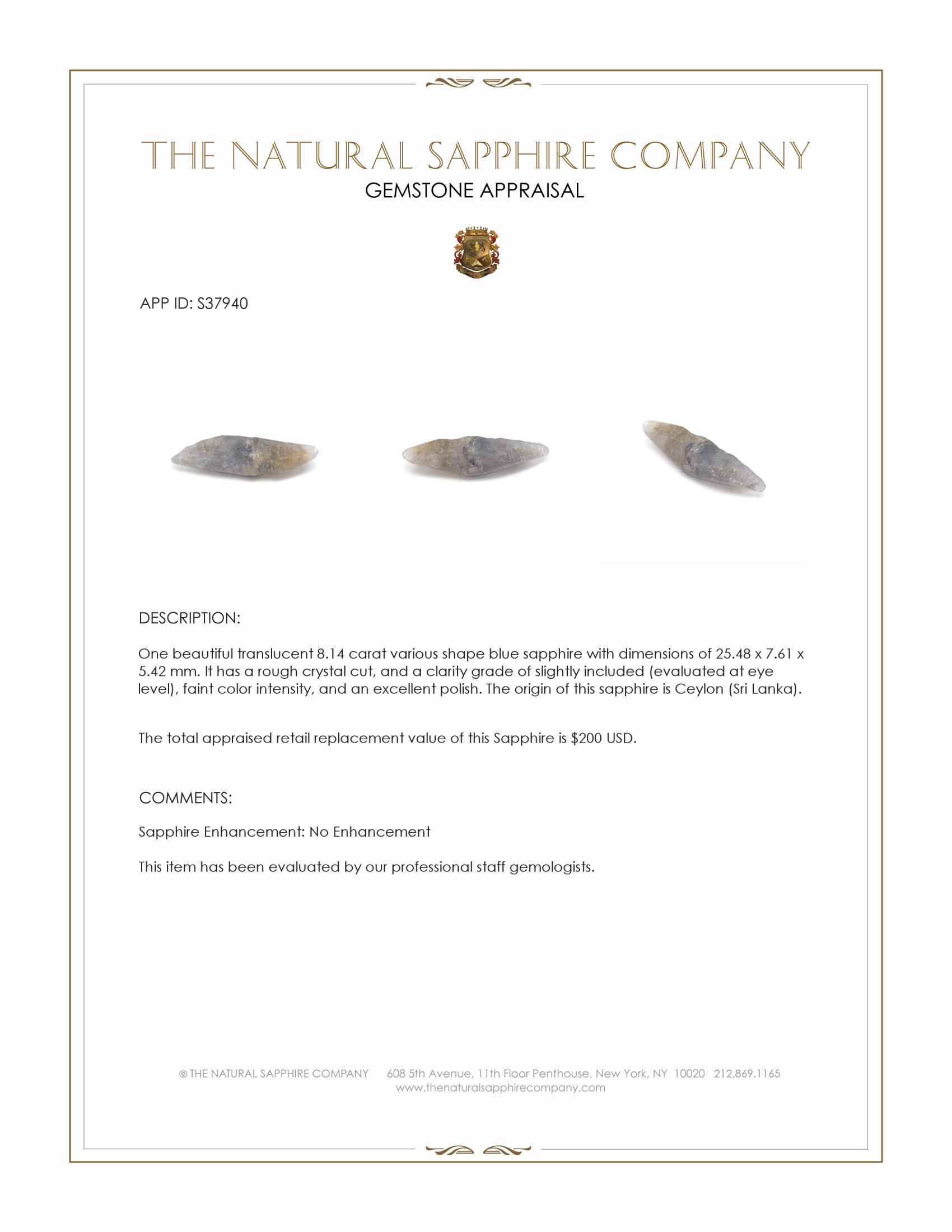
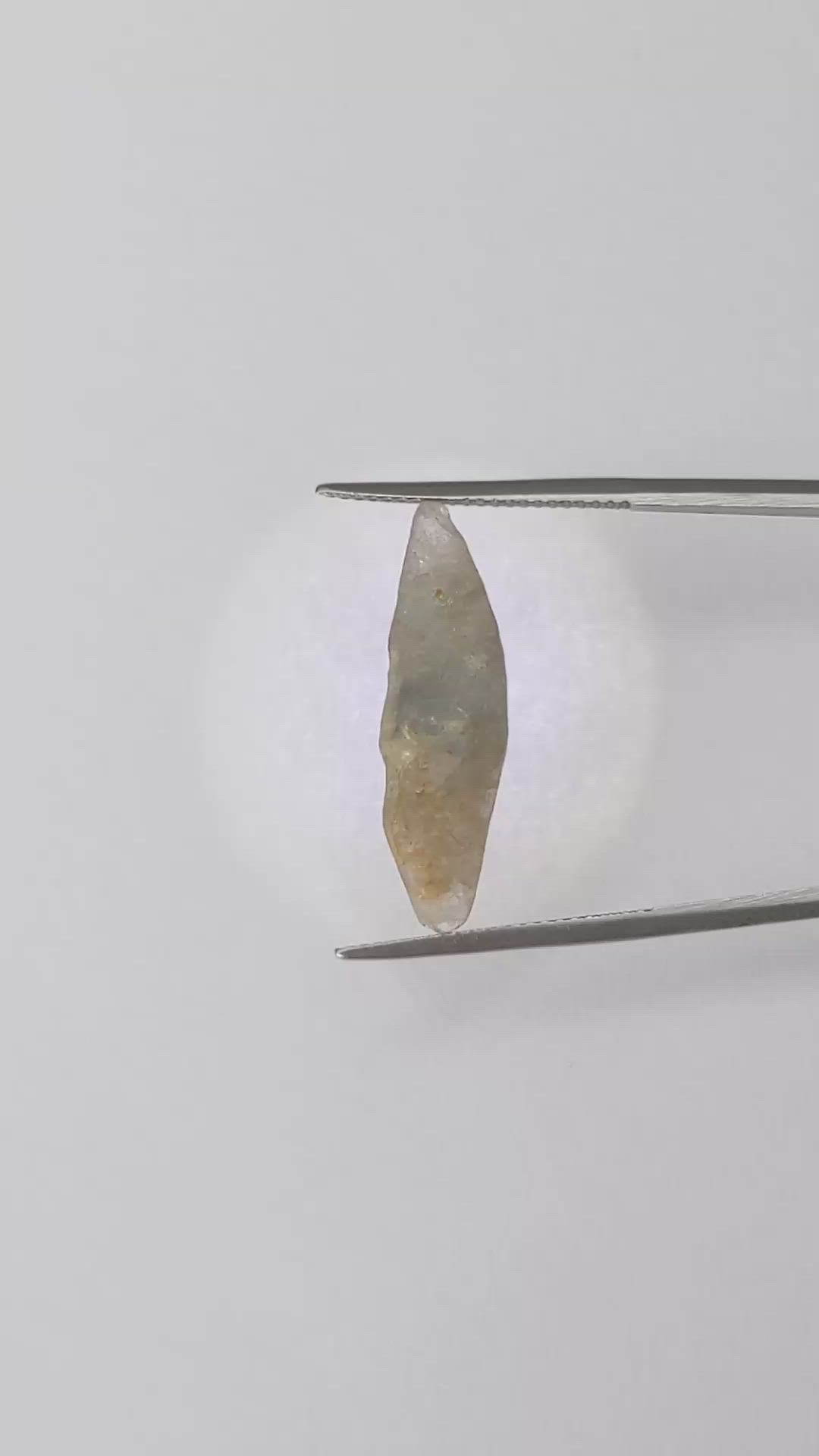
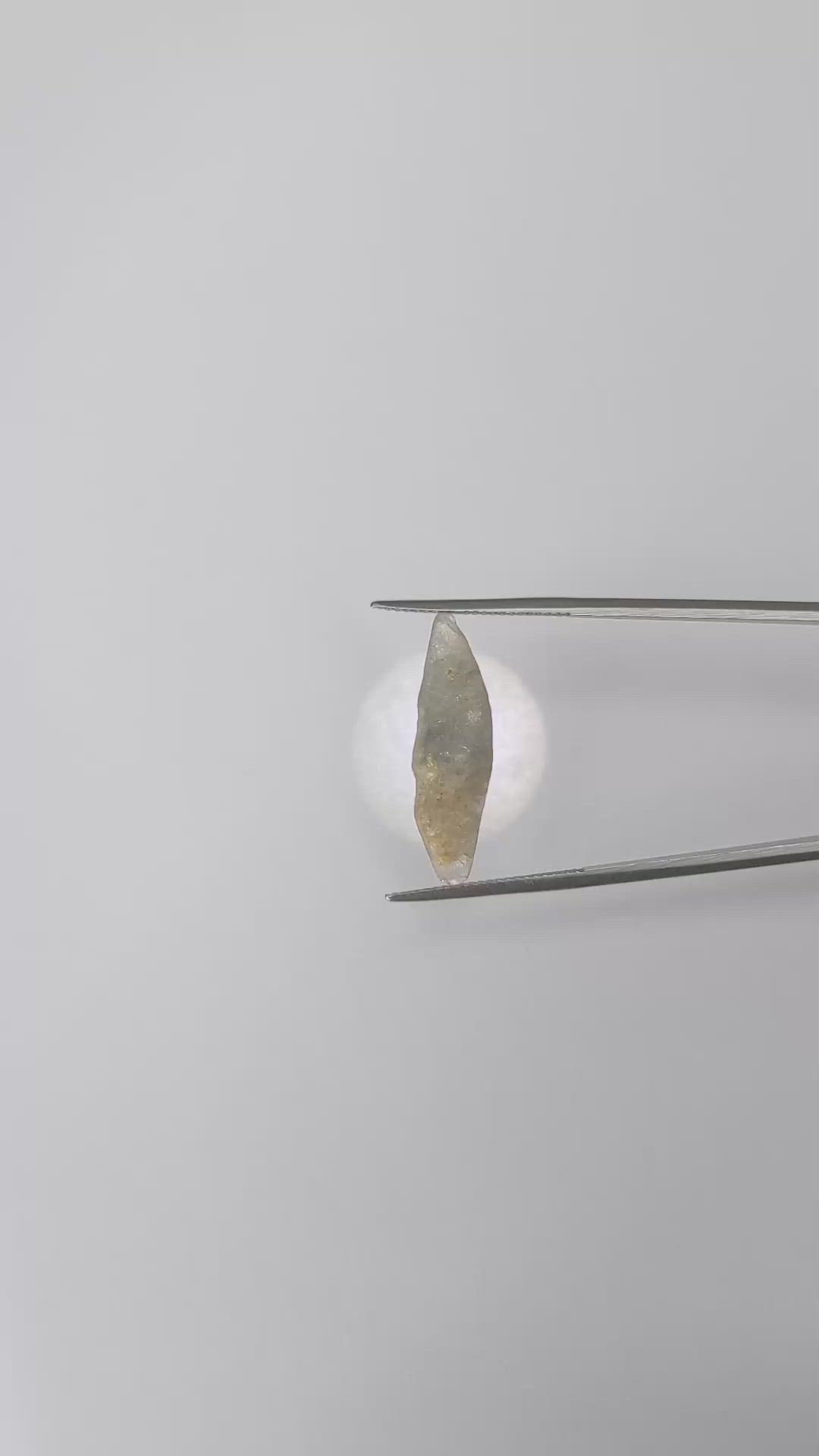
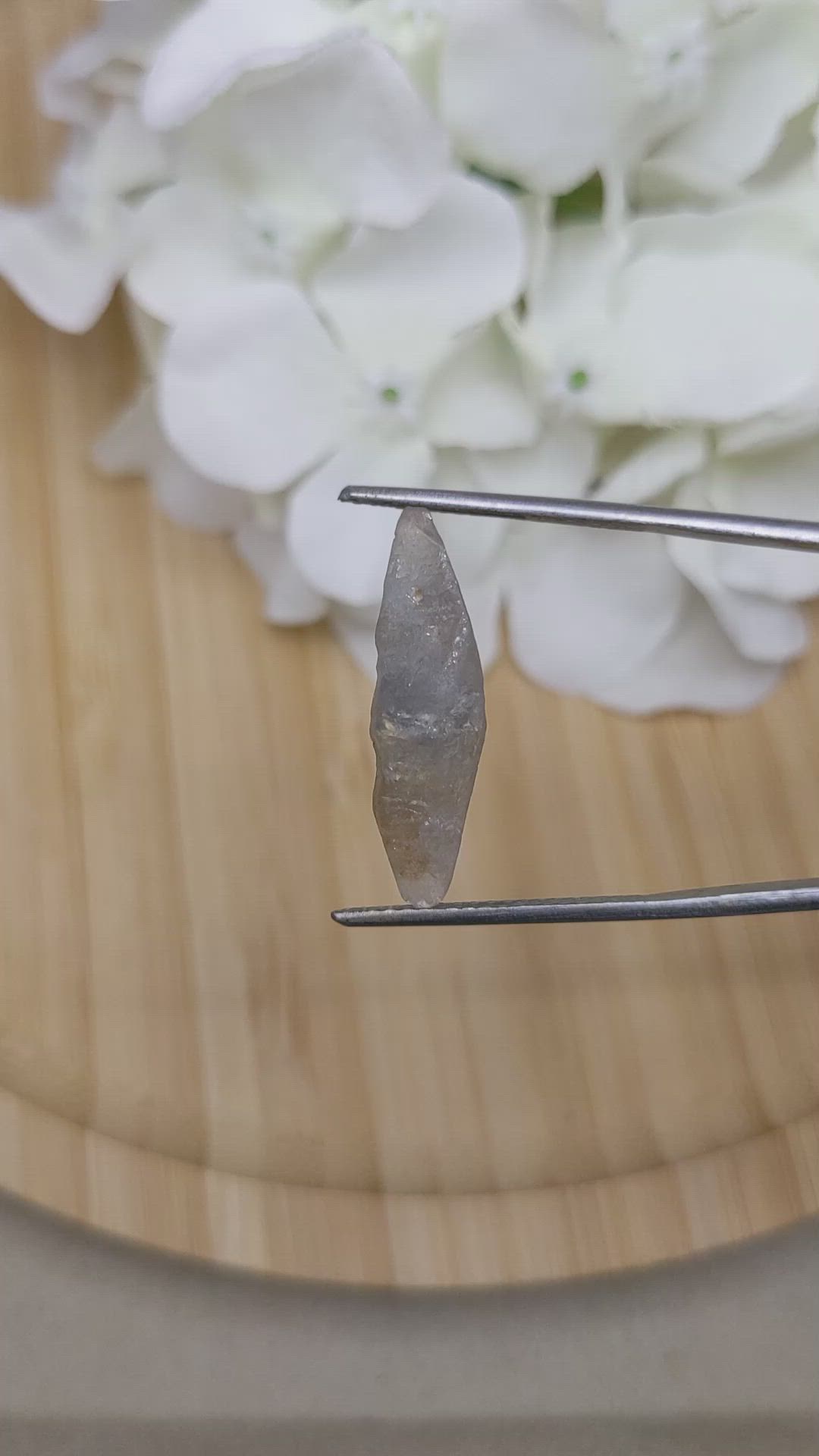
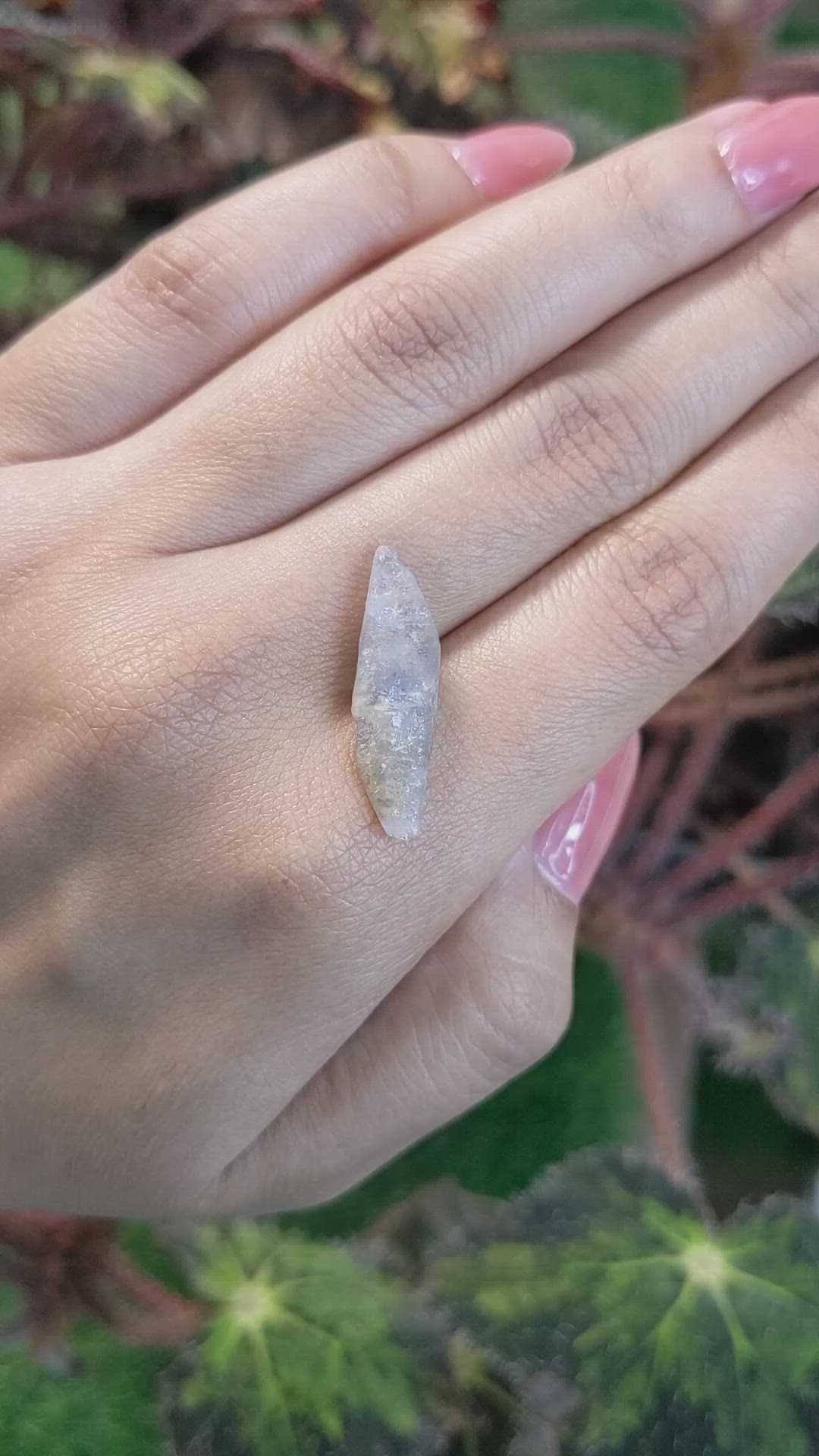
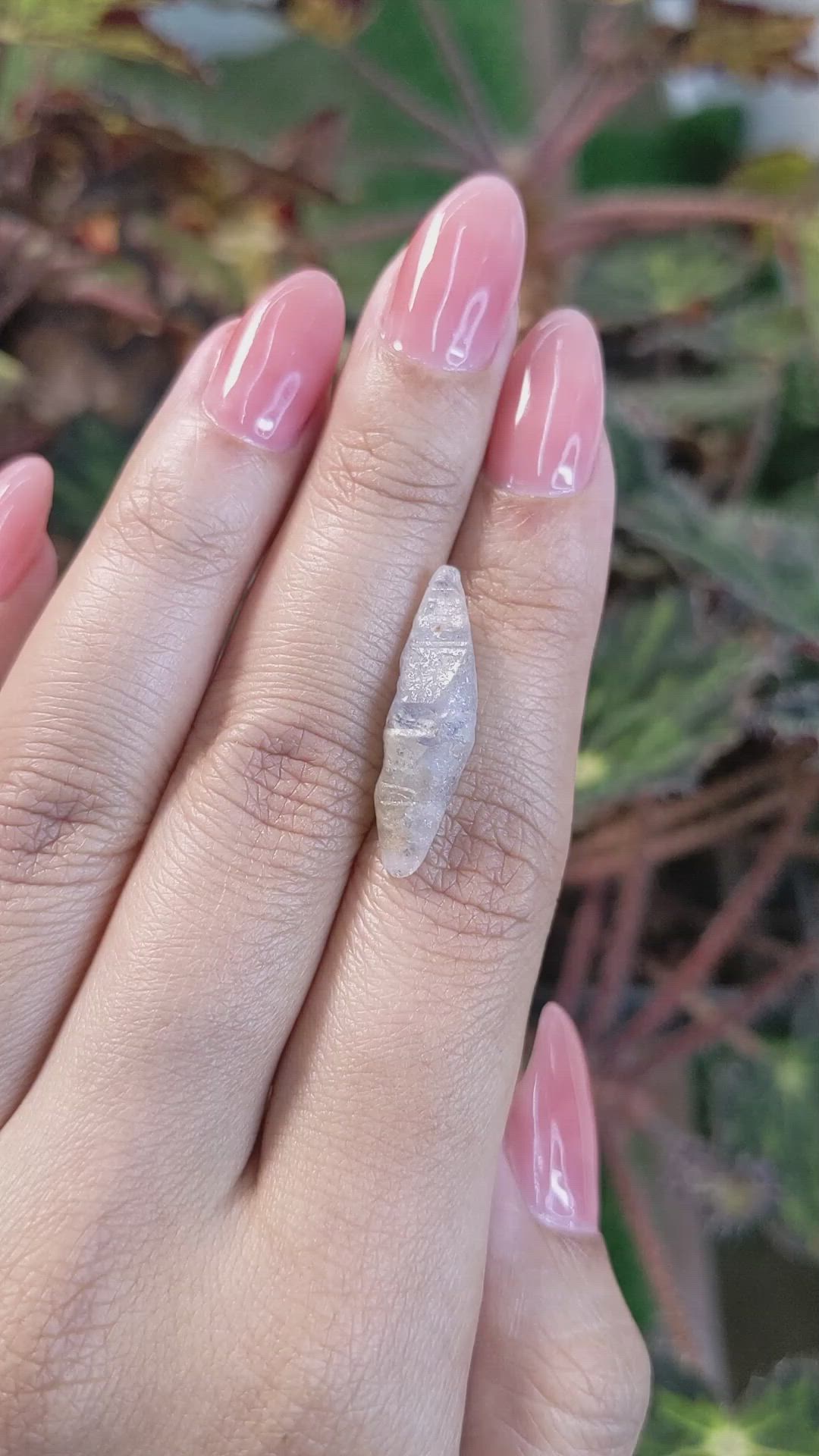
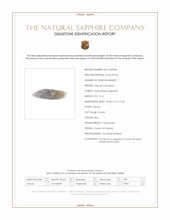
8.14 Ct. Blue Sapphire Crystal from Ceylon (Sri Lanka)
This loose stone ships by Apr 13
Item ID: | S37940 |
|---|---|
Dimensions (MM): help | Length: 25.48 Width: 7.61 Height: 5.42 |
Weight: | 8.14 Ct. |
Color: help | Blue |
Color intensity: help | Faint |
Clarity: help | Slightly Included |
Shape: help | Various |
Cut: | Rough Crystal |
Cutting style: | Crystal |
Enhancements: help | No Enhancement |
Origin: help | Ceylon (Sri Lanka) |
Per carat price: help | $25 |
This natural Ceylon sapphire, presented by The Natural Sapphire Company, weighs 8.14 carat, and measures 25.48 x 7.61 x 5.42 mm, and exhibits a various shape with a rough crystal cut. The stone is translucent, with a faint blue color intensity and a clarity grade of slightly included when evaluated at eye level, and an excellent polish that refines the stone surface without masking its natural crystalline character. This sapphire is untreated, with no enhancement, and retains the structural and optical signatures associated with material sourced from Sri Lanka, also known historically as Ceylon. The rough crystal cut preserves the original crystal outline and natural terminations of the corundum, while selective polishing along the principal faces enhances light return, resulting in a balance between organic form and controlled brilliance. The overall presentation emphasizes the material provenance, the unaltered state of the gem, and the dimensions that make this piece suitable for bespoke artisan settings where the original crystal silhouette can be showcased.
The character of the sapphire is rooted in its corundum structure, a dense and robust aluminum oxide framework that crystallizes in the trigonal system, and this structure governs the way light interacts with the gem. The relatively high refractive index of corundum causes significant bending of incoming light, and when combined with the internal geometry of natural crystal faces and the intentional polishing of select planes, it produces repeated internal reflections that manifest as scintillation and depth. The rough crystal cut in this specimen preserves an array of planar surfaces and natural facets, creating a complex network of reflecting planes that scatter and redirect light across a range of angles, and this complexity yields a lively interplay between brilliance and dispersion as the stone moves. Additionally, sapphires commonly exhibit pleochroism, the property of showing different colors or intensities along different crystallographic axes, and in this sapphire that effect contributes to a dynamic display of subdued blue tones that shift with orientation, producing visual movement that complements the stone surface luster. Slight inclusions, visible at eye level, interact with the transmitted light by creating soft internal contrasts and localized light diffusion, and in combination with the translucent body they produce a subtle internal glow rather than blocking light, a quality that distinguishes naturally formed crystal cut material from heavily faceted, laboratory altered stones. The result is a sparkle that feels integrated with the stone, a structural brightness anchored in natural geometry rather than exclusively in human imposed facet patterns.
For reference, opal type, White Opal, is characterized by a pale, milky body tone and a diffuse internal structure that generates play of color across a broad spectrum when light meets the silica spheres that form its microstructure. White Opal complements the soft translucency and faint blue of the sapphire by providing a contrasting body color and a delicate, opalescent flash that reads differently from the refractive driven sparkle of corundum. When setting this Ceylon sapphire in a piece that also incorporates White Opal, designers typically orient the sapphire so that its elongated crystal profile and polished faces interact with ambient light to emphasize its internal reflections, while the White Opal contributes a complementary field of color and textural contrast. The Natural Sapphire Company recommends mounting approaches that protect the stone while allowing light access to its principal faces, for example variations of bezel and low profile prong settings that follow the natural outline and preserve the terminations. Routine care involves avoiding harsh chemical cleaners and high heat, and using gentle warm soapy water and a soft brush for cleaning. This example represents a specimen where natural structure and minimal human intervention combine to produce a distinct optical presence, and the detailed measurements, clarity evaluation, polish assessment, origin, and untreated status are provided to support considered selection for bespoke jewelry projects.


