
- Stone6
- Reports2
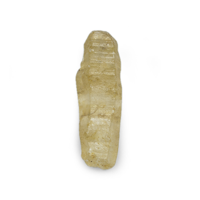


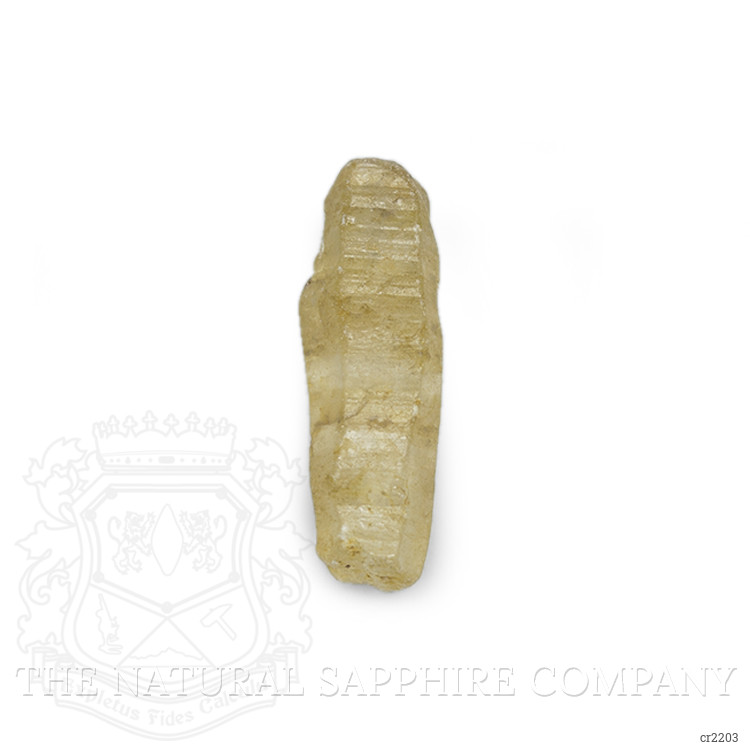
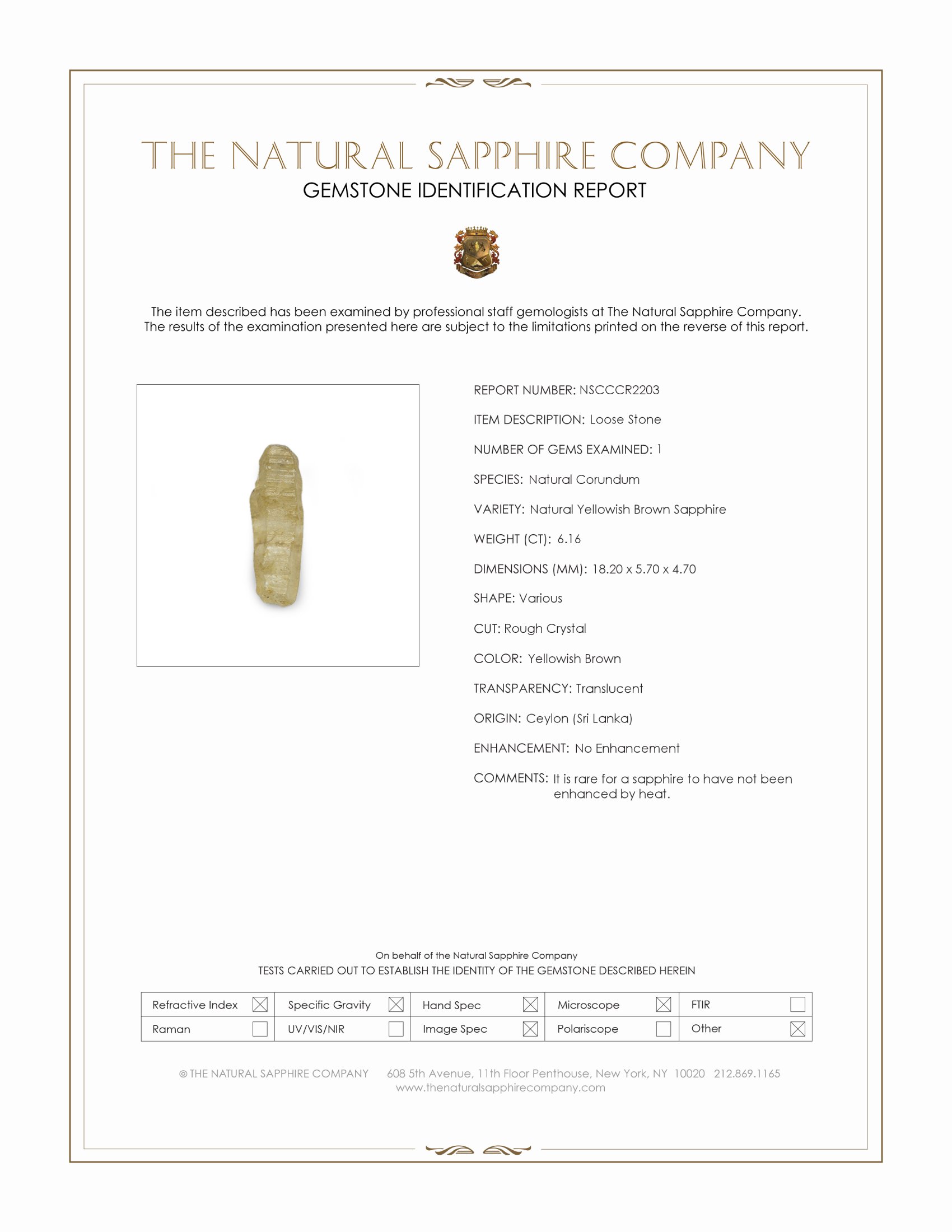
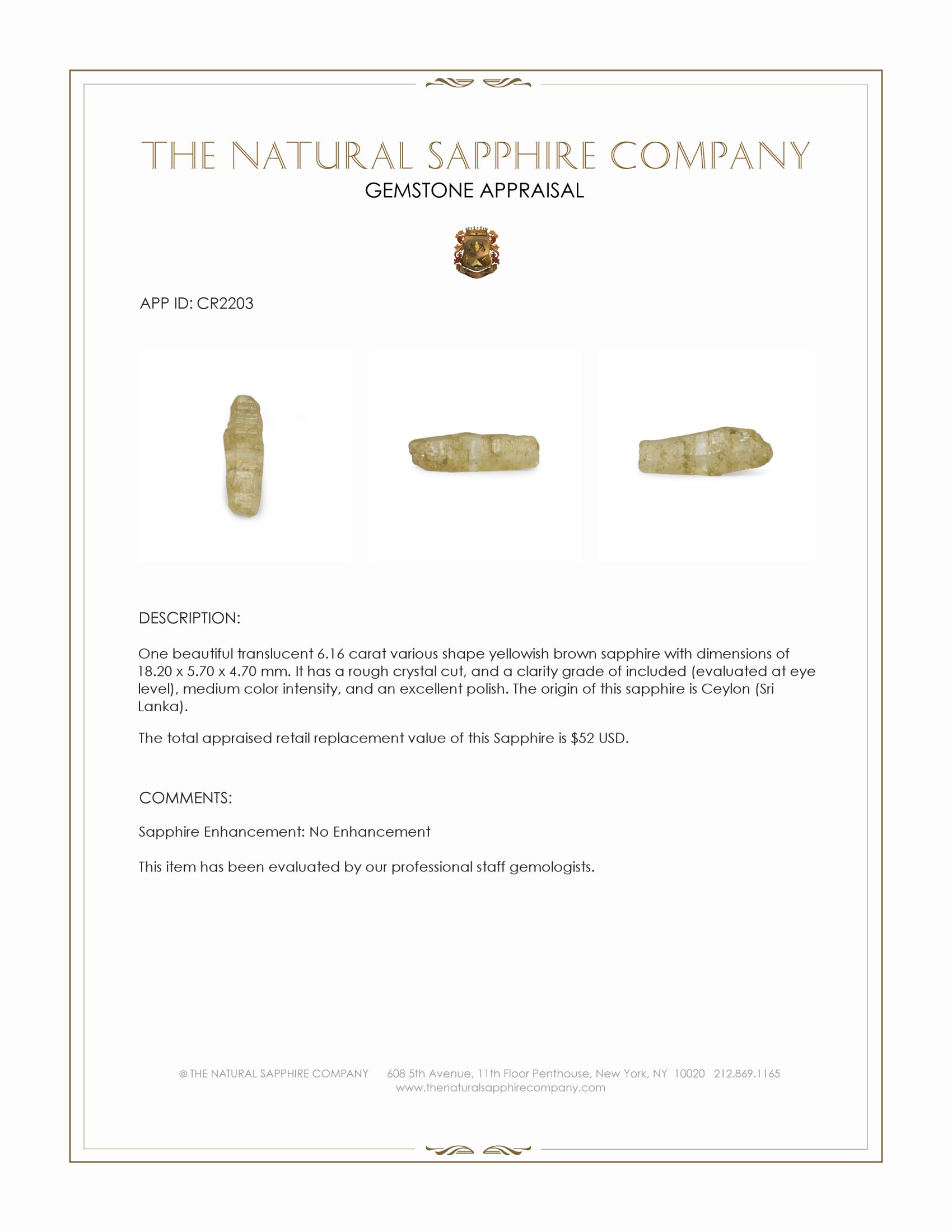
6.16 Ct. Yellowish Brown Sapphire Crystal from Ceylon (Sri Lanka)
This loose stone is available to ship now
Item ID: | CR2203 |
|---|---|
Dimensions (MM): help | Length: 18.2 Width: 5.7 Height: 4.7 |
Weight: | 6.16 Ct. |
Color: help | Yellowish Brown |
Color intensity: help | Medium |
Clarity: help | Included |
Shape: help | Various |
Cut: | Rough Crystal |
Cutting style: | Crystal |
Enhancements: help | No Enhancement |
Origin: help | Ceylon (Sri Lanka) |
Per carat price: help | $8 |
This translucent yellowish brown sapphire, weighing 6.16 carats, presents a striking example of a natural corundum specimen preserved in a rough crystal cut, with dimensions 18.20 x 5.70 x 4.70 mm. The elongated various shape mirrors the original prismatic habit of the crystal, and the segment retains multiple natural faces that have been refined rather than fully faceted into a conventional brilliant or step cut. Clarity is graded included at eye level, and the stone exhibits internal features that are typical of Sri Lankan sapphires, including minute oriented inclusions and growth zoning. Color intensity is medium, allowing both body color and internal light phenomena to be appreciably visible. Enhancement status is none, the origin is Ceylon Sri Lanka, and the surface condition is described as excellent polish, indicating that the natural crystal faces and any fashioned facets have been carefully finished to optical quality by master lapidaries.
From an optical engineering perspective the rough crystal cut of this sapphire provides a different light behavior compared with traditional faceted stones. Rather than relying on a symmetric arrangement of pavilion and crown facets to return light to the viewer, this specimen preserves planar prism faces and termination planes that reflect and transmit light according to their orientations relative to the incident beam. The corundum refractive index, approximately 1.76 to 1.77, establishes a critical angle for total internal reflection near 34 degrees, and the preserved natural faces can create a mix of specular reflection and internal refraction. When oriented in a lighting field the long axis acts as a light guide, channeling rays along the crystal prism and producing linear reflections that emphasize the stone length, while the polished terminations act as planes that redirect light back to the eye. The excellent polish enhances surface reflectivity, minimizing diffuse scattering at the air interface, and thereby maximizing contrast between transmitted color and reflective highlights. In practical terms this means the sapphire will display a combination of subdued internal glow and bright surface flashes, with the natural facets creating a characterful, crystalline luster that is distinct from a fully faceted sapphire.
The internal characteristics and translucency are integral to the gem s optical personality, and they play a direct role in how the cut enhances light performance. The included clarity grade indicates the presence of features that scatter light within the body, producing a soft diffusion that integrates with the medium color intensity to yield a warm yellowish brown tone with subtle depth. Oriented inclusions can act as microreflectors, introducing internal points of light that animate when the stone is moved, and growth zoning may cause slight variations in color saturation along the length, which is often sought after in collector grade rough crystals. The combination of corundum s low to moderate birefringence, typically around 0.008 to 0.010, and the elongated crystal habit may produce mild pleochroic effects under polarized light, revealing different relative intensities of yellow and brown along orthogonal axes. Because the piece is untreated, the viewer experiences the natural balance between absorption, scattering, and reflection, offering an authentic optical signature of a Ceylon origin sapphire. The excellent polish ensures that these optical effects are not masked by surface irregularities, and that the natural planes act as efficient interfaces for both light ingress and egress.
For setting and design considerations intended to exploit the cut s light reflective properties the recommendations are precise. Orient the stone with its primary prism axis aligned near parallel to the major direction of incident light, such as in an open bezel or channel mount that allows light to enter from the top and sides. A low profile setting that secures the stone at two points along its length will preserve the visibility of the terminal planes and the prism faces, while a minimal metal presence along the long sides will let the natural linear reflections develop fully. When incorporating accent stones choose smaller brilliant cut sapphires or diamonds that will provide point source highlights. These highlights will interact with the crystal s planar reflections to enhance perceived luster and to create dynamic contrast without overpowering the warm body color. For collectors and designers who favor natural aesthetics the rough crystal cut retains provenance and geological character, and The Natural Sapphire Company can provide provenance documentation and high resolution imaging to assist in bespoke design decisions. The combination of medium color intensity, unenhanced origin from Ceylon Sri Lanka, included clarity at eye level, and an excellent polish yields a gem that is both technically interesting and eminently wearable, appealing to connoisseurs who appreciate the interplay between natural crystal habit and refined lapidary technique.


