
- Stone12
- Reports2
-various-yellow-sapphire-5.5600-cts-s31227-1.jpg?d=200x200&v=20251121080733)
-various-yellow-sapphire-5.5600-cts-s31227-lifestyleimage-1.jpg?d=200x200&v=20251025004524)
-various-yellow-sapphire-5.5600-cts-s31227-lifestyleimage-2.jpg?d=200x200&v=20251025004524)
-various-yellow-sapphire-5.5600-cts-s31227-lifestyleimage-3.jpg?d=200x200&v=20251025004524)


-various-yellow-sapphire-5.5600-cts-s31227-1.jpg?d=750x750&s=nsc&v=20251121080733)
-various-yellow-sapphire-5.5600-cts-s31227-lifestyleimage-1.jpg?d=750x750&s=nsc&v=20251025004524)
-various-yellow-sapphire-5.5600-cts-s31227-lifestyleimage-2.jpg?d=750x750&s=nsc&v=20251025004524)
-various-yellow-sapphire-5.5600-cts-s31227-lifestyleimage-3.jpg?d=750x750&s=nsc&v=20251025004524)

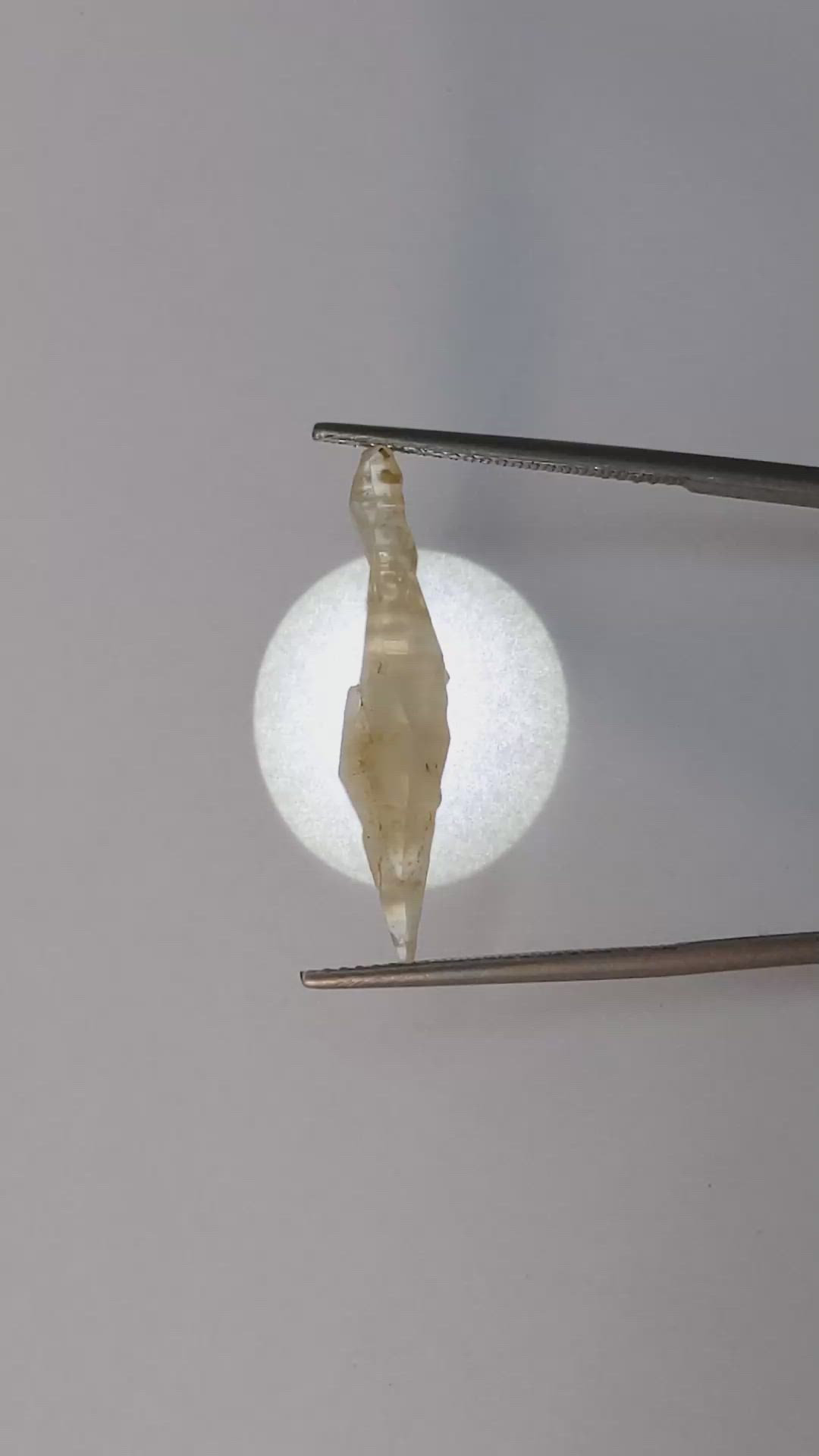
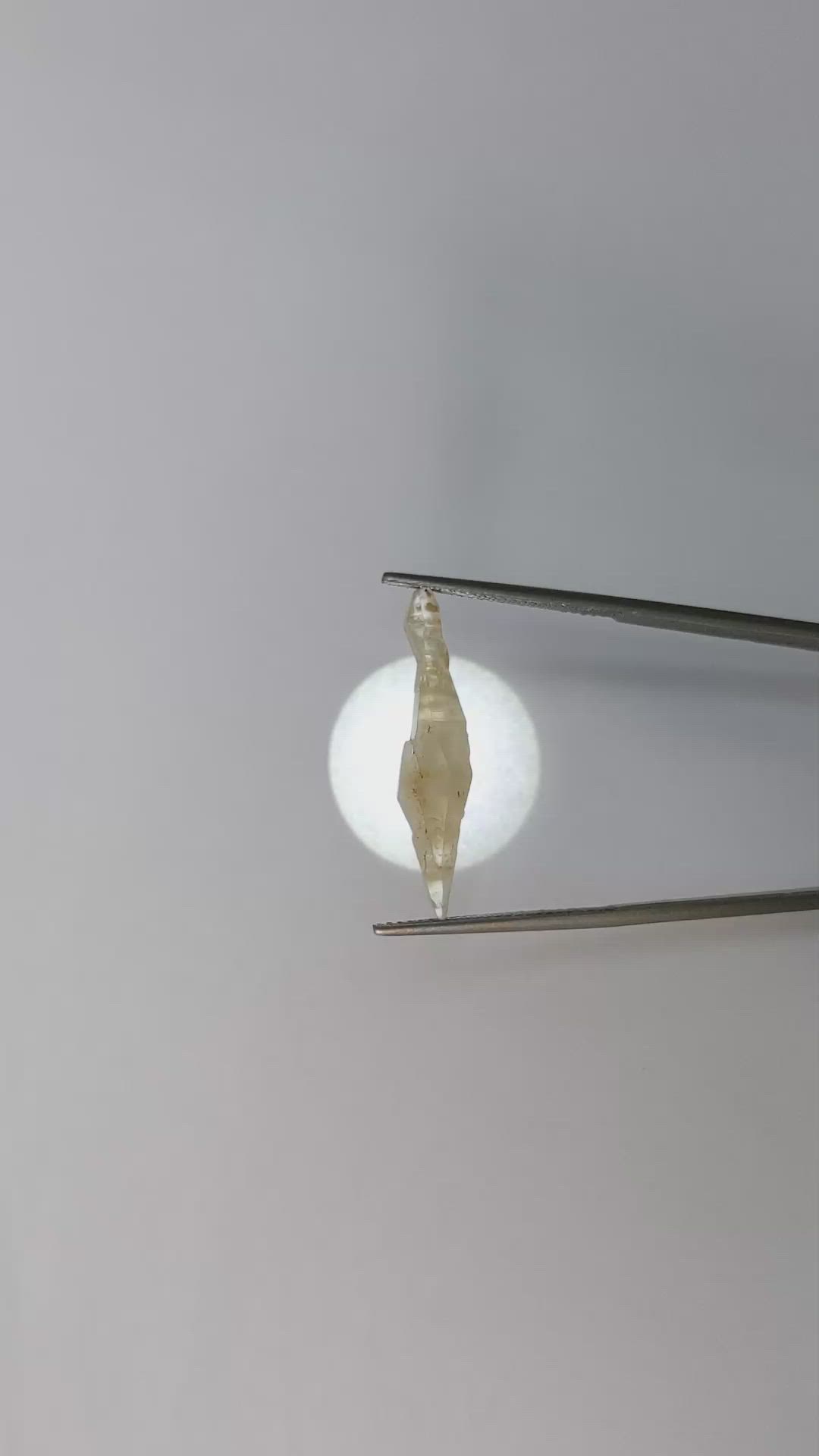
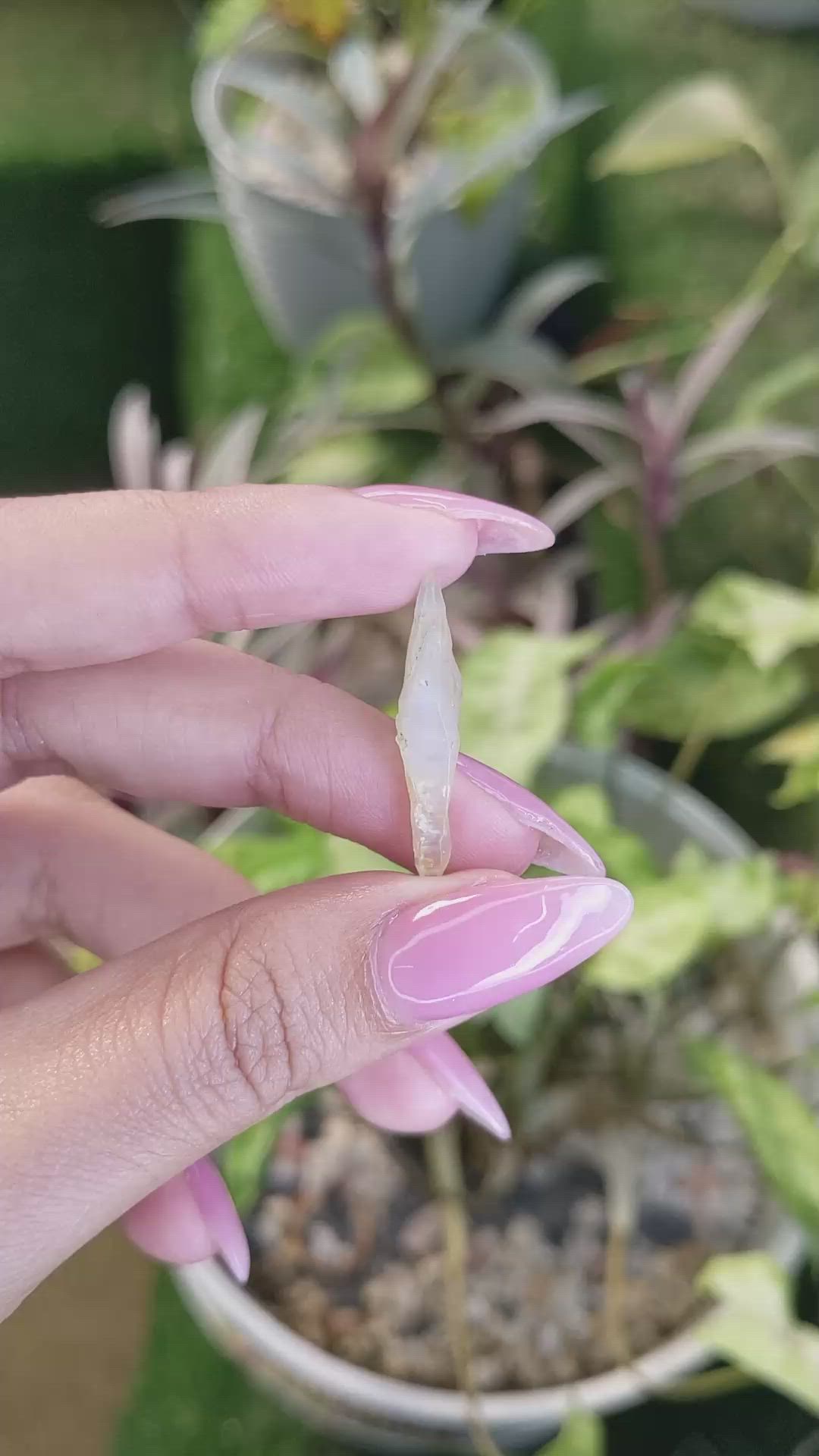
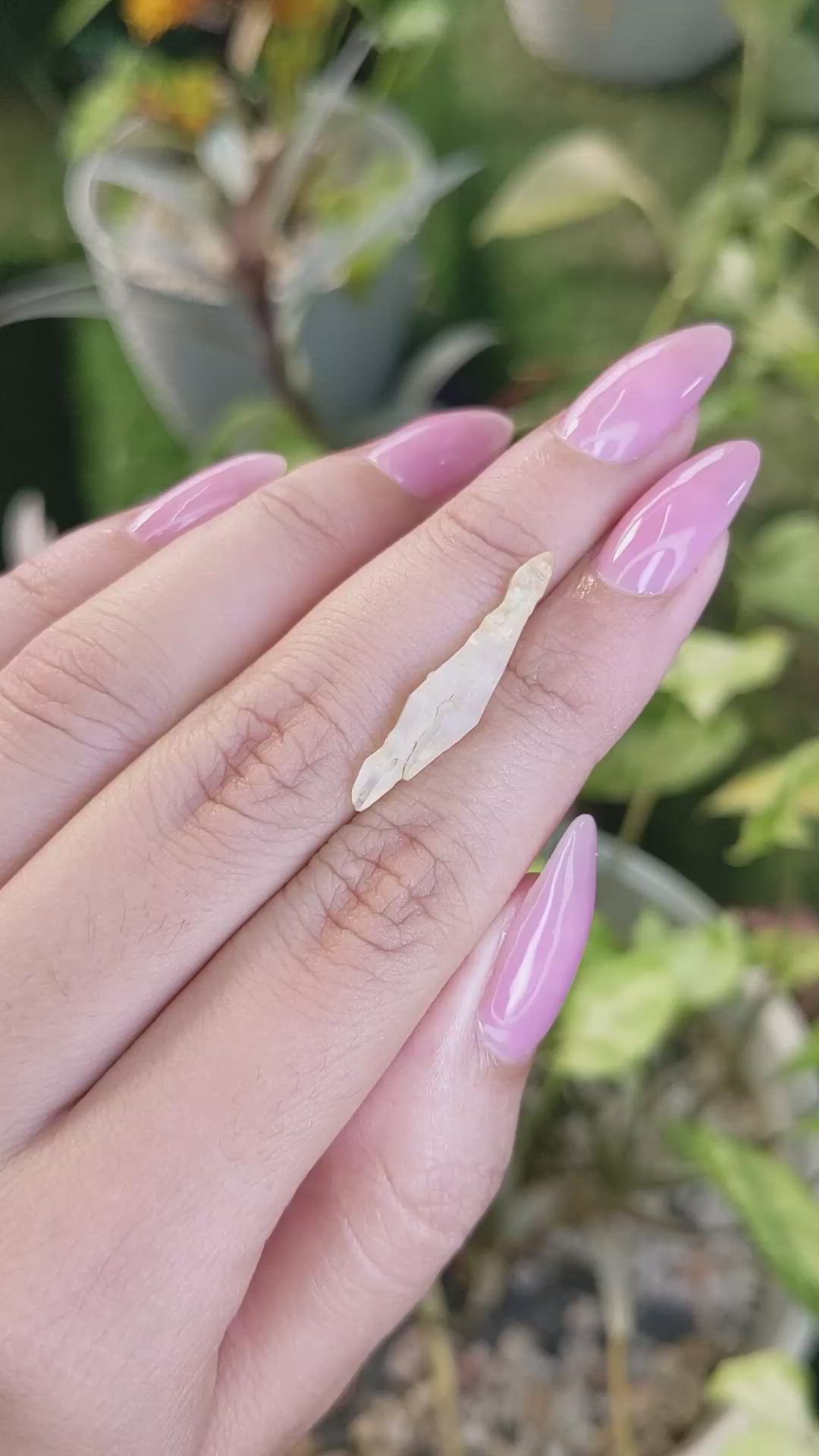
5.56 Ct. Yellow Rough Sapphire from Ceylon (Sri Lanka)
This loose stone ships by Apr 12
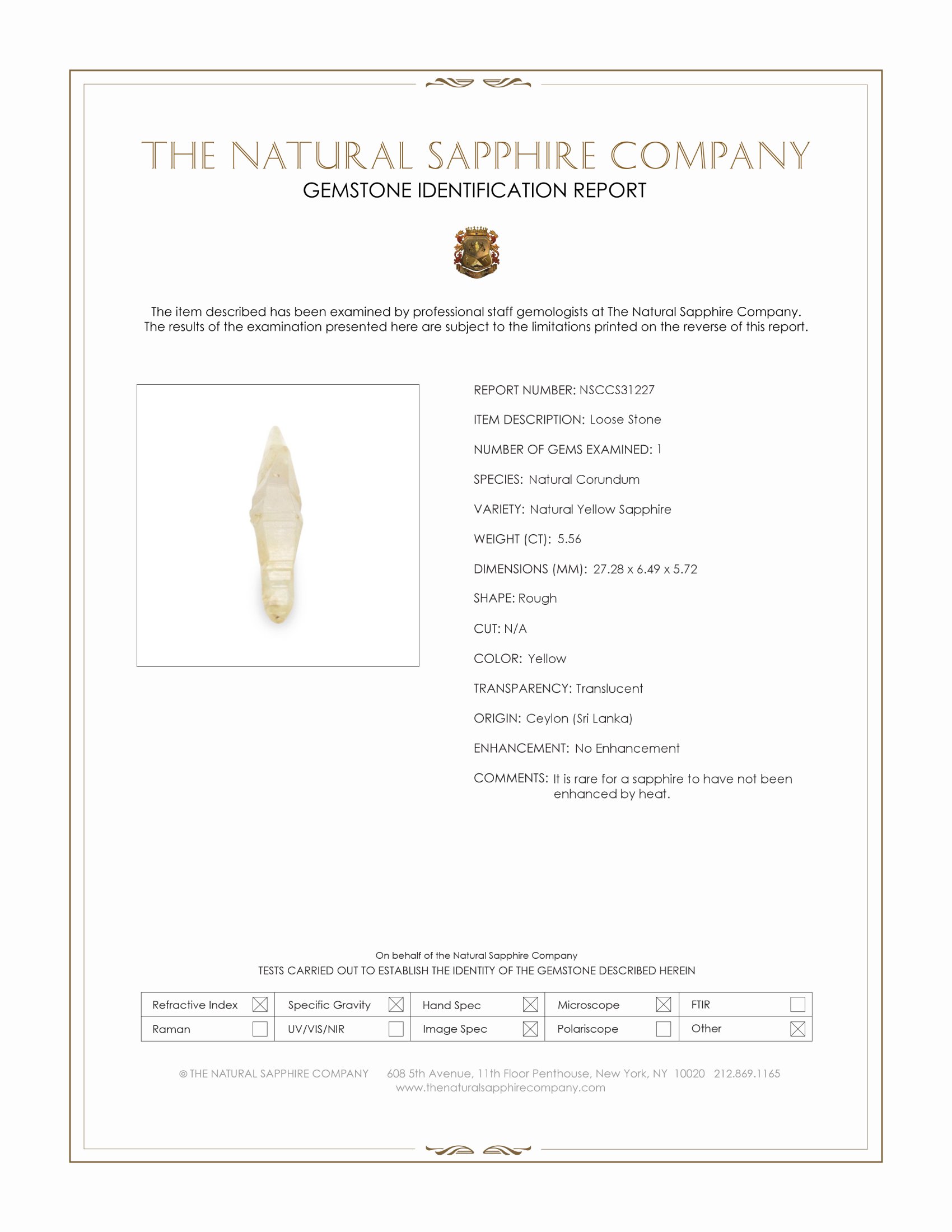
Item ID: | S31227 |
|---|---|
Dimensions (MM): help | Length: 27.28 Width: 6.49 Height: 5.72 |
Weight: | 5.56 Ct. |
Color: help | Yellow |
Color intensity: help | Faint |
Clarity: help | Very Slightly Included |
Shape: help | Rough |
Cut: | N/A |
Cutting style: | N/A |
Enhancements: help | No Enhancement |
Origin: help | Ceylon (Sri Lanka) |
Per carat price: help | $144 |
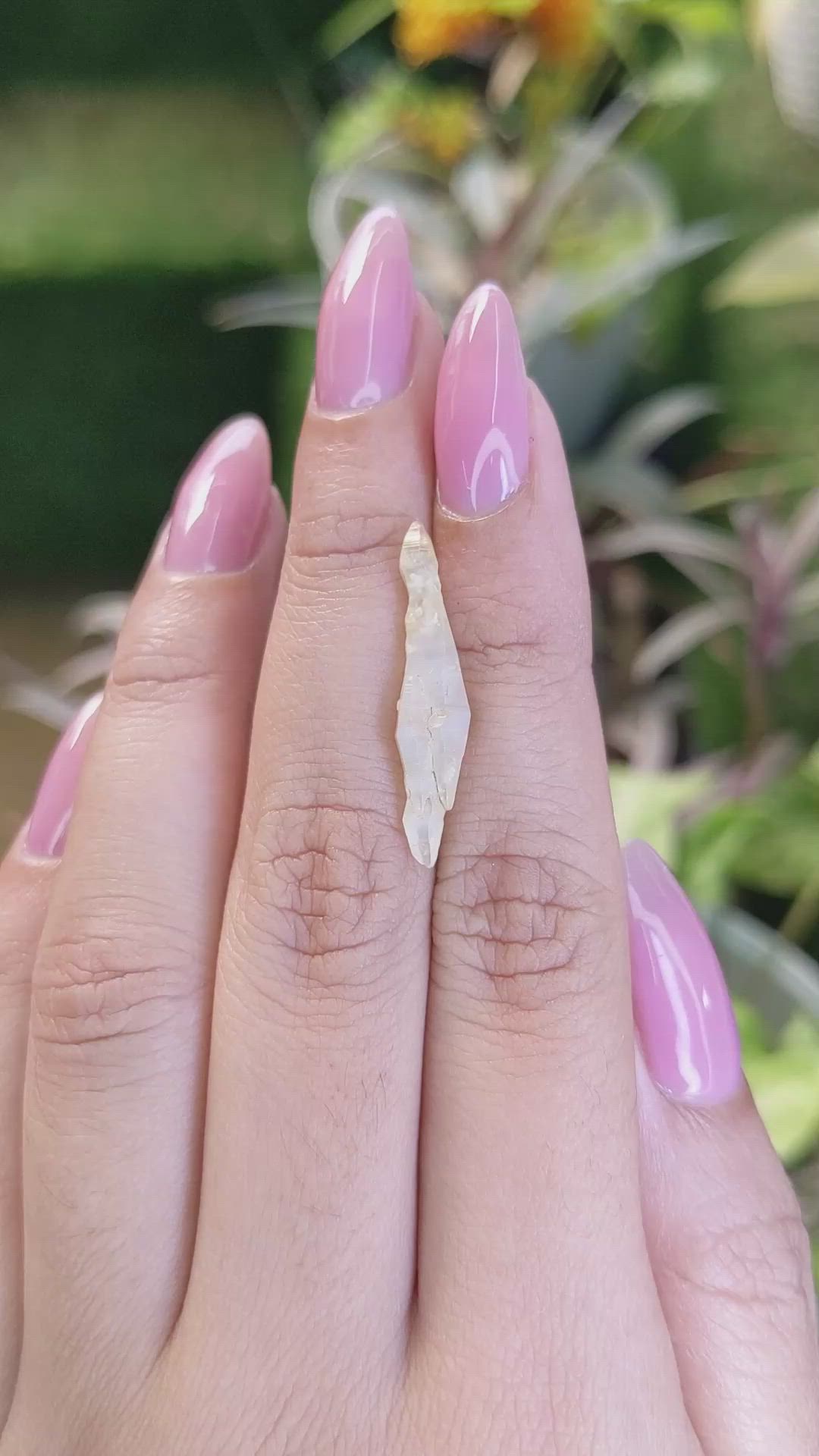
This listing describes a single, translucent yellow sapphire, weighing 5.56 carat, presented in a natural rough shape, with overall measurements of 27.28 x 6.49 x 5.72 mm. The stone is uncut, with no formal gem cut applied, and it displays a faint color intensity that is characteristically soft and pastel. Clarity has been graded as very slightly included, evaluated at eye level, indicating minimal inclusions visible without magnification under standard viewing conditions. The surface condition is noted as excellent polish, and important to collectors and lapidaries, the sapphire bears no enhancements or treatments. The documented origin is Ceylon, Sri Lanka, a locale renowned for producing sapphires with delicate and appealing color profiles. The Natural Sapphire Company provides this information to assist informed selection and potential planning for cutting or setting.
In hand the stone presents a gentle, pale yellow tone that reads as refined and understated rather than vivid or saturated. The translucency allows light to diffuse through the material, softening shadows and contributing to a warm internal glow when viewed against bright backgrounds. The faint color intensity is typical of some Ceylon examples, where pastel hues are prized for their natural appearance and versatility in jewelry design. Given the dimensions and the elongated form, the rough shape is suitable for a variety of cutting approaches, including elongated cabochons and certain step or mixed cuts that preserve weight while optimizing color and clarity. The unenhanced status should be emphasized, because the absence of heat or other treatments preserves the stone in its natural state, which is an important consideration for clients seeking untreated material for ethical or aesthetic reasons.
Clarity and surface quality together influence both the aesthetic outcome and the potential cutting yield. The grade of very slightly included evaluated at eye level implies that inclusions are minor and do not materially detract from the overall visual appeal when the stone is uncut. These inclusions may, however, inform cutter decisions regarding orientation, cutting angles, and potential trimming to maximize color and minimize inclusion visibility. The excellent polish reported on the current surfaces suggests that any additional faceting or polishing work will take well, facilitating a high quality finish if the stone is chosen for lapidary work. For collectors who prefer to retain natural surfaces, the combination of translucency and a polished outer skin yields an attractive specimen without further modification.
Durability is a critical factor when considering any sapphire for wearable use, and on the Mohs scale of mineral hardness, sapphire registers at 9. This places sapphire immediately below diamond, which is 10, and above common jewelry materials such as topaz, which is 8, and quartz, which is 7. The practical implication is that sapphire is highly resistant to abrasion and everyday scratching, making it well suited for use in rings and other items exposed to regular contact. Sapphire has no true cleavage that would make it prone to easy splitting, though care is still advisable to avoid sharp strikes to corners or thin pavillion areas. For settings, a protective bezel or secure prong work is recommended for pieces anticipated to receive heavy wear, while the inherent hardness means polishing and maintenance intervals will generally be less frequent than for softer gems.
Provenance, treatment status, and available services are relevant considerations for acquisition and eventual use. This Ceylon origin yellow sapphire, offered by The Natural Sapphire Company, carries the benefit of documented no enhancement, and the natural faint color intensity is consistent with stones from this geography. For clients interested in transforming the material into a finished gem, consultation regarding potential cutting styles, expected yield, and the tradeoffs between preserving weight versus optimizing color and clarity is available. For finished jewelry applications, standard care procedures are appropriate, including avoiding harsh chemical cleaners, protecting the stone from deep impacts, and periodic inspection of settings. The Natural Sapphire Company can assist with recommendations for cutters, mounting options, and long term care.


