
- Stone11
- Reports2
-various-yellow-sapphire-5.3800-cts-s36000-1.jpg?d=200x200&v=20260123021039)
-various-yellow-sapphire-5.3800-cts-s36000-lifestyleimage-1.jpg?d=200x200&v=20260126045631)
-various-yellow-sapphire-5.3800-cts-s36000-lifestyleimage-2.jpg?d=200x200&v=20260126045631)
-various-yellow-sapphire-5.3800-cts-s36000-lifestyleimage-3.jpg?d=200x200&v=20260126045631)

-various-yellow-sapphire-5.3800-cts-s36000-1.jpg?d=750x750&s=nsc&v=20260123021039)
-various-yellow-sapphire-5.3800-cts-s36000-lifestyleimage-1.jpg?d=750x750&s=nsc&v=20260126045631)
-various-yellow-sapphire-5.3800-cts-s36000-lifestyleimage-2.jpg?d=750x750&s=nsc&v=20260126045631)
-various-yellow-sapphire-5.3800-cts-s36000-lifestyleimage-3.jpg?d=750x750&s=nsc&v=20260126045631)
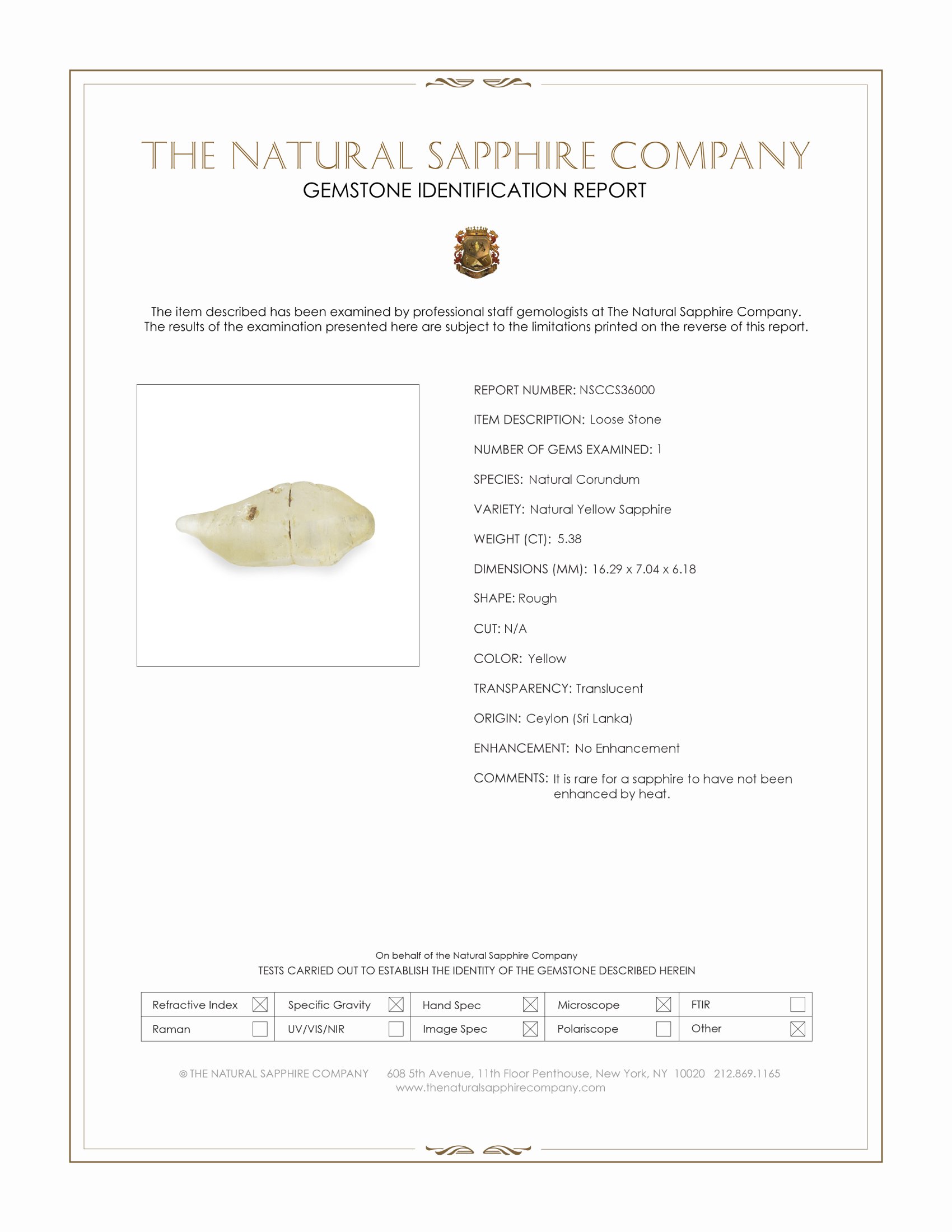
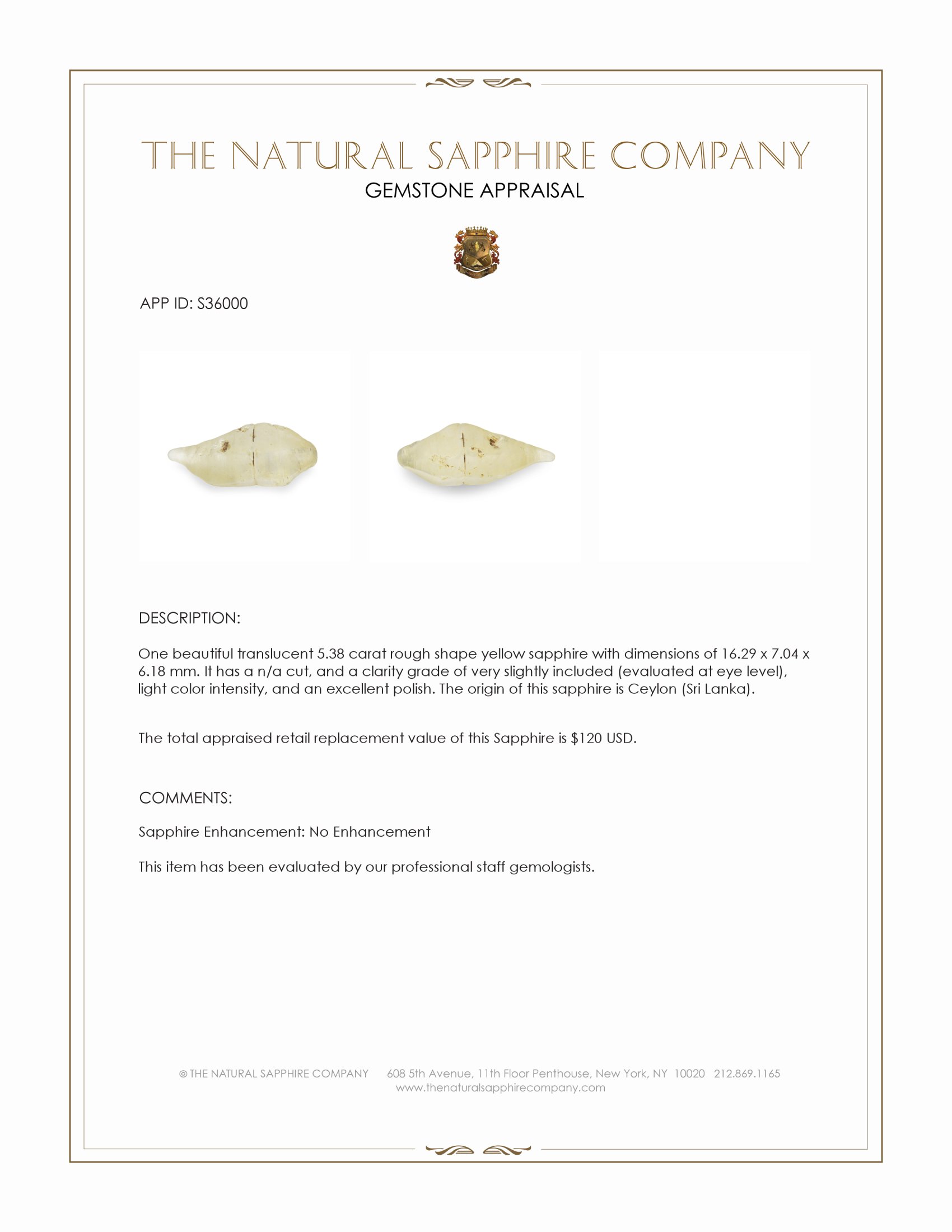
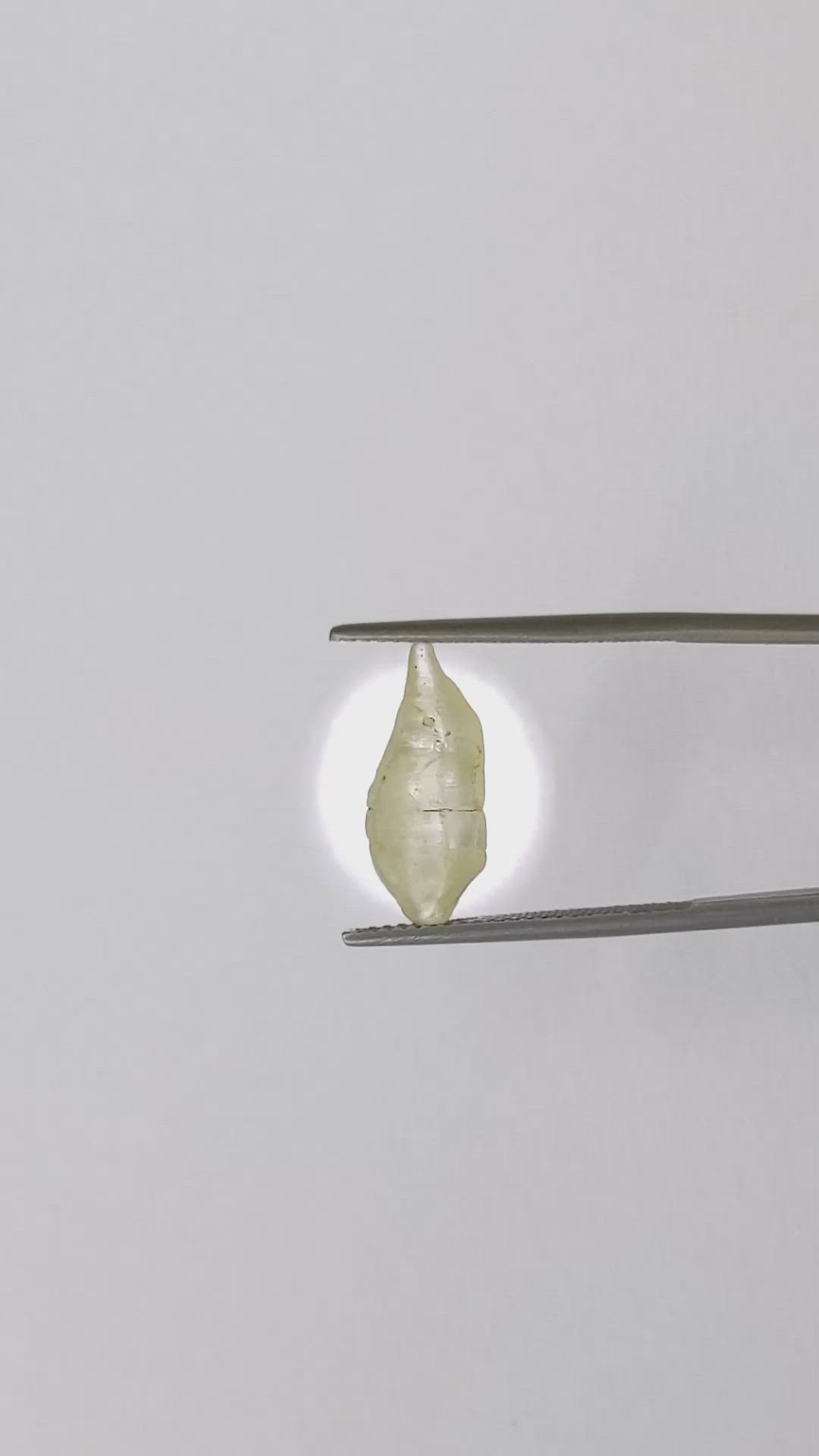
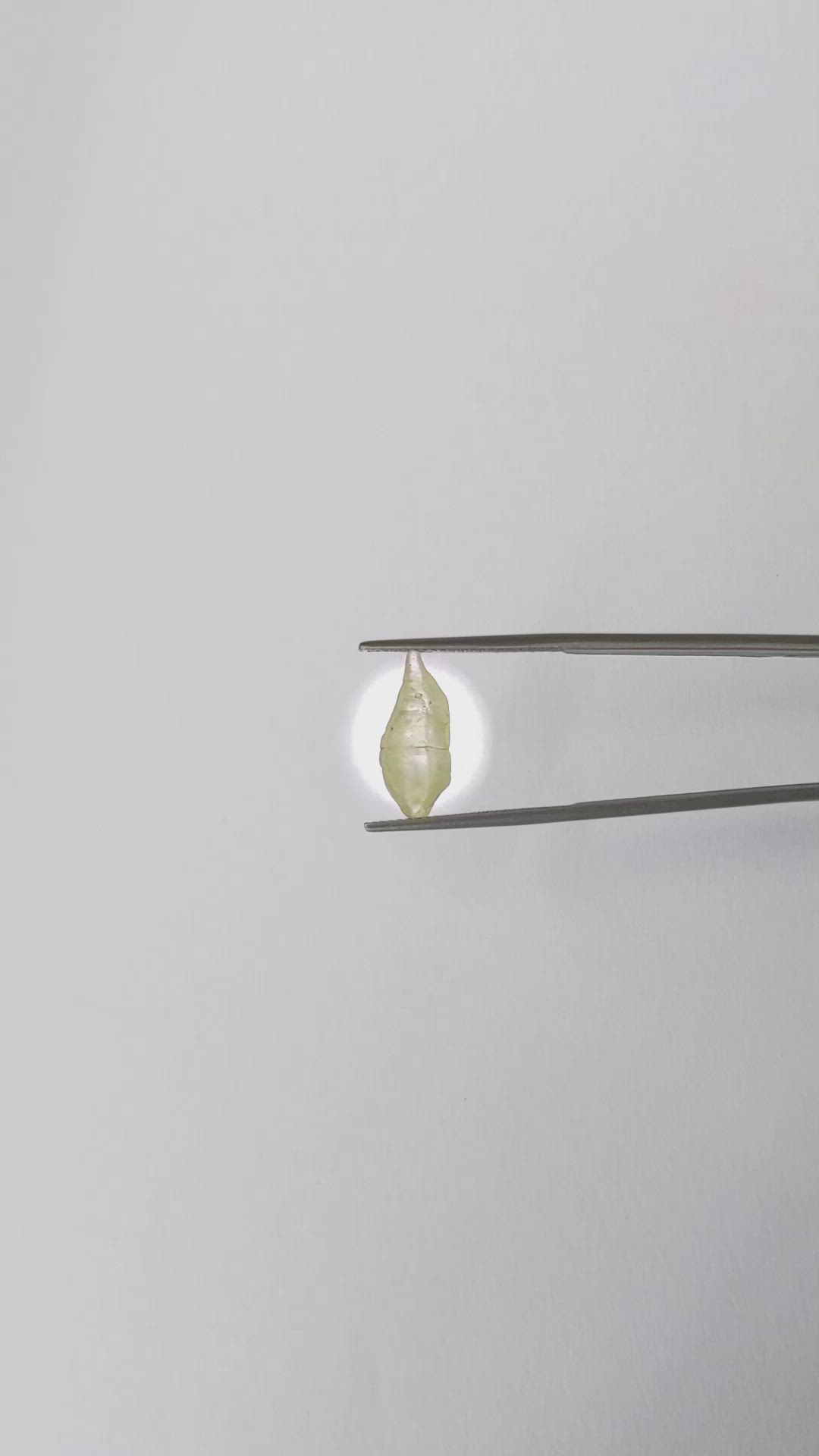
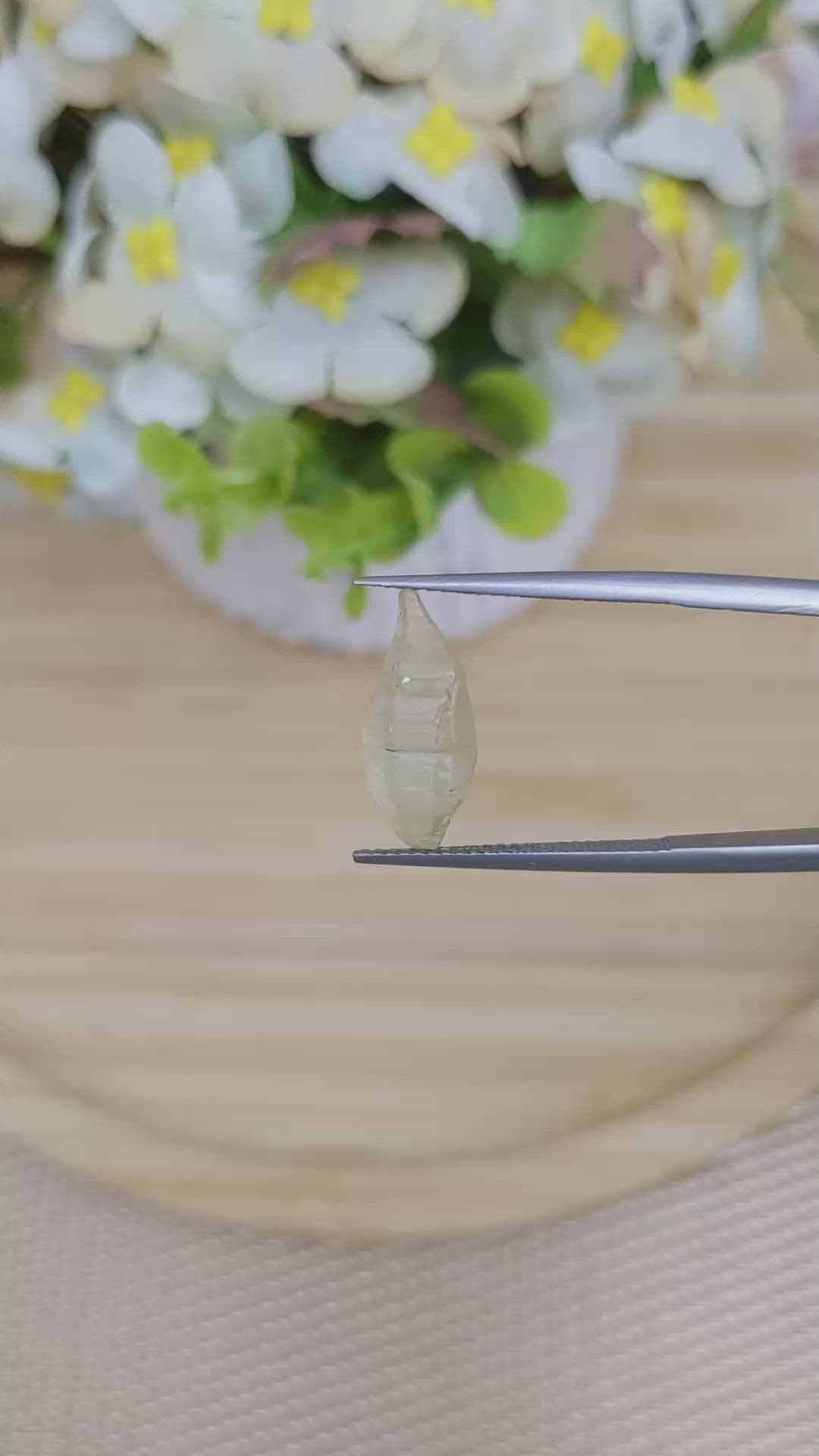
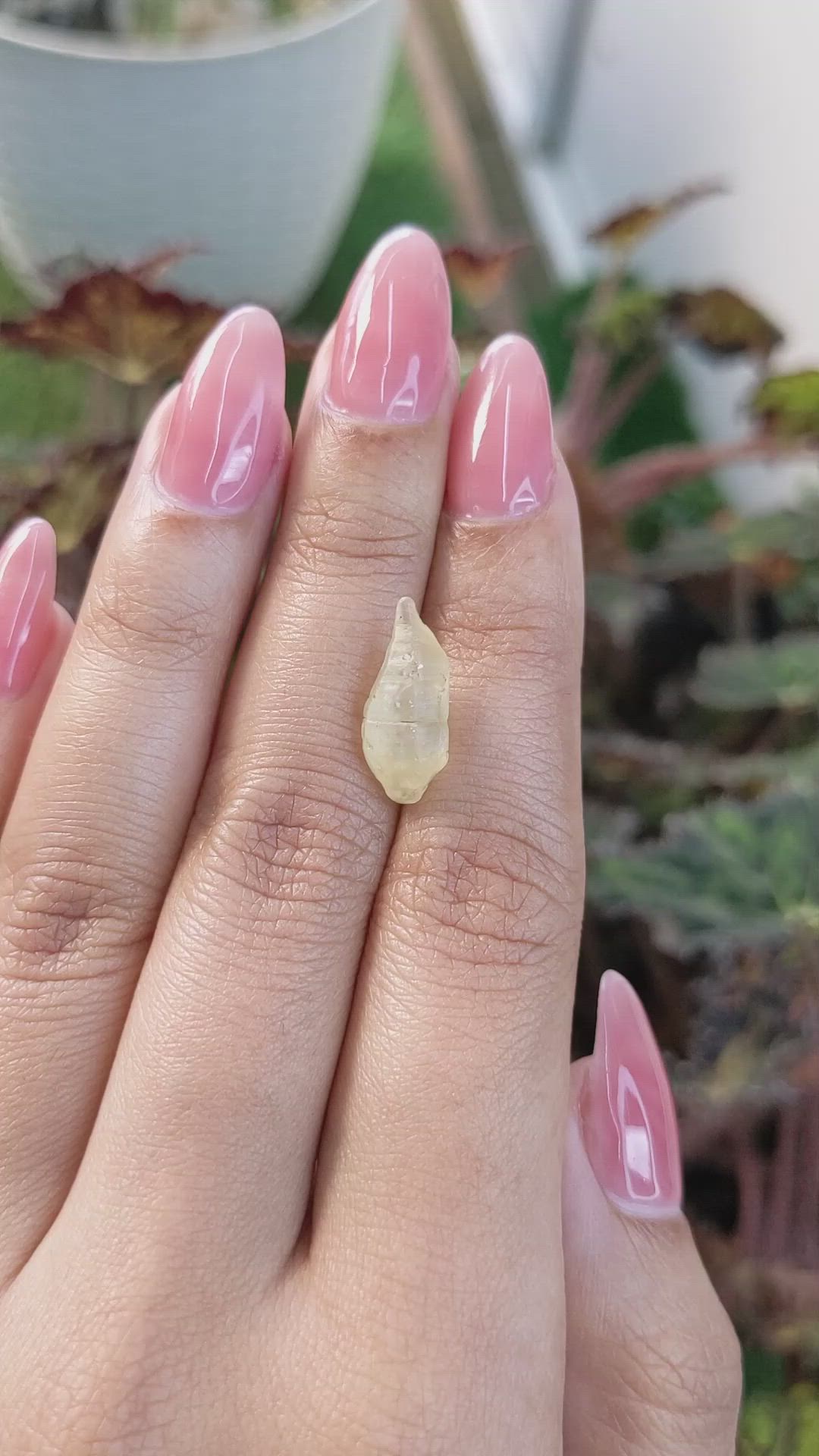
5.38 Ct. Yellow Rough Sapphire from Ceylon (Sri Lanka)
This loose stone ships by Apr 12
Item ID: | S36000 |
|---|---|
Dimensions (MM): help | Length: 16.29 Width: 7.04 Height: 6.18 |
Weight: | 5.38 Ct. |
Color: help | Yellow |
Color intensity: help | Light |
Clarity: help | Very Slightly Included |
Shape: help | Rough |
Cut: | N/A |
Cutting style: | N/A |
Enhancements: help | No Enhancement |
Origin: help | Ceylon (Sri Lanka) |
Per carat price: help | $22 |
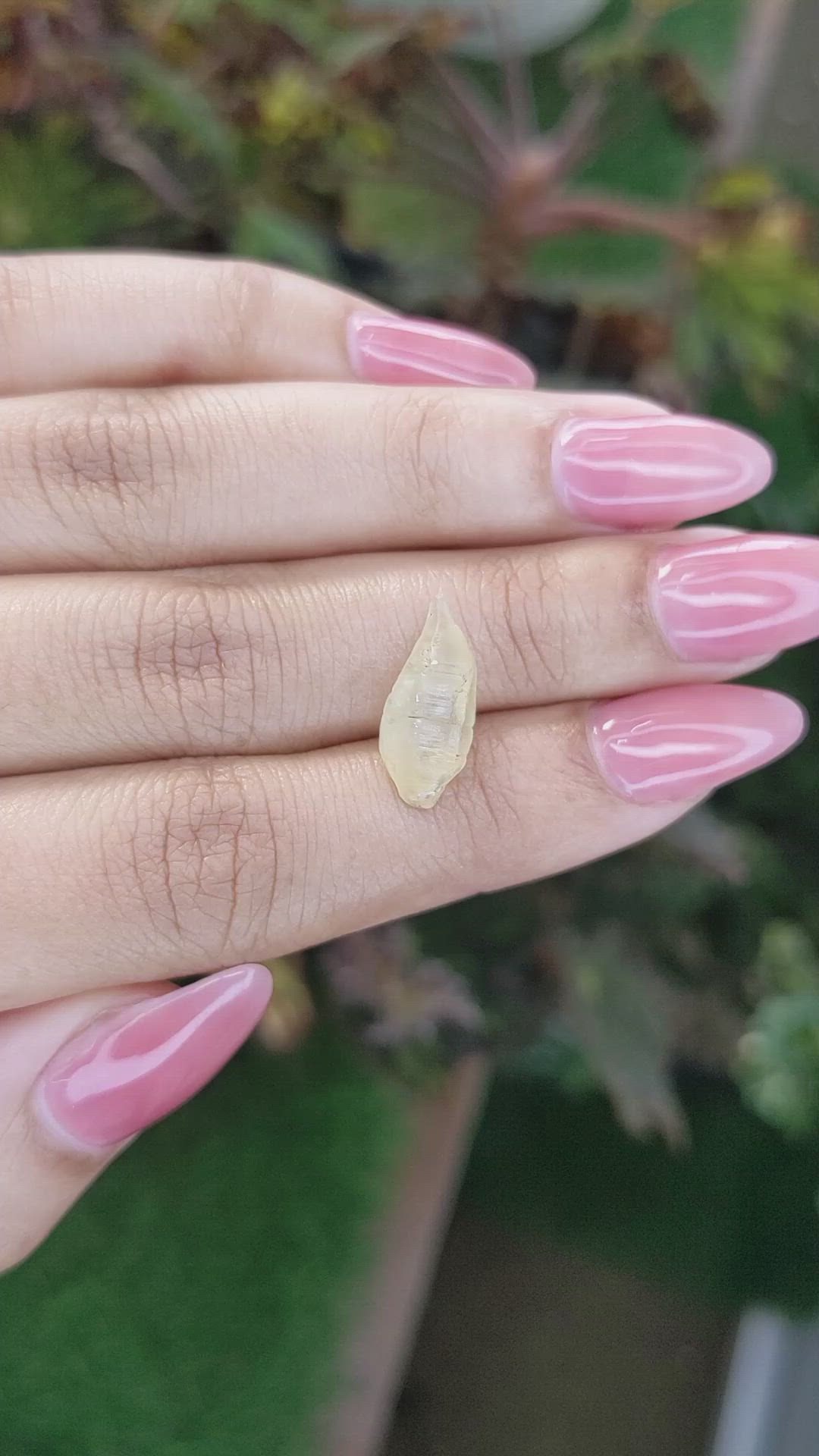
This presentation describes a single translucent yellow sapphire offered and certified by The Natural Sapphire Company, a 5.38 carat specimen in a natural, rough shaped form. The stone measures 16.29 by 7.04 by 6.18 millimeters, it is not faceted to a standard cut and therefore described as cut not applicable, the clarity is graded as very slightly included, evaluated at eye level, the color intensity is light, the surface condition is noted as excellent polish, there has been no enhancement, and the documented origin is Ceylon, Sri Lanka. The combination of light color, translucency, and an excellent polish yields a stone with a soft internal glow rather than a high contrast brilliance. The rough shape, while not conforming to a classic faceted profile, preserves much of the stone mass and yields a strong presence in applications where weight and natural form are desired. All factual details in this description reflect the physical examination and standard gemological observations made prior to any setting or modification.
Visually, the stone presents a warm, pale sunflower tone distributed evenly through the body of the material. Translucency allows light to pass beneath the surface and to scatter internally, producing a gentle, uniform radiance that complements the light color intensity. Very slight inclusions are visible under close inspection at eye level, they do not interrupt the overall color field, and they can be an asset in confirming natural origin and in rendering a sense of depth. The excellent polish on the outer surfaces enhances surface luster and provides a smooth interface for incident light to enter, which moderates surface glare and emphasizes internal radiance. The rough shaped outline creates variable plane angles that catch light differently across the surface, contributing to a nuanced visual character as the stone is turned or as the viewing angle changes. When mounted, orientation and bezel or prong choices will influence the perceived depth and presence, because the stone lacks standardized facets for predictable reflectance.
Under differing lighting environments the visual behavior of this translucent yellow sapphire is distinct and instructive. In bright outdoor daylight, especially indirect northern daylight, the stone displays its truest color, a soft and pure yellow, with internal scattering producing an even glow rather than isolated flashes. Direct sunlight introduces increased internal contrast, with the polish reflecting bright highlights at surface junctions while the body remains softly luminous, and the lighter color intensity prevents harsh over saturation. In warm incandescent or halogen lighting the yellow tone appears fuller and slightly deeper, producing a warmer overall impression and enhancing the stone’s apparent saturation, while translucency tempers strong surface reflections so the effect is more of a warm wash than a glittering sparkle. Under modern LED lighting the response depends on the color temperature of the source, cooler white LEDs emphasize clarity and surface brilliance, whereas warm white LEDs mimic incandescent behavior and enrich the yellow. In low light or candlelight conditions internal diffusion yields a gentle candlelit glow, the broad, soft luminescence becoming more noticeable than any small pinpoint scintillation. When backlit, the stone demonstrates translucency to excellent effect, permitting light to transmit through the mass producing a luminous, almost lantern like presence, useful for settings that allow light to enter from behind or from the sides.
For comparative context and for design considerations, the accompanying opal type reference is White Opal, known for its milky body tone and potential play of color in some specimens. White Opal tends to present a cool, soft background with flashes of spectral color when the internal structure is opaline, and this characteristic can complement a light yellow sapphire when paired thoughtfully. In paired jewelry concepts the contrast between the yellow sapphire’s warm, translucent glow and the White Opal’s delicate, opalescent surface can be used to create balanced compositions, with the sapphire providing steady warmth and the opal offering variable iridescence. Practical considerations are that opal generally requires more protection from sudden temperature changes and from abrasive contact, whereas sapphire is robust, durable, and resistant to routine wear, so mounting choices should protect the opal while allowing the sapphire to remain visible and to transmit light. Provenance from Ceylon, Sri Lanka, adds a documented origin that many gem professionals regard as indicative of historically significant sapphire sources, and the absence of enhancement simplifies future conservation and appraisal.
The Natural Sapphire Company provides these objective details to assist in evaluation, design planning, and responsible acquisition. Care guidance is straightforward, use warm soapy water and a soft brush for routine cleaning, avoid harsh chemicals and extreme thermal shock, and consider a protective setting particularly if combining with more delicate materials such as opal. Because this specimen is a natural, unenhanced, and polished rough shape, it appeals to applications where natural form and clarity characteristics are valued, and it offers predictable responses under varied illumination due to its translucency and excellent polish. The descriptive facts above reflect measured dimensions, observed clarity, and the gemological assessment of color and origin, enabling informed decisions for gem cutters, jewelers, and collectors.


