
- Stone12
- Reports3

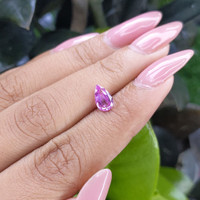
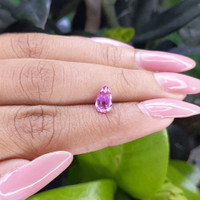
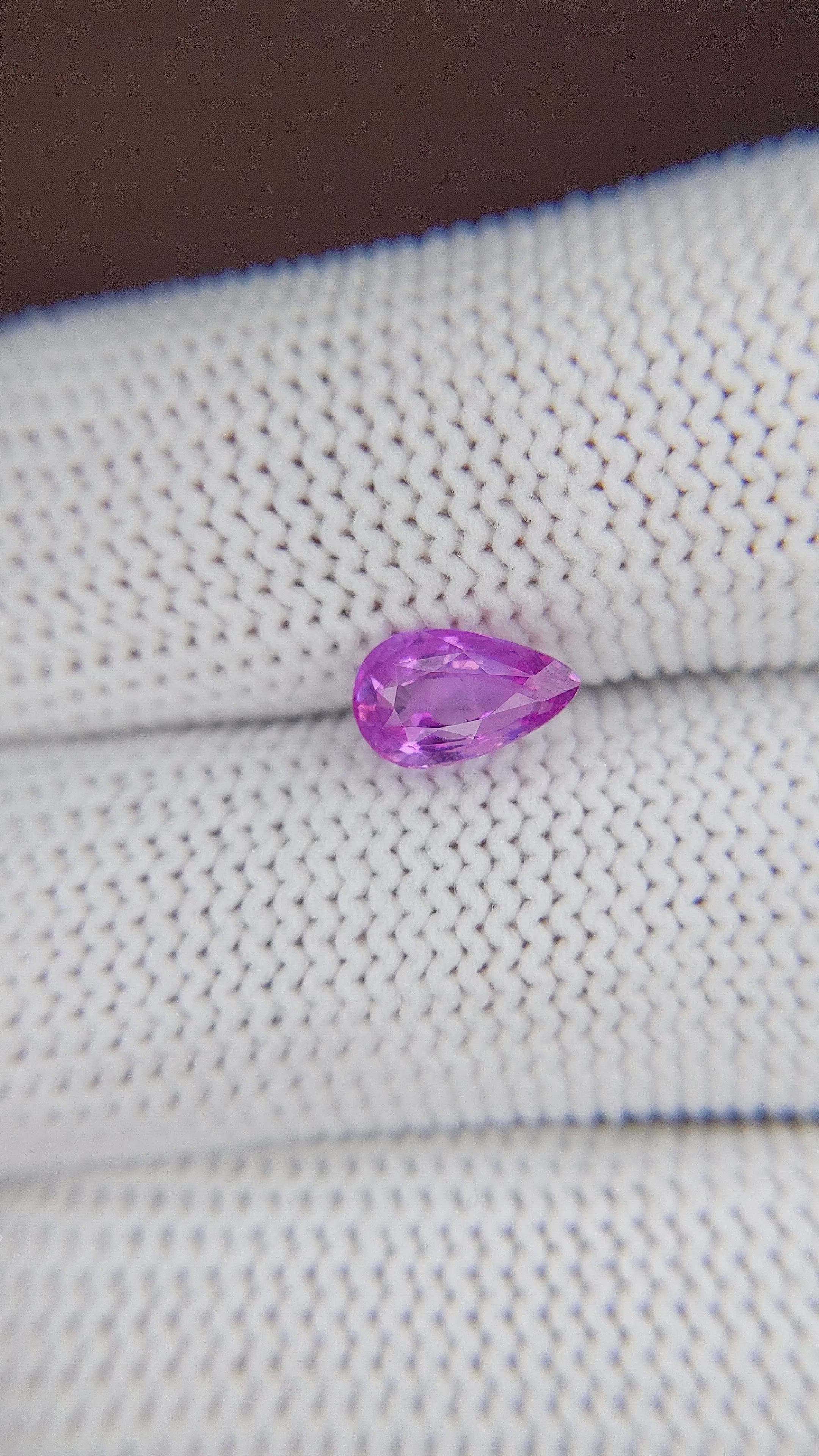
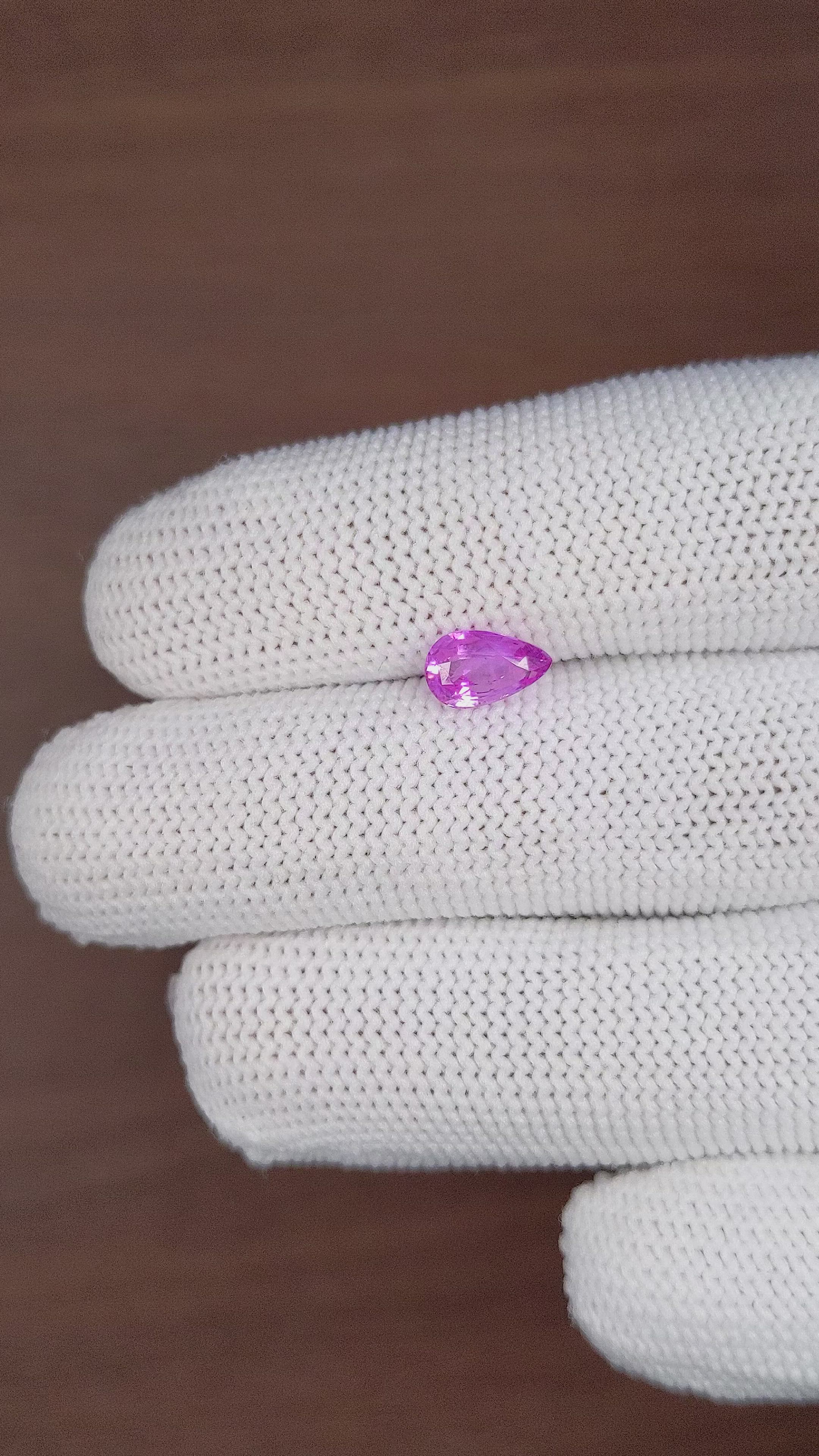



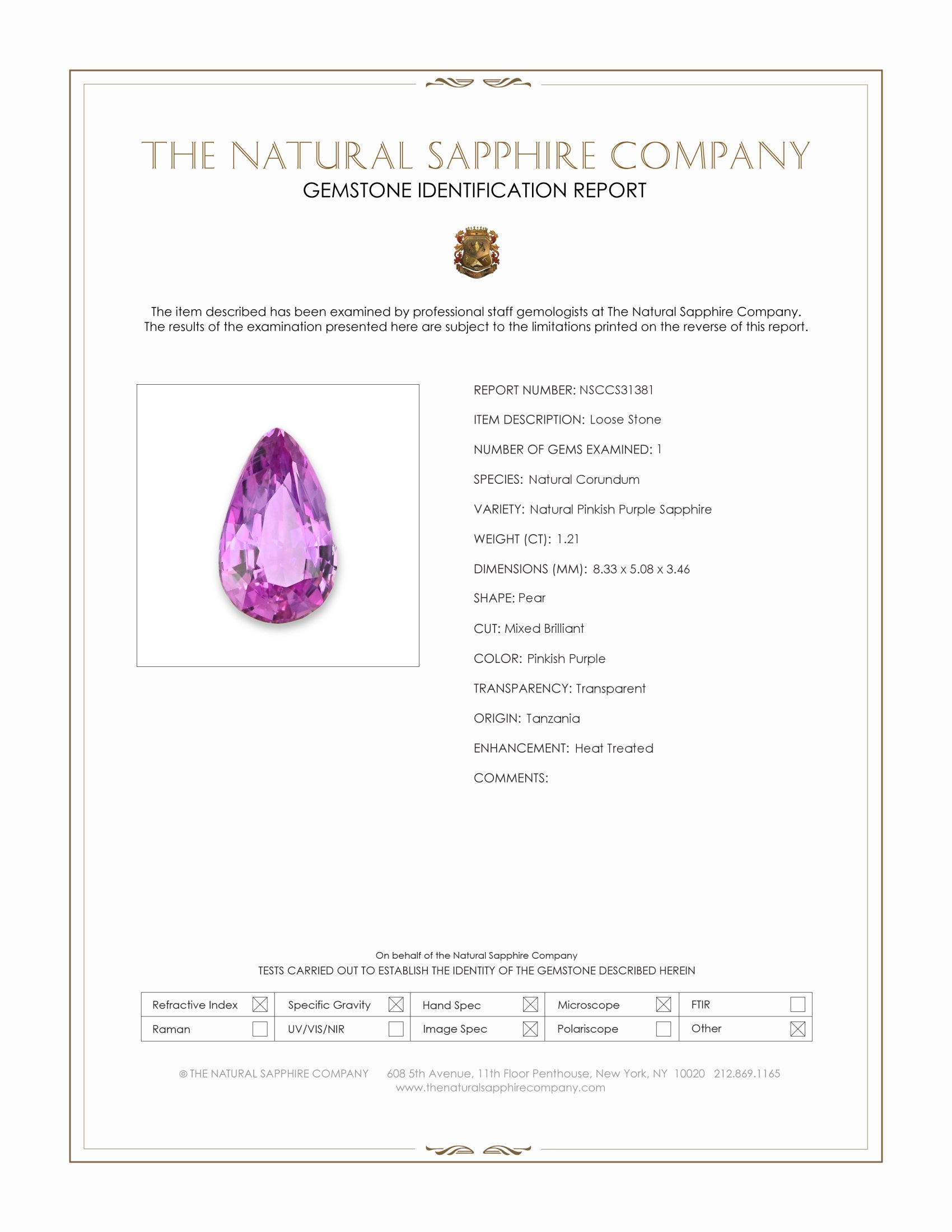

1.21 Ct. Pinkish Purple Sapphire from Tanzania
This loose stone ships by Feb 13
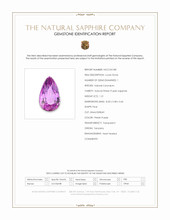
Item ID: | S31381 |
|---|---|
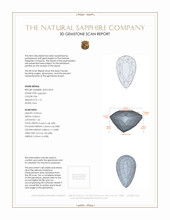
Dimensions (MM): help | Length: 8.33 Width: 5.08 Height: 3.46 |
Weight: | 1.21 Ct. |
Color: help | Pinkish Purple |
Color intensity: help | Medium |
Clarity: help | Very Slightly Included |
Shape: help | Pear |
Cut: | Mixed Brilliant |
Cutting style: | Faceted |
Enhancements: help | Heat Treated |
Origin: help | Tanzania |
Per carat price: help | $860 |
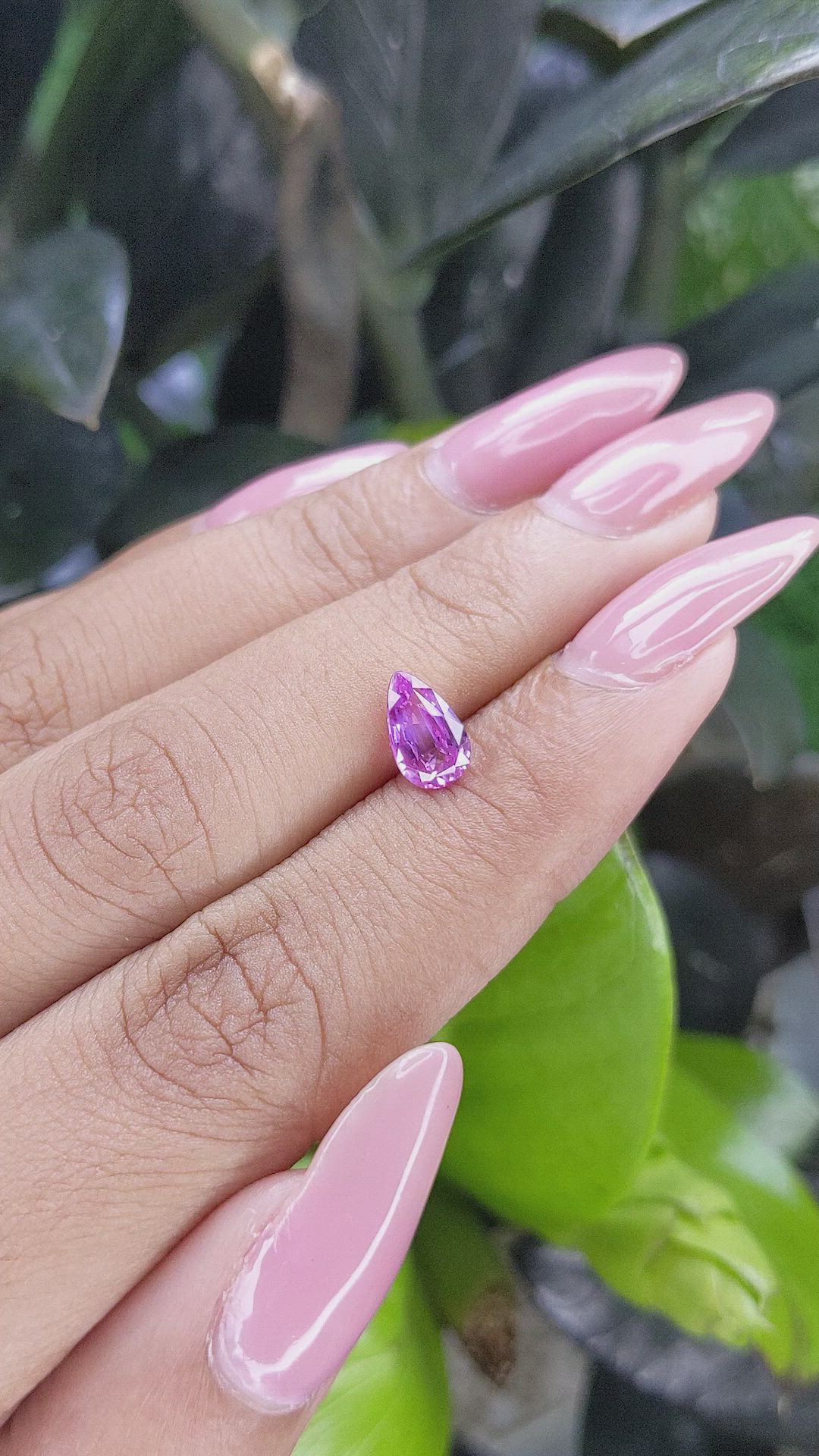
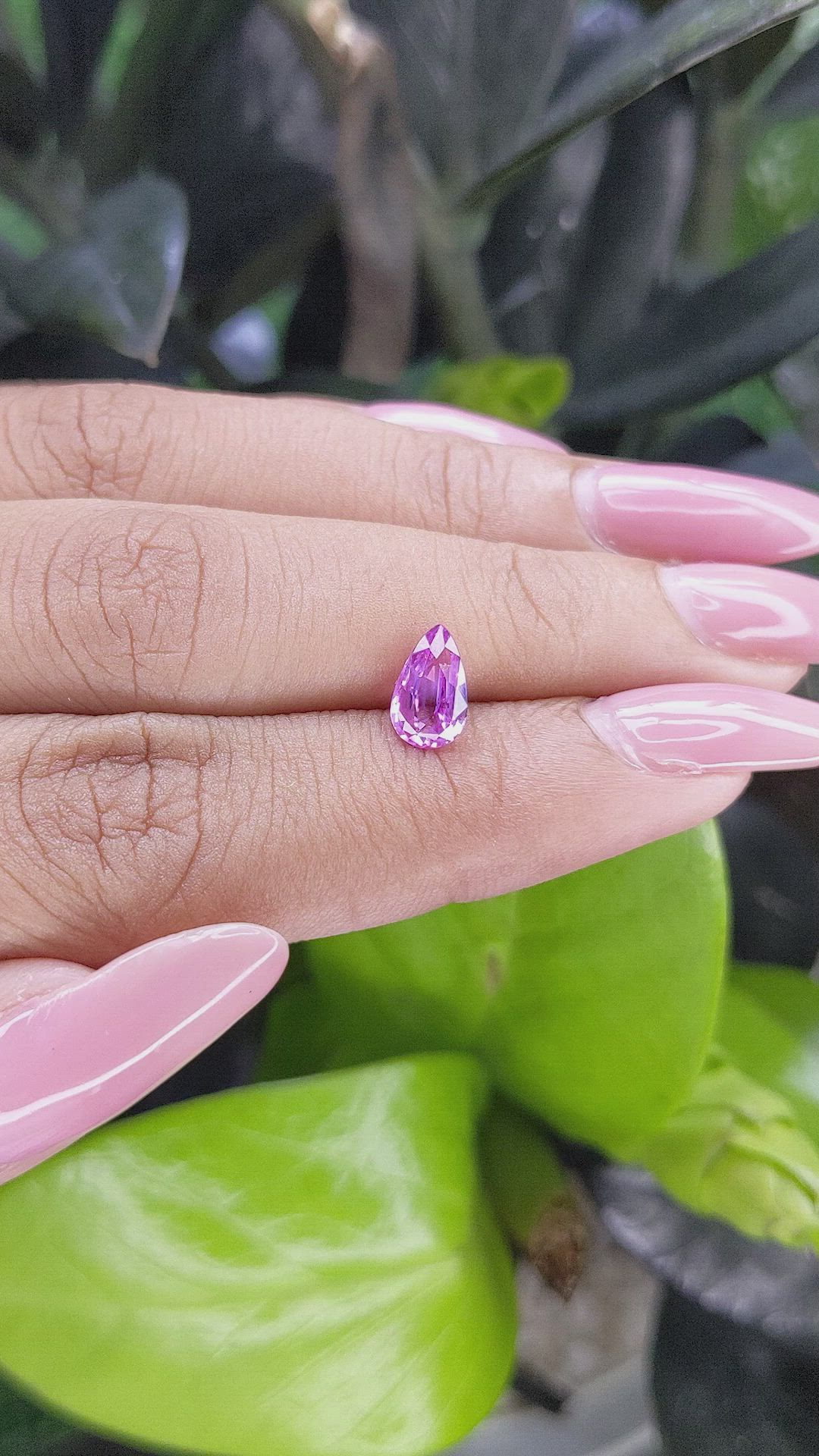
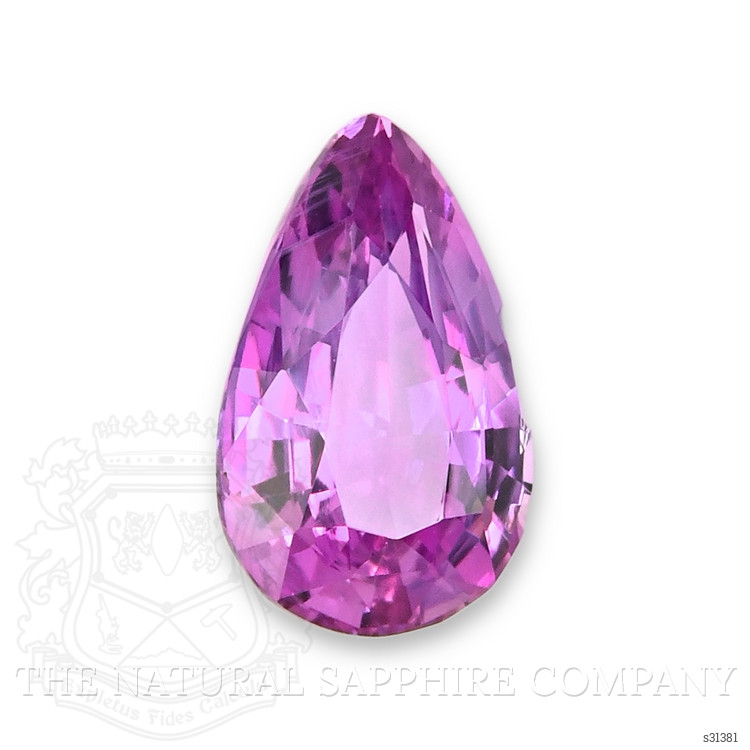
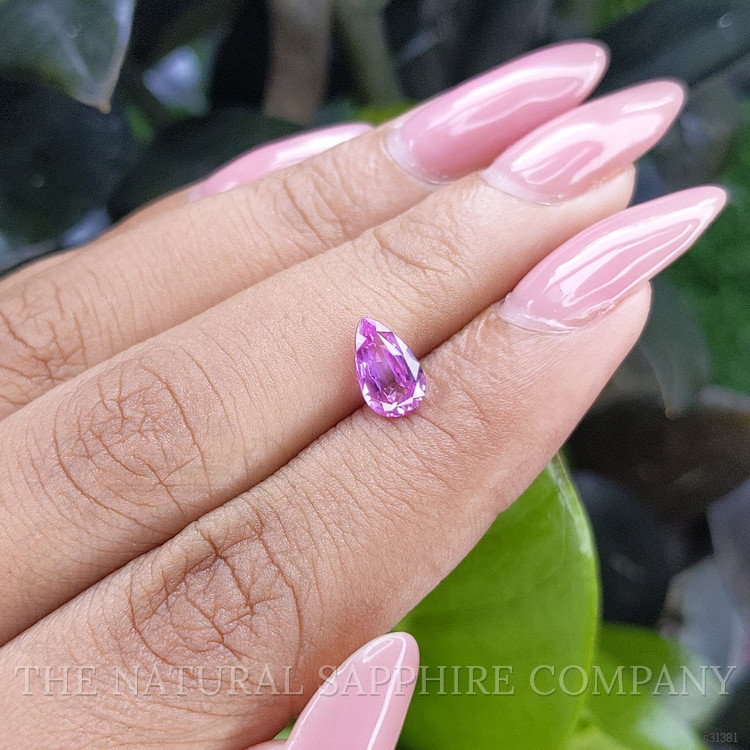
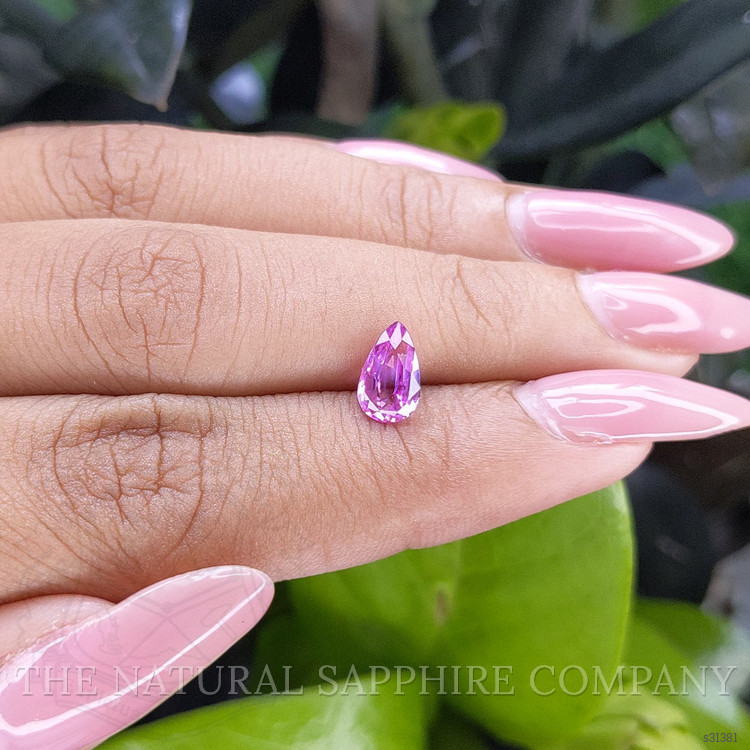
This pear shape sapphire speaks to a long lineage of gemstones treasured for their endurance and elegance, a lineage that The Natural Sapphire Company is proud to continue. This particular stone is a transparent 1.21 carat pinkish purple sapphire, with refined dimensions of 8.33 x 5.08 x 3.46 mm, presented in a mixed brilliant cut that marries the lively facets of a round brilliant with the grace of a classic pear outline. Its medium color intensity gives it a presence that is both romantic and restrained, a hue that calls to mind the faded silk of antique gowns and the delicate pigments used by master painters of past centuries. The clarity is described as very slightly included when evaluated at eye level, which means the gem retains its clean look and luminous surface to the naked eye, while still bearing the tiny natural signatures that connect it to the deep, hidden origins from which it came. The polish is excellent, creating a mirror like finish on each facet, and the gem has been responsibly heat treated, a common practice that enhances color while maintaining the structural integrity that has made corundum a symbol of endurance for millennia. The origin of this stone is Tanzania, and that provenance lends an additional sense of story and place, a connection to East African ground and weather and time.
Sapphires have been cherished since antiquity, and their classic status is linked to both myth and monarchy, to temple offerings and royal bands, to enduring traditions that prize continuity and provenance. This pinkish purple sapphire continues that tradition with a modern sensibility, suitable for settings that range from heirloom pendants to refined engagement rings that will be passed down for generations. The pear shape itself has a long history in jewelry, evoking teardrop motifs found in ancient jewelry cabinets and Renaissance portraits, and when executed in a mixed brilliant cut it creates an elegant balance between scintillation and broad flashes of color. The stone’s medium saturation means it reads beautifully in both natural and artificial light, neither overpowering nor timid, offering a versatile palette for metals and complementary stones. The fact that the gem is sourced from Tanzania imparts a narrative that appeals to collectors and romantics alike, every facet a reminder of the layered history of the earth, and every tiny inclusion a signature of the natural processes that have shaped corundum over geological ages.
When it comes to reflectivity and light performance, this sapphire deserves careful comparison to its peers. Corundum has a refractive index of about 1.76 to 1.77, and that intrinsic optical character gives sapphires a lively brilliance, though their dispersion or fire is more modest when compared to diamonds which have a much higher refractive index and dispersion. The mixed brilliant cut of this pear shape deliberately maximizes light return, creating a tapestry of scintillation that plays across the surface as the gem moves. Compared to blue sapphires, which often display deeper tones and can appear more velvety in light, this pinkish purple example scatters light in a way that emphasizes brightness and lively flashes, because the medium color intensity allows light to penetrate and reflect internally without being overly absorbed. When set against spinel, which has a slightly lower refractive index at about 1.71, the sapphire will typically appear to return more intense white light and stronger facet contrast, giving a perception of greater brilliance. Compared to tourmaline and many garnets which often have lower refractive indices and different internal structures, this sapphire will present a cleaner, more consistent light performance, especially when its excellent polish is taken into account. The very slightly included clarity grade is favorable to reflectivity, because inclusions that are not visible to the eye do not interrupt light paths markedly, and heat treatment has stabilized the color so that the stone will age and wear well in everyday settings. For those who value a gemstone that carries the weight of tradition while offering a luminous, contemporary presence, this pear shape pinkish purple sapphire from Tanzania is a timeless choice, and The Natural Sapphire Company welcomes the opportunity to place this storied gem into a setting that will become a new chapter in a long and beautiful history.


