
- Stone14
- Reports3


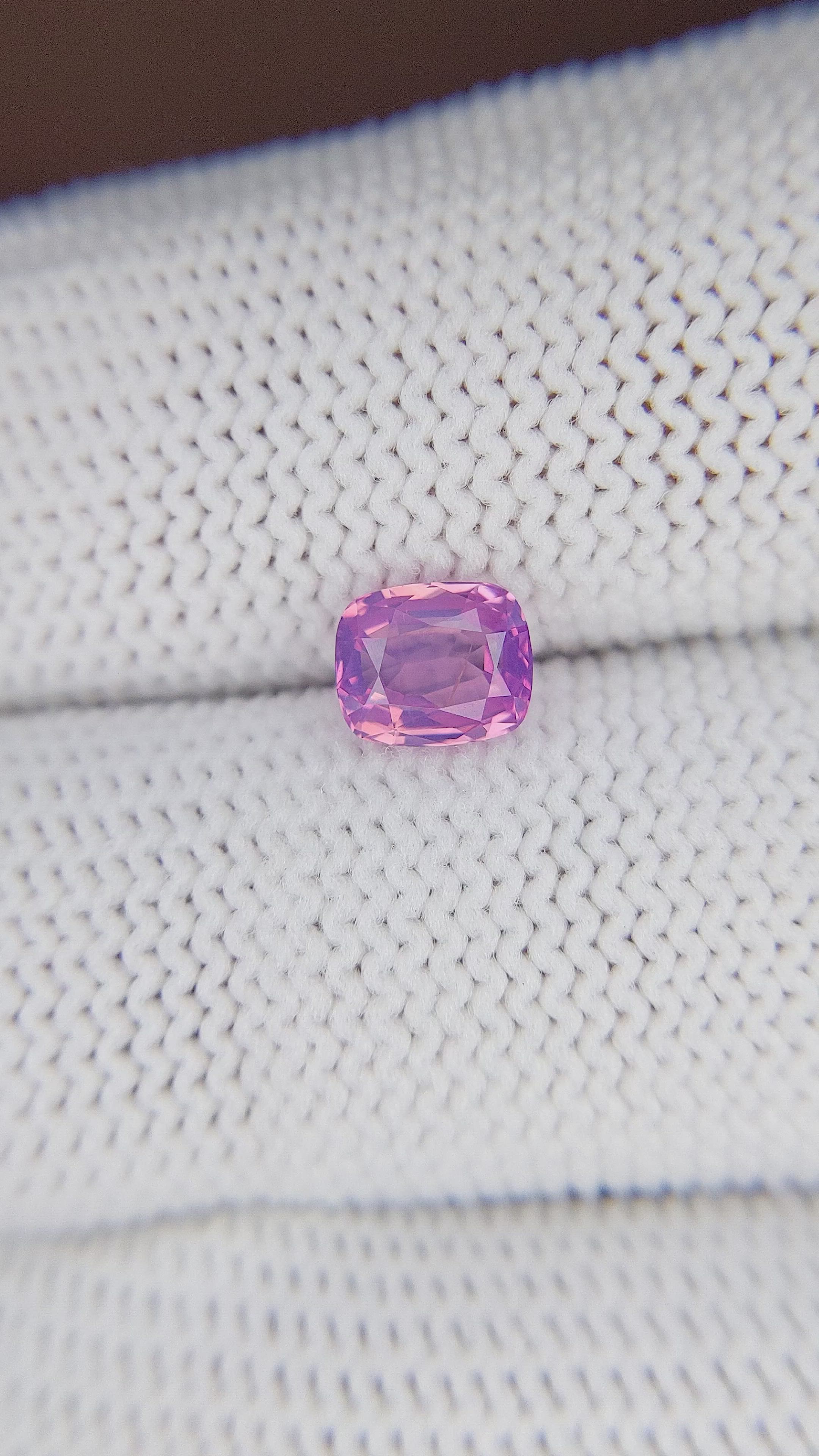
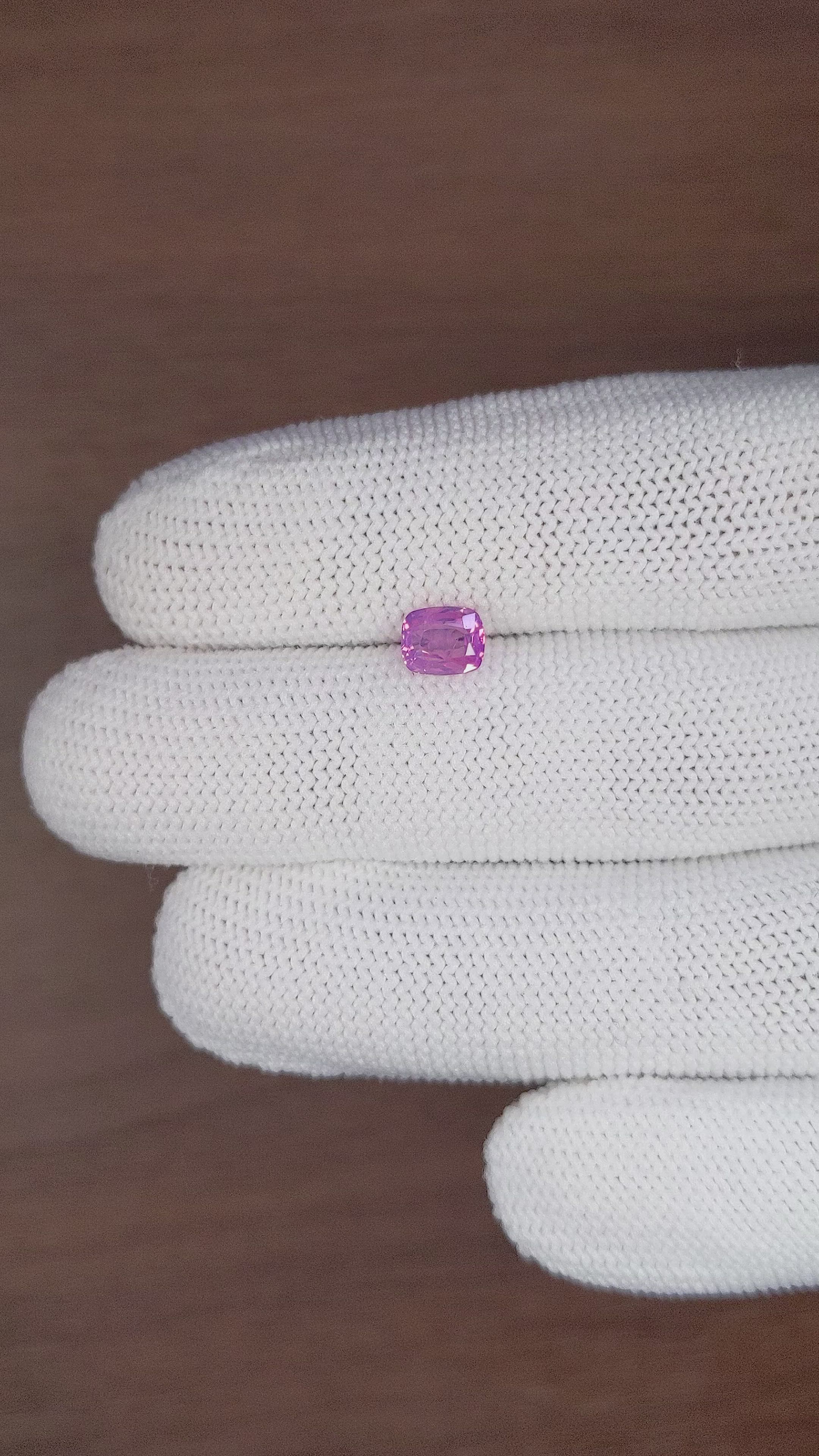
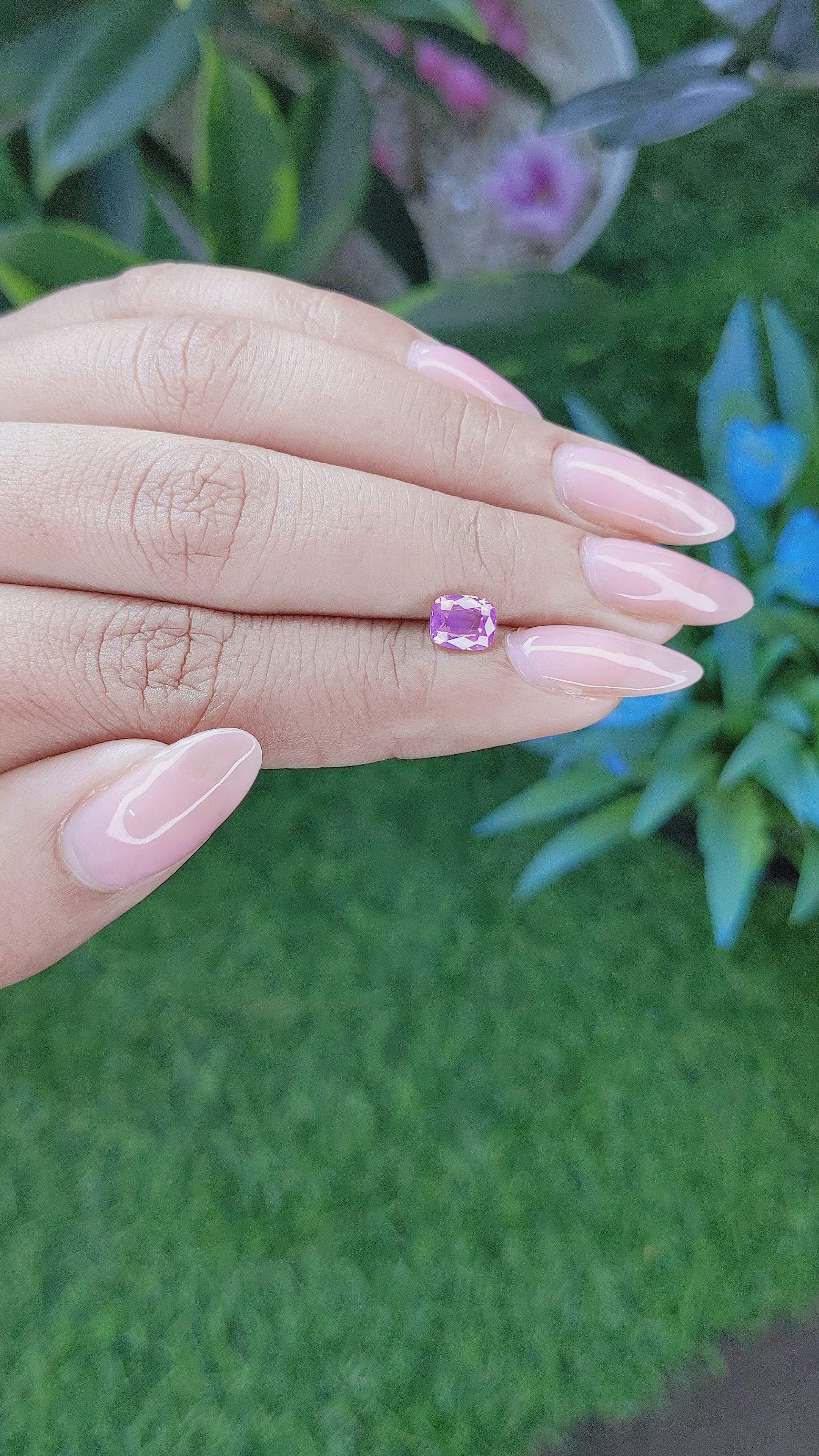
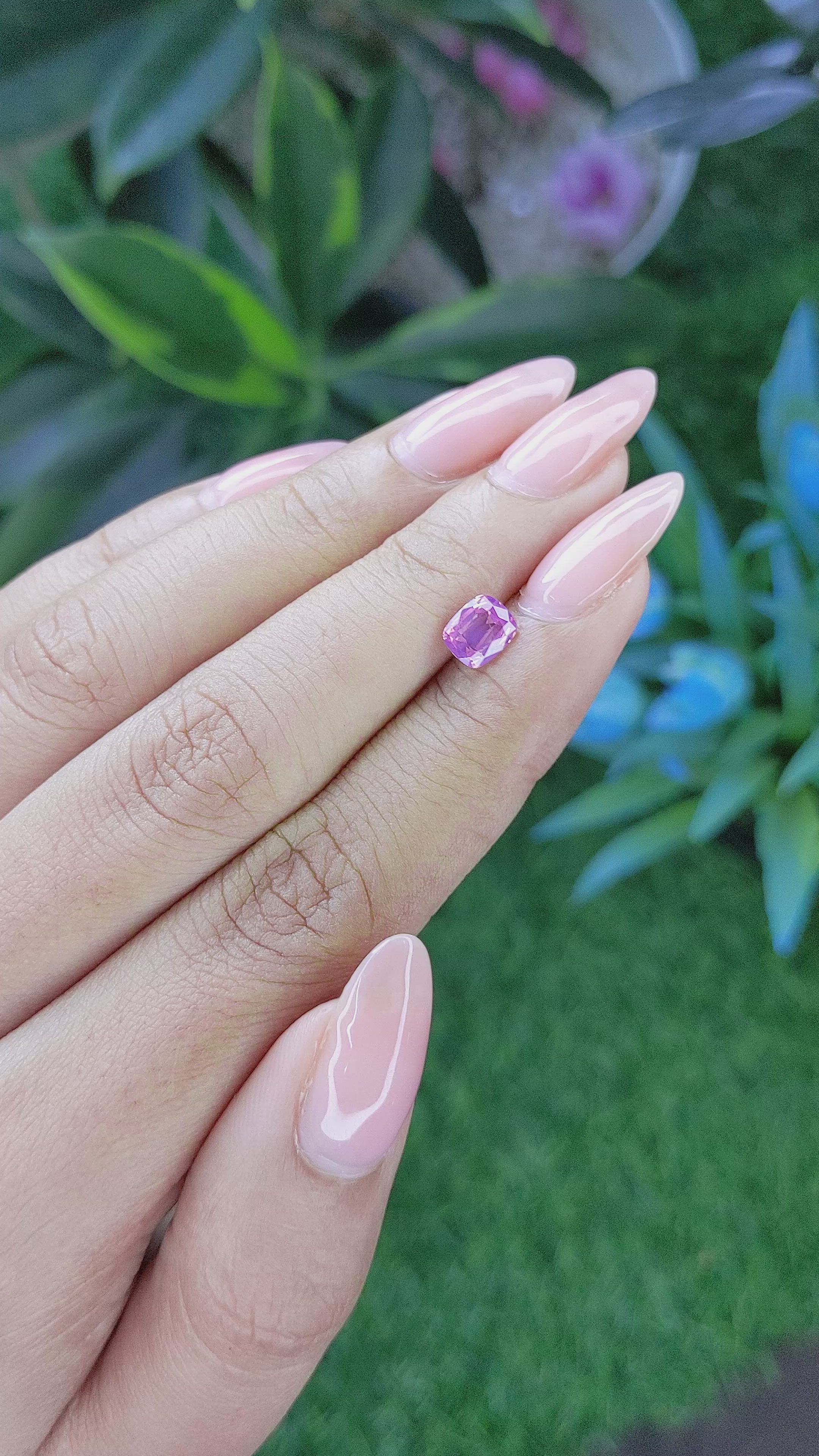
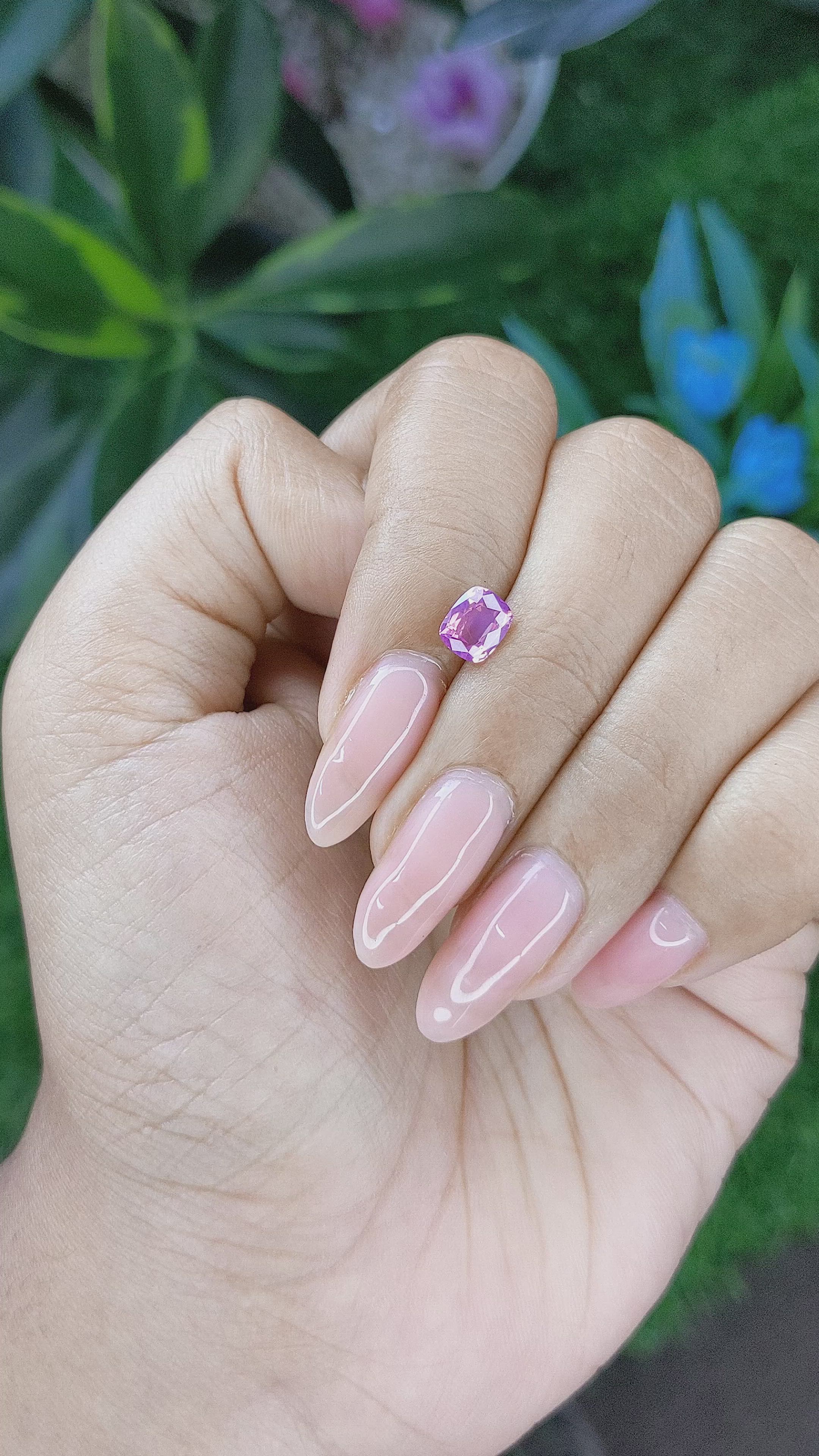


1.06 Ct. Purplish Pink Sapphire from Tanzania
This loose stone ships by May 14
Item ID: | S36681 |
|---|---|
Dimensions (MM): help | Length: 6.27 Width: 5.18 Height: 3.06 |
Weight: | 1.06 Ct. |
Color: help | Purplish Pink |
Color intensity: help | Intense |
Clarity: help | Slightly Included |
Shape: help | Cushion |
Cut: | Mixed Brilliant Cut |
Cutting style: | Faceted |
Enhancements: help | Heat Treated |
Origin: help | Tanzania |
Per carat price: help | $1,100 |
This listing describes a single transparent 1.06 carat cushion shape sapphire offered by The Natural Sapphire Company. The gem measures 6.27 by 5.18 by 3.06 millimeters, and it is fashioned with a mixed brilliant cut that balances broad table facets with pavilion faceting to optimize return of light. Clarity is graded slightly included at eye level, indicating the presence of minor internal features that do not detract from overall transparency or face up appearance in typical viewing conditions. Color is described as purplish pink with intense color intensity, and polish has been evaluated as excellent, providing crisp facet junctions and good surface condition. The stone has been heat treated, a stable and widely used enhancement for sapphires to refine color and clarity, and laboratory testing attributes origin to Tanzania. These specifications outline the objective characteristics that inform assessment of potential uses and visual expectations, and they provide a clear baseline for appraisal and setting considerations.
The hue and tone of this Tanzanian purplish pink sapphire merit comparison to well known sapphire producing regions, because regional differences often influence the balance between pink, purple, and secondary tones. Compared with classic Sri Lankan pink sapphires, which frequently display a lighter, more pastel pink hue with a slightly brighter tone, this Tanzanian example shows a stronger violet component and a deeper, more saturated presentation. Against pink sapphires from Madagascar, which can deliver highly vivid pure pinks and occasionally strong orange influence, the Tanzanian stone reads as more purplish and subtly cooler in tone, retaining a softness without shifting toward orange. When compared with Burmese pinkish sapphires and rubies, which may lean toward warmer redder tones owing to higher chromium content, this Tanzanian sapphire remains more clearly within the pink to purple spectrum, avoiding the red side of the gamut. For context relative to padparadscha examples from Sri Lanka and Madagascar, those stones show a distinct salmon or lotus flower pink with orange undertones, whereas the Tanzanian purplish pink is cooler, showing lavender inflection rather than warm salmon highlights.
Tone and saturation interact with the mixed brilliant cut and excellent polish to shape perceived brilliance, depth, and liveliness. The intense saturation heightens visual impact in relatively small dimensions, allowing the 1.06 carat cushion to read larger and more vivid than a less saturated stone of similar size, and the medium to slightly deeper tone supports contrast between facet planes that enhances scintillation. The slight inclusions recorded at eye level are consistent with natural formation and heat treated material from a variety of sources, and they often contribute to a pleasing character without materially diminishing transparency in everyday wear. Geologically, the purplish pink character reflects a combination of trace element chemistry, with chromium contributing pink to red hues and iron or titanium playing a role in moderating the expression toward purple, and these balances vary across mining districts. Compared to Tanzanian sapphires from other Tanzanian localities that may present more blue or more purely pink responses, this specific stone occupies a nuanced position that appeals to collectors and designers seeking a distinctive but wearable color, and it is well suited to designs where color presence is a primary consideration.
Practical considerations for use and care are straightforward, and they reinforce the gem s suitability for both bespoke and classic jewelry settings. Heat treatment is permanent and common practice for sapphires, and it does not impose special handling beyond routine care for colored stones, and the excellent polish reduces the need for refinishing when set. The cushion shape and mixed brilliant cut accommodate a variety of mounting styles, and the dimensions allow for secure bezel or prong settings that showcase the table and distribute light across the pavilion. For buyers comparing regional color profiles, this Tanzanian purplish pink offers a cool lavender leaning that differs materially from the lighter Ceylon pinks and the warmer Malagasy and Burmese variants, providing a clear choice when a violet inflection is preferred. The Natural Sapphire Company provides objective documentation and images to aid evaluation, and this stone s combination of intense color, transparent body, and neat cutting makes it a considered option for commissions and curated collections where origin, treatment, and measured attributes are integral to selection.


