
- Stone15
- Reports3
-oval-purplishpink-sapphire-1.0300-cts-s34826-1.jpg?d=200x200&v=20251215084020)
-oval-purplishpink-sapphire-1.0300-cts-s34826-lifestyleimage-1.jpg?d=200x200&v=20251216011252)
-oval-purplishpink-sapphire-1.0300-cts-s34826-lifestyleimage-2.jpg?d=200x200&v=20251216011252)
-oval-purplishpink-sapphire-1.0300-cts-s34826-lifestyleimage-3.jpg?d=200x200&v=20251216011252)



-oval-purplishpink-sapphire-1.0300-cts-s34826-1.jpg?d=750x750&s=nsc&v=20251215084020)
-oval-purplishpink-sapphire-1.0300-cts-s34826-lifestyleimage-1.jpg?d=750x750&s=nsc&v=20251216011252)
-oval-purplishpink-sapphire-1.0300-cts-s34826-lifestyleimage-2.jpg?d=750x750&s=nsc&v=20251216011252)
-oval-purplishpink-sapphire-1.0300-cts-s34826-lifestyleimage-3.jpg?d=750x750&s=nsc&v=20251216011252)


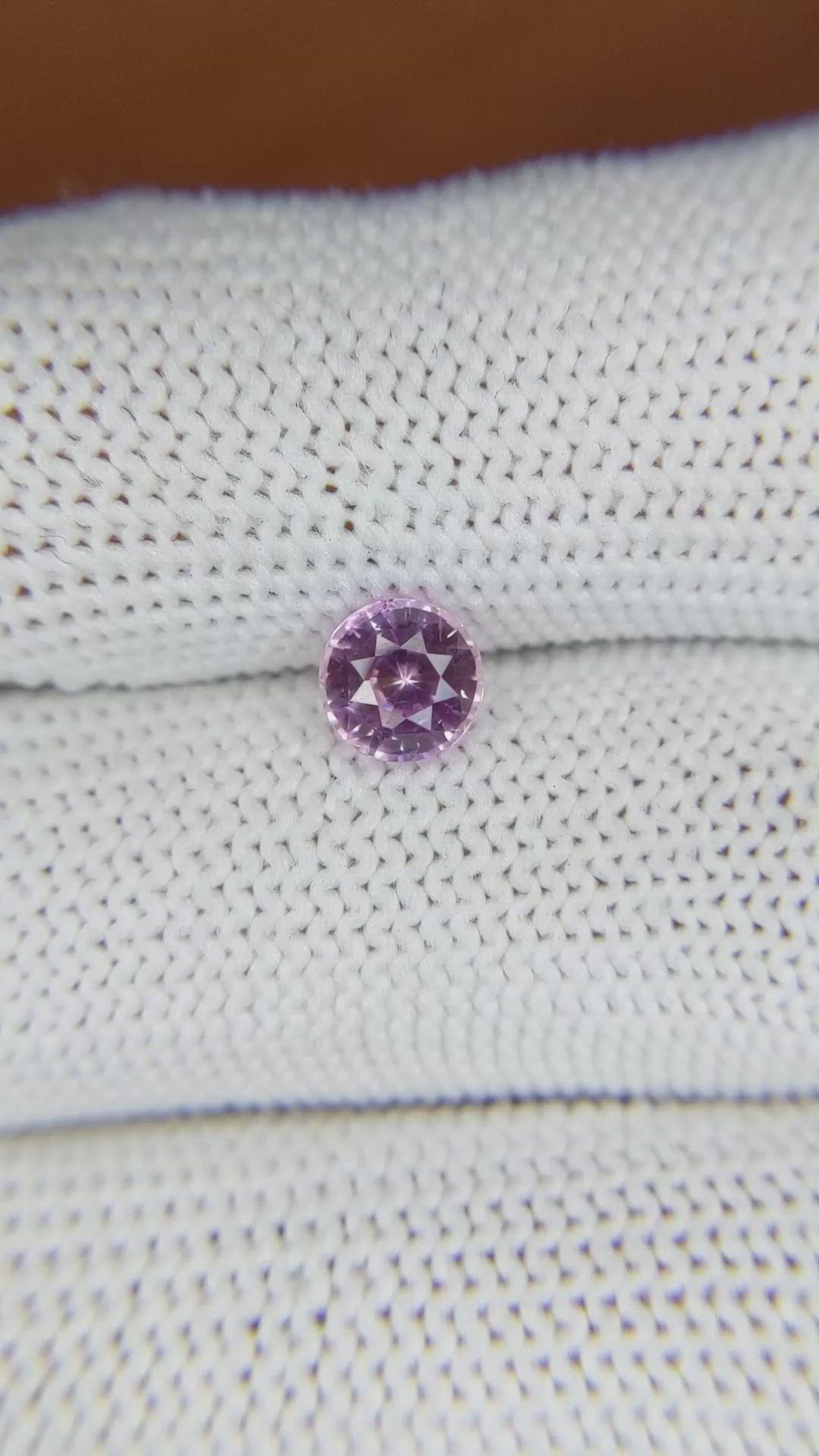
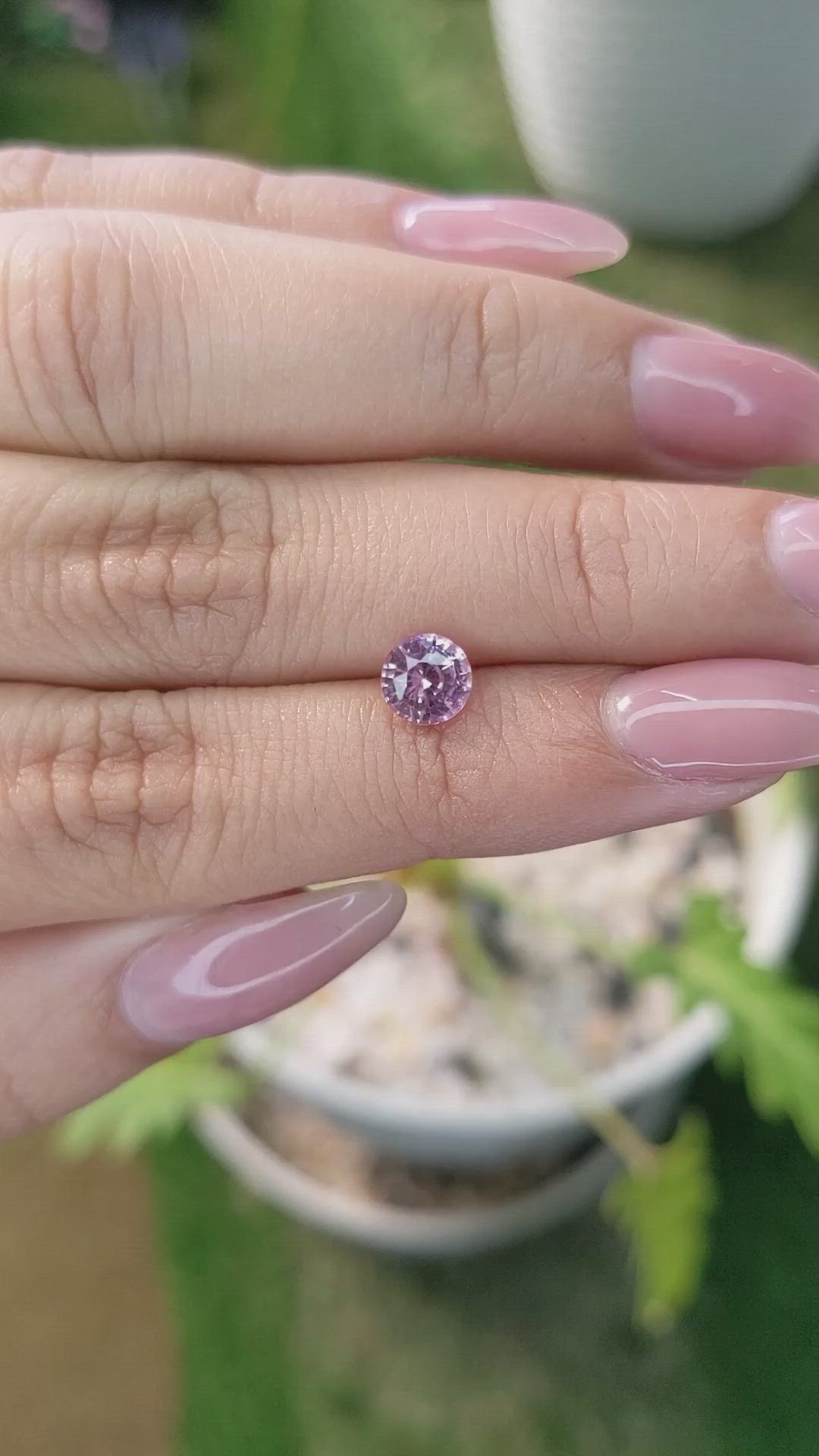
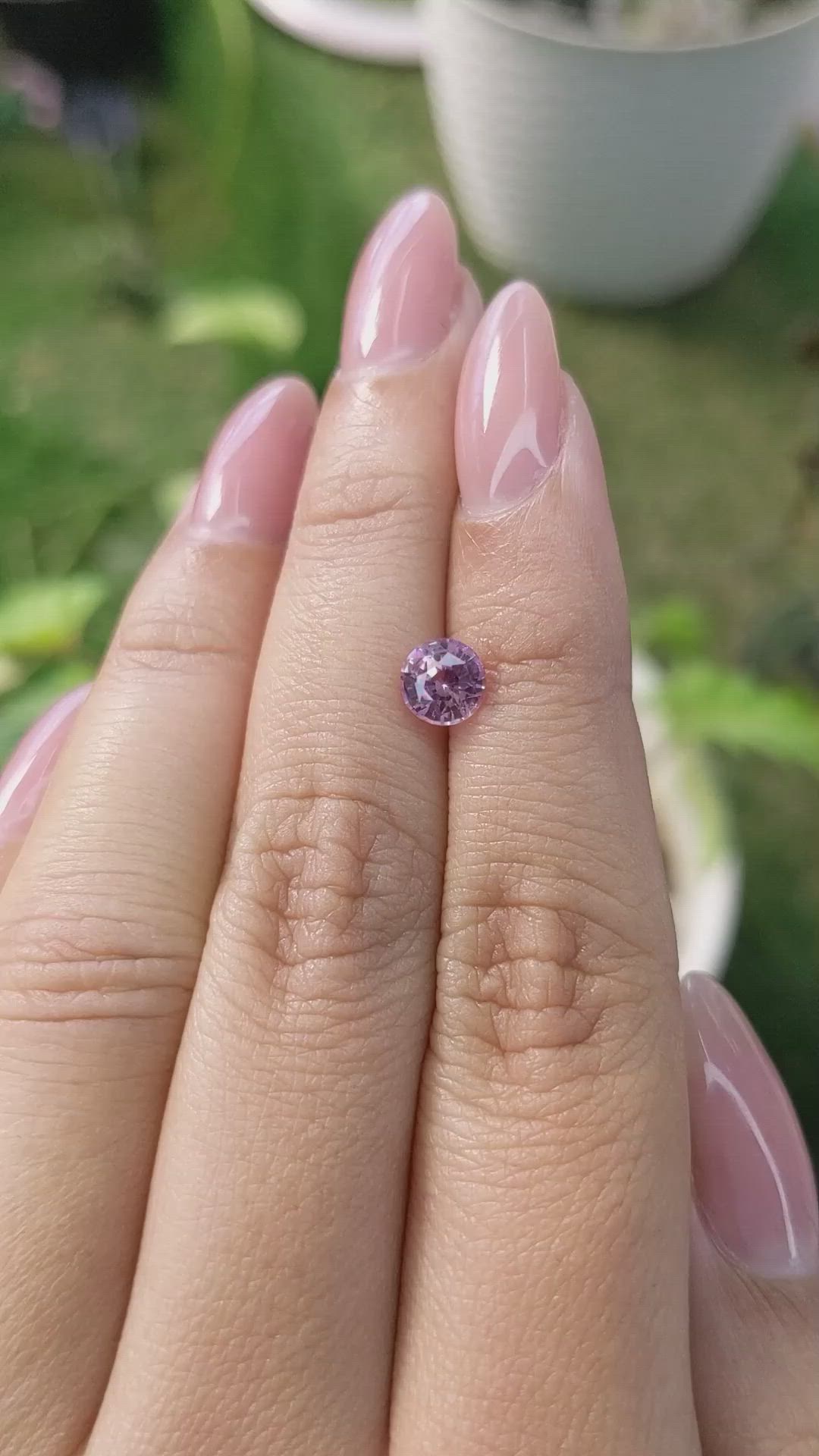
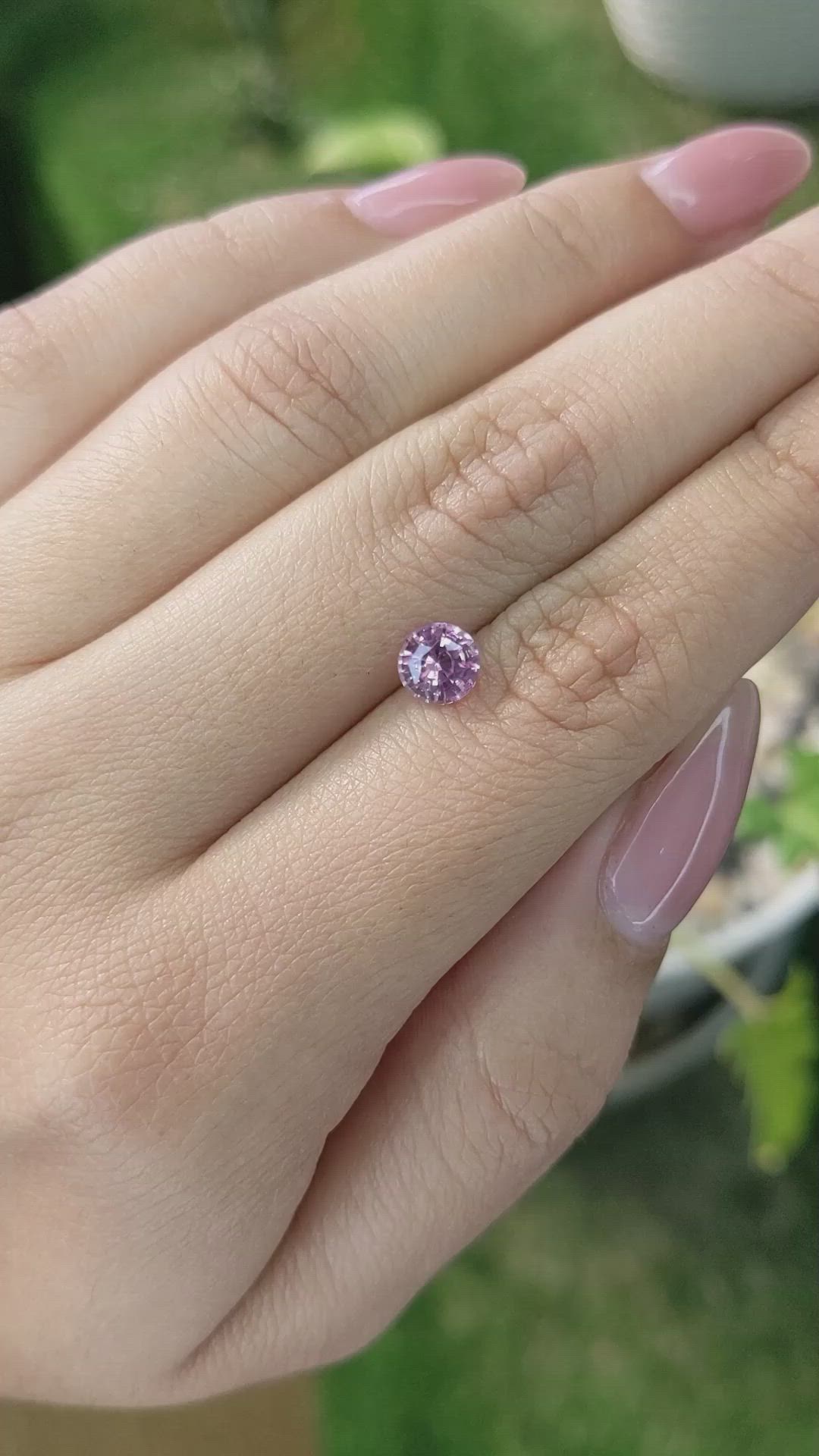
1.03 Ct. Pink Sapphire from Ceylon (Sri Lanka)
This loose stone ships by Apr 30
Item ID: | S34826 |
|---|---|
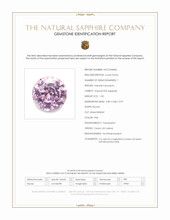
Dimensions (MM): help | Length: 5.89 Width: 5.86 Height: 3.97 |
Weight: | 1.03 Ct. |
Color: help | Pink |
Color intensity: help | Light |
Clarity: help | Very Very Slightly Included |
Shape: help | Round |
Cut: | Mixed Brilliant |
Cutting style: | Faceted |
Enhancements: help | No Enhancement |
Origin: help | Ceylon (Sri Lanka) |
Per carat price: help | $816 |
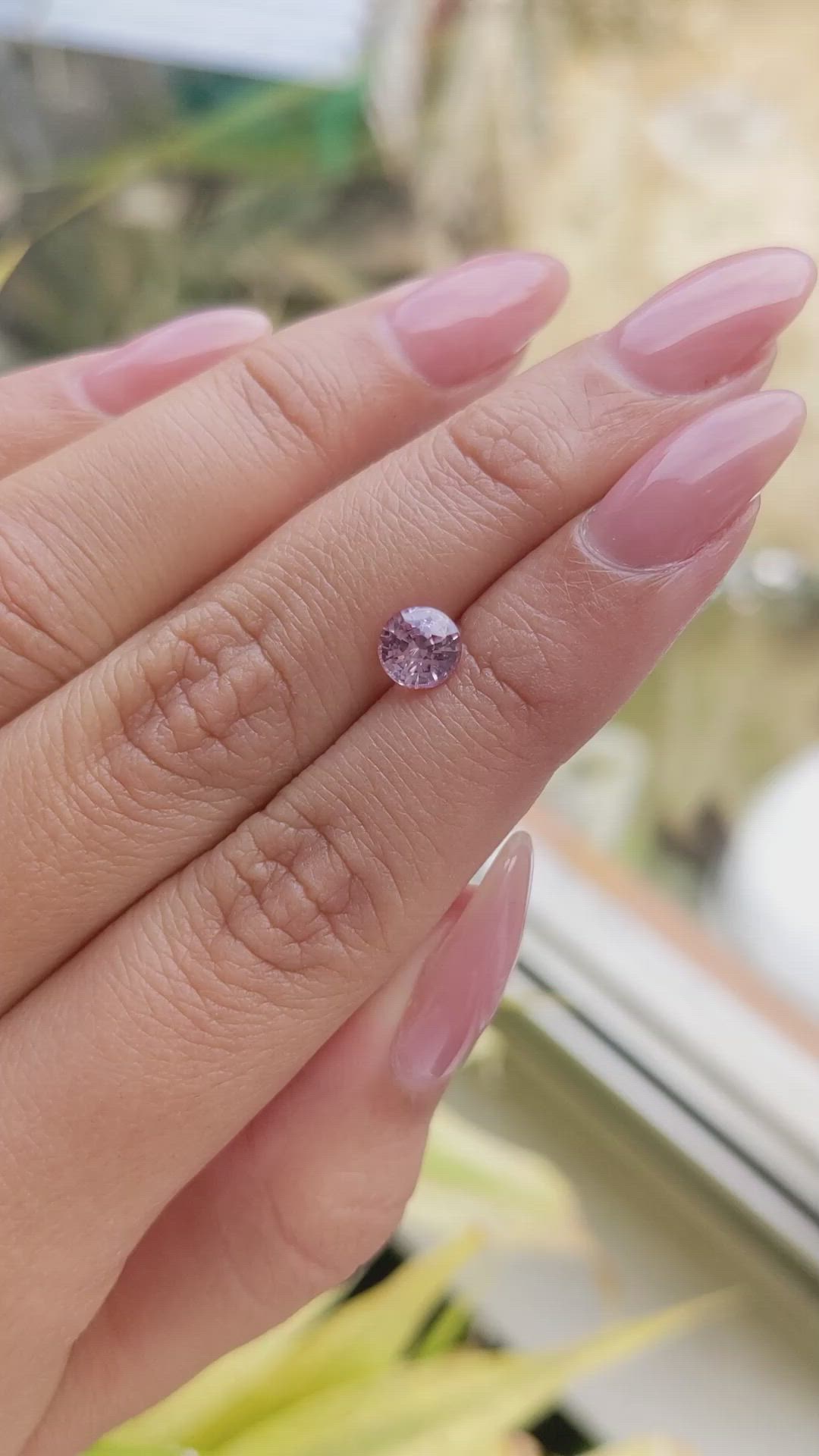
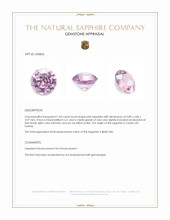
This 1.03 carat, transparent round pink sapphire measures 5.89 by 5.86 by 3.97 millimeters, presenting a compact and well balanced profile for fine jewelry. The stone is cut in a mixed brilliant style, combining a brilliant facet treatment on the crown with a modified pavilion to harness both scintillation and color saturation. The measured depth of approximately 67.5 percent indicates a deliberate cutter choice to concentrate the delicate pink tone while preserving lively return of white light and flashes of fire. Clarity is graded as very very slightly included at eye level, which for practical purposes means the stone is effectively eye clean, with only minute, well healed inclusions detectable under magnification. Color intensity is described as light, a sought after Ceylon character for pink sapphires, and the sapphire is offered without enhancement, assuring collectors and connoisseurs of its natural state. The polish is excellent, with facet planes finished to a high degree of smoothness, enabling crisp facet junctions and an immediate sense of depth and sparkle.
From a lapidary and optical standpoint, the mixed brilliant cut on this round pink sapphire is engineered to balance dispersion and saturation, a nuanced decision by the lapidary that influences perceived color. The brilliant crown facets create numerous small flashes of light and contrast, while the pavilion faceting is tuned to return light efficiently, avoiding excessive leakage that would mute the pink hue. For light pink sapphires, slightly deeper pavilion angles tend to induce stronger color concentration through internal reflection, and the approximately 67.5 percent depth on this stone confirms that intent, enabling enhanced face up color in a variety of lighting conditions. The excellent polish and accurate facet geometry reduce light scattering at the surface, maximizing both luster and transparency. The very very slightly included clarity grade means inclusions are microscopic and do not interfere with the stone's optical performance, so the visual impact is dominated by the cut and color rather than by internal features.
The origin of this sapphire is Ceylon, Sri Lanka, a source historically prized for its range of delicate pastel pinks and velvety blues. Geological conditions in Ceylon produce corundum crystals with trace chromium responsible for pink coloration, often moderated by low concentrations of iron which yield an appealing light intensity rather than a saturated tone. The absence of enhancement is a significant attribute, because many sapphires on the market undergo treatments such as heat to alter color and clarity. An untreated Ceylon pink sapphire with natural color and eye clean appearance is comparatively rare, and this rarity enhances both aesthetic desirability and long term value. Provenance from a reputable origin adds both historical and collector interest, and it often correlates with characteristic optical phenomena such as subtle color zoning or minor silk inclusions that testify to natural growth, rather than laboratory conditions.
Compared to lab grown sapphires, natural untreated stones offer distinct advantages that are technical, aesthetic, and economic. Physically, both natural and lab grown corundum share hardness and basic optical properties, however natural stones display unique growth features, inclusion patterns, and trace element signatures that cannot be exactly replicated in the same way by synthetic processes. These natural fingerprints are used by experienced gemmologists to confirm origin and authenticity, and they contribute to each stone being singular in its appearance and history. Lab grown sapphires can offer more uniform color and fewer inclusions at a lower price, yet they lack provenance, the story of formation, and the premium that collectors attribute to naturally formed crystals, especially when untreated. For buyers who value rarity, long term value preservation, and the subtle, variable beauty imparted by natural formation, an untreated Ceylon pink sapphire of this quality presents a compelling choice. At The Natural Sapphire Company we specialize in sourcing and presenting natural, responsibly obtained sapphires, and we provide full disclosure of origin and treatment, along with expert guidance on setting and care to ensure your sapphire performs beautifully for a lifetime.


