
- Stone17
- Reports4
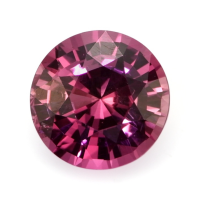
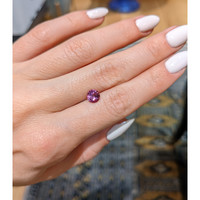
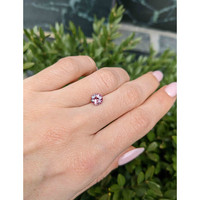
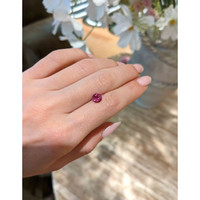
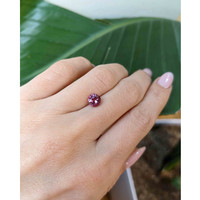
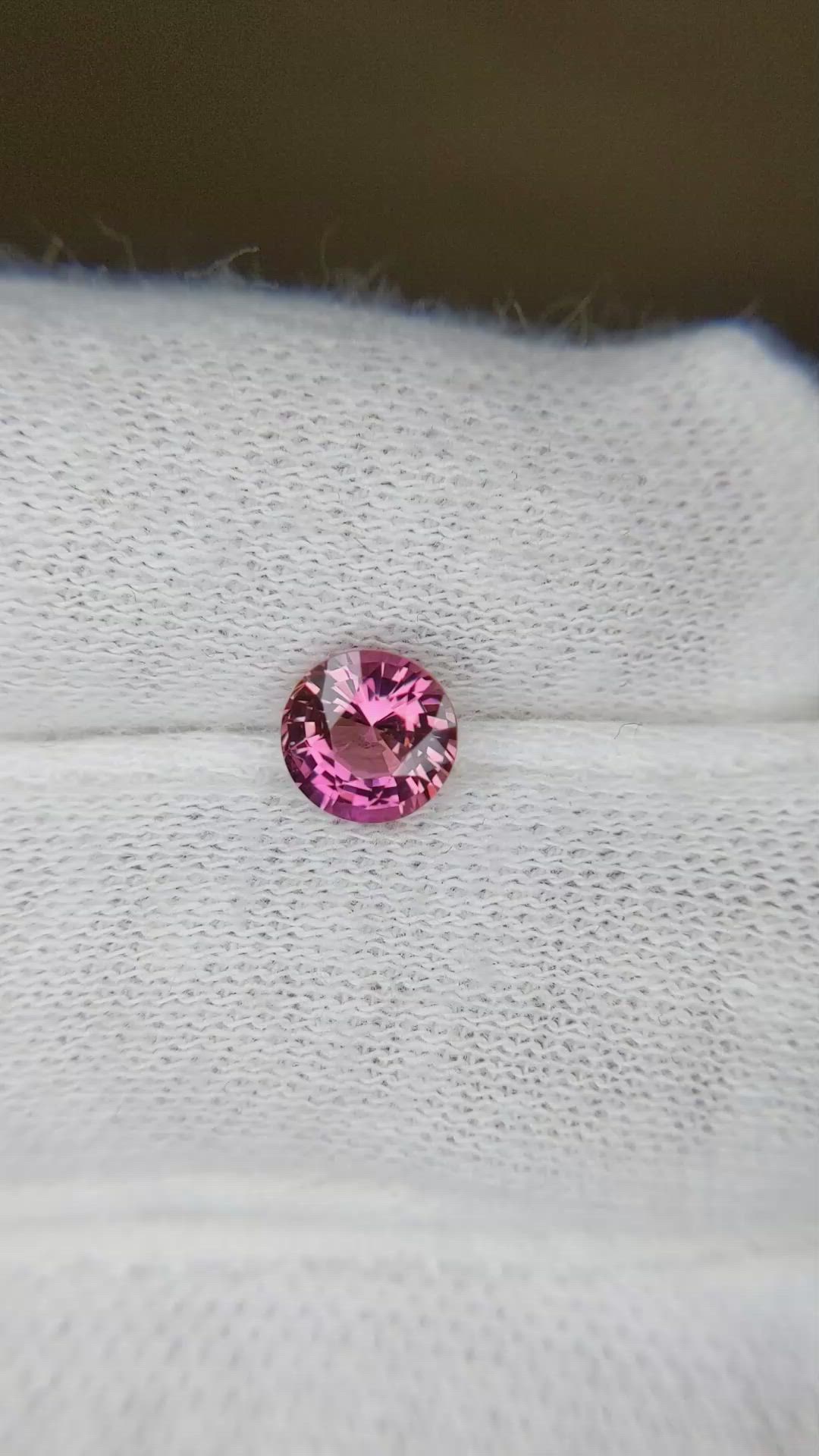
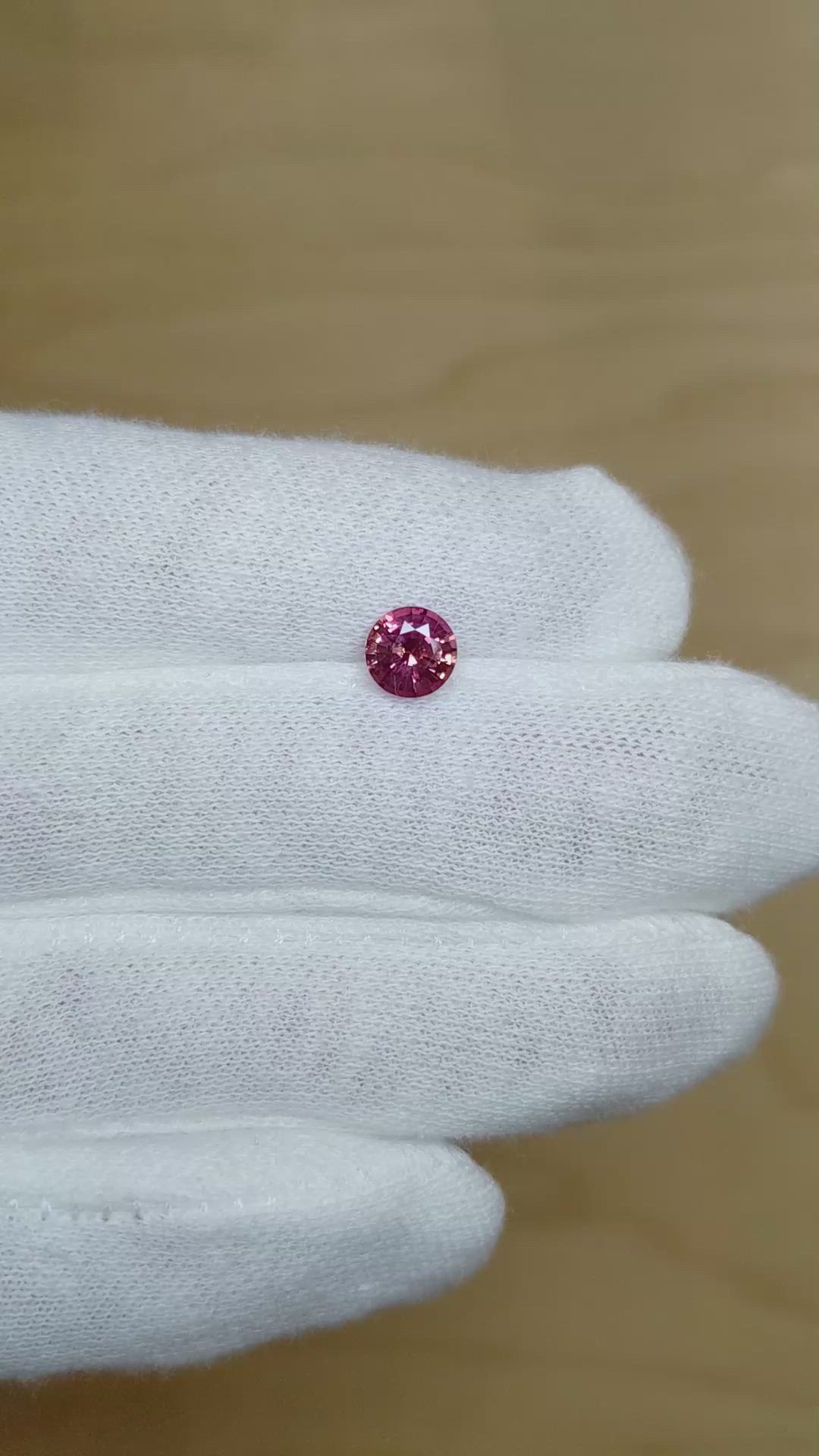
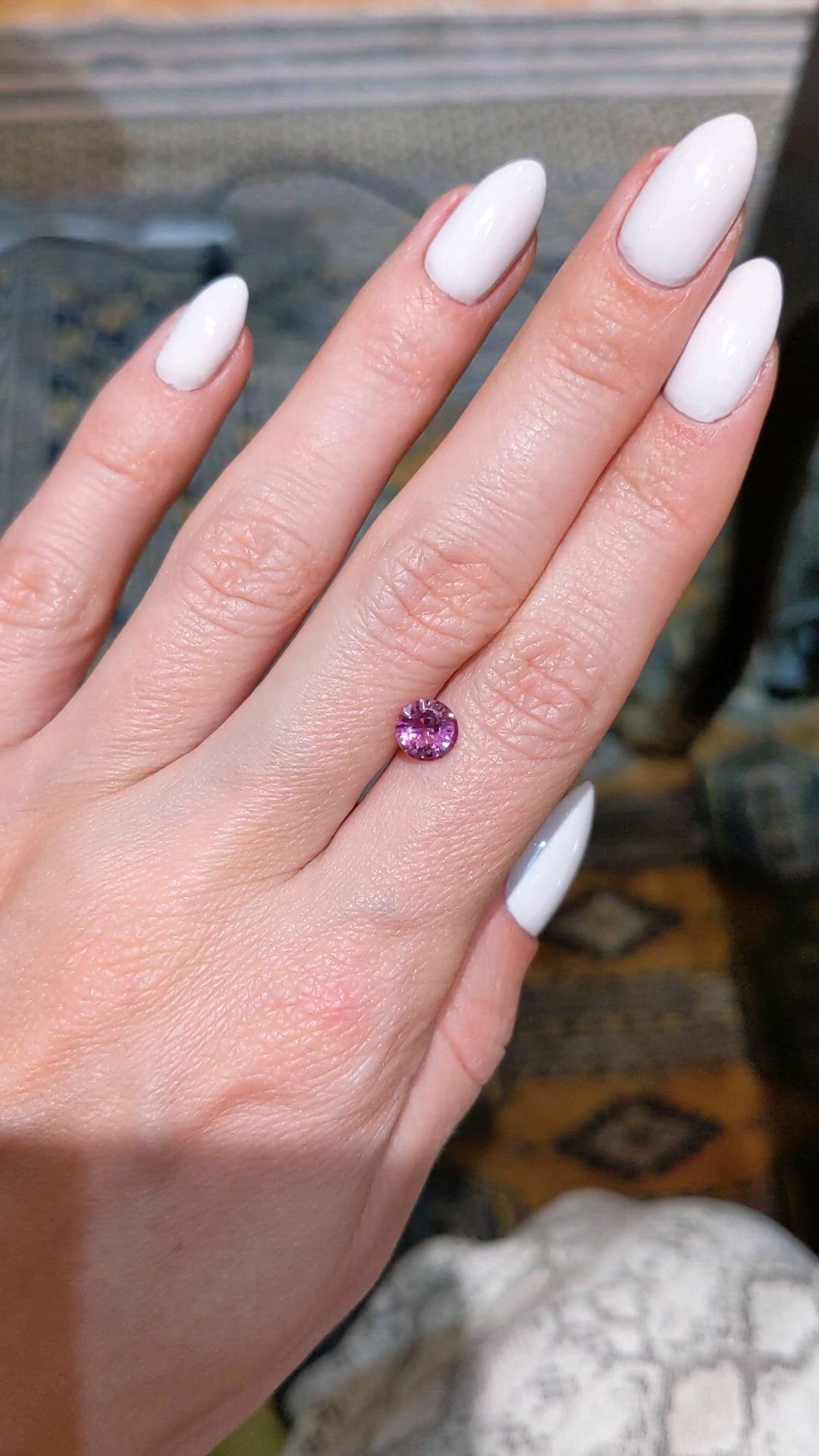
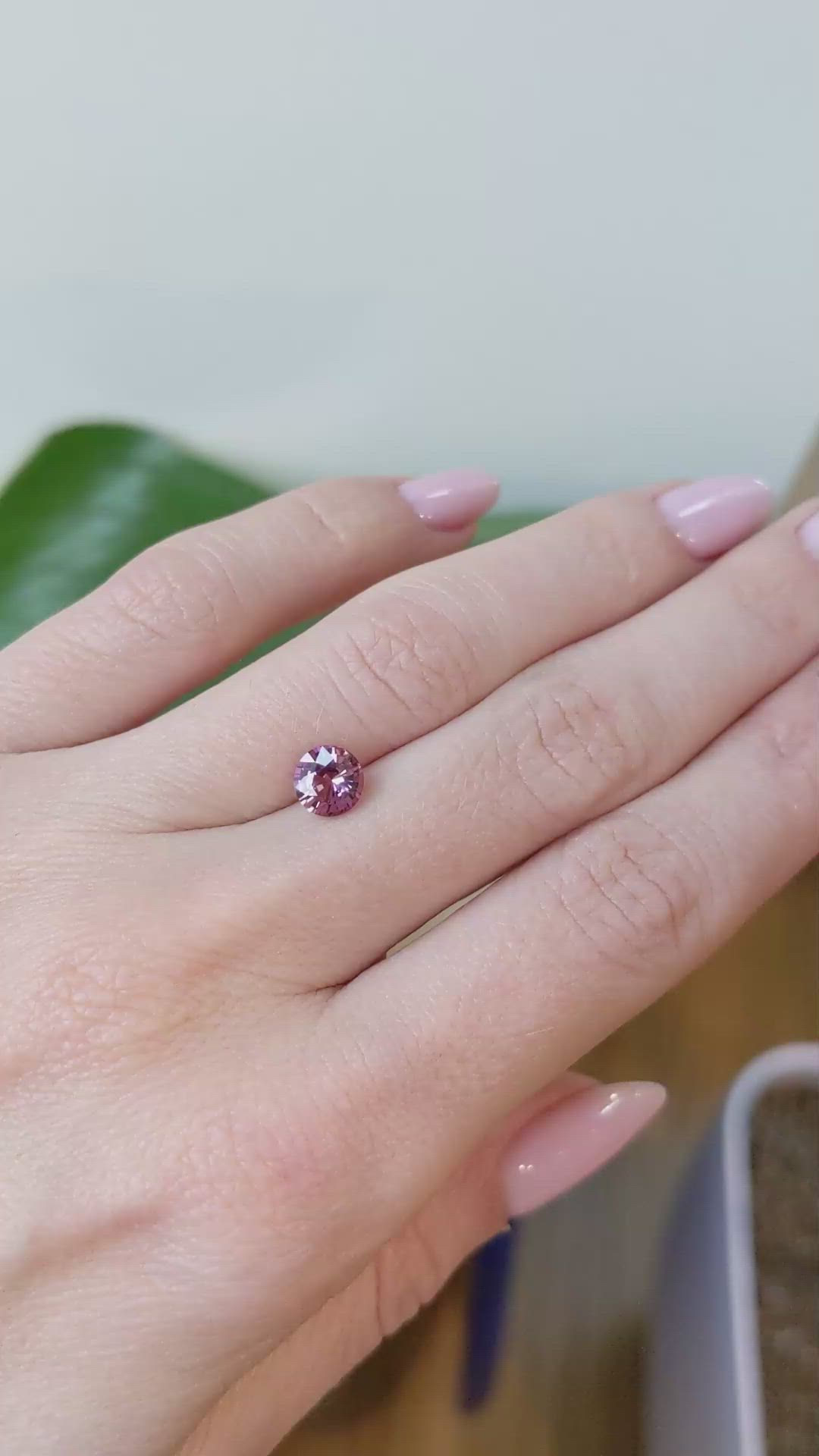
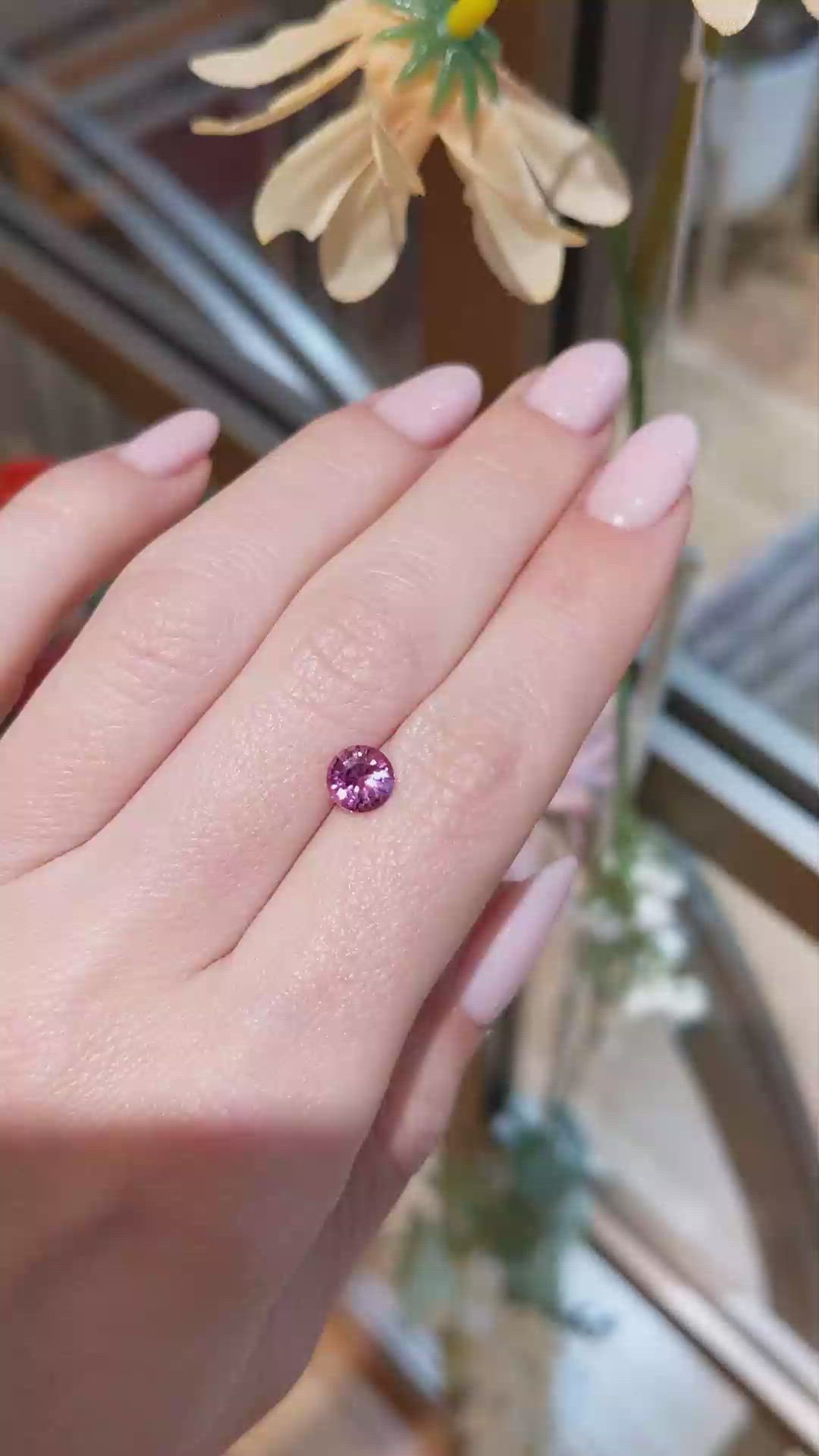
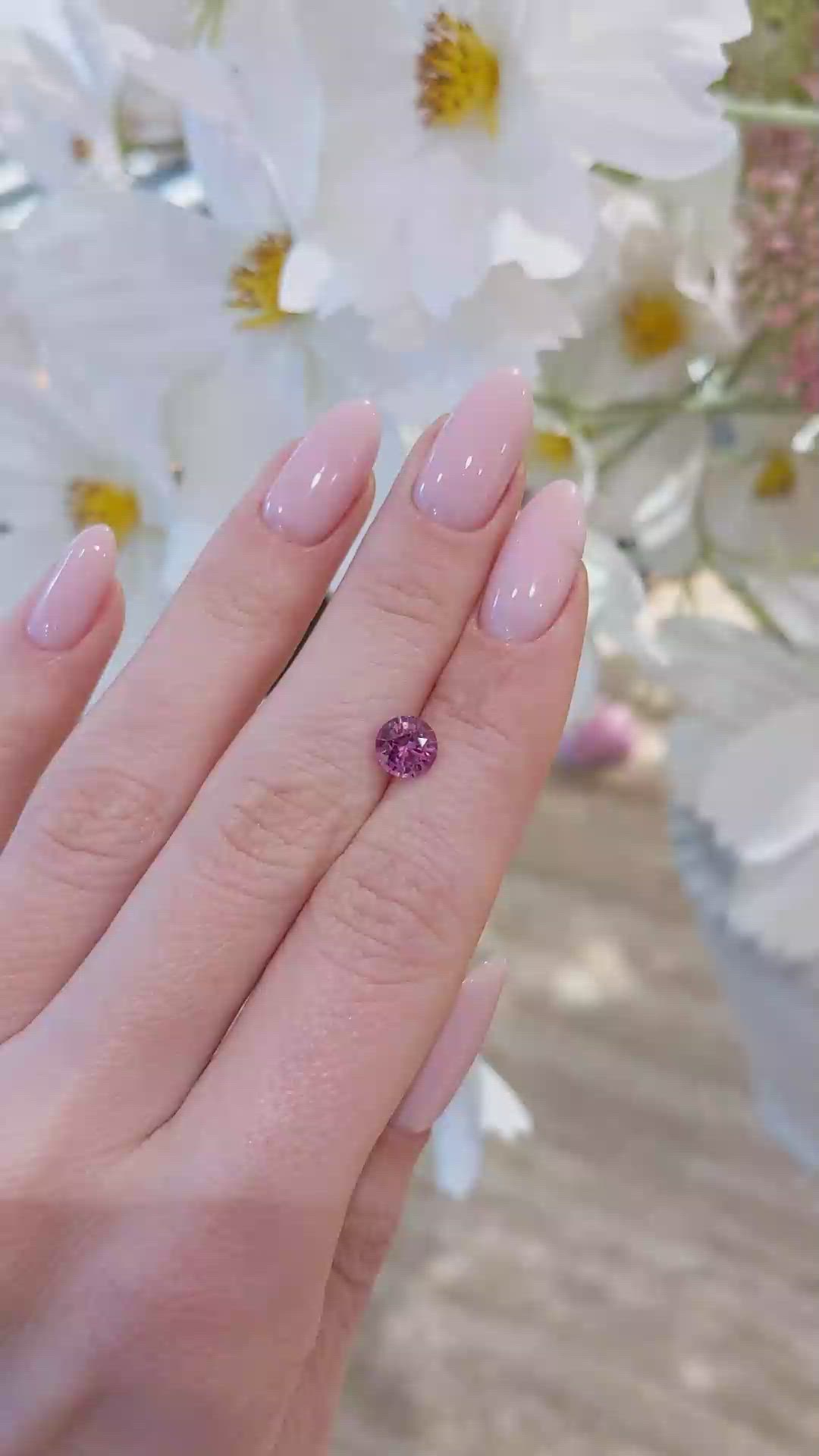



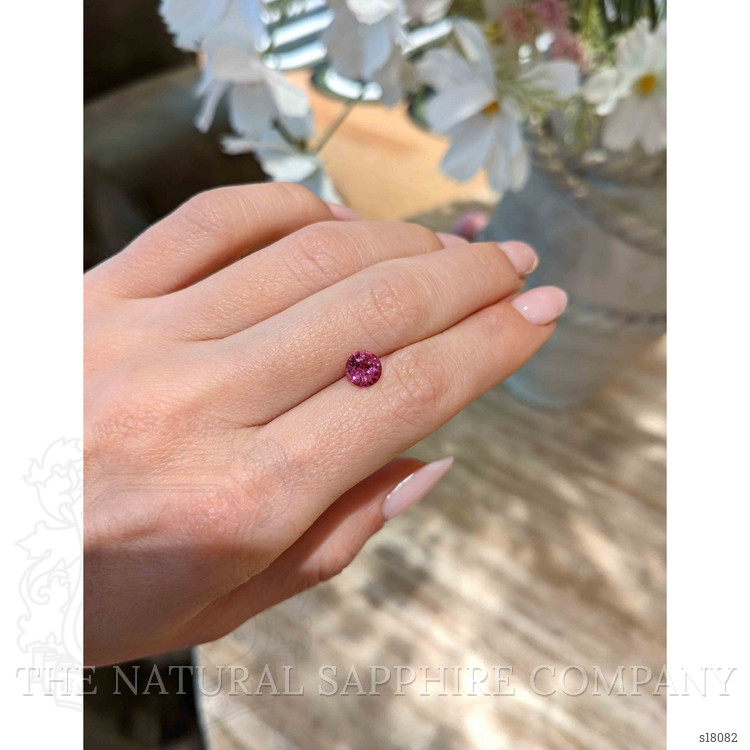
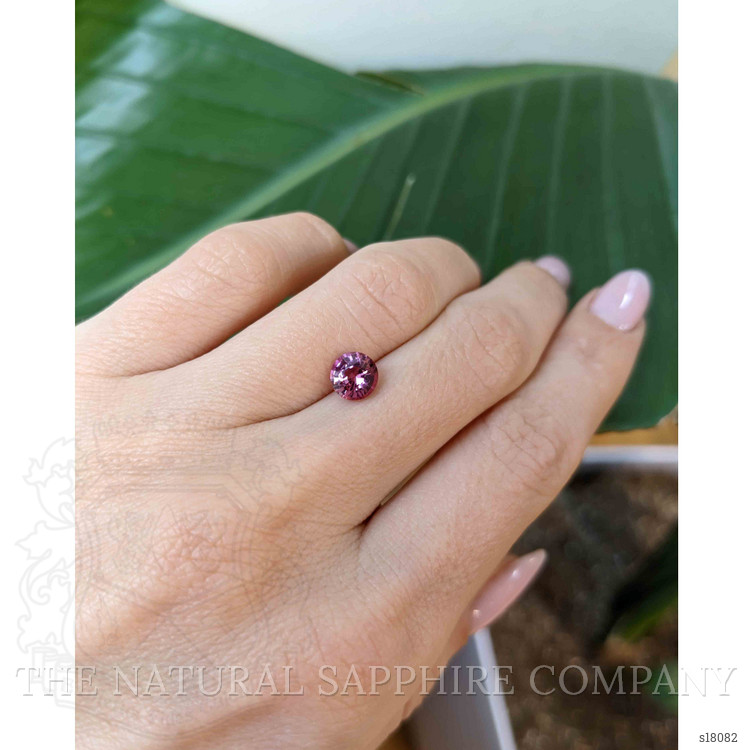


1.14 Ct. Padparadscha Sapphire from Madagascar
This loose stone is available to ship now
Item ID: | S18082 |
|---|---|
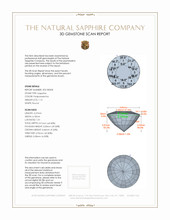
Dimensions (MM): help | Length: 6.27 Width: 6.18 Height: 3.91 |
Weight: | 1.14 Ct. |
Color: help | Padparadscha |
Color intensity: help | Vivid |
Clarity: help | Very Very Slightly Included |
Shape: help | Round |
Cut: | Mixed Brilliant |
Cutting style: | Faceted |
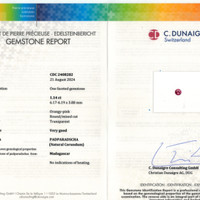
Enhancements: help | No Enhancement |
Origin: help | Madagascar |
Per carat price: help | $3,330 |
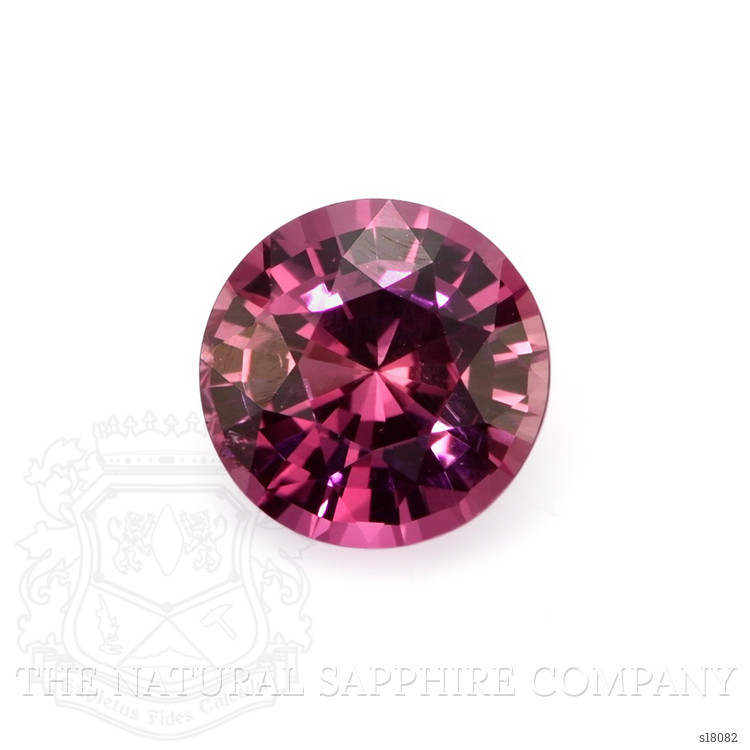
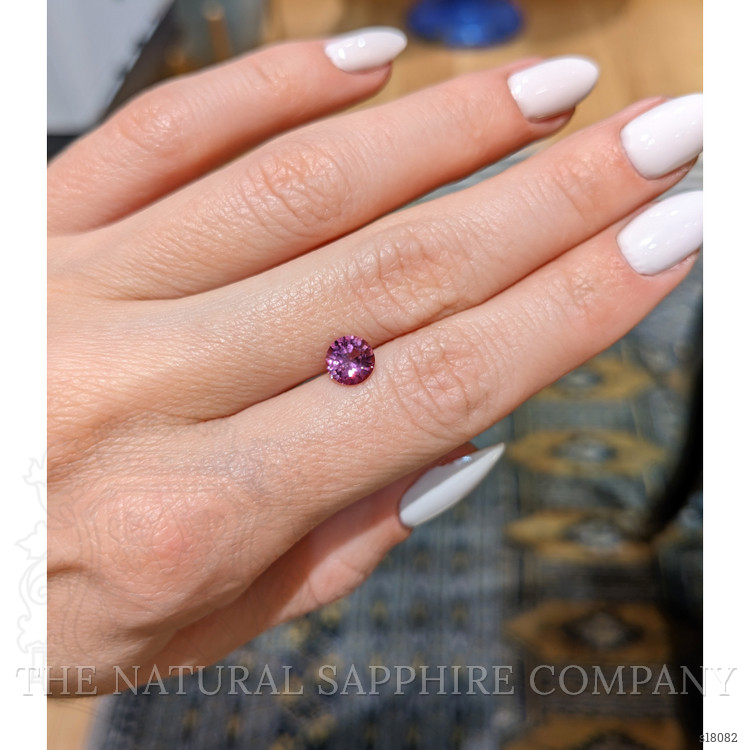
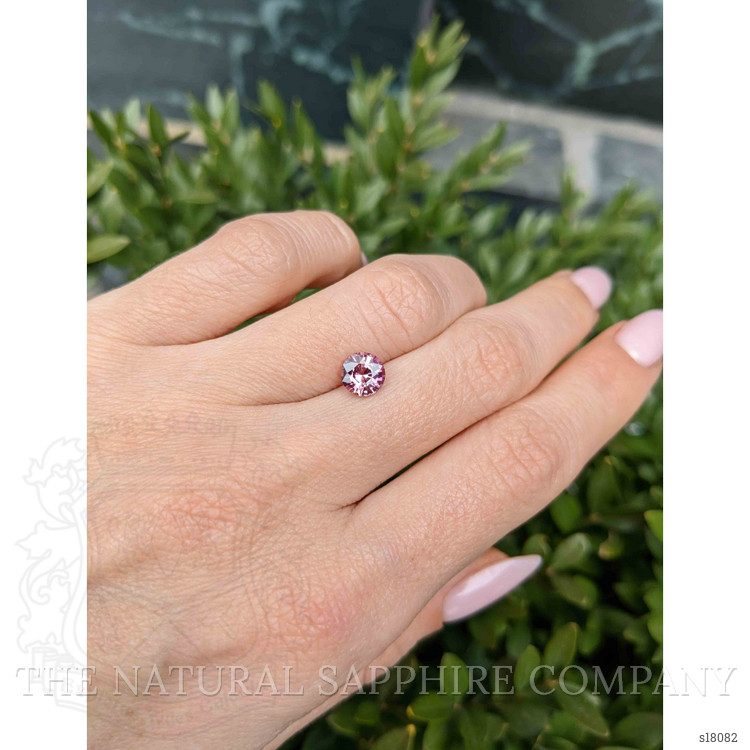
This is a transparent padparadscha sapphire weighing 1.14 carat, presented in a classic round shape with exact dimensions of 6.27 by 6.18 by 3.91 millimeters, cut to a mixed brilliant faceting scheme. The stone exhibits vivid color intensity, and its clarity is graded as very very slightly included at eye level. The mixed brilliant cut combines a faceted crown designed for a balance of broad white light return and contrast, with a modified pavilion that preserves strong color saturation. The measured depth of this gem generates a depth percentage in the low sixties, a proportion that is technically favourable for a round mixed brilliant sapphire because it supports both scintillation and a deep, concentrated hue. The finish is described as excellent polish, which means facet junctions are crisp, surfaces are free from polish lines, and the interaction with light is clean and lively. The origin is Madagascar, and the stone carries the important distinction of no enhancement, indicating a completely natural coloration and treatment history, a factor that underpins both its aesthetic integrity and market value.
The faceting architecture of this round mixed brilliant is deliberately engineered to optimize the dual priorities of brilliance and color depth that define high quality padparadscha material. On the crown, a combination of star facets and kite shaped crown facets disperses light into flashes of white brilliance and selective color return, while the girdle and pavilion relationships have been tuned to avoid excessive light leakage that would wash out the delicate orange pink equilibrium. The mixed brilliant approach allows the pavilion facets to act as a color concentrator, retaining saturation within the body of the gem even as the crown facets produce lively scintillation. This balance is especially important for padparadscha sapphires, where an overly shallow or overly deep pavilion will respectively either dilute the pink orange fusion or produce a black window effect. The excellent polish enhances facet transparency and internal reflection, so the stone benefits from sharp contrast and strong face up presence, rather than diffuse or muted light performance.
Clarity characteristics in this specimen are restrained, and the very very slightly included grade at eye level indicates that any natural inclusions are minor, well distributed, and do not interfere with the gemological performance. In practical terms these small inclusions have minimal impact on light transmission and do not create discernible clouding or pinpointing when the stone is set and viewed in typical lighting. The transparency and lack of significant inclusions also contribute to the perception of size, so this 1.14 carat round presents larger and more impactful visually than its weight alone might imply, because light moves freely through the pavilion and crown, enhancing brilliance and apparent diameter. The vivid color intensity is evenly distributed across the table, presenting a true padparadscha blend of pink and orange with a medium tone and strong saturation, a color profile that is both rare and highly sought after. Being from Madagascar and untreated, the gem represents a collector quality natural example, with predictable long term stability of color and little need for special handling beyond normal care for corundum.
From a design and setting perspective this sapphire is exceptionally well suited to a statement piece, because the combination of size, clarity, and cut yields a gemstone that commands attention while remaining adaptable to multiple styles. In a solitaire ring the round mixed brilliant will provide dynamic sparkle and a direct color face up, making it an ideal center for those wanting a single focal point. In a halo or three stone design the clean clarity and vivid color will harmonize with accent diamonds or smaller sapphires without competing, and because the stone is untreated the natural hue remains the primary feature of any composition. Metal choice will influence perceived warmth, with yellow gold and rose gold tending to complement and slightly enrich the orange component of the padparadscha tone, while platinum or white gold will emphasize the pink facet of the coloration for a cooler presentation. For optimal light performance an open prong or low bezel setting that allows unobstructed light to enter the pavilion is recommended. The Natural Sapphire Company is available to assist with bespoke mounting options and technical advice on angles and setting profiles that preserve the optical benefits of the mixed brilliant cut, ensuring the gem reads as a definitive statement piece in any wearable application, while preserving its documented origin and untreated status for provenance and long term valuation.


