
- Stone14
- Reports3
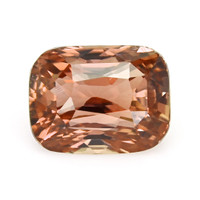
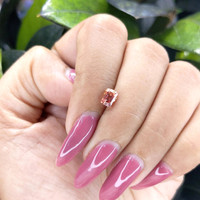
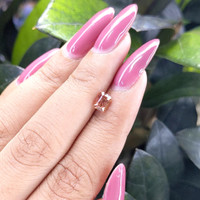
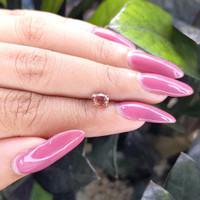
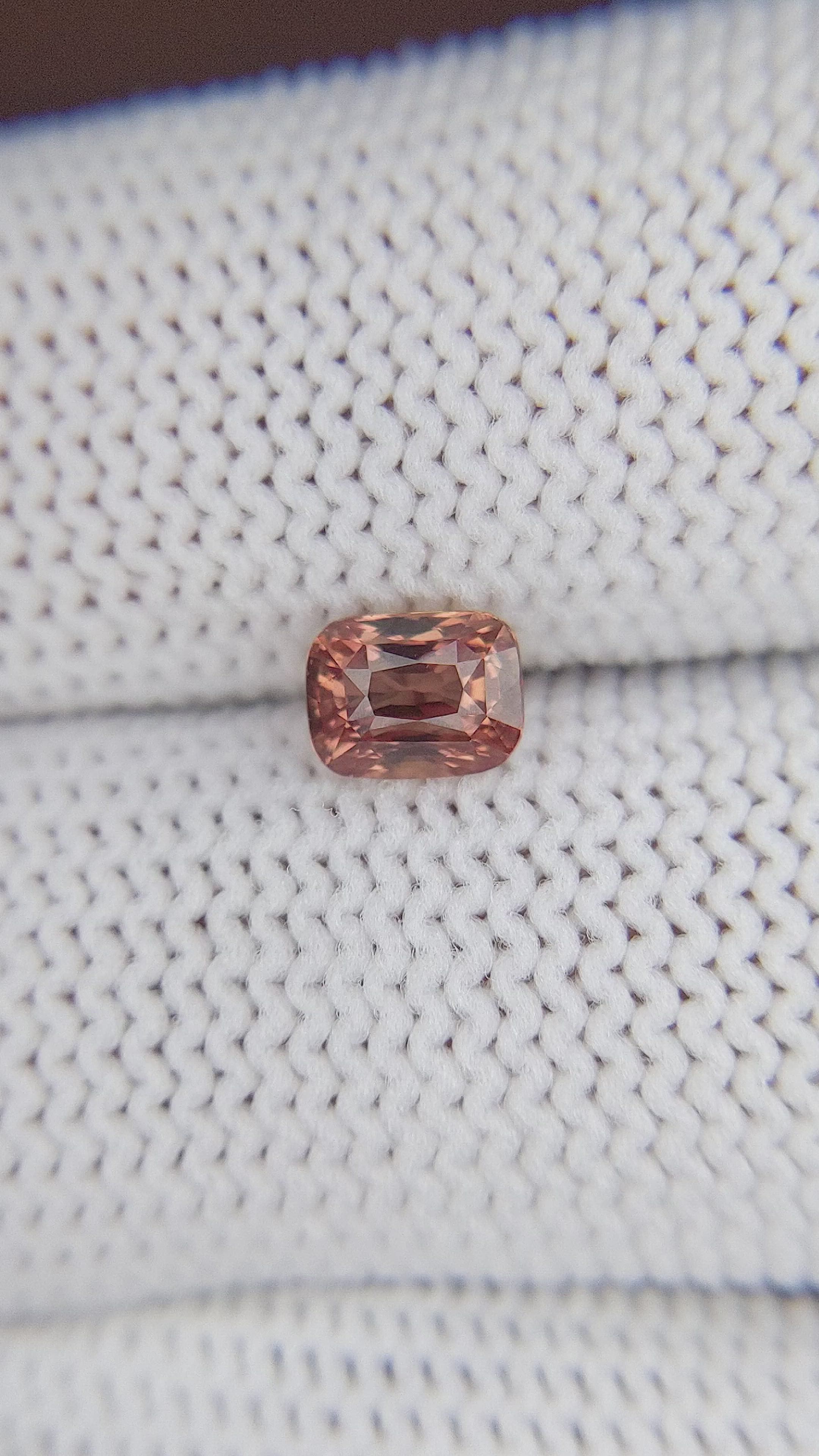
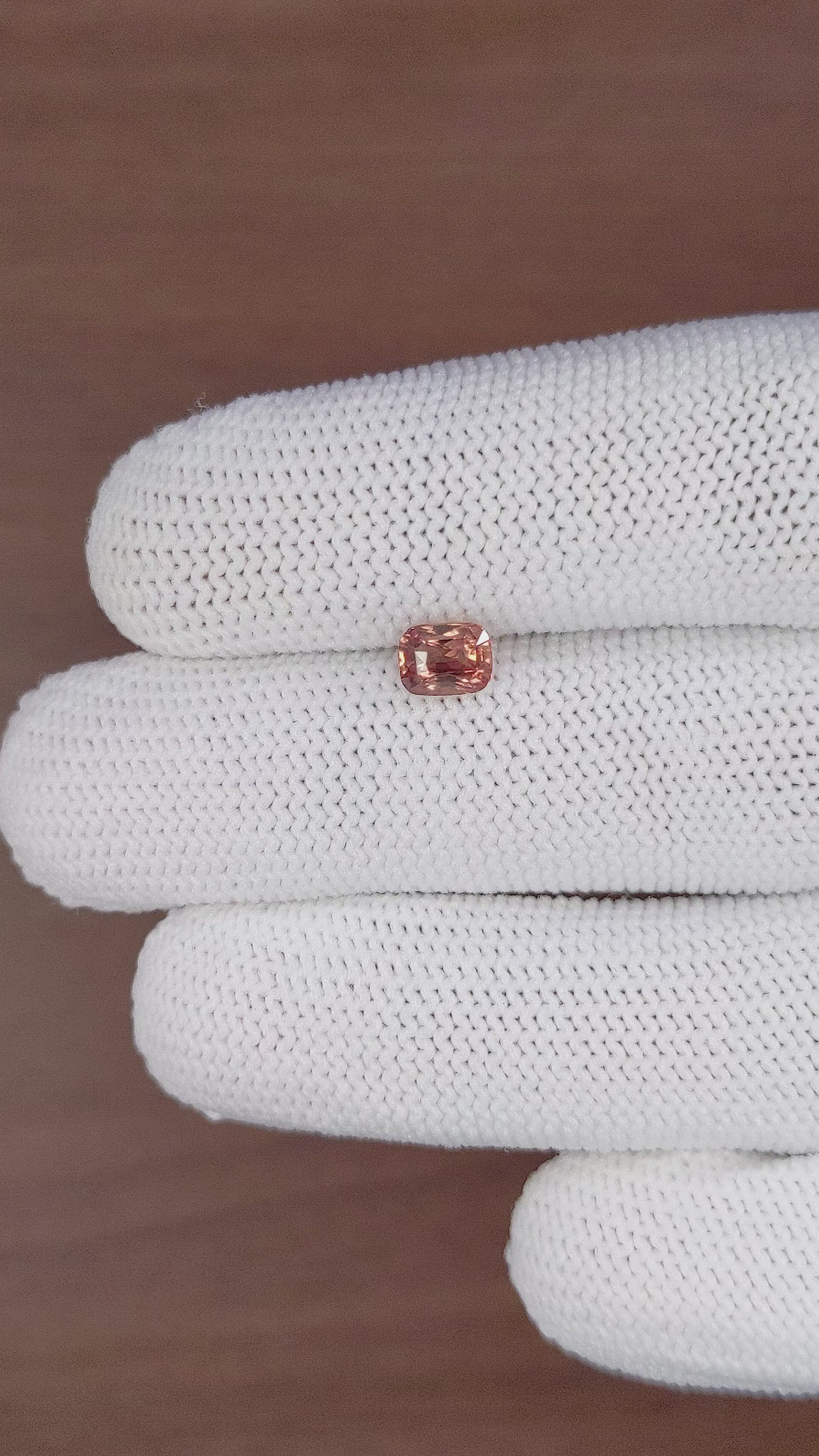
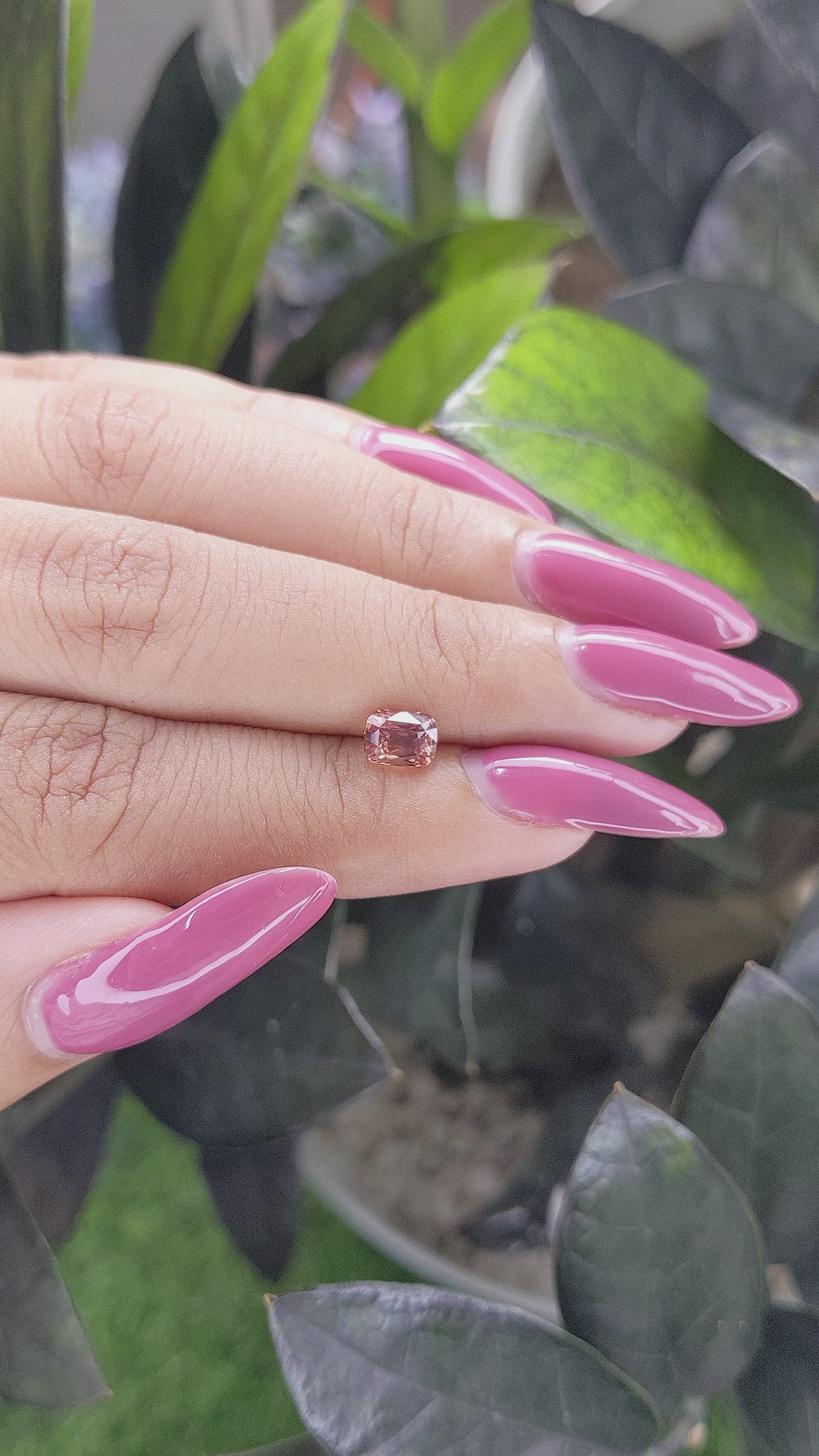
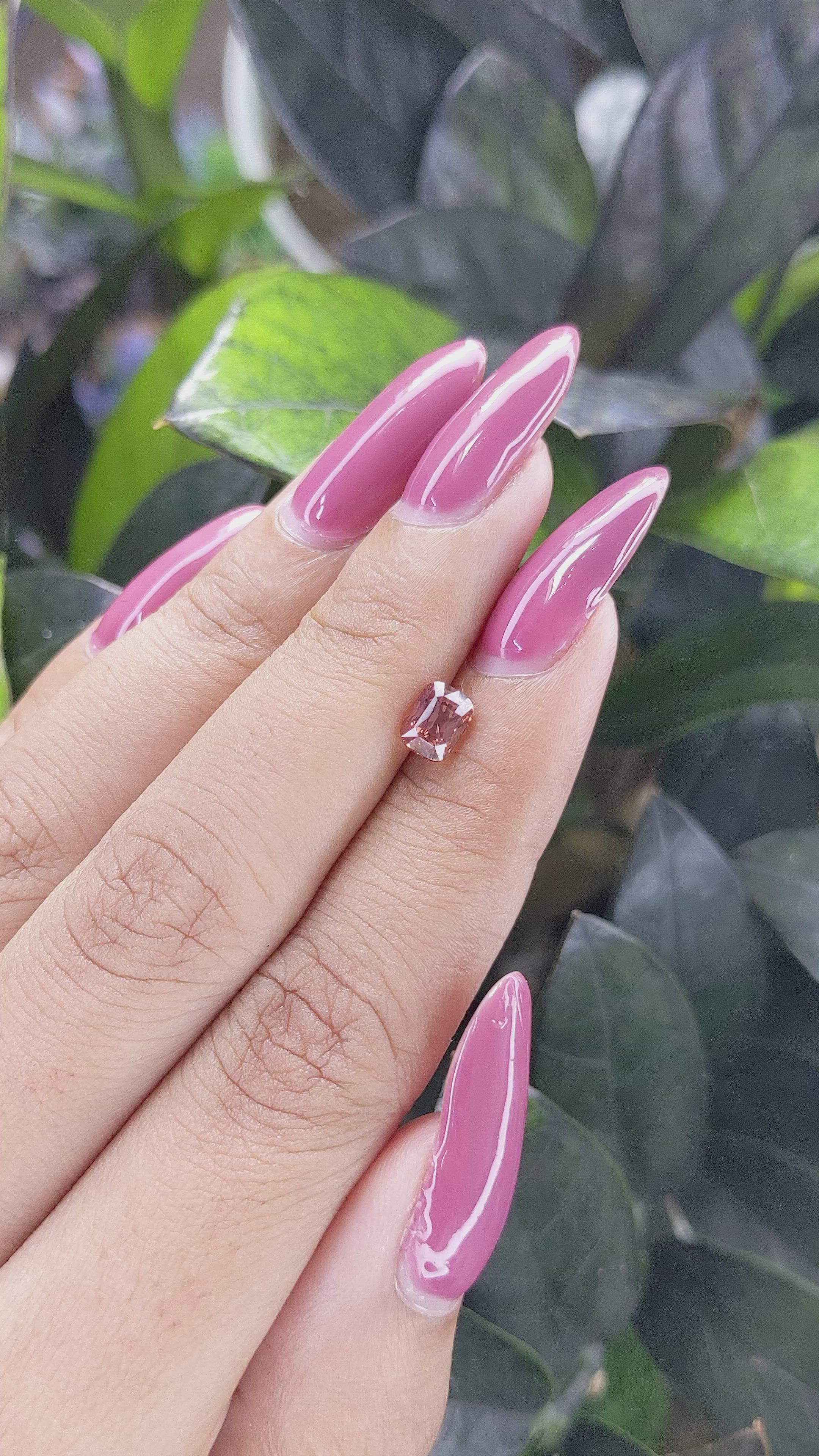

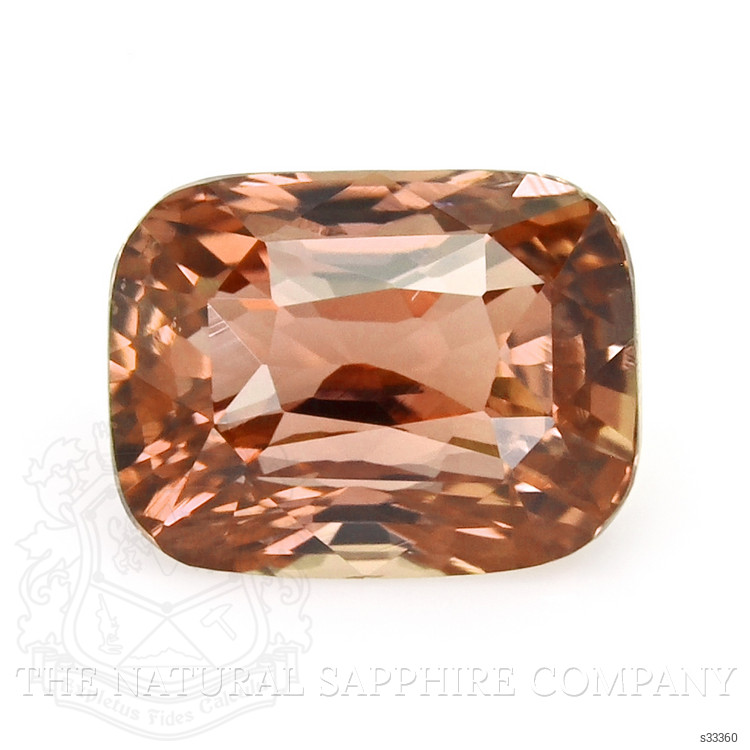
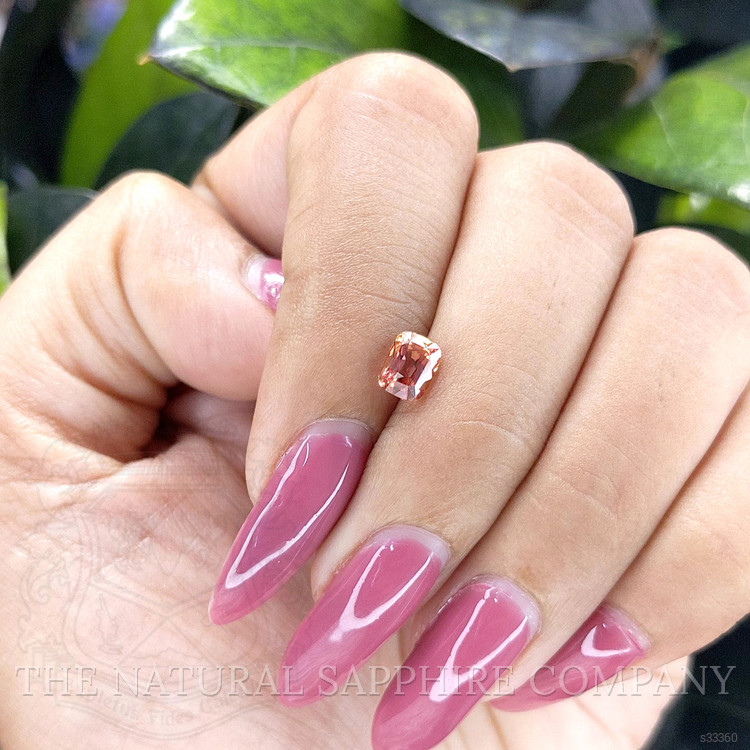
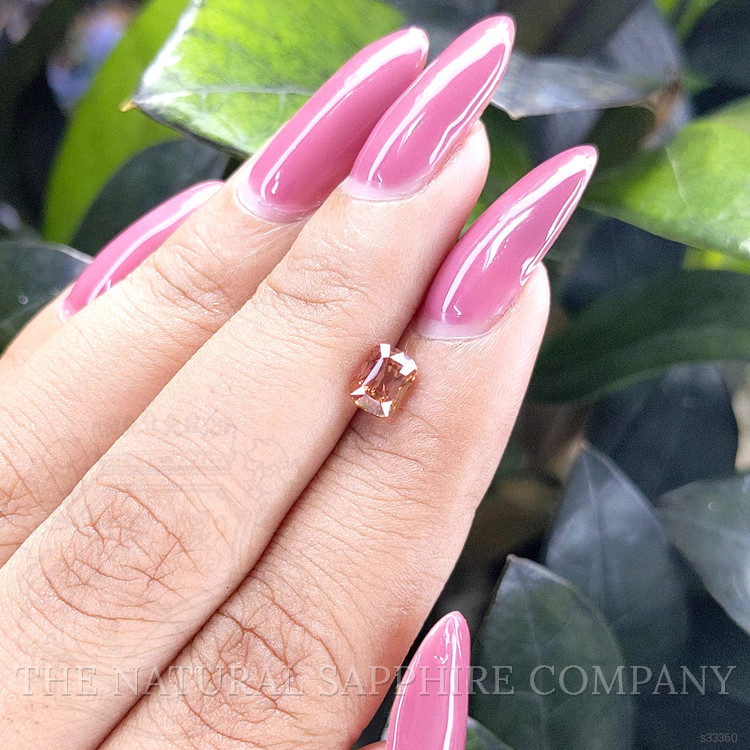
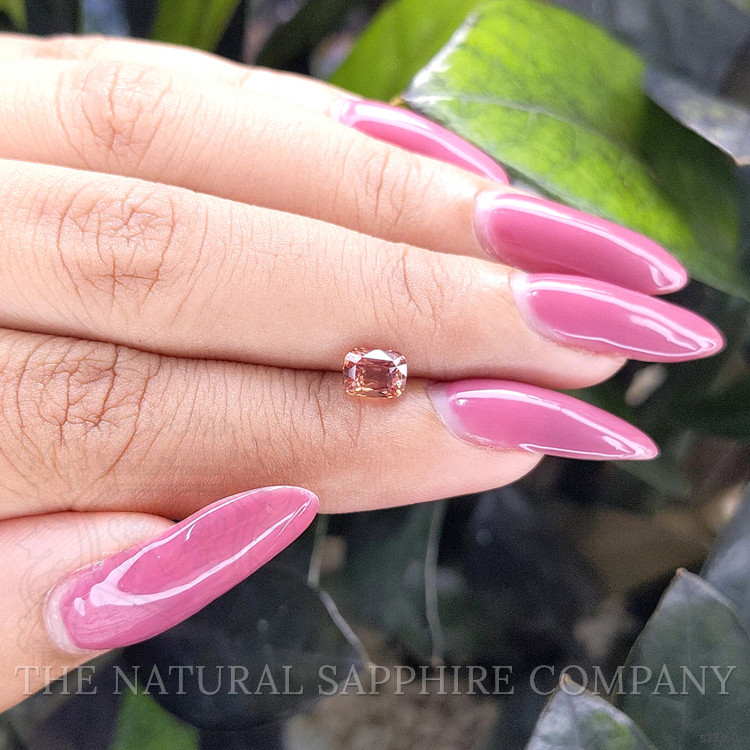


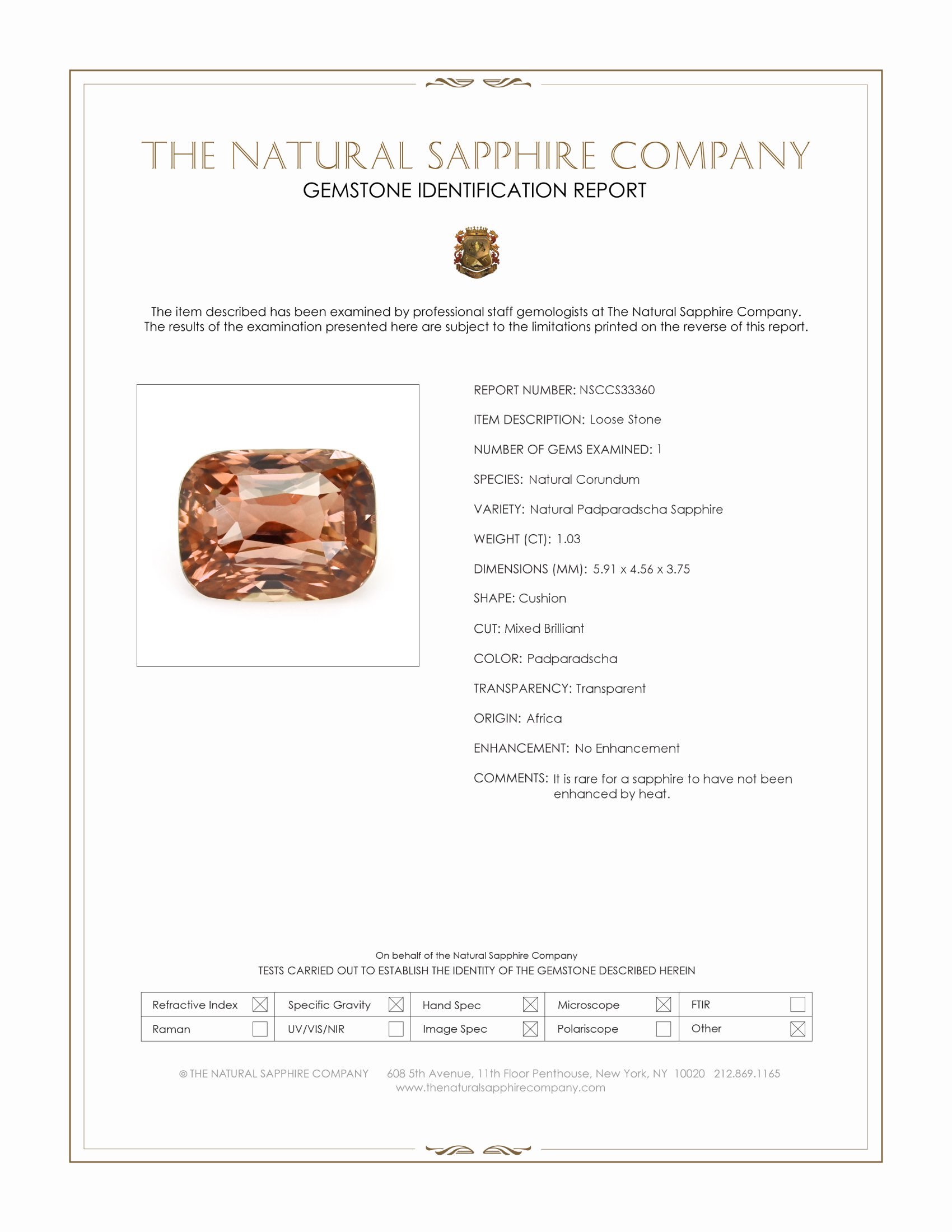

1.03 Ct. Padparadscha Sapphire from Africa
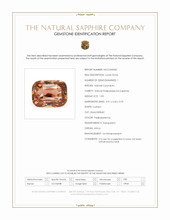
Item ID: | S33360 |
|---|---|
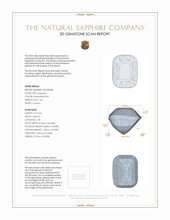
Dimensions (MM): help | Length: 5.91 Width: 4.56 Height: 3.75 |
Weight: | 1.03 Ct. |
Color: help | Padparadscha |
Color intensity: help | Intense |
Clarity: help | Very Very Slightly Included |
Shape: help | Cushion |
Cut: | Mixed Brilliant |
Cutting style: | Faceted |
Enhancements: help | No Enhancement |
Origin: help | Africa |
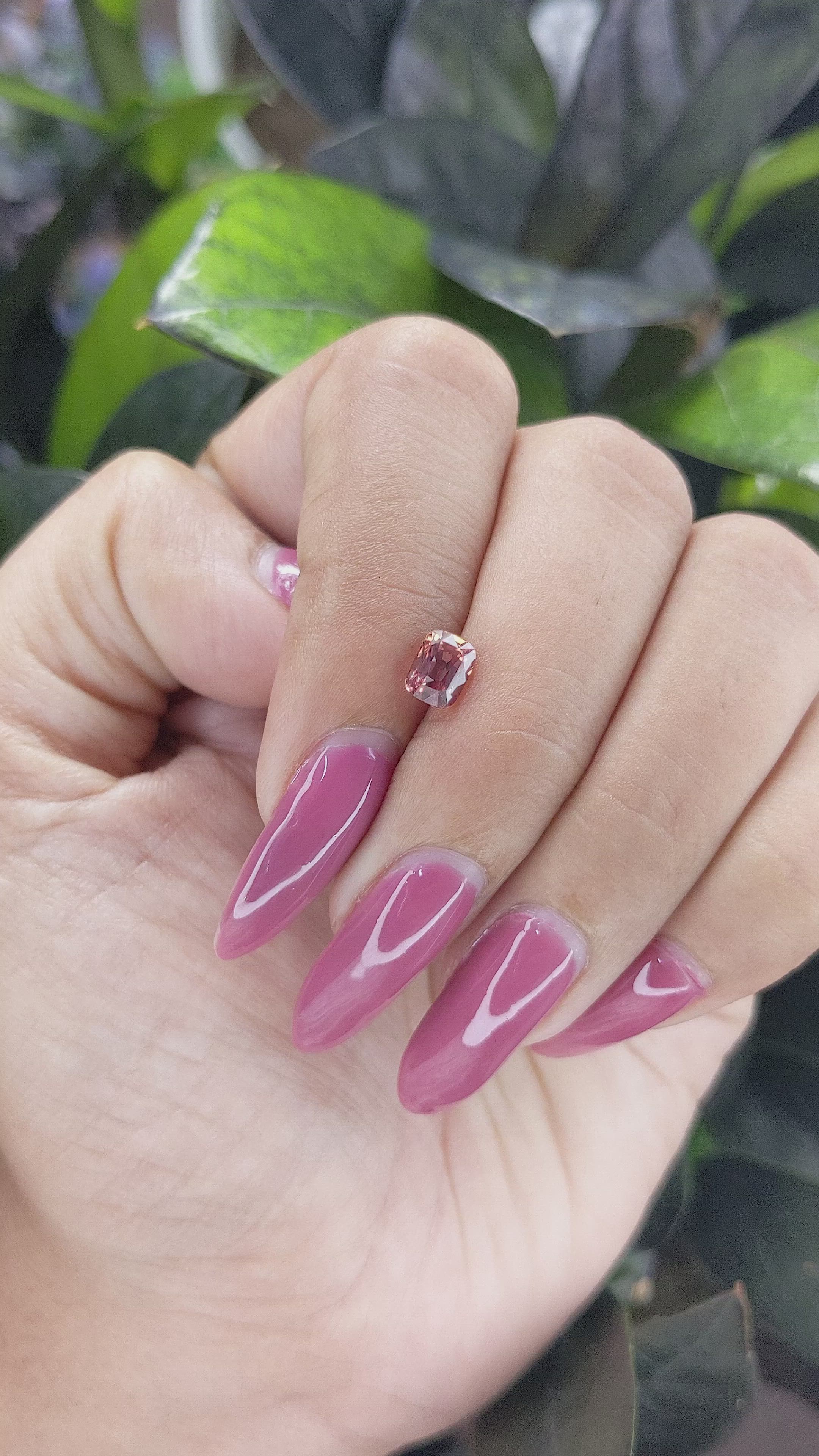
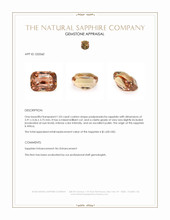
This 1.03 carat cushion shape padparadscha sapphire from The Natural Sapphire Company is a fine example of a rare and desirable color variety of corundum, presented in a balanced 5.91 x 4.56 x 3.75 mm profile that sits beautifully in the hand and in a ring mounting. The stone has been fashioned as a mixed brilliant cut to maximize both scintillation and color depth, and it displays intense color intensity combined with transparency, creating a vivid yet delicate salmon to pink orange appearance. Clarity is graded as very very slightly included, evaluated at eye level, which tells an educated buyer that the gem is essentially eye clean with only very minor internal characteristics that do not detract from face up beauty. The polish is excellent, which allows light to travel through the pavilion and crown with minimal surface disturbance, and crucially this sapphire is natural with no enhancement, a distinction that substantially increases rarity and long term desirability. Origin is Africa, and provenance combined with no heat treatment makes this padparadscha particularly notable for collectors and connoisseurs who seek natural color and geological authenticity.
To appreciate the full story of this padparadscha, it helps to imagine the deep time processes that created it millions of years ago. Sapphires are the mineral corundum, crystalline aluminum oxide, and they grow where aluminum rich rocks experience high temperatures and pressures, typically during episodes of regional metamorphism associated with mountain building or in the residual melts and fluids of magmatic systems. In this instance, trace amounts of chromium combined with iron or vanadium were present during crystal growth, and the precise balance of these trace elements imparted the unique pink orange hue that gemologists classify as padparadscha. Over geological epochs, tectonic forces uplifted the host rocks, exposing corundum crystals to weathering, and many high quality specimens were liberated into alluvial systems where rivers concentrated them into placers. The long history of formation, transport, and burial is recorded in the stone itself, in subtle growth zoning and in inclusions that, when present at very low levels, confirm natural crystallization rather than synthetic or heavily treated origins. Being African in origin, this sapphire likely spent an extended part of its recent geological history in secondary deposits before being recovered, adding a provenance narrative that is both geologically interesting and important to discerning buyers.
From a gemological and practical perspective, this padparadscha combines attributes that appeal to knowledgeable buyers, designers, and investors. The cushion shape with mixed brilliant facets yields a lively balance of fire and color saturation, and the dimensions are large enough to provide presence while remaining versatile for use in engagement rings or bespoke jewelry. A clarity grade of very very slightly included at eye level indicates that inclusions, if present, are minor and typically only visible under magnification, preserving the clean visual impact that enhances retail appeal. The fact that the stone is unenhanced is significant, because untreated padparadscha sapphires of intense color are much rarer than their heat treated counterparts, and this naturally occurring hue commands a premium in the market. When assessing value, buyers should consider the combination of intense color, transparent body, excellent polish, and natural origin, all of which contribute to both aesthetic pleasure and long term value retention. At The Natural Sapphire Company we place particular emphasis on accurate description and ethical sourcing, and we are available to provide documentation, high resolution images, and further gemological context to support your purchase decision, including guidance on settings that will protect the pavilion and showcase the color, recommendations for routine care to preserve the polish, and an explanation of how the stone sits in relation to weight and finger size for optimal visual impact.


