
- Stone12
- Reports3
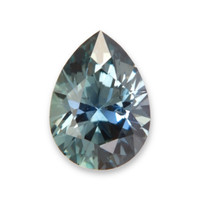
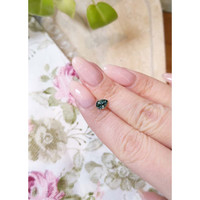
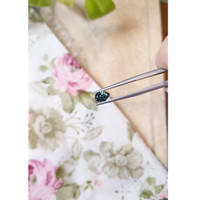
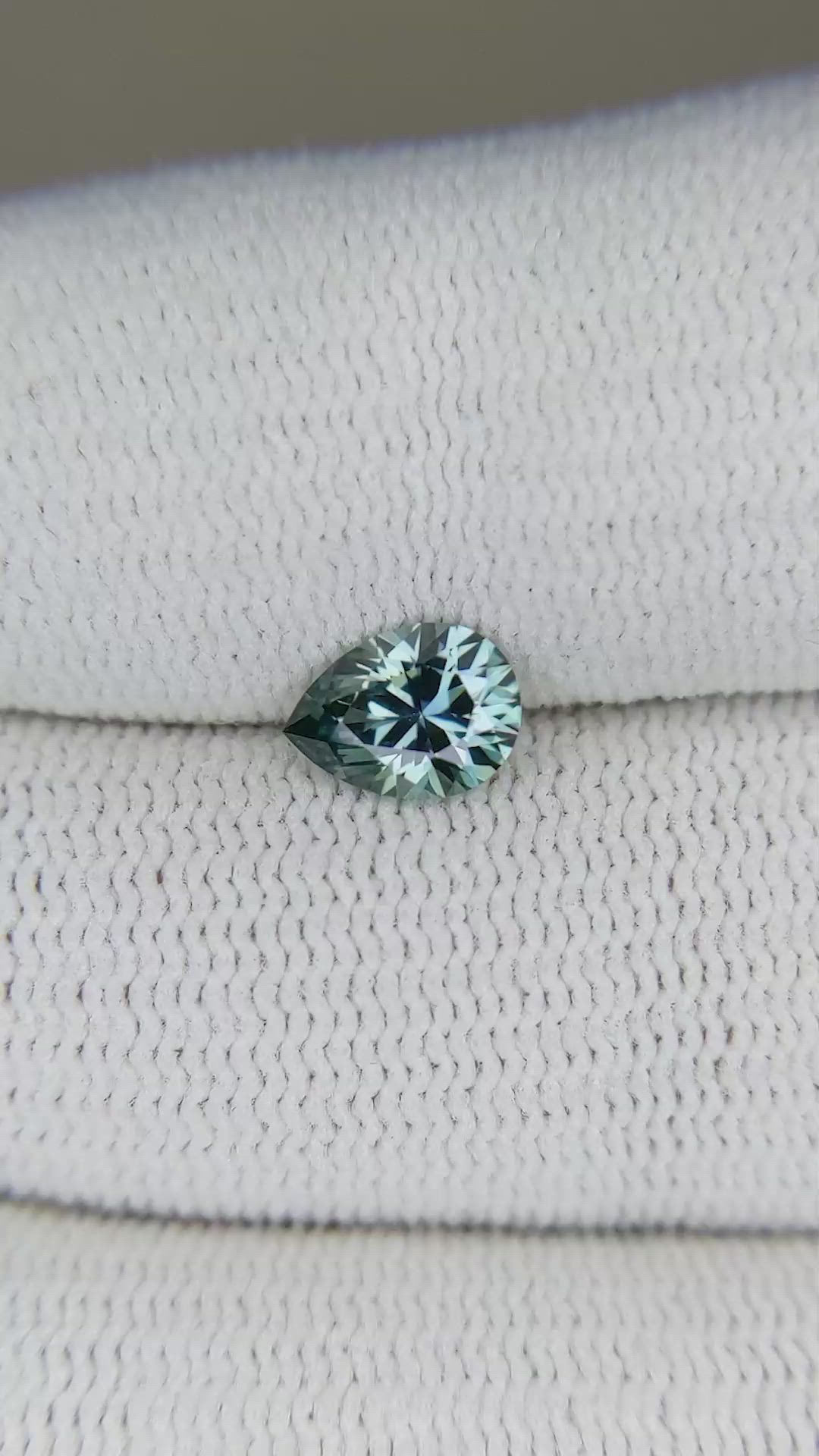
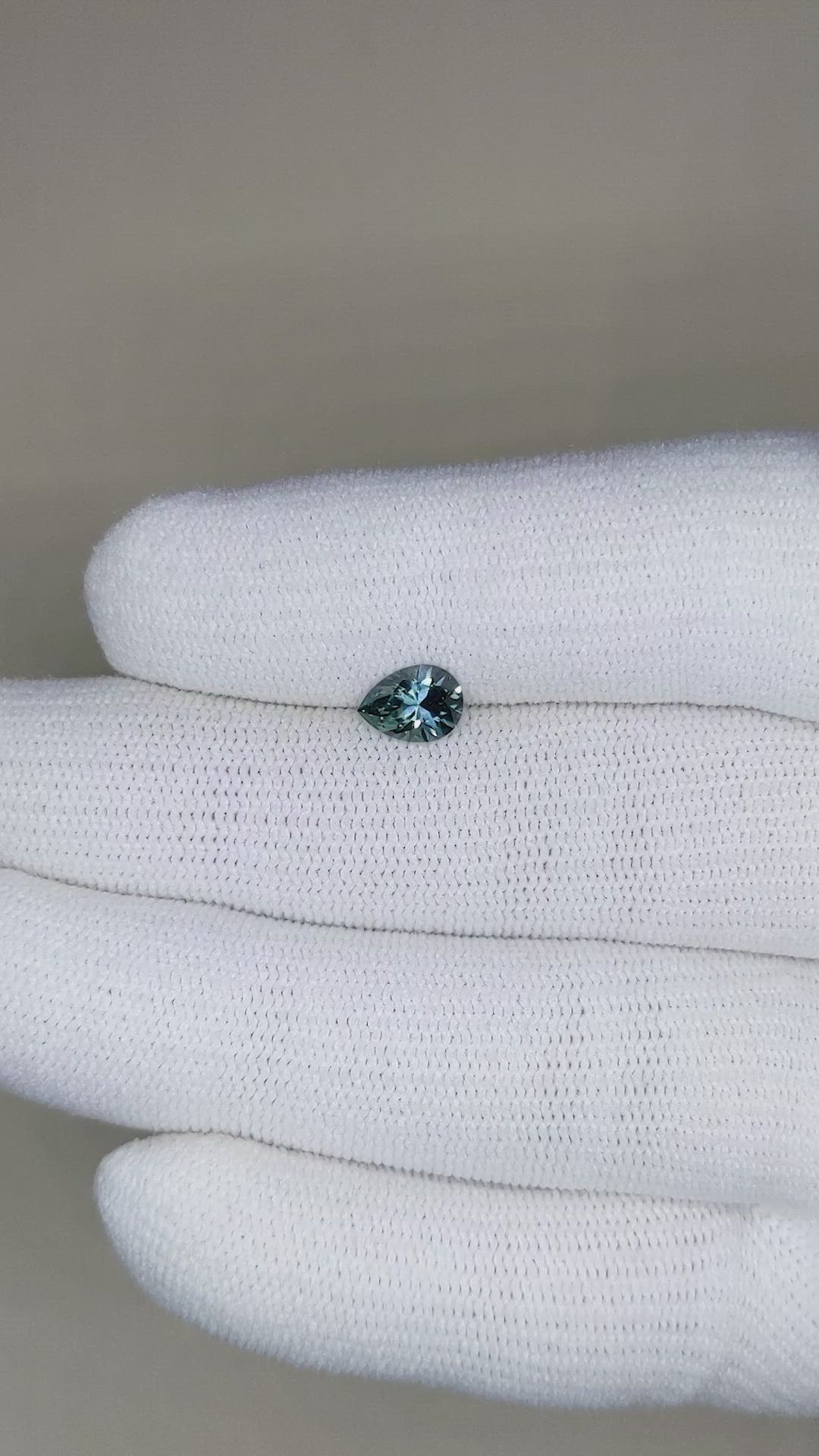
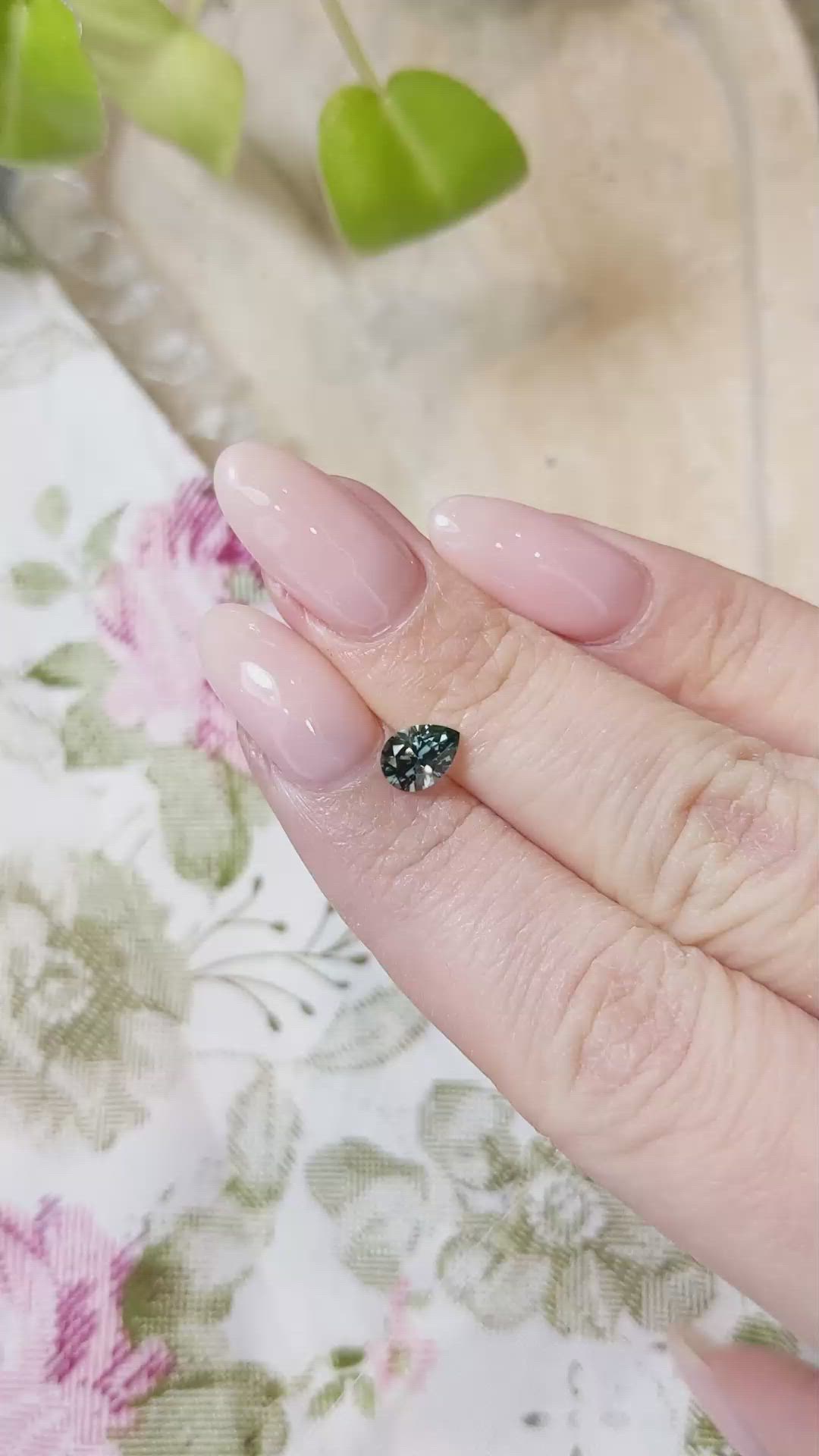
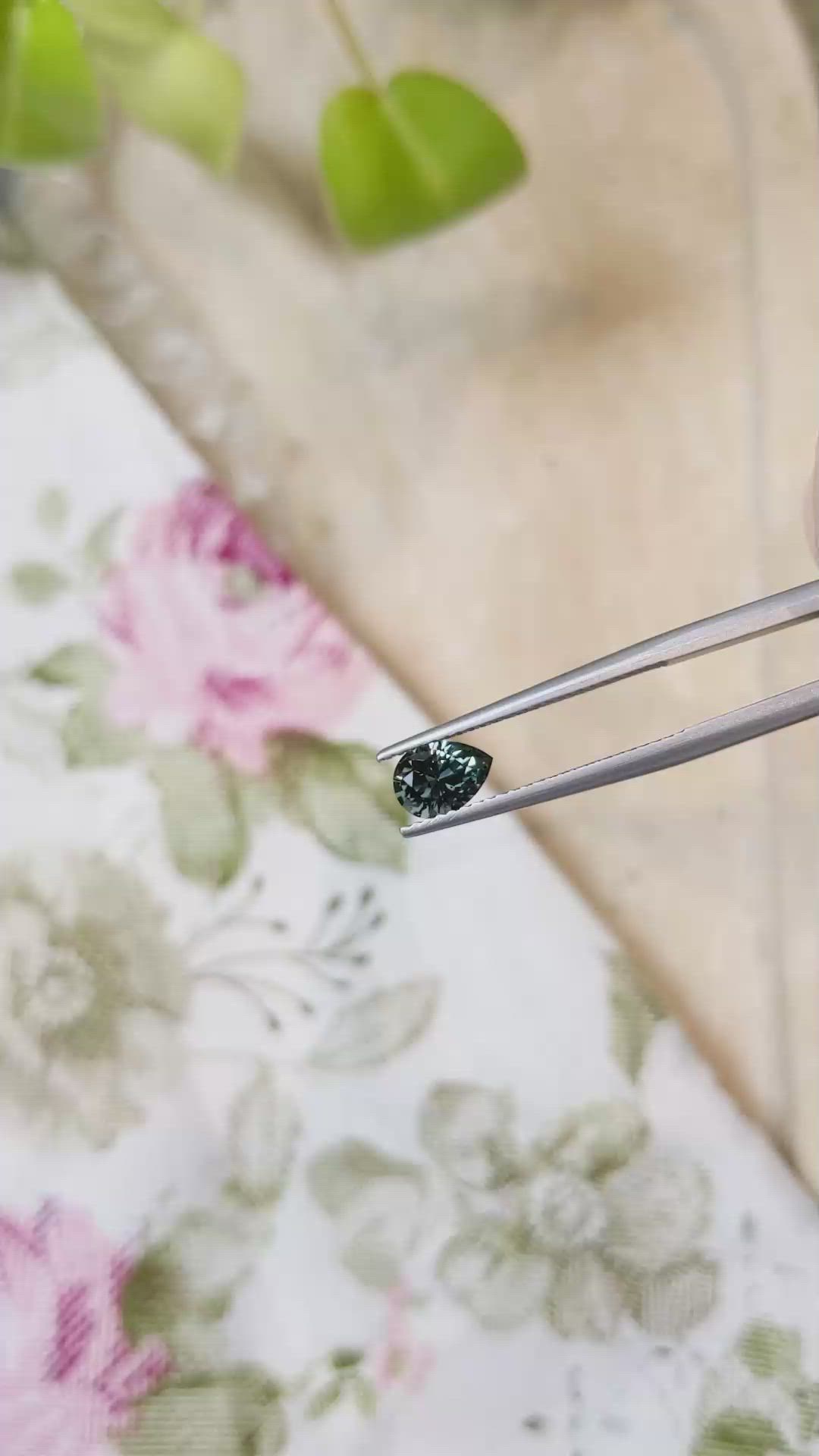



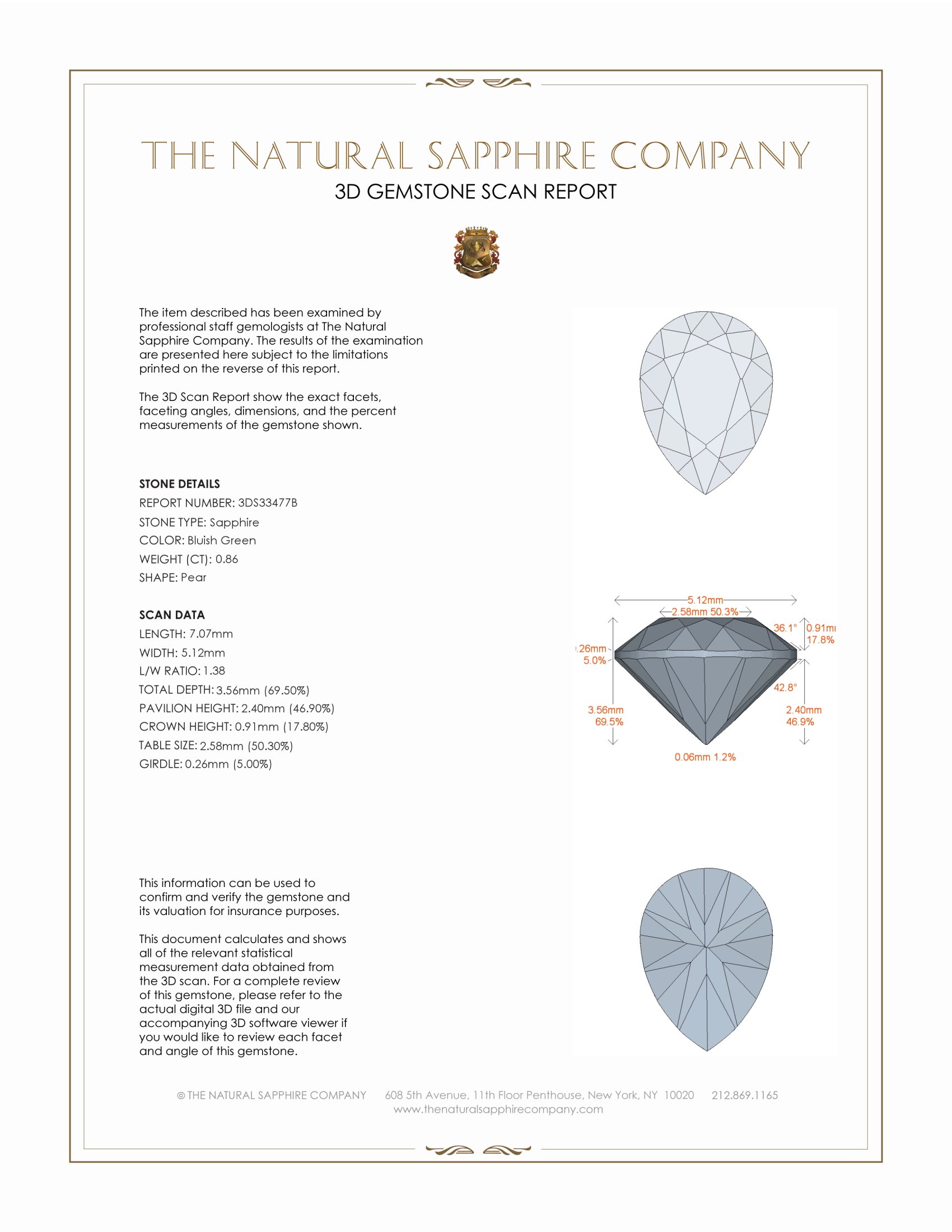
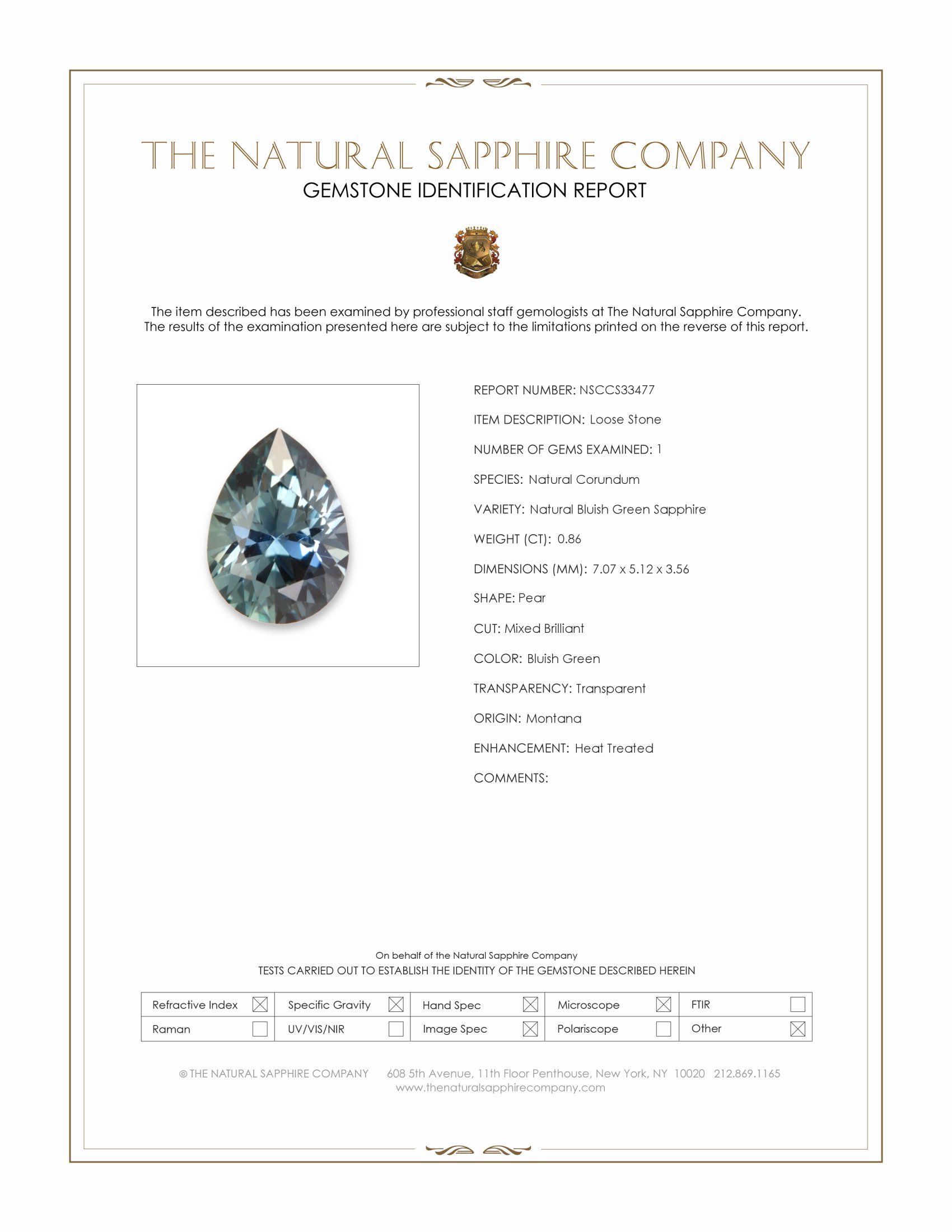
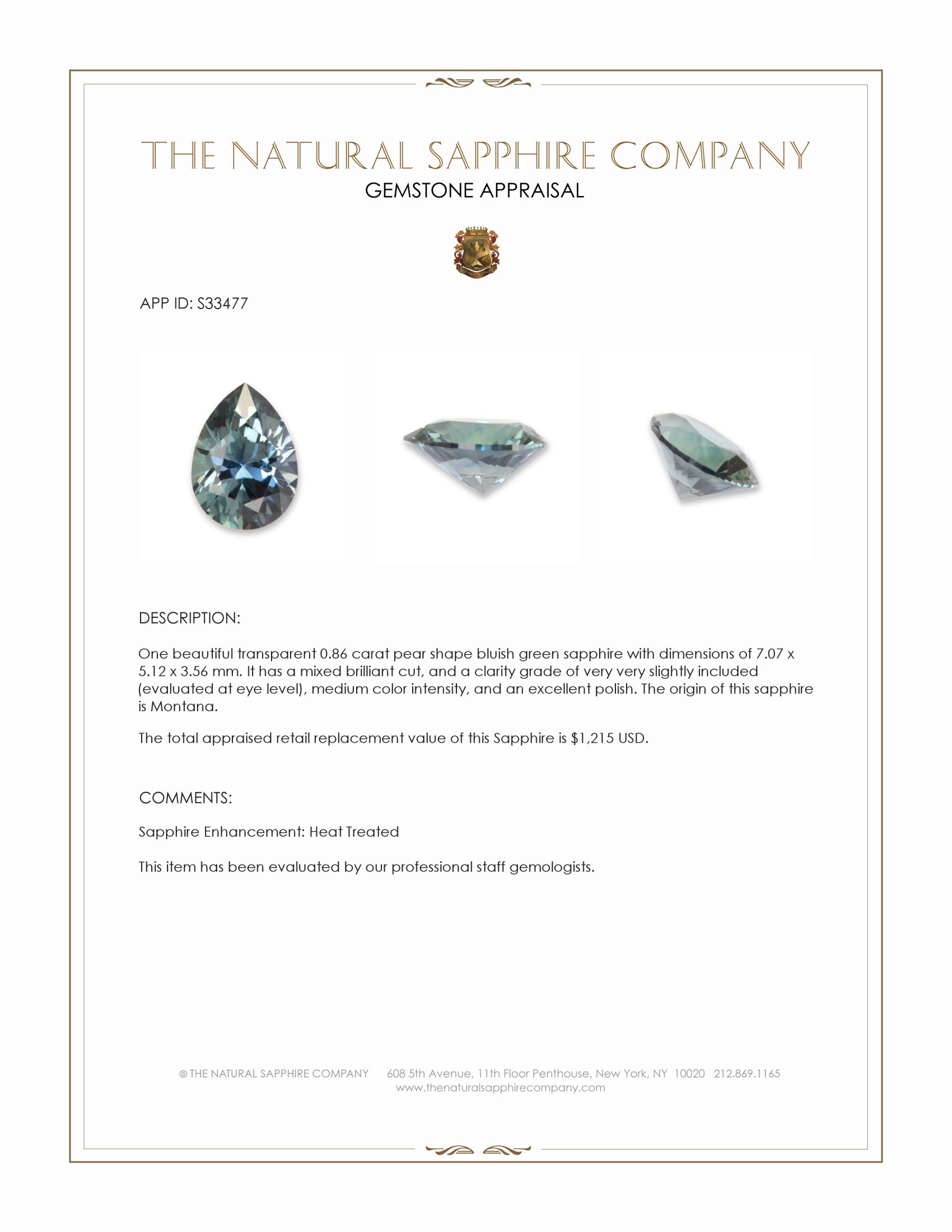
0.86 Ct. Bluish Green Sapphire from Montana
This loose stone is available to ship now
Item ID: | S33477 |
|---|---|
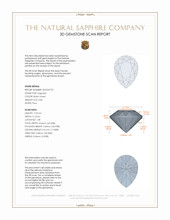
Dimensions (MM): help | Length: 7.07 Width: 5.12 Height: 3.56 |
Weight: | 0.86 Ct. |
Color: help | Bluish Green |
Color intensity: help | Medium |
Clarity: help | Very Very Slightly Included |
Shape: help | Pear |
Cut: | Mixed Brilliant |
Cutting style: | Faceted |
Enhancements: help | Heat Treated |
Origin: help | Montana |
Per carat price: help | $1,413 |
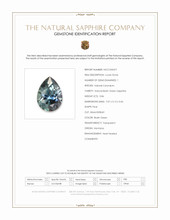
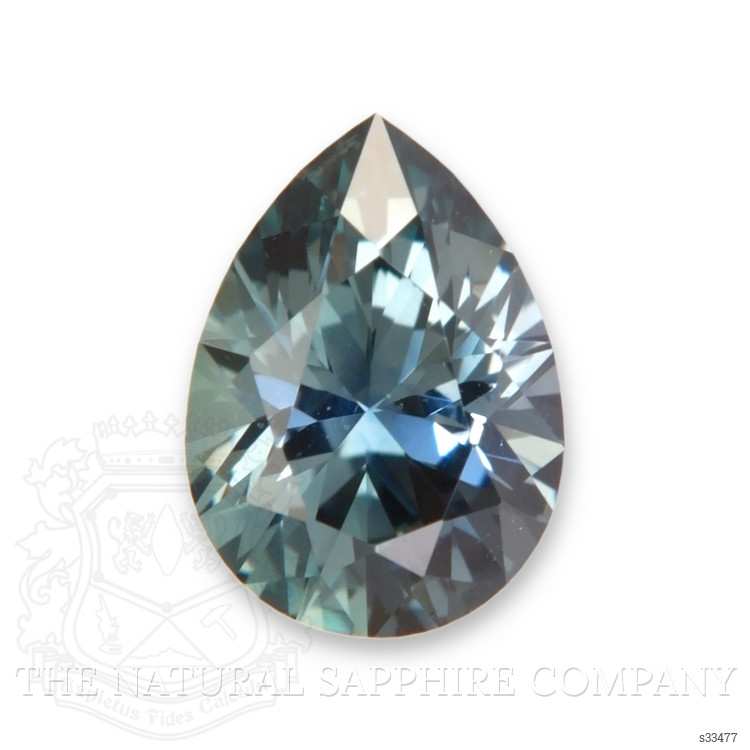
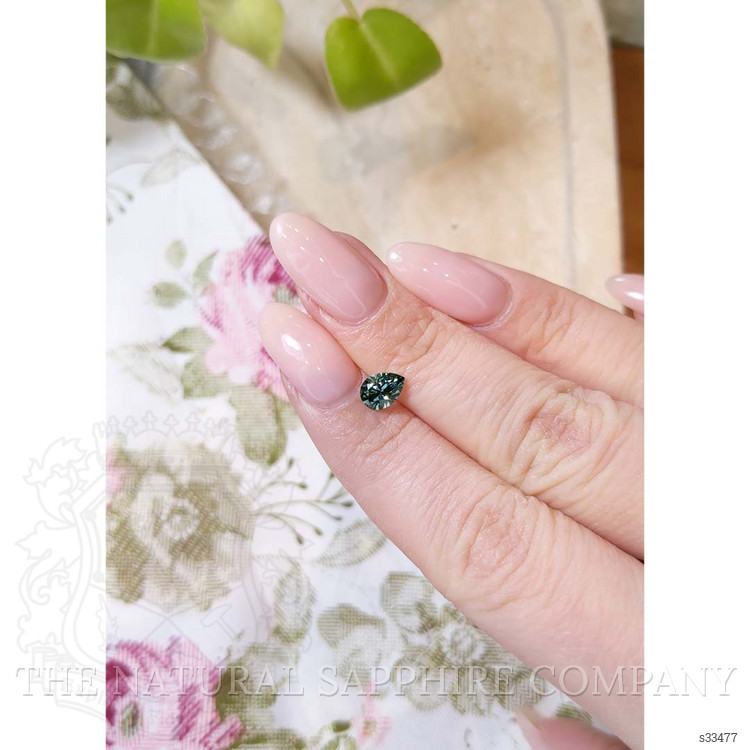
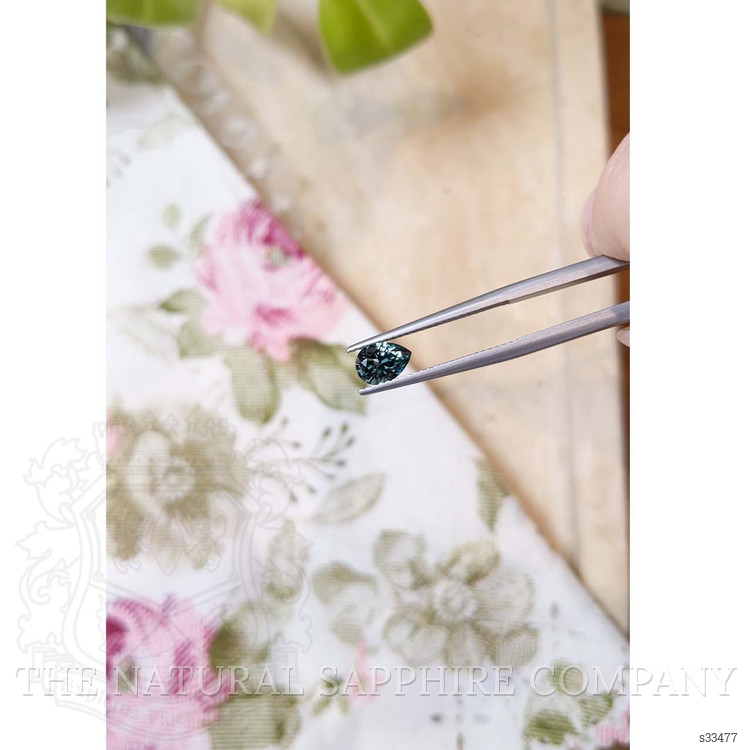
This pear shaped sapphire from Montana weighs 0.86 carat and measures 7.07 by 5.12 by 3.56 millimeters, presenting a compact yet well proportioned profile that suits a wide range of mounting styles. The stone has been fashioned in a mixed brilliant cut, combining a faceted pavilion and crown arrangement that is intended to balance depth of color with controlled light return. Clarity has been graded as very very slightly included at eye level, indicating that inclusions are minimal and do not materially interrupt the overall transparency. The color is a bluish green with medium intense saturation, a tone that reads differently under variable lighting due to the stone s pleochroic character, and the surface exhibits an excellent polish that enhances both facet definition and light performance. This sapphire has been heat treated, a standard and stable enhancement applied to improve color uniformity and clarity, and its provenance from Montana is consistent with the characteristic cool green blue tones associated with that locality. The Natural Sapphire Company presents this gem with full disclosure of its treatment and origin, and with measurements and attributes that allow precise evaluation for design and grading purposes.
Optically this sapphire displays the characteristic vitreous luster and refractive properties of corundum, which produce a deliberate balance between brilliance and color saturation. Corundum s refractive index in natural sapphires typically lies in a narrow range that provides appreciable light return without the pronounced fire seen in high dispersion gems, and the mixed brilliant cut employed here emphasizes scintillation across the pear outline while preserving the stone s medium intense color. The clarity grade of very very slightly included at eye level means that light passes through the pavilion with minimal obstruction, allowing internal reflection to contribute to face up brightness. Pleochroism in bluish green sapphires commonly reveals directional color shifts between blue and green, and this material exhibits that behavior in a measured way, so that movement of the stone reveals subtle shifts that enrich visual interest without fragmenting the primary hue. The excellent polish supports crisp facet junctions, which increases contrast and enhances both pinpoint flashing and broader facet luster as the stone is observed in motion.
When compared to other gemstones in the same category and to commonly paired alternatives, the reflective qualities of this Montana sapphire are distinct in several respects. Against classic sapphire sources such as Kashmir, Sri Lanka, and Burma, Montana sapphires often present cooler, more muted tones with slightly different modal brilliance. Kashmir stones are renowned for a velvety deep blue and strong saturation that can reduce apparent brilliance but lend a luminous depth, whereas Sri Lankan stones tend to show lighter, more saturated blues with higher face up brilliance. The Montana example here sits toward the cooler end of that spectrum, with medium intense saturation that allows facet reflections to remain visible without becoming overpowering. Compared to colorless or near colorless gems, such as diamond, sapphires exhibit lower dispersion and therefore less spectral fire. This sapphire therefore emphasizes pure brightness and scintillation rather than colorful flashes. Relative to spinel, which shares a similar refractive index and vitreous luster, sapphire typically shows stronger pleochroism and more persistent color saturation when set. Against beryl species such as aquamarine, sapphires generally offer higher refractive return and more pronounced facet contrast, as aquamarine s lower refractive index yields a softer, less sparkling appearance. Tourmalines may show vibrant color and strong pleochroism, but their refractive and dispersive behavior produces a different kind of sparkle that can appear less pinpoint and more diffuse compared with this mixed brilliant sapphire.
For practical considerations in jewelry design and long term wear, the combination of pear shape, mixed brilliant cut, and the stone s optical properties make this sapphire suitable for settings that expose the pavilion to light, such as solitaire rings or halo settings that permit light ingress and egress. The medium intense bluish green color and very very slightly included clarity grade support a range of metal choices, from white metals that accentuate cooler tones to yellow metals that can warm the apparent hue. Heat treatment in corundum is a stable enhancement when performed under controlled conditions, and it does not detract from the gem s typical care profile, which remains robust compared with many colored stones. The Natural Sapphire Company provides this detailed specification to assist in assessment of visual performance relative to other stones one might consider for a comparable application, and to ensure that professional makers and end users have the factual basis needed to match the gem to design objectives and wear expectations.


