
- Stone14
- Reports3
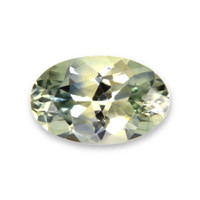
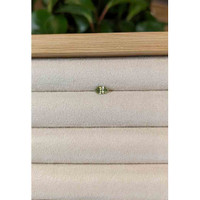
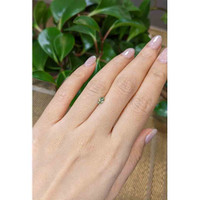
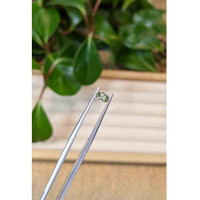
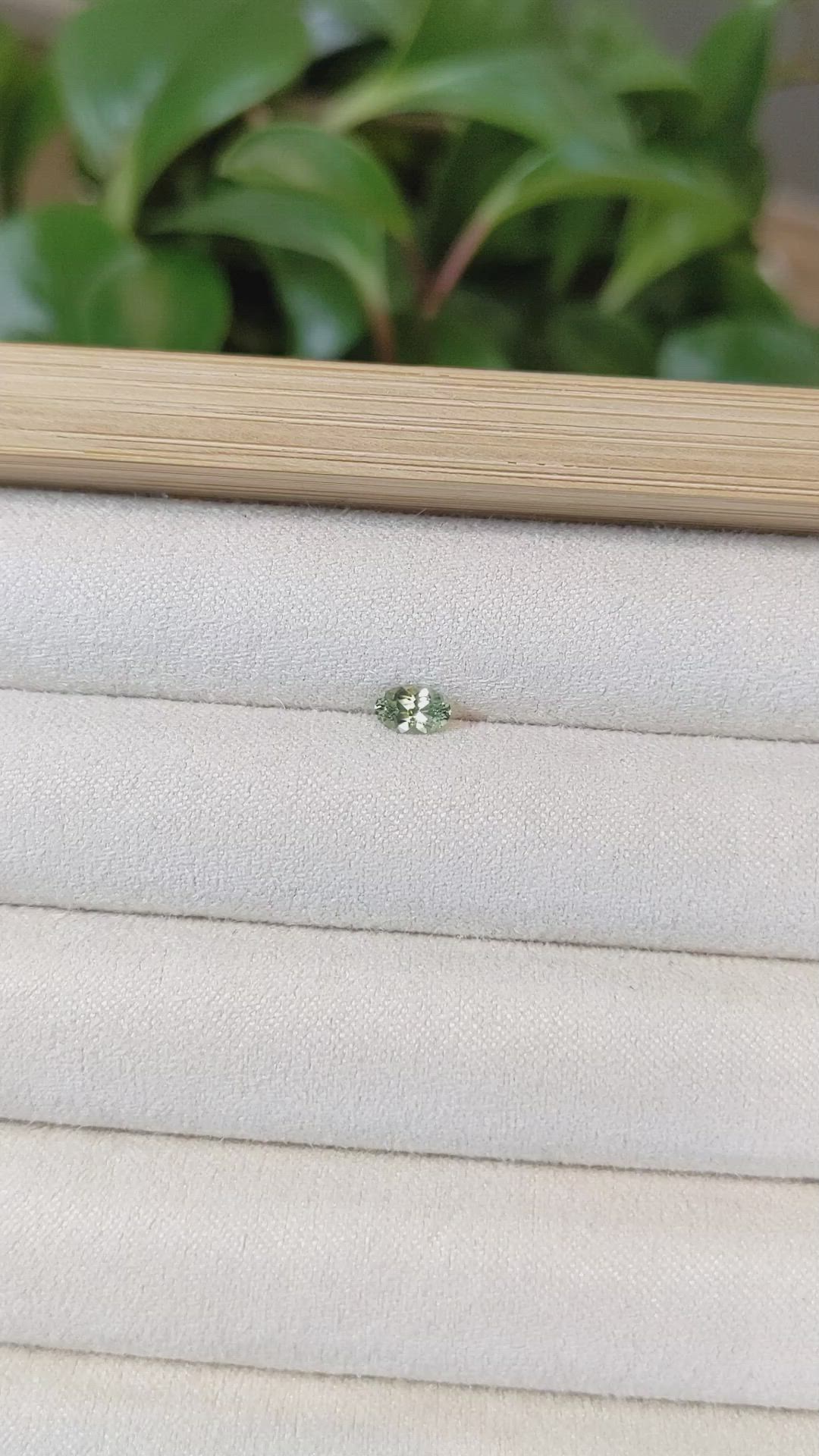

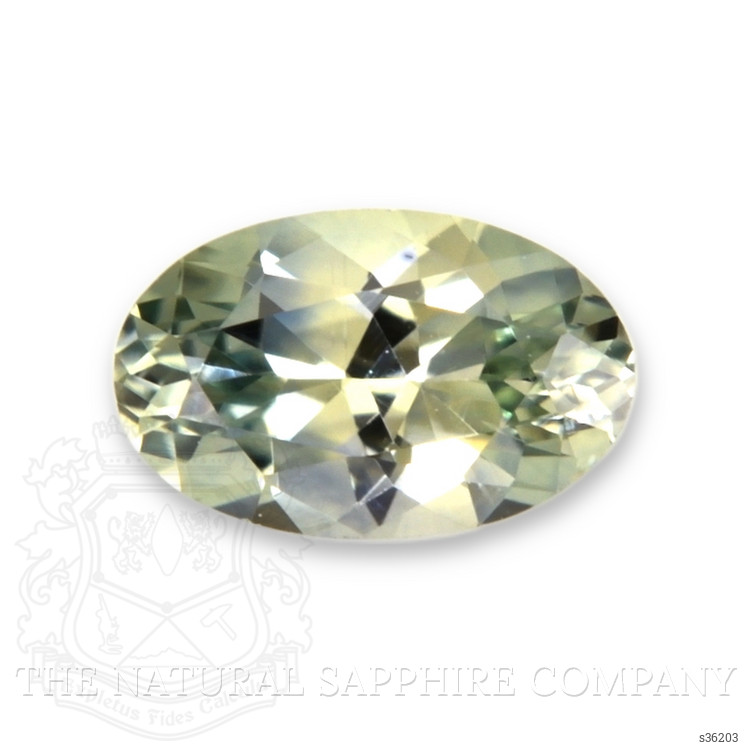
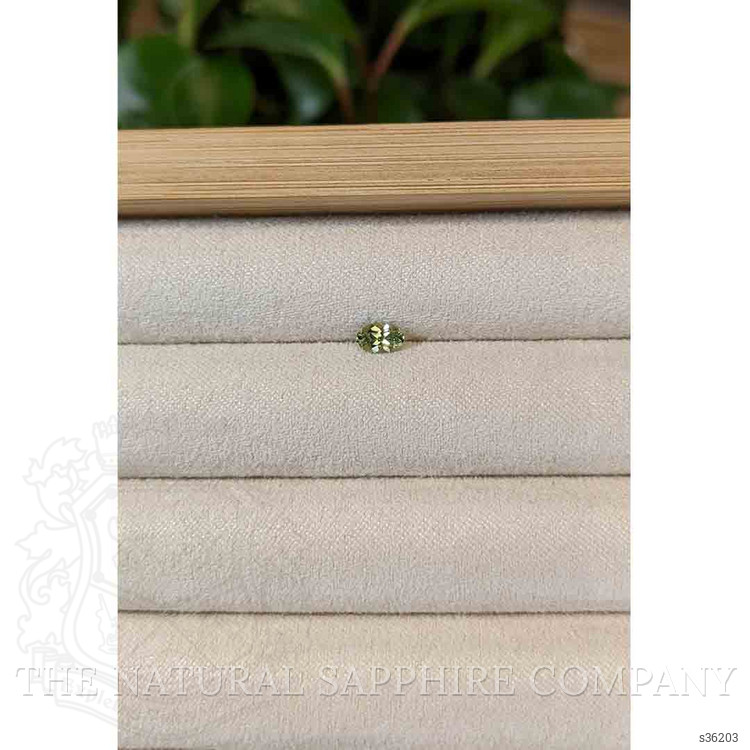
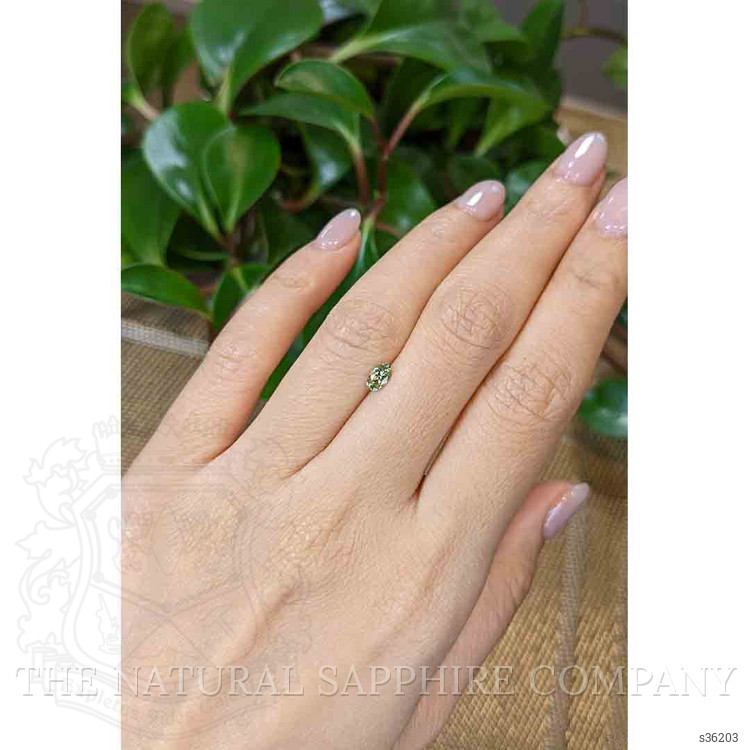
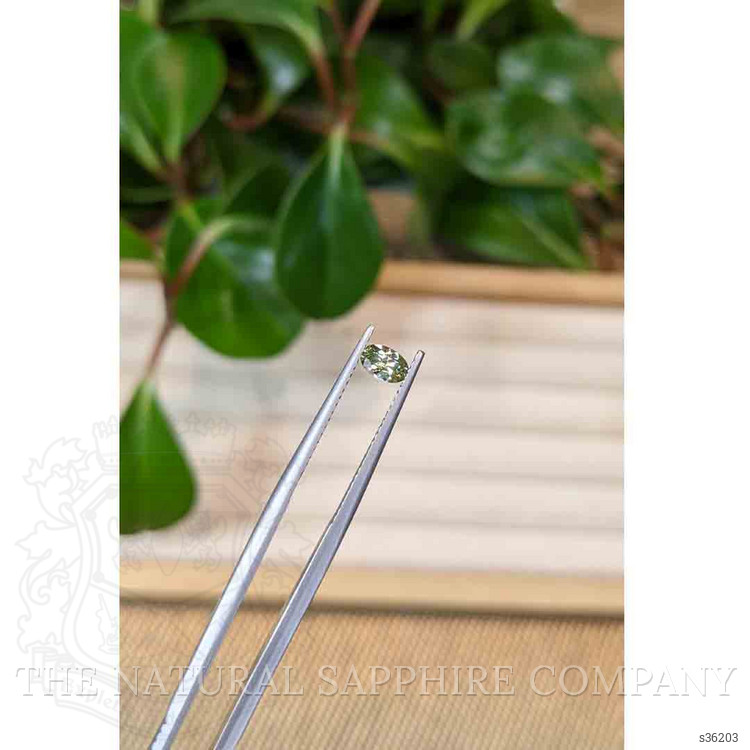


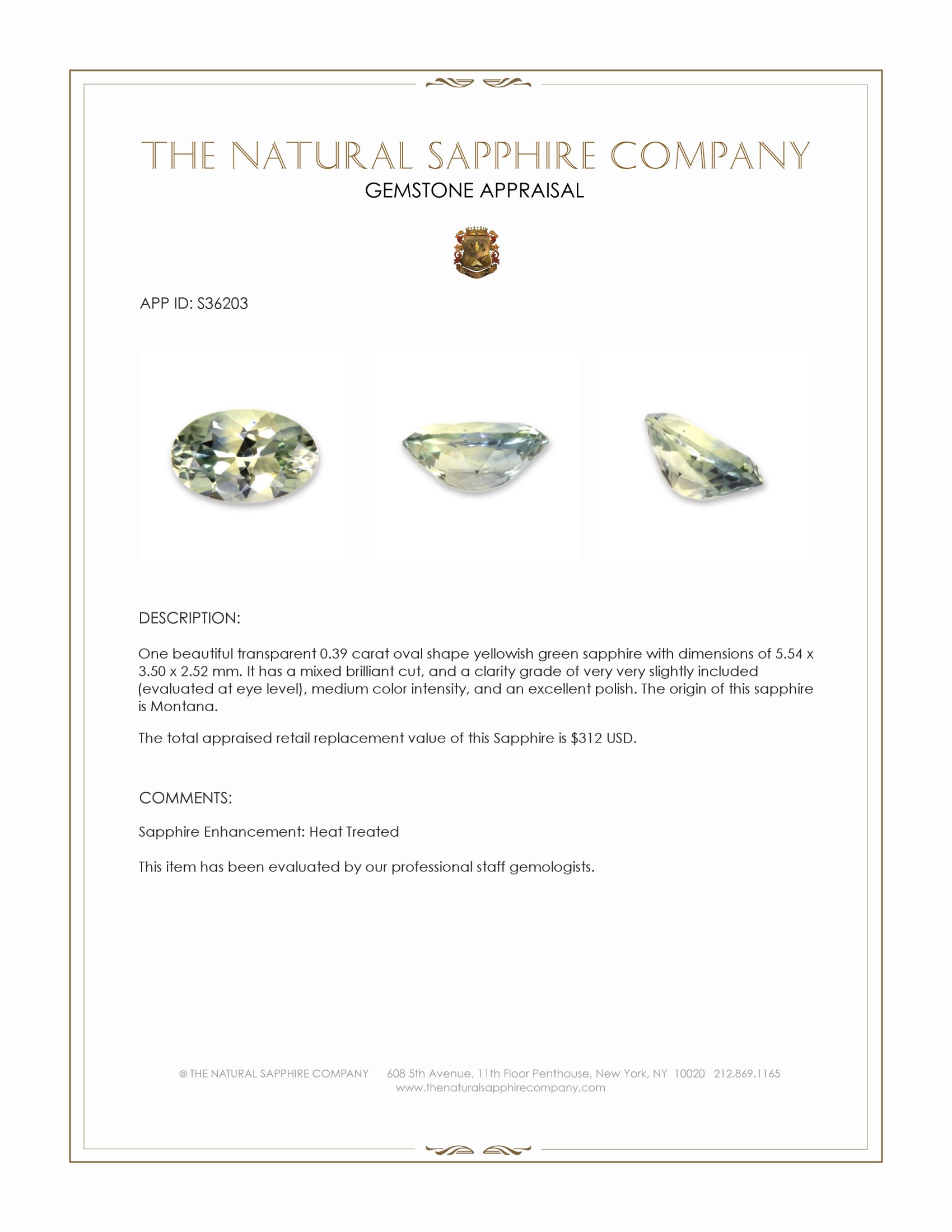
0.39 Ct. Yellowish Green Sapphire from Montana
This loose stone is available to ship now
Item ID: | S36203 |
|---|---|
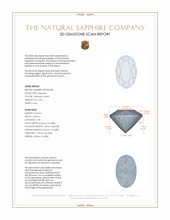
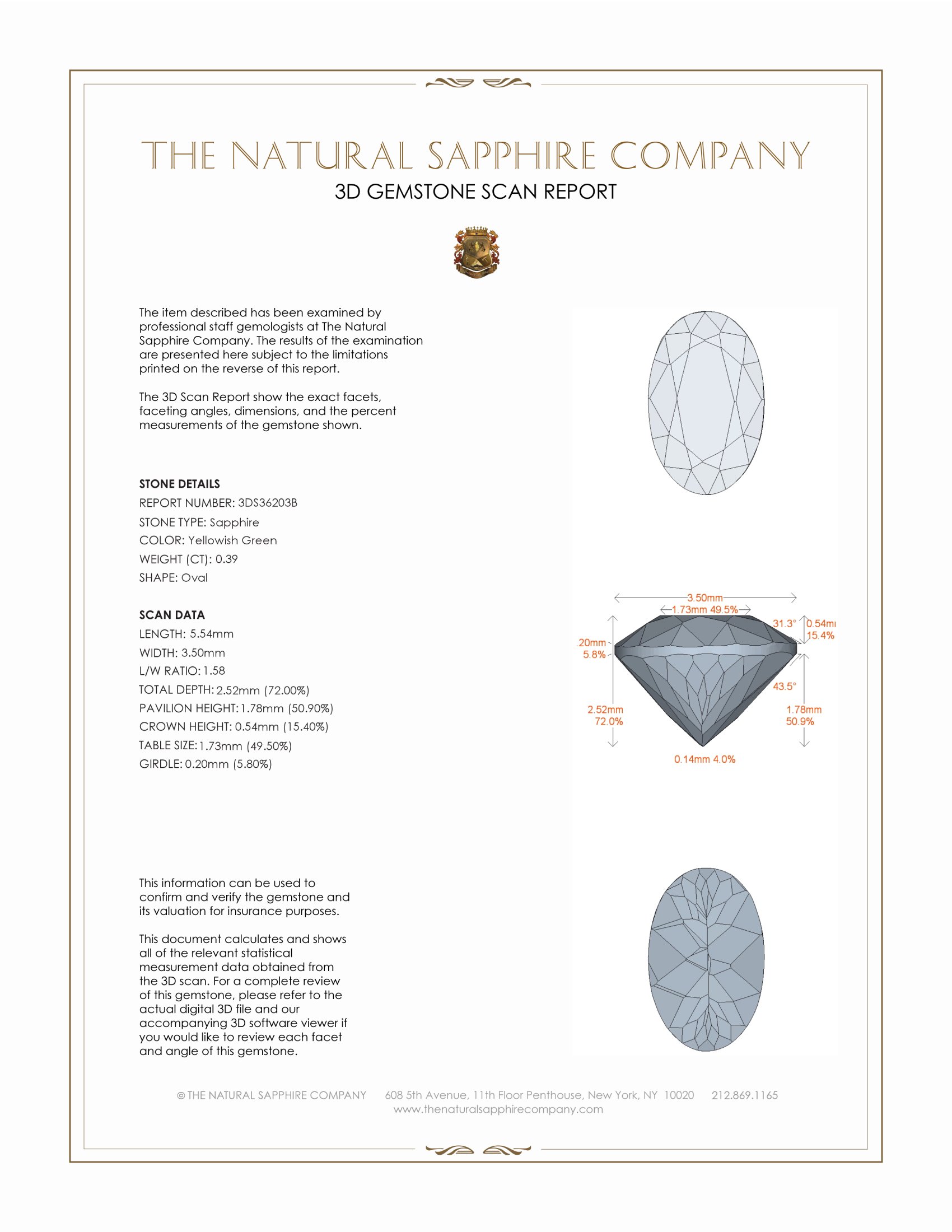
Dimensions (MM): help | Length: 5.54 Width: 3.5 Height: 2.52 |
Weight: | 0.39 Ct. |
Color: help | Yellowish Green |
Color intensity: help | Medium |
Clarity: help | Very Very Slightly Included |
Shape: help | Oval |
Cut: | Mixed Brilliant |
Cutting style: | Faceted |
Enhancements: help | Heat Treated |
Origin: help | Montana |
Per carat price: help | $800 |
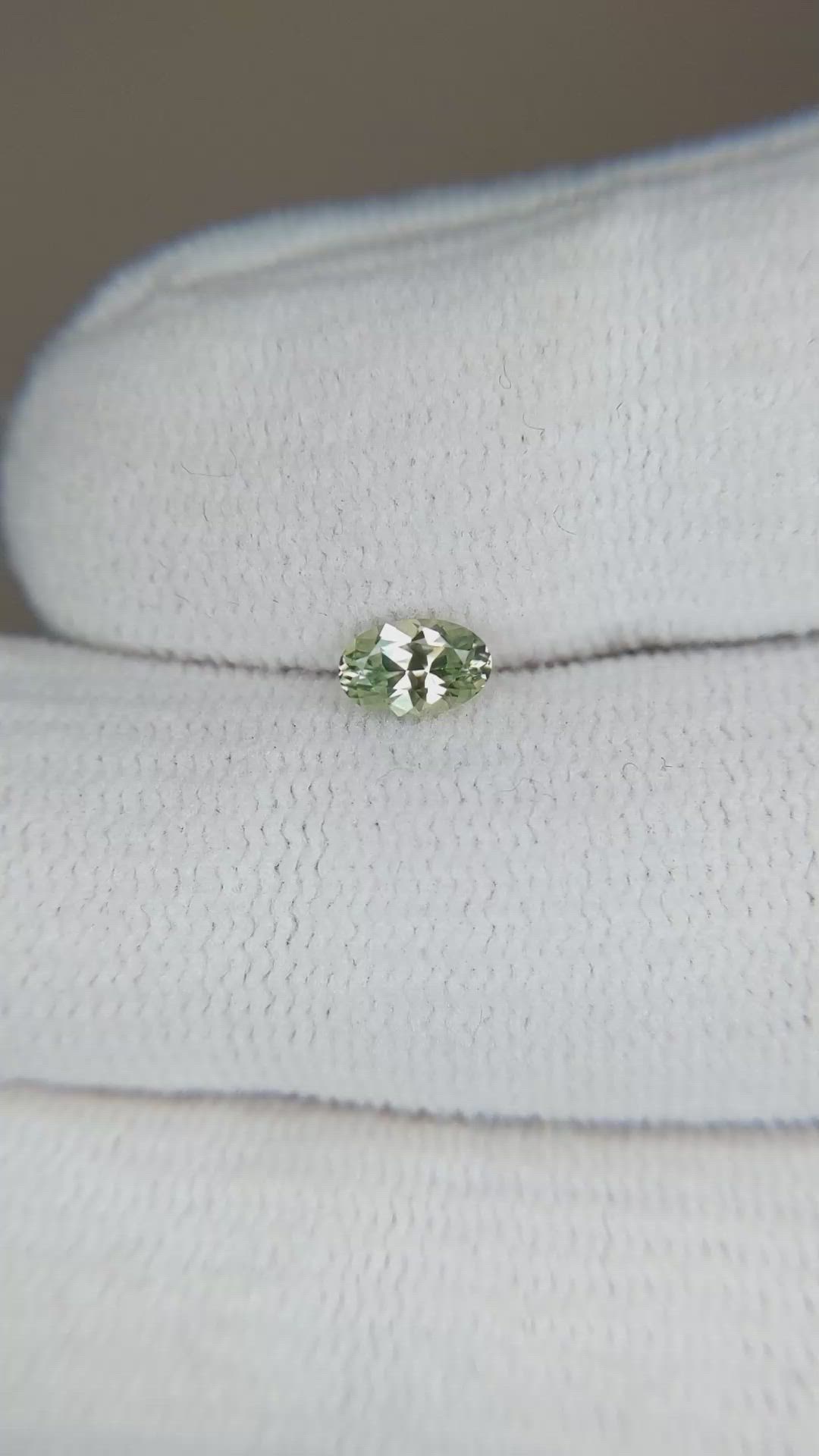
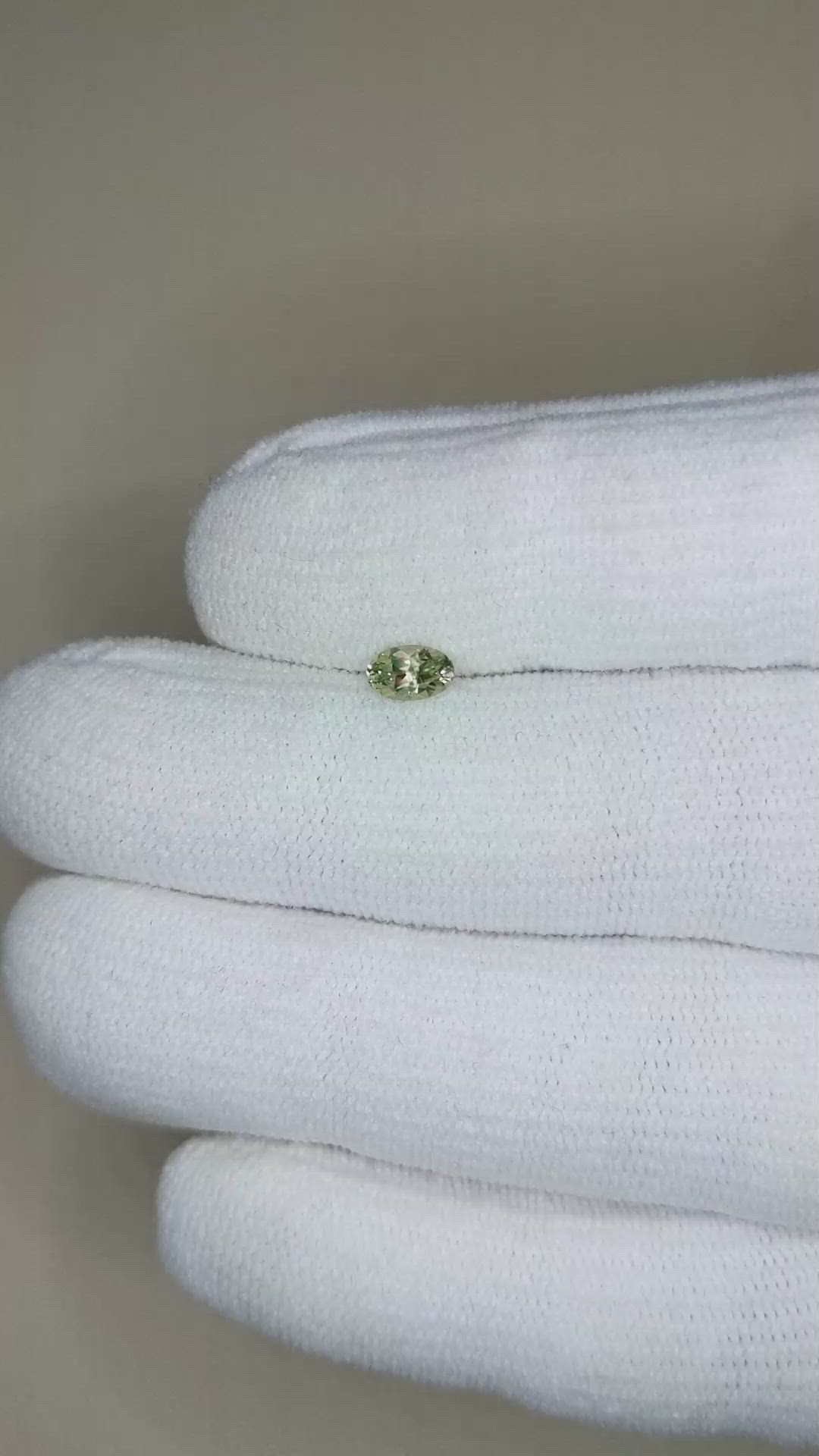
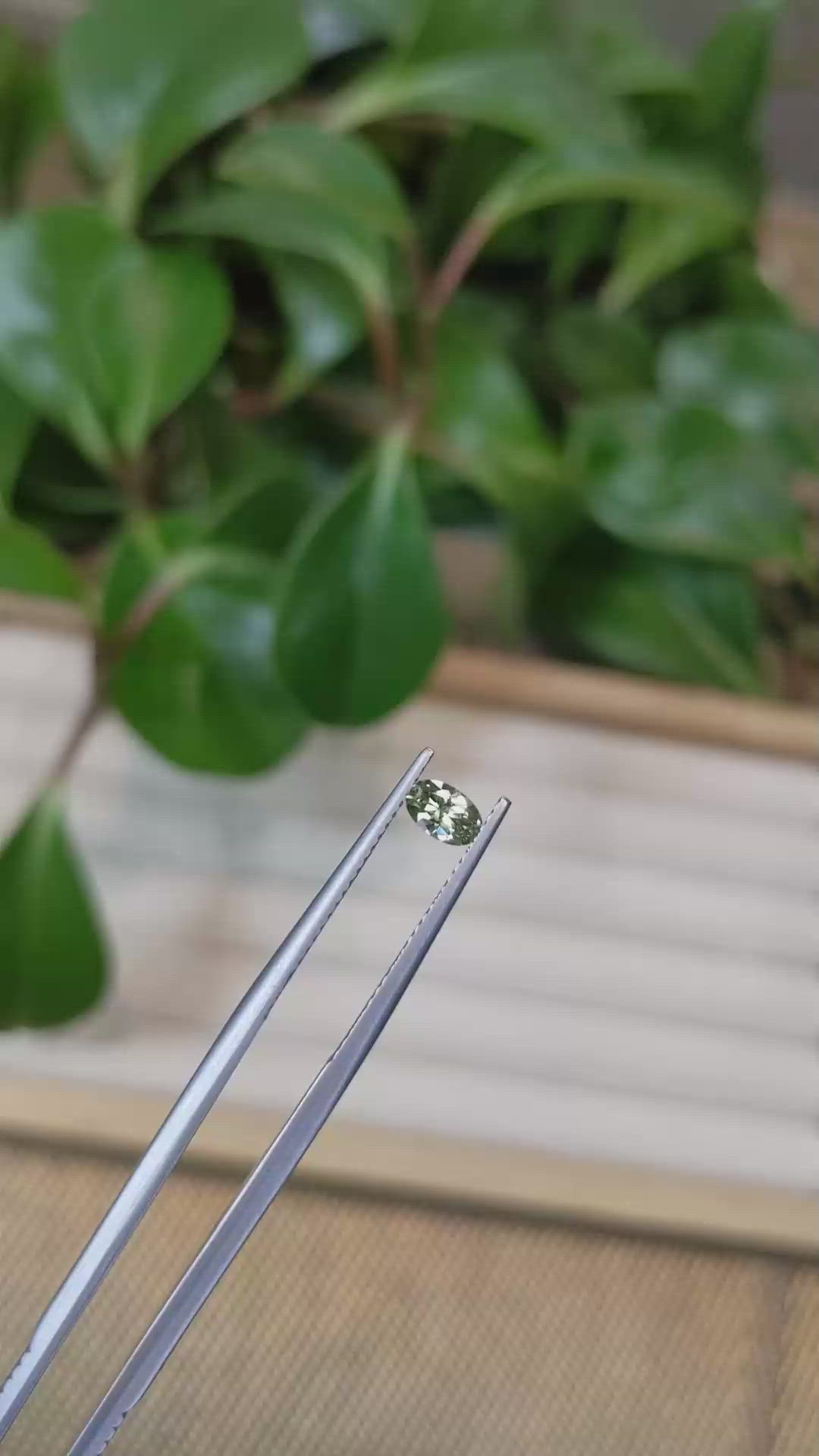
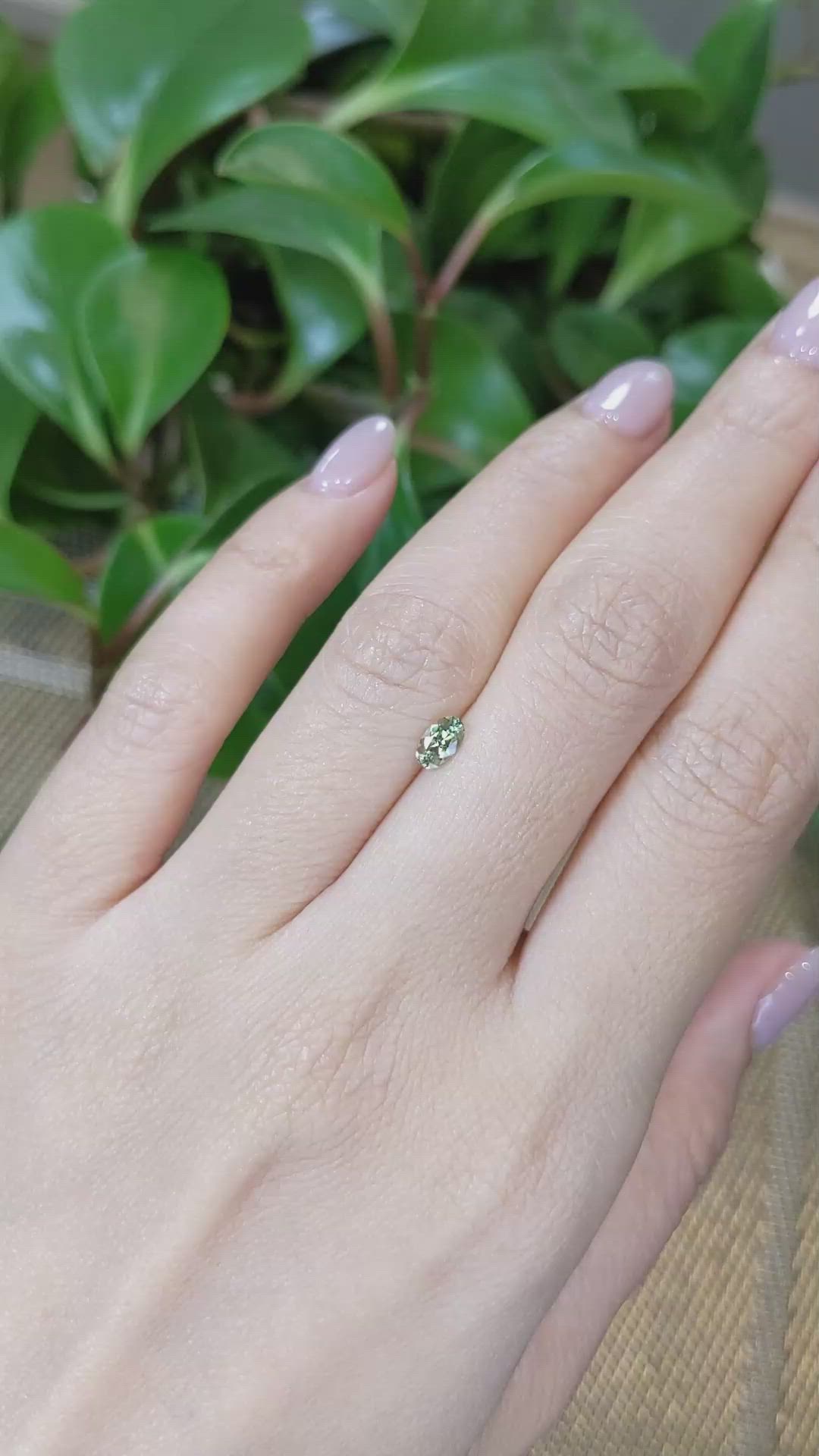
This Montana sapphire is a precise example of a small, technical gem, weighing 0.39 carat, cut to an oval outline with dimensions of 5.54 by 3.50 by 2.52 millimeters, and exhibiting a face up hue best described as yellowish green with medium color intensity. The cutter selected a mixed brilliant faceting scheme to balance scintillation and color distribution, and the gem displays an excellent polish that delivers crisp facet junctions and lively surface reflections. Clarity has been evaluated at eye level as very very slightly included, a grade that conveys exceptional transparency for material of natural origin while acknowledging the presence of minute internal features. The stone has been heat treated, a standard and stable enhancement for Montana sapphires, and the provenance is Montana, a source known for distinct freshwater earthy tones and a particular suite of internal characteristics. The combination of these parameters creates a gem that is small in scale but rich in technical interest, suitable for a setting that celebrates both measured light return and the geological story captured within.
The internal architecture of this sapphire is where its unmistakable signature arises, and accurate description of those inclusions is essential for the discerning buyer. Under low magnification the stone reveals a field of fine needle like inclusions, oriented along specific growth directions, that interact with facet reflections to create subtle linear scintillation. Embedded within the body are a handful of tiny euhedral crystals and minute angular platelets, which catch the light as bright pinpoints and introduce a constellation like pattern that repeats as the pavilion facets rotate relative to the observer. There are also healed feathers and narrow growth channels that appear as slightly translucent veils, evidence of internal stress relief during the gem’s formation, and they contribute a soft internal diffusion that moderates extreme contrast between light and dark areas. Color zoning is present in a delicate manner, with slightly stronger chroma toward the crown facets and paler tone near the girdle, a distribution that emphasizes the yellowish green palette when viewed face up. Taken together, the needles, crystal inclusions, and healed features constitute a diagnostic inclusion suite for Montana origin sapphires, giving this stone an individual fingerprint that will be recognizable to a trained loupe user yet visually appealing in its subtlety.
From a cutting and performance perspective, the mixed brilliant style chosen for this oval optimizes both brilliance and color saturation while strategically masking the most prominent inclusions. The crown is faceted with a brilliance oriented pavilion, engineered to maximize return of light into the eye and to create a lively pattern of flashes across the table. The lower portion of the gem employs slightly larger facets and modified pavilion angles to control light leakage at the edges and to deepen apparent color in the face up position. With a depth that calculates to approximately fifty six percent relative to the average of the length and width, the pavilion and crown proportions are well balanced for a small oval, providing sufficient depth to support strong internal reflection without appearing overdeep in a mounting. The excellent polish ensures that facet planes meet cleanly, which elevates the perceived clarity and permits the minute internal features to act as points of interest rather than distractions. During the cutting process the lapidary deliberately oriented growth related inclusions off the table axis where possible, this approach reduces inclusion visibility at typical viewing angles while preserving the signature inclusions that supply provenance information and character.
For connoisseurs and technical buyers considering this gem for a bespoke piece, there are specific design and setting strategies that accentuate its strengths and unique inclusion signature. A low profile bezel or a four prong setting in a warm metal such as 18 karat yellow gold will harmonize with the yellowish green tone, and leaving the girdle exposed in part allows light to enter from oblique angles, enhancing the stone’s internal play. If showcasing the inclusion fingerprint is desired, an open gallery design combined with a minimalist prong orientation will permit lateral inspection and appreciation of the needle array and trapped crystals, turning the gem’s internal morphology into a talking point. The heat treatment present is stable and well accepted in trade, it intensifies and homogenizes color while often reducing the visual prominence of microscopic silk, therefore the very very slightly included clarity at eye level should be interpreted as an indicator of exceptional transparency for natural Montana material rather than a flaw. The Natural Sapphire Company stands behind the provenance and craftsmanship of this sapphire, offering technical documentation on request and guidance on matched mounting options to ensure optimal optical performance. This small oval encapsulates a geological narrative, a precision cut, and an inclusion tableau that together make it a refined choice for buyers who appreciate the interplay of gemmological detail and wearable design.


