
- Stone14
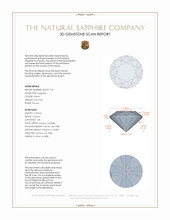
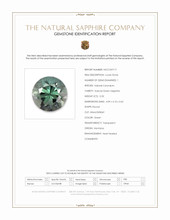
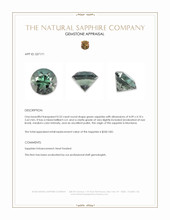
- Reports3
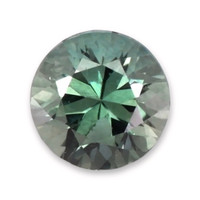
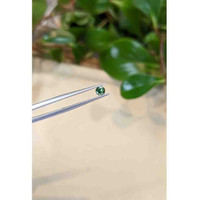
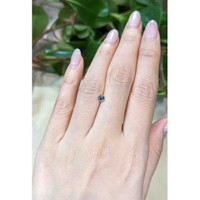
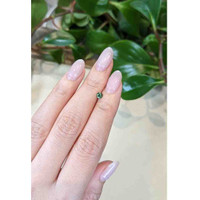
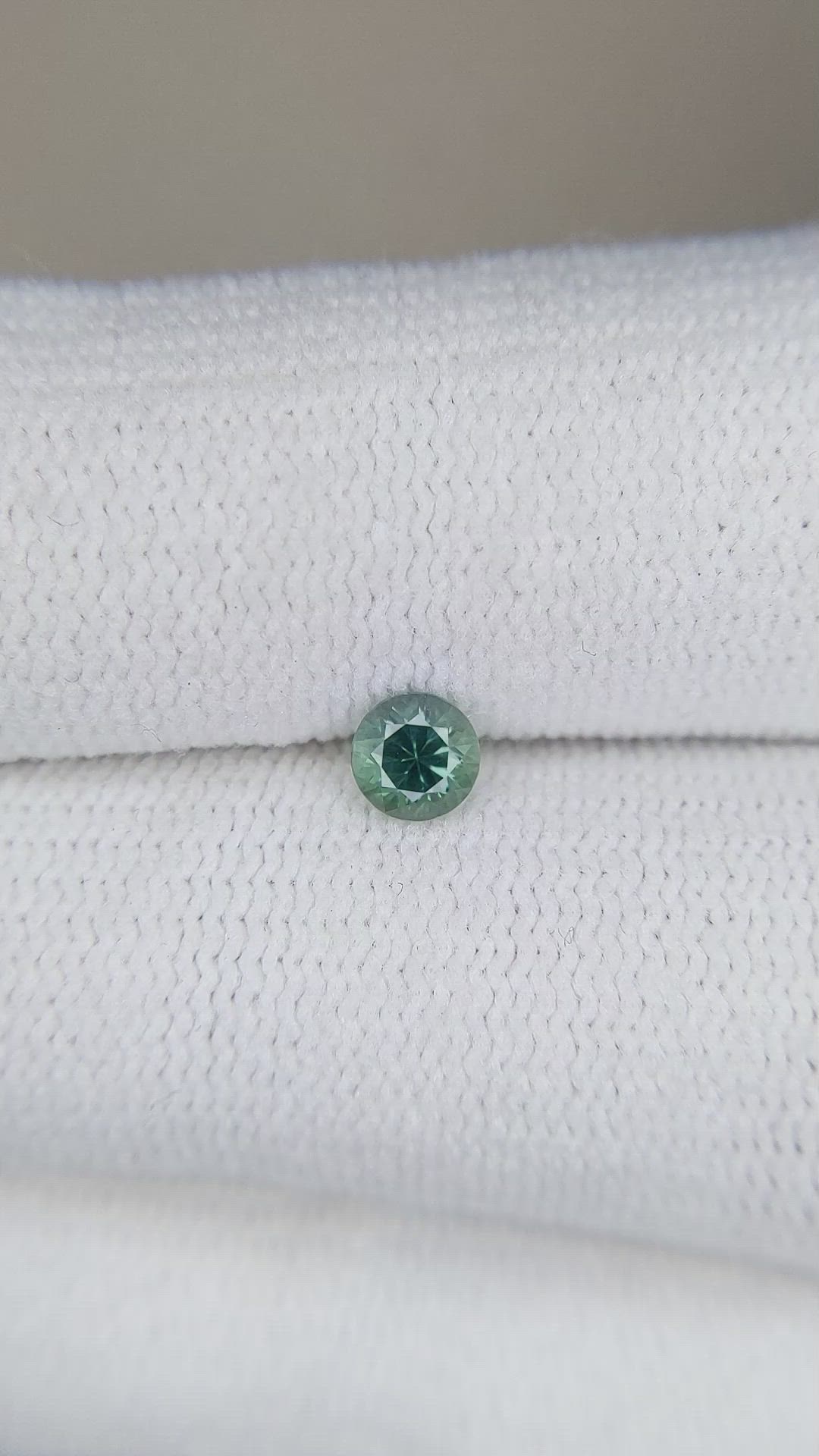
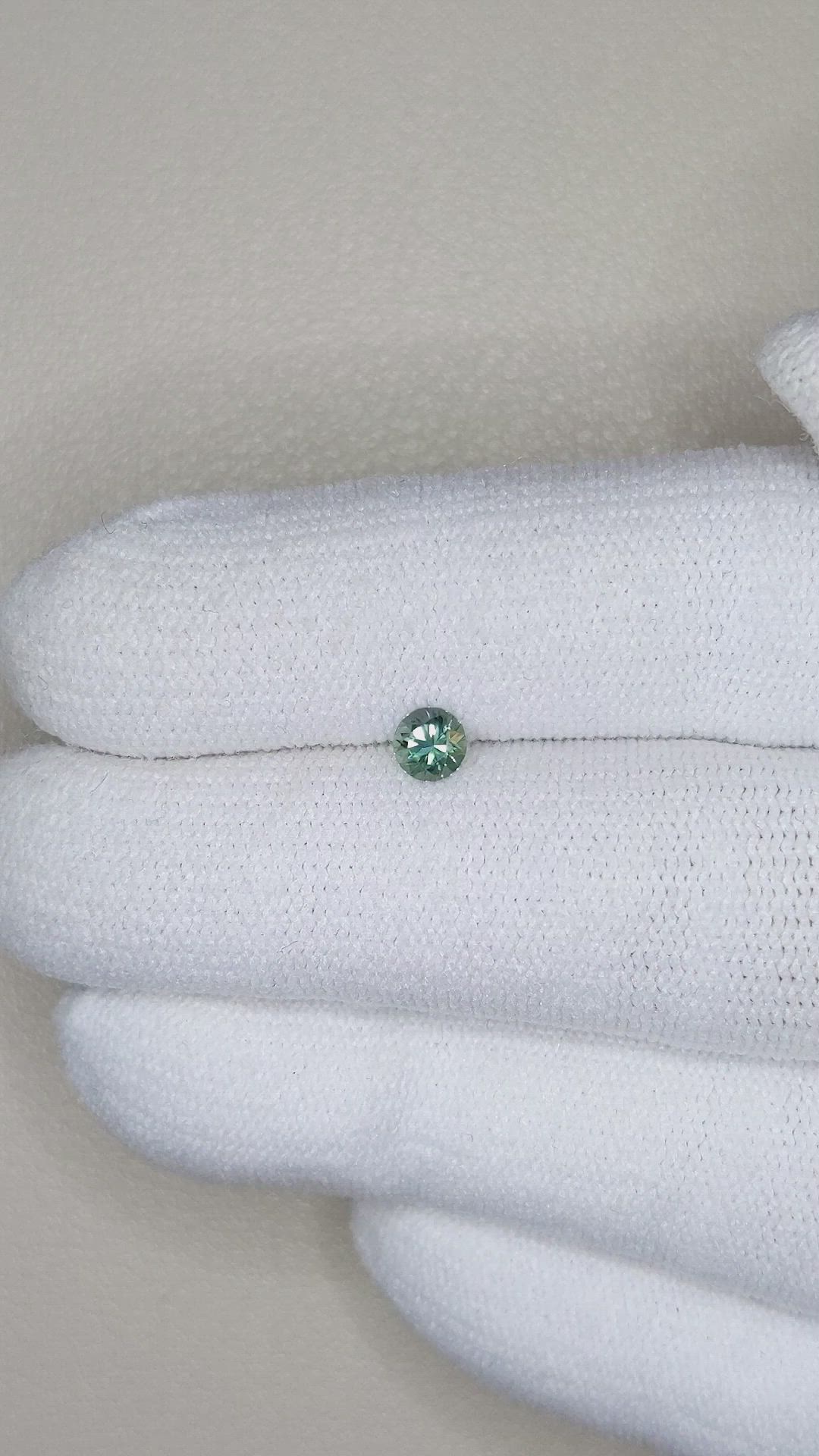
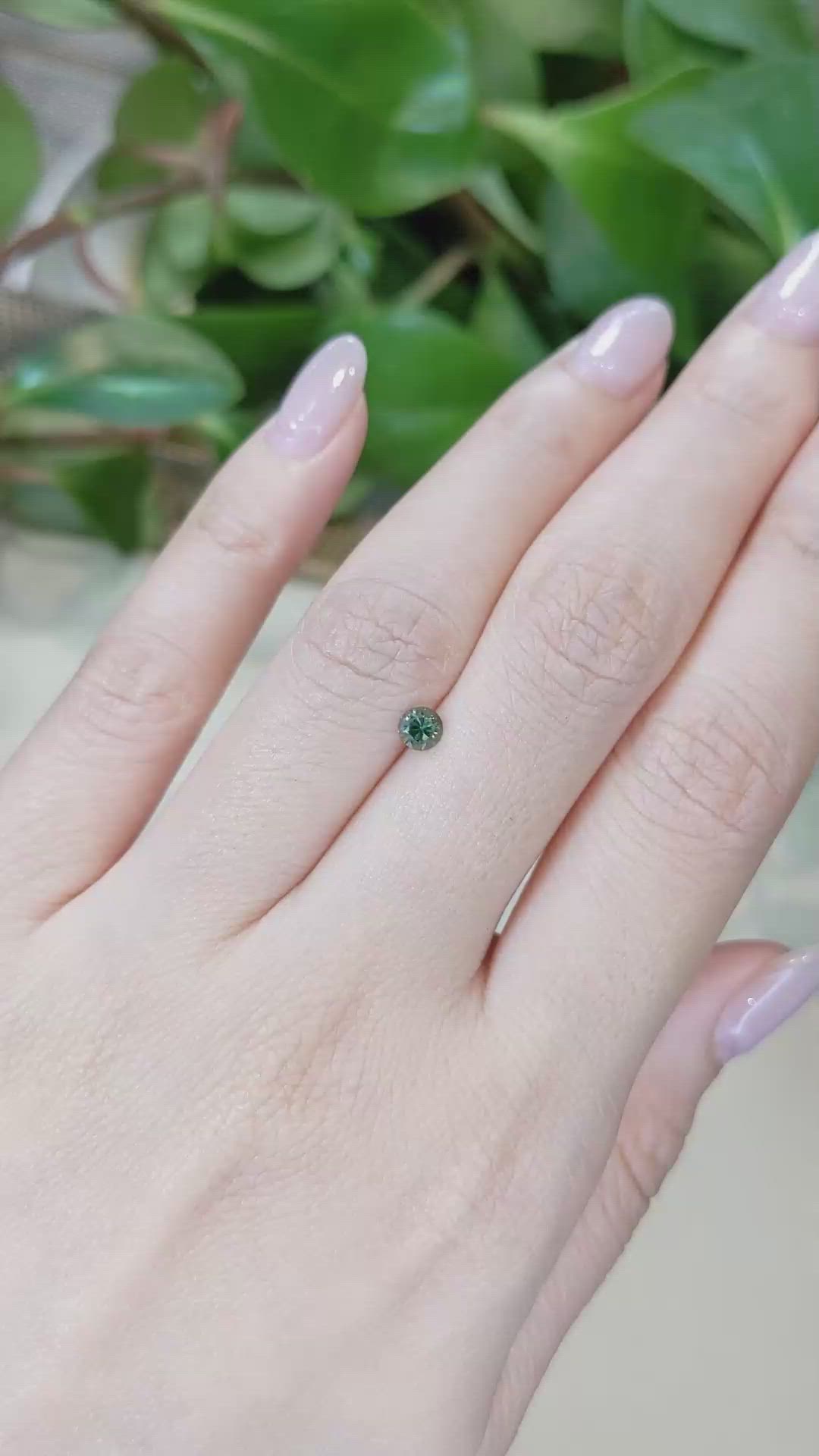
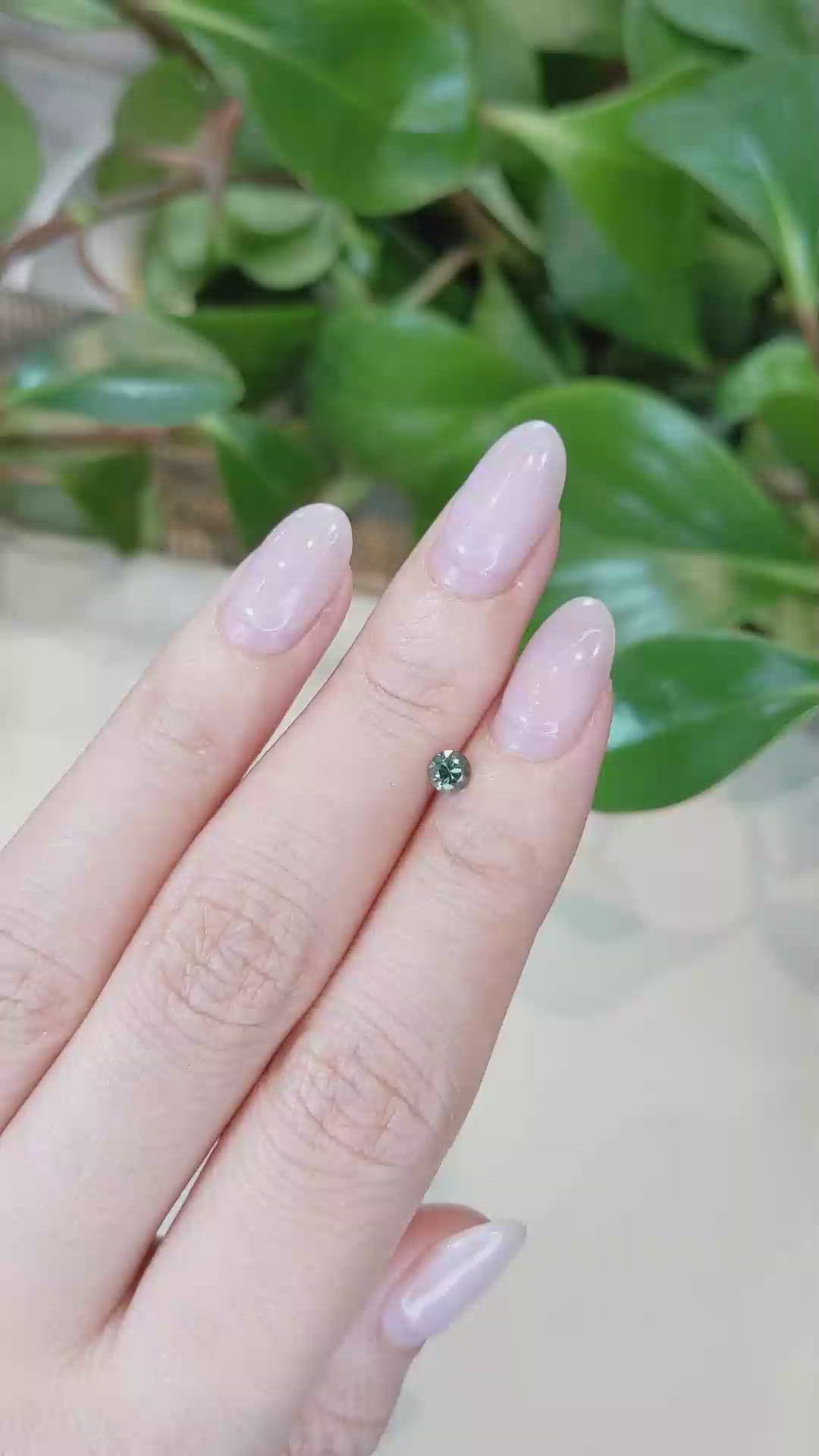
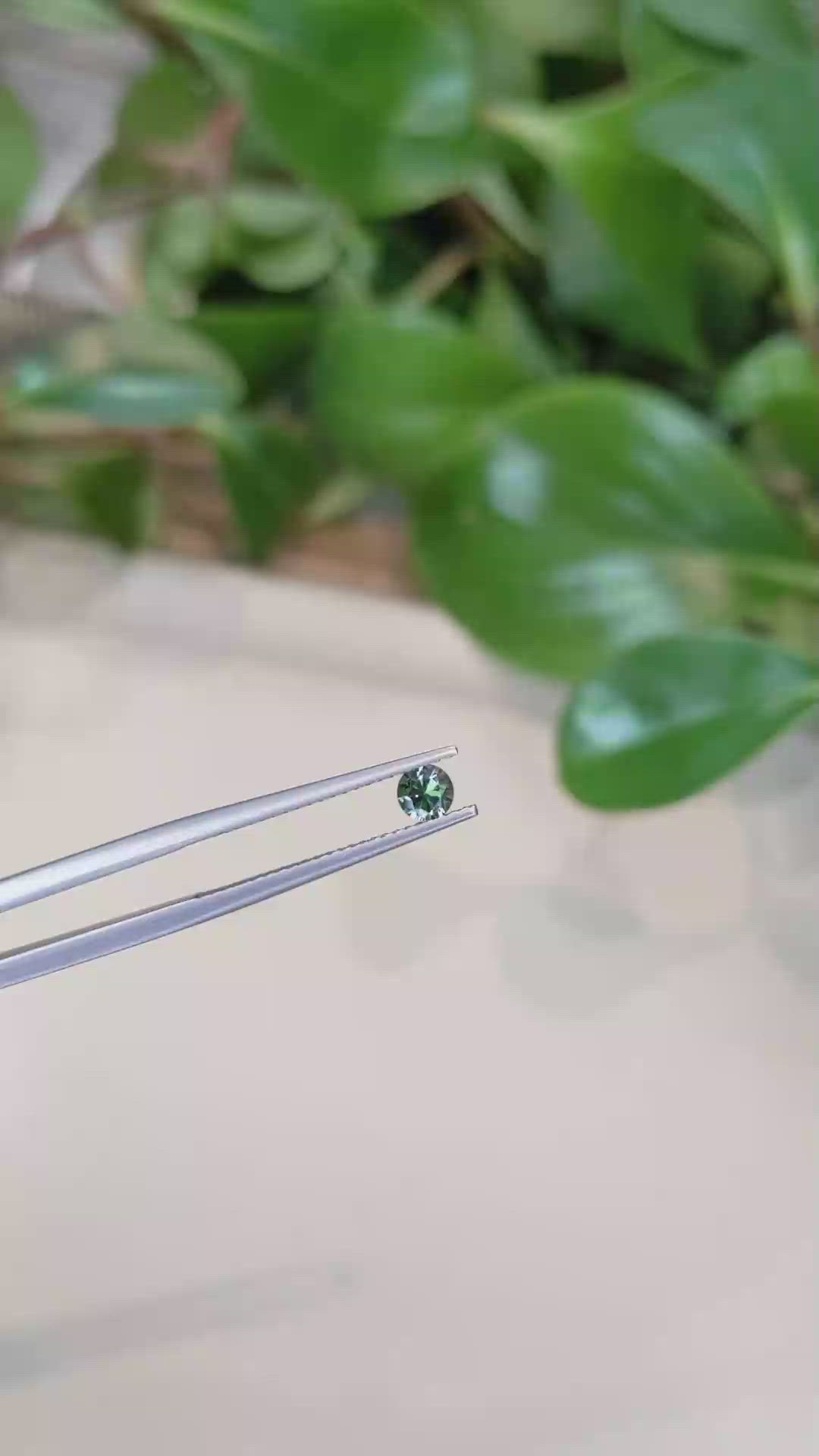

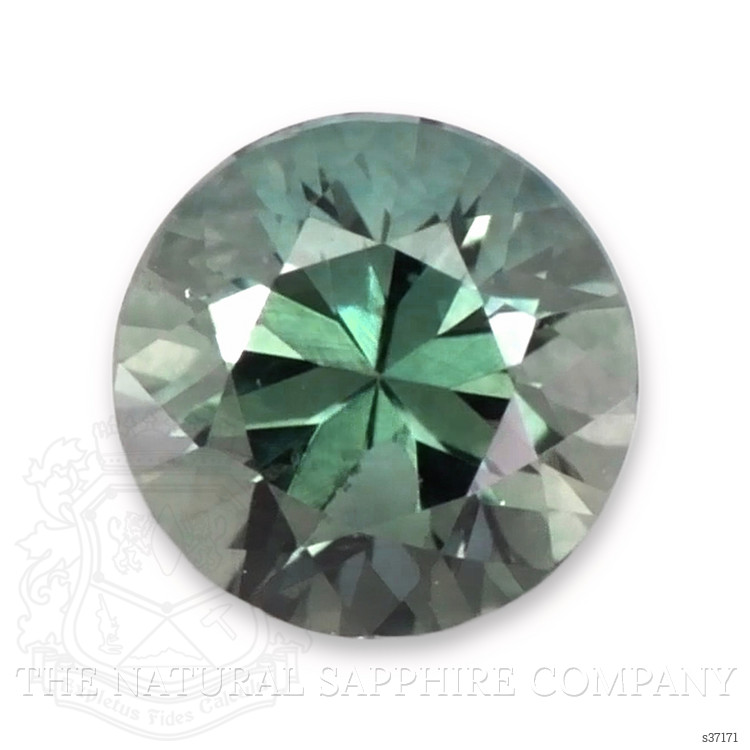
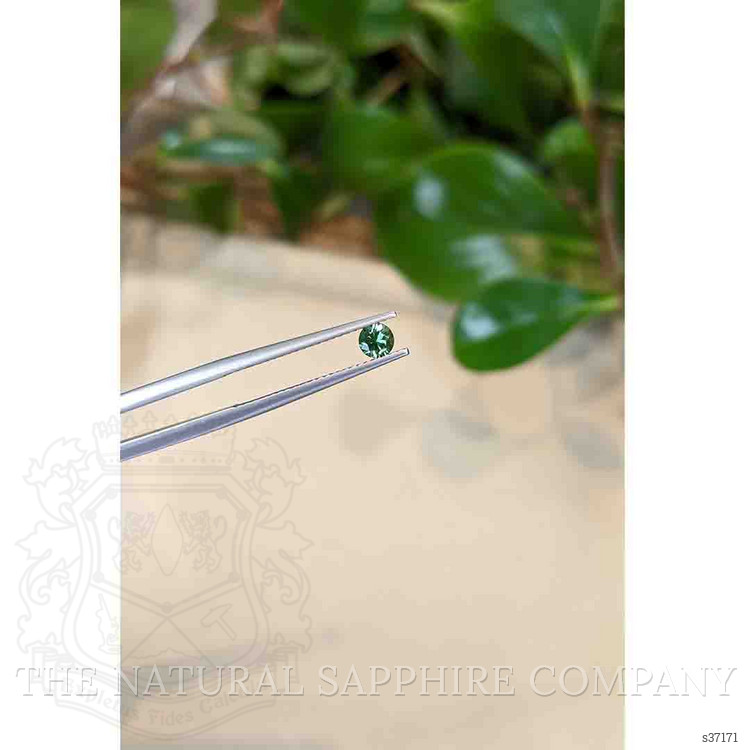
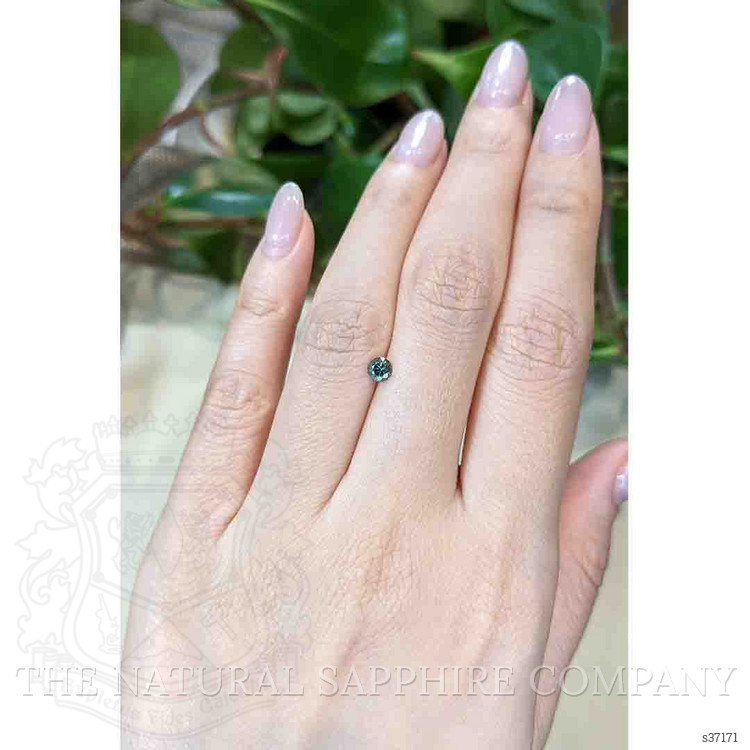
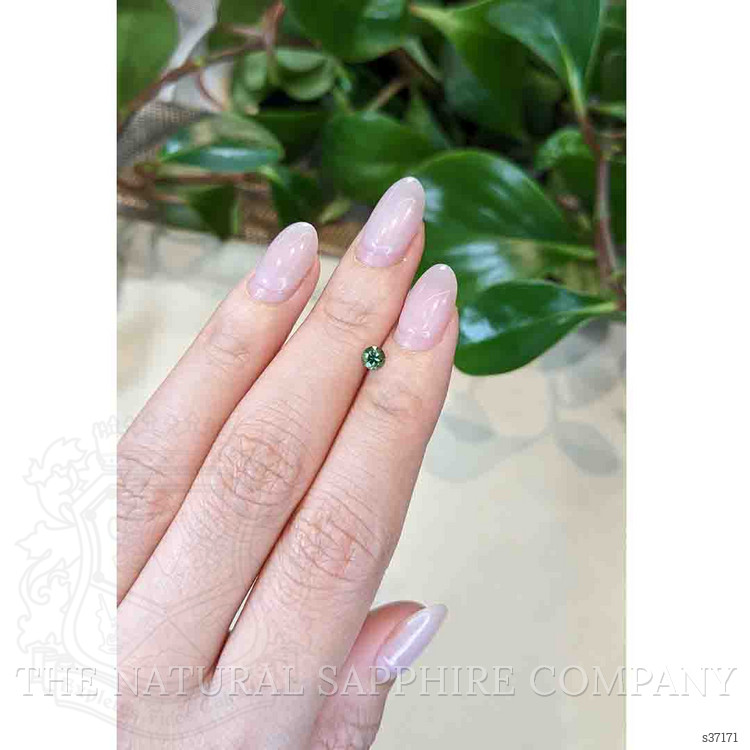

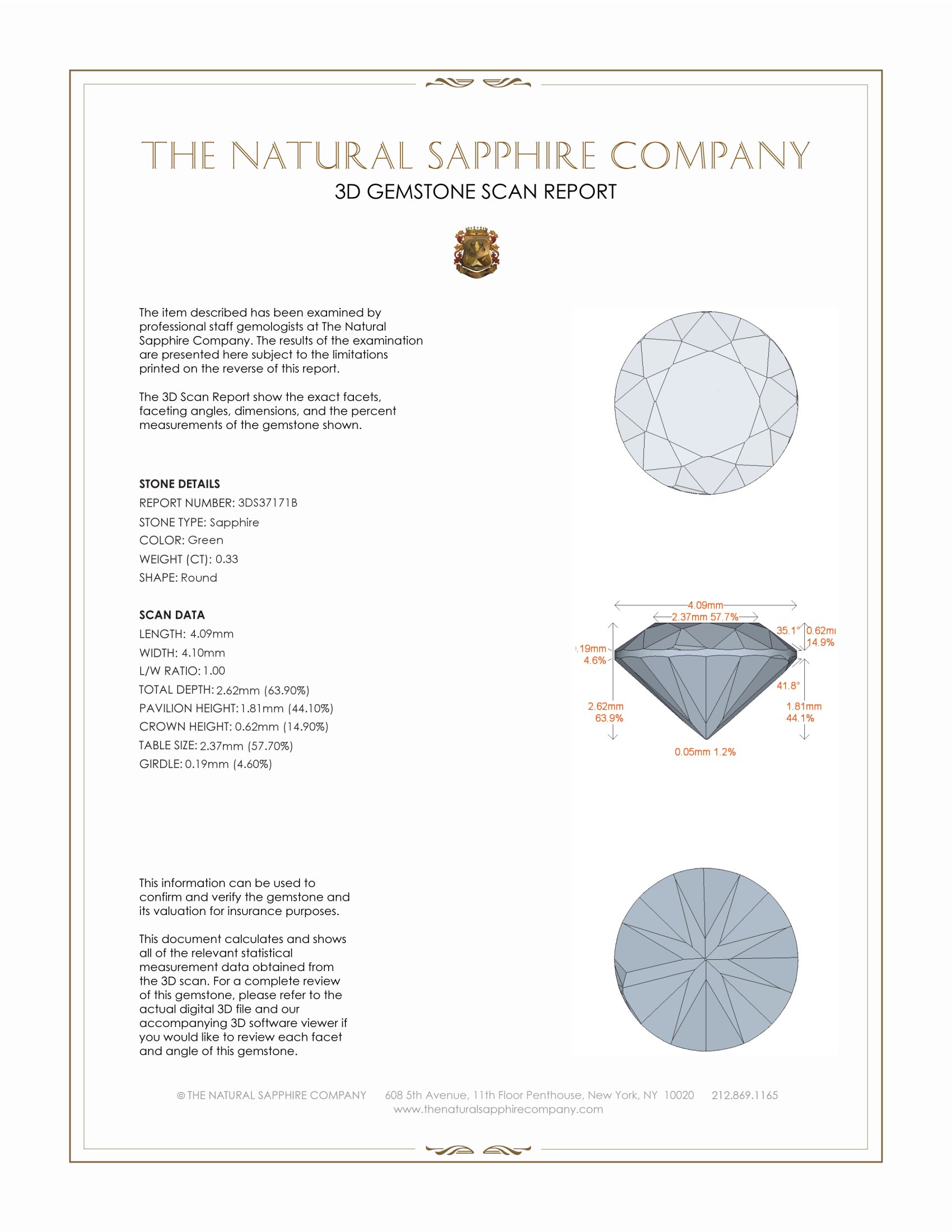
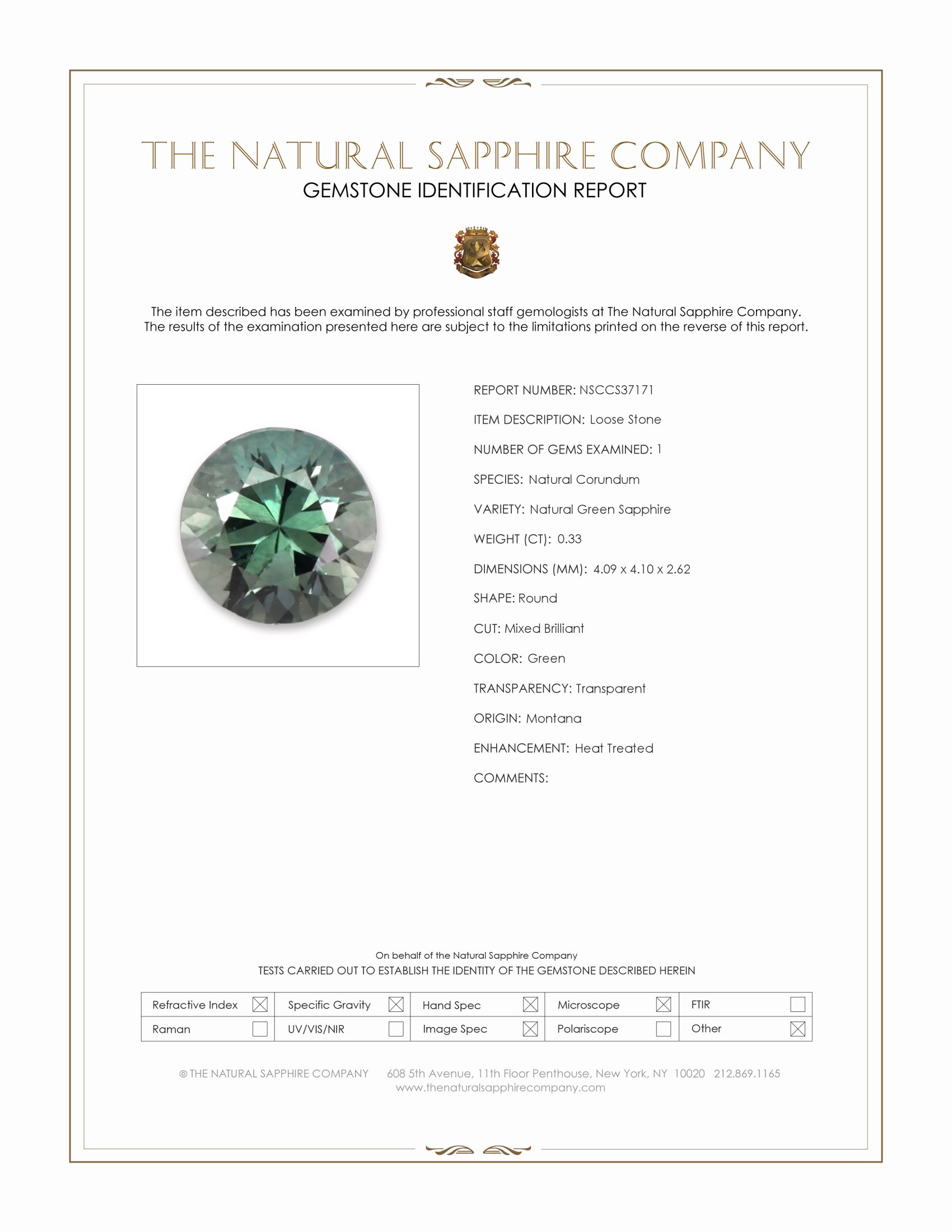
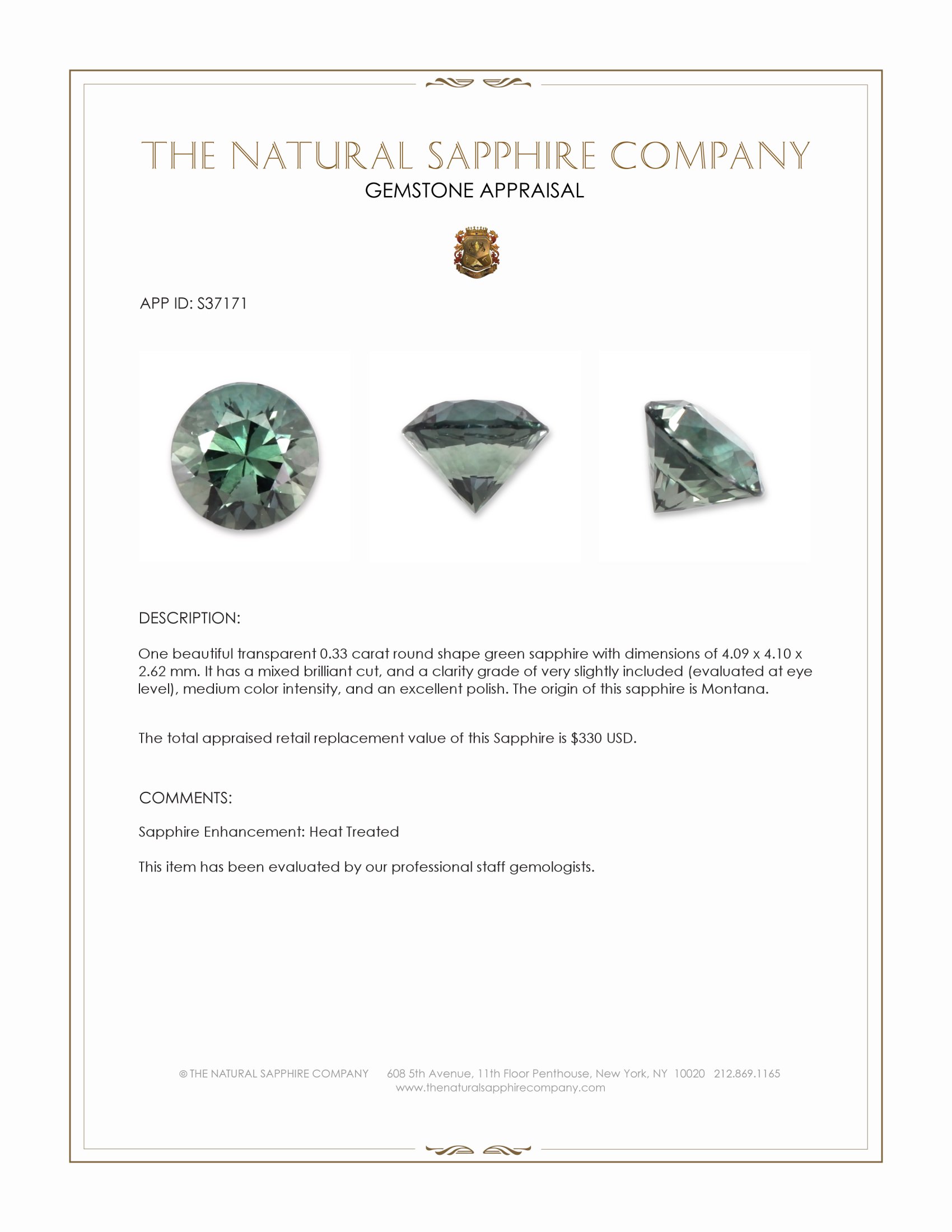
0.33 Ct. Green Sapphire from Montana
This loose stone is available to ship now
Item ID: | S37171 |
|---|---|
Dimensions (MM): help | Length: 4.09 Width: 4.1 Height: 2.62 |
Weight: | 0.33 Ct. |
Color: help | Green |
Color intensity: help | Medium |
Clarity: help | Very Slightly Included |
Shape: help | Round |
Cut: | Mixed Brilliant |
Cutting style: | Faceted |
Enhancements: help | Heat Treated |
Origin: help | Montana |
Per carat price: help | $1,000 |
This transparent green sapphire weighs 0.33 carat, and presents a round shape with precise dimensions of 4.09 by 4.10 by 2.62 millimeters, a mixed brilliant cut, and an excellent polish. The clarity is described as very slightly included when evaluated at eye level, and the color displays a medium intensity that reads as a balanced green with subtle depth under varied lighting. The stone is heat treated, a standard enhancement employed to stabilize and refine color, and its provenance is Montana. The combination of weight, proportions, cut style, and polish yields a compact, versatile gem that retains notable brilliance and light return for its size, while the very slight inclusions offer internal character without compromising overall transparency.
Millions of years ago this sapphire began as aluminum rich mineral matter within a geological environment shaped by tectonic pressure, heat, and fluid activity. Deep beneath the surface, during episodes of mountain building and regional metamorphism, aluminum rich sediments and rocks were subjected to elevated temperatures and directed pressures that favored the growth of corundum crystals. In that setting, minute concentrations of trace elements altered the absorption characteristics of the forming corundum, producing the green hue that this particular stone exhibits. Hydrothermal fluids circulating through fractures and contact zones acted as the transporting and concentrating medium, delivering the chemical components and facilitating slow crystal growth over extended intervals. Subsequent uplift, erosion, and episodes of volcanic or intrusive activity released gem bearing material into surficial gravels and alluvial deposits where natural tumbling and separation on ancient stream beds further concentrated gem quality crystals. Over the long span of geological time, a now finished crystal was preserved, later discovered in Montana, and selected for cutting.
The rough sapphire was evaluated and thoughtfully fashioned to maximize the optical potential inherent in its material. The mixed brilliant cut combines a faceted pavilion geometry with a brilliant style crown to produce controlled light performance, balancing scintillation with depth of color. The cutter addressed the stone clarity and included material by orienting facets to minimize the visual impact of very slight inclusions at typical viewing distances while maintaining weight and symmetry, and the excellent polish enhances surface luster and the crispness of facet junctions. Heat treatment, applied under controlled conditions, refined the color uniformity and stabilized the tone without compromising structural integrity. For considerations of use and longevity this sapphire benefits from the inherent hardness and toughness of corundum, and its size and form are suitable for a range of mounting styles that preserve the stone margin and table for optimal light interaction. The Natural Sapphire Company documents the stone origin and treatment history, providing traceable information about provenance and processing, and delivers this gem with a focus on material quality, accurate description, and measured craftsmanship.


