
- Stone12
- Reports3
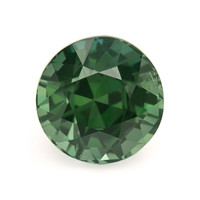
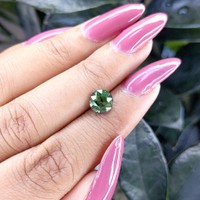
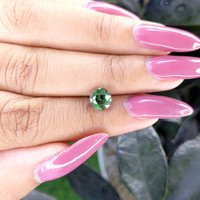
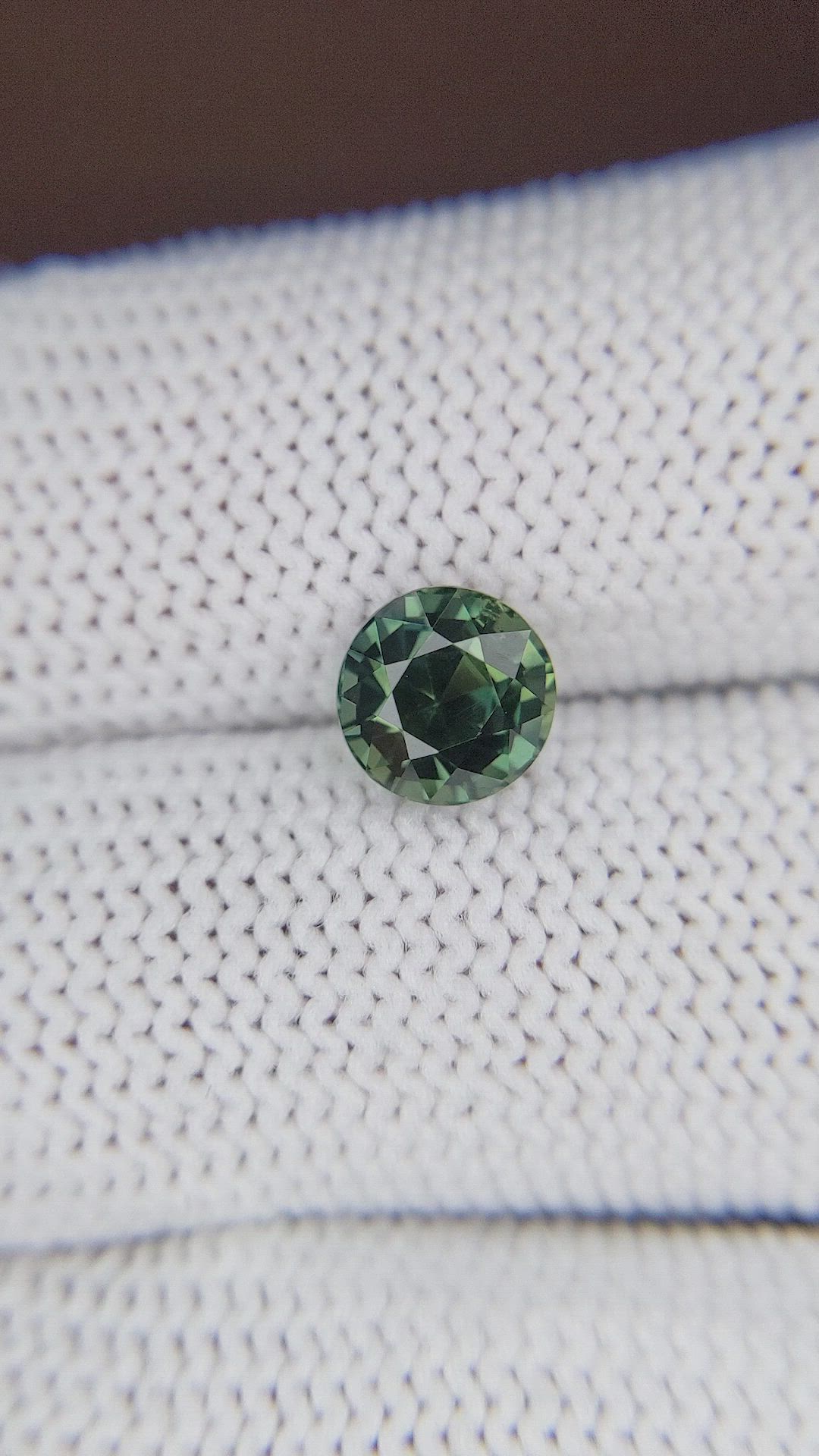
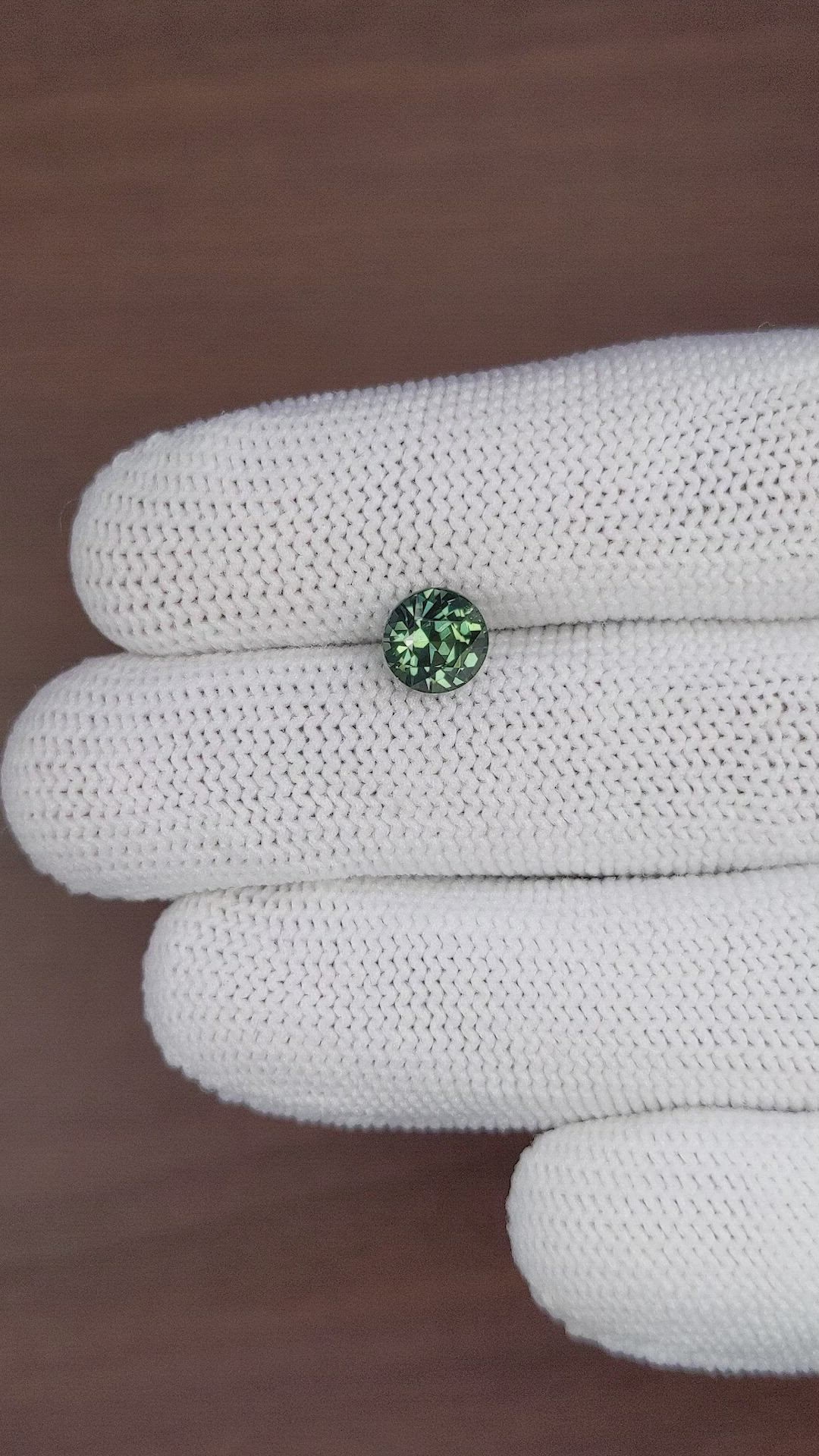
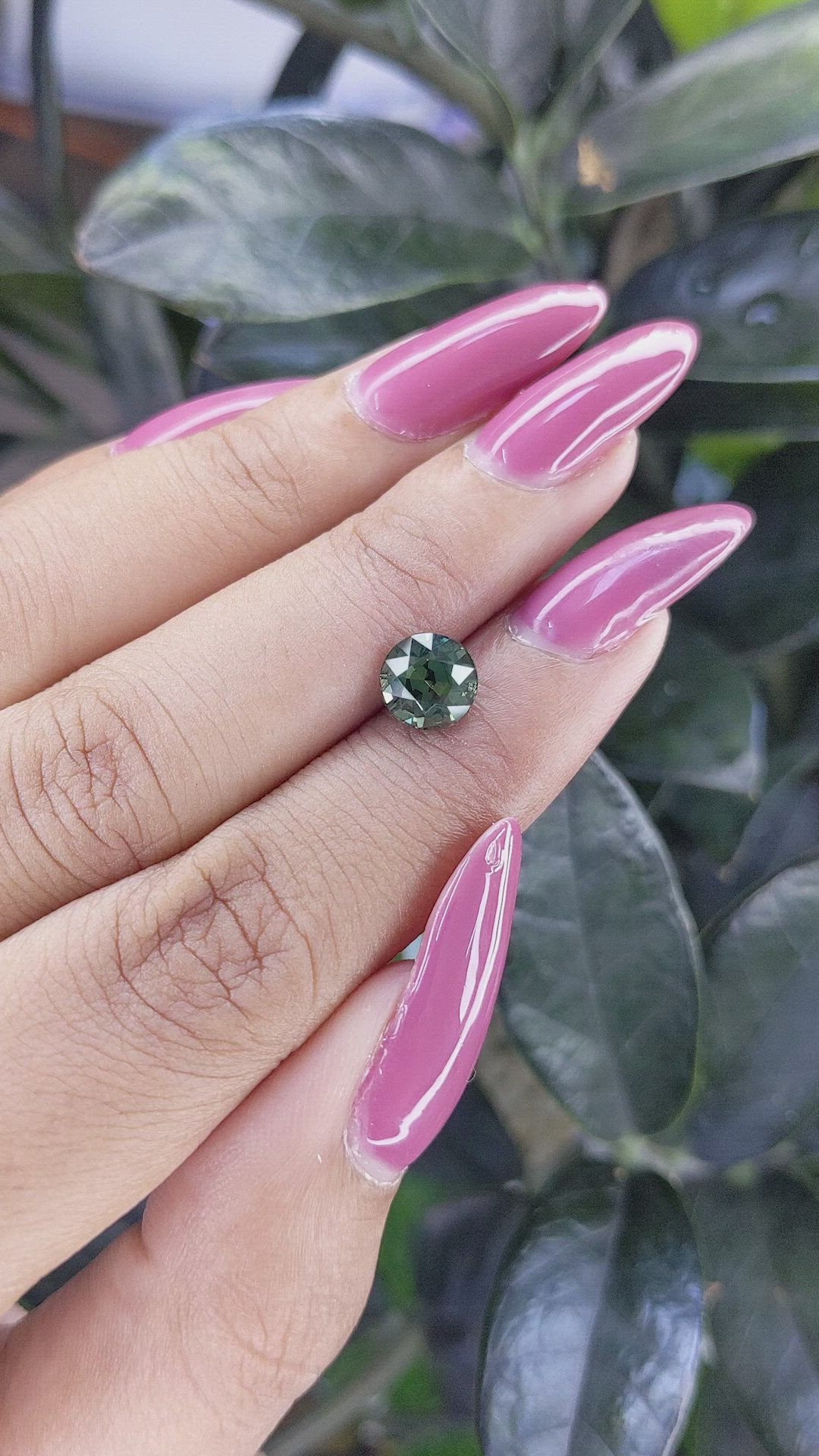
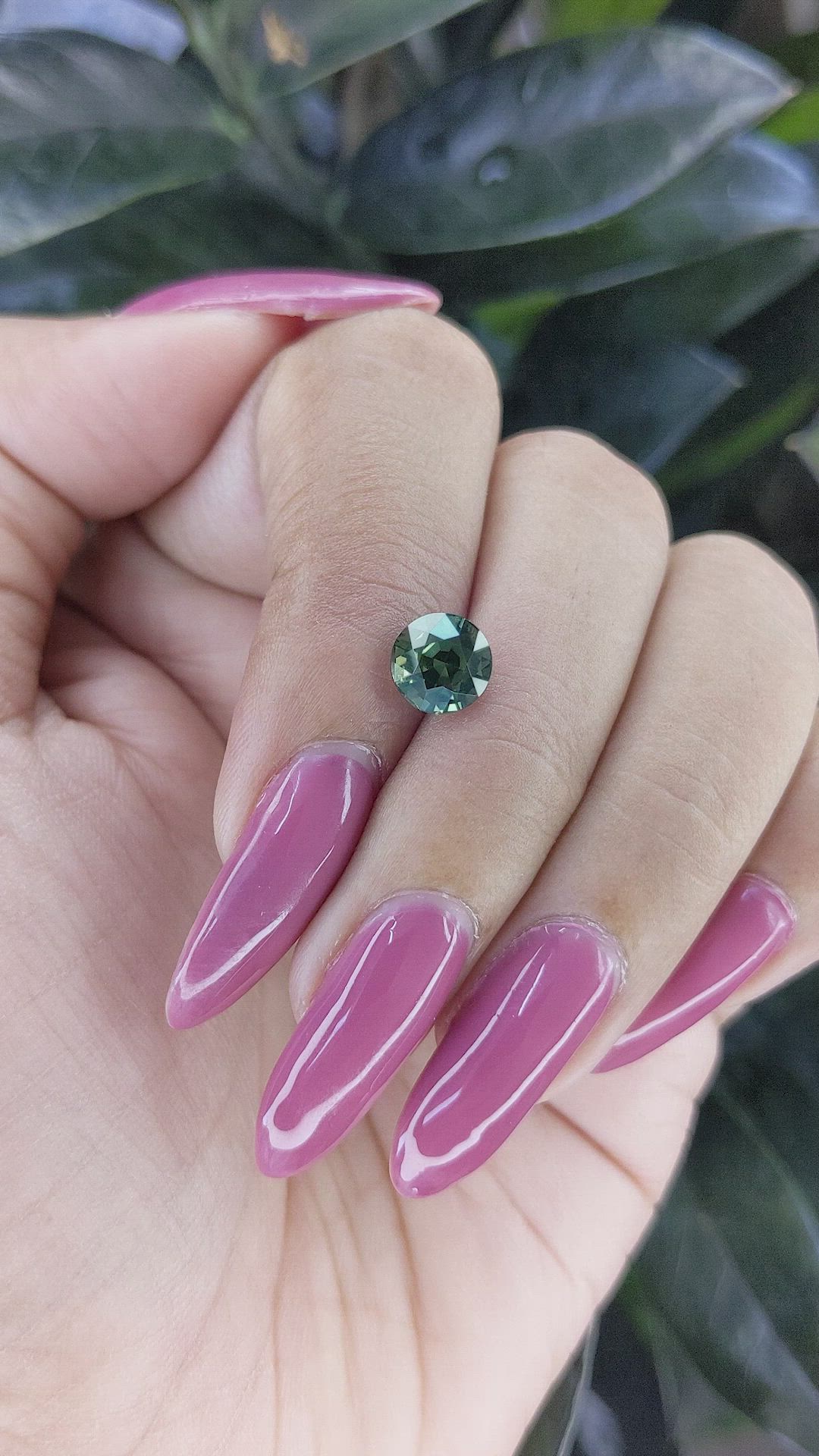



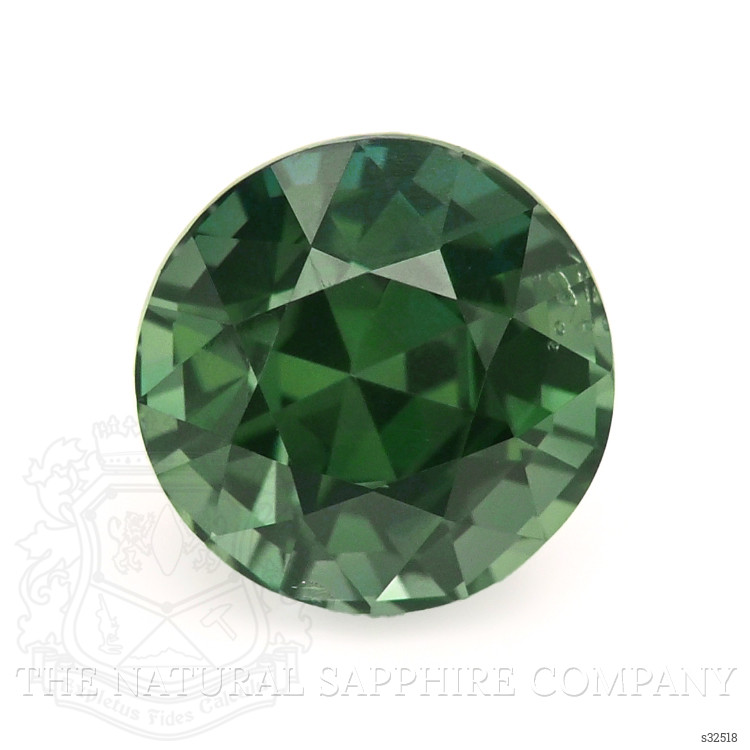
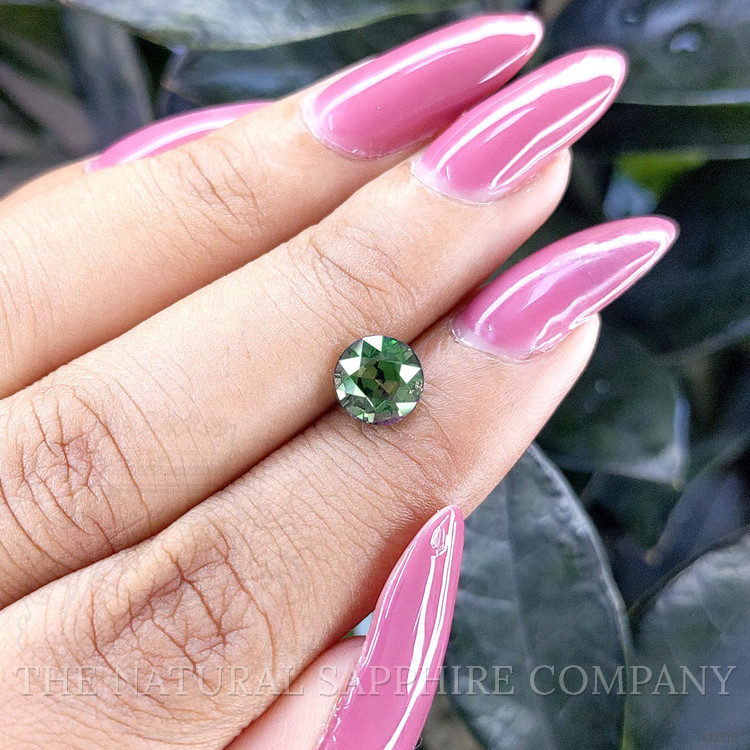
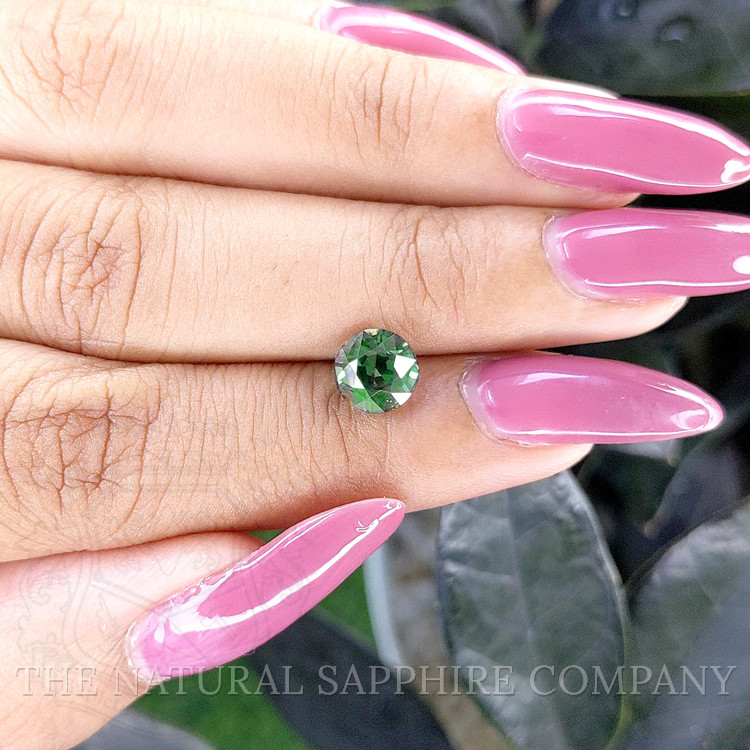



2.06 Ct. Green Sapphire from Tanzania
This loose stone ships by Apr 25
Item ID: | S32518 |
|---|---|
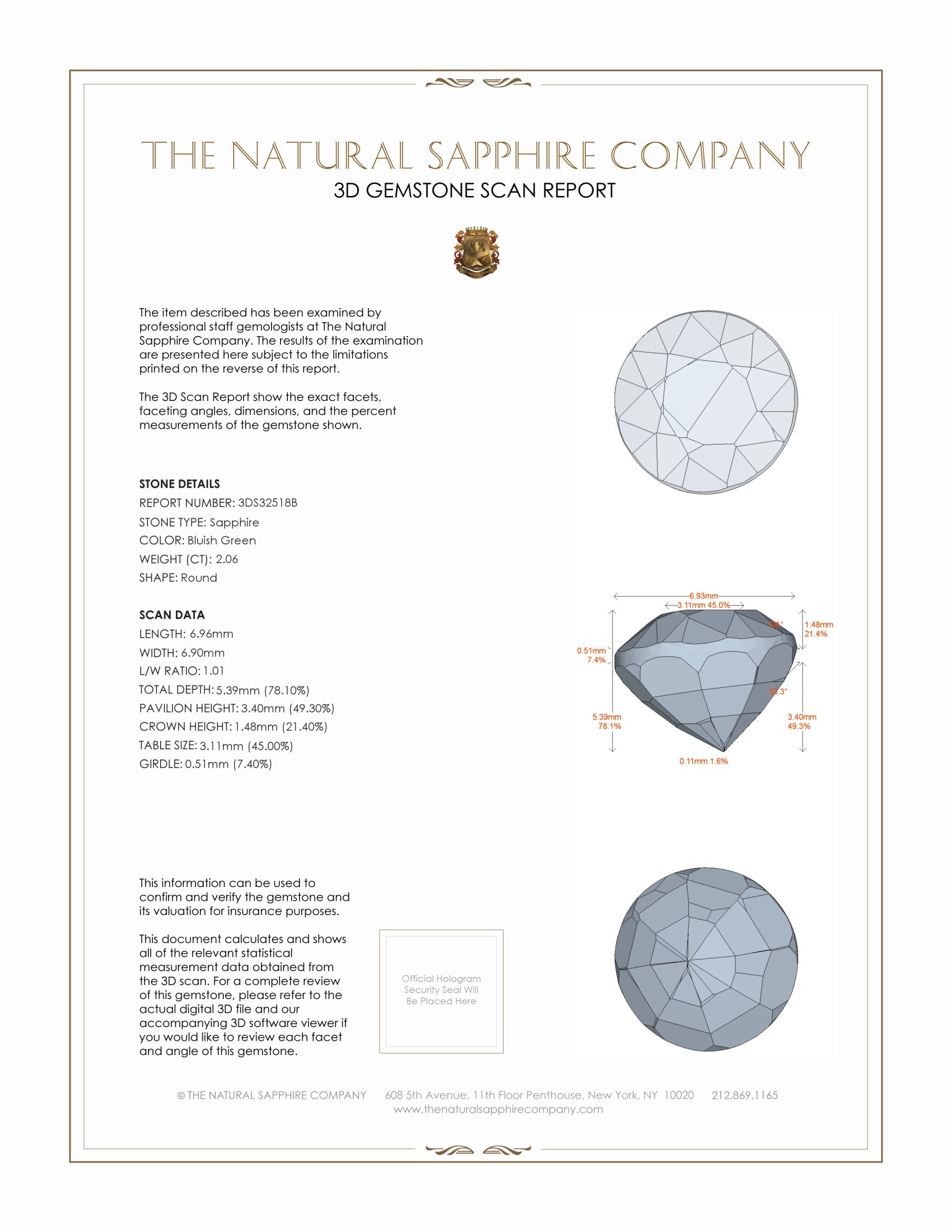
Dimensions (MM): help | Length: 6.96 Width: 6.9 Height: 5.39 |
Weight: | 2.06 Ct. |
Color: help | Green |
Color intensity: help | Intense |
Clarity: help | Very Slightly Included |
Shape: help | Round |
Cut: | Mixed Brilliant |
Cutting style: | Faceted |
Enhancements: help | No Enhancement |
Origin: help | Tanzania |
Per carat price: help | $1,068 |
This is a superb 2.06 carat green sapphire, presented in a classic round shape with precise dimensions of 6.96 by 6.90 by 5.39 millimeters, cut in a mixed brilliant style to balance scintillation and overall face up presence, with an excellent polish that maximizes light return and surface finish. The stone is transparent and displays intense color intensity, with a vivid and evenly distributed green that reads strongly at face up viewing. It is important to note that this sapphire has no enhancement, which in the market significantly elevates its desirability and intrinsic value. Originating from Tanzania, this gem carries the geological provenance that collectors and connoisseurs recognize for producing unique and richly colored green sapphires. At The Natural Sapphire Company we place a premium on untreated material, and this stone represents the kind of well formed, naturally colored sapphire that informed buyers seek for both jewelry and investment purposes.
From a clarity and cutting standpoint this green sapphire is graded as very slightly included, evaluated at eye level, which means that under normal viewing conditions the inclusions do not detract from the gem's overall beauty or its brilliance. Typical inclusions in corundum are mineral crystals, fine silk, or tiny feathers, and when a sapphire is described as very slightly included at eye level it will appear clean to most observers while retaining natural features that authenticate its origin and natural formation. The mixed brilliant cut has been applied to achieve a lively balance between facet pattern and depth, enhancing sparkle while preserving weight and color saturation. The excellent polish further contributes to strong light performance and a pleasing tactile finish when set in a ring, pendant, or other fine jewelry. In practical terms, this combination of eye level clarity, precise cutting, and superior polish ensures the gem will read as vibrant and clean in everyday wear and in photographic documentation for appraisal or sale.
The Tanzanian origin of this sapphire is materially relevant to its market position, because Tanzanian deposits, including the Umba region and surrounding localities, are known for producing a diverse palette of corundum colors, with green sapphires being a signature offering from several deposits. Geologically, these sapphires derive their color from trace elements within the corundum lattice, most commonly iron and related species, which yields a range of desirable green tones that differ from treatments or synthetic alternatives. Provenance gives collectors confidence and can enhance resale potential, especially when combined with verifiable documentation. Because this sapphire is untreated, its natural origin is preserved and more desirable to the collector who values authenticity. When advising clients, I explain that untreated stones from reputable localities are increasingly sought after by knowledgeable buyers, and the Tanzanian origin adds both story and market cachet to this gem.
When evaluating investment potential, several objective factors position this green sapphire favorably for future appreciation, although it is important to remember that no gemstone can be guaranteed to appreciate. Key attributes that support long term value for this piece are its size above the 2 carat threshold, its excellent cutting and polish, its eye level very slightly included clarity, its intense and evenly distributed natural green color, and its untreated status. Rarity plays a central role in gemstone markets, and eye clean, untreated green sapphires in this size range, especially originating from respected sources, remain relatively scarce compared to more common sizes and colors. Market demand for colored gemstones has demonstrated steady interest from collectors, jewelers, and investors seeking tangible assets with aesthetic and historical value. As markets respond to scarcity, provenance, and documented authenticity, stones with the characteristics of this sapphire have shown greater resilience and appreciation potential than comparable treated material. Working with an established dealer like The Natural Sapphire Company enhances liquidity and market access, because provenance, photographic records, and certification from reputable laboratories make a gemstone easier to appraise, consign, or insure.
For practical ownership considerations, this sapphire is well suited to fine jewelry and to a collector portfolio. Its round mixed brilliant cut adapts elegantly to ring settings that protect the girdle and pavilion while displaying the face up color and brilliance, and its dimensions make it an ideal centerpiece for both classic and contemporary designs. Care is straightforward, as corundum is a durable gem species second only to diamond in hardness, but routine cleaning with mild detergent and careful storage will preserve polish and brilliance. For investment minded buyers I recommend maintaining paperwork including origin documentation and any laboratory reports, insuring the piece at replacement value, and considering professional appraisal updates over time. If a future resale is contemplated, presenting the sapphire with The Natural Sapphire Company provenance and accompanying professional imagery and certification will materially aid marketability. This green sapphire represents a compelling union of natural beauty, documented origin, and market attributes that educated buyers recognize as both desirable and investment worthy.


