
- Stone12
- Reports3


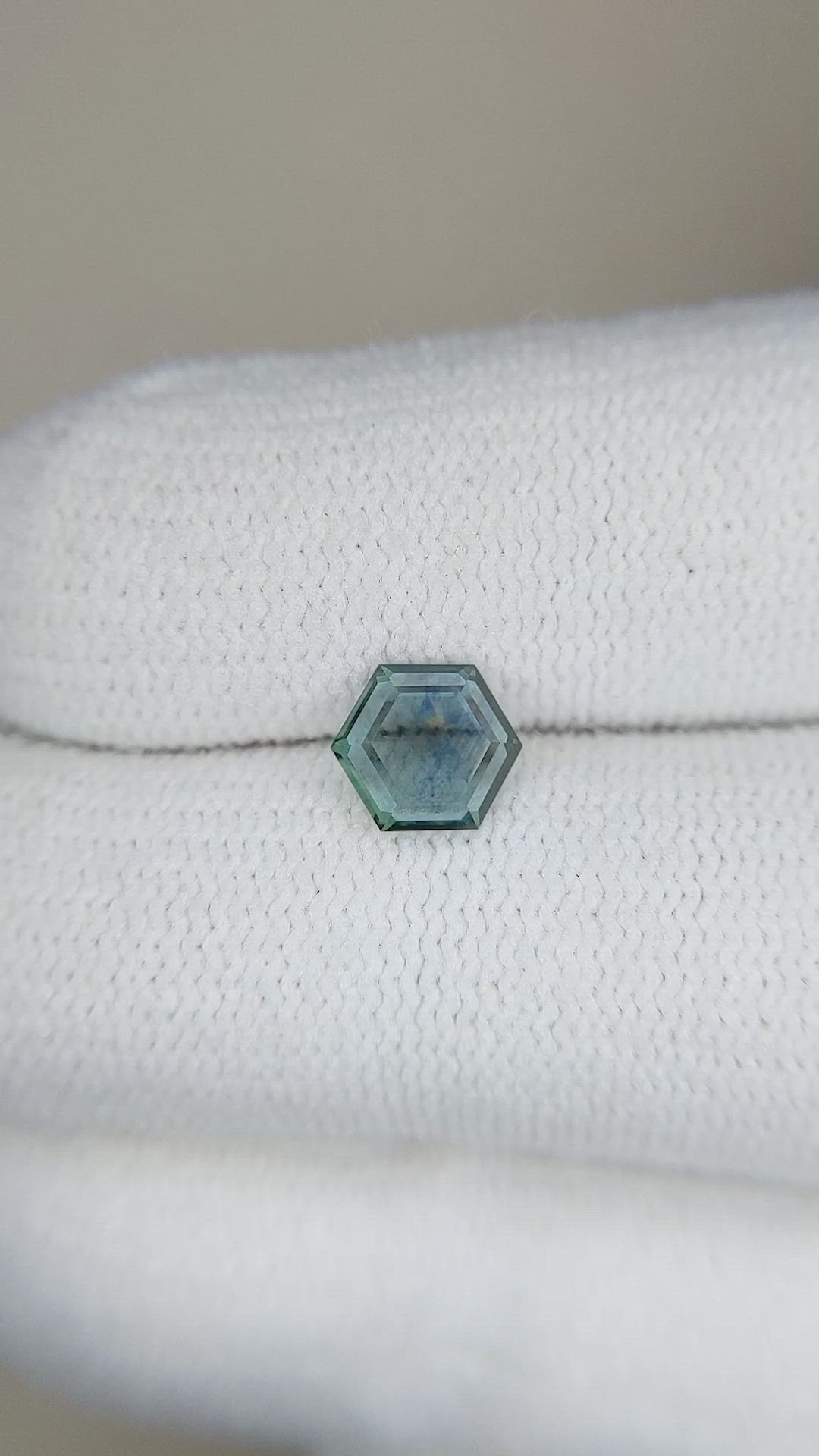
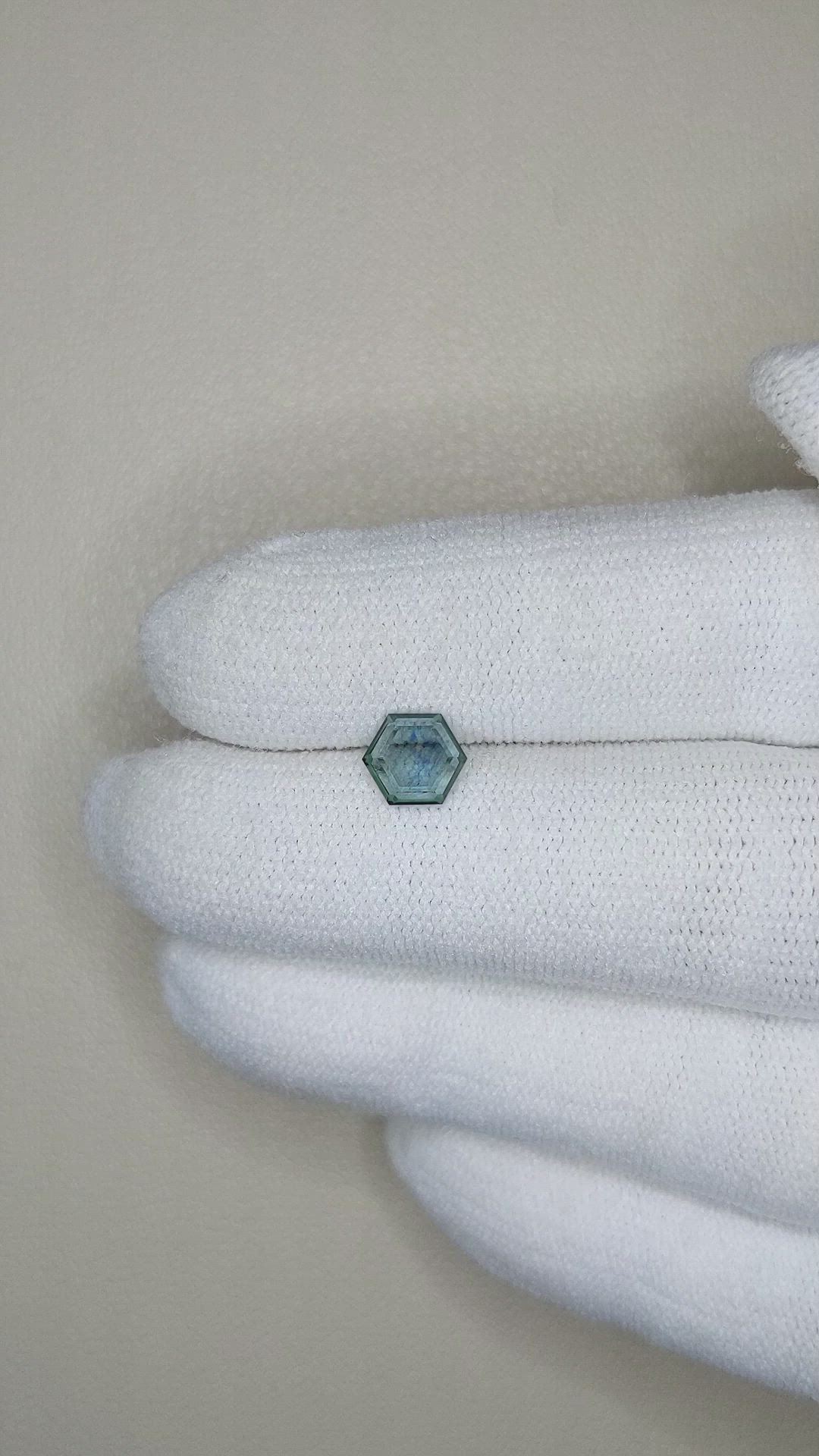
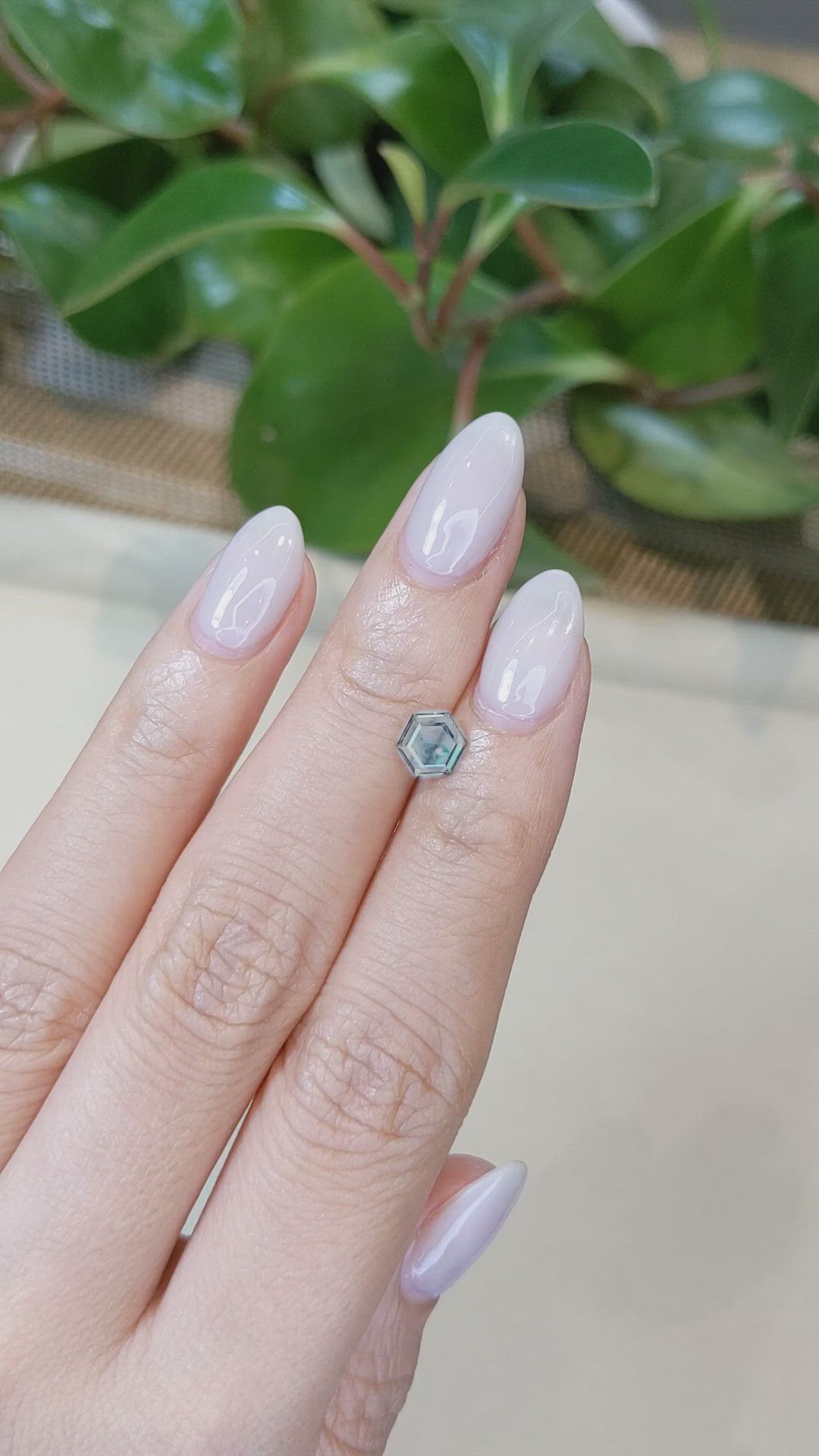
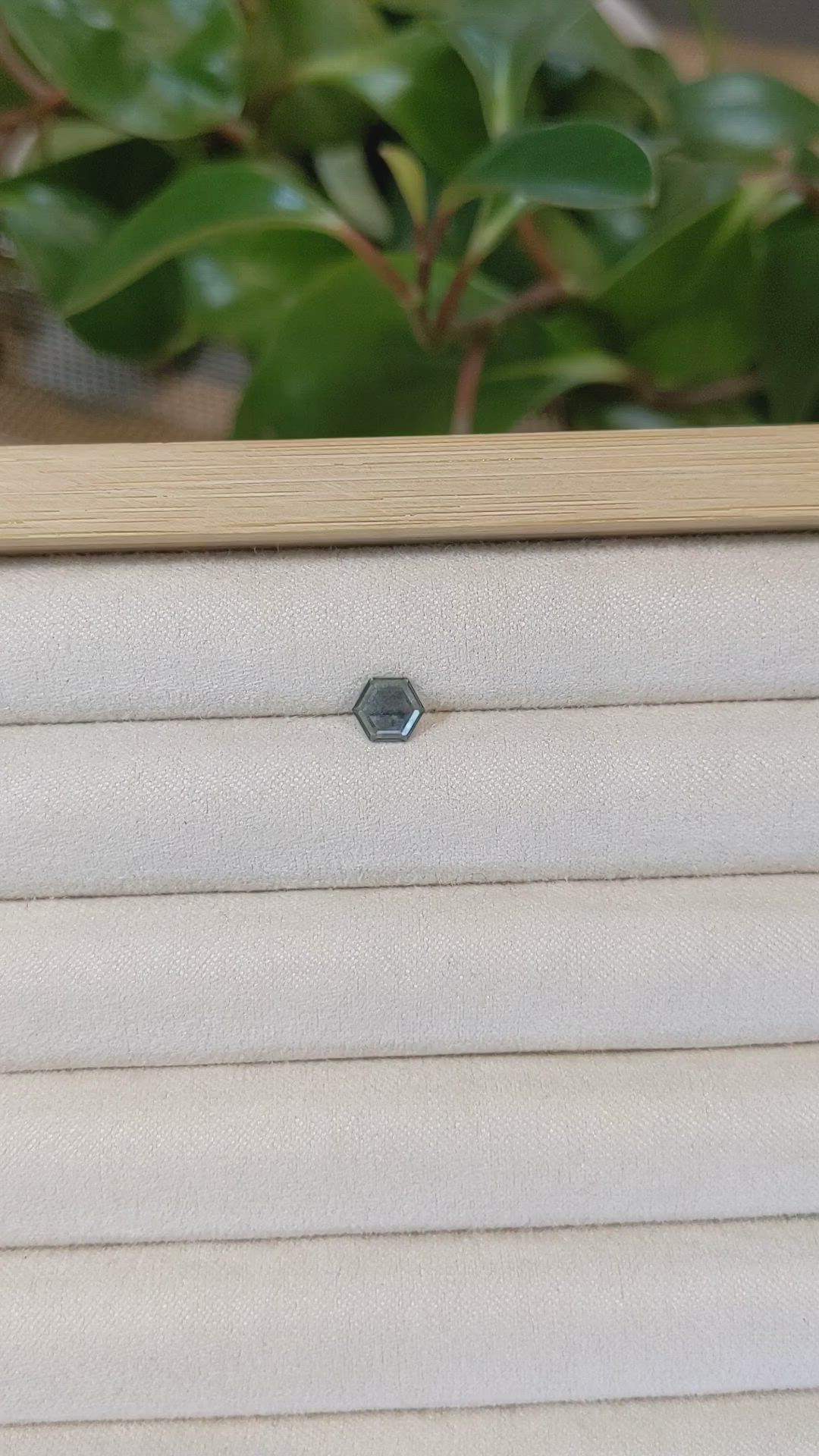




0.93 Ct. Bluish Green Sapphire from Montana
This loose stone is available to ship now
Item ID: | S38097 |
|---|---|
Dimensions (MM): help | Length: 6.56 Width: 5.77 Height: 2.3 |
Weight: | 0.93 Ct. |
Color: help | Bluish Green |
Color intensity: help | Light |
Clarity: help | Very Very Slightly Included |
Shape: help | Fancy |
Cut: | Step Cut |
Cutting style: | Faceted |
Enhancements: help | Heat Treated |
Origin: help | Montana |
Per carat price: help | $800 |
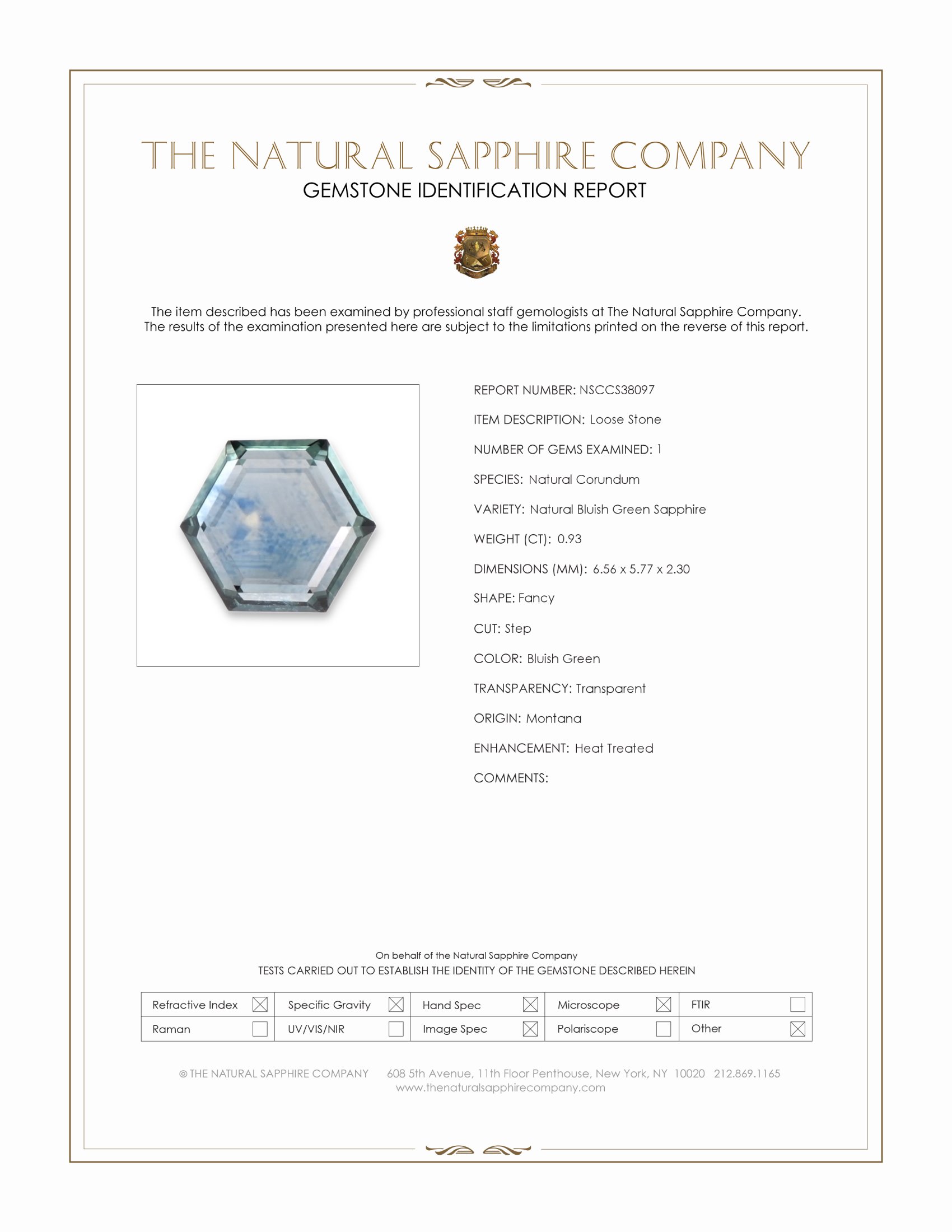
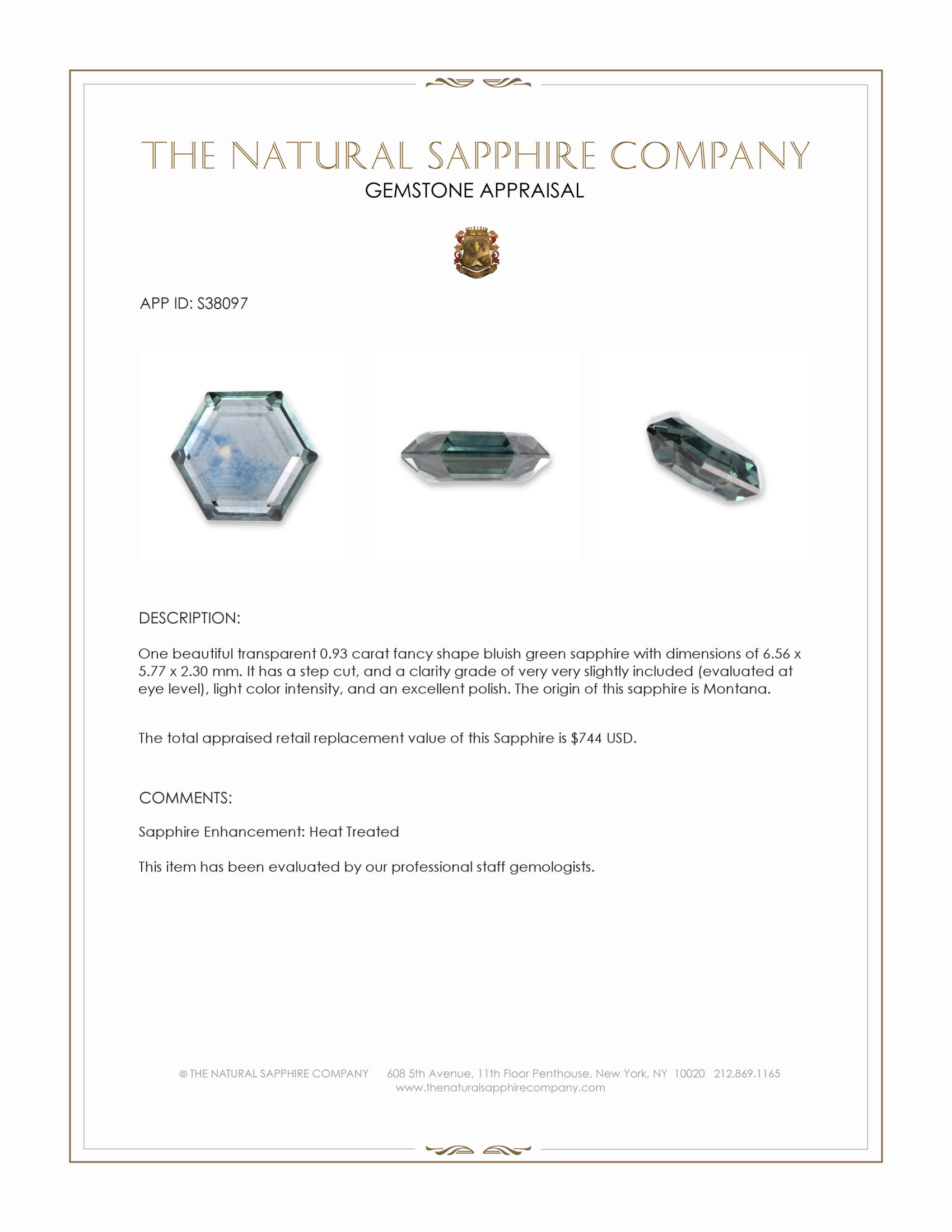
This transparent 0.93 carat fancy shape sapphire from Montana is presented with exacting measurements of 6.56 x 5.77 x 2.30 mm. The stone is step cut, producing broad, parallel facets that emphasize the gem body and color planes rather than aggressive brilliance. Clarity is graded as very very slightly included evaluated at eye level, which translates to minimal visual inclusions under normal wear and inspection, and an excellent polish ensures crisp facet junctions and clean reflective planes. Color intensity is described as light, and the hue registers as a bluish green, a cool, restrained tone that reads as subtle teal in certain light. This sapphire has been heat treated, a standard and stable enhancement that refines tone and clarity, and its overall presentation aligns with the standards and selection criteria used by The Natural Sapphire Company.
When compared to sapphires from other famous sources, this Montana bluish green shows clear distinctions in both hue and tone. Kashmir sapphires typically exhibit a rich, velvety deep blue with a strong saturation and a soft, almost silky luster, which contrasts with the lighter, more green influenced tone of this Montana example. Sri Lankan sapphires often present a lively, cornflower to pastel blue hue with medium to light tone and a bright, open appearance, which is closer in lightness to this stone yet usually cleaner in pure blue saturation without the pronounced green component. Australian and Thai sapphires tend to show darker, more inky blue greens, with Australia often producing stronger teal and deep greenish blue material, making this Montana gem comparatively lighter and more delicate in tone. Madagascar material can vary widely, but higher saturation examples lean toward vivid blue with medium tone, so by comparison this Montana sapphire sits on the lighter and more aquamarine side of the sapphire color spectrum.
A second comparative appraisal of hue and tone highlights how origin influences gem character and how this specific stone might be used in design. Montana sapphires like this example are known for their nuanced green to blue balance and their capacity to display multiple color facets under differing lighting, which differs from the single hue dominance often seen in Burmese or Kashmir stones. Parti sapphires from Sri Lanka can show distinct blue and green sectors within the same crystal, similar to Montana stones, but the Montana material typically carries a cooler, more subdued green tone and a lighter overall intensity. The step cut here accentuates these subtleties, permitting the bluish green planes to show as layered tonal bands rather than the sparkling scintillation associated with brilliant cuts, and the shallow profile implied by the two point three millimeter depth gives it a low set, flatting presence when set in bezel or low profile settings. For the jeweller or collector seeking a sapphire with a clear provenance and a distinctive place on the color spectrum, this stone exemplifies the characteristic Montana balance between blue and green, stability from conventional heat treatment, and an organized facet architecture that presents color consistently across viewing angles. The Natural Sapphire Company documents and represents this material based on these attributes.


