
- Ring23
- Stone9
- Setting5
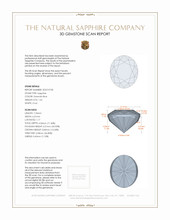
- Reports4



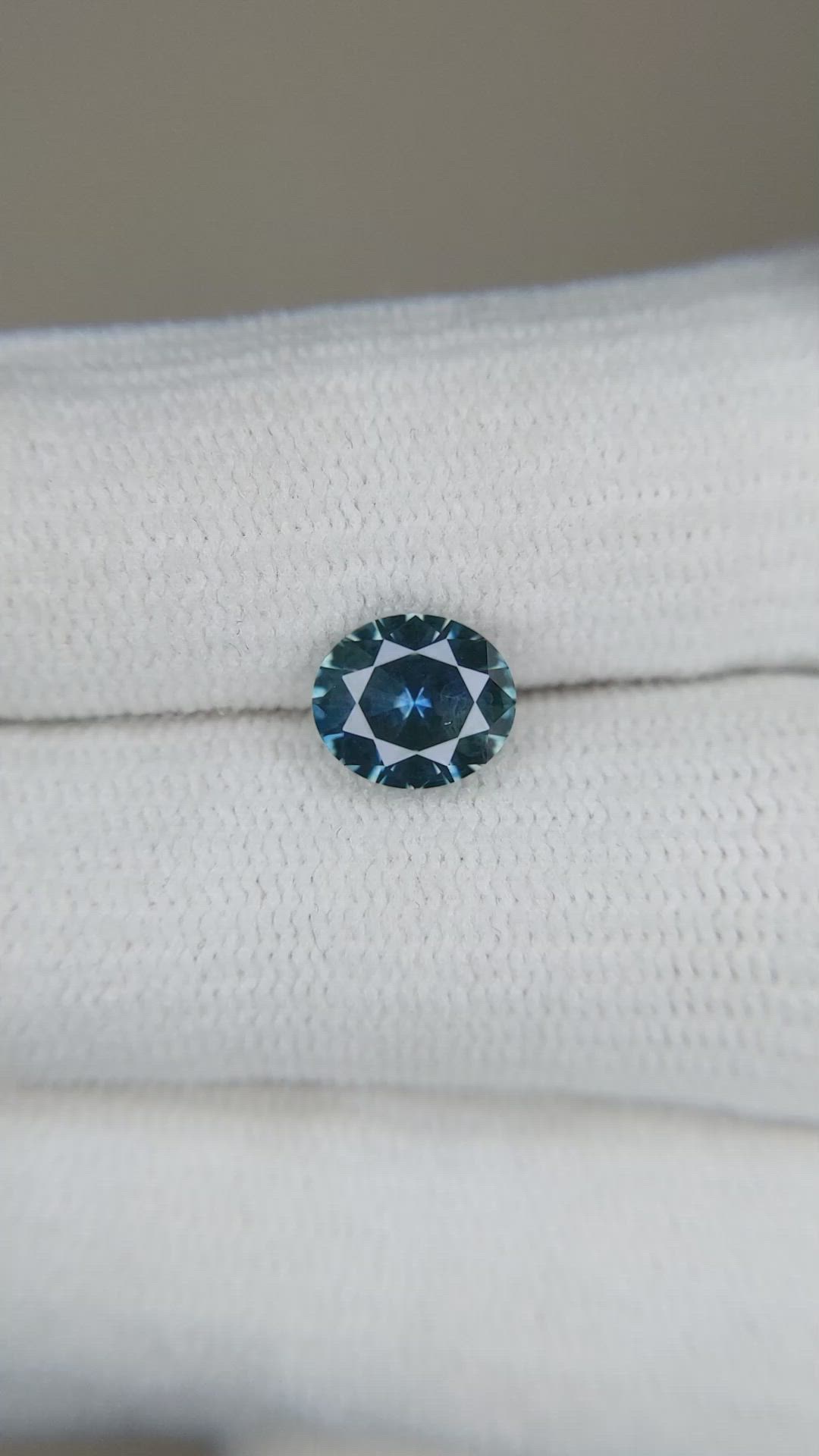
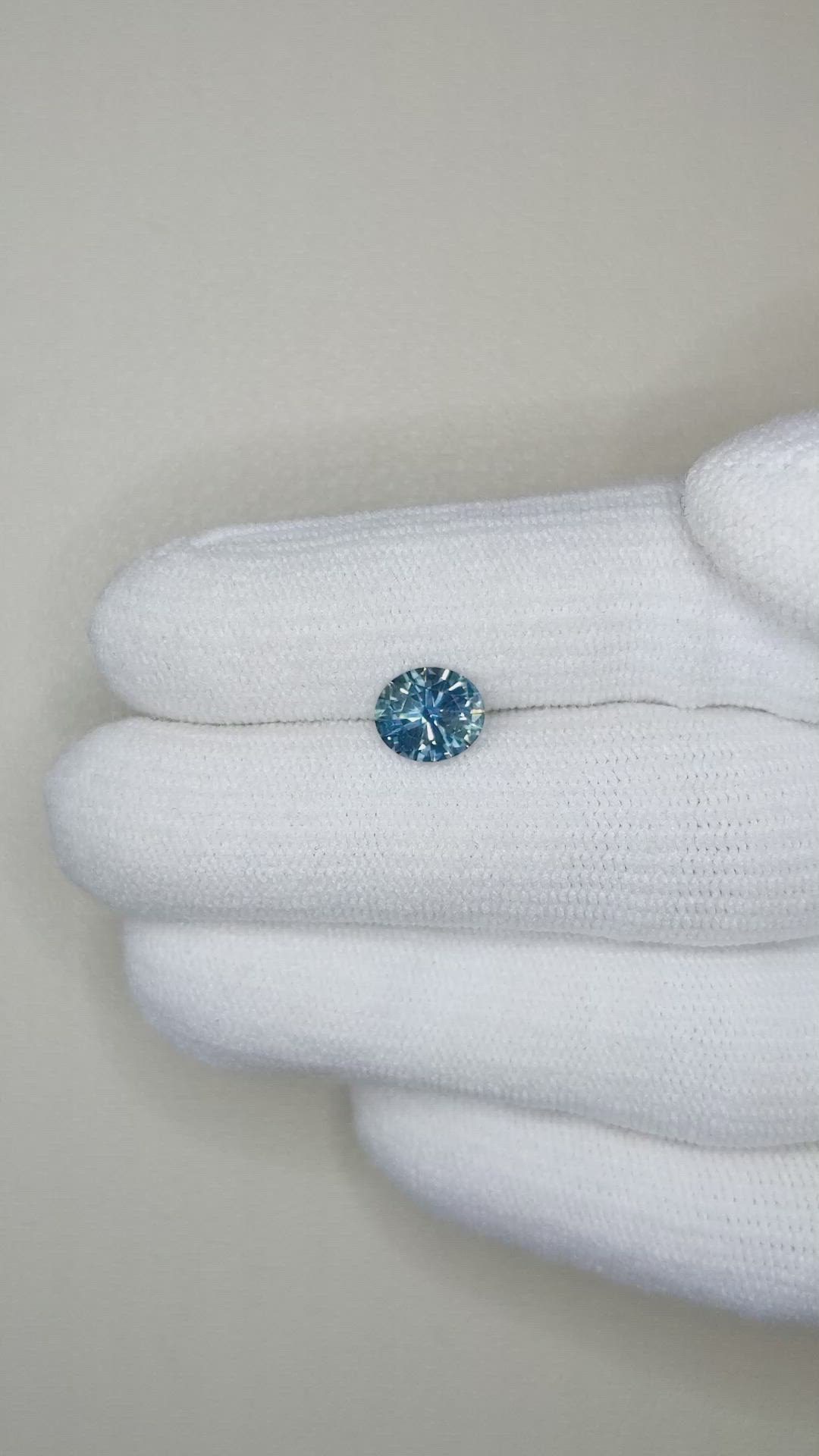
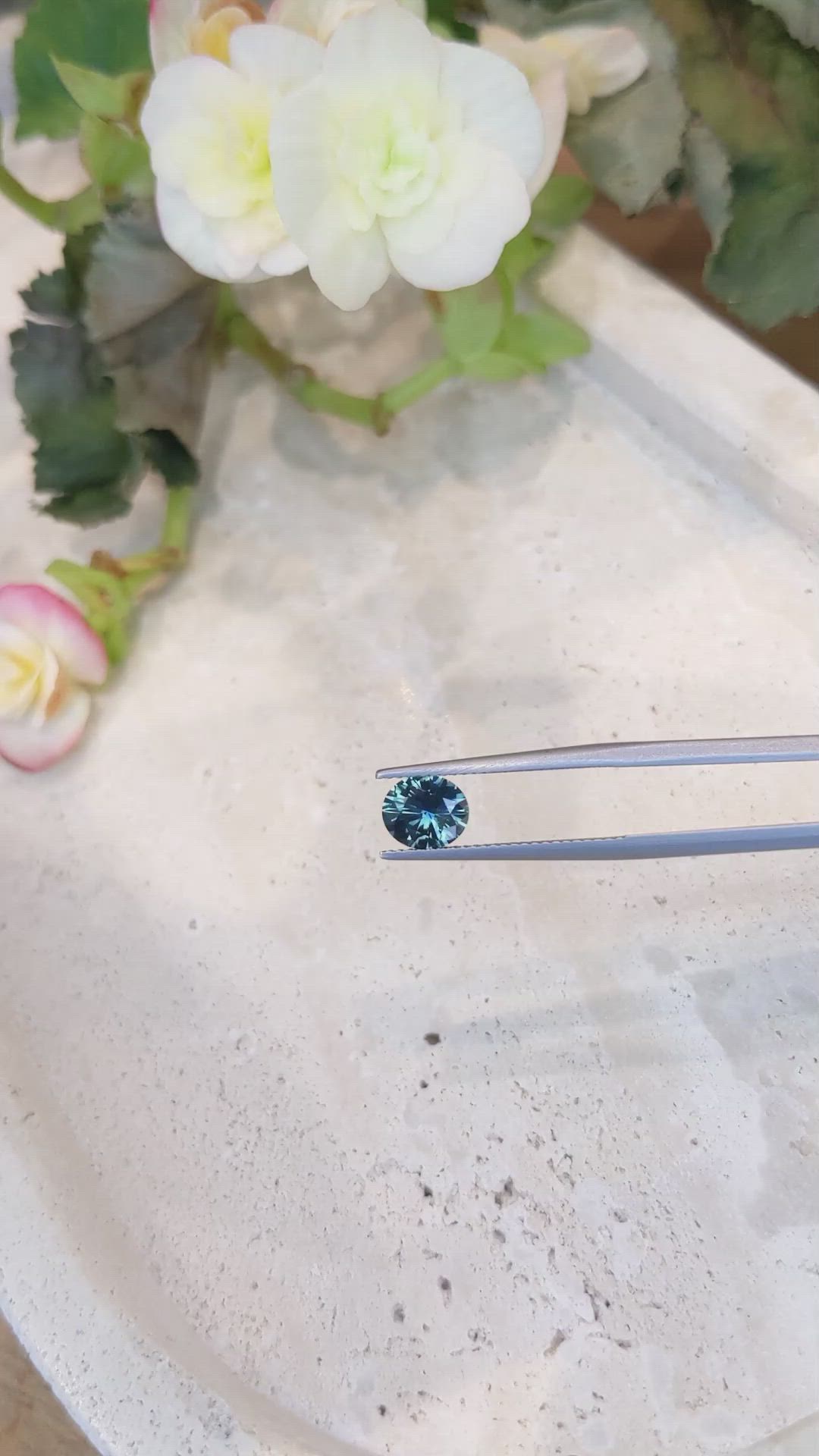
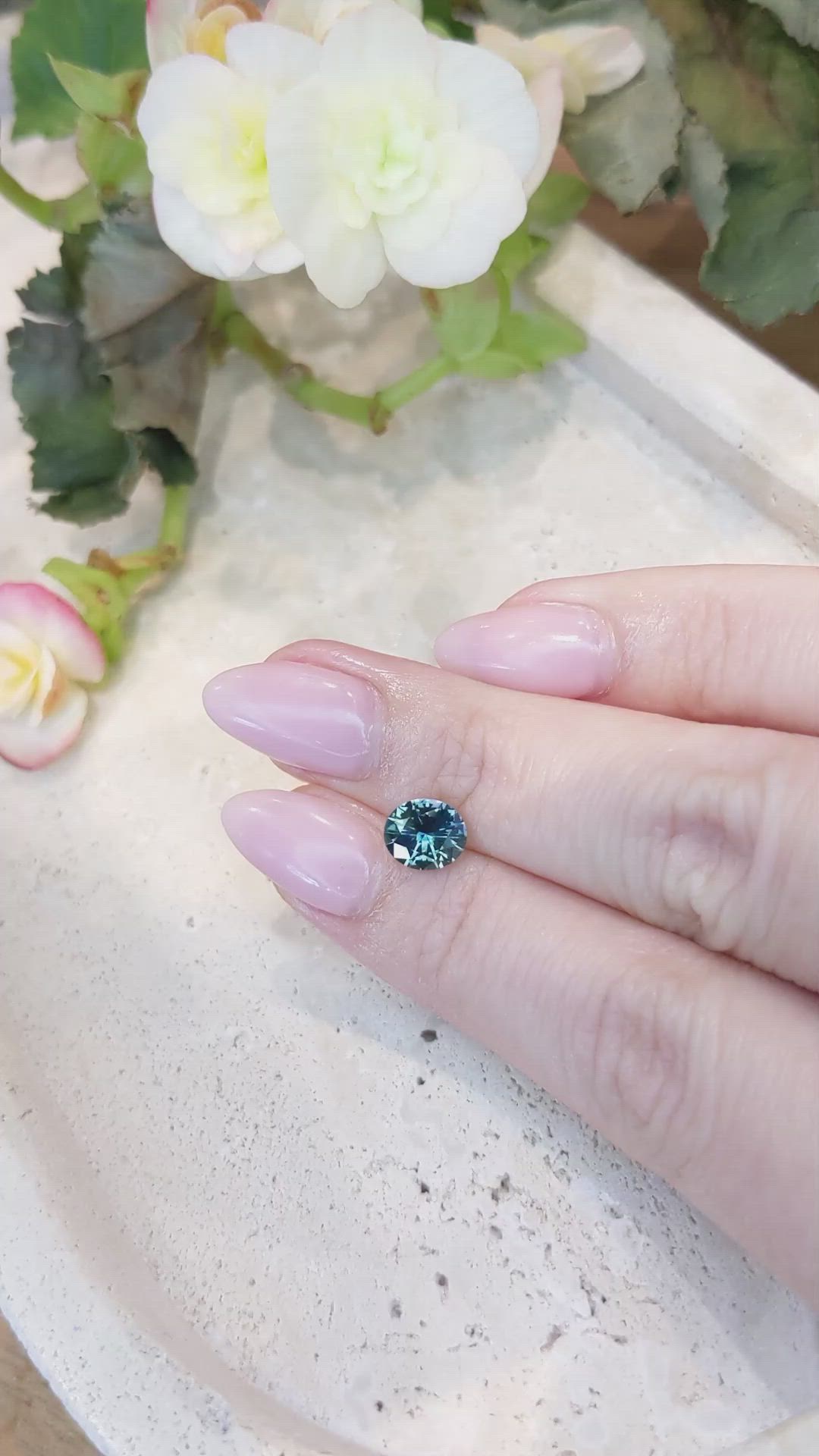

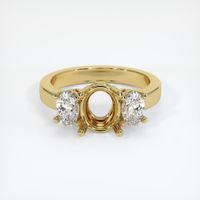
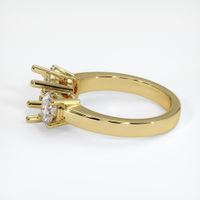
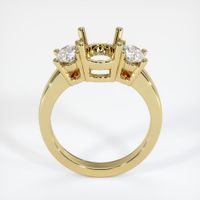
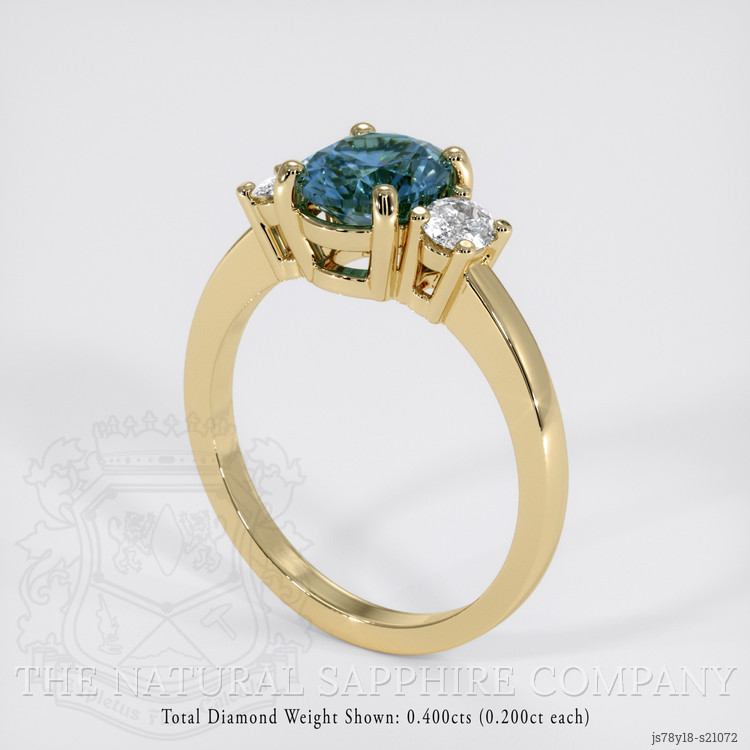
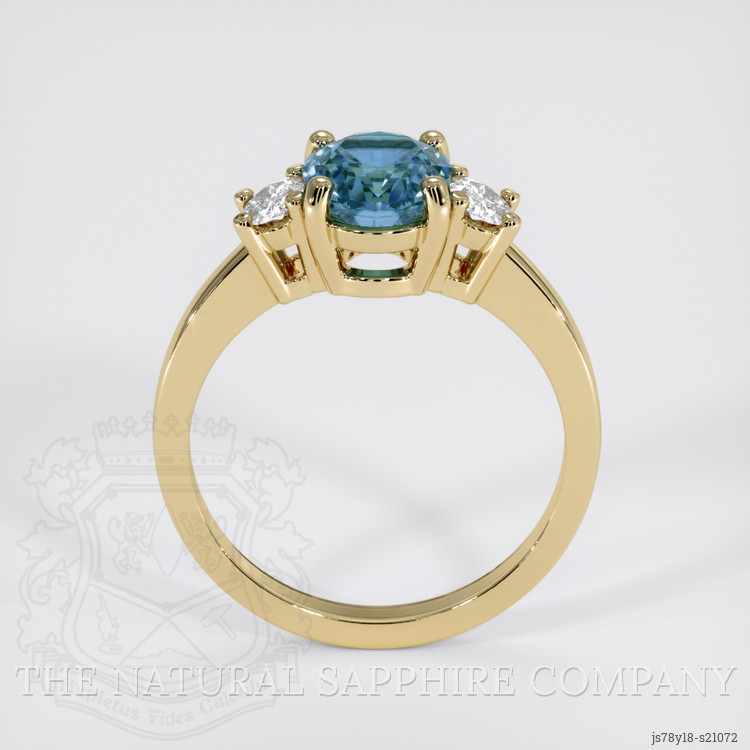
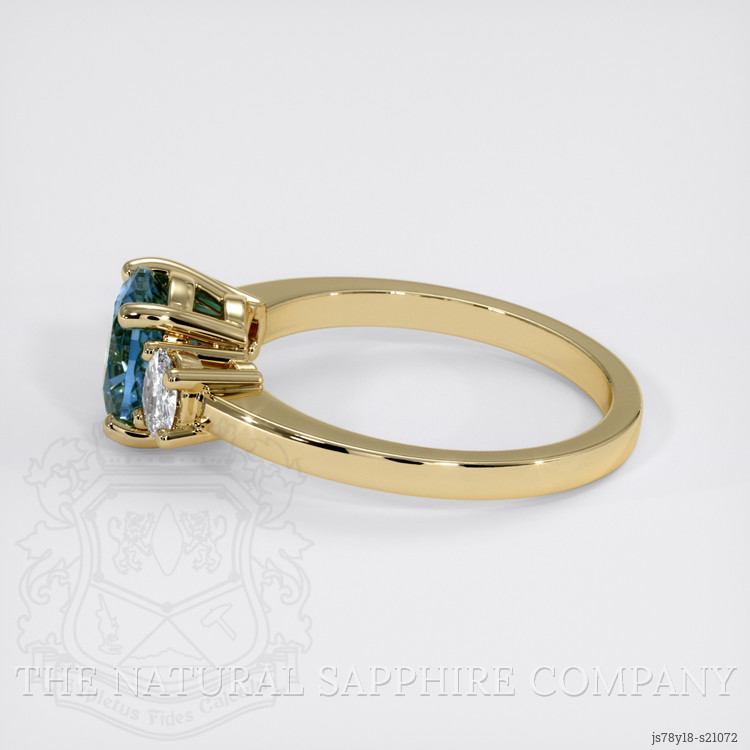
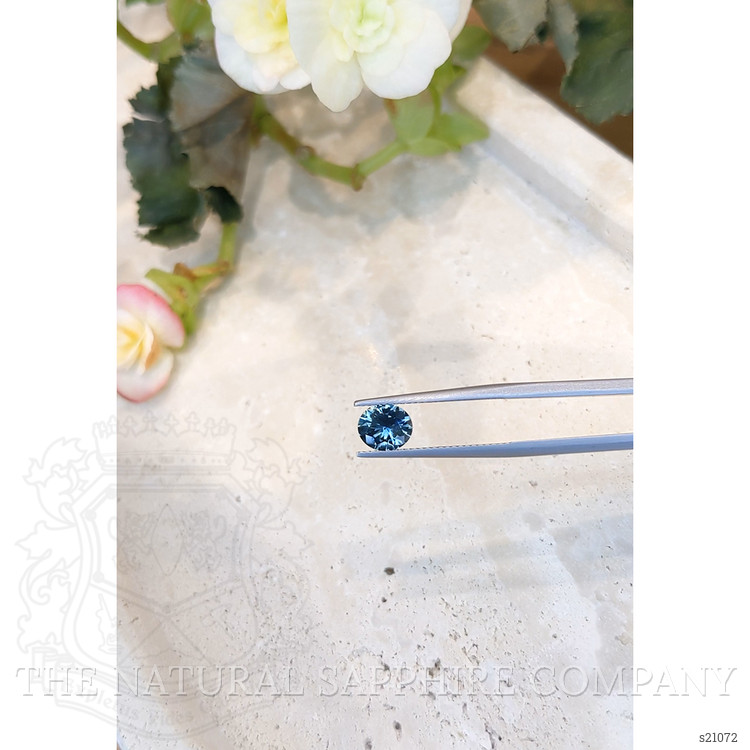
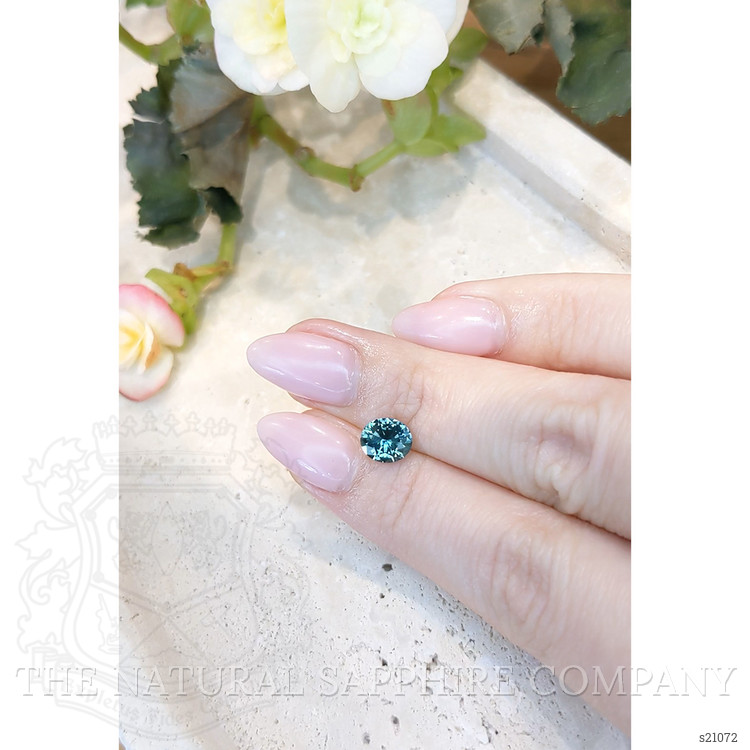

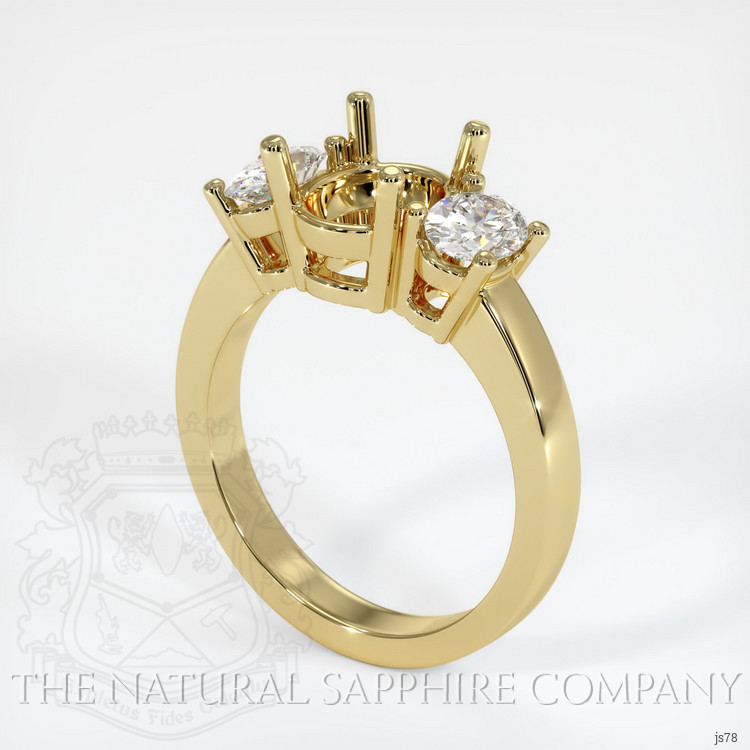
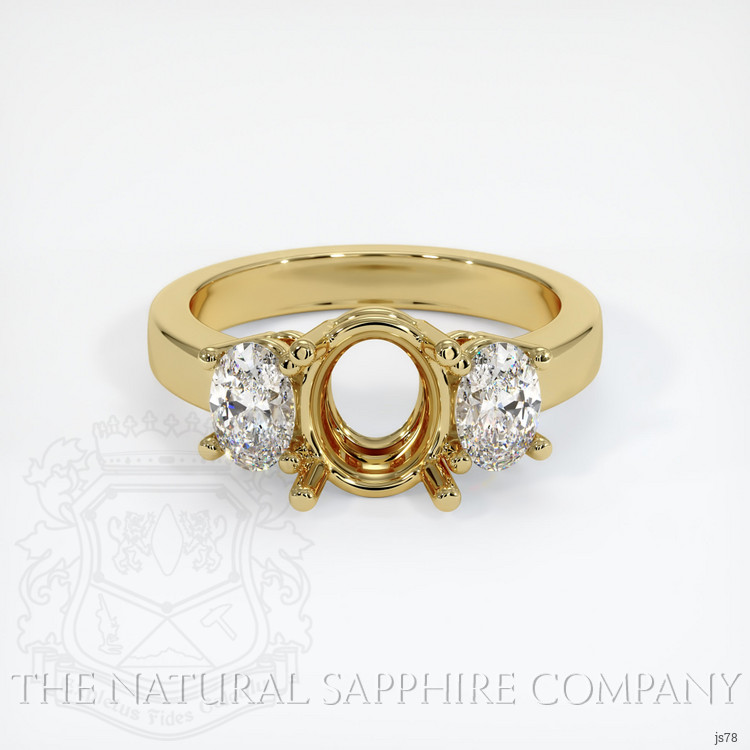
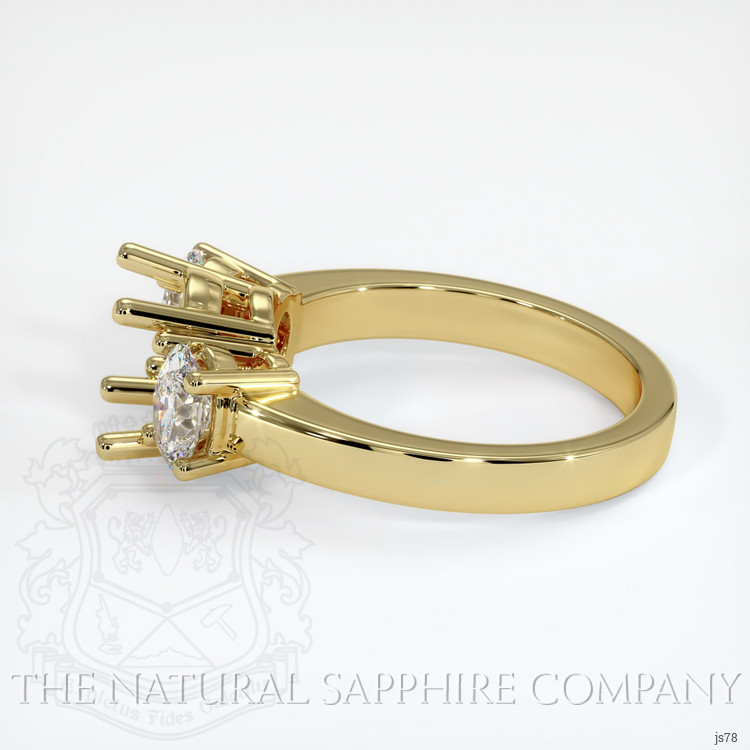
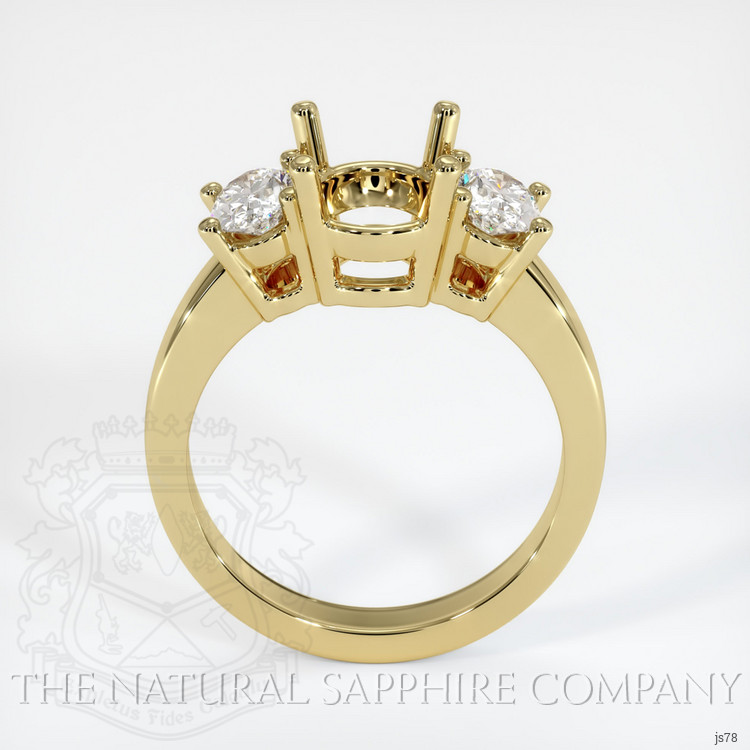
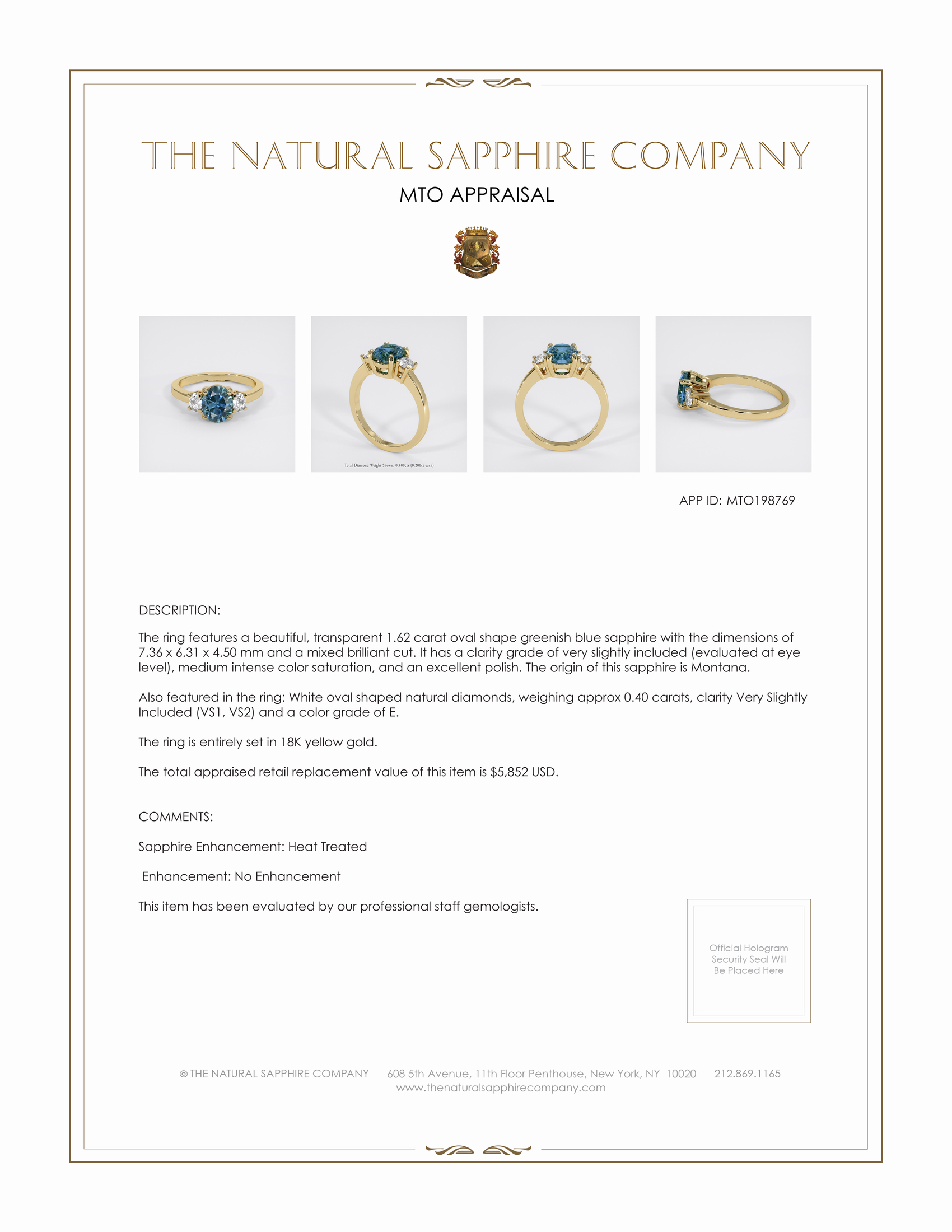
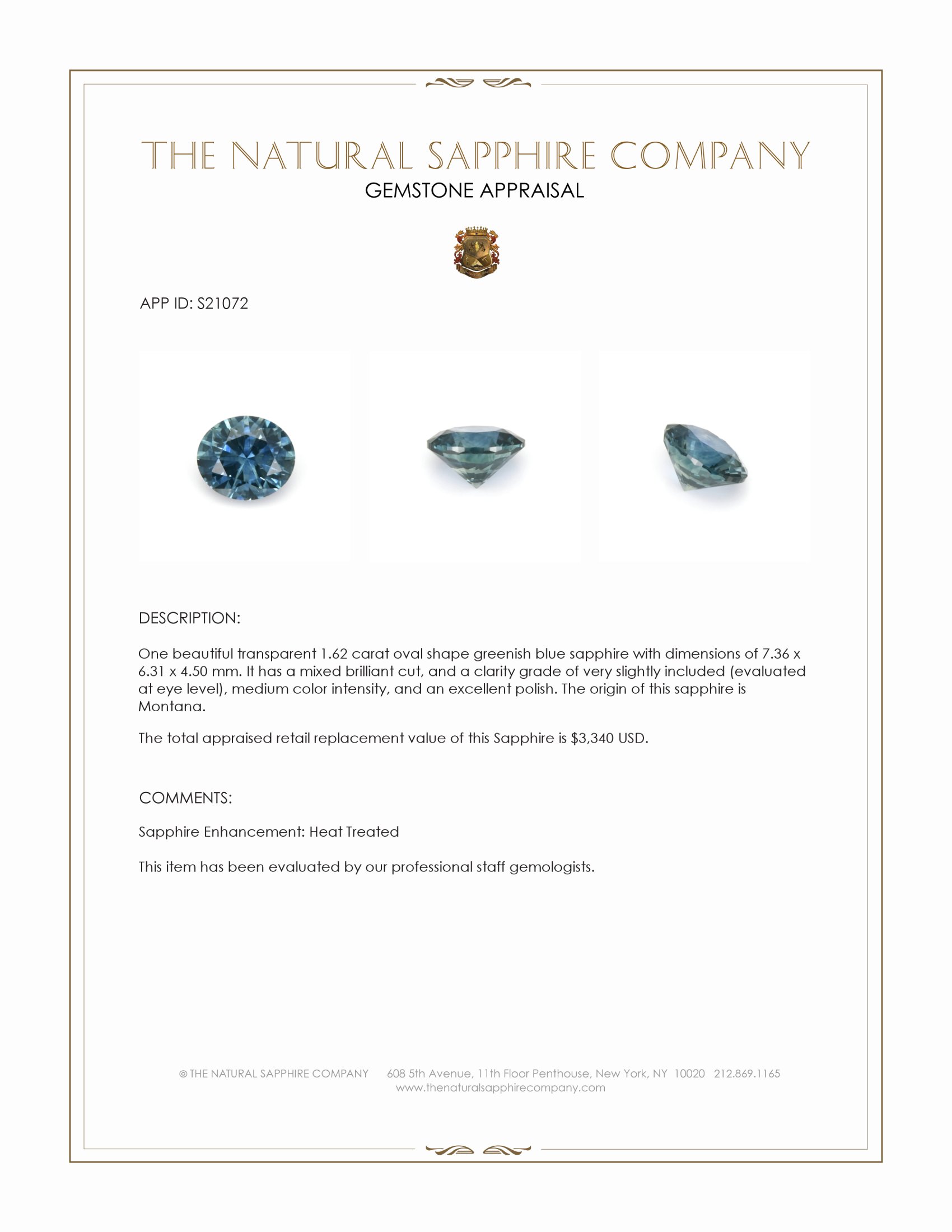
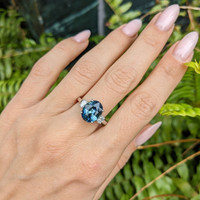
Three Stone Greenish Blue Sapphire Ring 1.62 Ct., 18K Yellow Gold


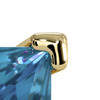
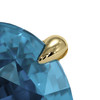
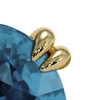
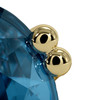
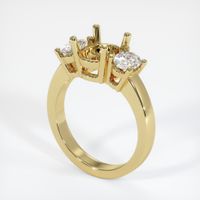
Wax Polymer Replica
Model of your Completed
Setting Design!

View 360° media
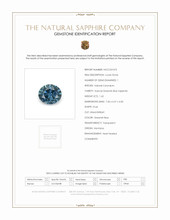
Item ID: | S21072 |
|---|---|
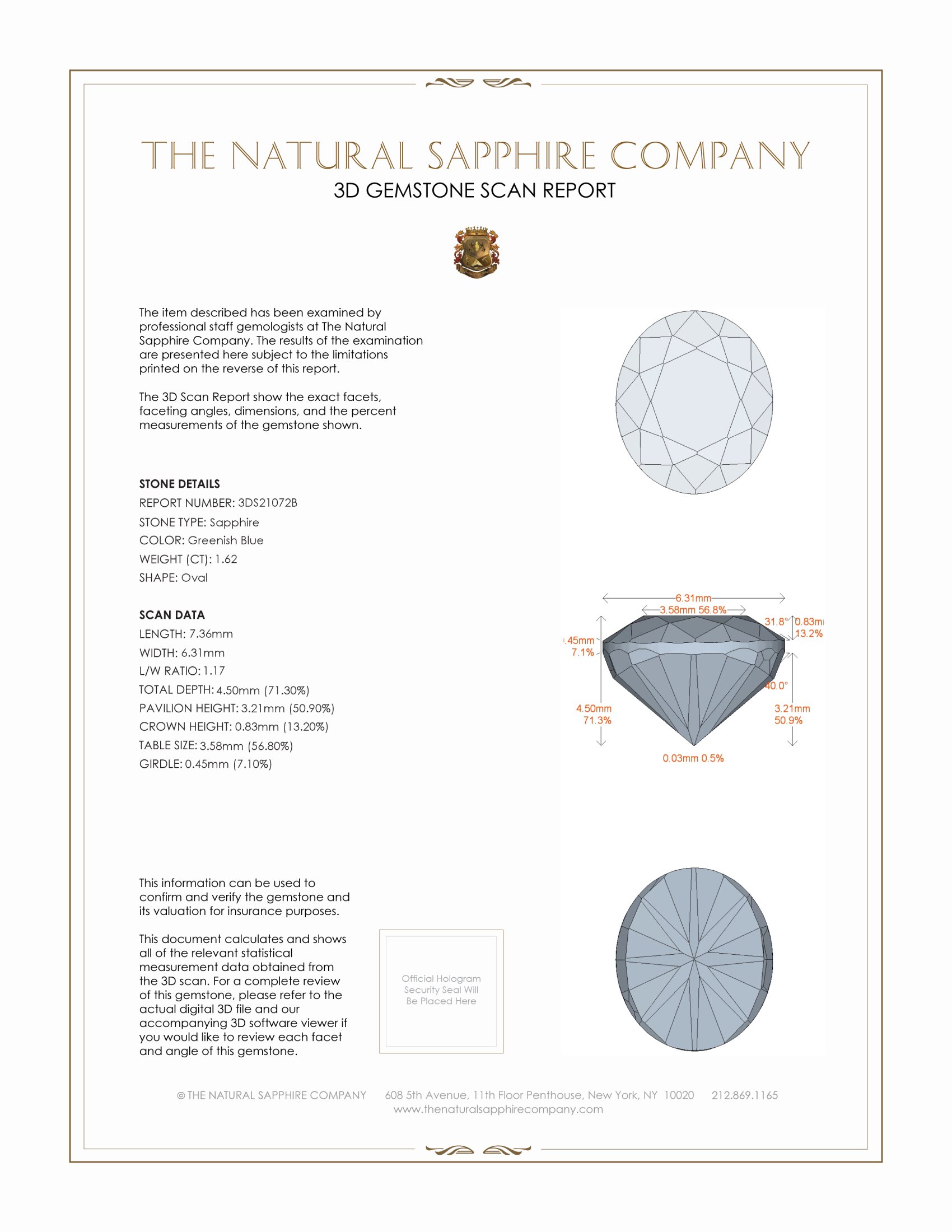
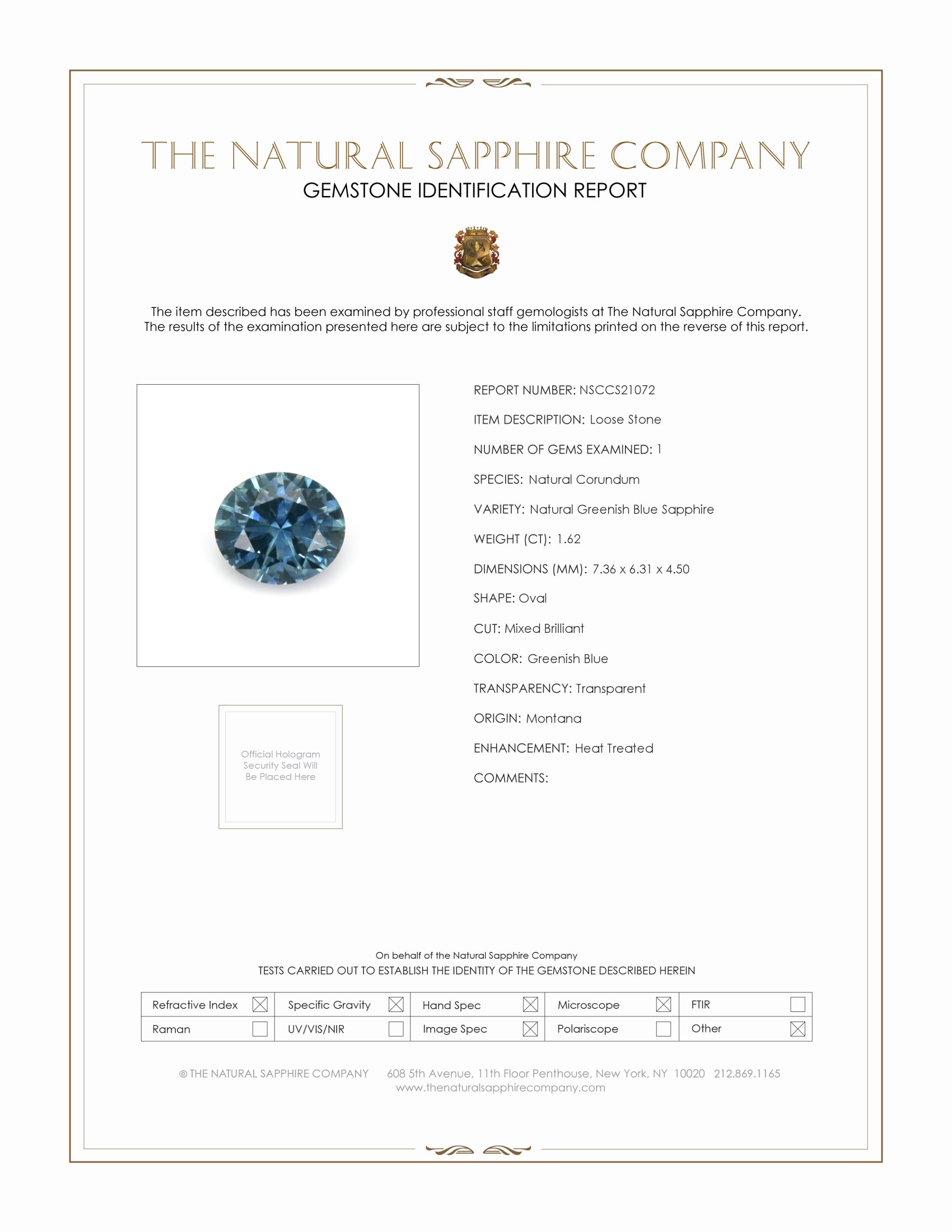
Dimensions (MM): help | Length: 7.36 Width: 6.31 Height: 4.5 |
Weight: | 1.62 Ct. |
Color: help | Greenish Blue |
Color intensity: help | Medium |
Clarity: help | Very Slightly Included |
Shape: help | Oval |
Cut: | Mixed Brilliant |
Cutting style: | Faceted |
Enhancements: help | Heat Treated |
Origin: help | Montana |
Per carat price: help | $2,062 |
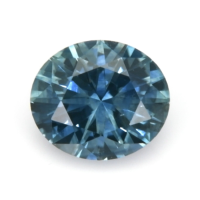
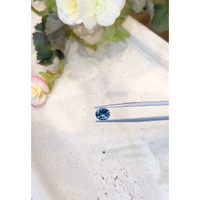
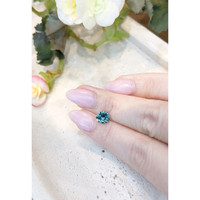
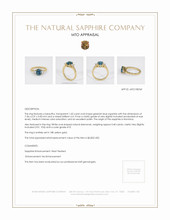
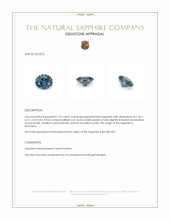
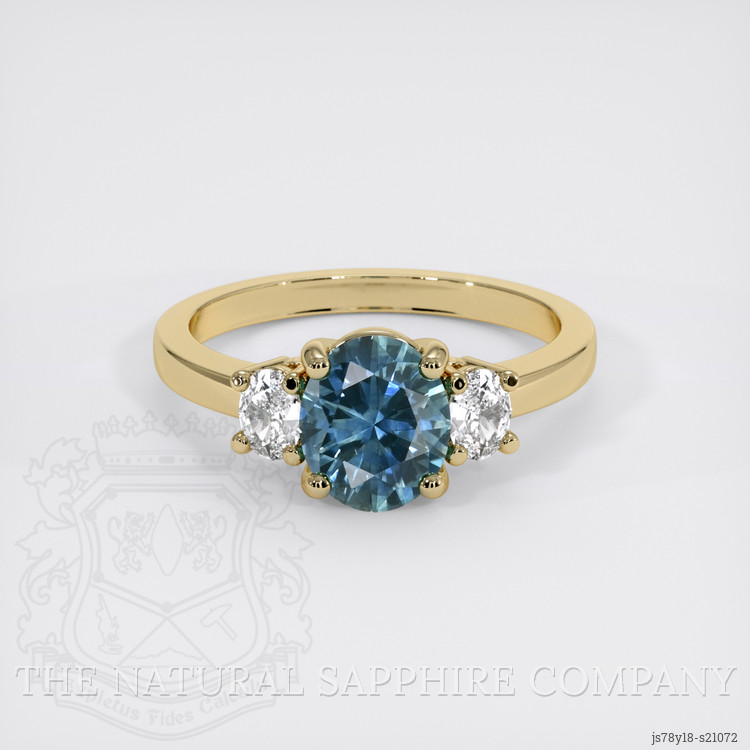
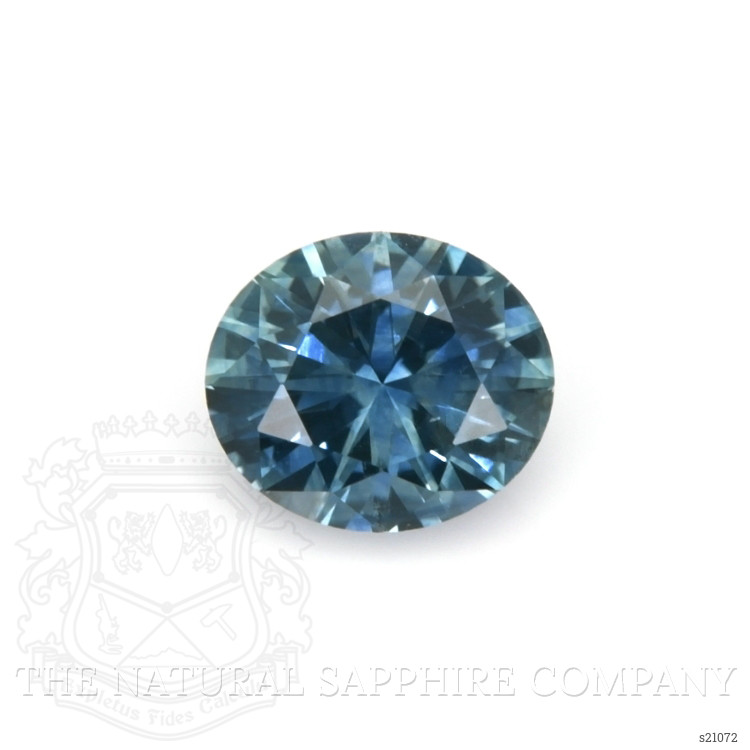
This ring centers on a transparent 1.62 carat oval greenish blue sapphire, with dimensions of 7.36 by 6.31 by 4.50 millimeters, cut in a mixed brilliant style, exhibiting medium intense color saturation and an excellent polish. The sapphire originates from Montana and has been heat treated, a standard enhancement that refines hue while preserving the internal characteristics that confirm its natural formation. Flanking the center stone are natural white oval diamonds with a combined weight of approximately 0.40 carats, graded E in color and Very Slightly Included in clarity, with grades in the VS1 and VS2 range. The entire composition is set in 14K yellow gold, a choice that complements the cooler greenish blue of the sapphire while providing a warm, enduring frame for the stones. The design balances traditional proportions with a clean, precise setting that allows light to interact fully with both the sapphire and the side diamonds.
The sapphire’s inclusions are modest and coherent with its clarity grade of very slightly included when evaluated at eye level. These internal features typically appear as fine needles, minute crystals, and occasional feathered planes, arranged in patterns that can produce subtle textural effects beneath the surface. In a gemstone from Montana, such features are often oriented in ways that create a soft, natural depth, filtering light and imparting a distinct internal landscape. Rather than detracting from the stone, these inclusions introduce a layered visual complexity, allowing the eye to move through the gem and to perceive variations in tone and flash that change with angle and lighting. The mixed brilliant cut of the oval further translates these internal features into lively, directional reflections, so that the stone reads as both transparent and characterful when viewed from different perspectives.
Because the sapphire retains internal features after heat treatment, those features serve as a practical fingerprint of its natural origin and formation. Heat treatment in this case has intensified the sapphire’s greenish blue hue and improved clarity to a degree, while leaving a network of fine inclusions intact, which reassures collectors and connoisseurs that the gem is a natural sapphire rather than a synthetic or heavily altered material. The side diamonds, with their high color grade and clean appearance at a VS level, provide bright, white contrast that emphasizes the sapphire’s color and internal texture. The 14K yellow gold setting is executed with precise prong work and an open gallery, permitting light to enter the pavilion and reveal the sapphire’s internal character. Excellent polish across all surfaces enhances both spectacle and finish, making the visual interaction between inclusion, facet, and metal deliberately visible and refined.
The result is a ring that expresses geological history through visible, natural detail, while maintaining gemological integrity and wearable resilience. The inclusions create a unique identity for this sapphire, ensuring that no two stones will reflect light and color in exactly the same way, yet they remain small enough to preserve the gem’s transparency and visual appeal. From a practical standpoint, the minor internal features do not significantly compromise toughness for normal wear, though standard care and periodic inspection of the setting will preserve both stone and mount. At The Natural Sapphire Company we document such characteristics as part of our commitment to transparency, and we present this piece with clear information about origin, treatment, and grading so that the ring may be appreciated as a singular, natural object of beauty, with inclusions that contribute to its story and distinctiveness.


