
- Stone16
- Setting5
- Reports3


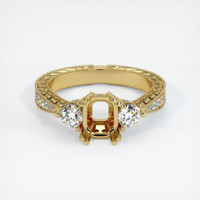
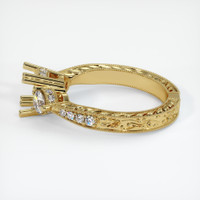
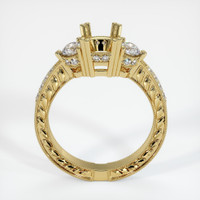



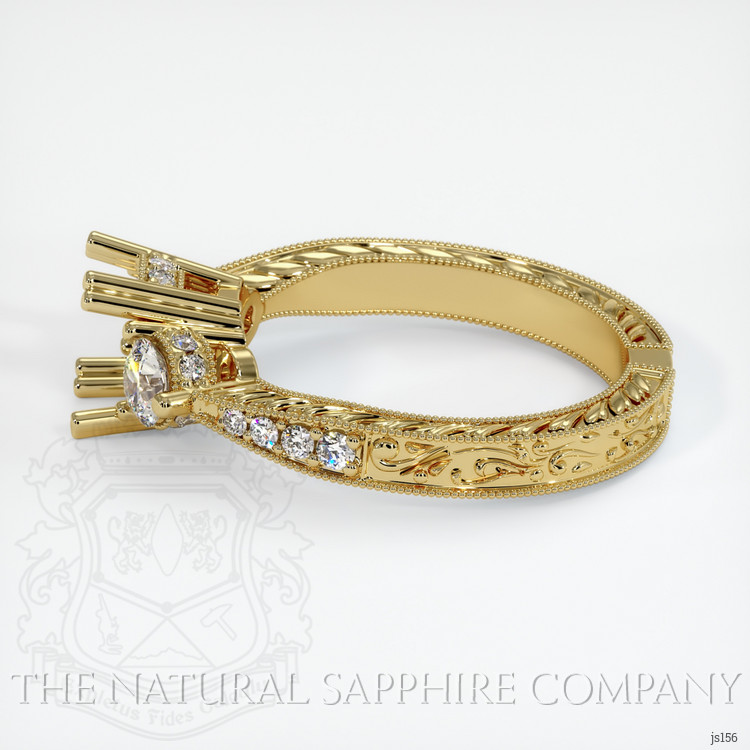
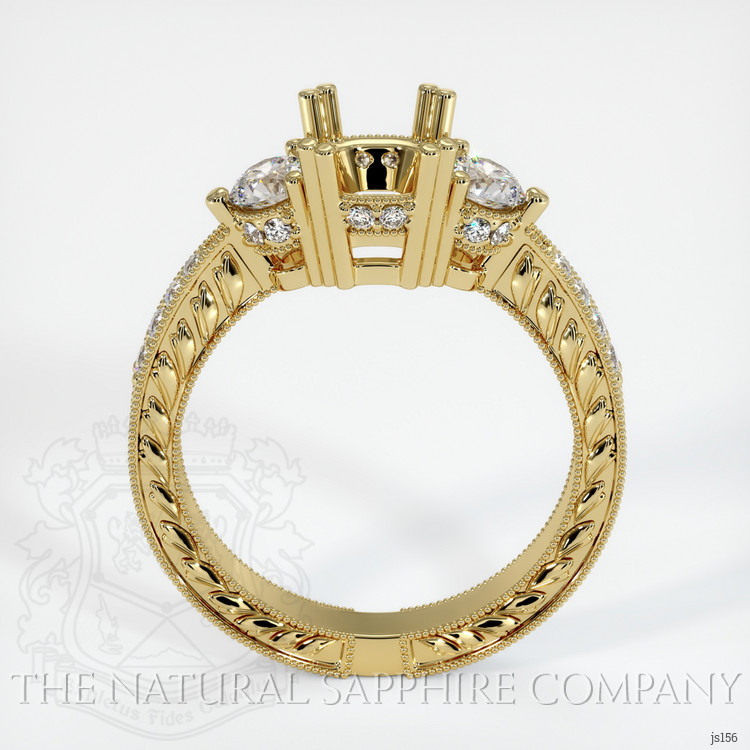

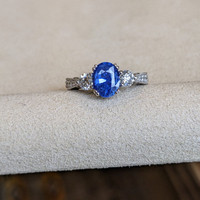
Antique Style Bluish Green Sapphire Ring 8.93 Ct., 18K Yellow Gold
Item ID: | S10388 |
|---|---|
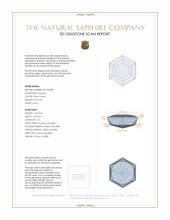
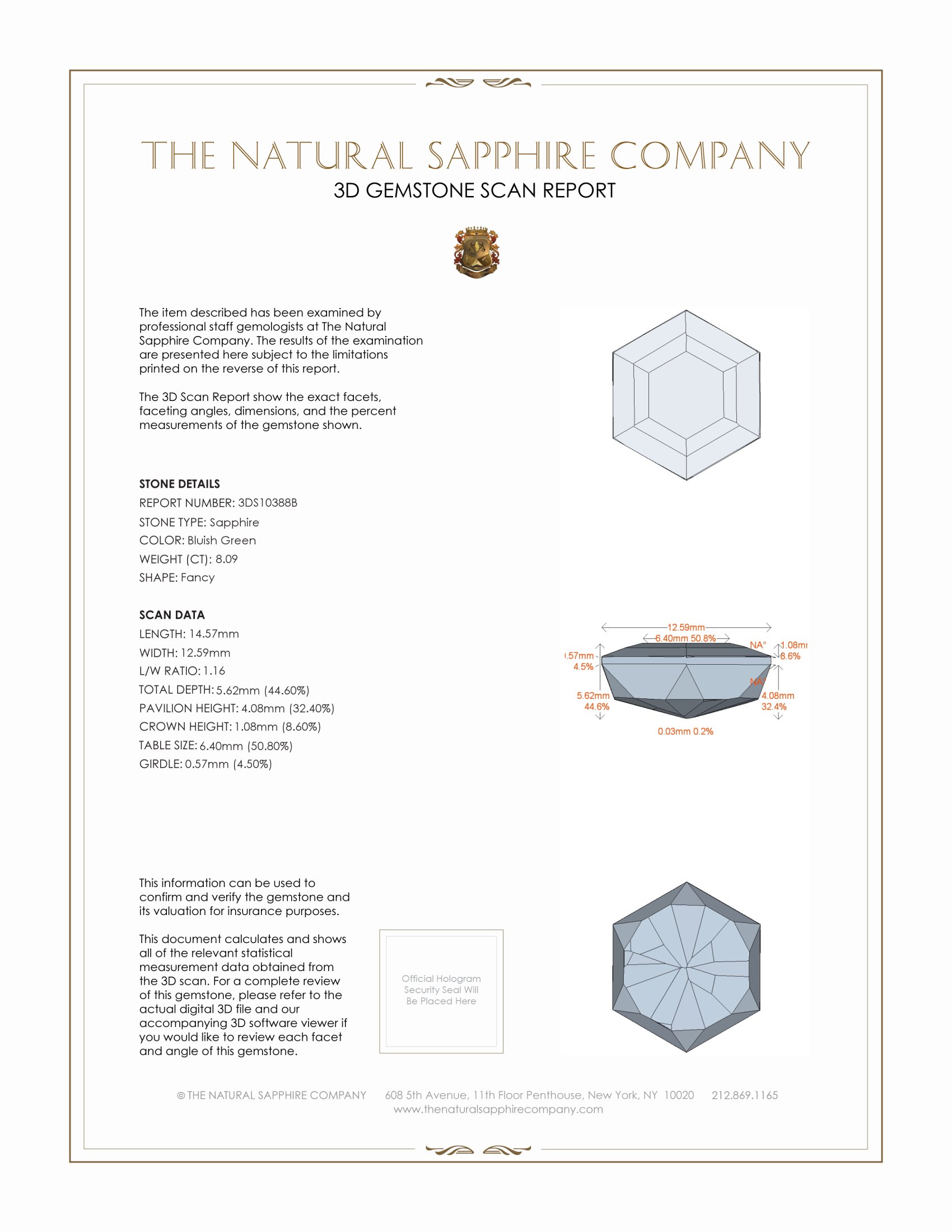
Dimensions (MM): help | Length: 14.57 Width: 12.59 Height: 5.62 |
Weight: | 8.93 Ct. |
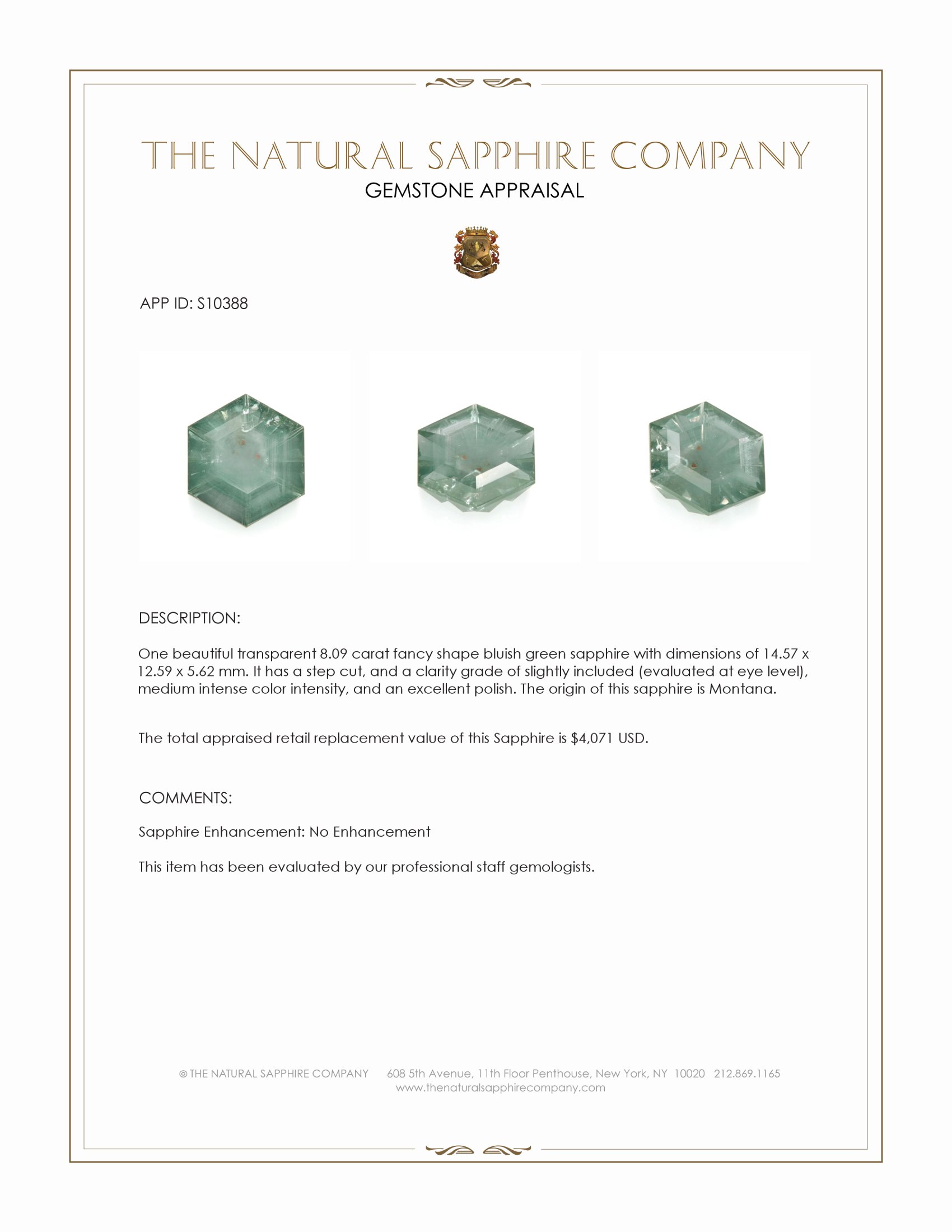
Color: help | Bluish Green |
Color intensity: help | Medium Intense |
Clarity: help | Slightly Included |
Shape: help | Fancy |
Cut: | Step Cut |
Cutting style: | Faceted |
Enhancements: help | No Enhancement |
Origin: help | Montana |
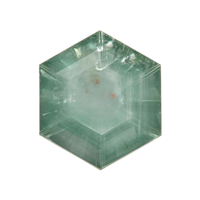
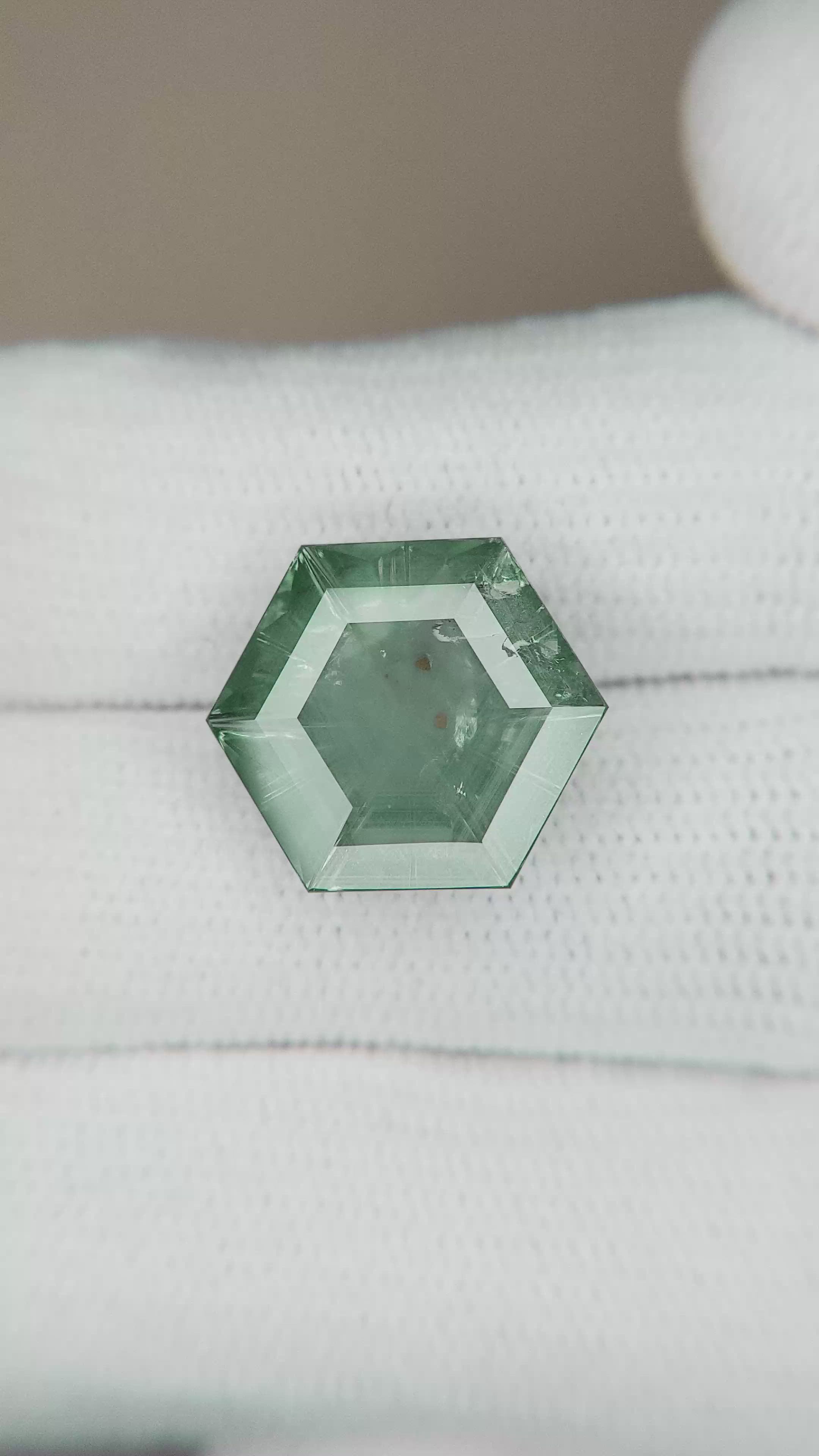
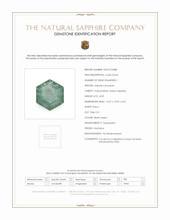
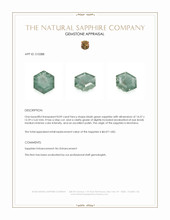
One beautiful transparent 8.93 carat fancy shape bluish green sapphire is presented with precise dimensions of 14.57 x 12.59 x 5.62 mm, exhibiting a refined step cut and a clarity grade of slightly included evaluated at eye level. The medium intense color intensity manifests as a balanced mix of blue and green tones that read as bluish green in varied light, and the gem is entirely untreated, with no enhancement. Originating from Montana, this sapphire bears the characteristic cool, earthy saturation associated with that source, while an excellent polish accentuates clean facet junctions and imparts a crisp, sophisticated surface finish. The gem is transparent, and the step cut emphasizes broad plane facets, a large table, and a measured pavilion depth that together control light leakage and contrast, offering a restrained, architectural brilliance rather than a brilliant facet flash.
Technically, the step cut is composed of parallel rows of facets on the crown and pavilion, each facet shaped to produce linear reflections and a depth oriented play of color. The broad table and bezel facets create a window that allows close inspection of internal features, which is why a slightly included clarity grade evaluated at eye level is fully compatible with this cut, and why the untreated nature of the stone is particularly desirable. The dimensions of 14.57 x 12.59 x 5.62 mm indicate a moderate to shallow pavilion depth for a fancy shape sapphire, which moderates face up color and enhances table transmissivity. Excellent polish and precise facet alignment minimize light scatter at facet junctions, and the symmetry achieved by the cutter keeps pleochroic shifts consistent across viewing angles, so the bluish green hue remains appealingly stable while still offering subtle zoning under directional light.
From a craftsmanship and setting perspective, this sapphire is ideal for a carefully engineered mount that both highlights the stone and protects it for long term wear. The hardness of corundum at nine on the Mohs scale ensures strong resistance to abrasion, yet any mounting must address potential impacts to the girdle and corners of the fancy shape. Prong settings with reinforced shoulders, a partial bezel at vulnerable points, or a proportional halo of accent stones can preserve the gem while amplifying its face up presence. Metal selection influences perceived color, with cooler white metals maintaining the bluish character, and warm yellow or rose metals introducing a contrast that can emphasize the green component. The absence of enhancement increases the sapphire value and desirability for a customer seeking a natural, collectible gem, and The Natural Sapphire Company can provide detailed documentation, high resolution imagery, and custom design consultation to ensure the mounting decisions optimize both aesthetics and longevity.
As a future generational heirloom, this untreated Montana sapphire combines durable material properties, a distinctive color profile, and refined cutting that will age with provenance and technical integrity. A classic, restrained design with robust mounting details supports decades of wear and potential resizing or resetting by qualified craftsmen, allowing the stone to be reinterpreted across generations while maintaining its core characteristics. Routine maintenance includes periodic inspection of prongs and settings, professional polishing of metals without aggressive cleaning of the stone surface, and secure documentation of origin, weight, dimensions, clarity grade, and treatment status. Collectors and families will value the combination of measurable specifications, certified untreatment, and the artisanal quality of the step cut, making this sapphire a technical and emotional anchor for an heirloom piece. For clients interested in viewing detailed images, obtaining a gemological report, or beginning a bespoke setting that preserves and showcases this gem for future generations, The Natural Sapphire Company is available to guide the project from technical specification through finished jewelry.
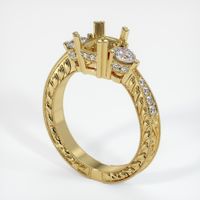
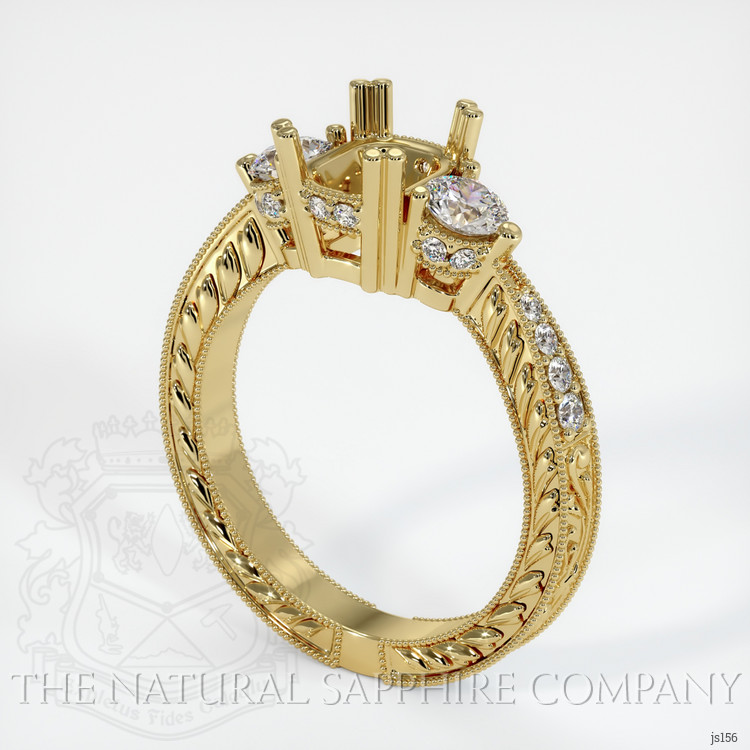
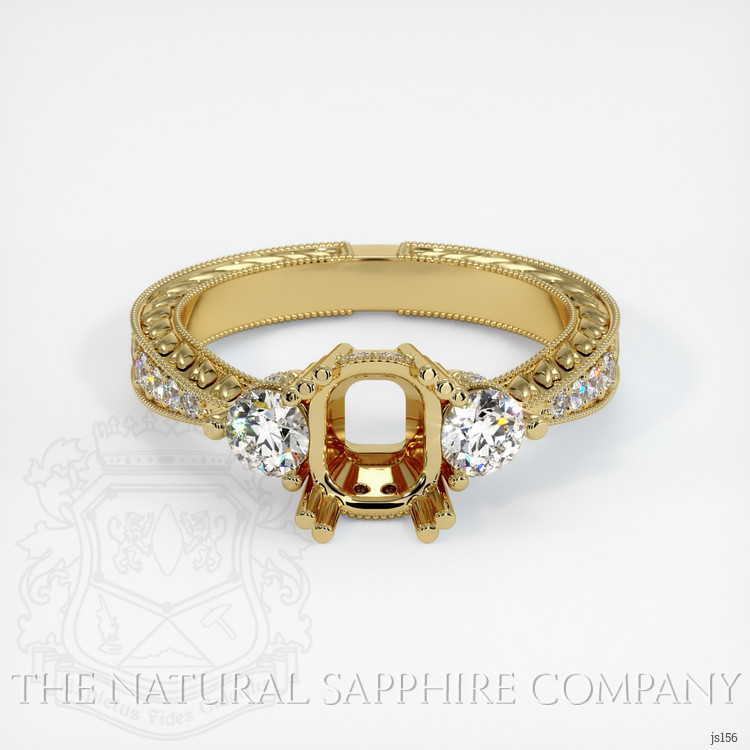
The three stone style carries with it a lineage that reaches back through centuries of jewelry making, a form that has moved seamlessly from royal treasuries to the private collections of families who cherish tradition. In its simplest expression, three gemstones sit side by side, a visual cadence that has been used to mark vows, anniversaries, and rites of passage. This particular setting is custom made to honor that lineage, available in fourteen karat rose gold, eighteen karat rose gold, fourteen karat white gold, eighteen karat white gold, fourteen karat yellow gold, eighteen karat yellow gold, platinum nine hundred fifty, as well as combinations of fourteen karat yellow and white, and eighteen karat yellow and white. The center stone may be chosen from sapphire, ruby, emerald, or another meaningful gemstone, and each flank is held by round brilliant diamonds that have been selected to echo the central color and reflect light in a classical manner. The antique design cues that run along the band, from delicate engraving to subtle milgrain, call to mind a time when every piece told a story, and this ring is conceived for those who value objects that carry memory and promise.
The craftsmanship in this three stone setting is a study in restraint and refinement, a balance between the bold presence of a center gemstone and the gentle companioning of two diamonds on either side. The shoulders are carved and engraved to catch light and to catch the eye, while the gallery supports are engineered to reveal the stone from multiple views, allowing the center gem to breathe and to hold court. When a sapphire is chosen, the cool deep blue is framed by the warm blush of rose gold, an interplay that speaks of both history and of modern sentiment. When a ruby is chosen, the green flame of the emerald or the vivid red of the ruby becomes a focal point that pulls the gaze, and the round diamonds on the sides act like echoes, amplifying color and fire. The ring is designed so that the central gemstone may be custom cut and set, and the side diamonds are matched for clarity and cut to ensure that each facet contributes harmoniously to the whole. The antique styling is not mere ornamentation, it is a mindful continuation of traditional motifs, executed with contemporary precision. The result is a ring that reads as heirloom, yet fits seamlessly with the language of today.
There is a definitive moment in the life of a ring when the central gemstone is set into its mount, a moment that transforms metal and craft into an object of personal consequence. In the quiet of the bench, after the profile has been adjusted and the side stones have been placed like witnesses, the center gem is lowered into place. Light touches stone, and the band responds, the tiny prongs embracing the gem as if acknowledging a pact. The first tilt of the ring under natural light reveals how the center stone changes everything, how a single color or flash of fire turns a circle of metal into a vessel of meaning. For a sapphire lover, that hue deepens and becomes a memory keeper, for a ruby admirer the heart of the piece pulses warmer, for an emerald devotee the ring becomes a testament to life and renewal. This finishing act is not merely technical, it is ceremonial, the last stroke that confirms fit and function, the last breath of the maker before an object is entrusted. To wear this three stone ring is to carry a small archive of past, present, and future, a design that celebrates legacy while making new commitments, a piece meant to be passed on, admired, and worn until its story becomes part of another history.


