
-oval-blue-sapphire-1.8900-cts-s31659-1.jpg?d=200x200&v=20251014052849)

- Ring25
- Stone11
- Setting5
- Reports4



-oval-blue-sapphire-1.8900-cts-s31659-lifestyleimage-1.jpg?d=200x200&v=20251114043421)
-oval-blue-sapphire-1.8900-cts-s31659-lifestyleimage-2.jpg?d=200x200&v=20251114043421)
-oval-blue-sapphire-1.8900-cts-s31659-lifestyleimage-3.jpg?d=200x200&v=20251114043421)




-oval-blue-sapphire-1.8900-cts-s31659-1.jpg?d=750x750&s=nsc&v=20251014052849)
-oval-blue-sapphire-1.8900-cts-s31659-lifestyleimage-1.jpg?d=750x750&s=nsc&v=20251114043421)
-oval-blue-sapphire-1.8900-cts-s31659-lifestyleimage-2.jpg?d=750x750&s=nsc&v=20251114043421)
-oval-blue-sapphire-1.8900-cts-s31659-lifestyleimage-3.jpg?d=750x750&s=nsc&v=20251114043421)



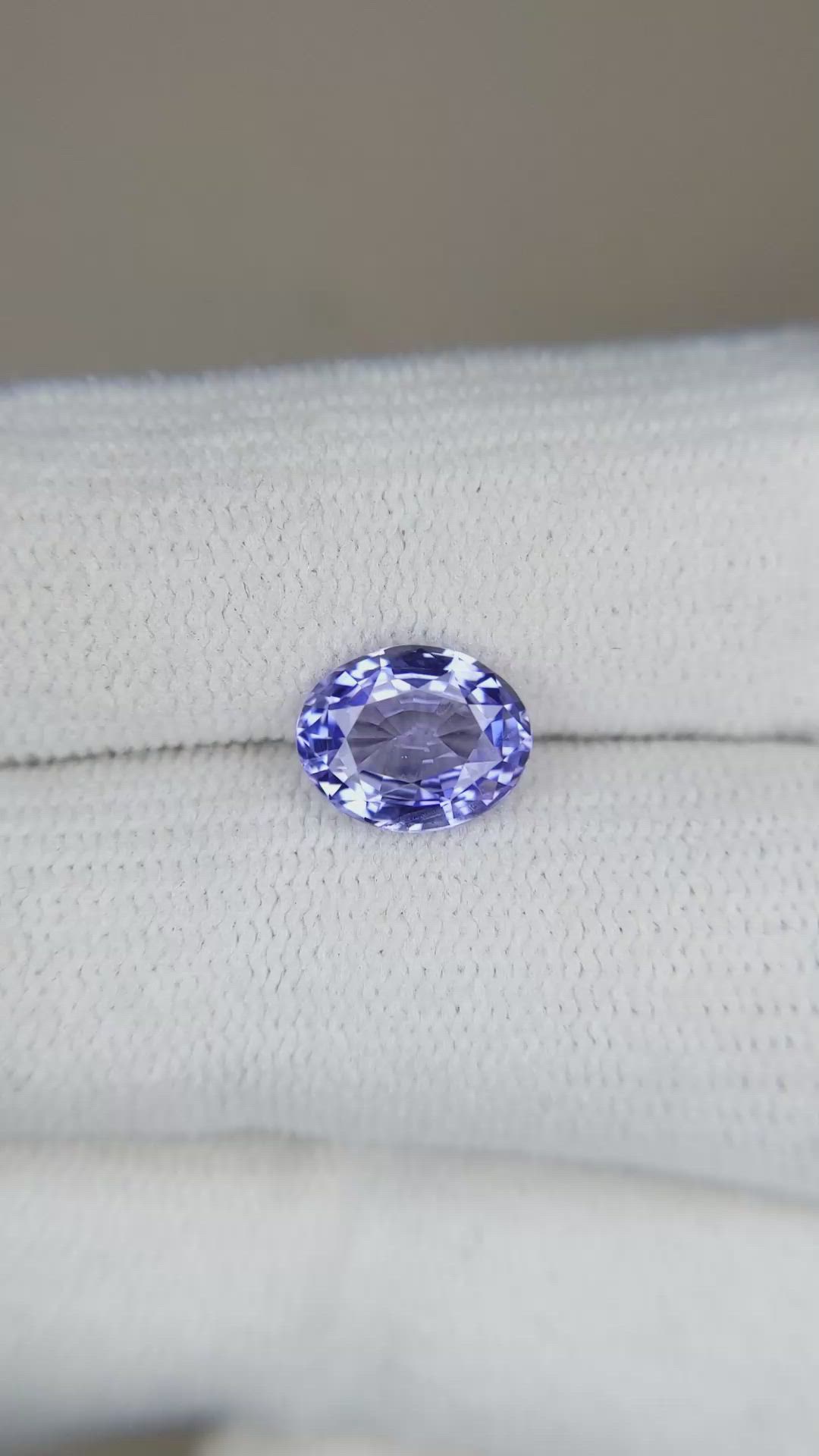
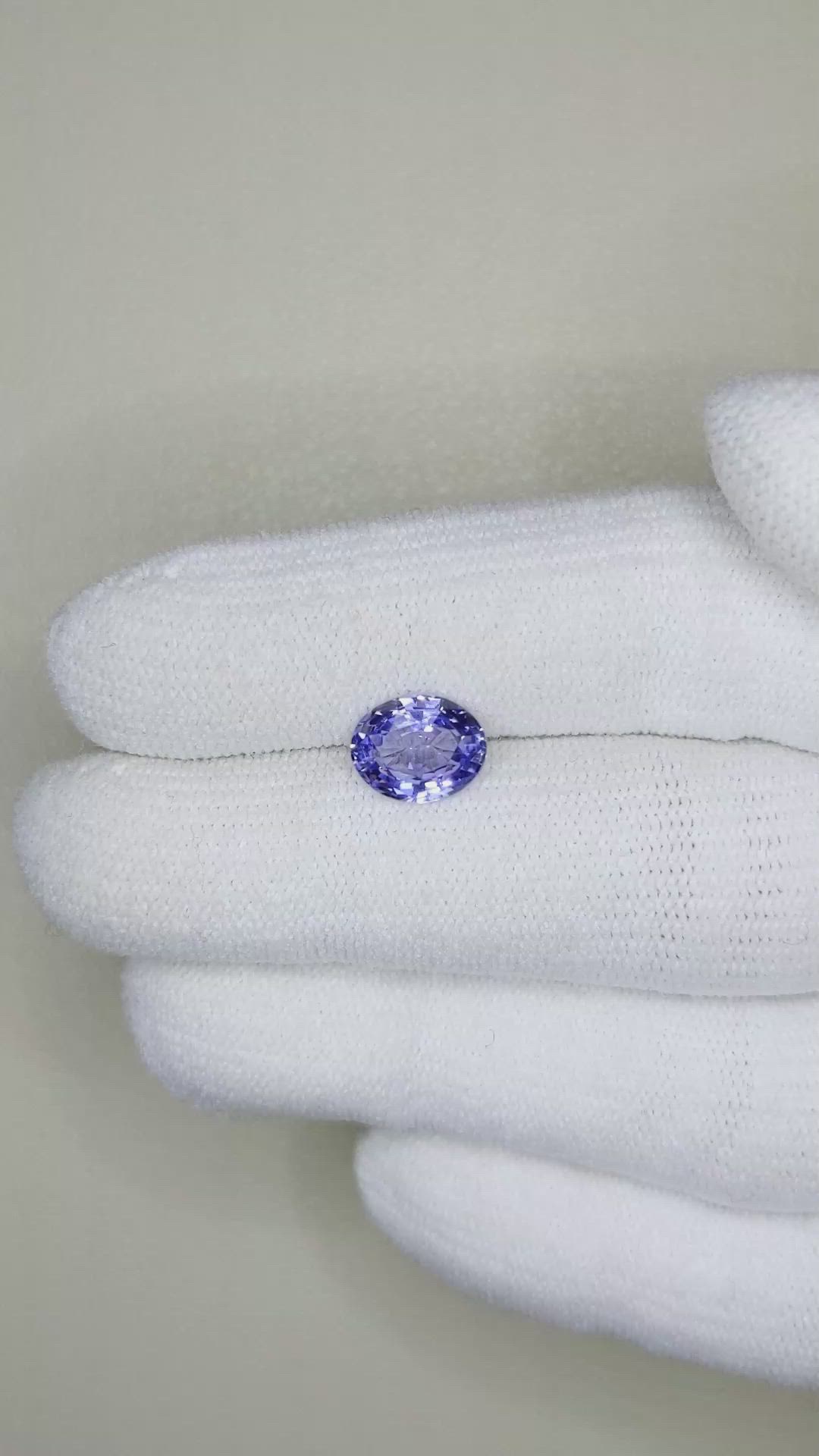
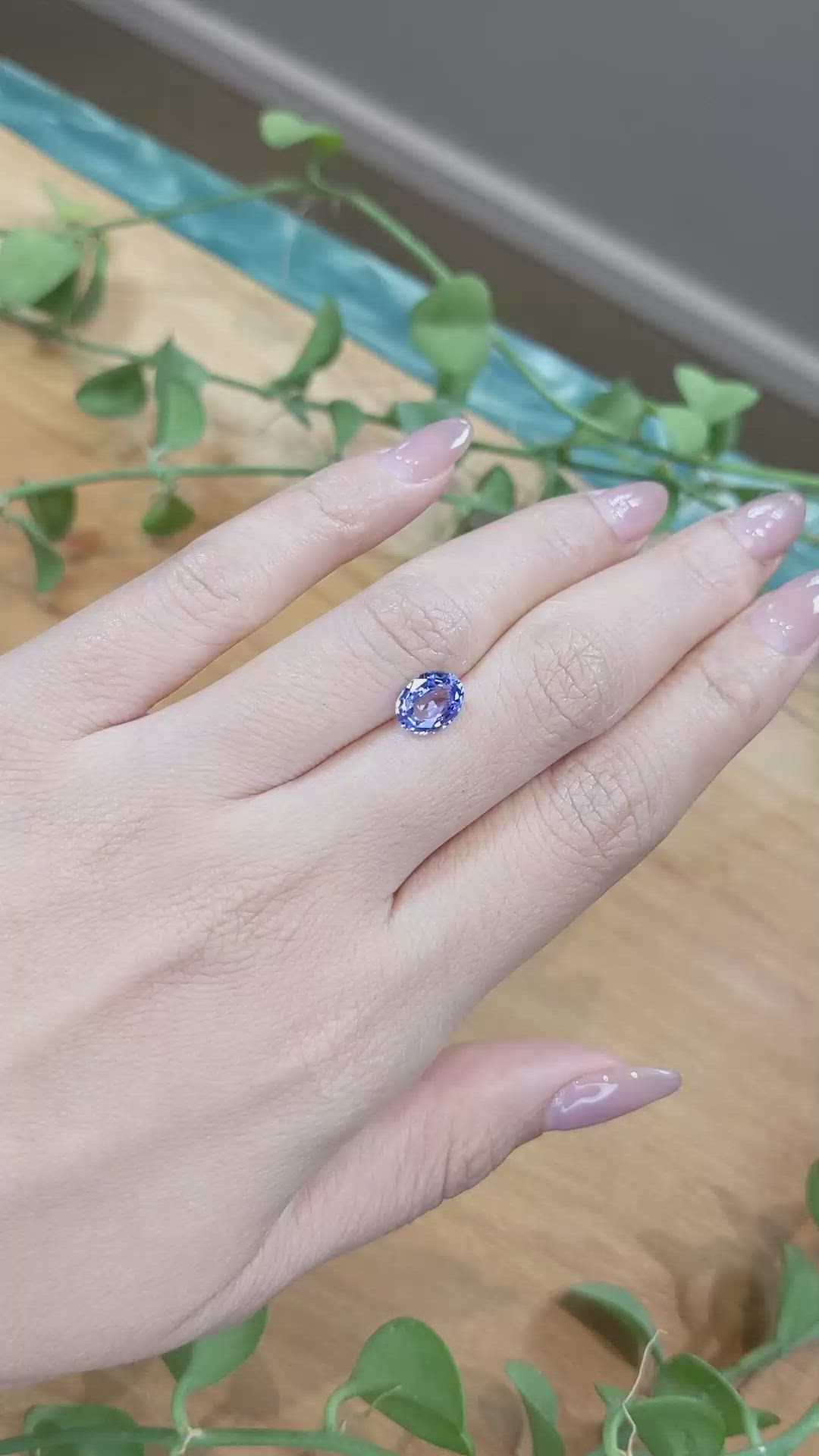
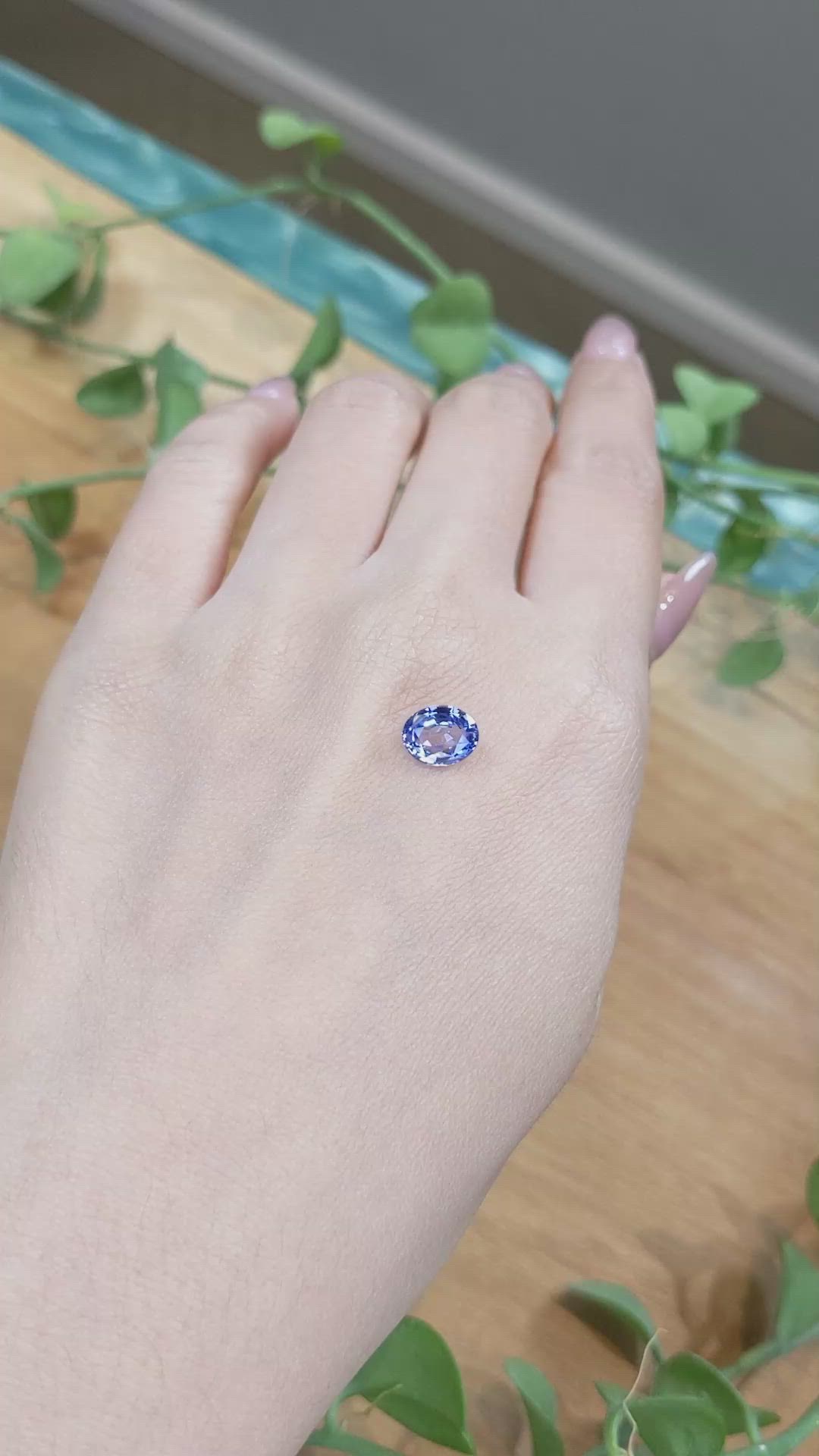
Three Stone Blue Sapphire Ring 1.89 Ct., 10K White Gold


Wax Polymer Replica
Model of your Completed
Setting Design!

View 360° media
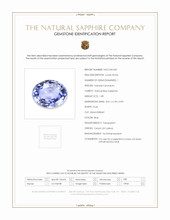
Item ID: | S31659 |
|---|---|
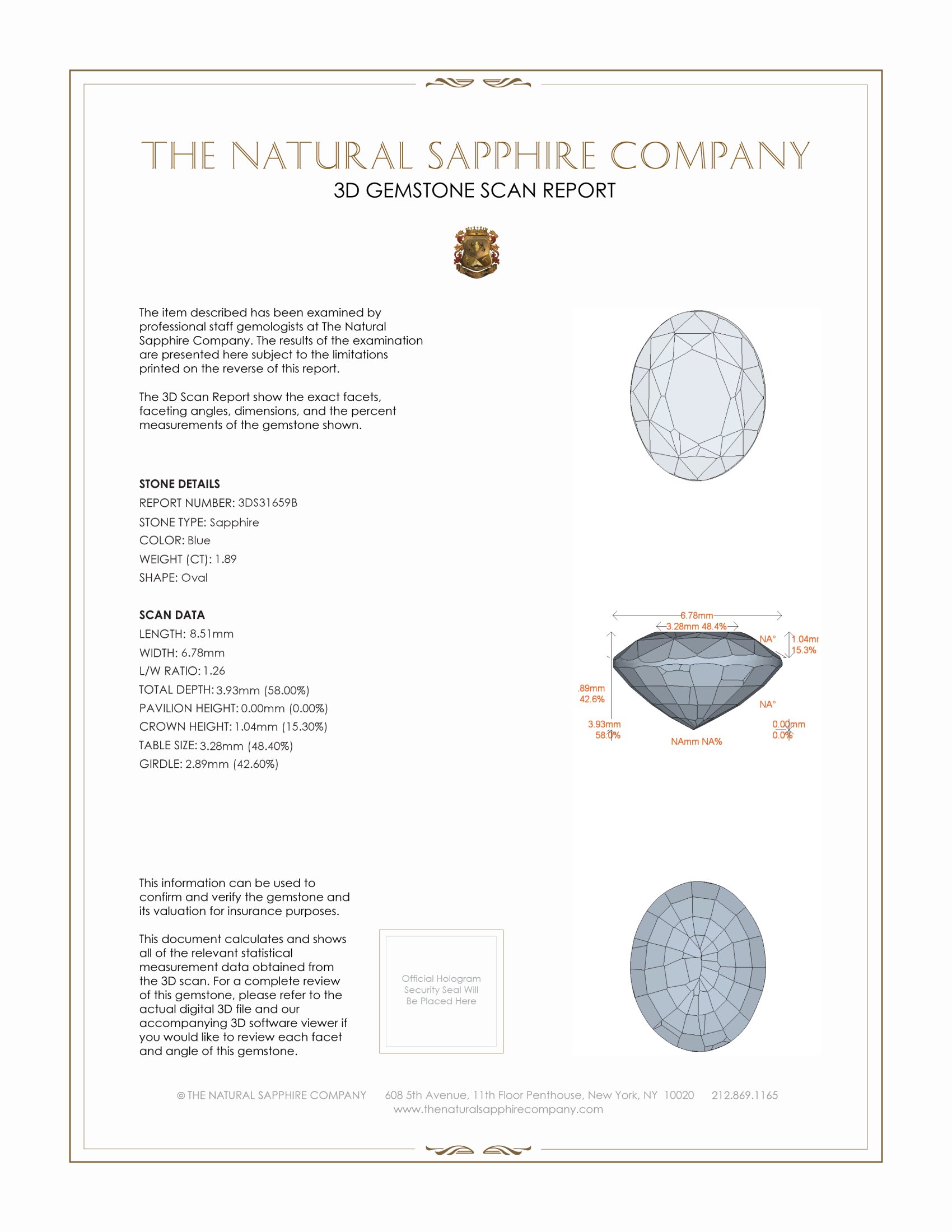
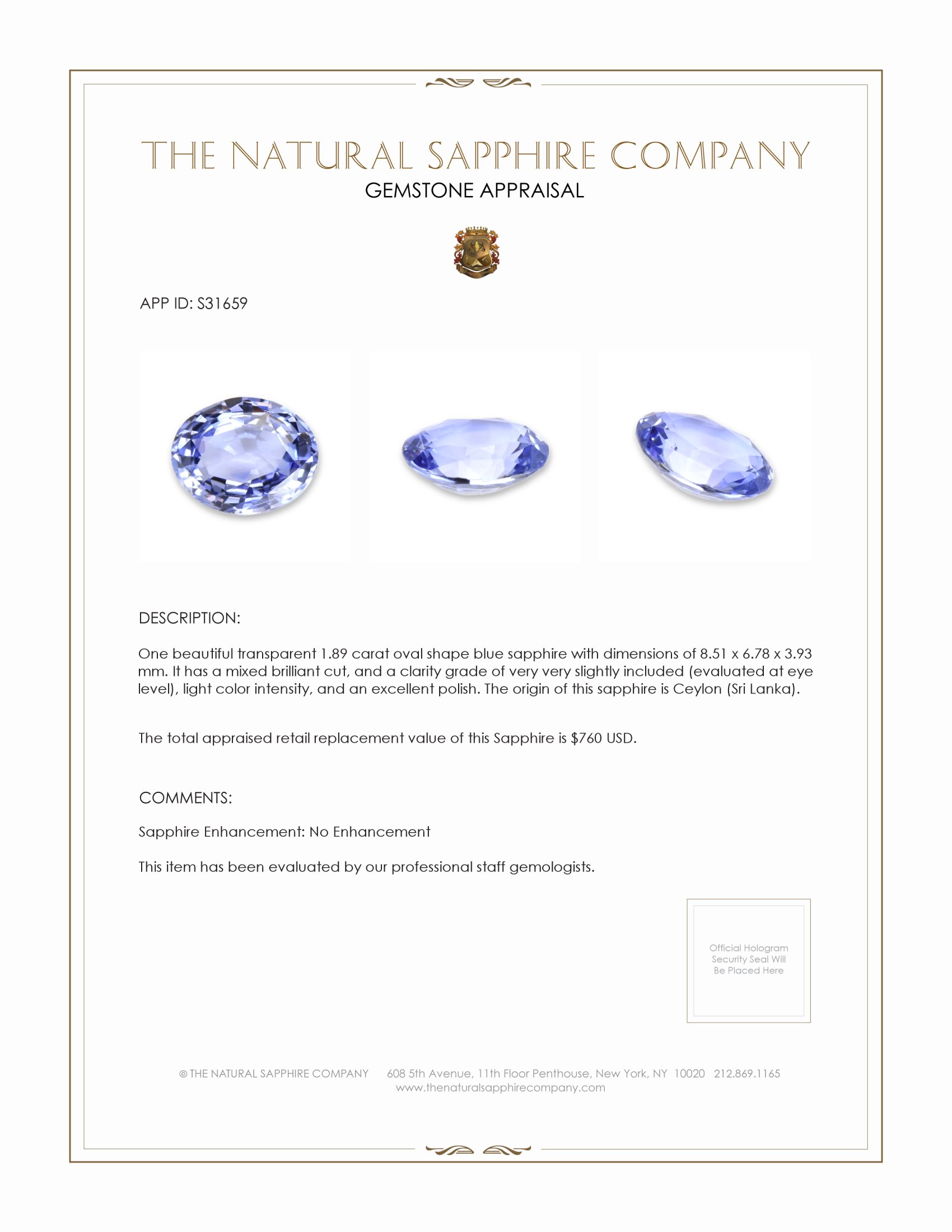
Dimensions (MM): help | Length: 8.51 Width: 6.78 Height: 3.93 |
Weight: | 1.89 Ct. |
Color: help | Blue |
Color intensity: help | Light |
Clarity: help | Very Very Slightly Included |
Shape: help | Oval |
Cut: | Mixed Brilliant Cut |
Cutting style: | Faceted |
Enhancements: help | No Enhancement |
Origin: help | Ceylon (Sri Lanka) |
Per carat price: help | $402 |
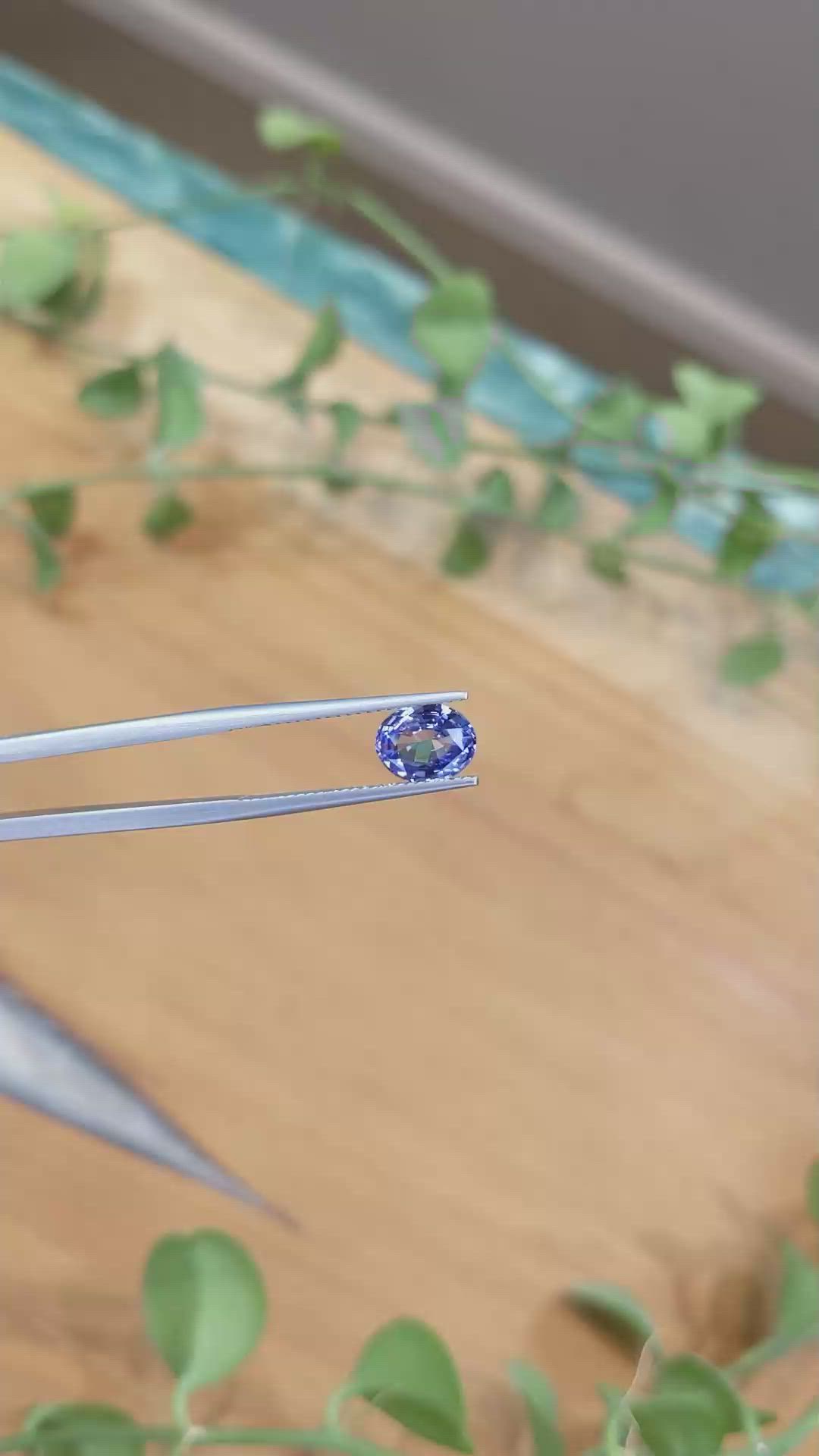
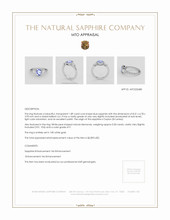
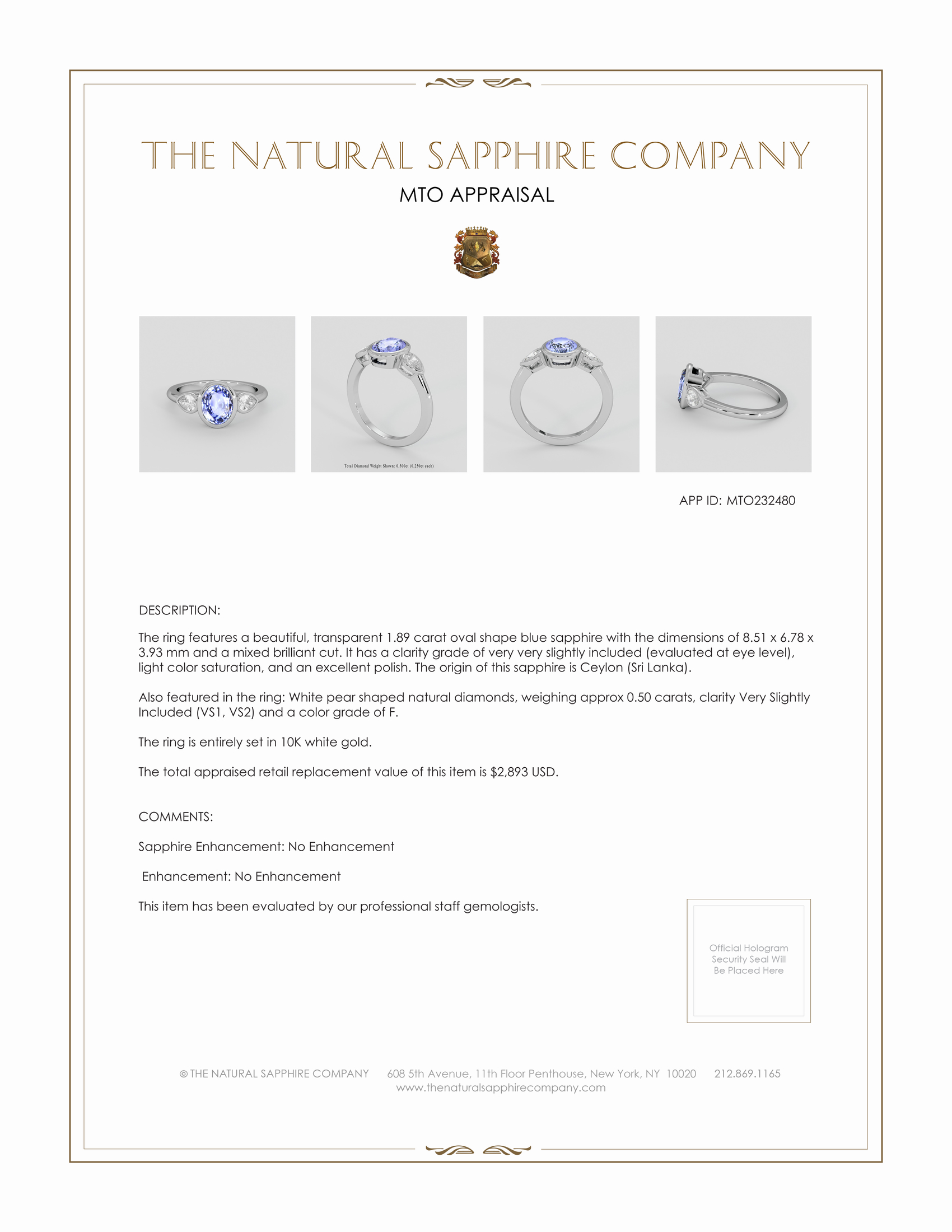
This ring, presented by The Natural Sapphire Company, centers on a transparent oval blue sapphire weighing 1.89 carats, with measured dimensions of 8.51 x 6.78 x 3.93 millimeters and a mixed brilliant cut that balances pavilion faceting for depth with crown faceting for brilliance. The sapphire displays light color saturation that yields a fresh, cool blue tone typical of high quality Ceylon material, and it is graded at very very slightly included when evaluated at eye level, indicating that the stone reads clean to most observers while retaining the natural character that collectors and connoisseurs value. The mounting is executed in platinum 950, a high purity alloy chosen for its strength and its subtle white sheen, which enhances the sapphire color without introducing warm reflections. Flanking the center gemstone are two white pear shaped lab grown diamonds totaling approximately 0.50 carats, each graded in the range of VS1 to VS2 for clarity, and F for color, which contributes bright, near colorless side interest that complements rather than competes with the sapphire. The overall profile is low and secure, with a bezel style setting for the sapphire that offers protection to the girdle and pavilion, and pear shaped diamond bezels that integrate with the band for everyday wearability.
From a gemological perspective, the attributes of this sapphire are notable. The mixed brilliant cut was selected to maximize return of light for these particular proportions, bringing forward the stone's internal sparkle and its scalloped flash as the ring moves. The very very slightly included grade at eye level is an important distinction, because many sapphires of similar hue are graded as included to the extent that internal features are visible without magnification. In this example, the clarity allows the color to communicate cleanly, and the excellent polish enhances the stone's surface luster and faceting precision, reducing light leakage and increasing perceived brightness. The documented origin of Ceylon Sri Lanka is meaningful to educated buyers, because Ceylon sapphires are prized for their often lively, slightly violet tinged blues and for a certain translucency and clarity that can be rarer in other localities. Provenance in combination with measured dimensions, cut, and clarity provides a verifiable profile that supports both aesthetic appreciation and long term collectability.
Comparing this natural Ceylon sapphire to lab grown sapphire alternatives requires separating physical identity from market and provenance considerations. Chemically and optically, a lab grown sapphire can be identical to a natural sapphire, and modern growth methods produce stones with excellent color and minimal inclusions. However, a natural Ceylon sapphire, especially one with the attributes described here, carries rarity and an origin story that many buyers consider part of its intrinsic value. Natural internal features, which in this case are minimal at eye level, document a natural growth history, whereas lab grown stones often show growth characteristics specific to their manufacturing method, such as certain oriented growth zoning or inclusions from flux or seed material, which gemologists can distinguish under magnification. From a grading perspective, a lab grown sapphire with equivalent color and clarity may present as a less expensive option, but it will not offer the same provenance premium or the same potential for long term value appreciation that a well documented natural Ceylon sapphire can provide. Regarding the lab grown diamonds used as accents in this ring, these stones are an excellent example of where lab grown material adds objective value, because they deliver high cut, high clarity VS grades and F color at a favorable price point, while also offering ethical and environmental advantages that appeal to many modern buyers. For the educated buyer seeking a balance of natural origin, technical quality, and modern ethical choices, this ring from The Natural Sapphire Company combines a rare and finely presented Ceylon sapphire, expert cutting and polishing, durable platinum 950 setting, and responsibly sourced lab grown diamond accents, creating a piece that is as sensible an investment as it is a refined personal statement.


