
- Ring25
- Stone11
- Setting5
- Reports4





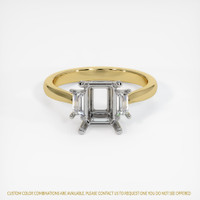
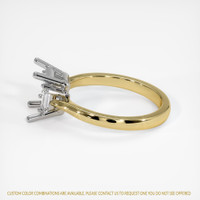
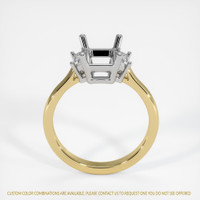




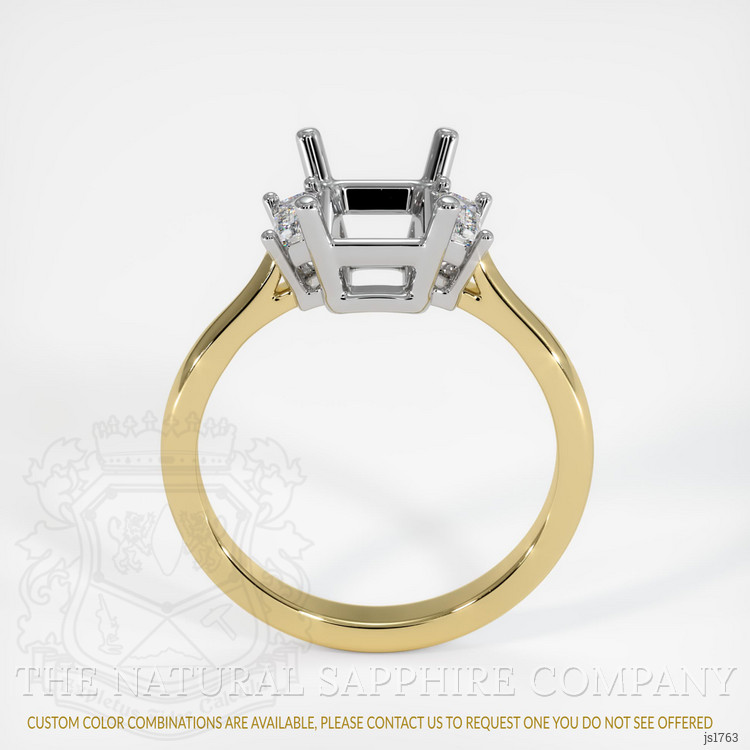


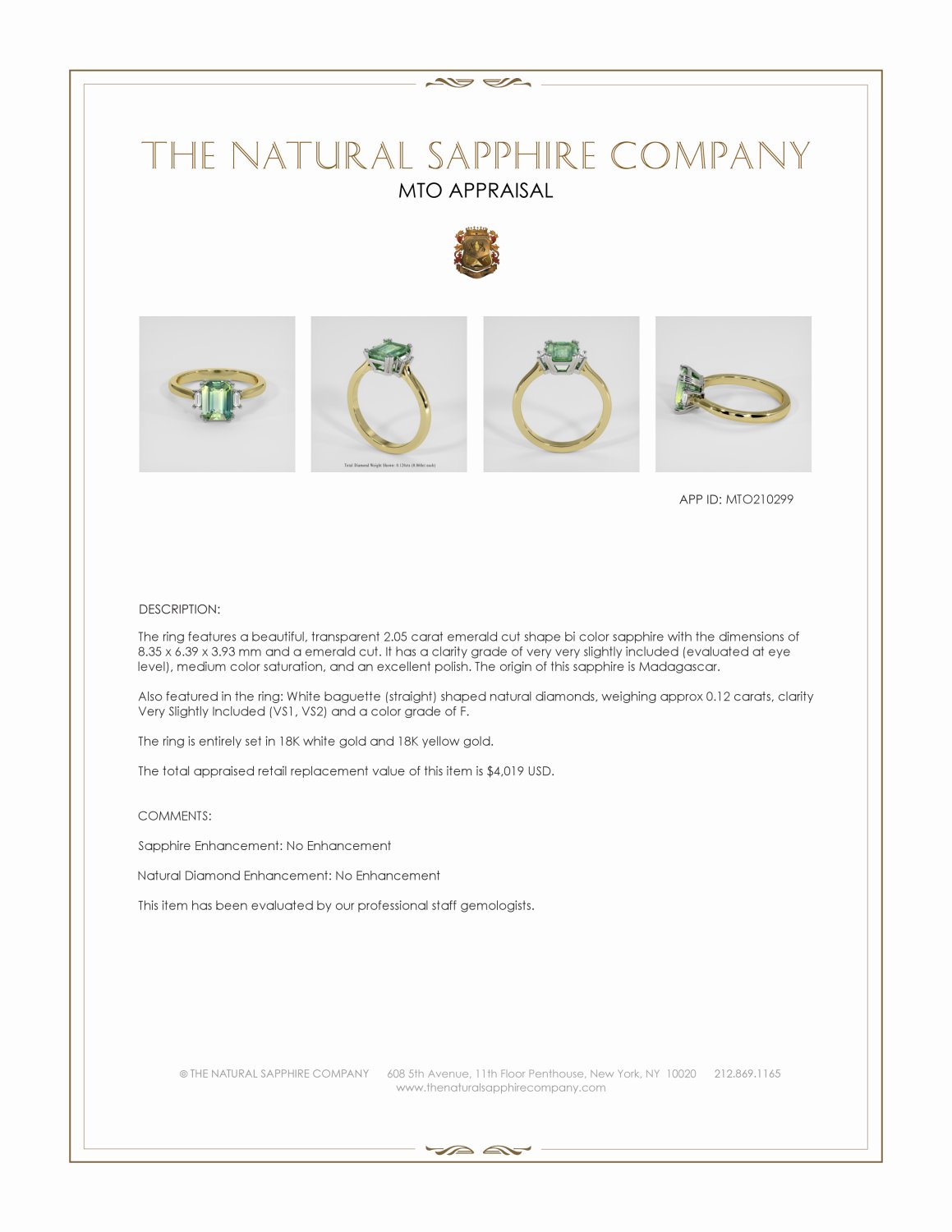
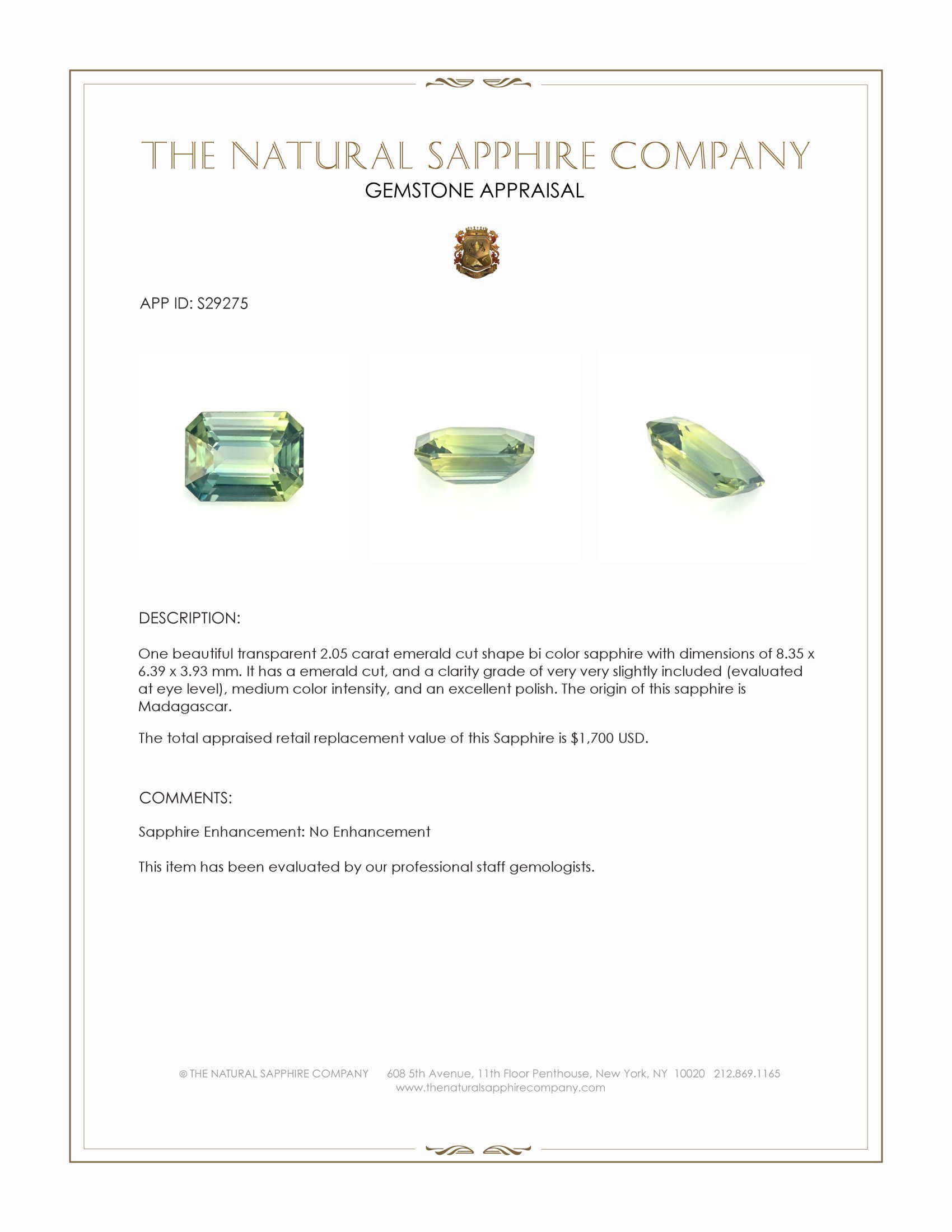
Three Stone Bi Color Sapphire Ring 2.05 Ct., 18K White & Yellow




Wax Polymer Replica
Model of your Completed
Setting Design!

View 360° media
Item ID: | S29275 |
|---|---|
Dimensions (MM): help | Length: 8.35 Width: 6.39 Height: 3.93 |
Weight: | 2.05 Ct. |
Color: help | Bi Color |
Color intensity: help | Medium |
Clarity: help | Very Very Slightly Included |
Shape: help | Emerald Cut |
Cut: | Emerald Cut |
Cutting style: | Faceted |
Enhancements: help | No Enhancement |
Origin: help | Madagascar |
Per carat price: help | $829 |
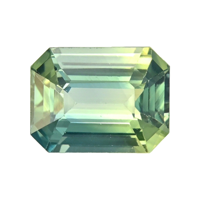
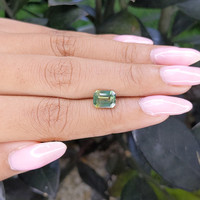
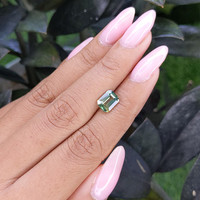
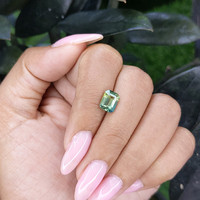
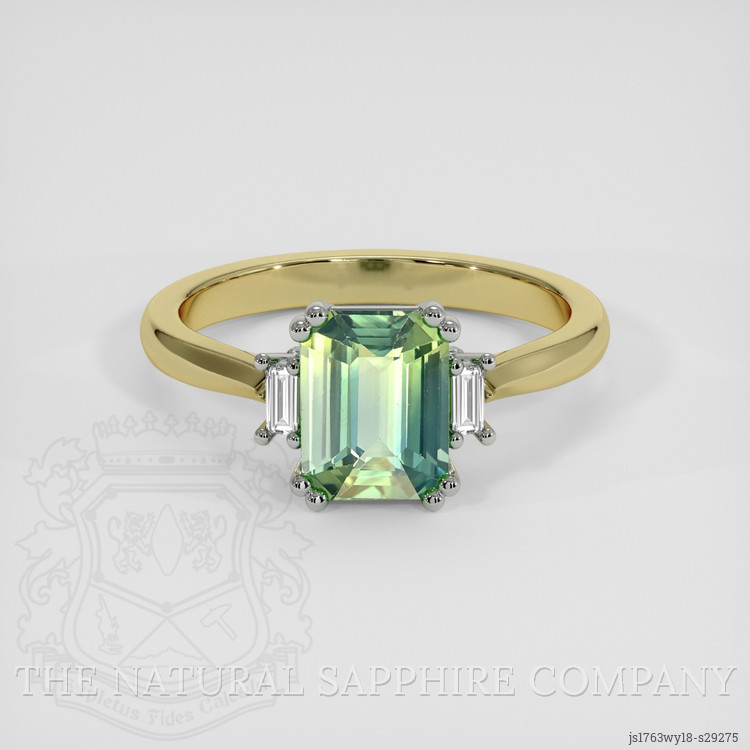
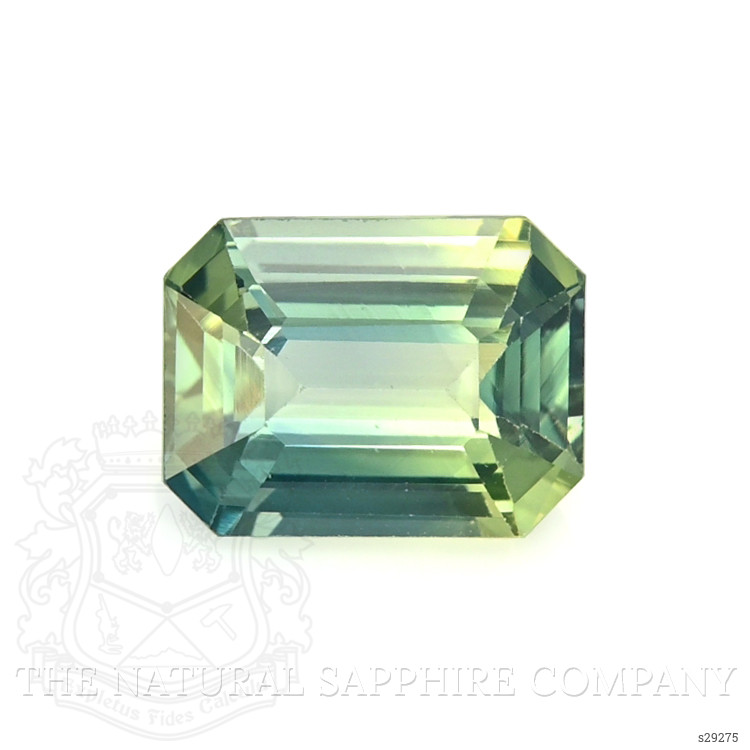
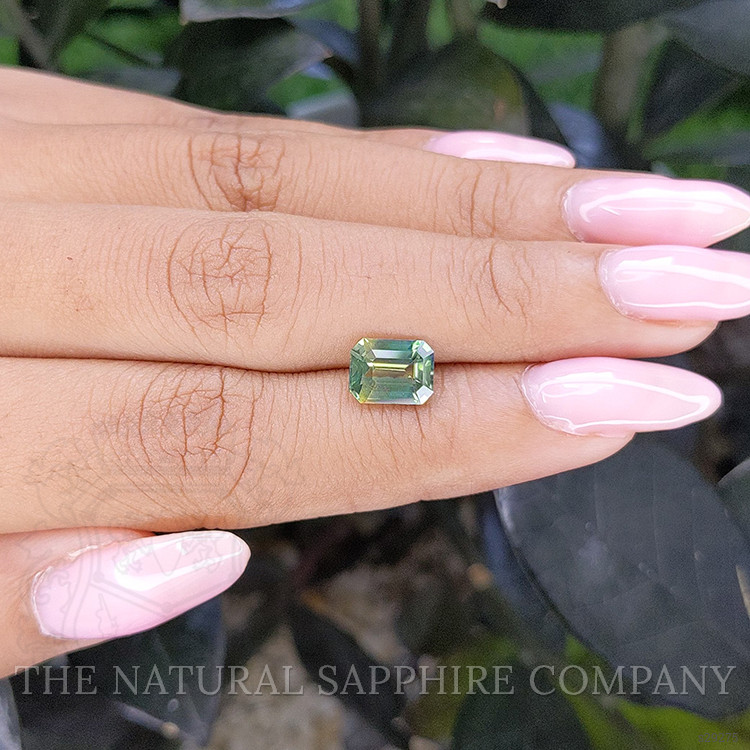
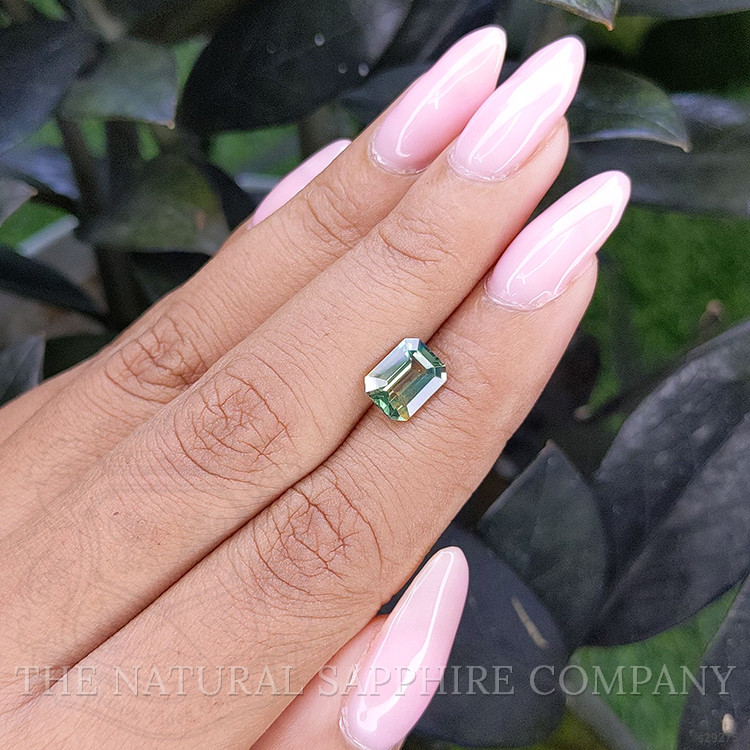
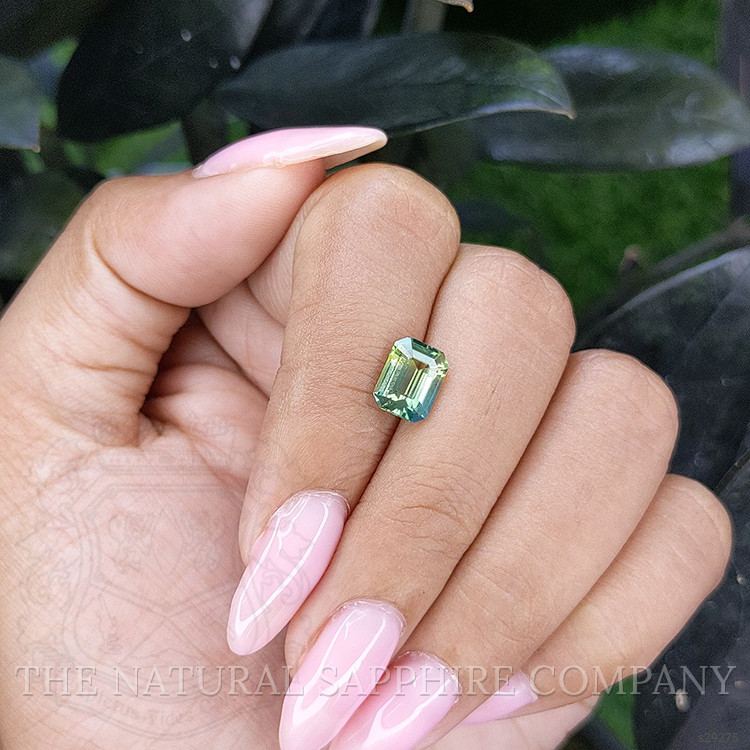
The centerpiece of this ring is a transparent 2.05 carat bi color sapphire cut in an emerald cut, with exact dimensions of 8.35 by 6.39 by 3.93 millimeters. The stone presents medium color saturation and an excellent polish, attributes that preserve the step cut planes and sharp facet junctions characteristic of a high quality emerald cut. Clarity has been graded as very very slightly included, evaluated at eye level, which indicates inclusions are extremely subtle and do not interfere with faceted light return when viewed unaided. Origin is Madagascar, a source known for sapphires that display complex color zoning and clean crystallography. This combination of weight, proportions, and polish yields a substantial face up presence while maintaining the refined geometry associated with emerald cuts, making the sapphire a technically sound and visually compelling focal point crafted and sourced by The Natural Sapphire Company.
Technically the emerald cut is a step cut defined by its concentric rows of rectangular facets on the crown and pavilion, and a large open table. The cutter has respected classical emerald cut proportioning, producing a depth of 3.93 millimeters that corresponds to approximately 53 percent depth relative to the average of the length and width. This depth supports a balanced interplay of light and dark zones along the facets, enhancing the subtle color shift of the bi color sapphire without creating excessive windowing. The medium saturation keeps the green and yellow tones distinct, while pleochroic behavior typical of sapphires from Madagascar allows the hue to shift slightly with viewing angle and lighting. The excellent polish ensures minimal surface abrasion and precise facet planes, so that facet junctions remain crisp, which is essential for maintaining the stepped brilliance and linear flash unique to the emerald cut, particularly when paired with the stone dimensions observed here.
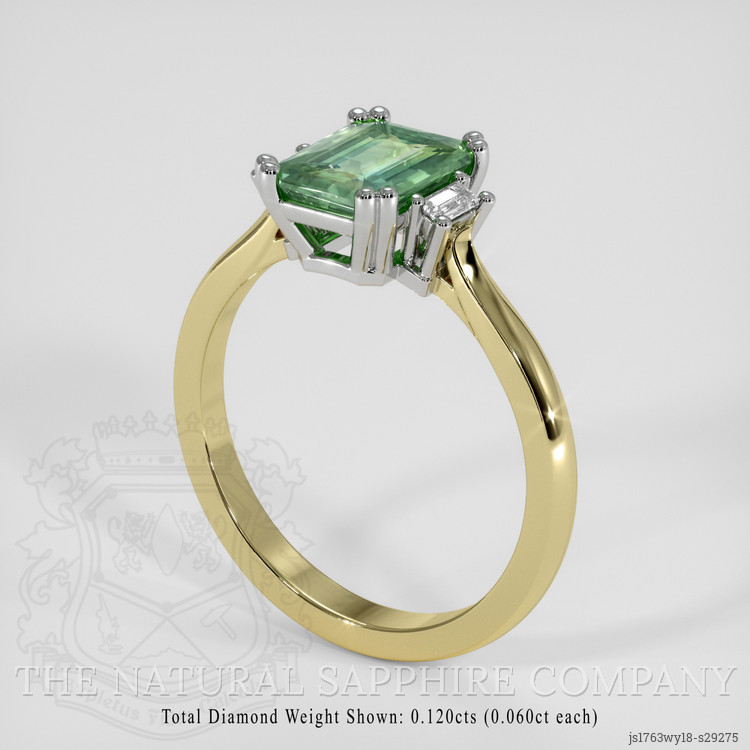
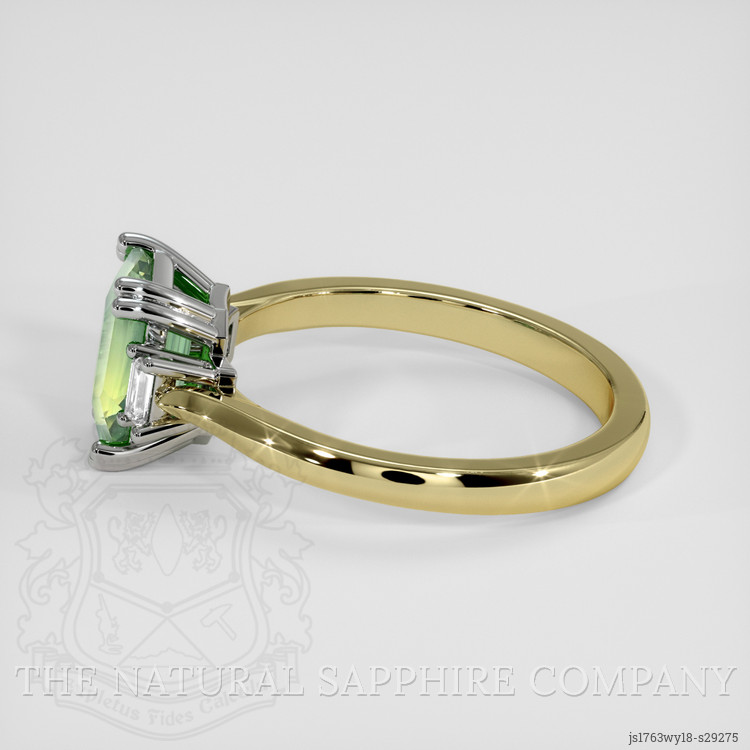
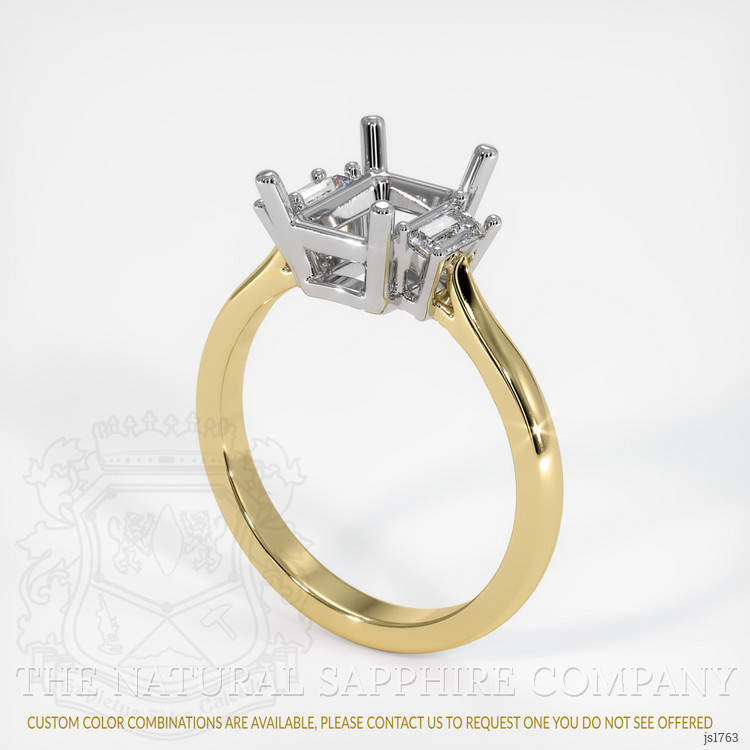
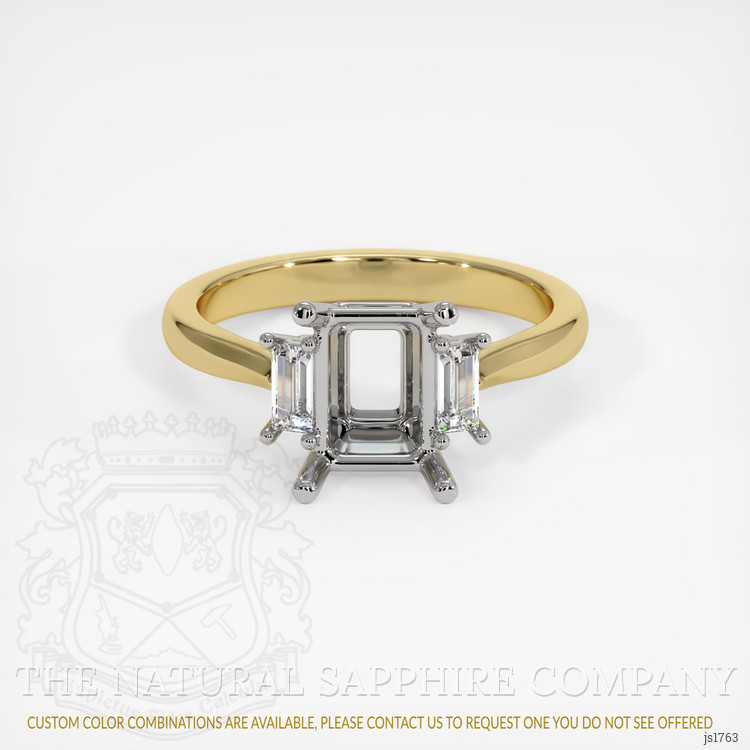
Flanking the central sapphire are white baguette shaped natural diamonds, together weighing approximately 0.12 carats, graded Very Slightly Included VS1 and VS2, with a color grade of F. The straight baguette form replicates the linear geometry of the emerald cut, providing a controlled parallelism of facets that reinforces the central step cut aesthetic. Baguette diamonds exhibit long, narrow facets that return light in planar flashes, which complements the sapphire by creating crisp, directional sparkle without competing chromatically. The VS clarity grades ensure that the diamonds maintain a clean, icy appearance to the eye, and the F color grade keeps the side stones visually neutral against both the white gold head and the subtle coloration of the sapphire. The technical decision to use straight baguettes rather than tapered or trillion accents preserves symmetry and enables a low profile transition between the center stone and the shank, contributing both to visual cohesion and to reduced snagging in daily wear.
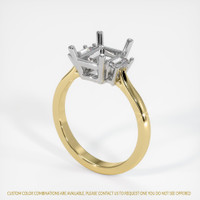
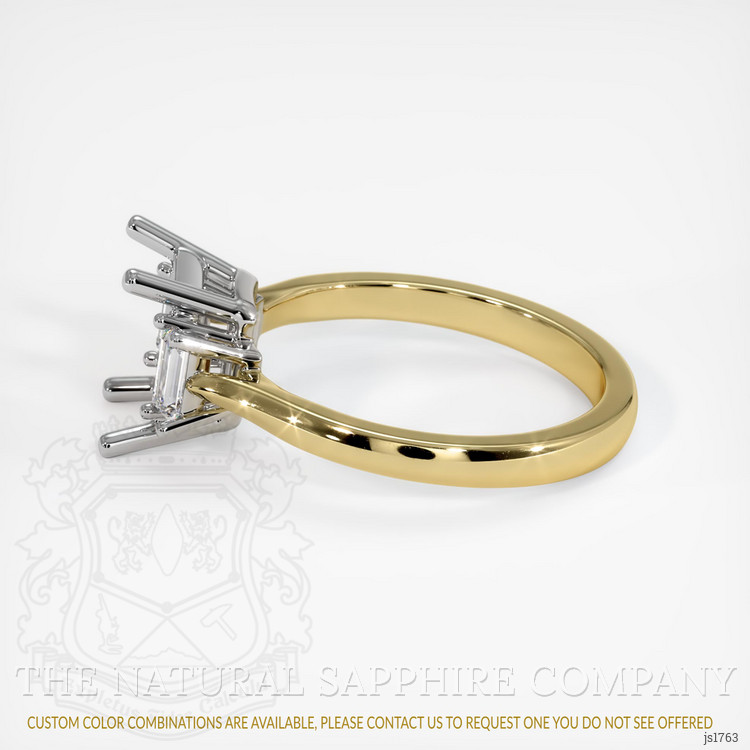
The mounting is executed in a dual metal construction, combining 18 karat white gold in the head and settings with an 18 karat yellow gold shank and band. Such a configuration is a deliberate technical choice, using white gold to reduce light absorption and color contamination around the pavilion and prongs, thereby optimizing perceived whiteness of the diamond accents and maintaining the true bi color character of the sapphire. The yellow gold shank introduces a warm contrast against the cool white gold head, reinforcing the ring as an object of considered metalwork. Prong architecture secures the emerald cut by protecting the clipped corners and distributing stress across robust prongs, while the basket and gallery incorporate openwork for ventilation and light ingress, supporting the sapphire syndrome of even illumination. The shank is shaped for comfort, with a gently contoured inner surface for prolonged wearability, and the overall profile is engineered to balance elevation for presence with a low enough silhouette to minimize snag risk. This ring demonstrates how precise cutting, calibrated side stones, and dual metal execution can balance elegance with functionality, and it reflects the craftsmanship standards upheld by The Natural Sapphire Company.


