
- Stone14
- Reports3
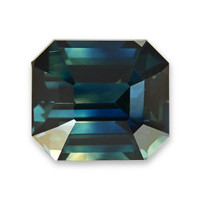
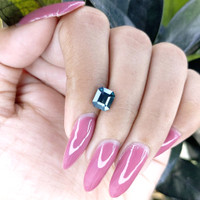
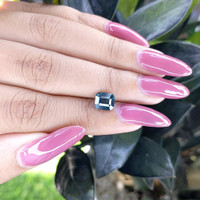
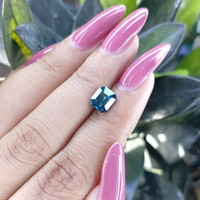


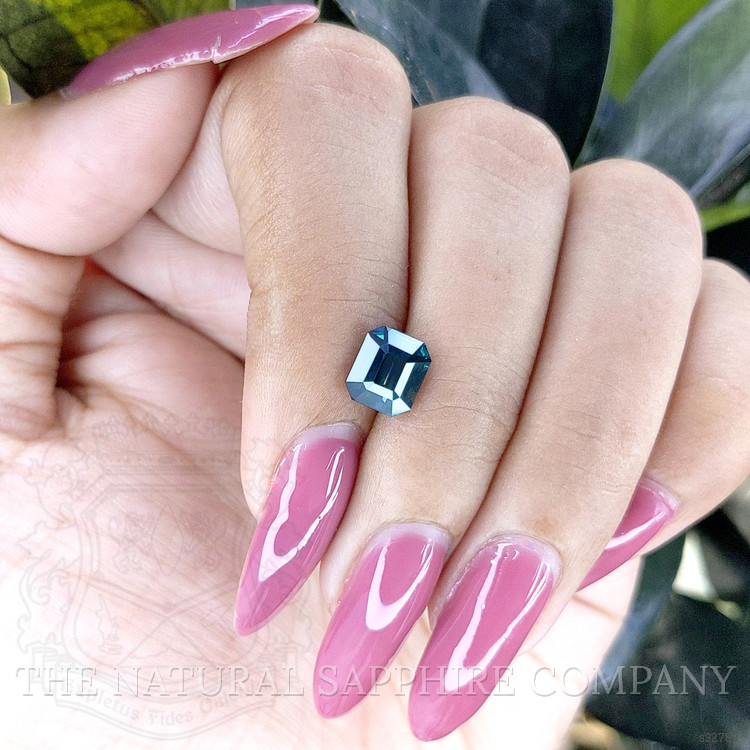
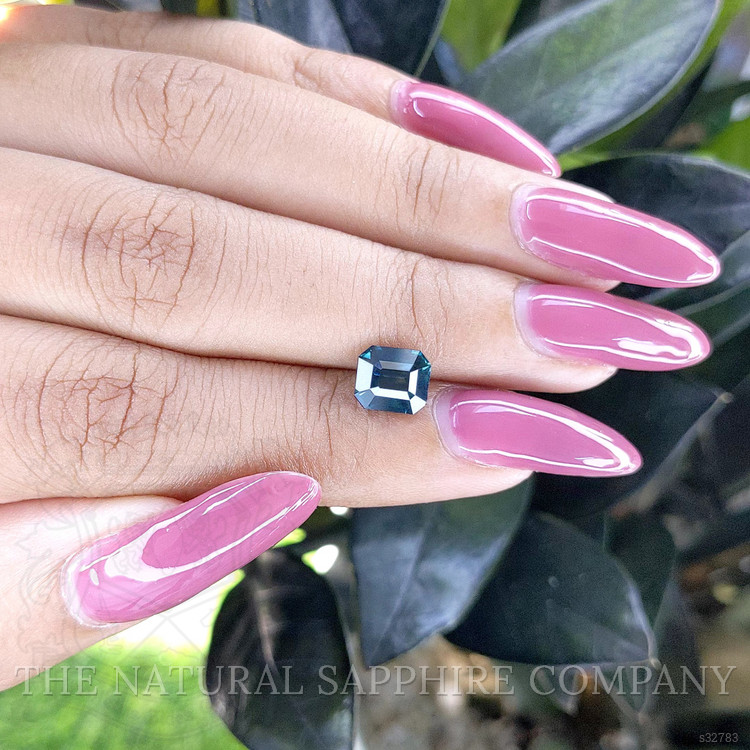
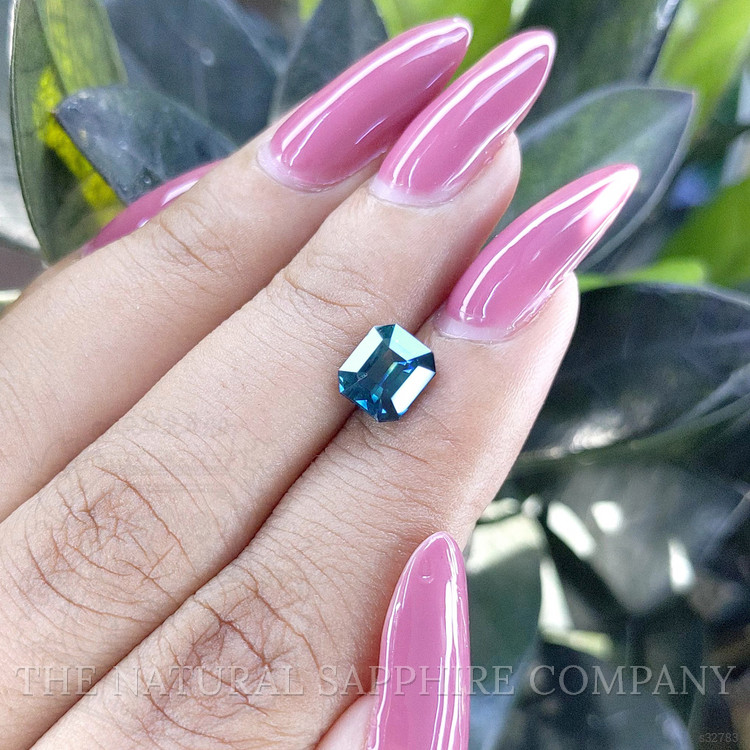

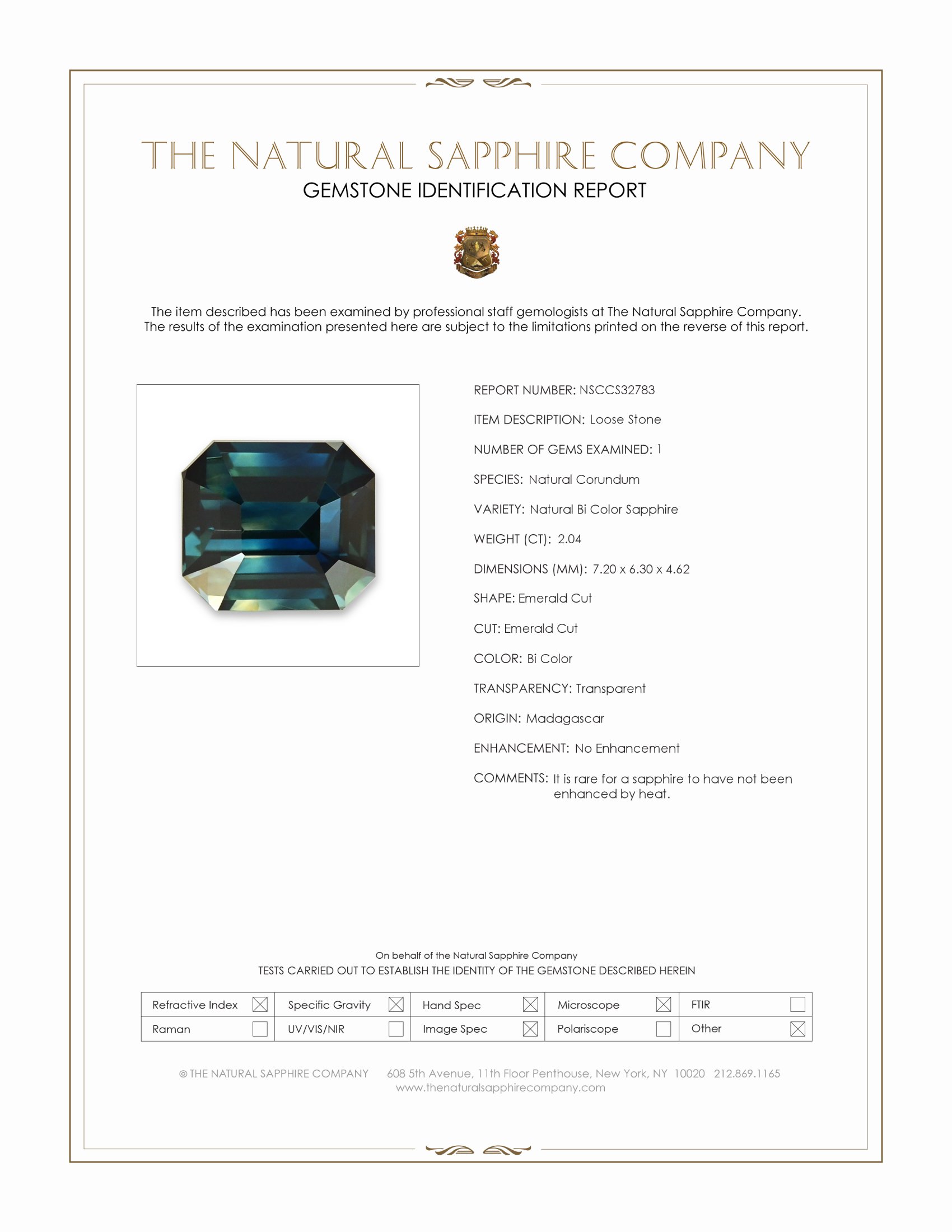
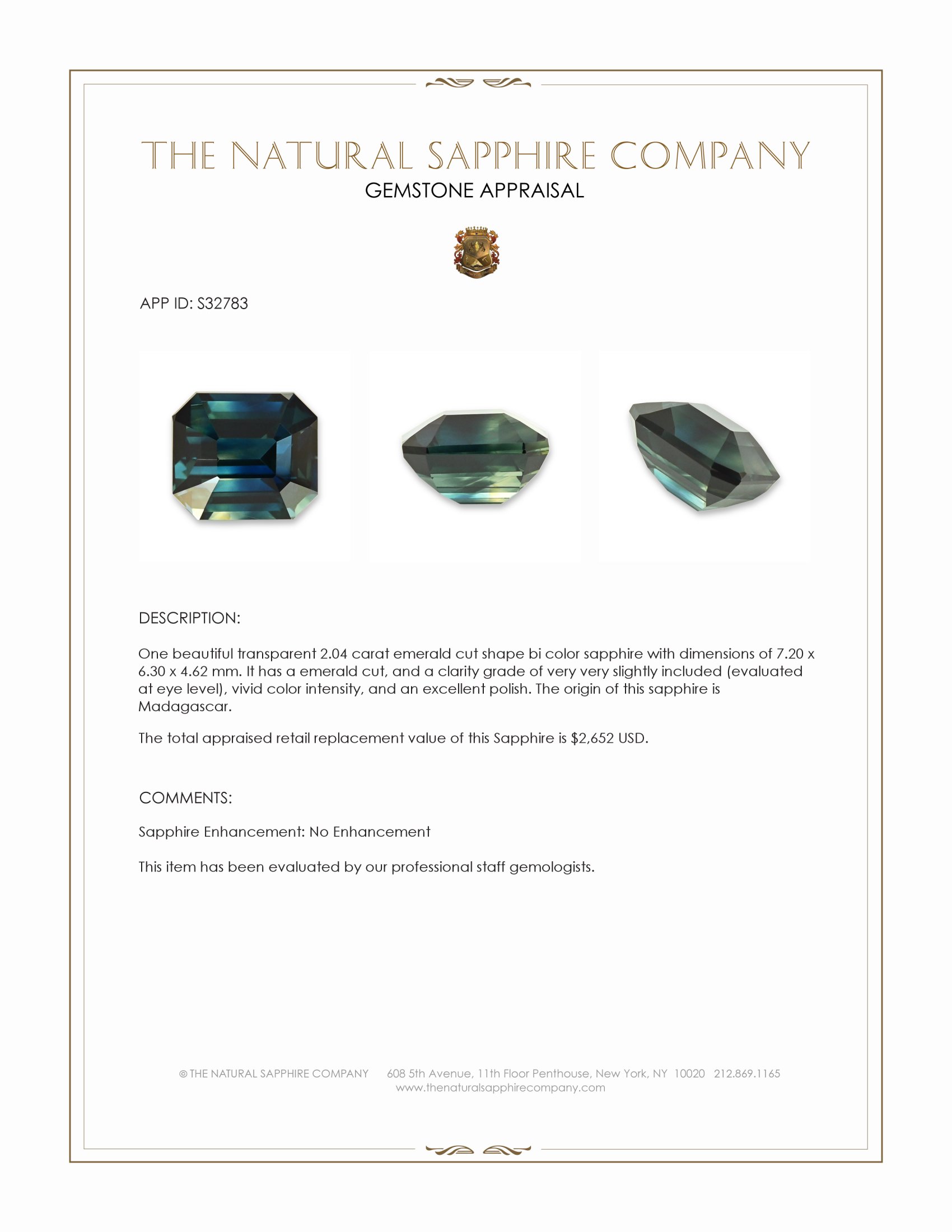
2.04 Ct. Bi Color Sapphire from Madagascar
This loose stone ships by Apr 13
Item ID: | S32783 |
|---|---|
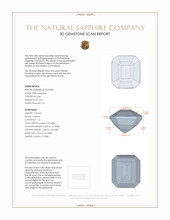
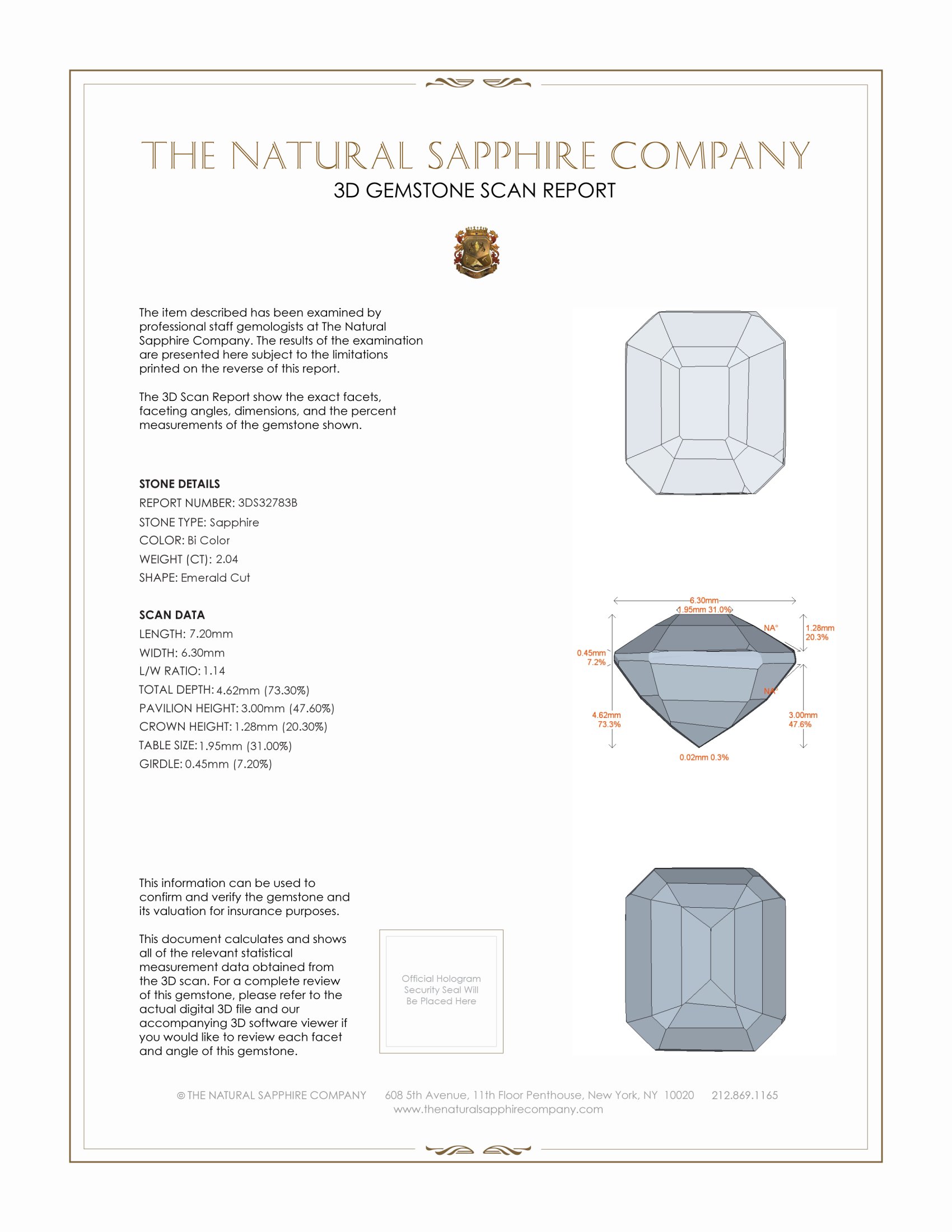
Dimensions (MM): help | Length: 7.2 Width: 6.3 Height: 4.62 |
Weight: | 2.04 Ct. |
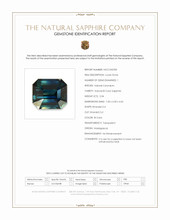
Color: help | Bi Color |
Color intensity: help | Vivid |
Clarity: help | Very Very Slightly Included |
Shape: help | Emerald Cut |
Cut: | Emerald Cut |
Cutting style: | Faceted |
Enhancements: help | No Enhancement |
Origin: help | Madagascar |
Per carat price: help | $1,300 |
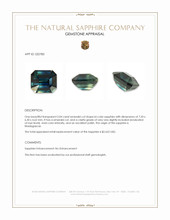
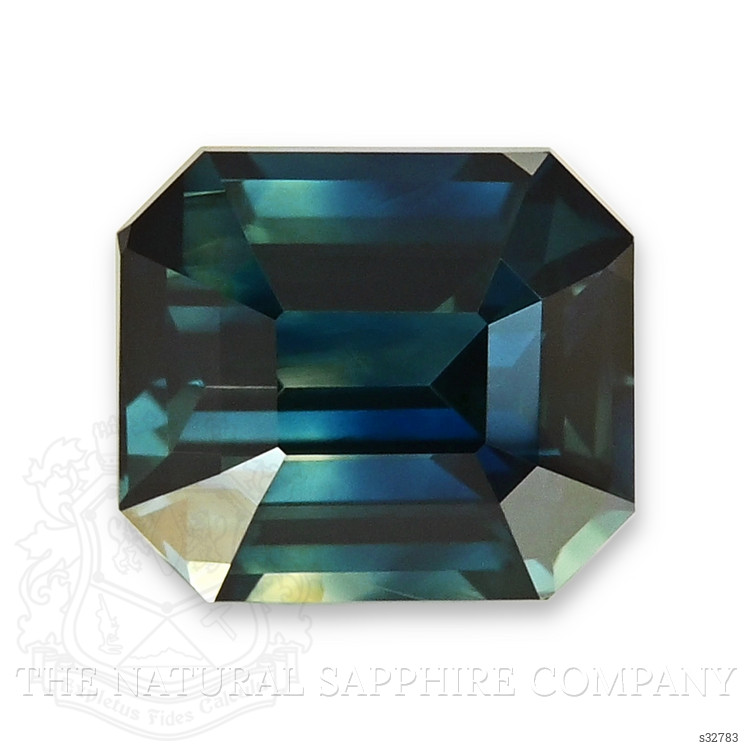
If you are searching for a singular gemstone that answers both the desire for a striking engagement ring and the expectations of a discerning collector, this 2.04 carat emerald cut bi color sapphire from Madagascar may be the perfect solution, The Natural Sapphire Company presents this transparent, finely faceted gem with dimensions of 7.20 x 6.30 x 4.62 mm, emerald cut, very very slightly included clarity as evaluated at eye level, vivid color intensity, and excellent polish, unenhanced and naturally finished. The step facets of the emerald cut create a broad, luminous table that showcases the stone s clarity and the dramatic bi color shift, allowing the vivid hues to play across the surface as light moves, an ideal choice if you want a ring that reads as elegant and modern while revealing personality and depth. Because the sapphire is unheated and unenhanced, collectors will appreciate the integrity of its natural color, and anyone choosing this gem for an engagement ring can be confident that the stone will age gracefully, holding its natural character and fascination for generations.
Comparing hue and tone, this Madagascar bi color sapphire offers a distinctive balance that sets it apart from sapphires of other famous origins, it displays a vivid interplay of blue and green tones that can appear as a fresh ocean blue leaning into verdant green depending on the angle and light, whereas Kashmir sapphires are celebrated for a plush, velvety cornflower blue with a softer, more powdered tone, and Sri Lankan Ceylon sapphires often show a lighter, airier blue with excellent brightness but less of the green counterpoint found here. Australian sapphires tend to have a deeper, inky blue to blue green tone with a darker overall presence, and Montana sapphires generally present cooler, steely blues and teals that read more muted, this Madagascar example sits in a vivid intensity category that combines brightness with depth, giving you the best attributes of both lively Ceylon hues and the saturated depth associated with island sources. At The Natural Sapphire Company we understand that your search ends when a stone both speaks to your aesthetic and verifies its natural pedigree, this unenhanced, vividly colored bi color emerald cut sapphire fulfills that promise, offering rarity, visual drama, and the assurance of natural origin for a lifetime of admiration.


