
- Stone7
- Reports3
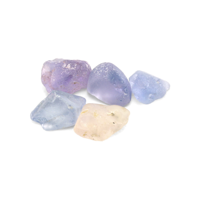




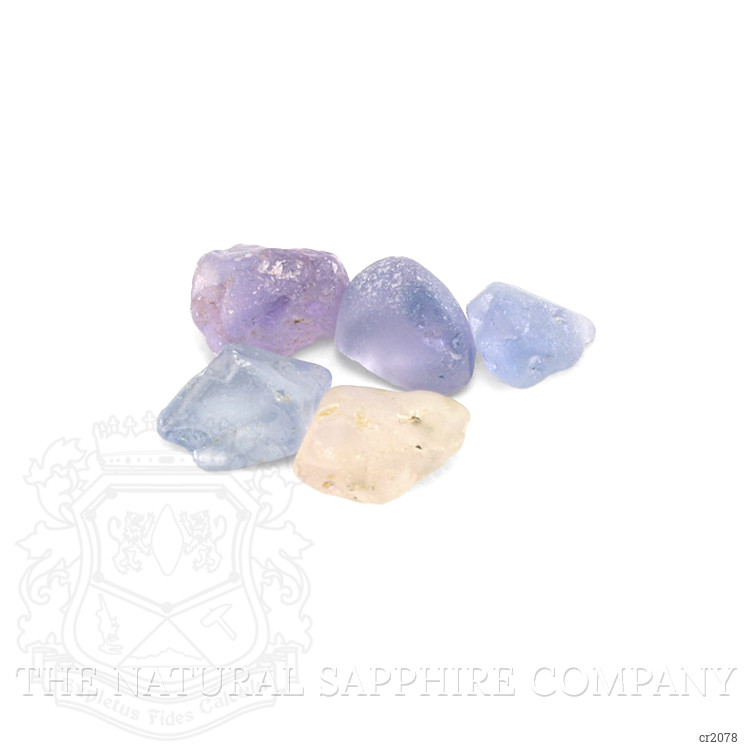


17.89 Ct. Multi Color Sapphire Crystal from Madagascar
This loose stone is available to ship now
Item ID: | CR2078 |
|---|---|
Dimensions (MM): help | Length: 0.01 Width: 0.01 Height: 0.01 |
Weight: | 17.89 Ct. |
Color: help | Multi Color |
Color intensity: help | Medium |
Clarity: help | Included |
Shape: help | Various |
Cut: | Rough Crystal |
Cutting style: | Crystal |
Enhancements: help | No Enhancement |
Origin: help | Madagascar |
Per carat price: help | $20 |
One beautiful semi transparent 17.89 carat various shape multi color sapphire is presented by The Natural Sapphire Company, with dimensions listed as 0.01 x 0.01 x 0.01 mm, a rough crystal cut, an included clarity grade evaluated at eye level, medium color intensity, an excellent polish, no enhancement, and an origin of Madagascar. This description prioritizes the provided measurements and character states, while noting that the small numerical dimensions as listed read like a placeholder or measurement artifact, and that the physical mass represented by 17.89 carats will correspond to dimensions appreciably larger than the literal numbers shown. The stone displays natural semi transparency, allowing internal structure and zoning to be visible, which is an important attribute for collectors and designers who value the intrinsic character of unheated sapphire material. The multi color aspect refers to natural color variation within the piece, a phenomenon common in Madagascar corundum where blues, violets, and subtle pastel tones coexist within a single rough crystal.
From a gemological and cutting perspective, the rough crystal cut recorded for this parcel indicates that the material has been left in a natural facet and crystal form rather than being fully precut into modern gemstone faceting schemes. This preserves the original crystal morphology and may include uneven planes and natural terminations. The included clarity grade at eye level means that with unaided visual inspection, internal features such as mineral inclusions, growth tubes, healed fissures, and rutile silk are observable. These inclusions provide a map to the stone's growth history and can enhance the story value of the sapphire, but they also influence how a cutter will orient the stone for best color and brilliance. The medium color intensity indicates a balanced saturation, not deeply saturated like a royal blue, but strong enough to provide attractive color presence, particularly when aligned with controlled lighting and mounting design.
Practical cutting and design options should be considered carefully given the piece retains a rough crystal cut and displays multi color zoning. A skilled lapidary will examine the inclusions and color distribution under immersion and polarized light, and will plan rough orientation to maximize desirable color through pleochroic alignment, ensuring the face up view presents the most appealing hues. Potential outcomes include cutting the rough into a single large freeform or fancy shaped gem to preserve weight and a natural appearance, or sawing and dividing to yield several faceted stones, each optimized for color and clarity. Recommended faceting styles for material with medium color intensity include mixed cuts that combine step and brilliant facets to balance color and light return, oval and cushion shapes for even color distribution, and custom brilliant variants if the cutter aims for maximum sparkle while retaining color strength. The excellent polish indicated suggests the pavilion and table surfaces have been finished to a high degree, improving lustre and making the stone responsive to light, even if the initial presentation is as a rough.
The fact that this sapphire is unheated and bears no enhancement is a significant factor for conservation and market positioning. Natural, untreated Madagascar sapphires can command premiums in both the collector market and bespoke jewelry design, because they present native color and internal character without alteration. Origin information increases provenance value, Madagascar being known for producing sapphires with distinctive pastel and violet blue ranges and for yielding material with interesting zoning and inclusion suites. In terms of setting and display, designers may choose to emphasize the rough aesthetic with organic bezel settings that showcase the crystal form, or alternatively to have the stone cut and set into a high end ring or pendant that takes advantage of its weight and presence. For practical care, sapphire is durable relative to most gemstones, but given the observed inclusions and any possible surface irregularities associated with rough cutting, careful handling during setting and routine cleaning using warm soapy water and a soft brush is advised.
As your representative at The Natural Sapphire Company I can provide detailed consultation on cutting strategy, expected yields, and gemological documentation to support the stone in the market. We can arrange for full gemological analysis to quantify refractive index, specific gravity, and to image the inclusion patterns under magnification, supporting an accurate report for valuation and for bespoke design purposes. For clients seeking a single statement centerpiece the 17.89 carat mass offers substantial presence, while for lapidaries aiming to maximize finished gem weight, the rough crystal form presents multiple pathways to optimize color take off and clarity windows. Please contact us to discuss how you wish to realize the potential of this Madagascar multi color sapphire, whether preserving its natural crystal character or transforming it into a precisely faceted gem, and we will coordinate cutting, certification, and custom setting options tailored to your objectives.


