
- Stone12
- Reports2
-various-blue-sapphire-10.4600-cts-s37928-1.jpg?d=200x200&v=20260224053123)
-various-blue-sapphire-10.4600-cts-s37928-lifestyleimage-1.jpg?d=200x200&v=20260225035053)
-various-blue-sapphire-10.4600-cts-s37928-lifestyleimage-2.jpg?d=200x200&v=20260225035053)
-various-blue-sapphire-10.4600-cts-s37928-lifestyleimage-3.jpg?d=200x200&v=20260225035053)
-various-blue-sapphire-10.4600-cts-s37928-1.jpg?d=750x750&s=nsc&v=20260224053123)
-various-blue-sapphire-10.4600-cts-s37928-lifestyleimage-1.jpg?d=750x750&s=nsc&v=20260225035053)
-various-blue-sapphire-10.4600-cts-s37928-lifestyleimage-2.jpg?d=750x750&s=nsc&v=20260225035053)
-various-blue-sapphire-10.4600-cts-s37928-lifestyleimage-3.jpg?d=750x750&s=nsc&v=20260225035053)

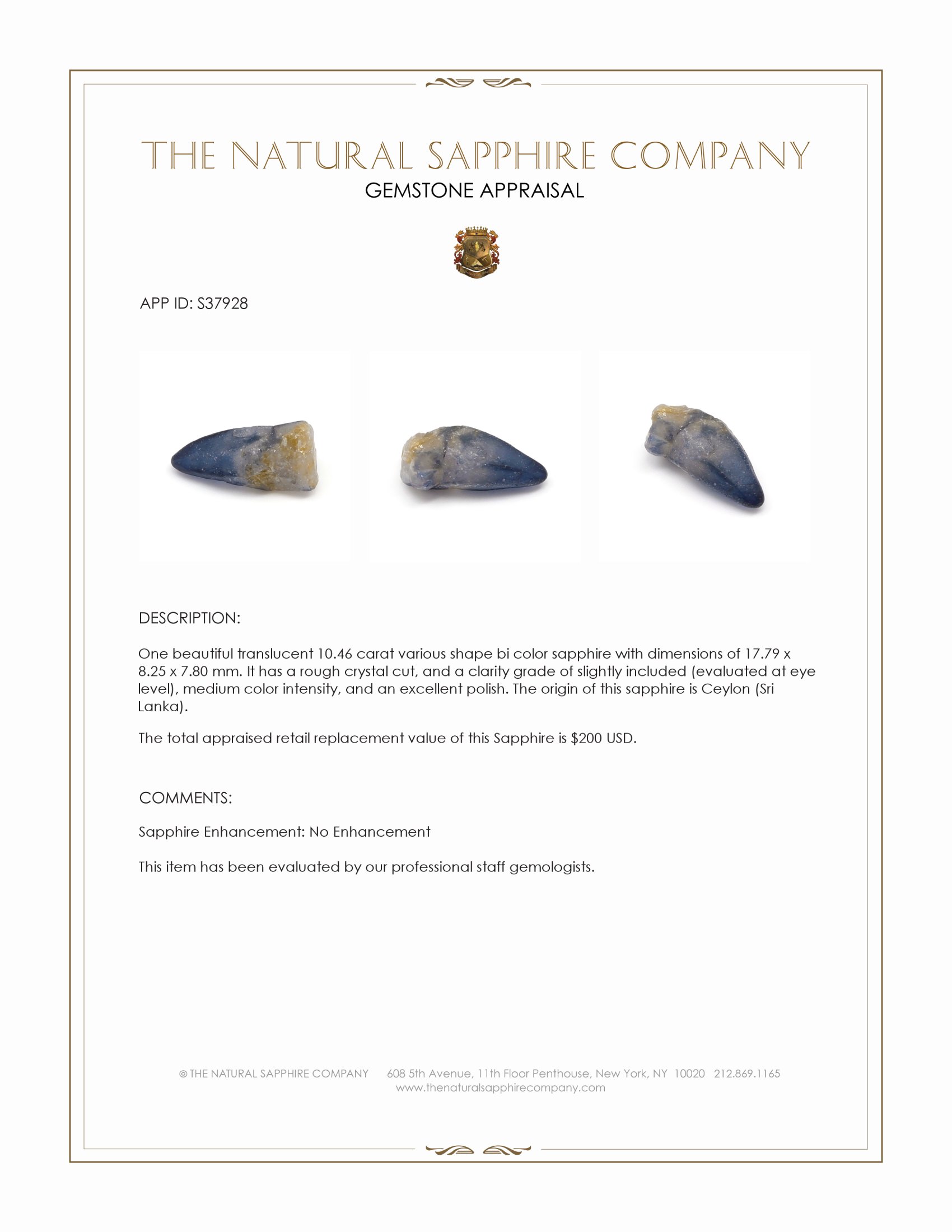
10.46 Ct. Bi Color Sapphire Crystal from Ceylon (Sri Lanka)
This loose stone ships by Apr 13
Item ID: | S37928 |
|---|---|
Dimensions (MM): help | Length: 17.79 Width: 8.25 Height: 7.8 |
Weight: | 10.46 Ct. |
Color: help | Bi Color |
Color intensity: help | Medium |
Clarity: help | Slightly Included |
Shape: help | Various |
Cut: | Rough Crystal |
Cutting style: | Crystal |
Enhancements: help | No Enhancement |
Origin: help | Ceylon (Sri Lanka) |
Per carat price: help | $19 |
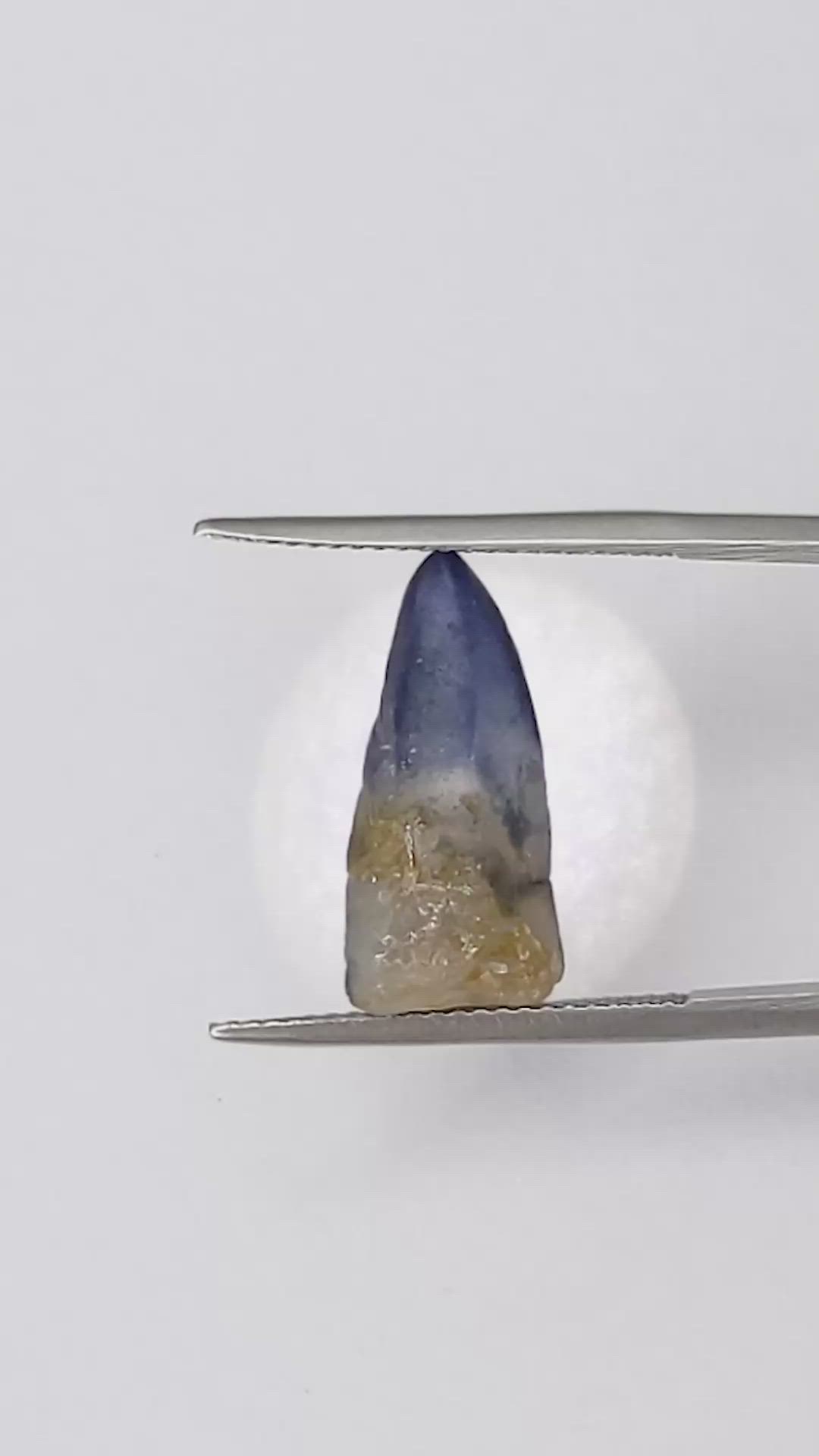
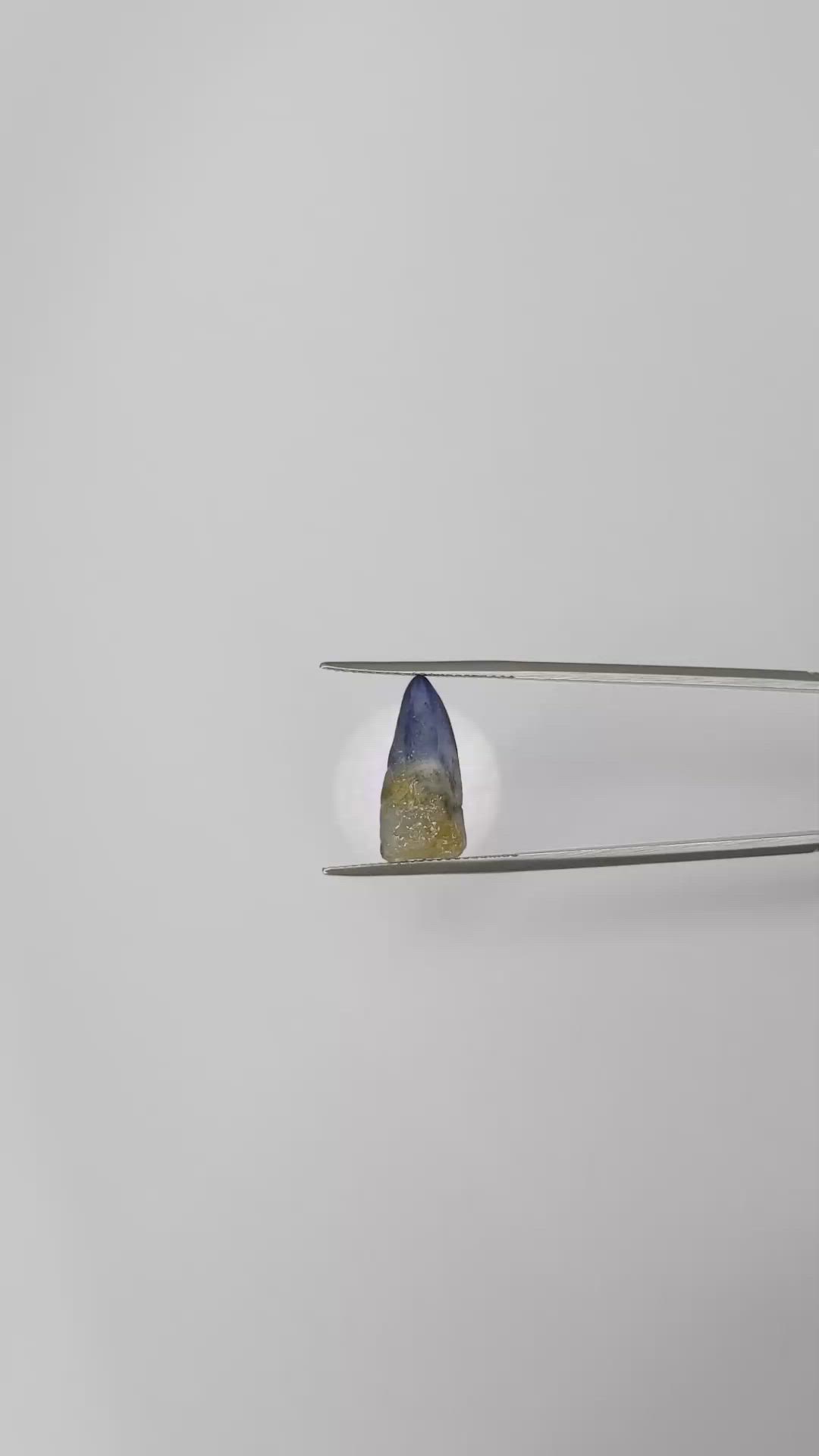
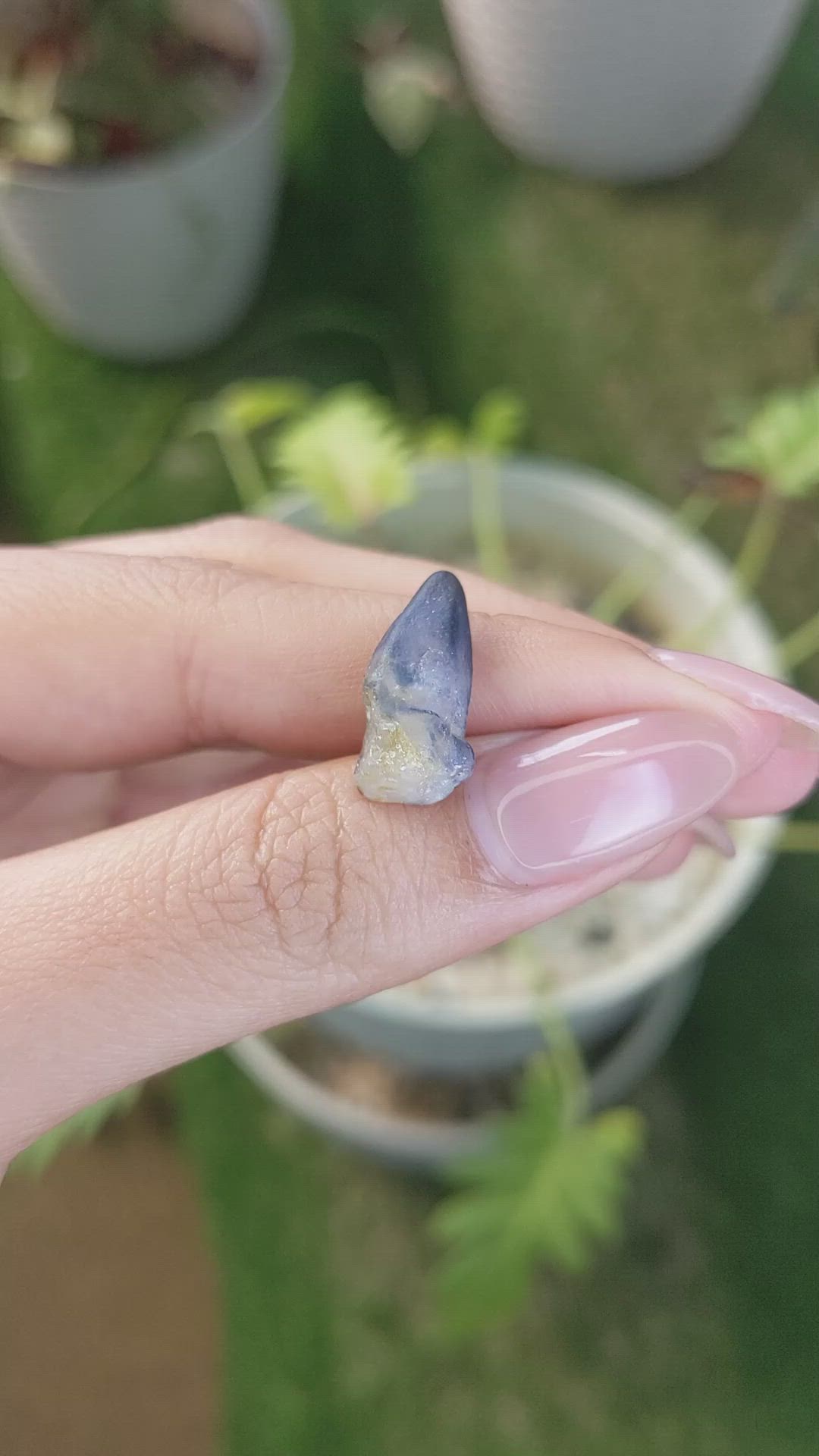
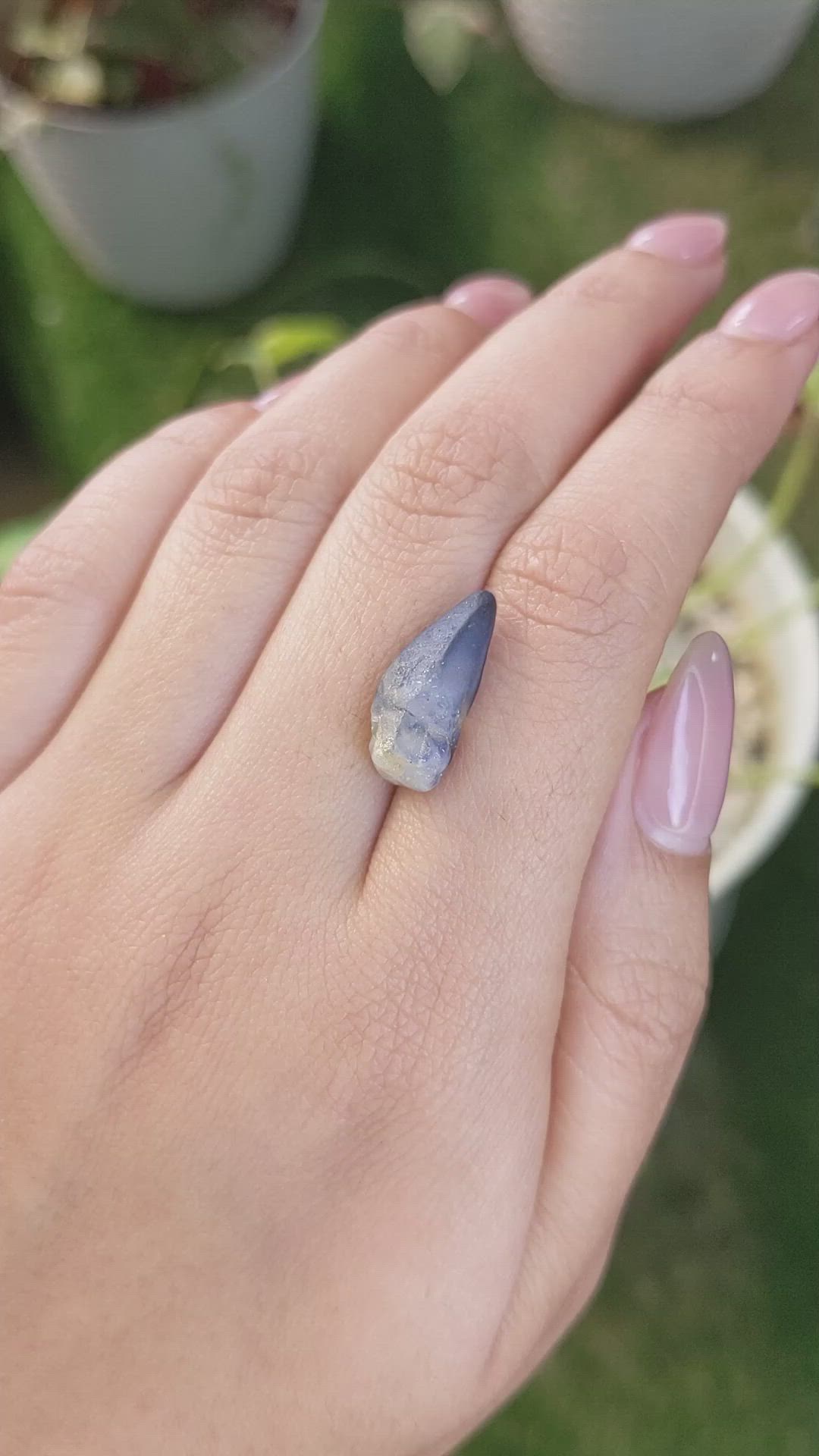
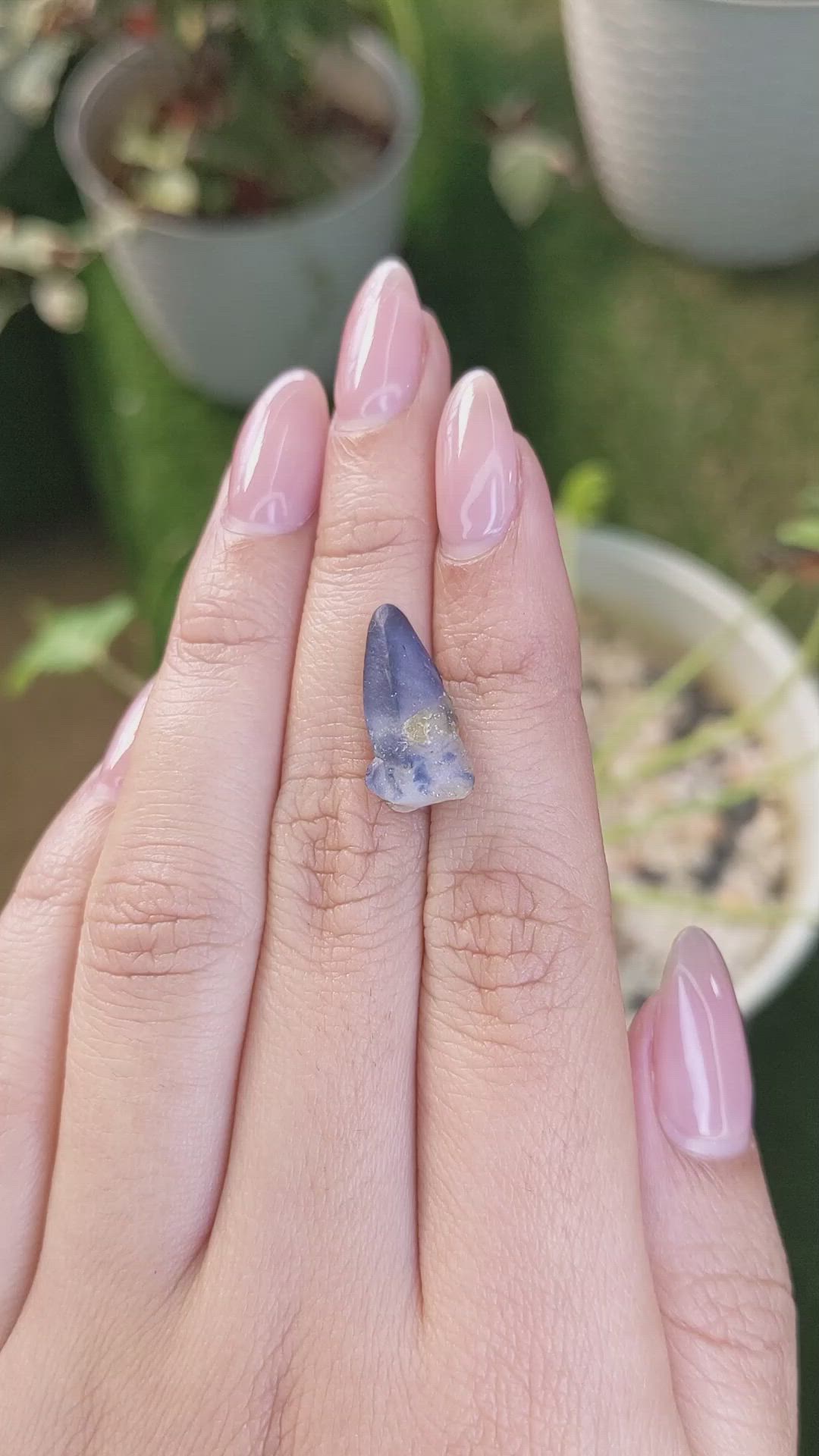
This specimen is a translucent 10.46 carat bi color sapphire from Ceylon Sri Lanka, measuring 17.79 x 8.25 x 7.80 mm, rendered in a various shape with a rough crystal cut, slightly included clarity when evaluated at eye level, medium color intensity, and an excellent polish, enhancement absent. The rough crystal cut preserves the natural termination facets and elongated profile of the crystal, creating a tapered, almost dagger like silhouette that reads as both architectural and organic, the uneven planes and natural facets offering a raw expression of corundum structure. The stone is unheated and untreated, a material characteristic that is increasingly rare in the market, and its origin in Sri Lanka situates it within a well known classical provenance that is associated with complex zoning and delicate, pastel to mid tone coloration. At 10.46 carats the mass is substantial enough to be the focal point of a statement ring or a bespoke pendant, and the dimensions give a clear indication of how the piece will occupy space on the hand or chest, informing decisions about prong placement and bezel wall heights.
Optically the sapphire exhibits a clear bi color distribution, with cooler cornflower to violet blue occupying the elongated axis and warmer yellow to near colorless zones concentrated toward the basal area, the medium color intensity providing saturation without veiling the internal texture. The translucency allows light to penetrate and scatter within the crystal, creating depth and a soft internal glow rather than a mirror like reflection, and the slightly included clarity grade must be understood as part of the aesthetic, inclusions acting as natural fingerprint that both authenticate origin and modulate light transmission. The rough crystal cut maintains irregular facet intersections, and those facets interact with the stone s natural pleochroism, so orientation in the setting will influence which tone predominates face up. The excellent polish on the external planes ensures that surface reflection is controlled, so the eye is invited into the body of the stone rather than merely reading surface glare. For collectors interested in contrasting materials, consider pairing this sapphire with White Opal as an accent gem, the White Opal s creamy translucent body and potential play of color offering a direct counterpoint to the sapphire s structured bi color field.
When set in jewelry the bi color nature becomes a tool for color harmonization with skin tone, and the choice of metal and setting geometry will define whether the blue or the yellow zone is emphasized. Against fair skin with cool undertones the cooler blue aspects will read vividly, especially in white metals such as platinum or white gold, which do not introduce additional warmth and therefore allow the blue to appear purer and brighter. For fair skin with warm undertones a thin bezel or partial bezel in rose gold will warm the satellite hues and create a flattering glow, the rose gold pulling subtle pinkish reflections from the stone s cooler face and integrating with the yellow basal zone. On medium skin tones the bi color distribution creates dynamic contrast, the cooler axis providing crispness while the warmer base harmonizes with natural warmth, yellow gold settings will enhance the basal tones and create a vintage aesthetic, while a mixed metal design will allow the wearer to shift emphasis by tilting the finger or pendant, literally choosing which color to foreground.
On olive and deeper skin tones the medium intensity coloration of this sapphire becomes particularly legible, the blue axis appearing saturated without becoming overly dark, and the yellow zone offering luminous highlights that pop against richer complexions. A prong mounted design that elevates the stone will allow light to enter from multiple angles, maximizing the visibility of both color zones, whereas a low profile bezel will emphasize the tactile, sculptural quality of the rough crystal cut and protect the slightly included girdle areas. For clients seeking contrast and light play, positioning a White Opal as a halo or side stone creates a dialog between the opal s soft luminescence and the sapphire s sharper chroma, the opal s white body color functioning as a reflector that can brighten the yellow facet and add spectral flashes that shift the perceived color balance. For understated elegance, a single stone ring in a warm yellow gold channel setting will make the yellow basal region act as a warm anchor against the skin, while the blue axis reads as a cooler accent that prevents the composition from becoming monochromatic.
From a craftsmanship perspective the rough crystal cut demands bespoke mounting methods that respect natural terminations and internal stresses, and it requires precision in seat cutting to avoid imposing torque on the stone during setting. The stone s slightly included clarity suggests that girdle and pavilion integrity must be assessed during the design phase, and the excellent polish facilitates tight seat tolerances and strong mechanical security without necessitating heavy reworking of the surface. Because the sapphire is unenhanced and of Ceylon origin, The Natural Sapphire Company recommends hand fabricated settings that use minimal adhesives and avoid overly forceful bezel compression, prongs should be positioned to both showcase the bi color gradient and to distribute pressure away from inclusion planes. For designers and connoisseurs who value authenticity, this sapphire presents a rare opportunity to work with a natural, untreated corundum that pairs beautifully with White Opal accents, and The Natural Sapphire Company is available to advise on orientation, complementary metal selection, and the exact mounting strategy that will maximize both beauty and durability.


