
- Stone11
- Reports3
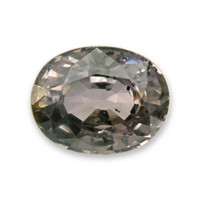
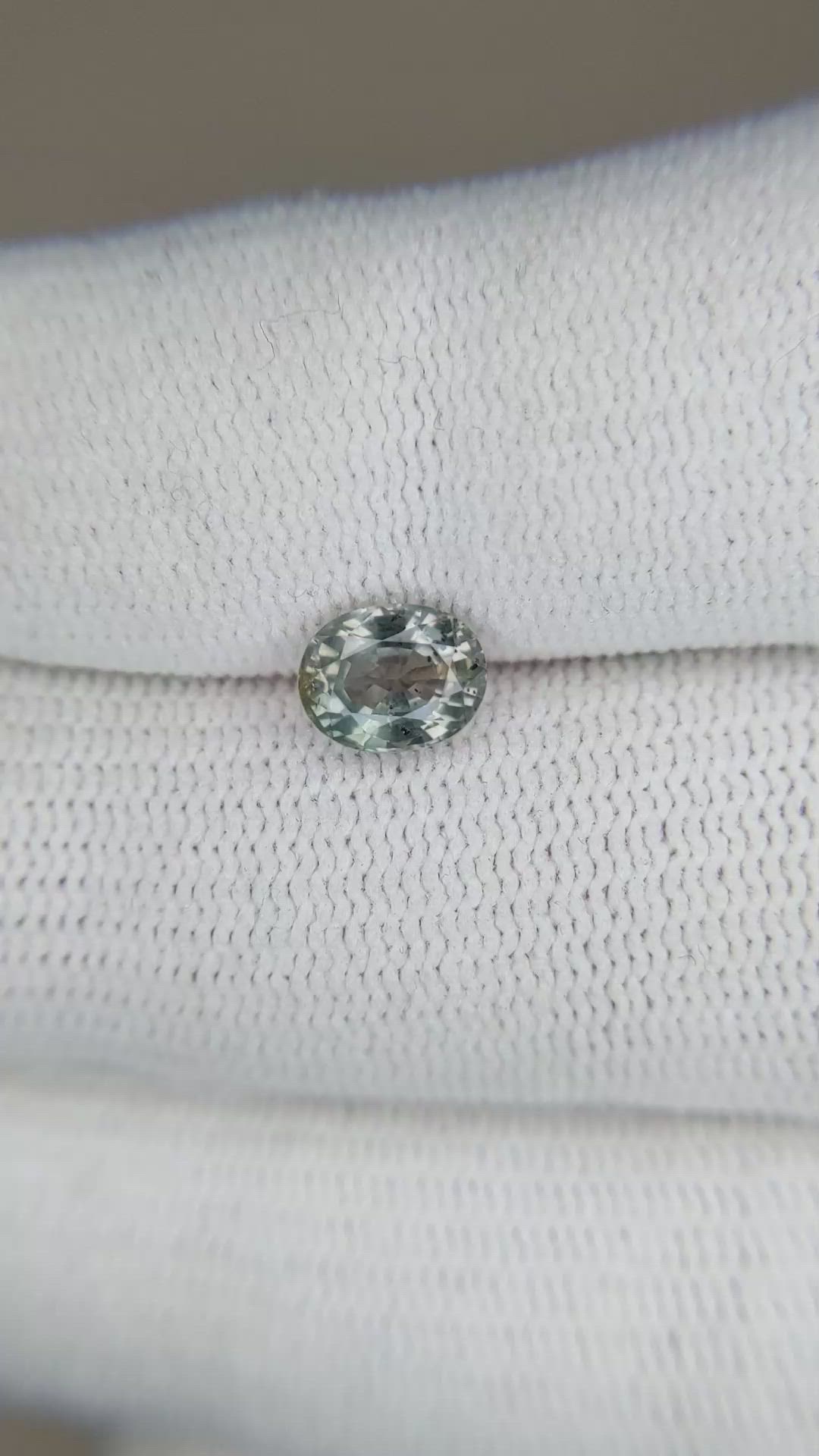
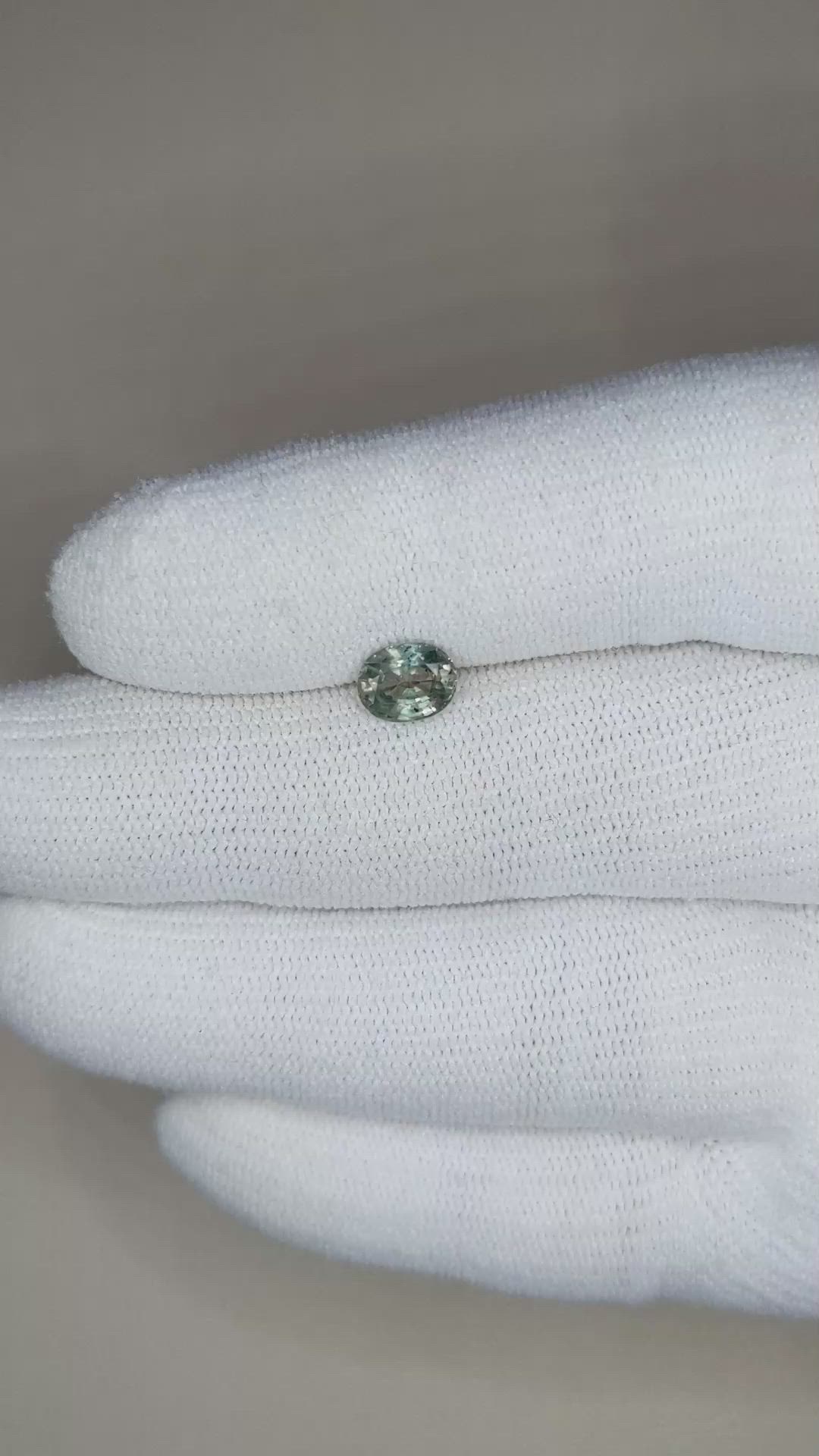
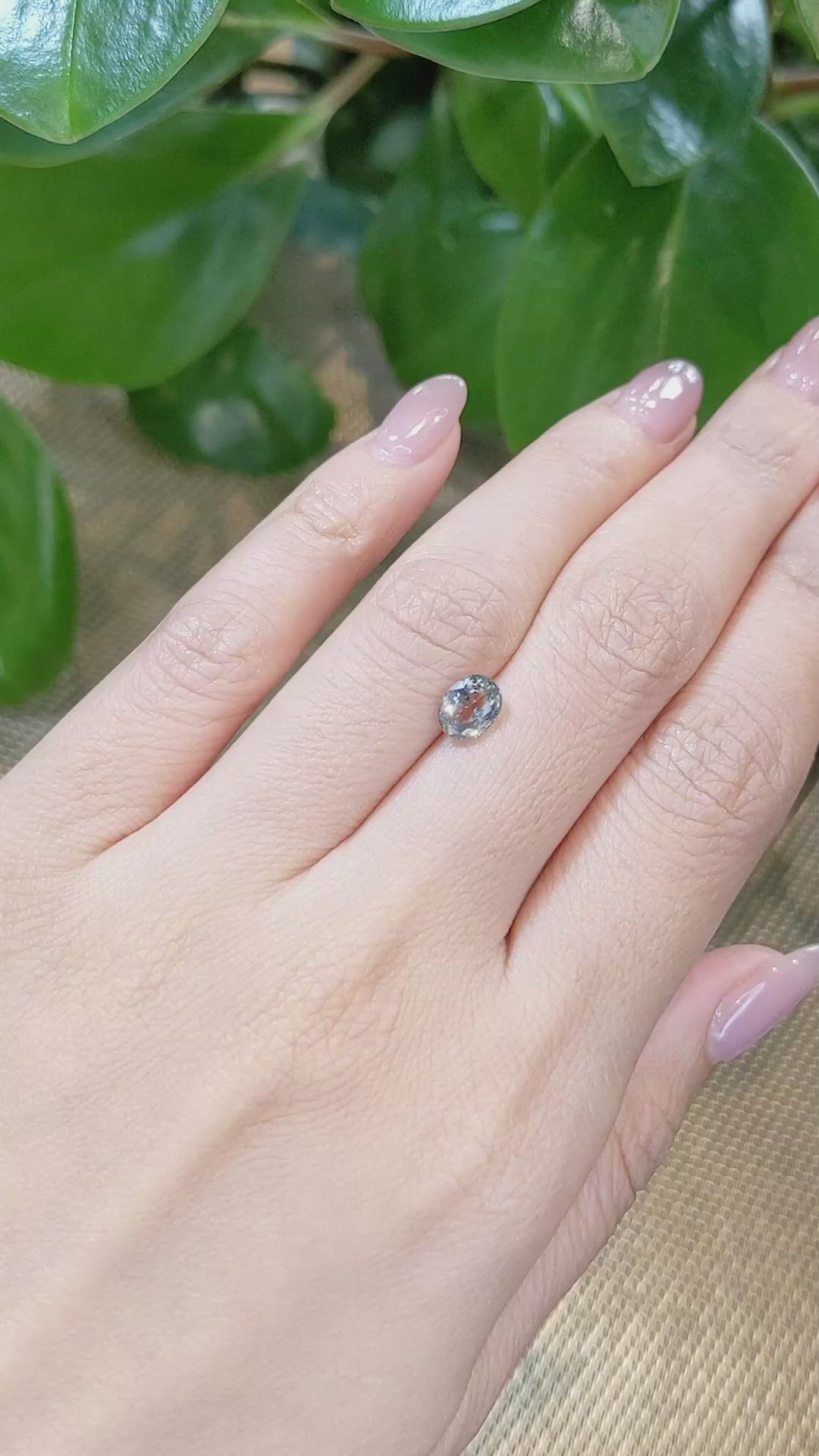

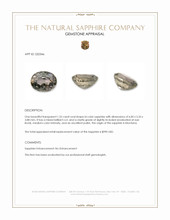
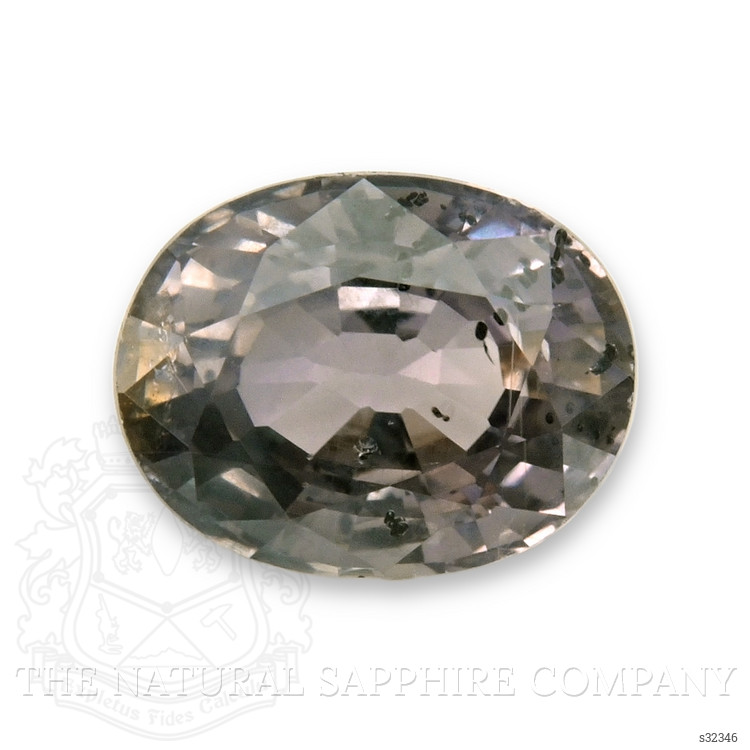

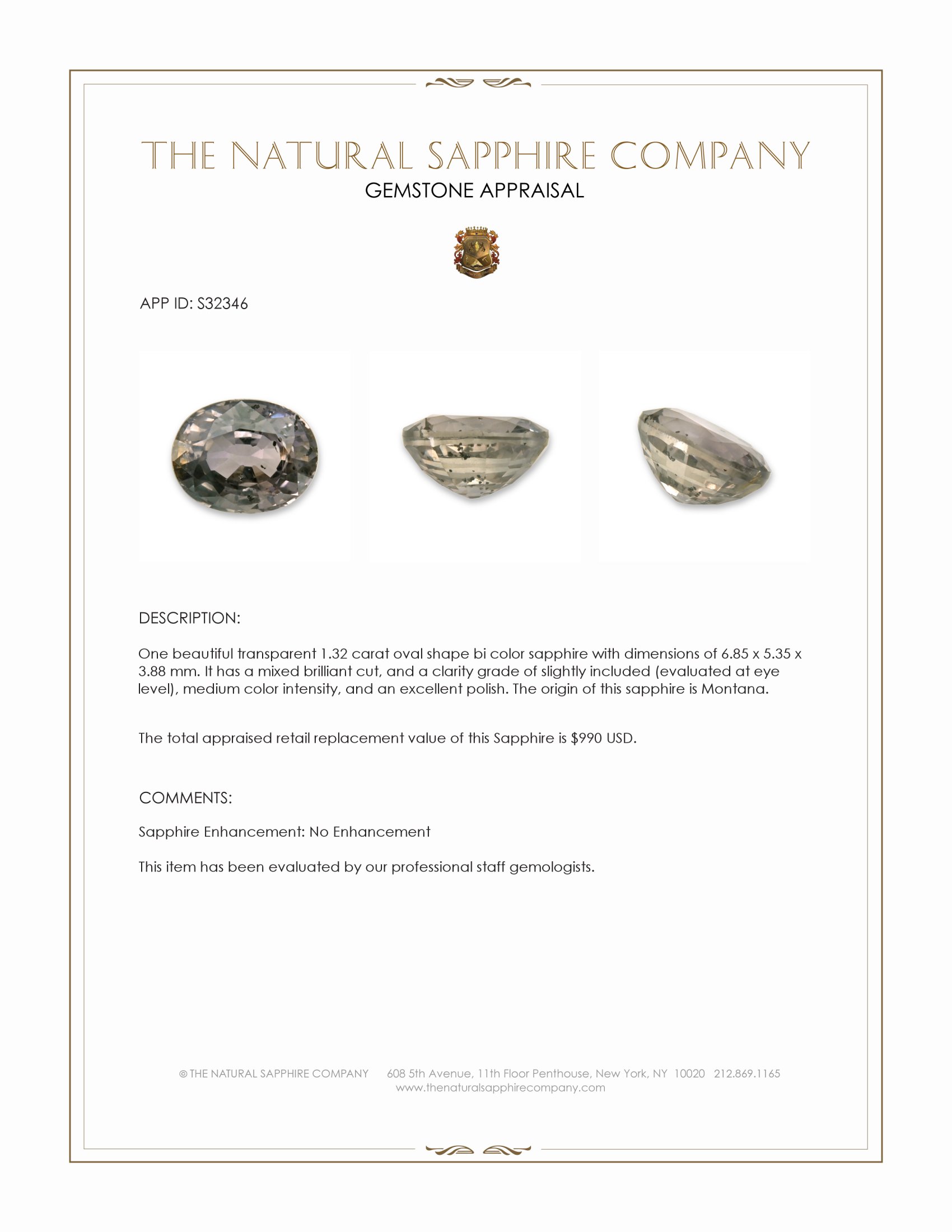
1.32 Ct. Bi Color Sapphire from Montana
This loose stone is available to ship now
Item ID: | S32346 |
|---|---|
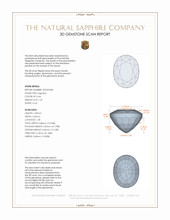
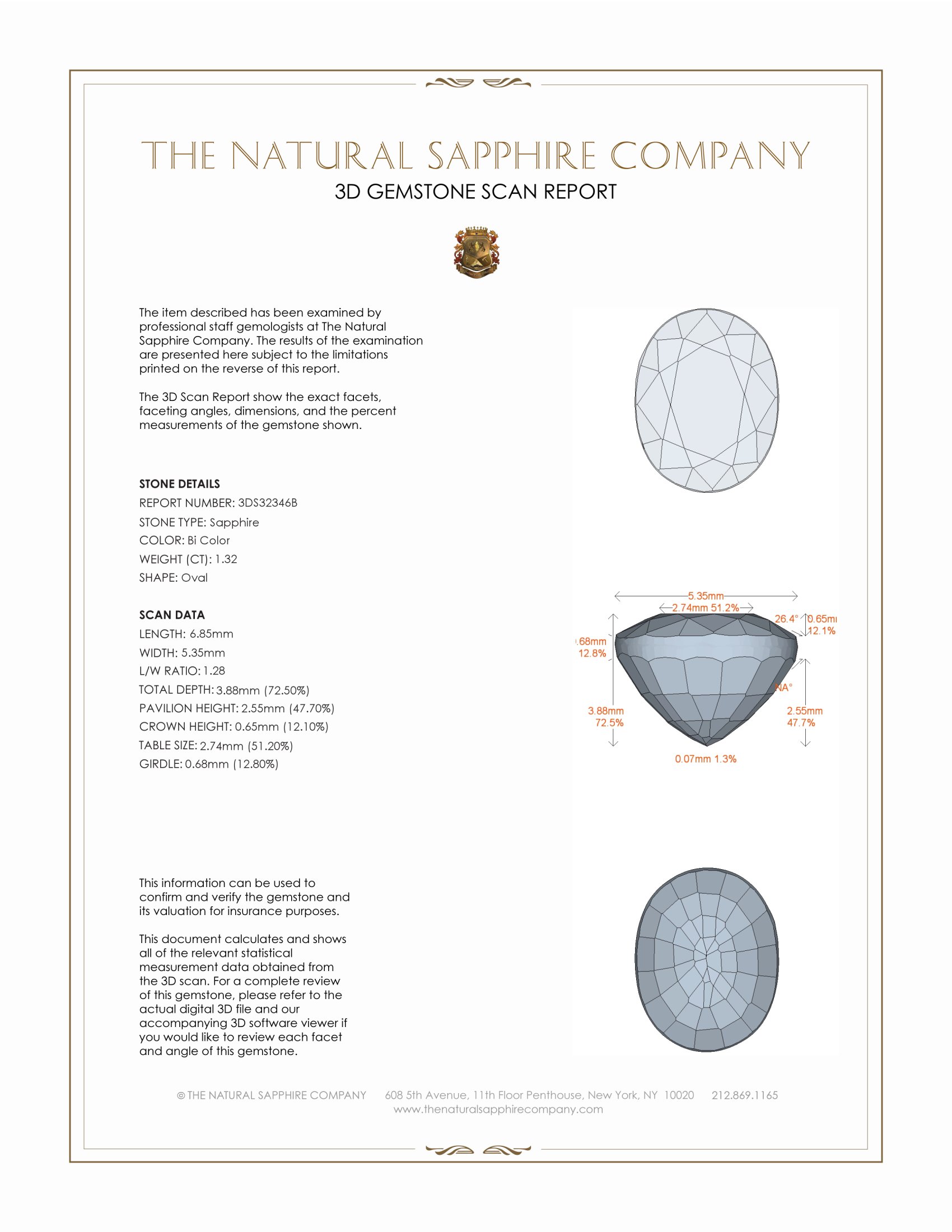
Dimensions (MM): help | Length: 6.85 Width: 5.35 Height: 3.88 |
Weight: | 1.32 Ct. |
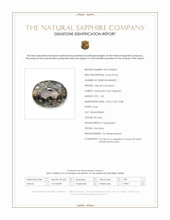
Color: help | Bi Color |
Color intensity: help | Medium |
Clarity: help | Slightly Included |
Shape: help | Oval |
Cut: | Mixed Brilliant |
Cutting style: | Faceted |
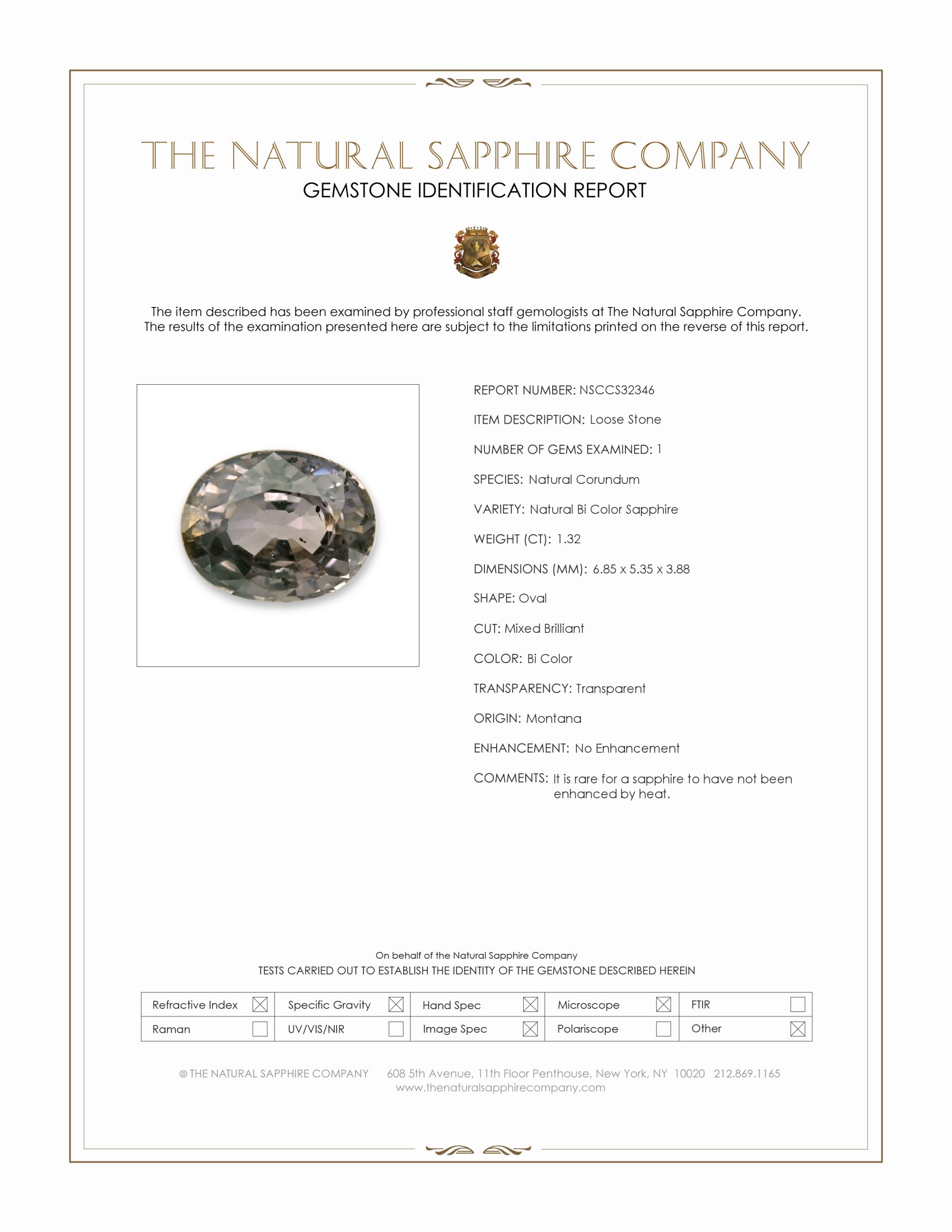
Enhancements: help | No Enhancement |
Origin: help | Montana |
Per carat price: help | $750 |
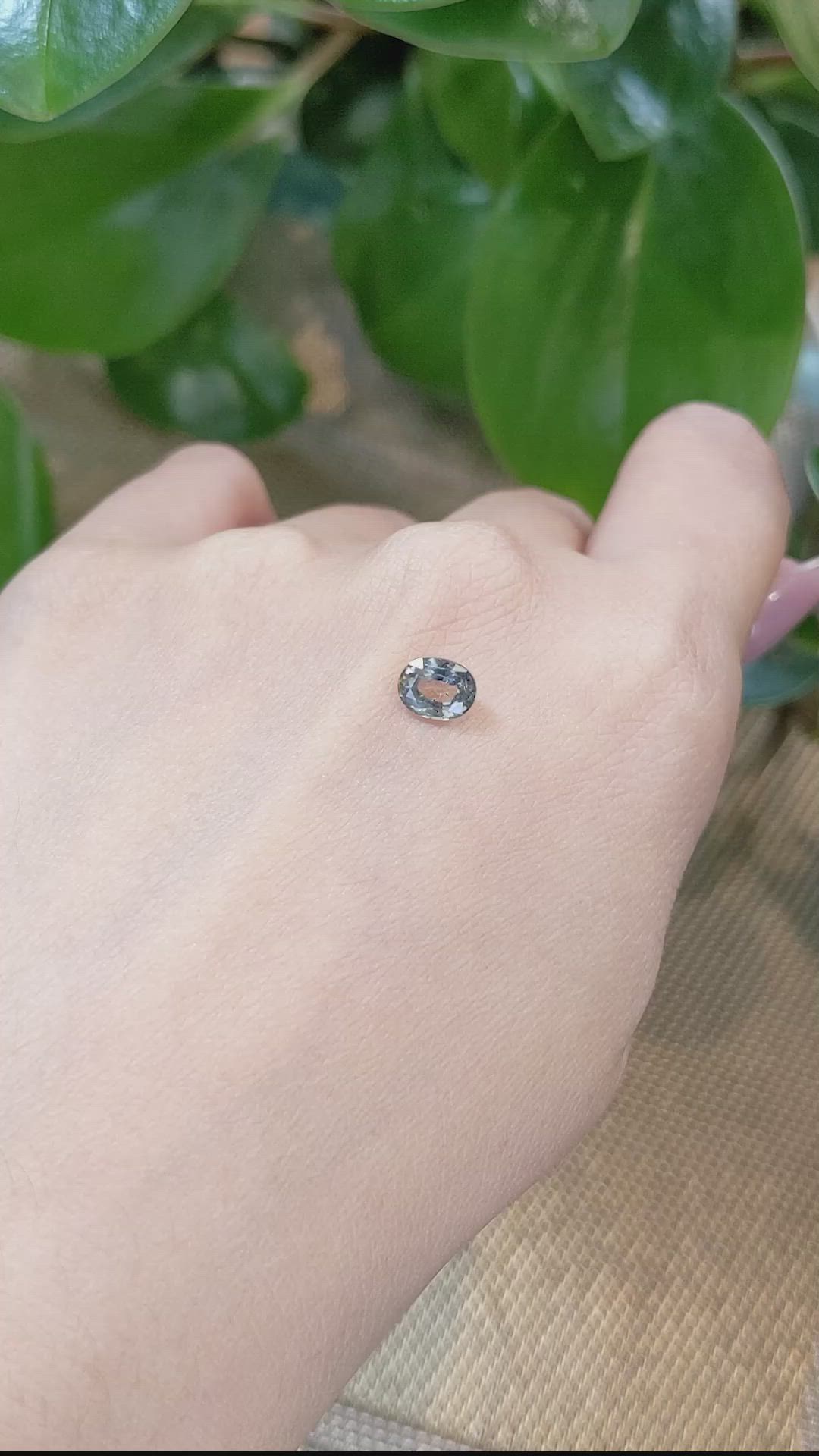
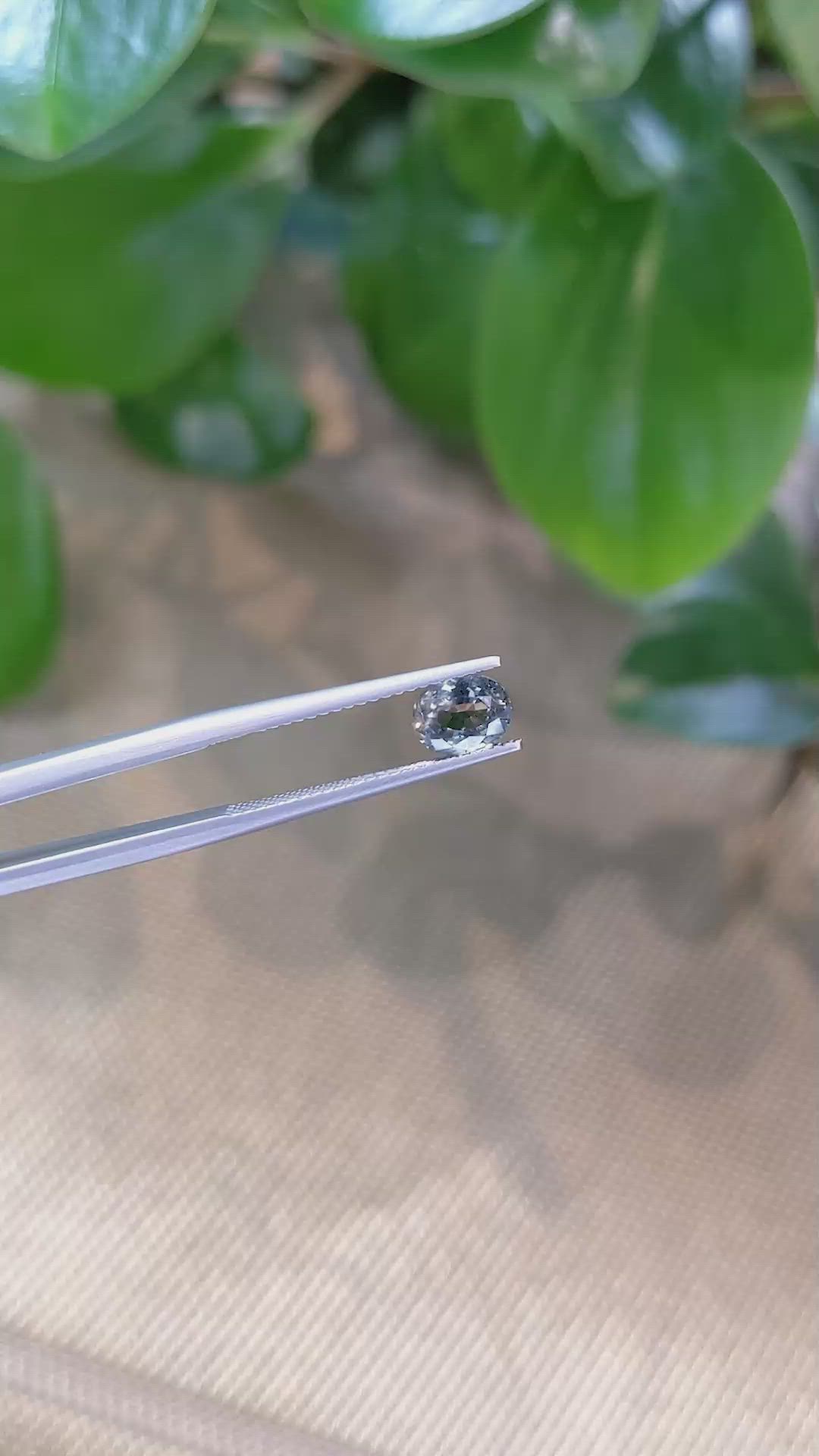
This specimen is a transparent 1.32 carat oval bi color sapphire, measuring 6.85 by 5.35 by 3.88 millimeters, with a length to width ratio of approximately 1.28, which produces a slightly elongated oval silhouette on the finger. The gem is cut in a mixed brilliant style, with a brilliant faceted crown and a step influenced pavilion configuration, a deliberate choice to balance strong light return with controlled color dispersion. The mixed brilliant faceting concentrates sparkle through the table while the stepped pavilion planes preserve and reveal the stone s internal color zoning, making the bi color character apparent as the stone is rotated. Clarity is graded slightly included at eye level, indicating localized crystal inclusions that are visible upon careful inspection but do not materially affect the optical performance when set. Color intensity is medium, enabling the bi color transition to remain subtle yet detectable, and the polish is excellent, giving crisp facet junctions and high surface luster. Enhancement state is none, the sapphire is untreated, and the material traces to Montana, a provenance noted for producing parti colored and pastel tone corundum with distinctive natural zoning.
From a lapidary perspective the cutter optimized facet angles to the actual crystal orientation and inclusion pattern, a necessary practice when working with Montana rough that often exhibits irregular growth zoning. The choice of a mixed brilliant cut was intentional to exploit the stone s pleochroic axes, with the crown s brilliant facets arranged to maximize scintillation and the pavilion s modified step facets aligned to enhance the bi color separation. The 3.88 millimeter depth delivers a pavilion proportion that supports efficient internal reflection, minimizing light leakage and preserving visual weight for a 1.32 carat size. Slight inclusions, typical of natural Montana sapphires, include small crystals and fine needles that can create internal texture and a subtle character to the gem when light traverses the pavilion, rather than being considered a detriment. The excellent polish ensures that those inclusions are seen through clean facet windows, and not accentuated by surface abrasion. For customers who prioritize integrity of origin and natural materials, the untreated state is significant, because it means the crystal lattice has not been altered by heat or diffusion processes, preserving the stone s original hue distribution and natural development.
When compared to lab grown sapphires there are several technical distinctions that experienced buyers value. Both natural and lab grown corundum share hardness and many bulk physical properties, but their growth histories produce different internal fabrics. Natural Montana sapphires exhibit complex growth zoning, mineral inclusions, and stress patterns that are diagnostic under magnification and spectroscopy, while laboratory processes tend to produce more homogeneous color and characteristic synthetic growth features such as curved growth striae, flux residues, or distinctive seed plates depending on the synthesis method. Trace element chemistry and spectroscopic signatures differ as well, natural stones commonly display a nuanced mix of iron, titanium, and other trace elements arranged in zoning patterns that contribute to bi color effects, whereas lab grown material frequently shows more uniform trace element distribution. From a market and connoisseur perspective, a natural, untreated Montana sapphire carries provenance and rarity that support long term desirability and often stronger resale performance. The tactile and visual complexity of natural inclusions and zoning cannot be fully replicated in the lab, giving each natural piece an individual character that is valued by collectors and designers alike.
At The Natural Sapphire Company we emphasize the technical provenance and lapidary quality of each untreated gemstone. This 1.32 carat oval Montana sapphire is a clear example of why collectors seek natural bi color material, due to its authentic growth structures, balanced mixed brilliant faceting, and medium color intensity that together create a stone with subtle dynamism and verified natural origin. For a connoisseur who appreciates the interplay between facet architecture and intrinsic crystal zoning, and who prefers untreated, traceable material, this sapphire presents a compelling option for a bespoke engagement ring, a signature pendant, or as the centerpiece of a collector s cabinet.


