
- Stone14
- Reports3


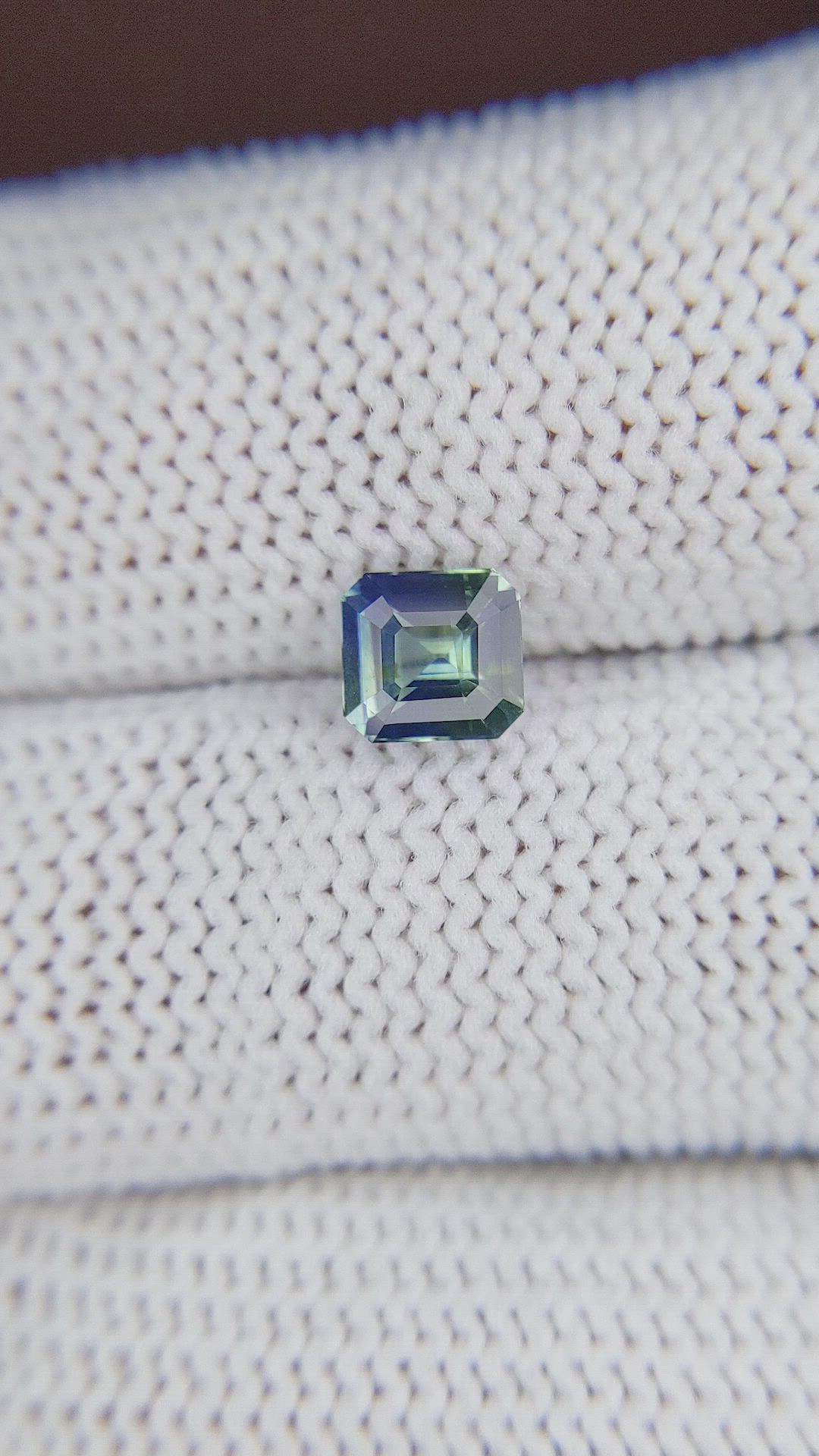
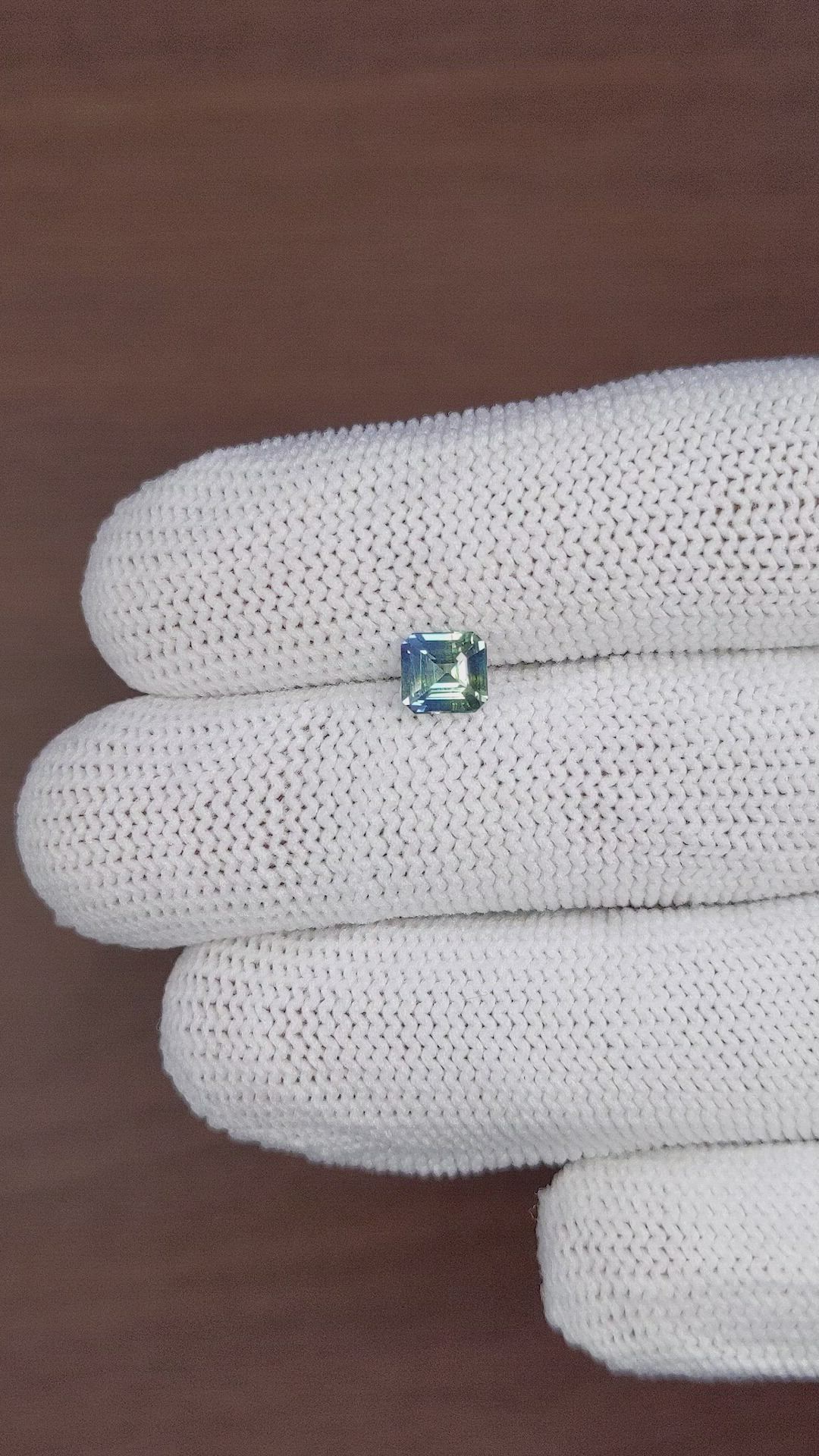
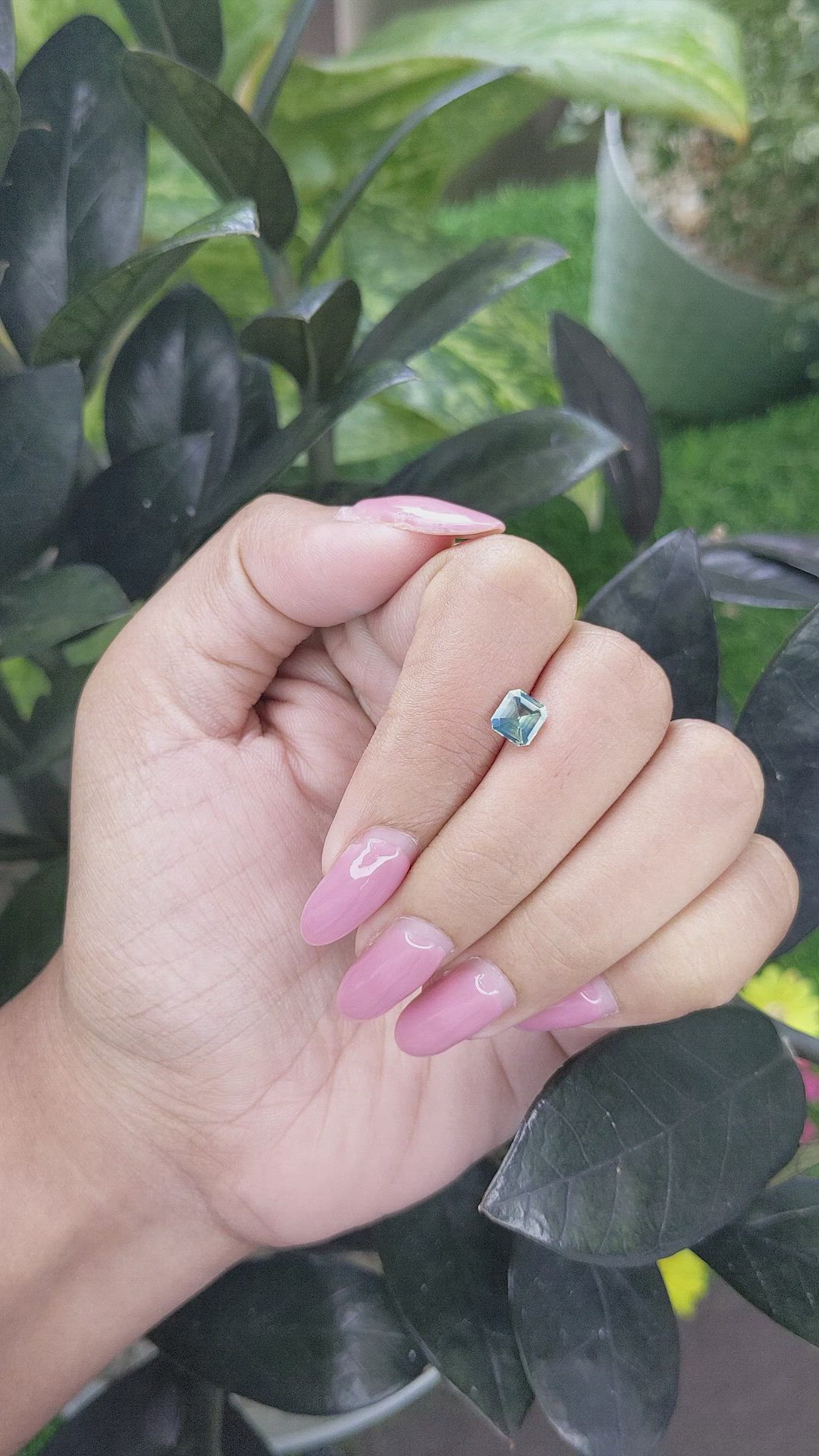
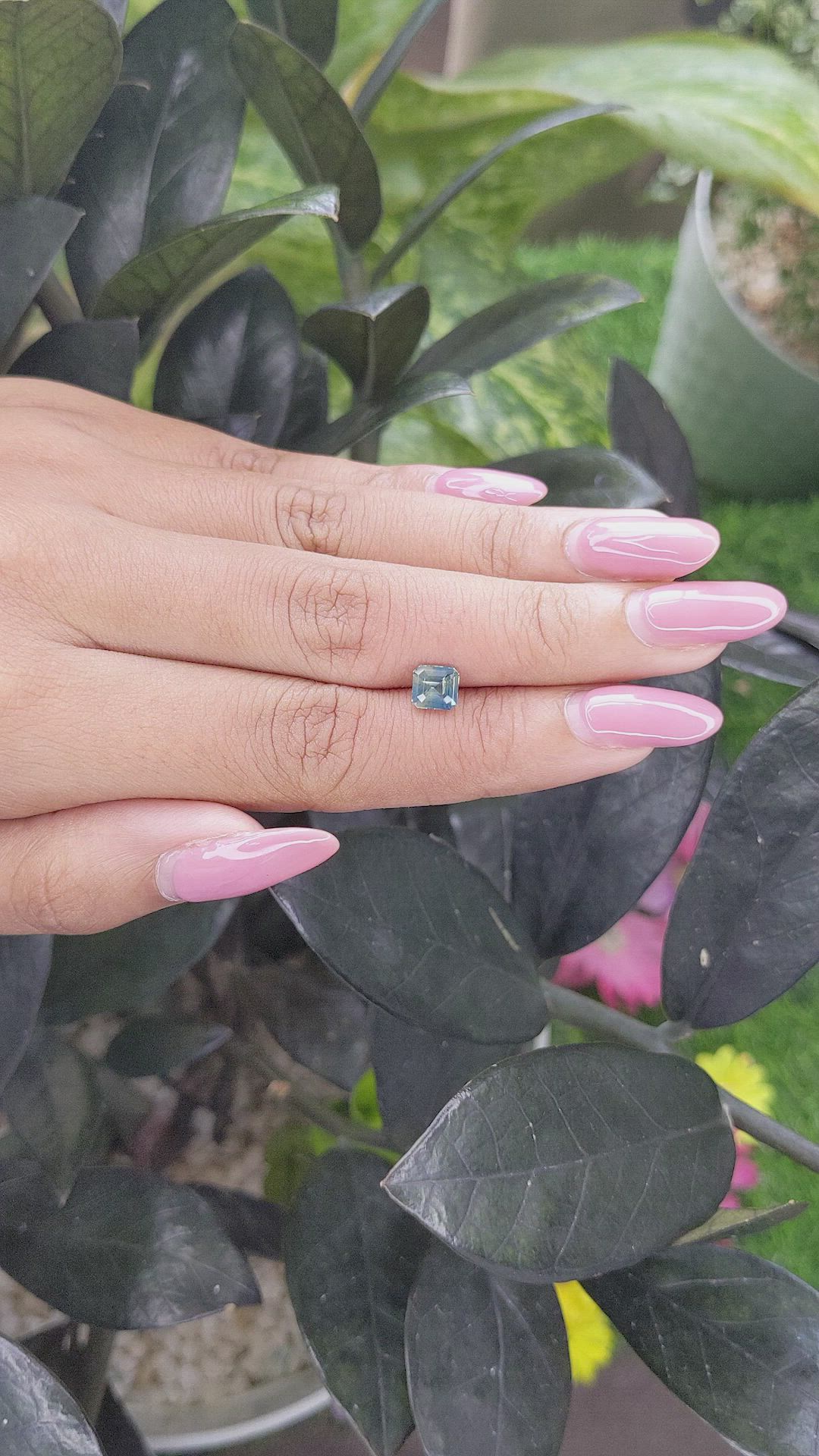
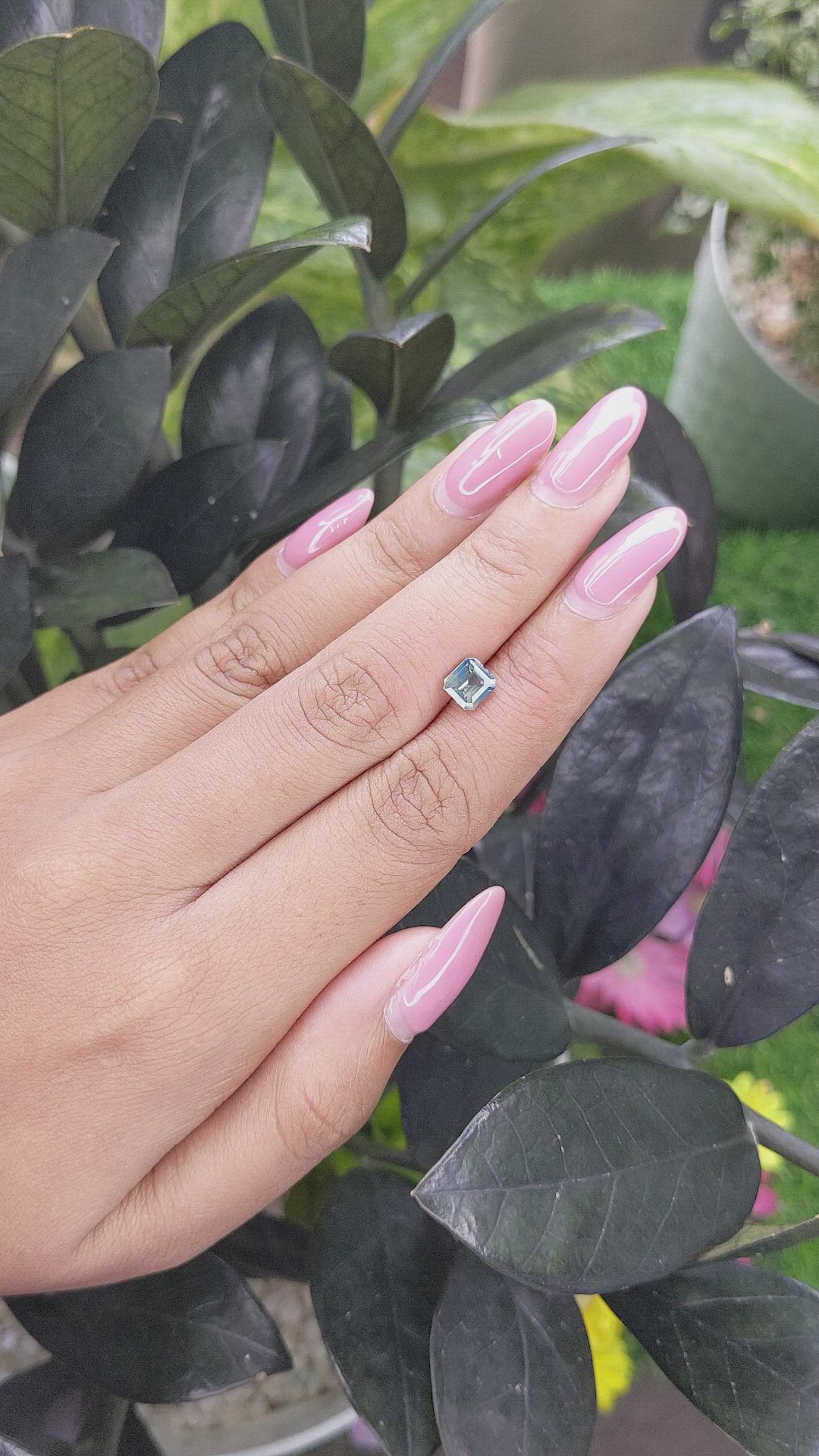


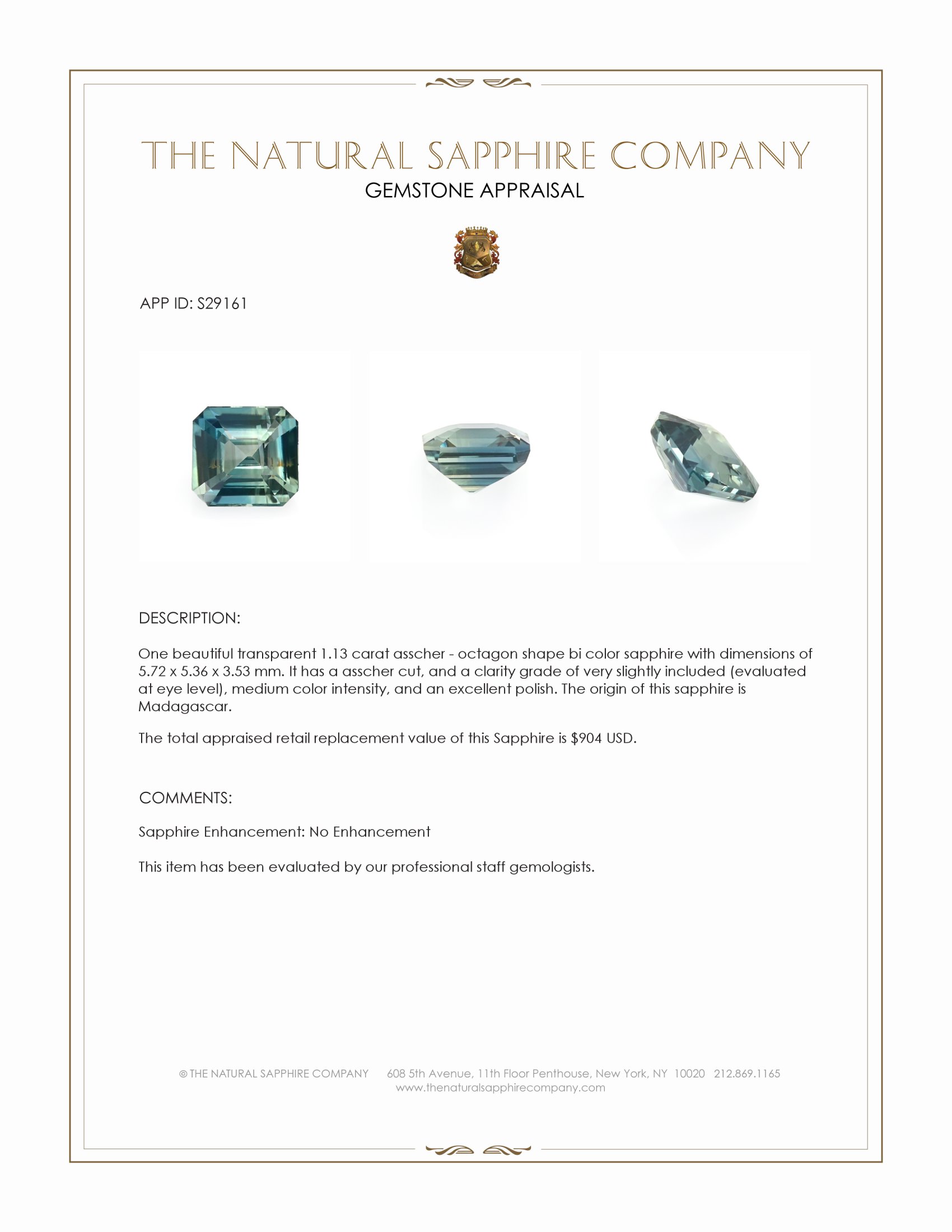
1.13 Ct. Bi Color Sapphire from Madagascar
This loose stone ships by Feb 27
Item ID: | S29161 |
|---|---|
Dimensions (MM): help | Length: 5.72 Width: 5.36 Height: 3.53 |
Weight: | 1.13 Ct. |
Color: help | Bi Color |
Color intensity: help | Medium |
Clarity: help | Very Slightly Included |
Shape: help | Asscher - Octagon |
Cut: | Asscher |
Cutting style: | Faceted |
Enhancements: help | No Enhancement |
Origin: help | Madagascar |
Per carat price: help | $800 |
At first glance this transparent 1.13 carat asscher octagon shape bi color sapphire presents a rare combination of classical geometry and natural character, from The Natural Sapphire Company. Its asscher cut emphasizes clean step facets and an architectural hall of mirrors that is more commonly seen in celebrated diamonds than in sapphires, and that choice of cut makes this gem immediately distinct from the round brilliants and mixed cuts you see elsewhere. Dimensions of 5.72 x 5.36 x 3.53 mm place it in a perfect size range for a refined ring or a pendant that commands attention without overwhelming the wearer. The clarity grade of very slightly included, evaluated at eye level, paired with excellent polish, gives the stone a clarity and surface finish that invites inspection, revealing the bi color nature in a way that many heavily included or treated sapphires cannot match. Originating in Madagascar, and with no enhancement, this sapphire carries the assurance of natural formation and the desirability of an untreated gem, which is increasingly rare in the market.
When you compare this gem to famous sapphires of history, its virtues become clearer, rather than competing on mass, it competes on character and provenance. The Logan Sapphire is famed for its cornflower blue size and presence, and the Bismarck Sapphire for its storied provenance and deep color, both iconic for saturated single tone hues. By contrast this bi color sapphire offers a two toned personality that interacts with light, shifting focus between its hues as the stone moves. Where a Kashmir sapphire stands out for its velvety, concentrated blue, and a Burmese royal blue is prized for intensity and saturation, this Madagascar sapphire celebrates nuance, transparency, and the interplay of tone. Its bi color nature creates visual interest on every glance, like a miniature drama of hue that is closer in spirit to the rare color dynamics seen in famous change stones, yet it retains the stable, wearable color appeal of a sapphire.
Value is not measured only in size or historical fame, it is measured in rarity of combination, and in practical beauty that works in jewelry. This sapphire is transparent, which is a distinguishing advantage over many large historical pieces that owe much of their perceived majesty to depth and saturation but also to clouding and inclusions that reduce brilliance. The asscher cut takes advantage of transparency by creating broad step facets that reflect the bi color zoning as planes of light, offering a refined, almost architectural sparkle that is different from a scintillating brilliant cut. Because it is unheated and bears no enhancement, its natural color and texture are intact, making it an ethical and geological statement piece. In the context of market alternatives, an untreated 1.13 carat sapphire with excellent polish from Madagascar, cut in an asscher octagon, represents a rare intersection of collector appeal and everyday elegance, it offers a more sophisticated and conversation provoking option than a treated stone of greater size or a conventionally cut sapphire.
Beyond technical specifications, the emotional and historical resonance of a gem influences desirability. Famous gems such as the Star of India are celebrated for singular features like the star effect, while the Koh i Noor and other royal gems are linked to legend and power. Your choice can echo those stories without mirroring them, by embracing a different kind of rarity. This stone is a wearable jewel that invites storytelling, its bi color play reminiscent of the layered histories of famous gems, yet it is modern in its cut and honesty. The asscher shape evokes the Art Deco era, a period when faceting choices defined style and narrative, and this sapphire brings that heritage into the present with a gemstone that is both a nod to history and a fresh expression of natural beauty. The Natural Sapphire Company presents this piece as a curated alternative to the usual choices, aimed at buyers who value provenance, untreated purity, and a design that highlights natural character.
For those who are considering this sapphire for an engagement ring, a bespoke jewelry commission, or as part of a fine collection, practical benefits translate into lasting satisfaction. The size is substantial enough to make a statement, while the asscher octagon silhouette is less common in sapphire jewelry, offering distinction without sacrificing classic elegance. The medium color intensity ensures versatility with metals and settings, and the excellent polish ensures that the stone will catch and reflect light beautifully over time. Compared to famous sapphires that are often museum pieces and therefore inaccessible, this gem offers an attainable piece of rarity, complete with traceable Madagascar origin, clarity at eye level that enhances daily wearability, and the assurance of no enhancement. For collectors and style conscious buyers alike, this sapphire from The Natural Sapphire Company represents a compelling balance of historical reference, technical quality, and unique natural character, it is a jewel that rewards both visual appreciation and informed collecting.


