
- Stone14
- Reports3


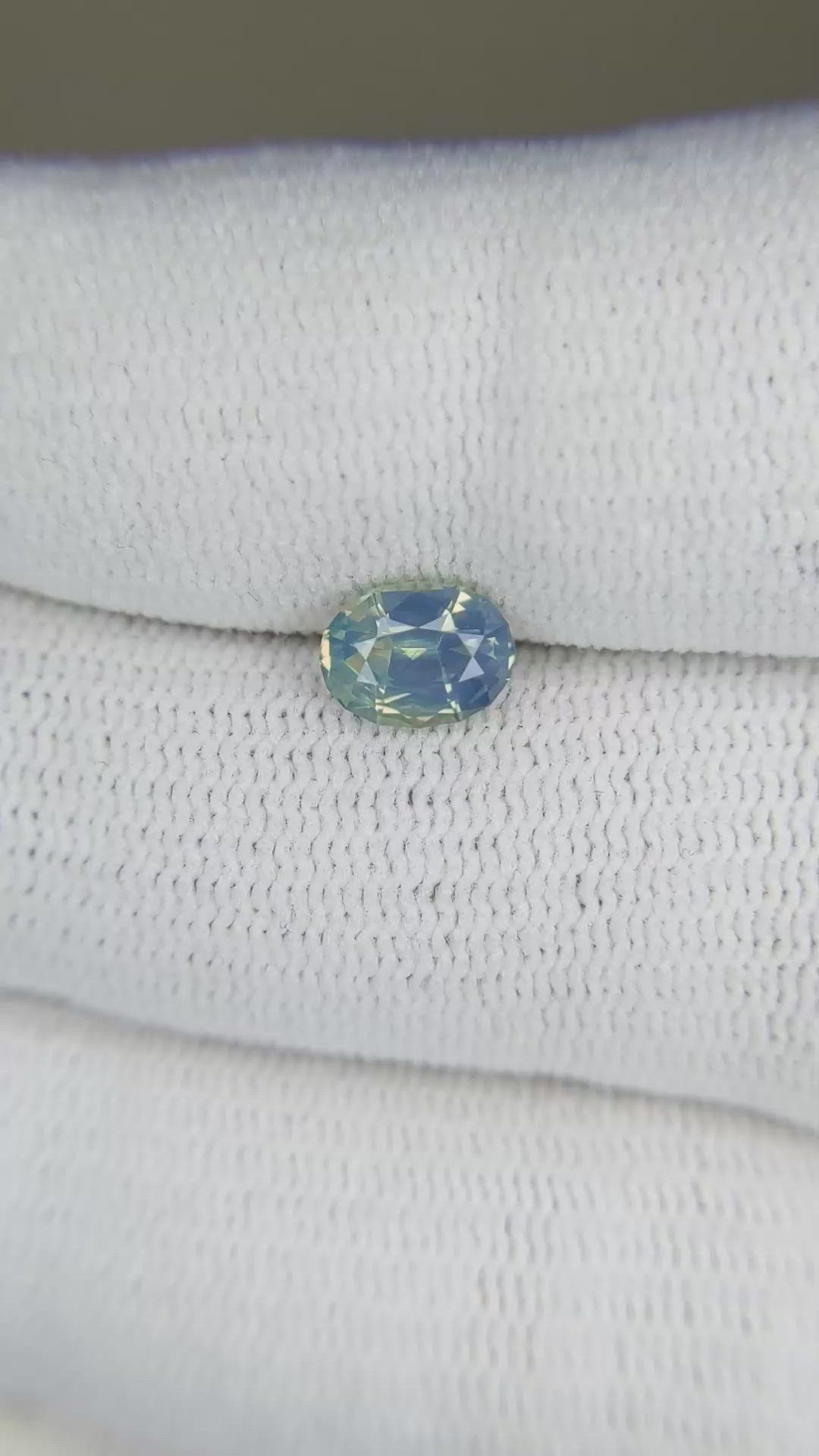
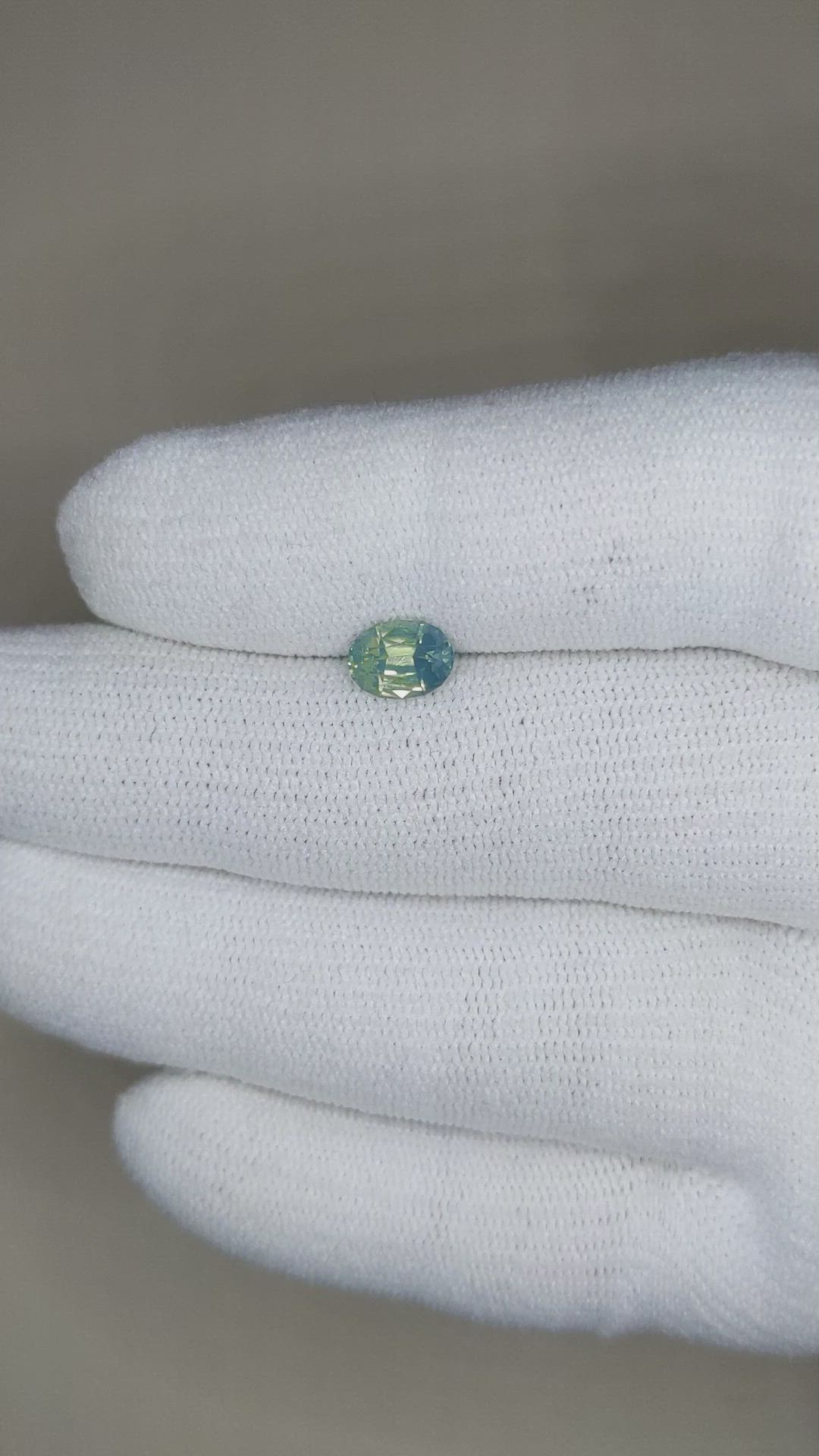
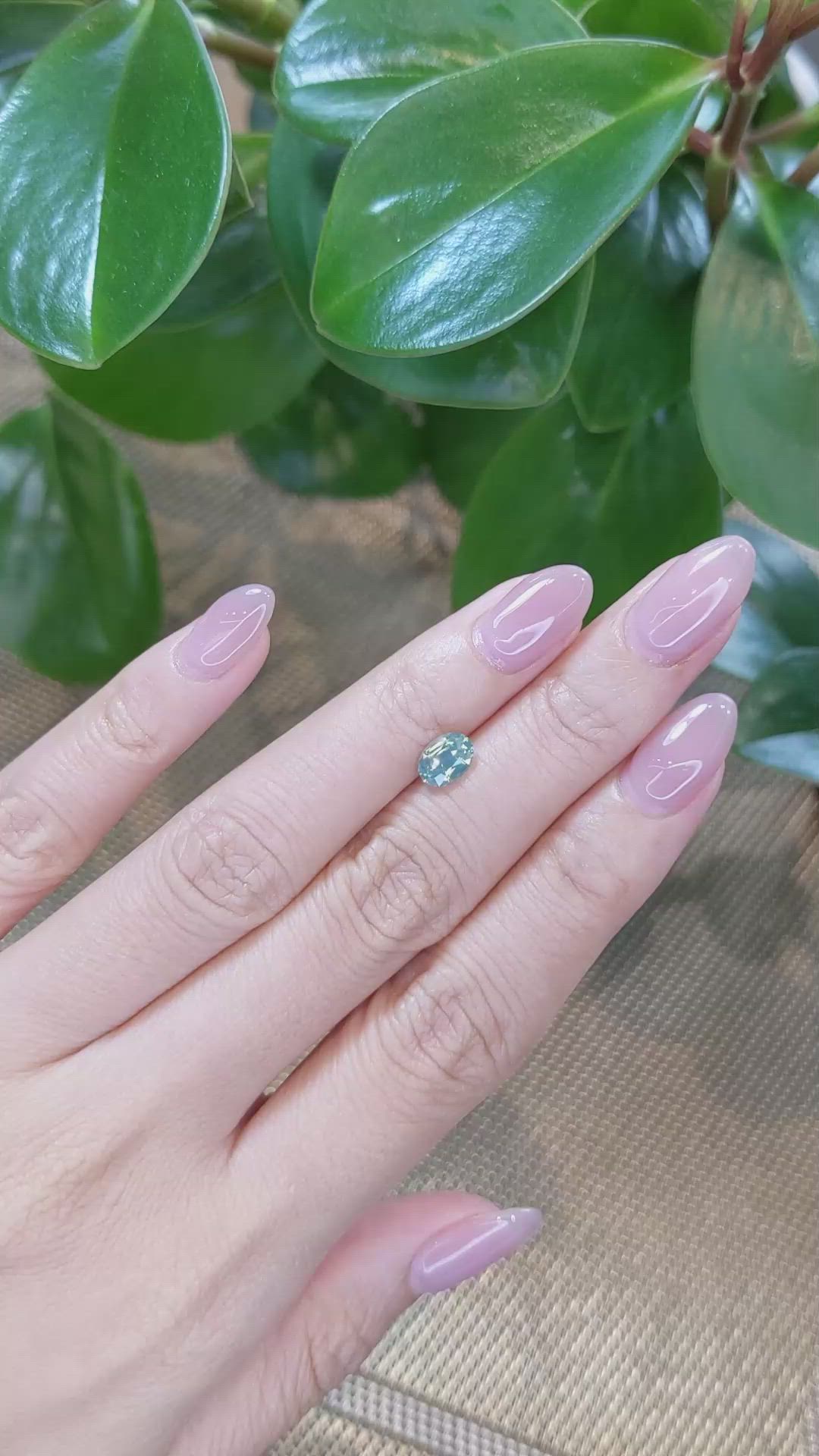
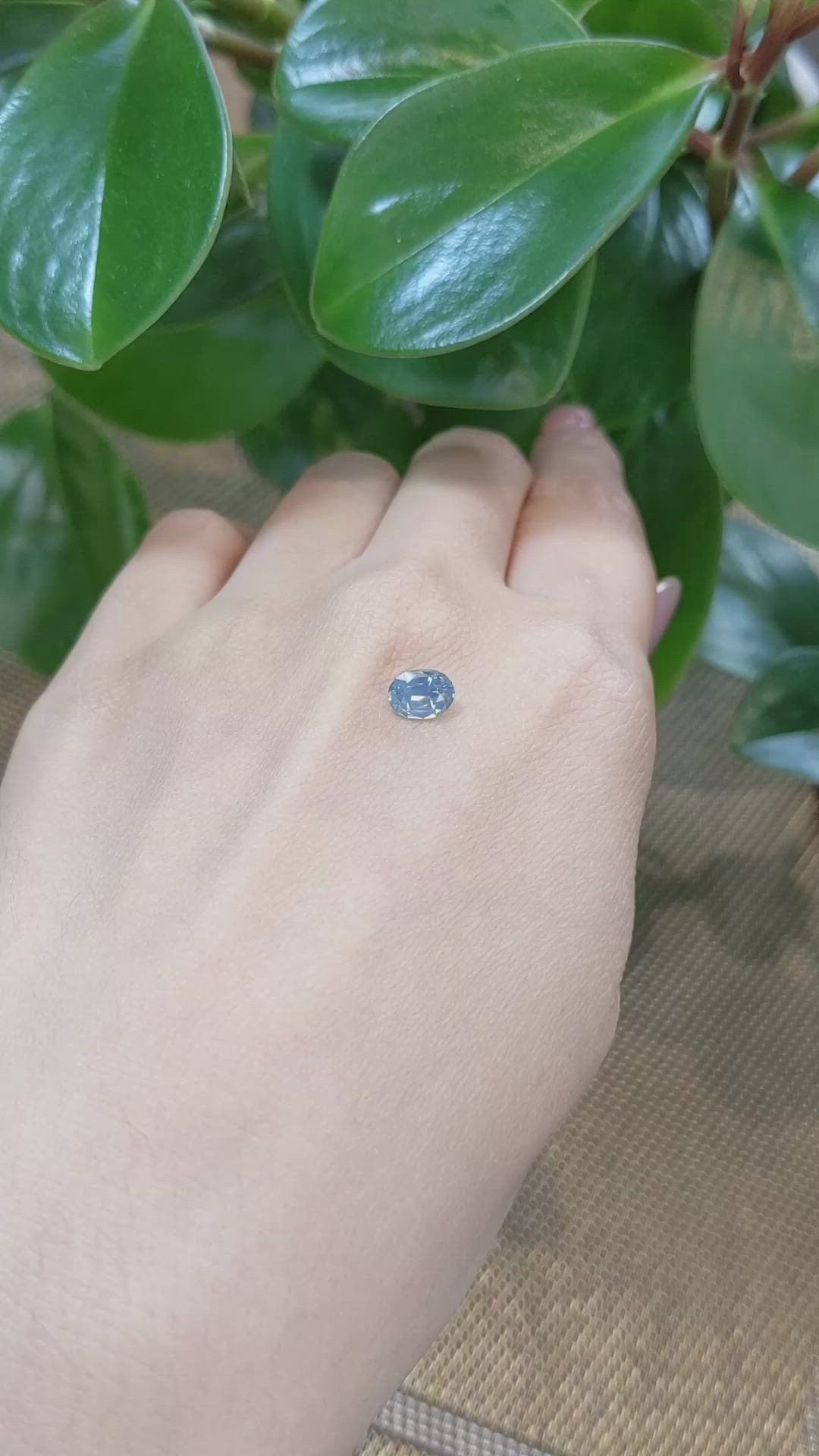
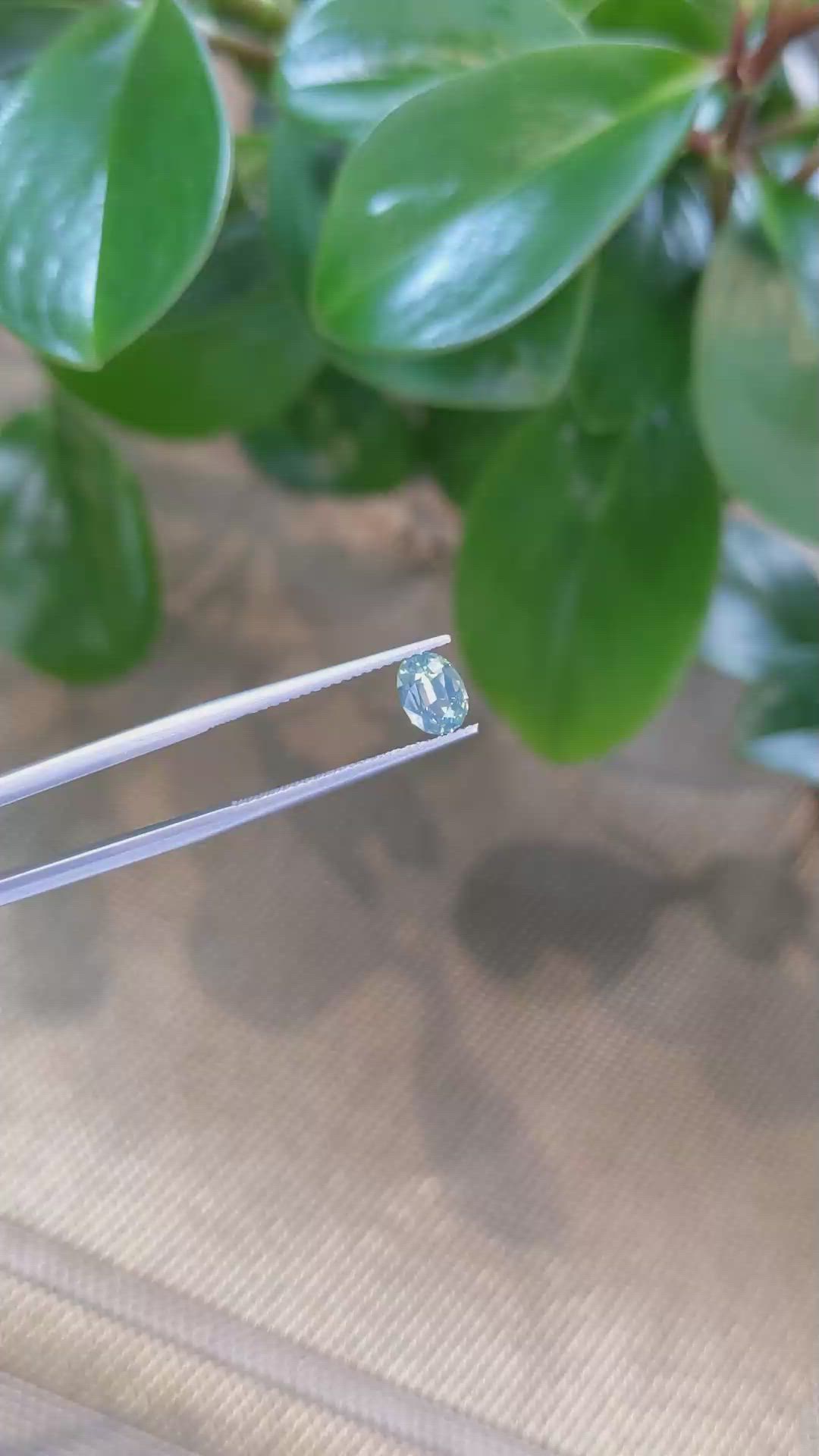



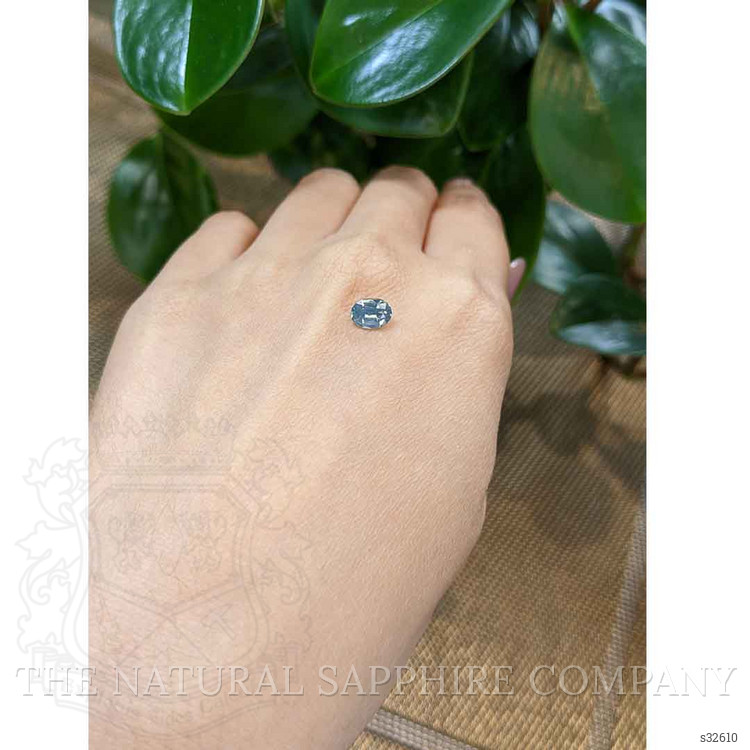
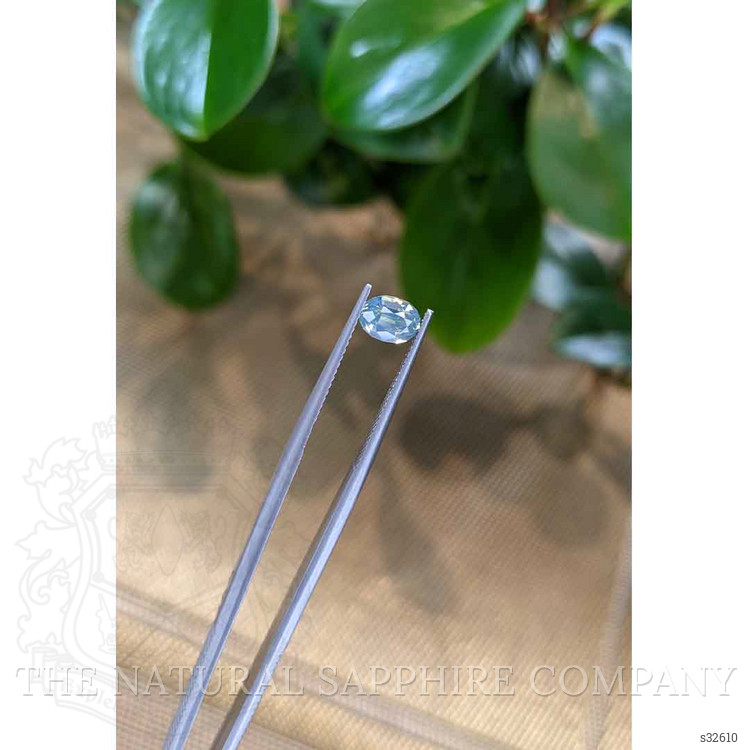


1.12 Ct. Bi Color Sapphire from Madagascar
This loose stone is available to ship now
Item ID: | S32610 |
|---|---|
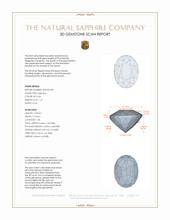
Dimensions (MM): help | Length: 7.02 Width: 5.19 Height: 3.63 |
Weight: | 1.12 Ct. |
Color: help | Bi Color |
Color intensity: help | Medium |
Clarity: help | Very Very Slightly Included |
Shape: help | Oval |
Cut: | Mixed Brilliant |
Cutting style: | Faceted |
Enhancements: help | No Enhancement |
Origin: help | Madagascar |
Per carat price: help | $1,150 |
This sapphire is a transparent, bi color, oval gemstone weighing 1.12 carats, with precise dimensions of 7.02 x 5.19 x 3.63 mm. The shape is a classic oval, the cut is a mixed brilliant, and the facet arrangement produces balanced light return and a refined play of color across the table and pavilion. Clarity is graded as very very slightly included, evaluated at eye level by our gemologists, which means the stone appears clean to the unaided eye and retains excellent brightness and windowing. Color intensity is medium, presenting a natural bi color effect that shifts subtly between soft blue tones and warm yellow green tones as the stone is viewed from different angles. Polish is excellent, and the stone is not enhanced, no heat or other treatments have been applied, confirming the sapphire as an untreated natural gem from Madagascar, a region known for producing sapphires with distinctive color zoning and attractive light performance.
From a gemological perspective, the combination of a mixed brilliant cut and the measured proportions produces an elegant balance between brilliance and color display. The oval outline at 7.02 x 5.19 mm is suitable for a wide variety of jewelry settings, offering a versatile table size and a depth that supports stability in prong or bezel mountings. The bi color character is inherent to the crystal structure and trace element distribution inherited from the stone's formation in Madagascar, and this natural zoning yields an effect that is unique to each specimen. The very very slightly included clarity grade indicates minimal internal features that do not detract from face up appearance, while providing internal fingerprinting that can assist in origin verification and long term identification, a desirable attribute for collectors and connoisseurs who value traceable provenance and the natural history of a gem. The absence of enhancements preserves the original color palette and internal character of the sapphire, and the excellent polish ensures that the facets remain crisp and reflective, supporting a refined finished look when set in fine jewelry.
When compared to lab grown sapphires, natural sapphires offer several distinct advantages that appeal to buyers who prioritize rarity, provenance, and the geological story of a gemstone. Lab grown sapphires are manufactured under controlled conditions and often present very uniform color and high clarity, which can be advantageous for consistent matching and budget considerations. Natural sapphires, by contrast, are formed over millions of years under variable conditions, and the resulting inclusions, color zoning, and bi color phenomena are physical records of those conditions. These natural characteristics create individuality and visual complexity that cannot be perfectly replicated by synthetic growth processes. The untreated status of this Madagascar sapphire further distinguishes it, because the stone exhibits its native color and internal features without the influence of heat or other enhancements, a factor that can command greater interest from specialists and collectors who seek stones in their original state. Additionally, natural stones often retain marketplace value differently than lab grown stones, because rarity and documented origin play a larger role in long term valuation.
The Natural Sapphire Company confirms the documented origin and treatment history for this 1.12 carat oval bi color sapphire, and provides objective details to assist with evaluation and setting decisions. For clients who value the natural formation story, subtle bi color expression, and an untreated specimen with excellent polish and very very slightly included clarity, this Madagascar sapphire represents a well defined example of what natural corundum can offer. For those comparing options, lab grown material remains a practical choice when uniformity and cost efficiency are primary concerns, but for collectors and purchasers seeking uniqueness, traceable origin, and the natural fingerprint of geological formation, a natural, untreated sapphire such as this offers enduring appeal and a direct connection to its place of origin.


