
- Stone14
- Reports3
-pear-bicolor-sapphire-0.7600-cts-s36344-1.jpg?d=200x200&v=20260119050058)
-pear-bicolor-sapphire-0.7600-cts-s36344-lifestyleimage-1.jpg?d=200x200&v=20260119040010)
-pear-bicolor-sapphire-0.7600-cts-s36344-lifestyleimage-2.jpg?d=200x200&v=20260119040010)
-pear-bicolor-sapphire-0.7600-cts-s36344-lifestyleimage-3.jpg?d=200x200&v=20260119040010)

-pear-bicolor-sapphire-0.7600-cts-s36344-1.jpg?d=750x750&s=nsc&v=20260119050058)
-pear-bicolor-sapphire-0.7600-cts-s36344-lifestyleimage-1.jpg?d=750x750&s=nsc&v=20260119040010)
-pear-bicolor-sapphire-0.7600-cts-s36344-lifestyleimage-2.jpg?d=750x750&s=nsc&v=20260119040010)
-pear-bicolor-sapphire-0.7600-cts-s36344-lifestyleimage-3.jpg?d=750x750&s=nsc&v=20260119040010)


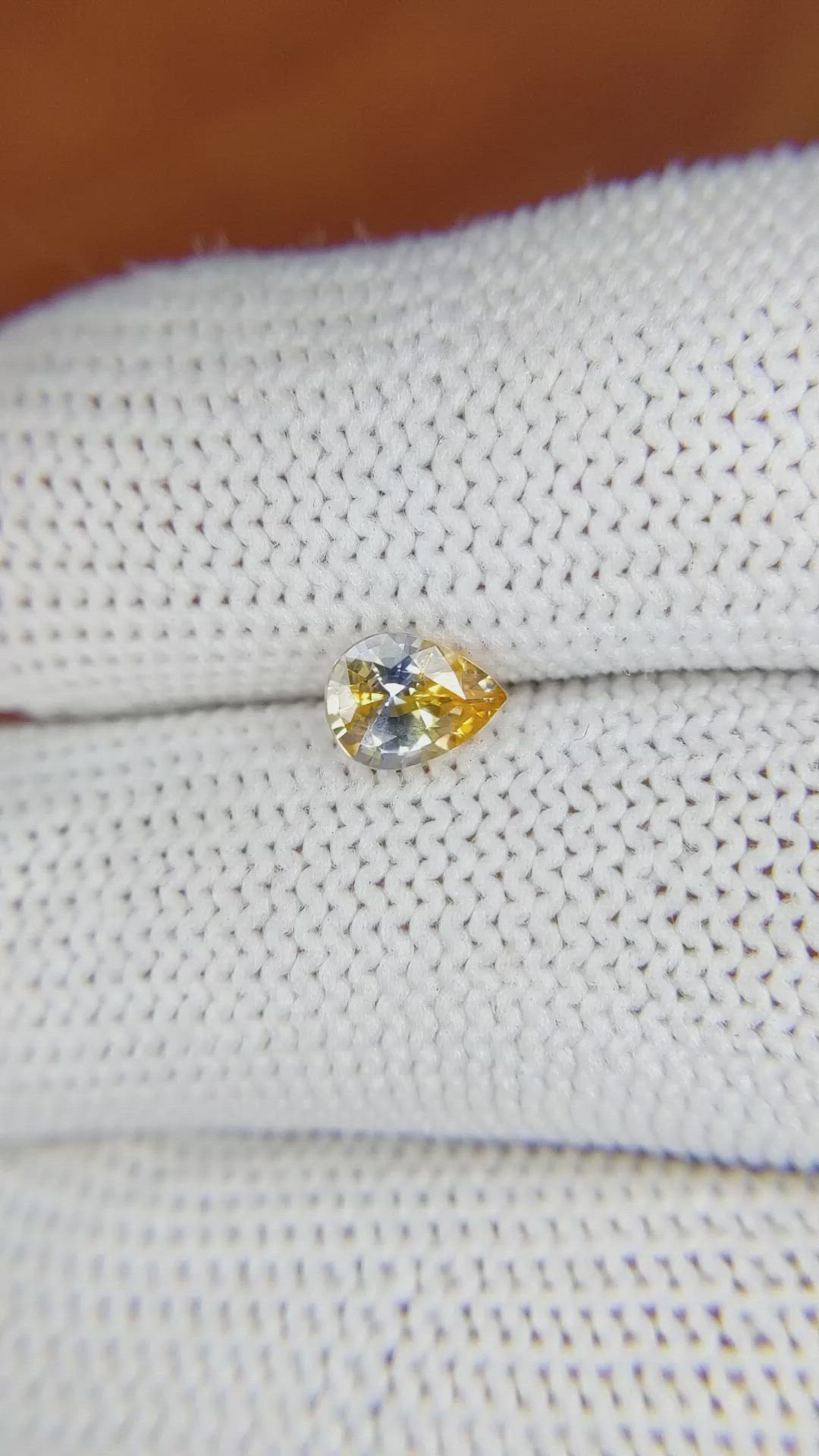
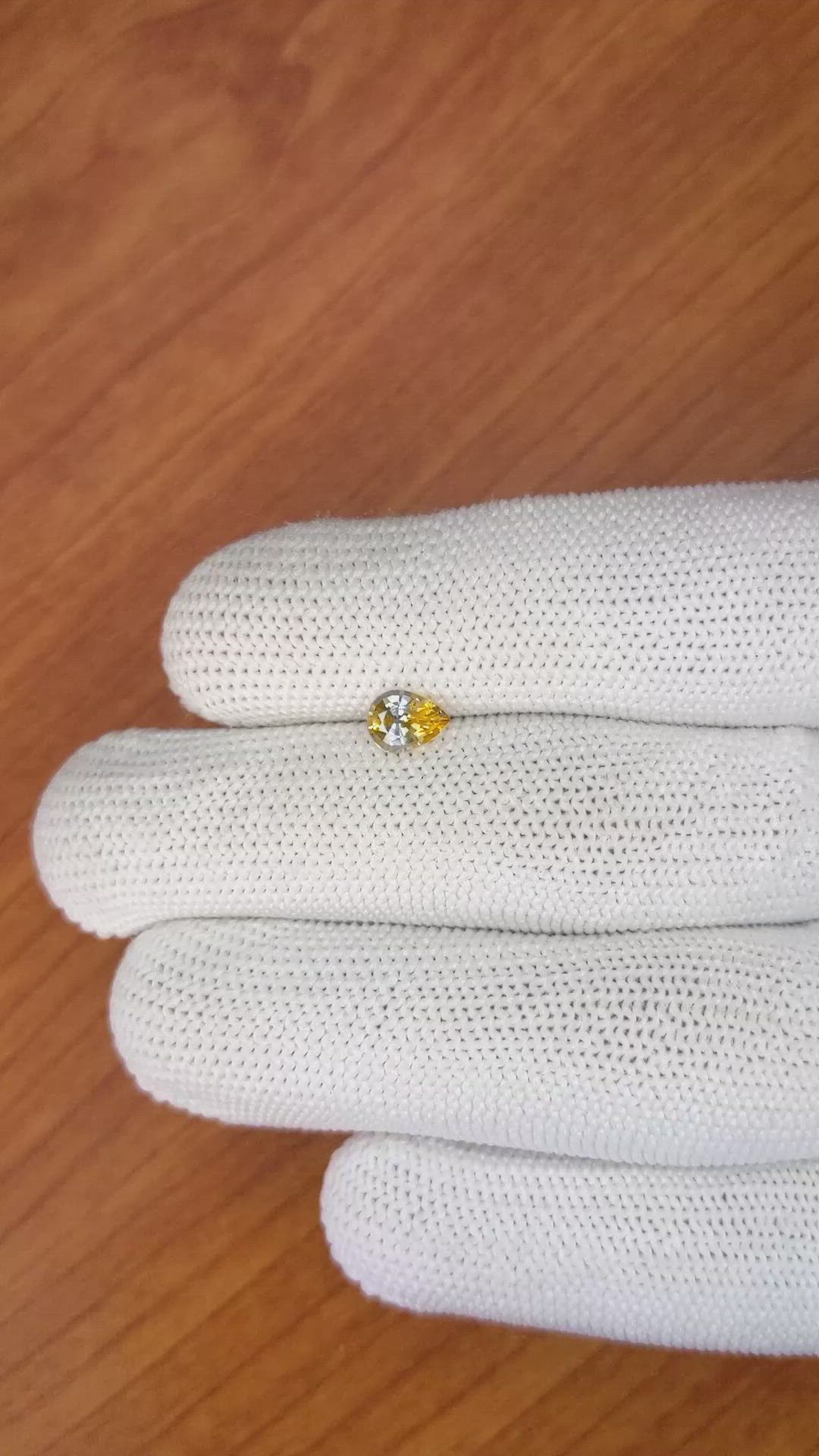
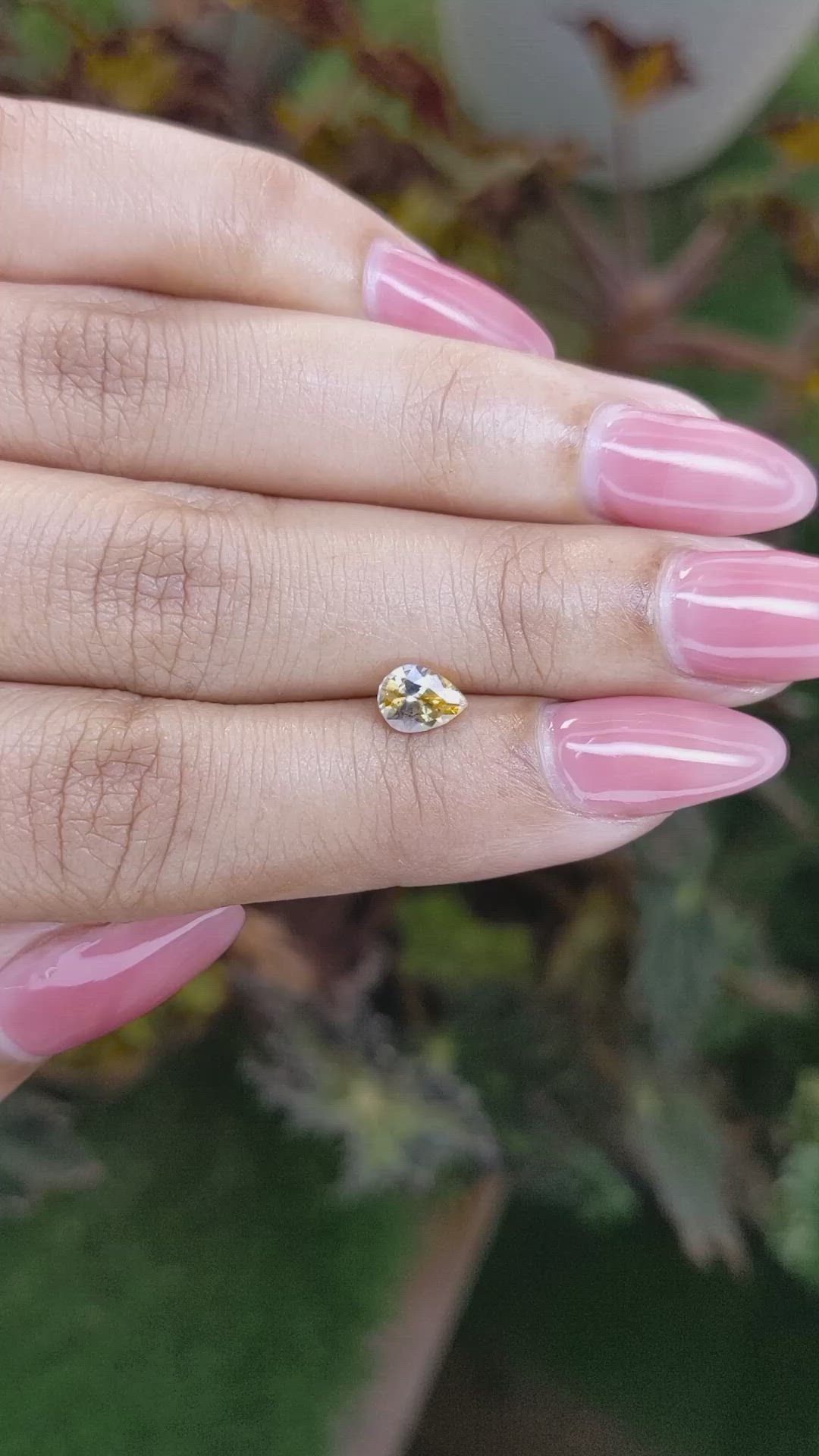
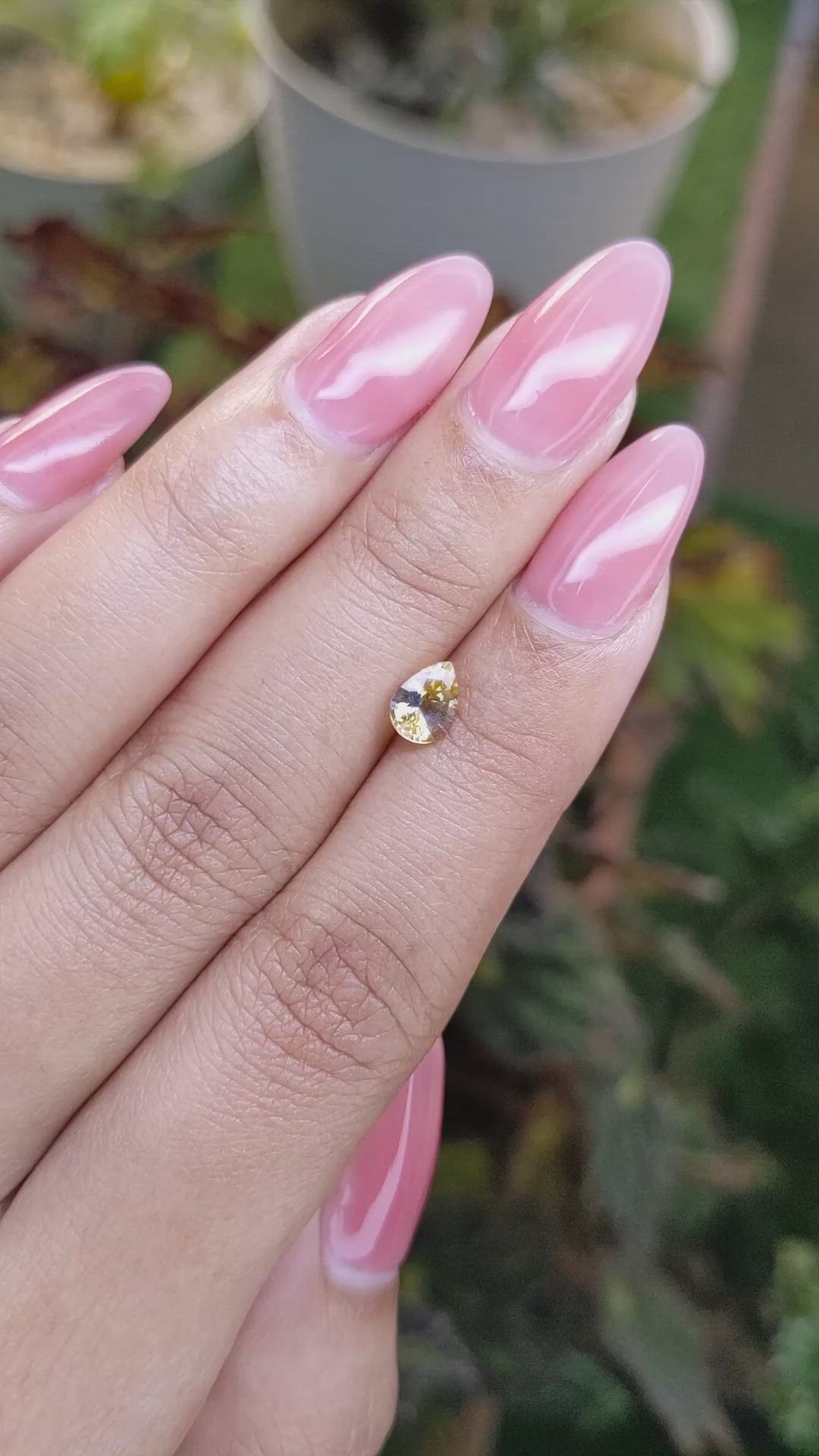
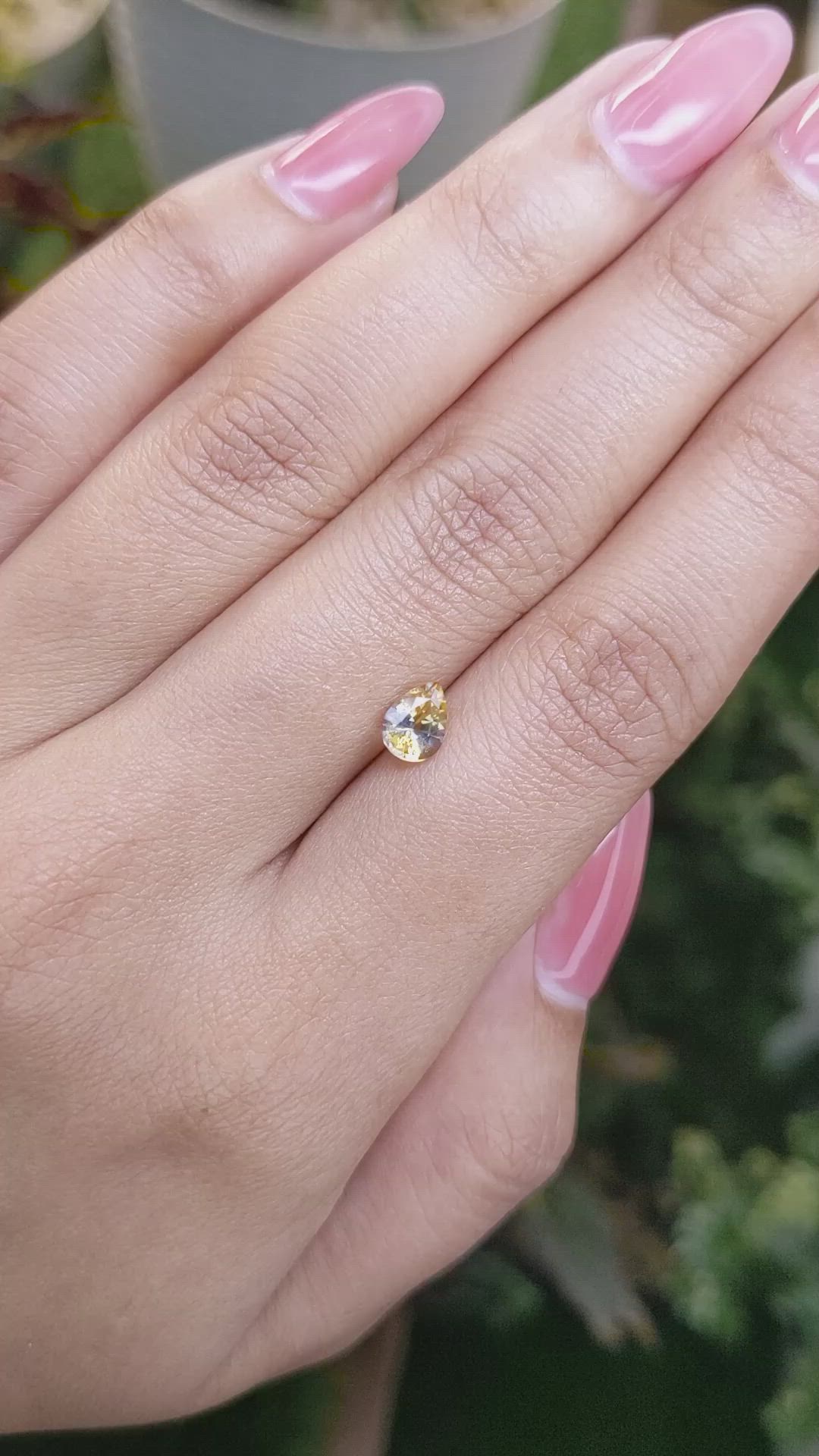
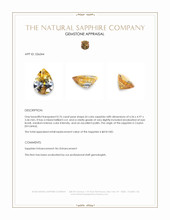
0.76 Ct. Bi Color Sapphire from Ceylon (Sri Lanka)
This loose stone is available to ship now
Item ID: | S36344 |
|---|---|
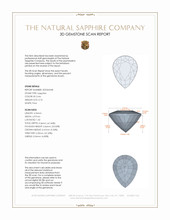
Dimensions (MM): help | Length: 6.56 Width: 4.97 Height: 3.36 |
Weight: | 0.76 Ct. |
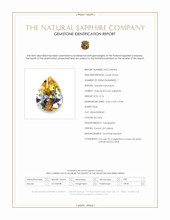
Color: help | Bi Color |
Color intensity: help | Medium Intense |
Clarity: help | Very Slightly Included |
Shape: help | Pear |
Cut: | Mixed Brilliant |
Cutting style: | Faceted |
Enhancements: help | No Enhancement |
Origin: help | Ceylon (Sri Lanka) |
Per carat price: help | $550 |
This 0.76 carat pear shape Ceylon sapphire from The Natural Sapphire Company presents as a high-clarity, untreated corundum specimen with a compact yet well-proportioned outline. The exact dimensions, 6.56 by 4.97 by 3.36 millimeters, yield a length-to-width ratio of approximately 1.32, producing a slightly rounded pear that sits comfortably in conventional ring and pendant settings without appearing elongated. The 3.36 millimeter depth produces a balanced pavilion geometry and, combined with the mixed brilliant cut, supports efficient light return while maintaining a stable girdle profile for secure mounting. The mixed brilliant cut means the crown has modified brilliant facets to maximize scintillation across the table, while the pavilion employs a traditional brilliant facet arrangement to concentrate light back through the crown. This cutting strategy enhances the gem’s bi-color presentation by breaking the color zones into many small reflecting planes, creating micro-contrast that reveals both the golden and cooler zones as the stone is rotated under light.
Color assessment for this sapphire is medium intense overall, with a bi-color distribution that separates into a warm golden yellow zone and a near-colorless to very pale bluish zone. The zoning is intrinsic to the crystal growth and results from localized variations in trace element concentrations, primarily iron and titanium, that produce yellow and blue absorption characteristics in corundum. The mixed brilliant faceting amplifies the bi-color effect by refracting and reflecting light across many small facets, so the yellow areas manifest as concentrated flashes of honey and citrine tones while the cooler areas read as silvery to pale blue flashes. This sapphire is untreated, no enhancement, which means the color is entirely natural and stable, and the medium intensity ensures that both color zones remain visible under typical daylight and incandescent lighting, with the perceived balance shifting slightly depending on viewing angle and light source.
Clarity is described as very slightly included when evaluated at eye level, and this grade translates to a stone that is transparent with minor inclusions that do not obstruct the path of light or compromise durability. The inclusions observed are typical of Ceylon material, likely small crystals or fine needles confined to discrete areas and not intersecting the girdle or pavilion facets in ways that would require reinforcement in setting. The excellent polish noted on this gem indicates facet junctions are clean and facet planes are free from polish lines or abrasions, which optimizes the optical return from the mixed brilliant design and minimizes light leakage. From a lapidary and setting standpoint, these quality characteristics allow the sapphire to be set with minimal risk of obscuring its brilliance, and the integrity of the pointed pear tip can be protected with a V-prong or bezel edge without visually interfering with the bi-color display.
When designing a custom piece around this 0.76 carat bi-color pear, consider complementary stones and metal choices that either enhance the dichroic character or provide a deliberate contrast. For a design that emphasizes the golden zone, a low-profile halo of small F to G color round brilliant diamonds, each 0.01 to 0.02 carats, will increase perceived brightness and create a white-field contrast that makes the yellow appear richer. Alternatively, placing two tapered baguette diamonds, approximately 0.10 to 0.15 carats each, on the shoulders of a ring will elegantly elongate the finger and lend directional brightness that highlights the pear’s symmetry. If the aim is to bring out the cooler zone, pair the sapphire with small cornflower blue or pale blue sapphires in a three-stone arrangement, using matched rounds or trilliants of 0.05 to 0.10 carats each to create a graduated color flow that mirrors the bi-color nature. For a contemporary, color-contrasting approach, set a pair of vivid green tsavorite garnets or mint green peridots as side accents; the complementary green will create lively optical contrast with the yellow and emphasize the stone’s warmth. Metal selection also alters perception: 18 karat yellow gold will enrich the golden facet reflections and create an overall warm presentation, while platinum or 18 karat white gold will present a cooler frame that accentuates the near-colorless to pale blue zones and maximizes perceived scintillation.
Practical considerations for custom mounting include protecting the pointed tip of the pear with a V-prong or a partial bezel to guard against chipping, orienting the stone so the widest facet plane aligns with the finger or pendant axis to stabilize color display, and leaving an open gallery to allow light entry behind the pavilion for maximum brilliance. For halo and multi-stone designs, use a mixed-metal approach only if you intend to draw attention to one color zone; for example, a yellow-gold bezel around the gem combined with a white-gold or platinum diamond halo will split the visual field and intentionally accentuate both hues. At The Natural Sapphire Company we can source matched melee and accent stones to ensure consistent color temperature and provide CAD mockups to show how diamond sizes, facet shapes, and metal choices will affect the visual balance before any work is executed. This untreated Ceylon pear, with its mixed brilliant artistry, medium intense bi-color saturation, and very slightly included clarity, becomes a versatile and technically interesting centerpiece in both classic and avant-garde jewelry interpretations, offering a subtle interplay of color and light that rewards careful custom design.


