
- Stone14
- Reports3
-heart-pink-sapphire-1.0300-cts-s31568-1.jpg?d=200x200&v=20251113062535)
-heart-pink-sapphire-1.0300-cts-s31568-lifestyleimage-1.jpg?d=200x200&v=20251106072213)
-heart-pink-sapphire-1.0300-cts-s31568-lifestyleimage-2.jpg?d=200x200&v=20251106072213)
-heart-pink-sapphire-1.0300-cts-s31568-lifestyleimage-3.jpg?d=200x200&v=20251106072213)



-heart-pink-sapphire-1.0300-cts-s31568-1.jpg?d=750x750&s=nsc&v=20251113062535)
-heart-pink-sapphire-1.0300-cts-s31568-lifestyleimage-1.jpg?d=750x750&s=nsc&v=20251106072213)
-heart-pink-sapphire-1.0300-cts-s31568-lifestyleimage-2.jpg?d=750x750&s=nsc&v=20251106072213)
-heart-pink-sapphire-1.0300-cts-s31568-lifestyleimage-3.jpg?d=750x750&s=nsc&v=20251106072213)


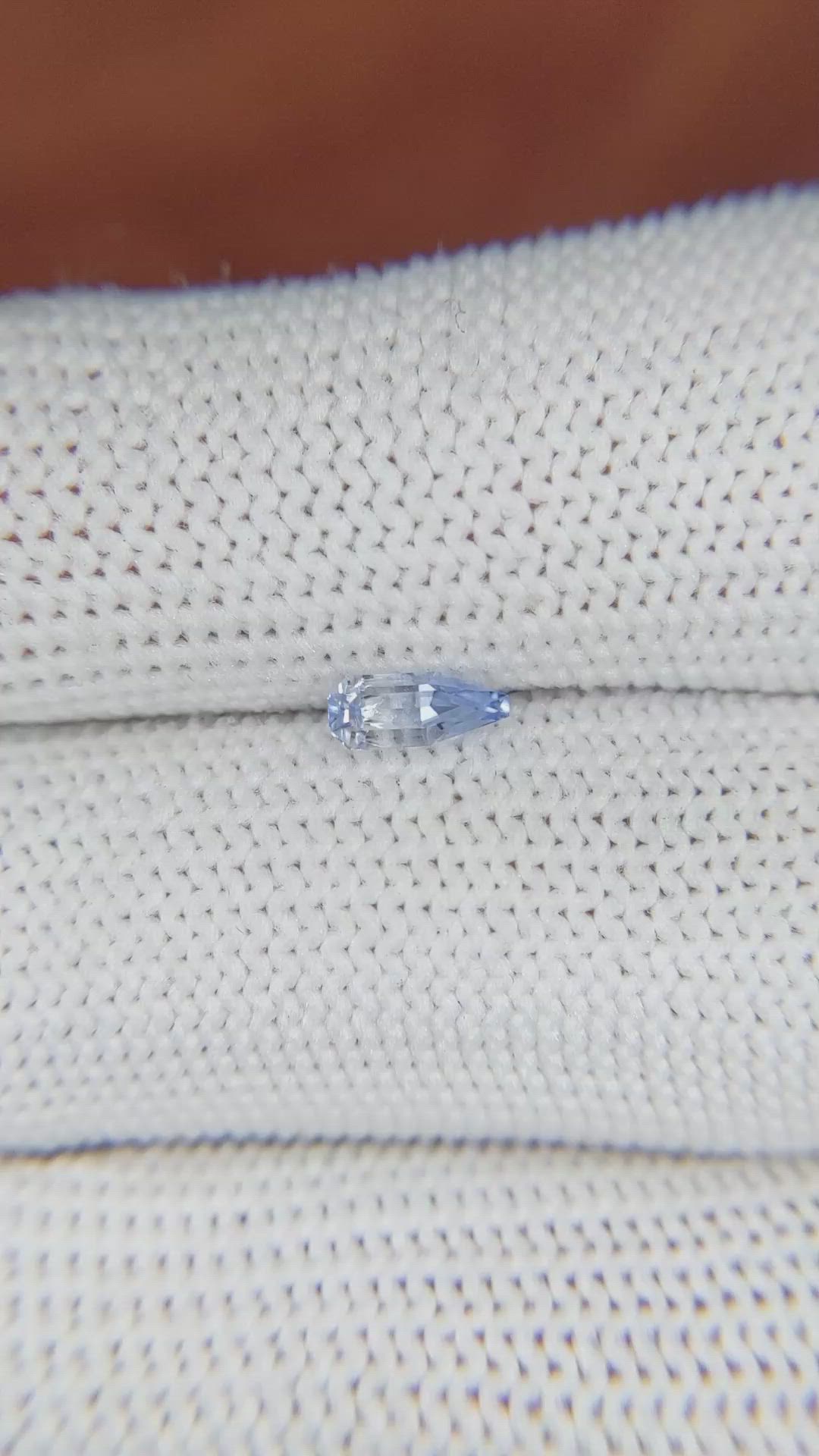
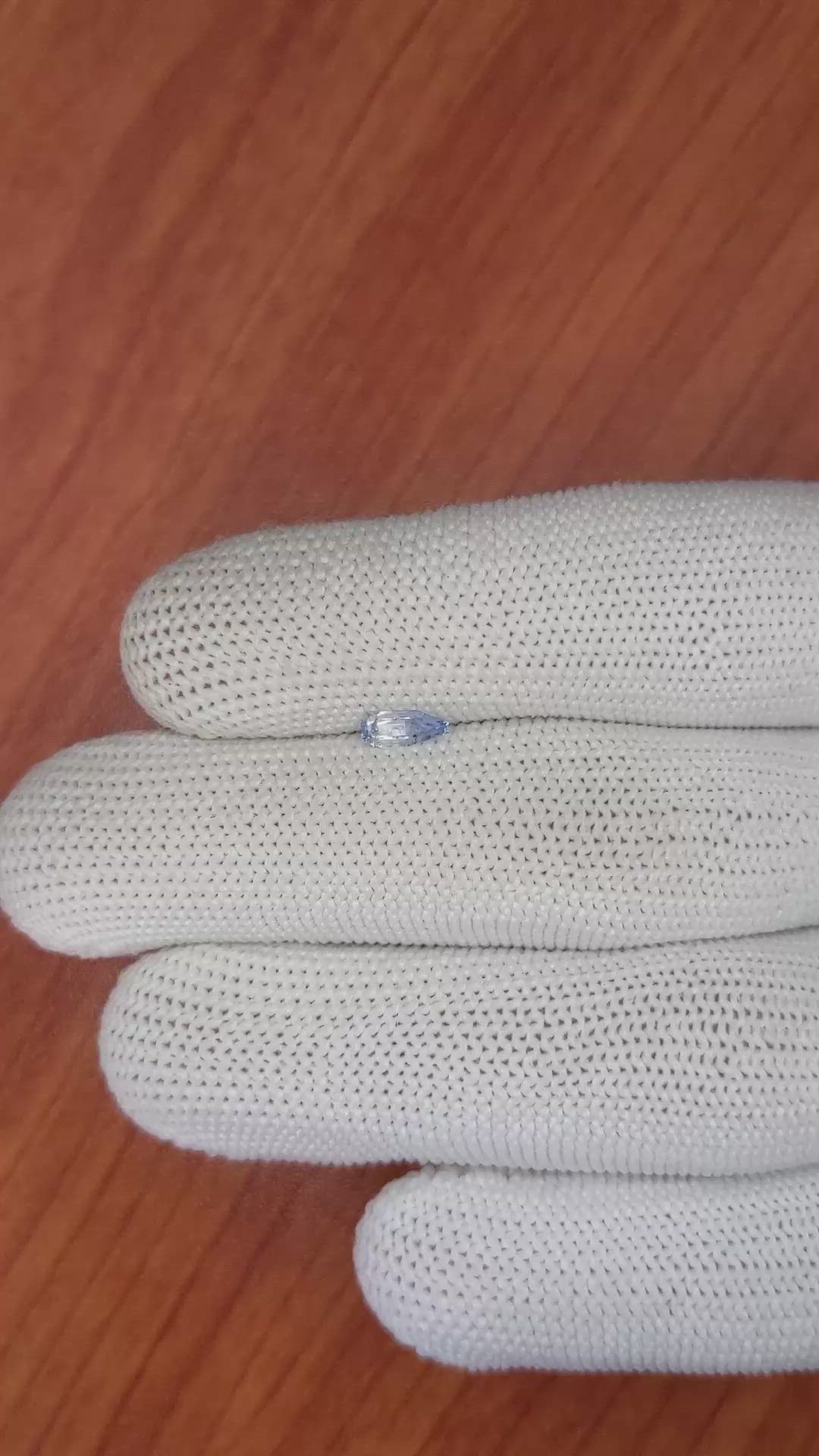
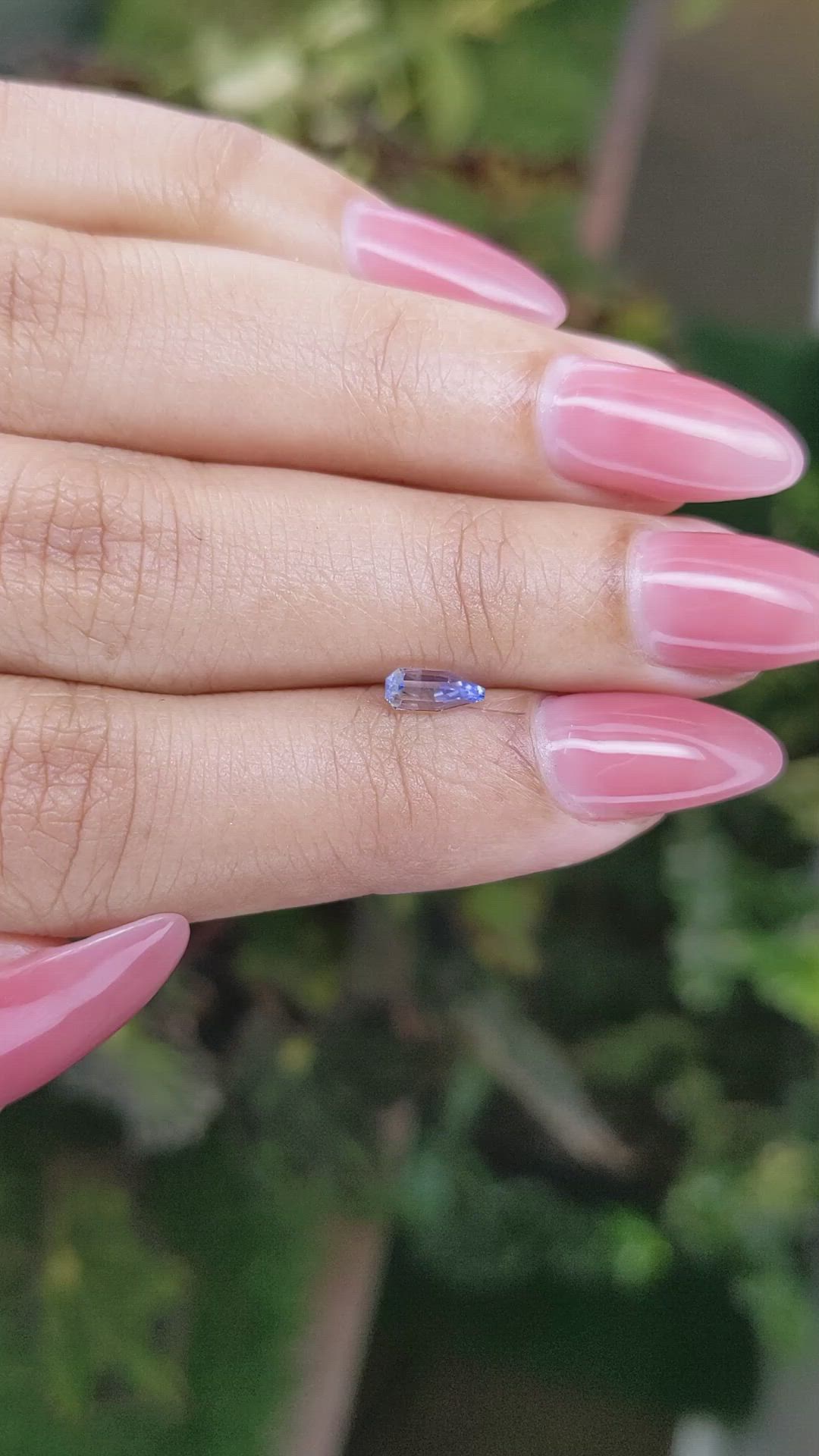
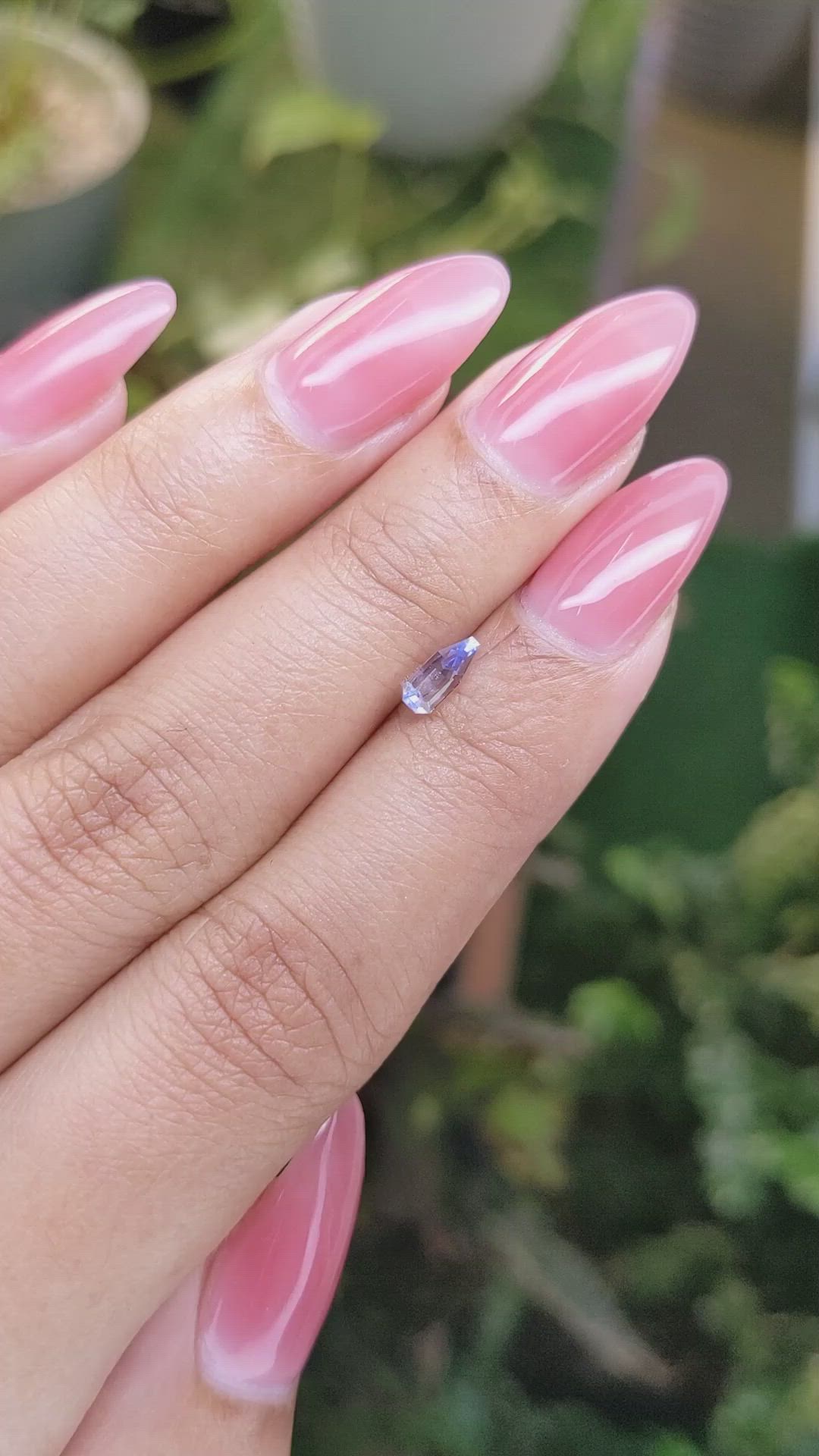
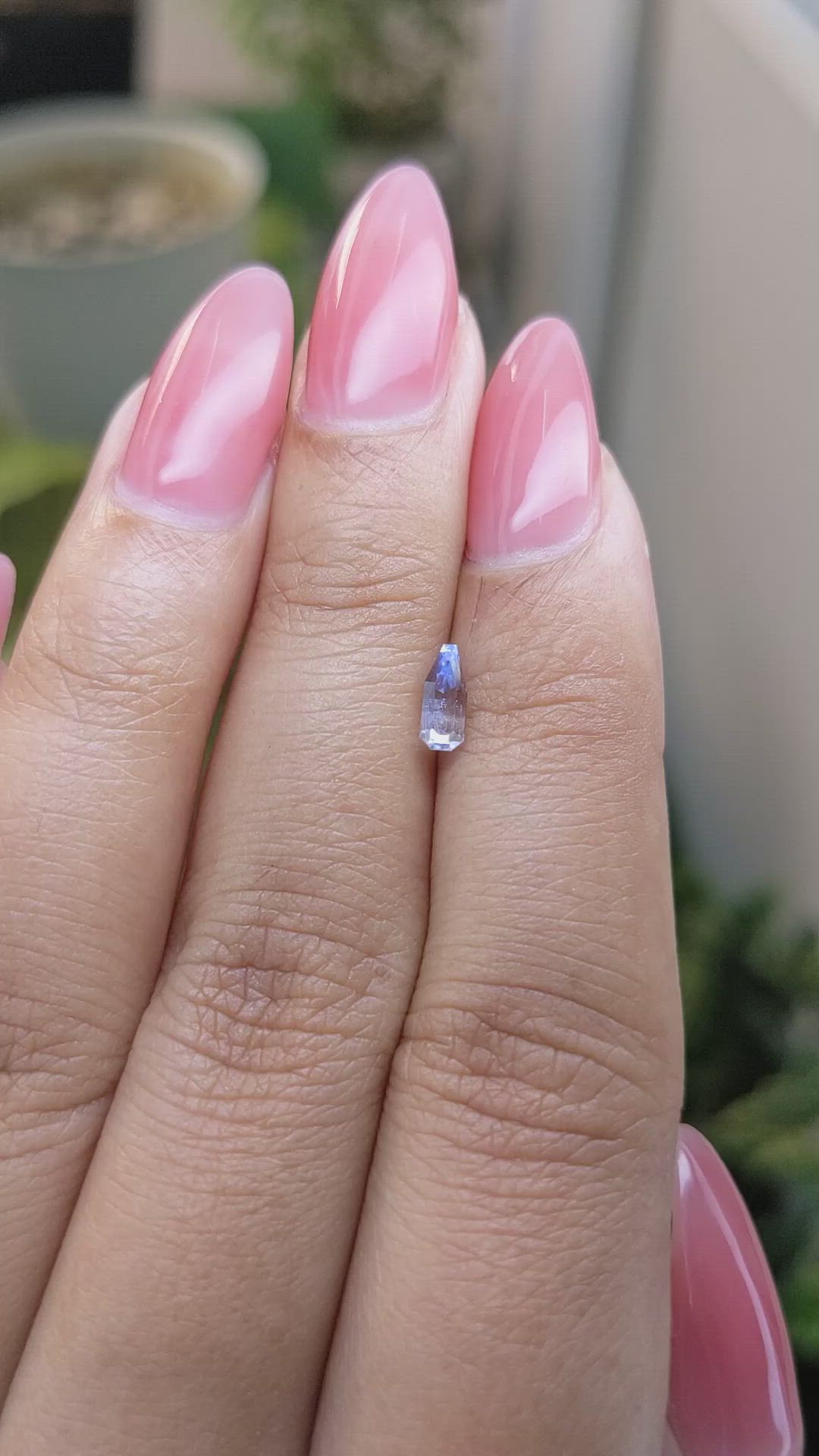
0.49 Ct. Bi Color Sapphire from Ceylon (Sri Lanka)
This loose stone ships by Feb 28
Item ID: | S31568 |
|---|---|
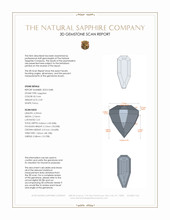
Dimensions (MM): help | Length: 6.59 Width: 2.74 Height: 3 |
Weight: | 0.49 Ct. |
Color: help | Bi Color |
Color intensity: help | Faint |
Clarity: help | Very Very Slightly Included |
Shape: help | Fancy |
Cut: | Step Cut |
Cutting style: | Faceted |
Enhancements: help | Heat Treated |
Origin: help | Ceylon (Sri Lanka) |
Per carat price: help | $700 |
This is a beautifully transparent 0.49 carat fancy shape bi color sapphire, with dimensions of 6.59 x 2.74 x 3.00 mm, presented in a precise step cut that emphasizes clean lines and clarity. The gem displays a faint color intensity that is subtle and elegant, and the two distinct color zones create a bi color effect that is both visually interesting and rare in natural sapphires. The clarity is graded as very very slightly included, evaluated at eye level, which for practical purposes means the stone appears essentially eye clean in face up view, while microscopic or close inspection may reveal minute natural features. The polish is excellent, resulting in crisp facet junctions and a smooth, high luster surface that allows light to interact evenly across the step facets. This sapphire has been heat treated, a standard and accepted enhancement in the trade that improves color and clarity in a stable and permanent manner. The origin of this stone is Ceylon, Sri Lanka, a locality renowned for producing sapphires with luminous, delicate tones, and The Natural Sapphire Company is pleased to present this unique specimen to discerning buyers.
When assessing quality for an educated buyer, the combination of weight, dimensions, cut, clarity grade, and polish are central to understanding both beauty and value, and this sapphire performs strongly across these metrics. At 0.49 carat the gem is substantial enough to be the focal point in a refined ring or pendant, and the length and width proportions provide an elegant silhouette while the 3.00 mm depth creates a relatively low profile that sits comfortably in modern settings. The step cut changes how the stone communicates color and clarity, emphasizing internal features and planes over high dispersion sparkle, which is ideal for a stone with very very slightly included clarity and a bi color character. The faint color intensity means the hue reads softly rather than boldly, which many collectors and those seeking quiet luxury prefer, because it allows metalwork and design to play as much of a role as the gem itself. Excellent polish is not a trivial attribute, it ensures optimal reflection off each facet and preserves a crisp appearance over time, and it is particularly important in a step cut where clarity and surface finish are the primary contributors to visual impact.
The provenance of this sapphire, Ceylon, Sri Lanka, carries both gemmological and historical significance. Sapphires from Sri Lanka are often prized for their light to medium tone and a certain clarity of color that can read as vibrant even in faint intensities, this is due to the trace element chemistry and growth environment present in Sri Lankan pegmatites and metamorphic host rocks. A bi color sapphire is an expression of natural color zoning or growth conditions that produced two distinct hues within a single crystal, and such zoning can produce dramatic and collectible specimens that no laboratory process can truly replicate. Heat treatment, as applied to this stone, is a widely accepted practice that typically involves controlled heating to improve tone, remove silk, and increase color uniformity, and when performed in laboratory conditions it is stable and permanent. Collectors and informed buyers view a properly documented heat treatment as an enhancement that increases desirability without compromising integrity, particularly when combined with desirable origin information such as Ceylon.
Comparing natural sapphires to lab grown counterparts is an important part of making an informed purchase, and there are clear and objective differences to consider. Lab grown sapphires offer consistency of color and clarity at a lower price point because they are produced under controlled conditions, and for some uses that uniformity is an advantage. Natural sapphires such as this bi color Ceylon stone, however, carry geological provenance, unique internal features, and a narrative that is inextricably tied to deep time, and these qualities matter to collectors, connoisseurs, and those who value rarity. Natural inclusions serve as a fingerprint, providing evidence of origin and formation that can be documented by gemmological laboratories and used to trace provenance. Natural stones historically retain value better and are more sought after in the secondary market, especially when they exhibit unusual characteristics like bi color zoning and come from a reputable locality. Moreover, natural sapphires demonstrate the variability and complexity of Earths processes, and for many buyers this authenticity is central to the emotional and financial appeal of the gem. It is also worth noting that heat treatment as applied to natural stones is a recognized and stable enhancement in the industry, distinct from the conditions that produce synthetic material, and that properly disclosed treatment does not detract from the gemmological or aesthetic value when the stone is otherwise attractive and of fine craftsmanship.
At The Natural Sapphire Company we take care to provide full transparency and professional guidance so that our customers can make confident decisions. We can arrange independent gemmological reporting upon request to document the weight, dimensions, clarity, cut, treatment, and origin of this sapphire, and we are happy to advise on settings that maximize the visual effect of a step cut bi color stone, such as open gallery mounts that allow light to pass and showcase color zoning or low profile bezels that enhance the sleek silhouette. For everyday wear the sapphire is durable and suitable for rings, with a hardness that resists abrasion, and the heat treatment applied is stable under normal conditions. We recommend routine gentle cleaning with mild soap and water and avoidance of harsh chemicals and abrasive cleaners. This bi color sapphire offers a combination of refined proportions, eye clean clarity, excellent polish, and a provenance from Ceylon, Sri Lanka that will appeal to educated buyers seeking a natural, collectible gem rather than a laboratory duplicate. If you would like additional images, magnified views, or a discussion about certification and custom mounting options, we are available to assist you and to ensure the piece is presented to its fullest potential.


