
- Stone16
- Reports3
-round-bicolor-sapphire-0.4600-cts-s34830-1.jpg?d=200x200&v=20251215084858)
-round-bicolor-sapphire-0.4600-cts-s34830-lifestyleimage-1.jpg?d=200x200&v=20251216015416)
-round-bicolor-sapphire-0.4600-cts-s34830-lifestyleimage-2.jpg?d=200x200&v=20251216015416)
-round-bicolor-sapphire-0.4600-cts-s34830-lifestyleimage-3.jpg?d=200x200&v=20251216015416)
-round-bicolor-sapphire-0.4600-cts-s34830-lifestyleimage-4.jpg?d=200x200&v=20251216015416)


-round-bicolor-sapphire-0.4600-cts-s34830-1.jpg?d=750x750&s=nsc&v=20251215084858)
-round-bicolor-sapphire-0.4600-cts-s34830-lifestyleimage-1.jpg?d=750x750&s=nsc&v=20251216015416)
-round-bicolor-sapphire-0.4600-cts-s34830-lifestyleimage-2.jpg?d=750x750&s=nsc&v=20251216015416)
-round-bicolor-sapphire-0.4600-cts-s34830-lifestyleimage-3.jpg?d=750x750&s=nsc&v=20251216015416)
-round-bicolor-sapphire-0.4600-cts-s34830-lifestyleimage-4.jpg?d=750x750&s=nsc&v=20251216015416)

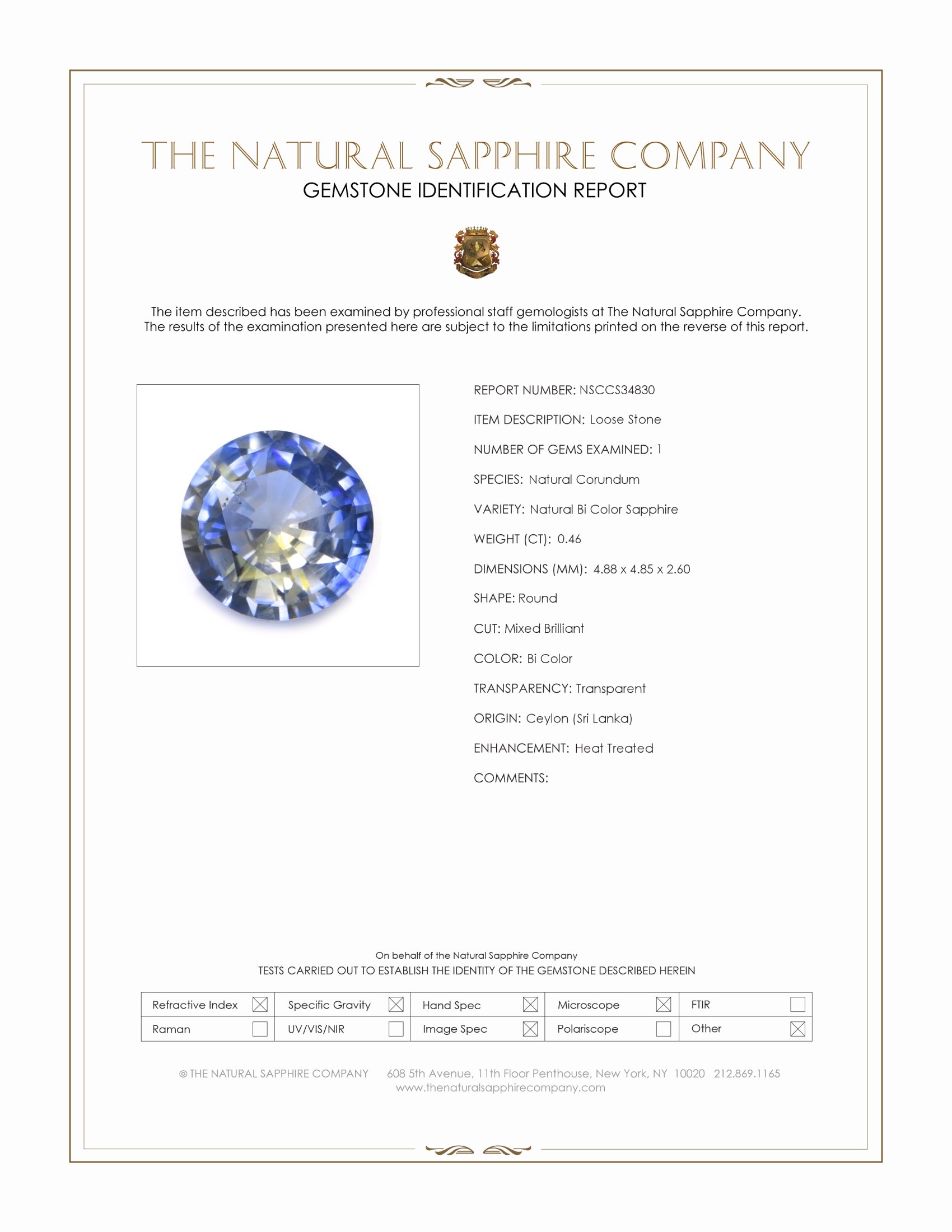

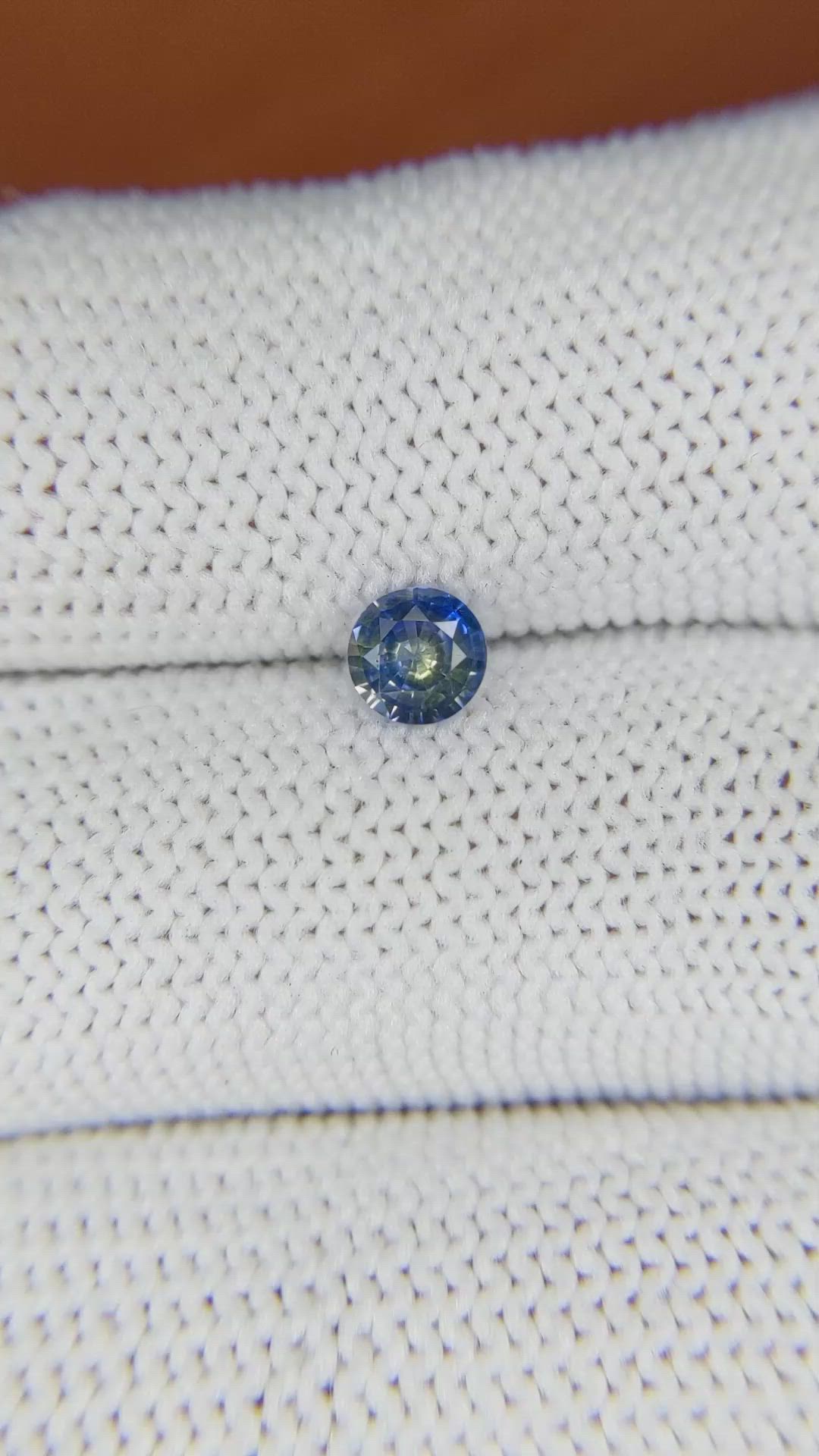
0.46 Ct. Bi Color Sapphire from Ceylon (Sri Lanka)
This loose stone ships by Feb 27
Item ID: | S34830 |
|---|---|
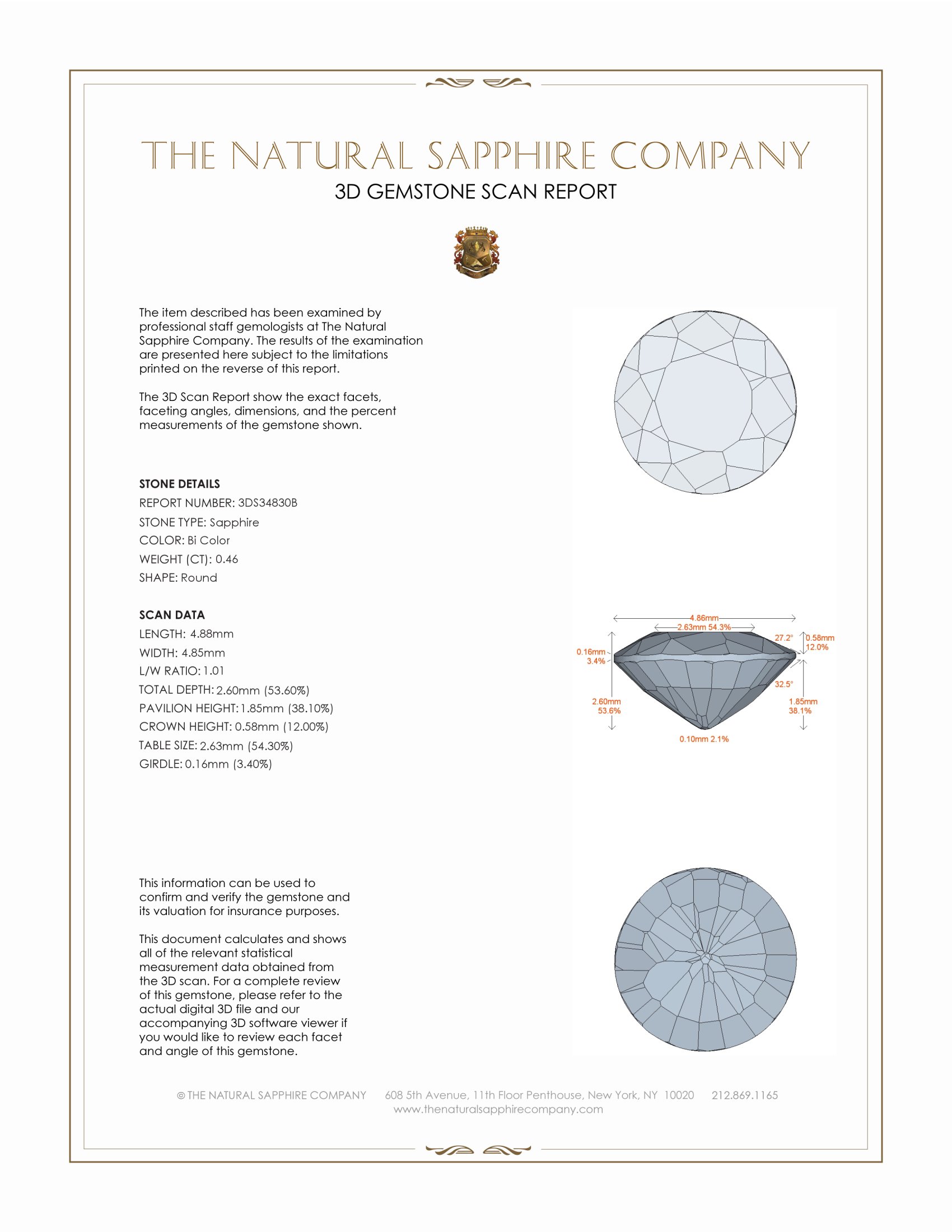
Dimensions (MM): help | Length: 4.88 Width: 4.85 Height: 2.6 |
Weight: | 0.46 Ct. |
Color: help | Bi Color |
Color intensity: help | Medium Intense |
Clarity: help | Very Slightly Included |
Shape: help | Round |
Cut: | Mixed Brilliant |
Cutting style: | Faceted |
Enhancements: help | Heat Treated |
Origin: help | Ceylon (Sri Lanka) |
Per carat price: help | $739 |
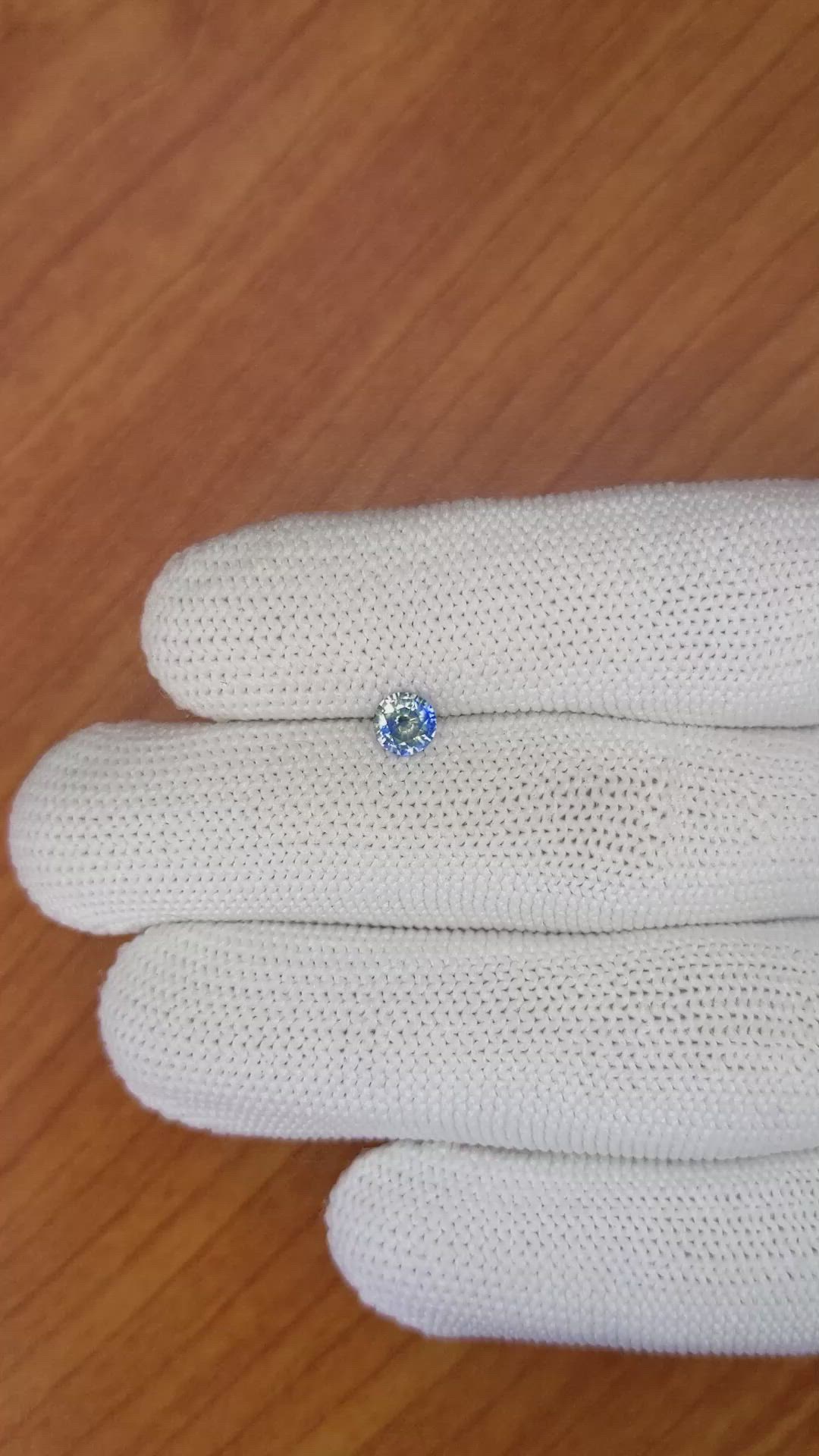
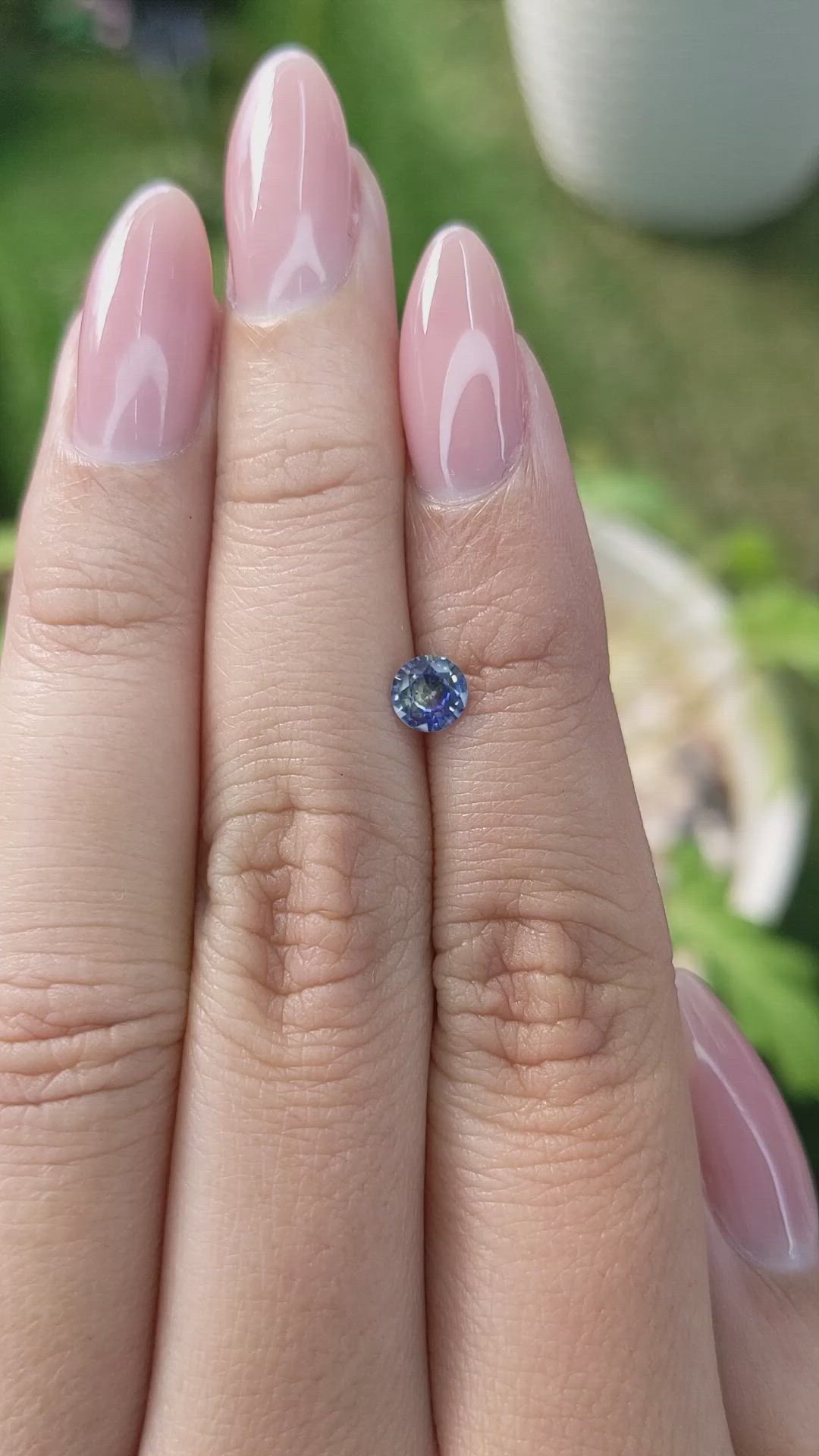
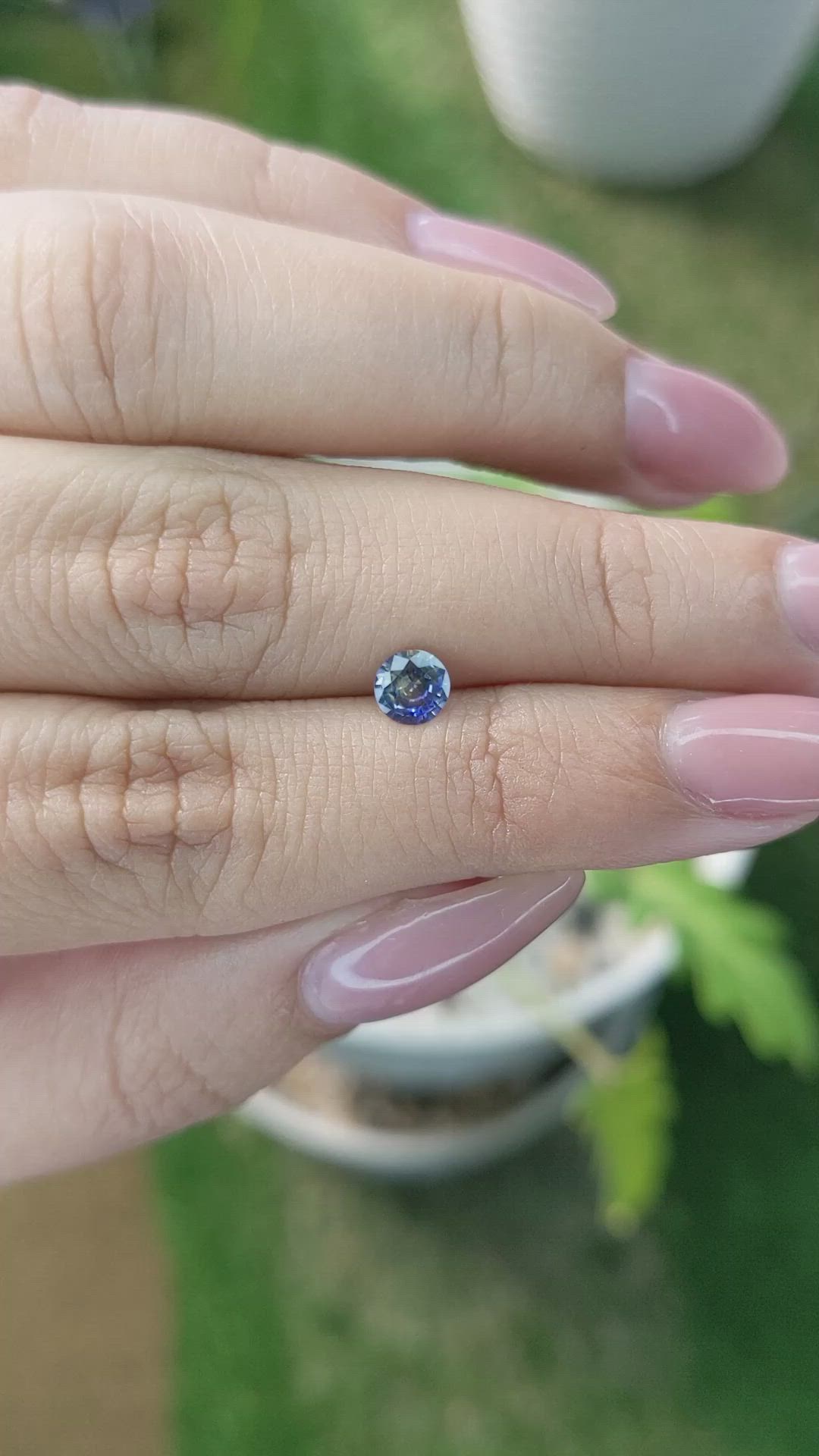
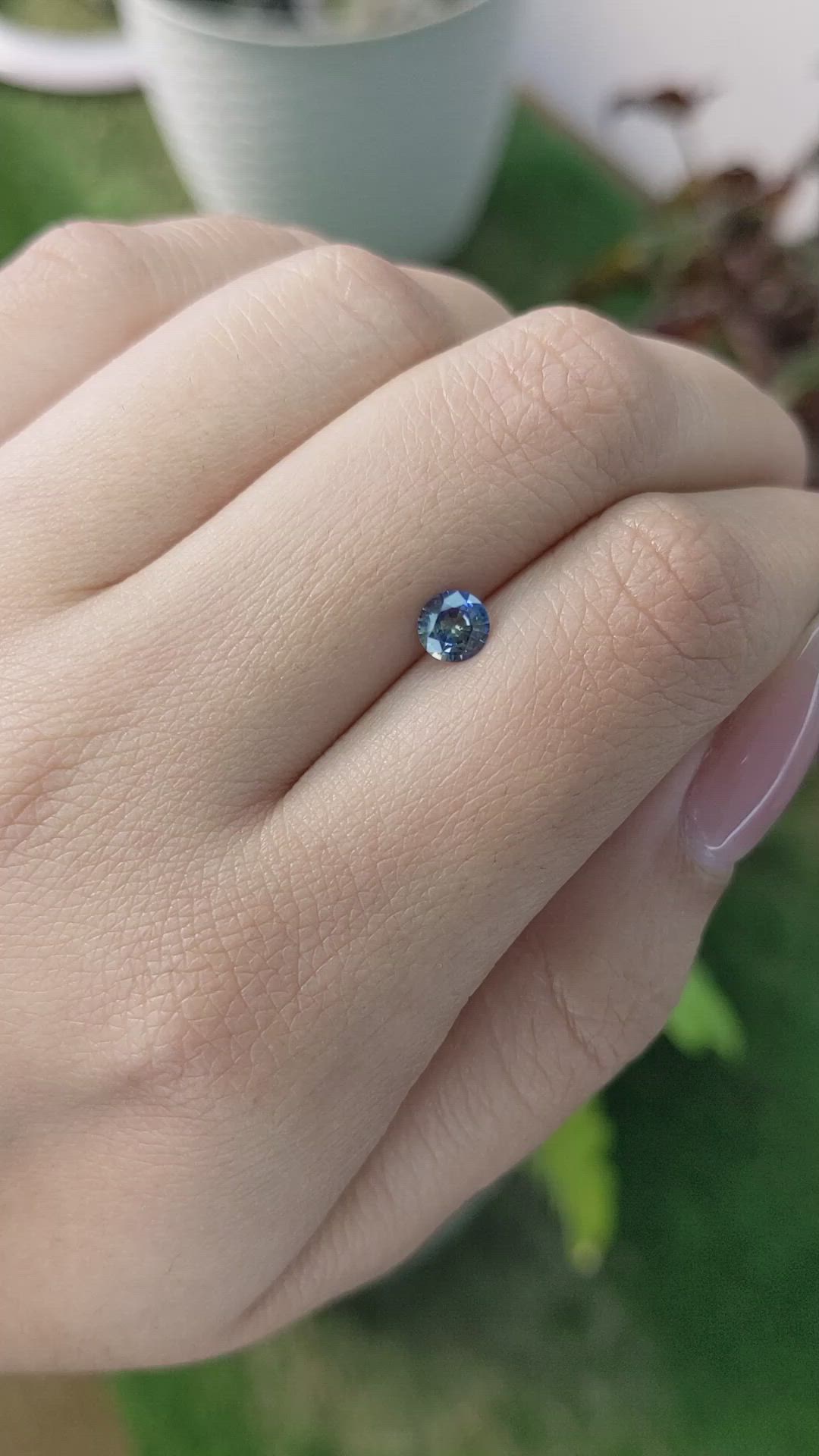
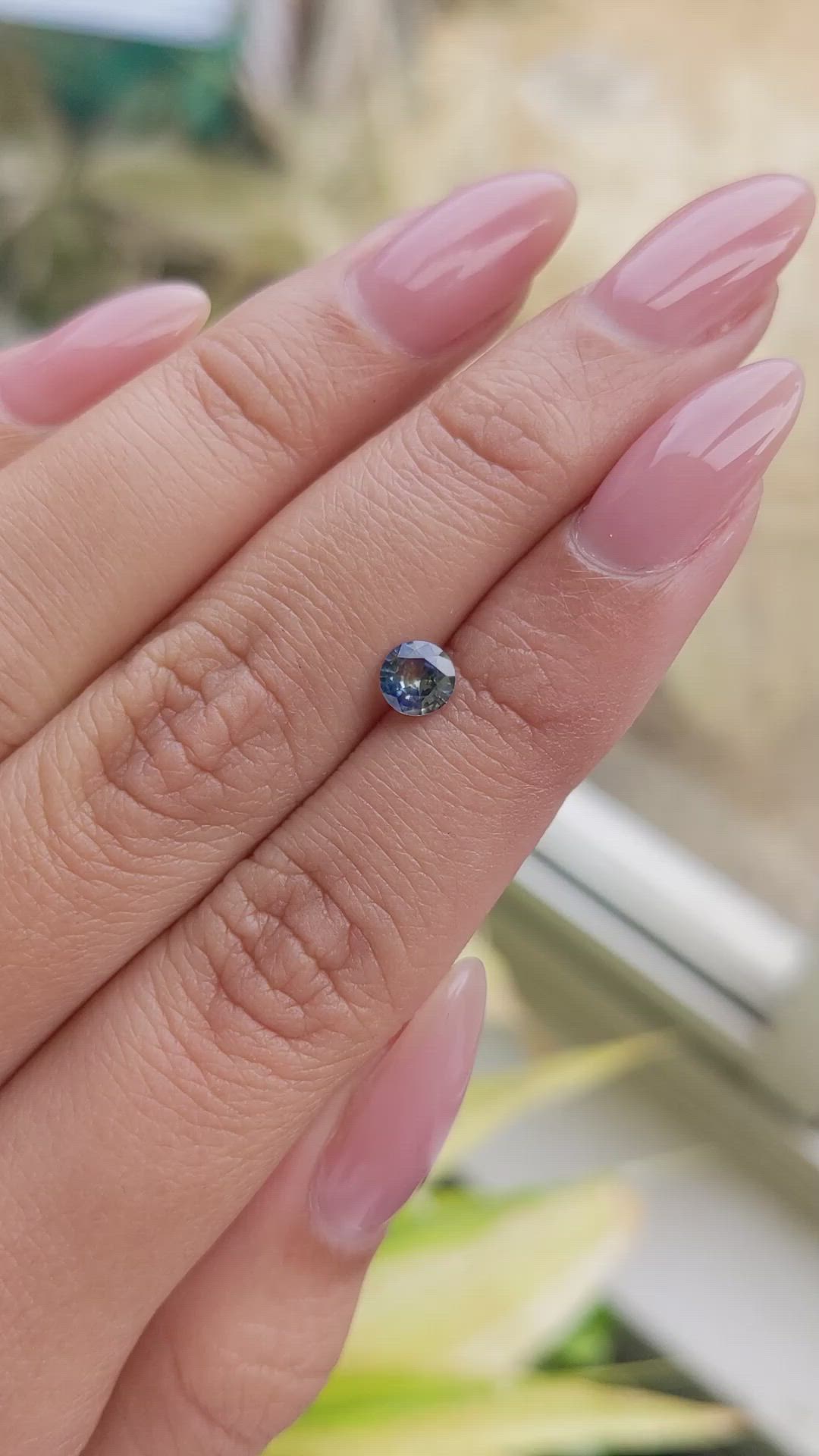
This exquisite transparent 0.46 carat round shape bi color sapphire measures 4.88 x 4.85 x 2.60 mm, it is cut as a mixed brilliant to balance scintillation and color, and it carries a clarity grade of very slightly included, evaluated at eye level, with a medium intense color intensity and an excellent polish. The stone originates from Ceylon, Sri Lanka, a region long celebrated for producing sapphires with lively face up color and attractive dispersion, and this particular gem has undergone standard heat treatment to refine and stabilize its hues. The bi color appearance is immediately apparent on the table and crown facets, showing a blue dominance with subtle yellow green zoning, a combination that creates changing character as the stone moves, and the compact 0.46 carat weight translates to an appealing face up presence that sits beautifully in refined ring designs.
To understand why this sapphire looks and feels the way it does, it helps to imagine its formation over millions of years deep within the earth, where aluminum rich rocks were subjected to intense heat and pressure, driving recrystallization and the growth of corundum crystals. Trace elements such as titanium and iron were incorporated into the crystal lattice at the time of growth, and their distribution was not uniform, producing the distinct bi color zoning that you see today, a geological fingerprint of fluctuating chemistry and temperature during crystal development. In Sri Lanka, many fine sapphires began life in high grade metamorphic terranes and later spent extended periods in river gravels after erosion liberated them from their host rocks, and this time in alluvial environments gently polished and sorted rough crystals before human hands recovered them. The result is a gem that carries within it a record of deep time, geochemical nuance, and surface history, each contributing to the visual complexity and rarity that collectors and connoisseurs prize.
From a gemological perspective this sapphire presents attributes that an educated buyer will appreciate, the very slightly included clarity grade, evaluated at eye level, indicates only minimal internal characteristics that do not distract from its transparency and brilliance, and under magnification those inclusions can often confirm natural origin without compromising the stone's eye clean appeal. The mixed brilliant cut is chosen to maximize light return while respecting the color zoning, the pavilion facet arrangement concentrates light into the blue areas while the crown facets allow the yellow green flashes to breathe, producing dynamic movement and a lively table. Medium intense color intensity is a desirable compromise for many buyers, it provides enough saturation to read as a true sapphire color in most lighting, while avoiding the heaviness that can sometimes make darker stones appear small, and the excellent polish ensures sharp facet junctions and good optical performance, so the stone reads bright and alive on the finger.
When assessing value and practical use, consider the bi color nature and Sri Lankan provenance as distinguishing characteristics that enhance collectability, bi color sapphires are less common than uniform blue stones, and the specific interplay of blue with yellow green tones gives designers and clients creative options for unique jewelry. Heat treatment is a widely accepted enhancement in the trade when it is fully disclosed, it improves color stability and can remove silk or alter iron titanium interactions, and our disclosure of this treatment is part of The Natural Sapphire Company commitment to transparency. For setting we recommend a secure four or six prong head for a solitaire look that allows light to enter the pavilion, or a low bezel for everyday wear, either approach will showcase the mixed brilliant cut and allow the color changes to be enjoyed from multiple angles. If you would like, The Natural Sapphire Company can provide further documentation, high resolution images, and guidance on complementary metals and mounting styles, and we are happy to assist clients who want a piece that reflects both geological story and lasting craftsmanship.


