
- Stone11
- Reports3
-pear-blue-sapphire-4.2700-cts-s38980-1.jpg?d=200x200&v=20260319170743)
-pear-blue-sapphire-4.2700-cts-s38980-lifestyleimage-1.jpg?d=200x200&v=20260323033654)


-pear-blue-sapphire-4.2700-cts-s38980-1.jpg?d=750x750&s=nsc&v=20260319170743)
-pear-blue-sapphire-4.2700-cts-s38980-lifestyleimage-1.jpg?d=750x750&s=nsc&v=20260323033654)


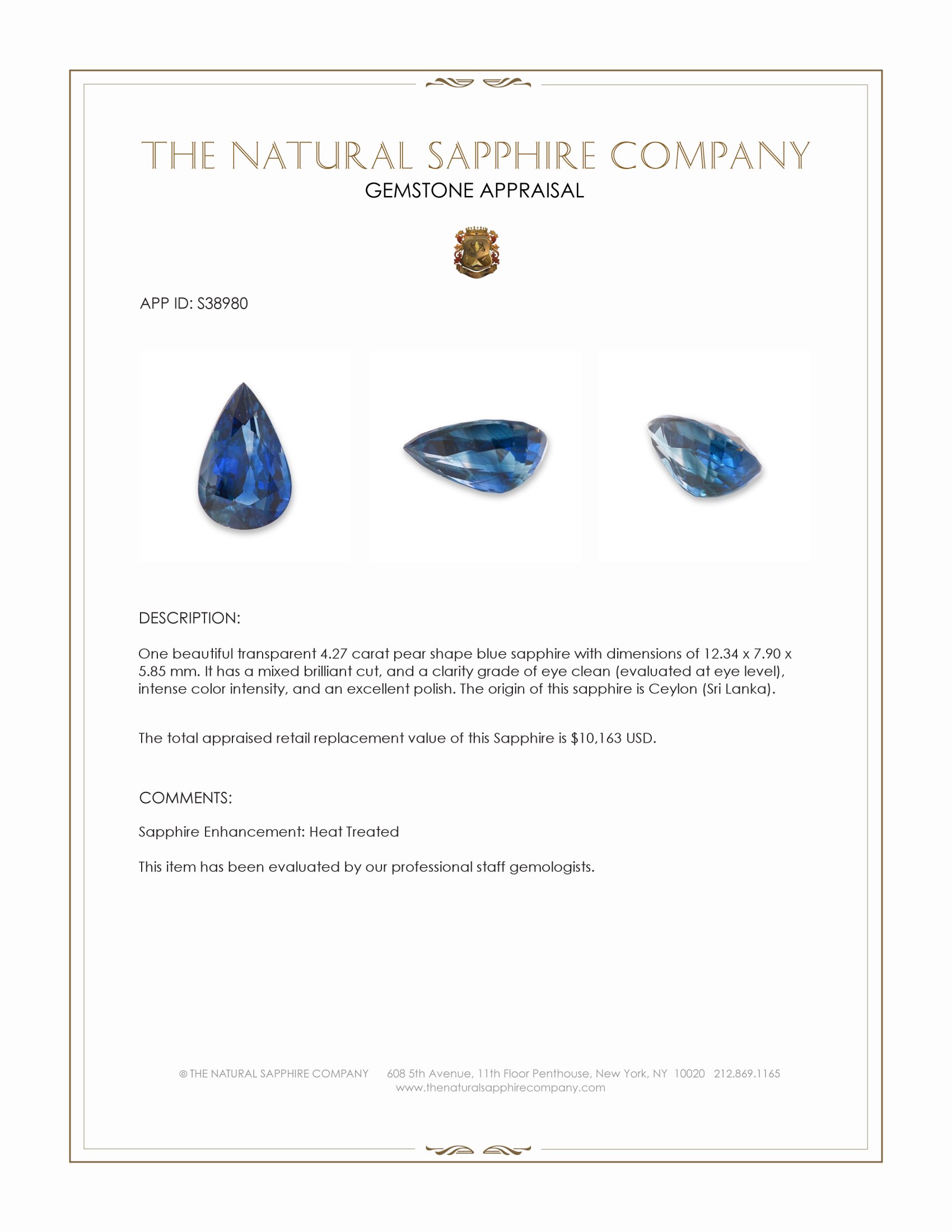
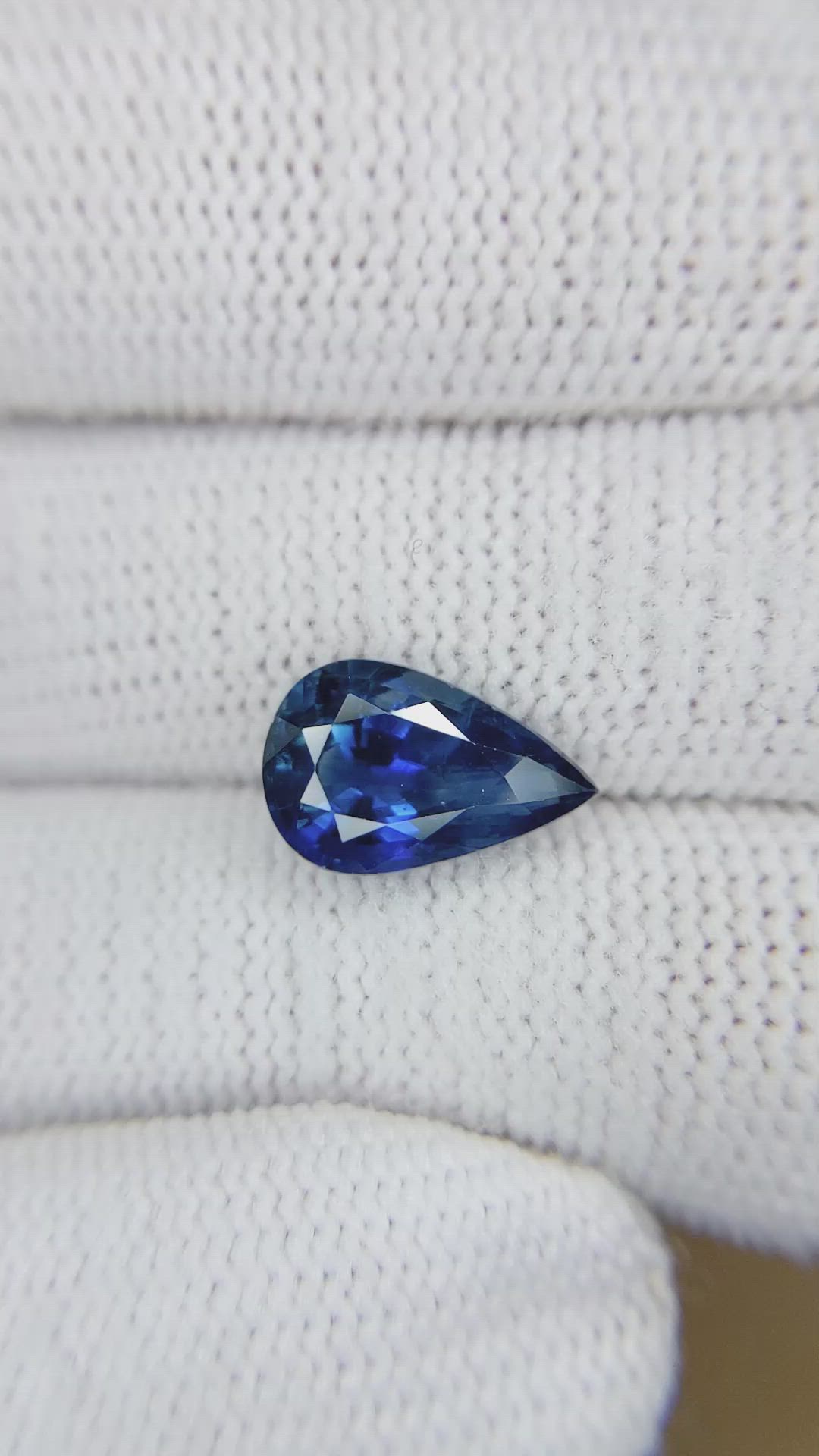
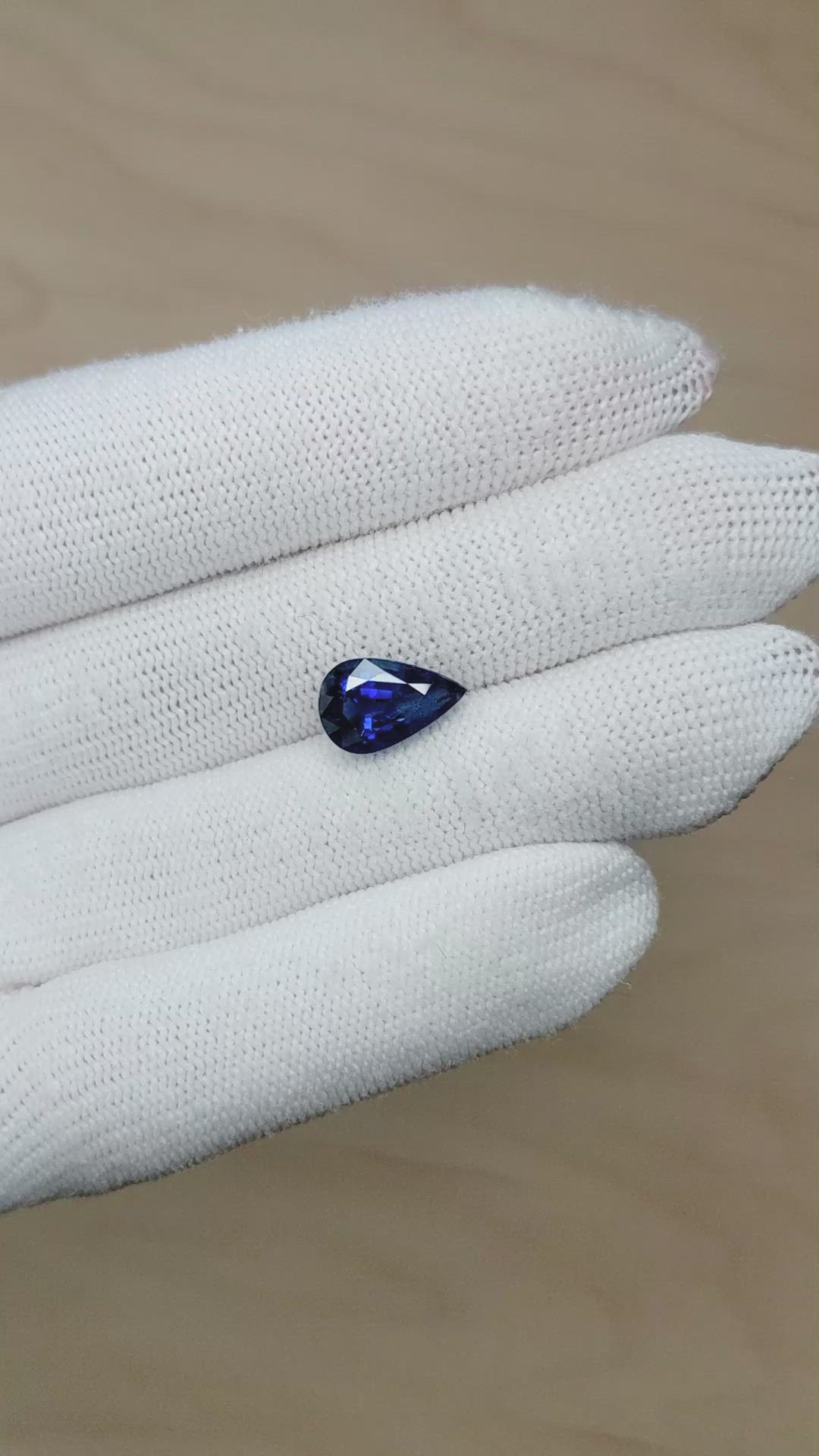
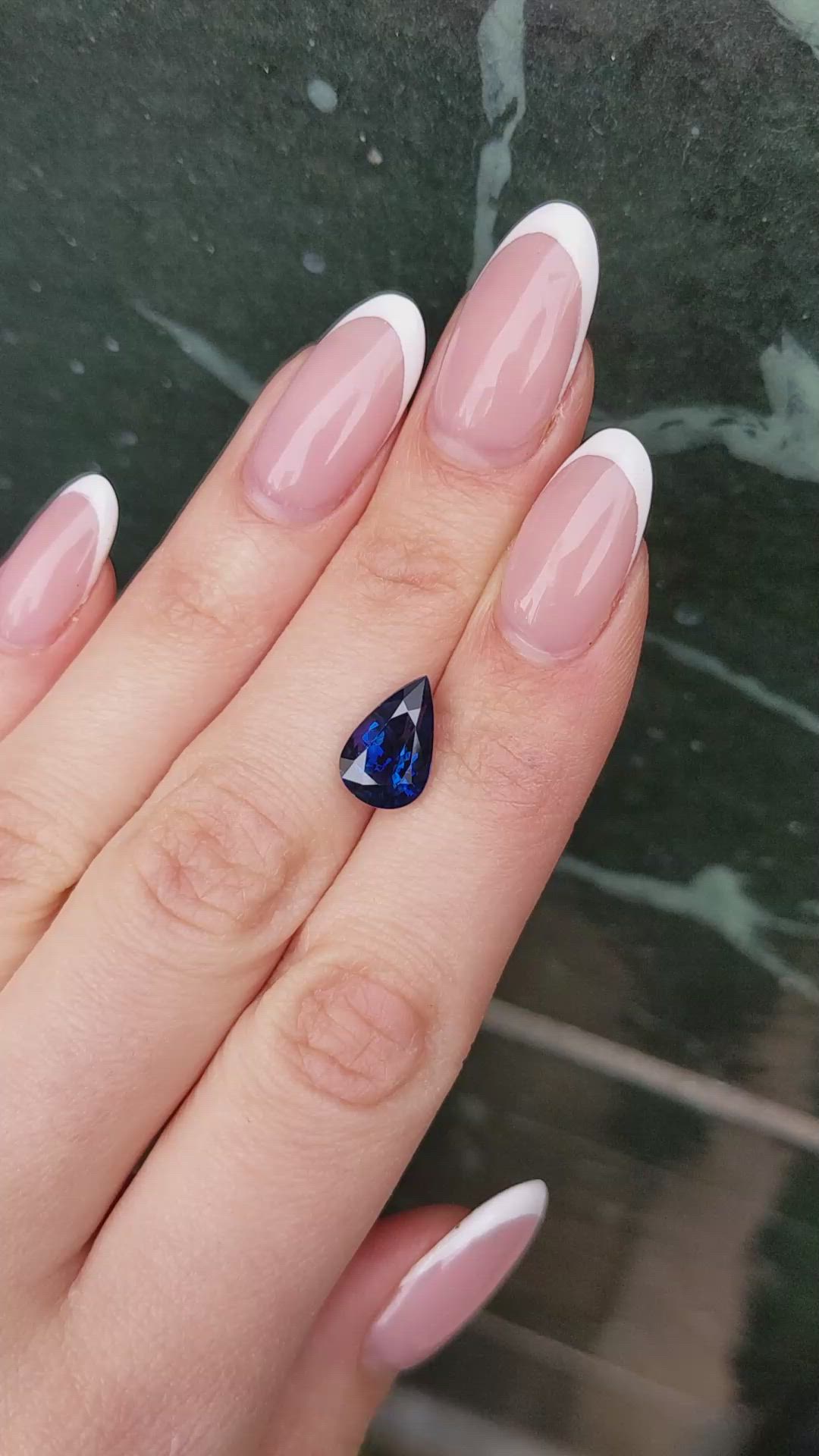
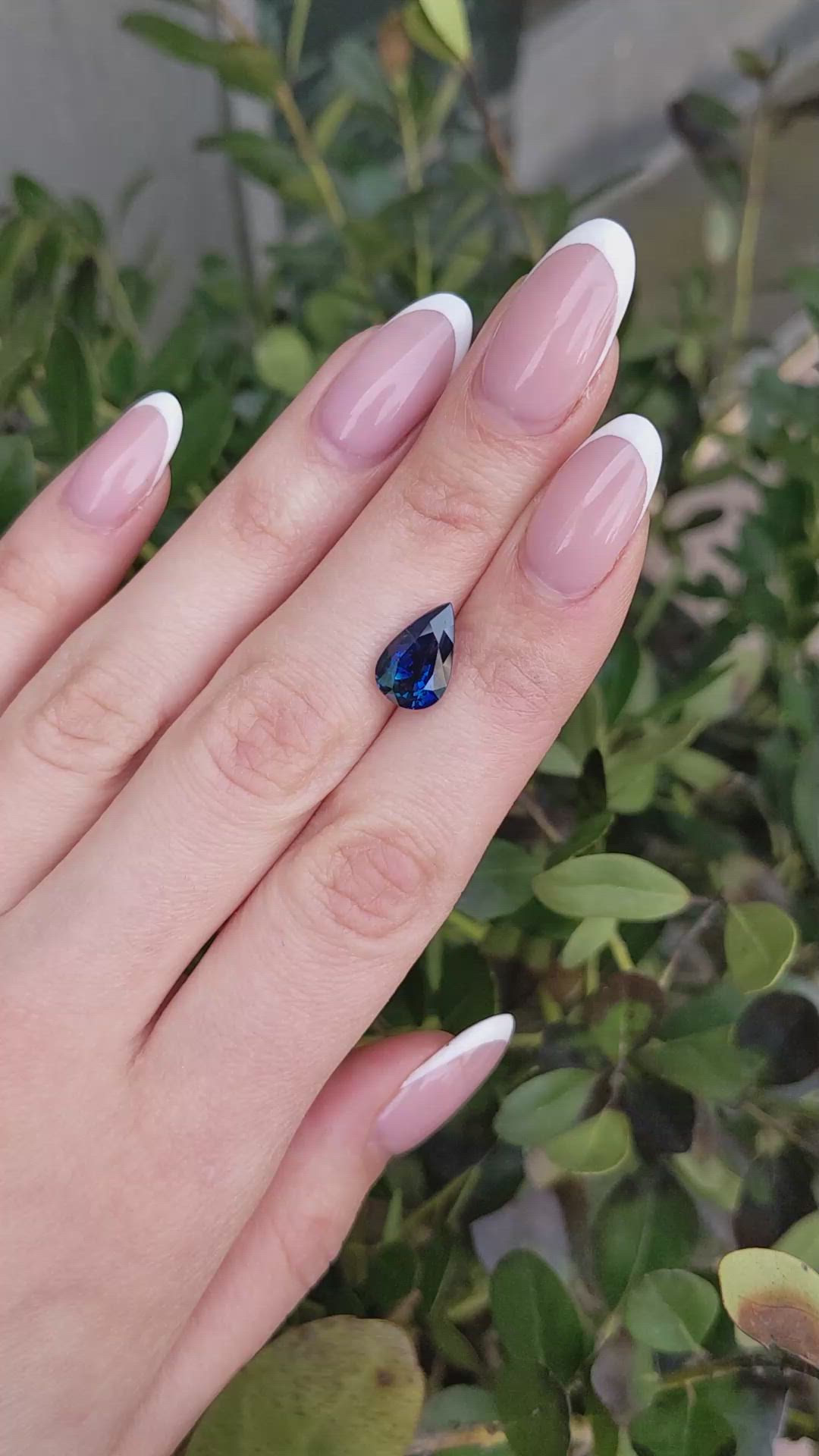
4.27 Ct. Blue Sapphire from Ceylon (Sri Lanka)
This loose stone is available to ship now
Item ID: | S38980 |
|---|---|
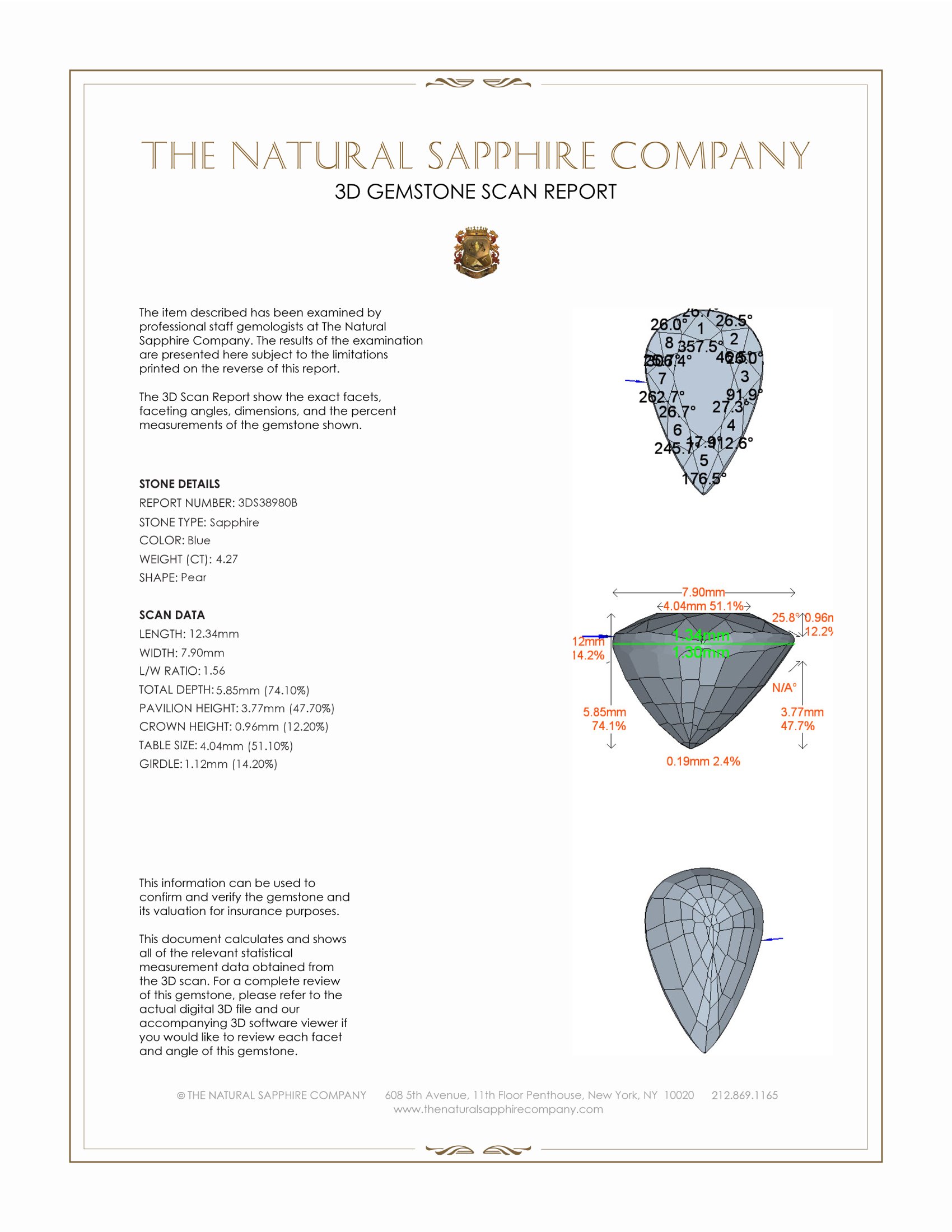
Dimensions (MM): help | Length: 12.34 Width: 7.9 Height: 5.85 |
Weight: | 4.27 Ct. |
Color: help | Blue |
Color intensity: help | Intense |
Clarity: help | Very Slightly Included |
Shape: help | Pear |
Cut: | Mixed Brilliant |
Cutting style: | Faceted |
Enhancements: help | Heat Treated |
Origin: help | Ceylon (Sri Lanka) |
Per carat price: help | $2,380 |
This pear shaped blue sapphire from The Natural Sapphire Company presents a meticulous combination of weight, proportions, and optical presence, weighing 4.27 carats with precise dimensions of 12.34 by 7.90 by 5.85 millimeters. The gem is transparent, offered in a mixed brilliant cut that marries brilliant style crown faceting with carefully modified pavilion facets to maximize return and scintillation. Clarity is graded as very slightly included evaluated at eye level, indicating inclusions are minor and do not detract from face up performance. Color is described as intense in color intensity, and the stone benefits from an excellent polish that sharpens facet junctions and enhances overall light performance. This sapphire is heat treated, a stable and widely accepted enhancement for optimizing hue and saturation, and its recorded origin is Ceylon Sri Lanka, a locality renowned for producing lively and saturated blue sapphires. As a specialist team, The Natural Sapphire Company vets cut proportions and finishing to ensure the piece combines wearable dimensions with a pleasing visual footprint when set.
From a cutting and craftsmanship perspective this pear exhibits hallmarks of a skilled mixed brilliant cutting approach, with a moderately sized table that allows for strong light entry and controlled return through the pavilion facets. The crown displays a network of kite and triangular facets that generate scintillation, while the pavilion uses a modified faceting scheme to balance return and dispersion without introducing excessive windowing or extinction. The pear form requires exacting symmetry at the point and a refined transition at the girdle to avoid light leakage, and this example shows consistent facet alignment and a clean girdle profile that speaks to careful preform planning and experienced lapidary execution. Facet junctions are crisp and the polish is described as excellent which improves contrast play and preserves high fidelity of the blue hue across viewing angles. The cutter has also oriented the sapphire to take advantage of its pleochroic nature, so that the primary face up view displays the most desirable blue saturation, while side and pavilion views reveal subtle variations consistent with natural corundum.
Color and clarity interplay is central to the appeal of this sapphire, and the intense color intensity reported here is a product of favorable trace element chemistry combined with effective cutting to concentrate saturation in the face up plane. Ceylon origin often yields a bright, lively blue with clean tonal mid to deep placement, and this stone demonstrates a rich medium to deep blue with strong saturation that reads as vivid under standard daylight simulation. Clarity described as very slightly included evaluated at eye level indicates that inclusions are small, generally microscopic or only minimally visible without magnification, and they do not compromise transparency or the gemological integrity of the crystal. Typical internal features in corundum may include fine rutile silk or isolated mineral crystals, and in this example these characteristics are consistent with natural formation and are stable through standard wear. The heat treatment applied is a conventional, permanent thermal enhancement intended to improve hue uniformity and to reduce the prominence of rutile silk without compromising structural stability. The combination of intense color, controlled inclusion profile, and expert cutting yields a sapphire that balances brilliance, color saturation, and optical clarity for a superior face up presentation.
Durability and practical wearing considerations are straightforward with corundum, which registers nine on the Mohs hardness scale, second only to diamond which rates ten, and notably harder than common jewelry gems such as topaz at eight and quartz at seven. This relative hardness ensures excellent resistance to surface abrasion and everyday scratching, making this pear shaped sapphire suitable for frequent wear in rings and pendants when set appropriately. Despite high hardness, corundum remains brittle in the sense that sharp blows to facet junctions or the pointed tip of a pear can cause chips, therefore the pointed end benefits from a protective setting approach such as a bezel or reinforced prong at the tip, with additional bezel or halo protection advised for ring applications. Heat treatment applied to enhance color is stable and does not require special precautions beyond normal gem care, however ultrasonic cleaning is not recommended if inclusions are open or if the mounting method requires caution. For buyers seeking both technical confidence and aesthetic refinement, The Natural Sapphire Company provides documentation of origin and treatment upon request, and our gemologists can advise on ideal mounting designs that preserve the stone integrity while maximizing its optical performance.


