
- Stone14
- Reports3
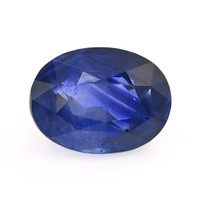

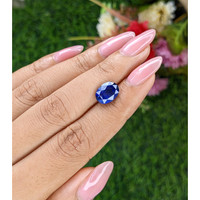

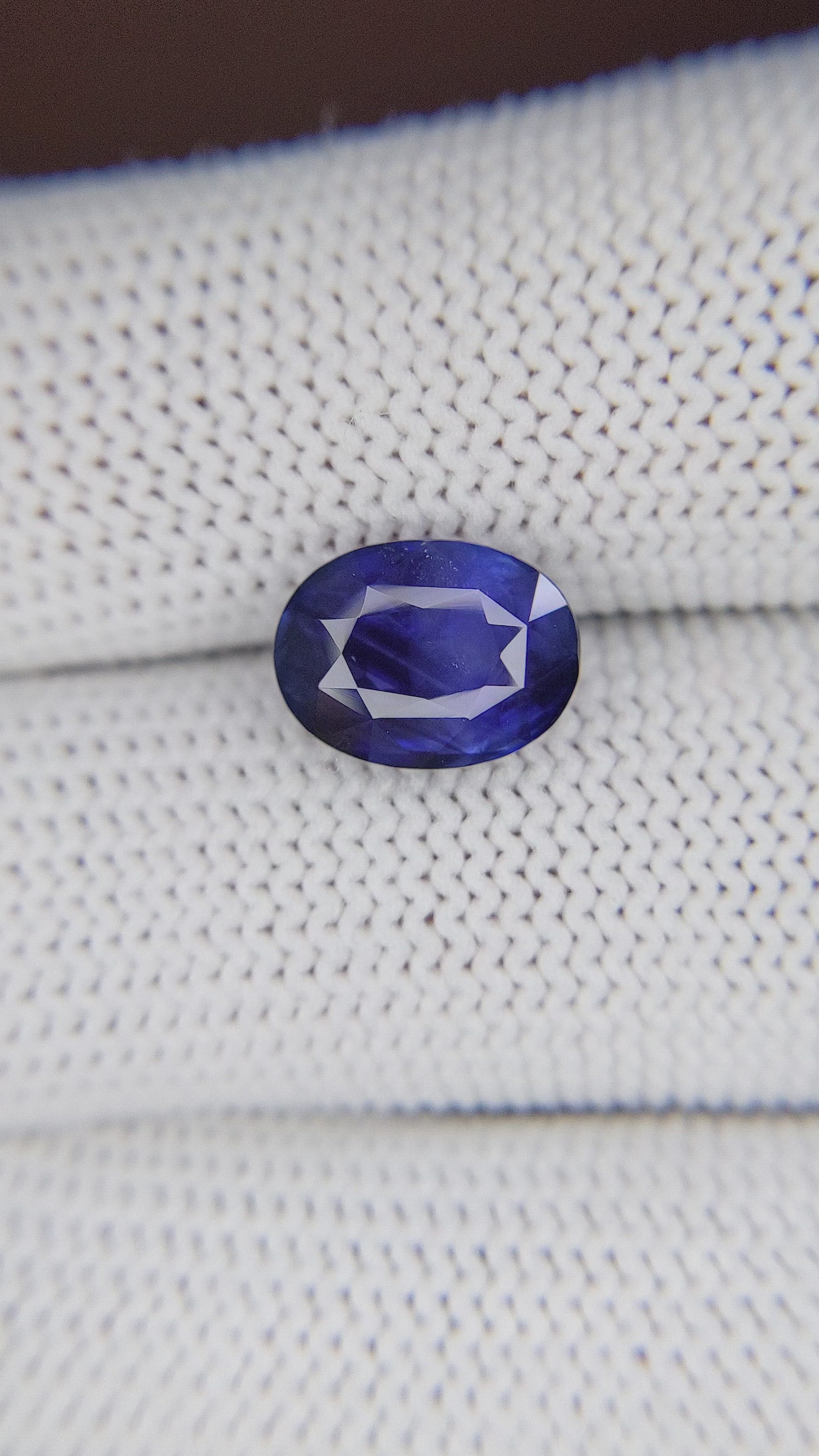
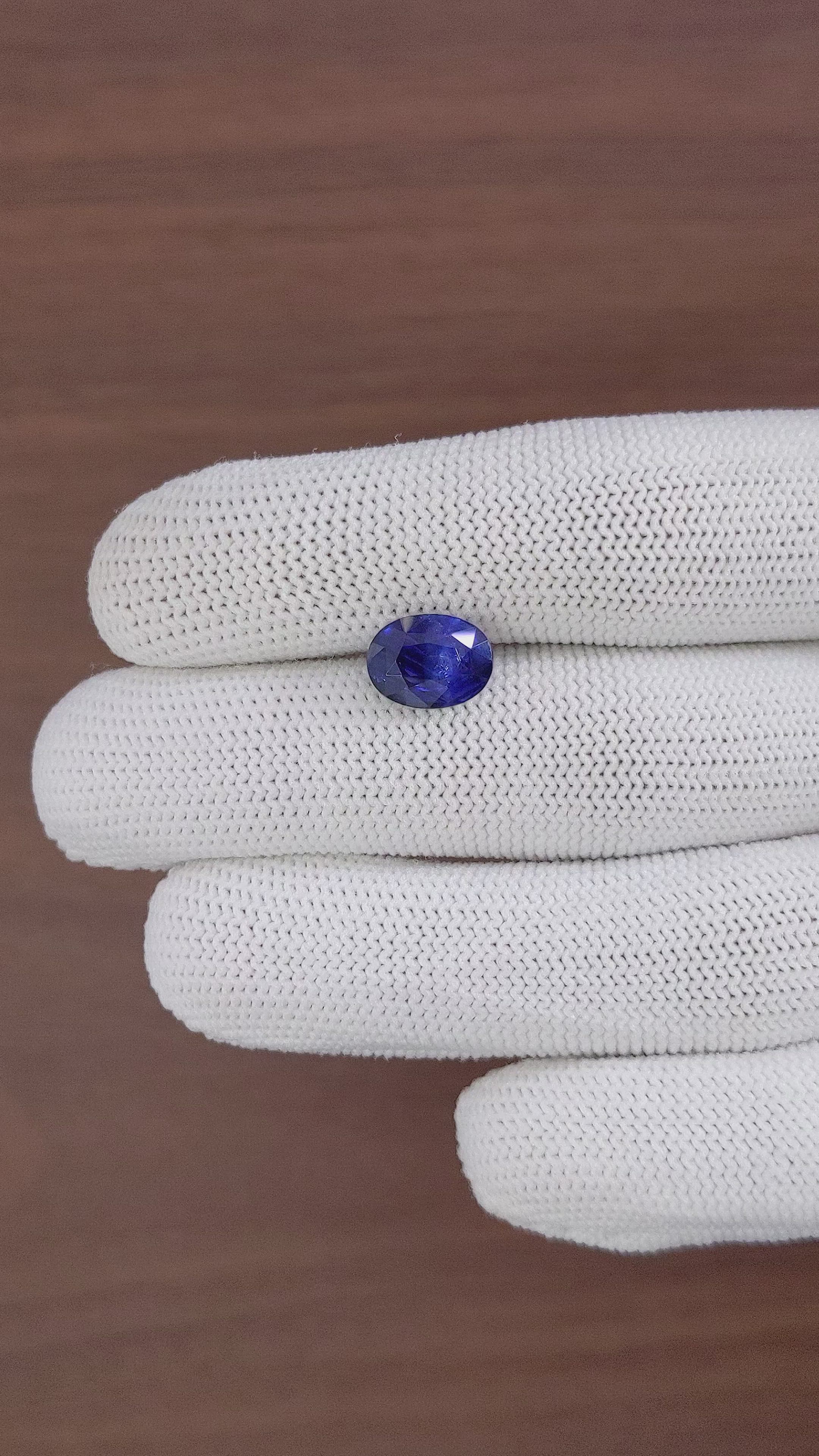
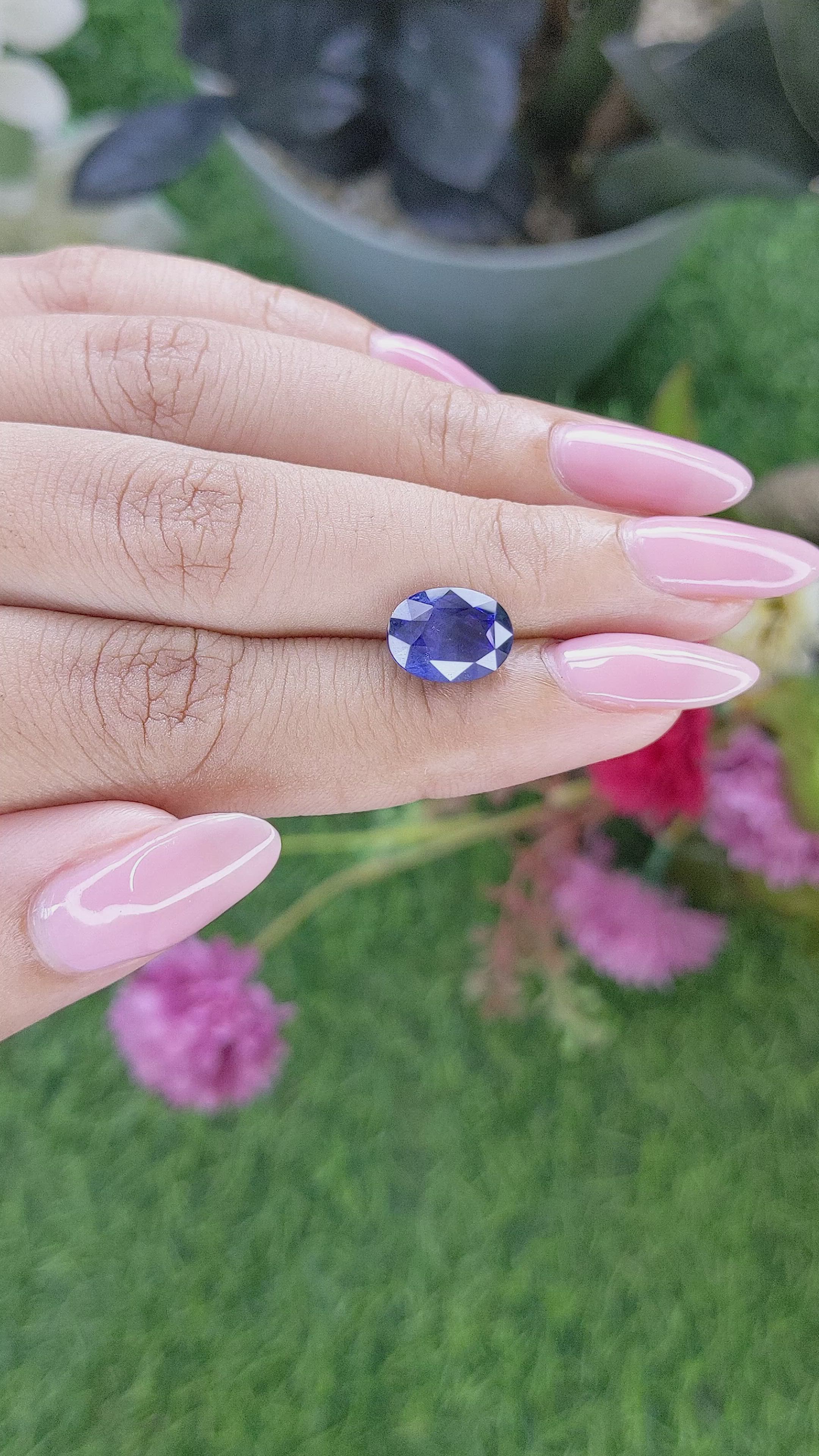
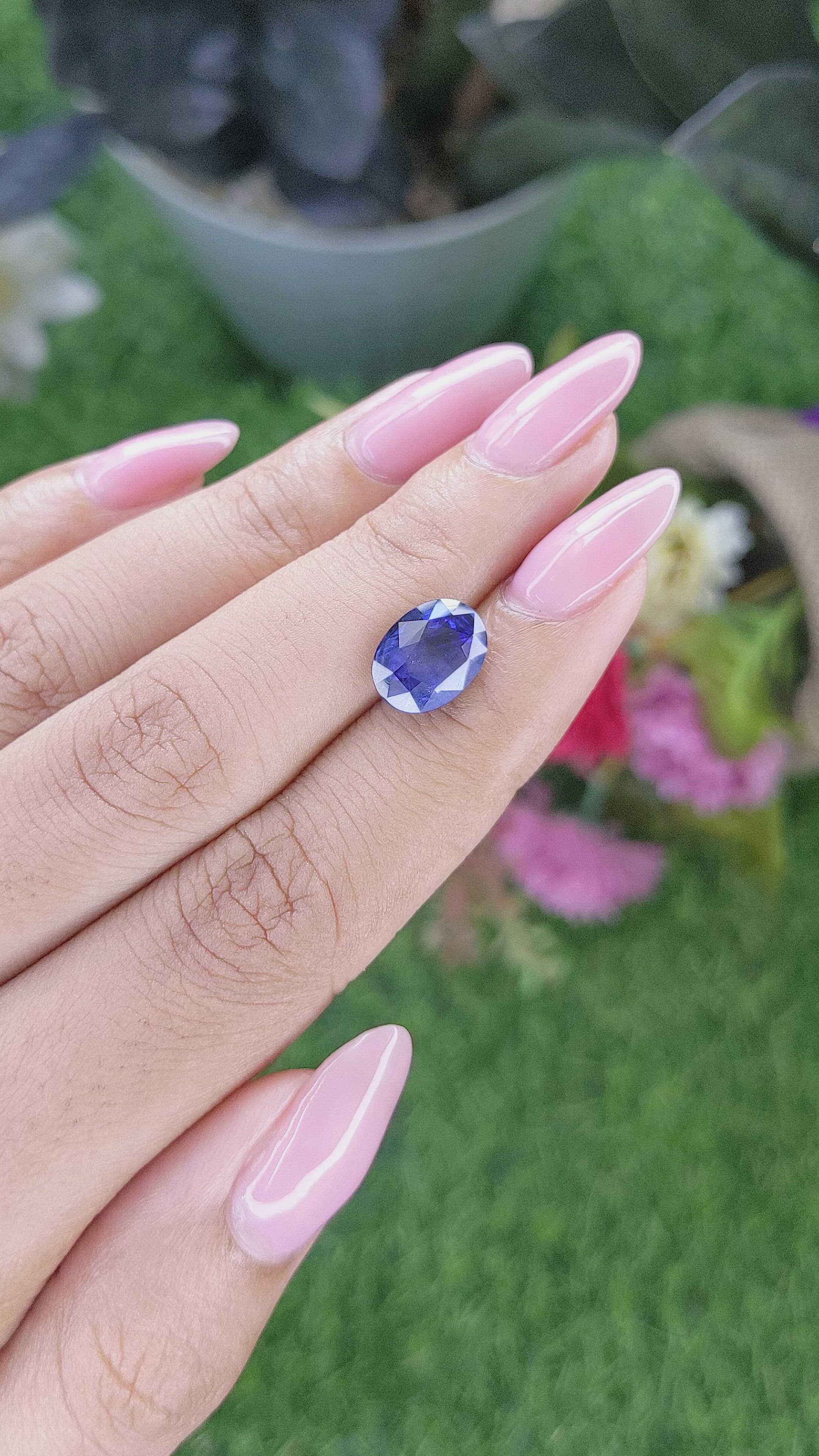
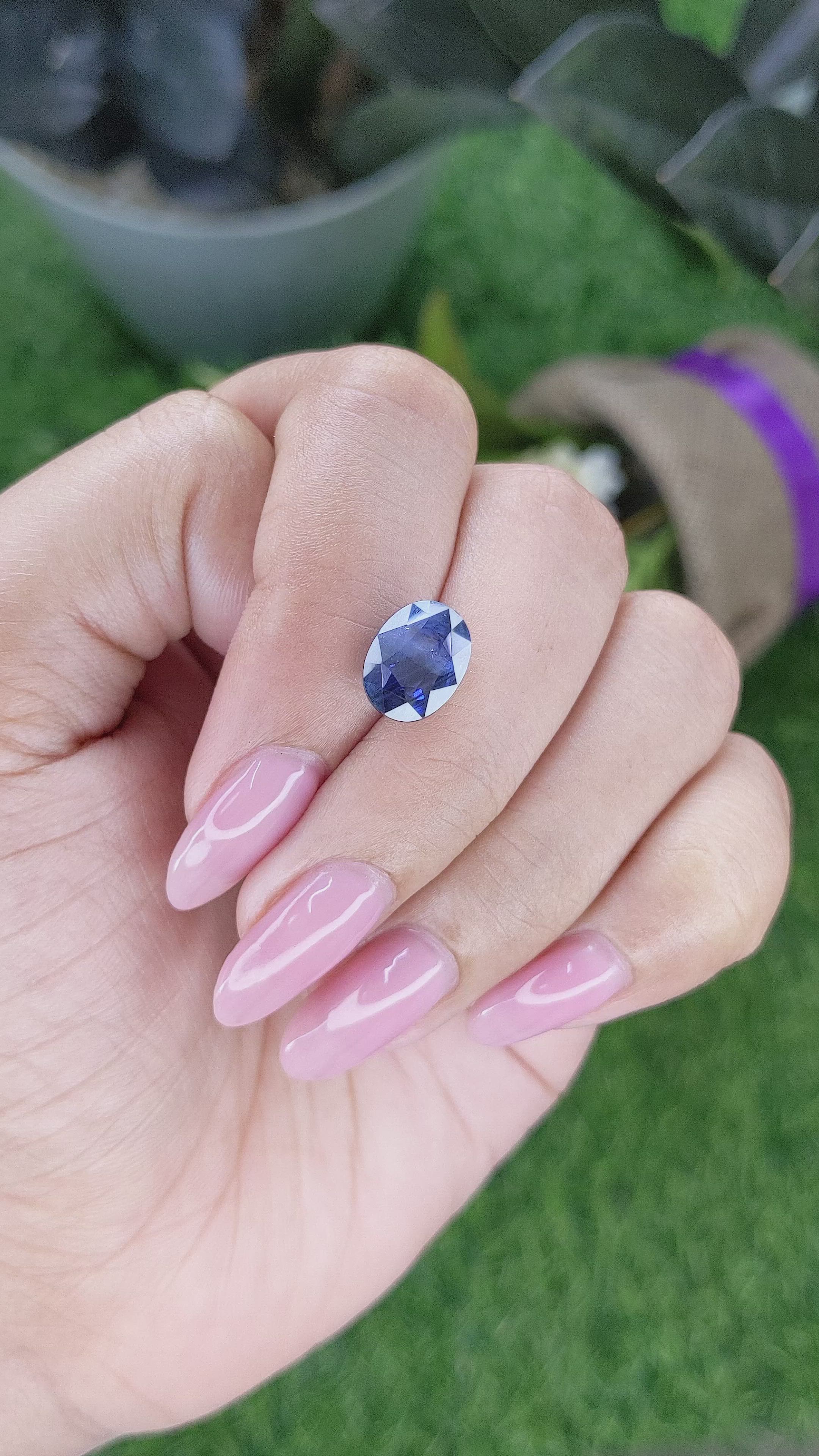


4.05 Ct. Blue Sapphire from Tanzania
This loose stone ships by Jun 18
Item ID: | S40225 |
|---|---|
Dimensions (MM): help | Length: 10.54 Width: 7.89 Height: 5.49 |
Weight: | 4.05 Ct. |
Color: help | Blue |
Color intensity: help | Intense |
Clarity: help | Very Slightly Included |
Shape: help | Oval |
Cut: | Mixed Brilliant Cut |
Cutting style: | Faceted |
Enhancements: help | No Enhancement |
Origin: help | Tanzania |
Per carat price: help | $617 |
This exceptional natural blue sapphire from Tanzania weighs 4.05 carats, and measures 10.54 by 7.89 by 5.49 millimeters, and it is fashioned into an elegant oval shape with a mixed brilliant cut that balances maximum light return with efficient weight retention, and the gem displays an intense blue color that is rich and saturated, an excellent polish that gives crisp facet junctions and lively scintillation, and a clarity that is described as very slightly included when evaluated at eye level, meaning that the stone is transparent and clean to casual viewing with only minor natural features visible upon careful inspection. As a salesperson at The Natural Sapphire Company I always emphasize how these technical attributes combine to create a stone that appeals to an educated buyer who understands the interplay between carat weight, optical performance, and natural origin. The lack of enhancement is particularly important, since many commercial sapphires undergo heat treatment to improve color and clarity, and this sapphire is offered in its natural state, which is rarer, and therefore commands a premium for collectors and connoisseurs who seek authenticity and provenance.
Long before humans ever appreciated its beauty, this sapphire began its journey deep within the Earth millions of years ago under a regime of intense heat and pressure, deep in metamorphic terranes where aluminum rich rocks reacted with oxygen to form the mineral corundum, and where trace elements such as iron and titanium were incorporated into the crystal lattice, imparting the blue hue that we admire today. Over geological time scales tectonic forces uplifted these metamorphic sequences toward the surface, and erosion liberated corundum crystals from their host rocks, concentrating them into secondary alluvial deposits and residual pockets where gem miners could discover them. Each crystal is therefore a tiny archive of geological history, preserving not only the conditions of formation, but also the subtle chemical fingerprint that links it to Tanzanian deposits. The mixed brilliant cut that this stone bears is itself a human response to that ancient history, an artful conversion of rough corundum into a polished gem, where cutter decisions about facet arrangement and pavilion depth were calibrated to reveal optimum color saturation and brilliance while conserving as much of the original weight as possible.
Gemologically this sapphire exemplifies the qualities that educated buyers look for when assessing a specimen for investment or for a signature jewelry commission, and its intense color intensity sits at the heart of its desirability, because in blue sapphire the depth and uniformity of color typically exert the greatest influence on value, more so than small differences in clarity. The clarity grade noted as very slightly included at eye level indicates that the stone is essentially clean to the naked eye, and that the observed inclusions are minor, natural features consistent with corundum, such as minute crystals or faint silk inclusions that subtly testify to its natural origin without materially detracting from transparency or brilliance. The mixed brilliant cut enhances light performance by combining a faceted crown that disperses and returns light with a precision cut pavilion that anchors strong internal reflection, producing a balance of scintillation and color saturation that flatters in both natural and artificial lighting. Physically sapphires are corundum, with a hardness of nine on the Mohs scale, and a refractive index that yields noticeable brilliance and good durability for everyday wear, all qualities that make this oval gem an ideal choice for a ring, pendant, or bespoke design intended to be worn frequently.
For the thoughtful buyer who values provenance and natural integrity, the Tanzanian origin of this sapphire adds an important dimension of appeal, because East African deposits are known for producing stones with vivid blues and attractive characters, and when combined with the fact that this stone is unenhanced, the result is a piece that speaks to both rarity and authenticity. At The Natural Sapphire Company we ensure transparent disclosure about origin, treatments, and gemological characteristics, and we are prepared to support your purchase with documentation that reflects the gemology of this sapphire. From a practical perspective the dimensions and oval outline make this 4.05 carat stone versatile for a variety of settings, and the excellent polish will allow a skilled jeweler to set it with minimal adjustments while preserving weight and symmetry. Finally this sapphire is a statement of enduring value, combining natural geological heritage, skilled cutting, and uncompromised material integrity, and for the buyer who appreciates both the science and the romance of gemstones, this Tanzanian sapphire is an investment in beauty that will remain compelling for generations.


