
- Stone11
- Reports4
-pear-blue-sapphire-2.8700-cts-s19785-1.jpg?d=200x200&v=20250109160833)
-pear-blue-sapphire-2.8700-cts-s19785-lifestyleimage-1.jpg?d=200x200&v=20250116000027)



-pear-blue-sapphire-2.8700-cts-s19785-1.jpg?d=750x750&s=nsc&v=20250109160833)
-pear-blue-sapphire-2.8700-cts-s19785-lifestyleimage-1.jpg?d=750x750&s=nsc&v=20250116000027)


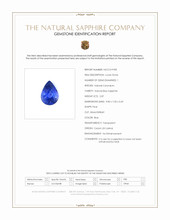
2.87 Ct. Blue Sapphire from Ceylon (Sri Lanka)
This loose stone is available to ship now
Item ID: | S19785 |
|---|---|
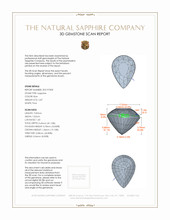
Dimensions (MM): help | Length: 9.82 Width: 7.02 Height: 5.69 |
Weight: | 2.87 Ct. |
Color: help | Blue |
Color intensity: help | Vivid |
Clarity: help | Very Slightly Included |
Shape: help | Pear |
Cut: | Mixed Brilliant |
Cutting style: | Faceted |
Enhancements: help | No Enhancement |
Origin: help | Ceylon (Sri Lanka) |
Per carat price: help | $4,505 |
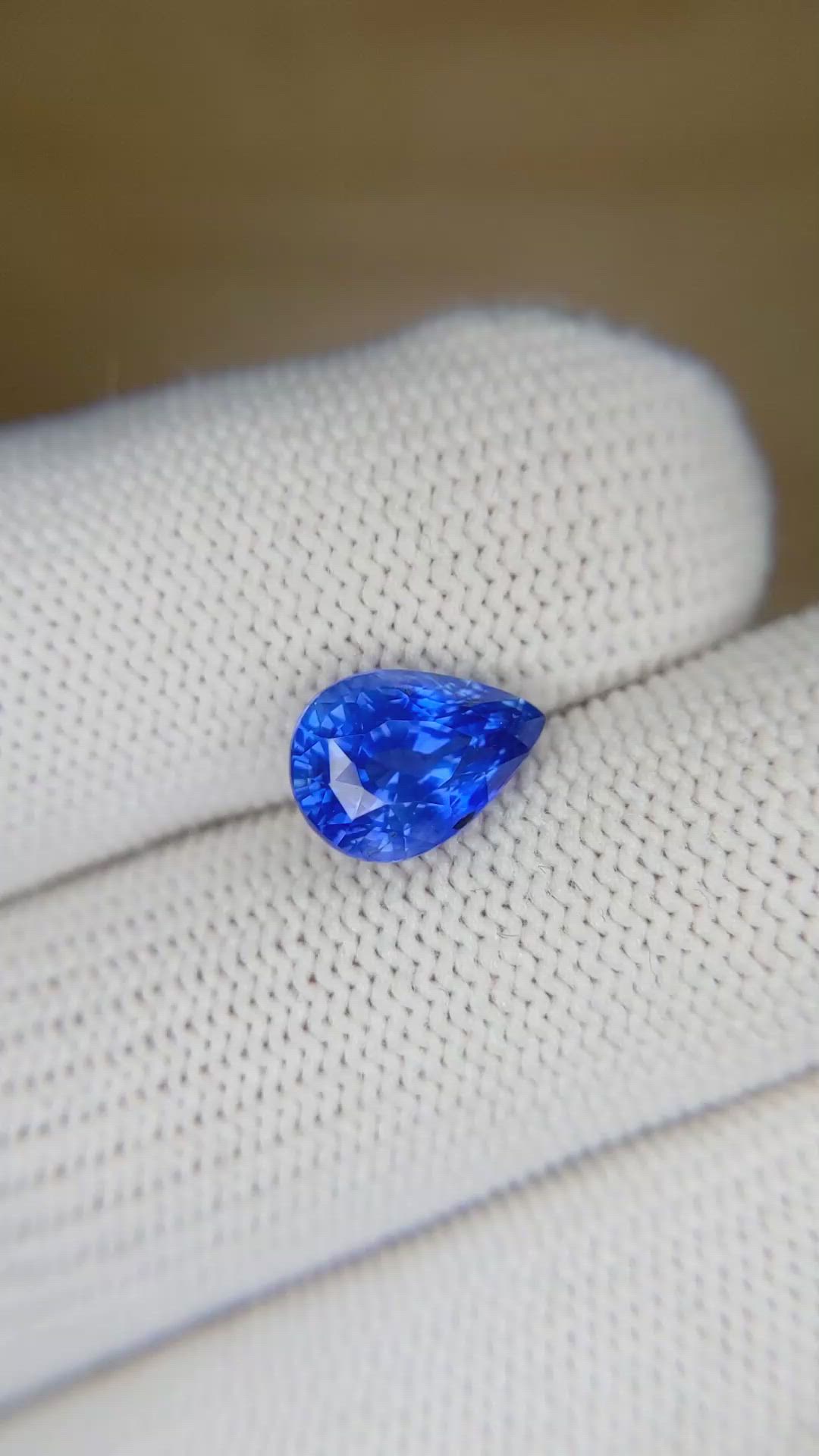
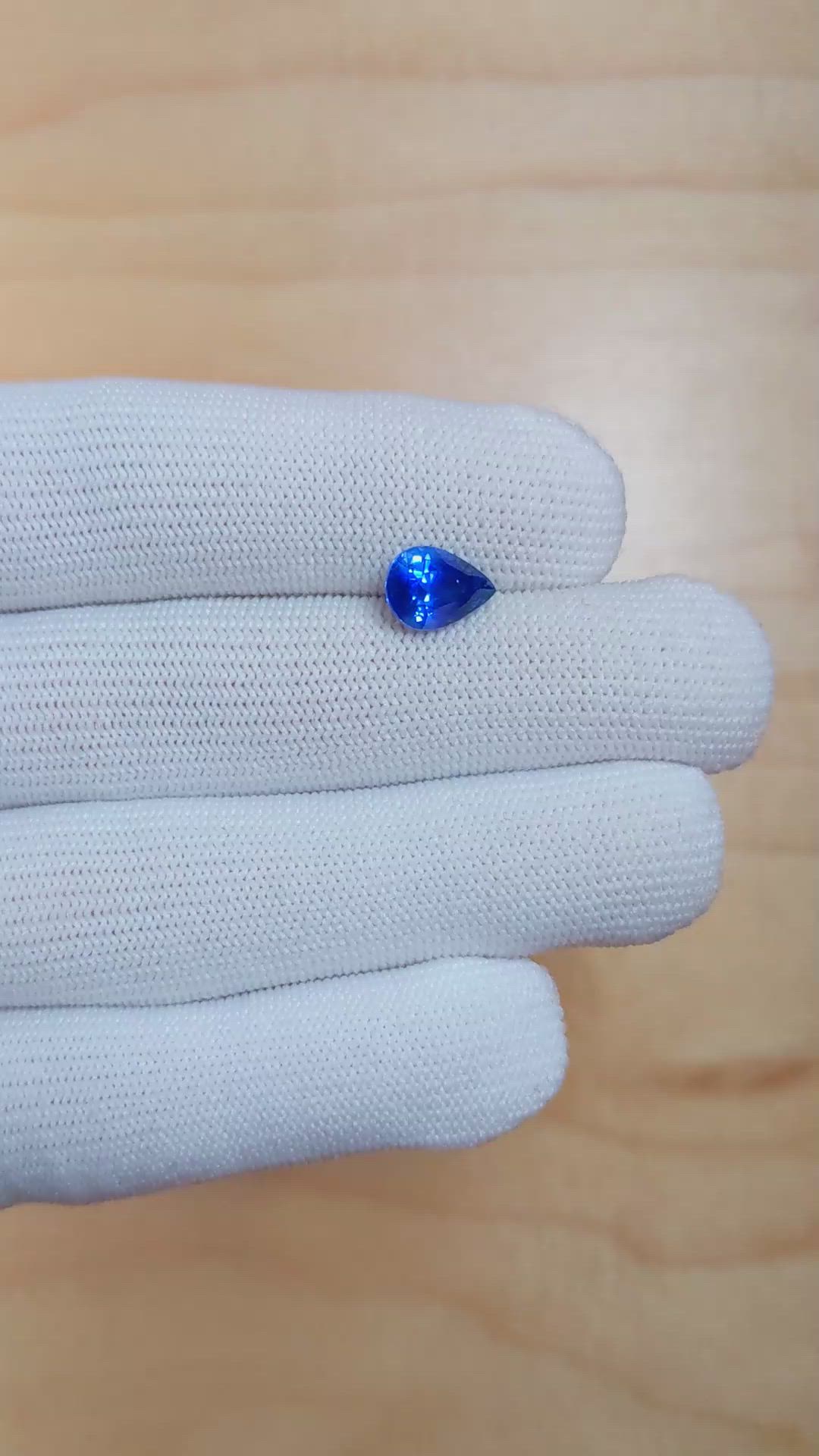
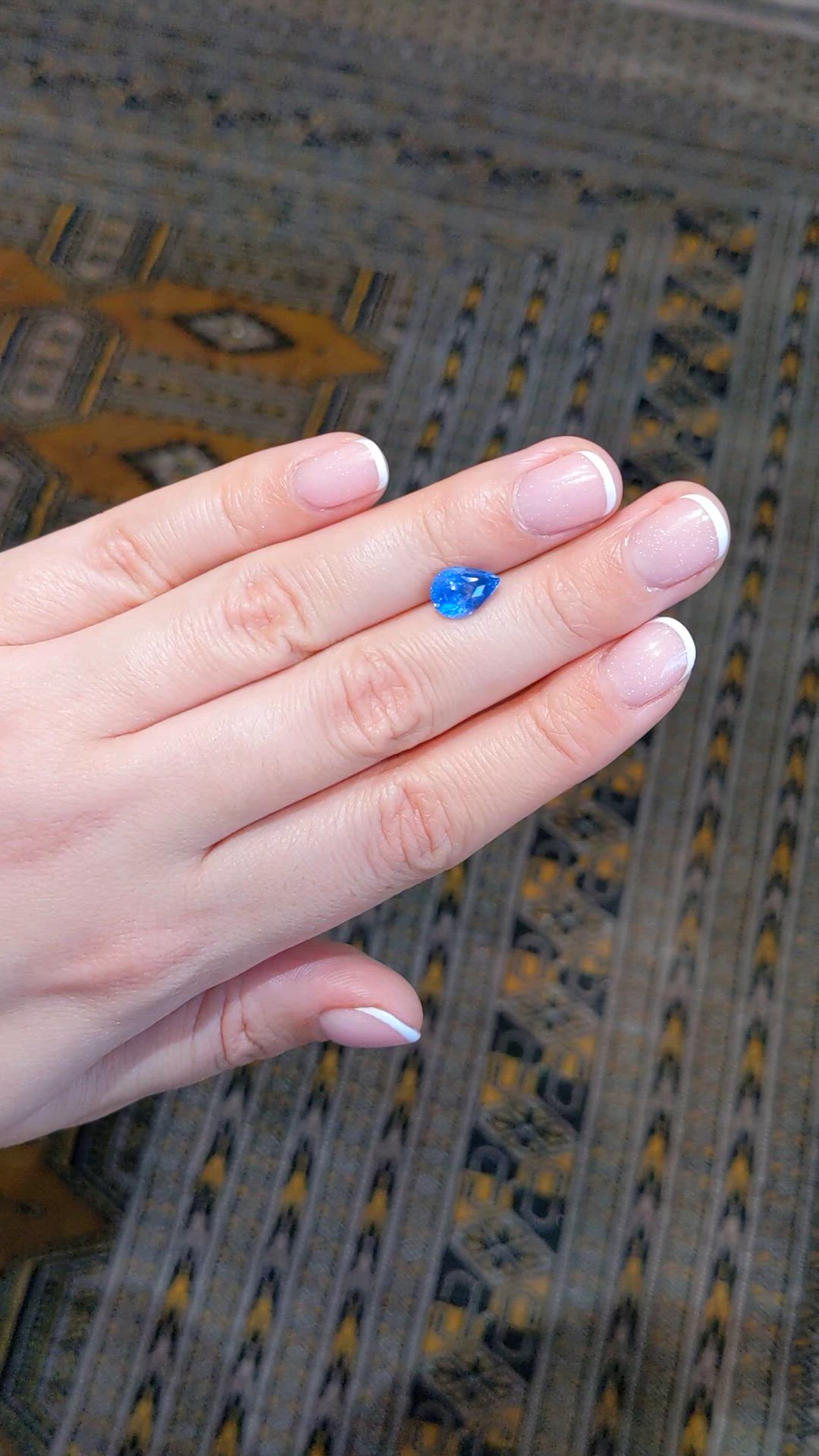
This pear shaped sapphire weighs 2.87 carats, it measures 9.82 x 7.02 x 5.69 mm, it is transparent with a certified cornflower blue hue, it is cut as a mixed brilliant, it carries a clarity grade of very slightly included when evaluated at eye level, it shows vivid color intensity, and it has an excellent polish. This stone is untreated, no enhancement, and it is from Ceylon, Sri Lanka. The combination of a precise pear outline and a true cornflower blue color places this gem in a select category of natural sapphires that appeal to connoisseurs who prioritize both optical performance and geological provenance.
The mixed brilliant cut on this example combines a brilliant faceted crown with a carefully proportioned pavilion that incorporates step influenced facets to control light leakage and reinforce color depth. The cutter has balanced crown angles and pavilion geometry to suit corundum optics, taking account of a refractive index range near 1.762 to 1.770, and a birefringence typically around 0.008 to 0.010. This engineering of facet angles produces efficient internal reflection and a lively scintillation pattern within the pear outline, while maintaining a broad window of color face up. Precision facet junctions and a consistent facet polish reduce stray light scatter, so the visual effect is clean, consistent flashes of blue across the table and along the shoulders of the pear. For a mixed cut of this class, the design intent is to retain maximum color saturation without suppressing fire or brilliance, and the result is an even distribution of tone with dynamic light return from both small and large facets.
Color and clarity are the principal reasons this sapphire stands out when compared to more common gemstones. Cornflower blue sapphires are prized for their pure medium to medium deep tone and a slightly violet leaning blue that reads vivid under standardized lighting. When placed next to aquamarine or light blue topaz, this sapphire exhibits a denser chroma and a richer perceived brightness, because those latter gems typically rely on lightness rather than saturation for visual impact. Compared to spinel or blue tourmaline, both of which can be vivid, this sapphire displays a sturdier body color and a different refractive character that produces strong contrast between bright facet highlights and richly colored windows. Against diamond, which achieves its signature brilliance through high dispersion and a neutral body color, a sapphire will not show the same prismatic fire, however the sapphire compensates with saturated color driven brilliance, where the intensity of the hue enhances perceived sparkle. This is especially evident in untreated cornflower material, where color purity and transparency combine to catch and reflect light in a way that reads as both lively and deep.
Clarity evaluations at eye level indicate very slightly included, which for a gem of this weight and transparency means that internal features are minor and do not interfere with the stone's optical performance. In practical terms the inclusions do not impede light travel through the pavilion and crown facets, so contrast and scintillation remain high. The excellent polish contributes to crisp facet reflections and edge sharpness, which are key for controlled brilliance. The documented absence of enhancement preserves the natural character of the corundum crystal, and origin from Ceylon, Sri Lanka, adds both historical and gemological context, as Sri Lankan sapphires are known for their classic cornflower tones and fine cutting tradition. This sapphire is suitable for settings that emphasize its pear silhouette and color, for example a precision bezel or a well proportioned halo, and it also represents a collector quality example for those seeking untreated Ceylon material. For further technical information or viewing arrangements, please contact The Natural Sapphire Company.


