
- Stone16
- Reports3
-pear-blue-sapphire-2.5300-cts-s38695-1.jpg?d=200x200&v=20260319071748)
-pear-blue-sapphire-2.5300-cts-s38695-lifestyleimage-1.jpg?d=200x200&v=20260312055747)
-pear-blue-sapphire-2.5300-cts-s38695-lifestyleimage-2.jpg?d=200x200&v=20260312055747)
-pear-blue-sapphire-2.5300-cts-s38695-lifestyleimage-3.jpg?d=200x200&v=20260312055747)
-pear-blue-sapphire-2.5300-cts-s38695-lifestyleimage-4.jpg?d=200x200&v=20260312055747)

-pear-blue-sapphire-2.5300-cts-s38695-1.jpg?d=750x750&s=nsc&v=20260319071748)
-pear-blue-sapphire-2.5300-cts-s38695-lifestyleimage-1.jpg?d=750x750&s=nsc&v=20260312055747)
-pear-blue-sapphire-2.5300-cts-s38695-lifestyleimage-2.jpg?d=750x750&s=nsc&v=20260312055747)
-pear-blue-sapphire-2.5300-cts-s38695-lifestyleimage-3.jpg?d=750x750&s=nsc&v=20260312055747)
-pear-blue-sapphire-2.5300-cts-s38695-lifestyleimage-4.jpg?d=750x750&s=nsc&v=20260312055747)


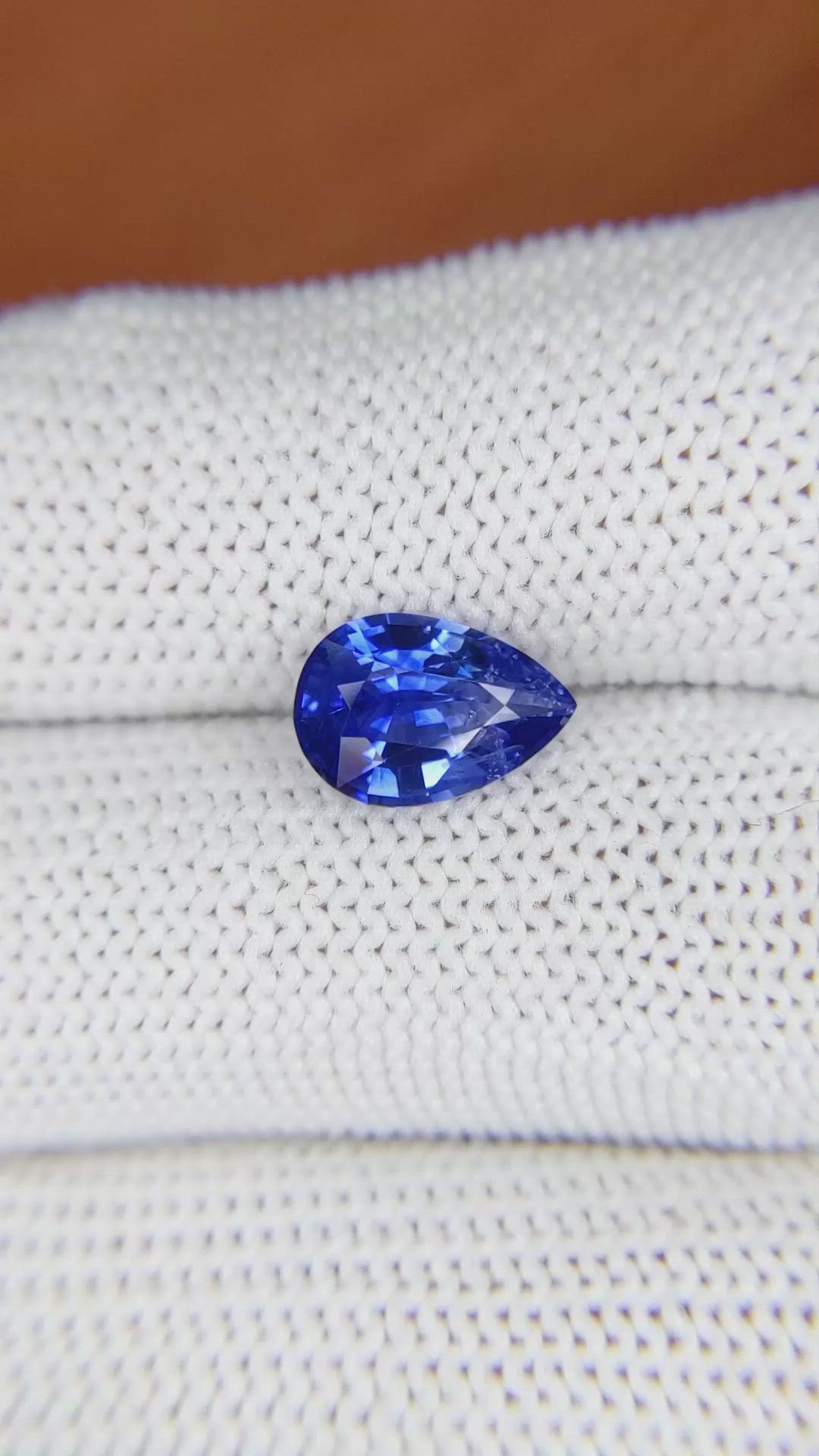
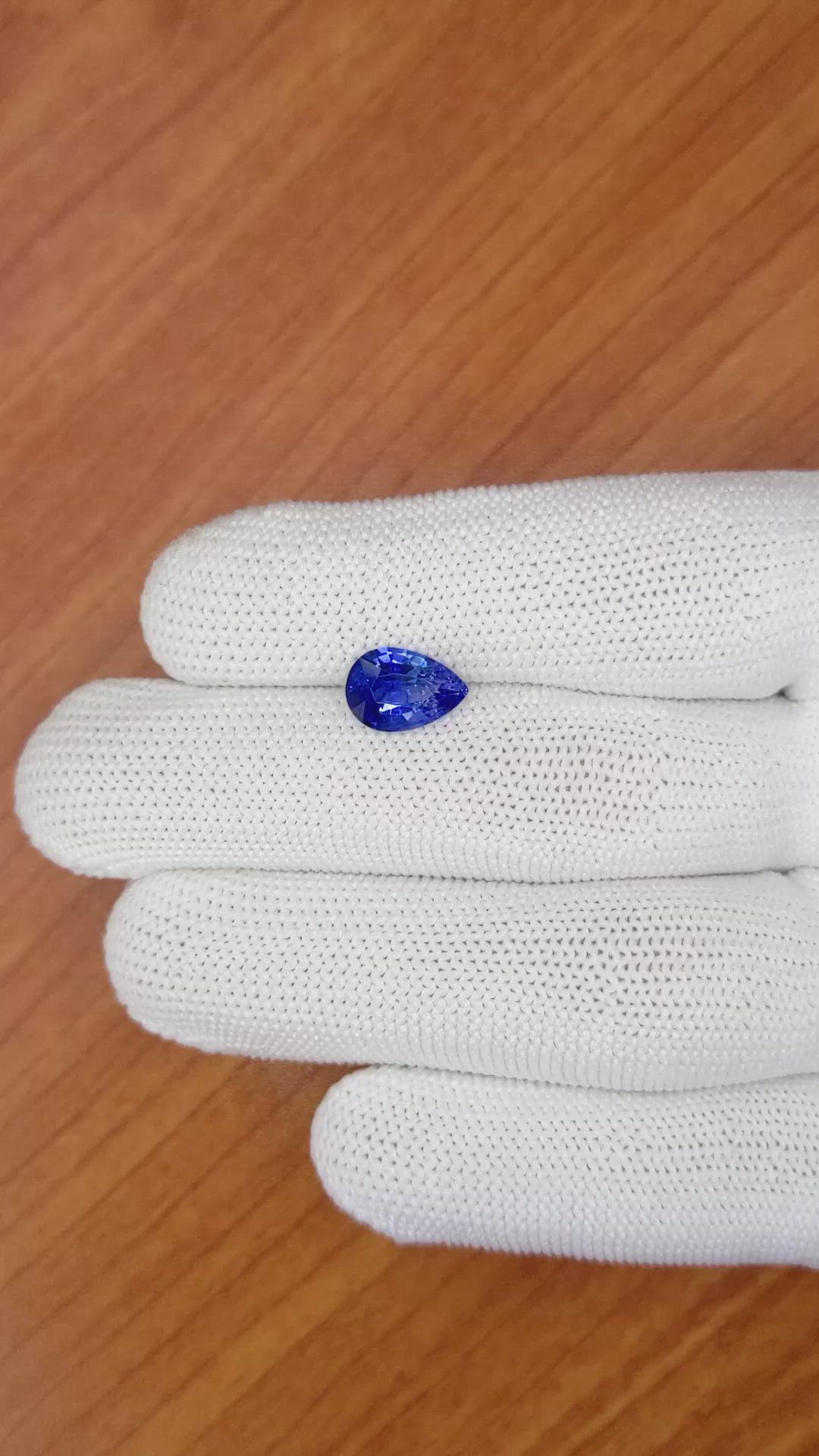
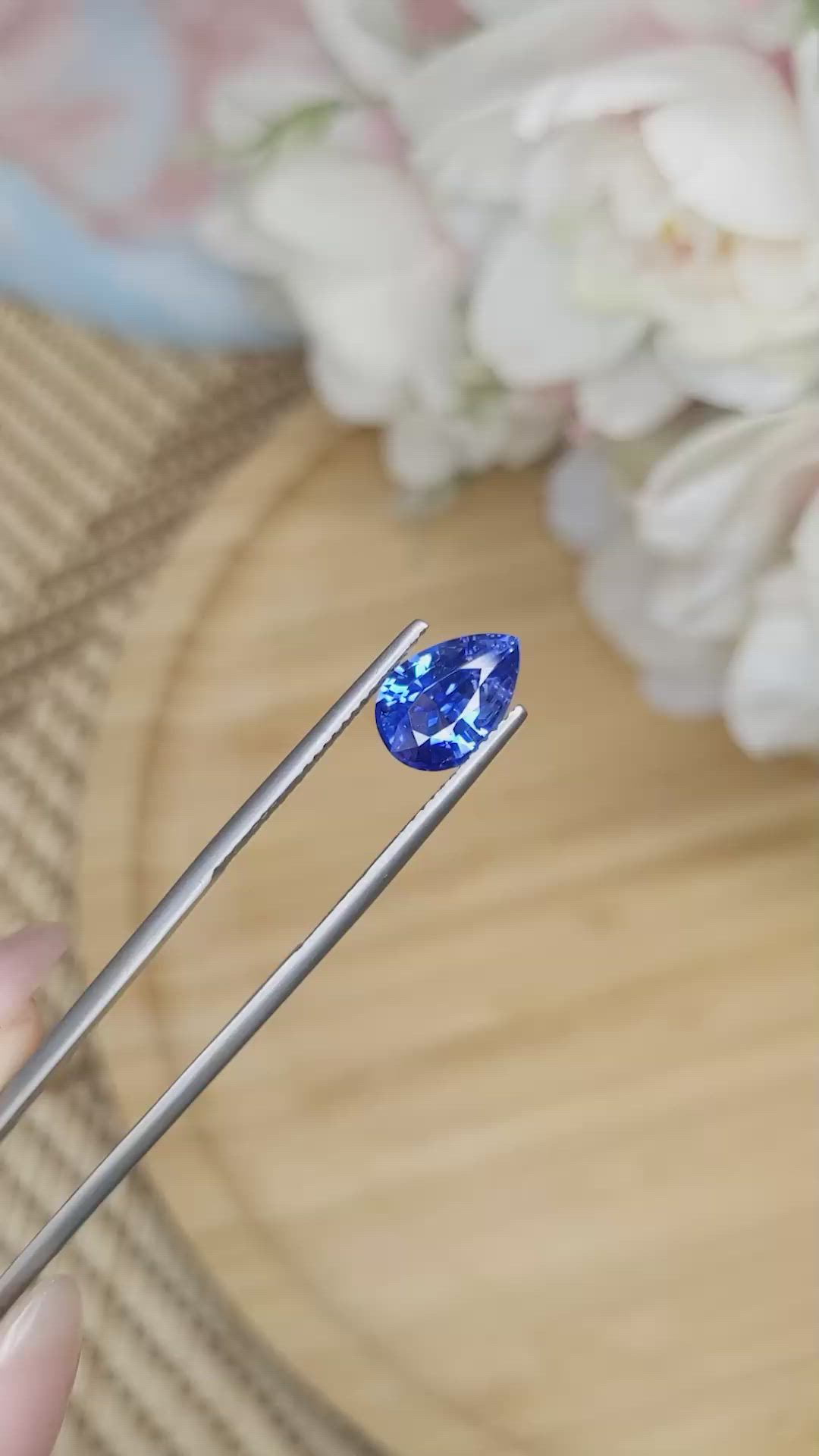
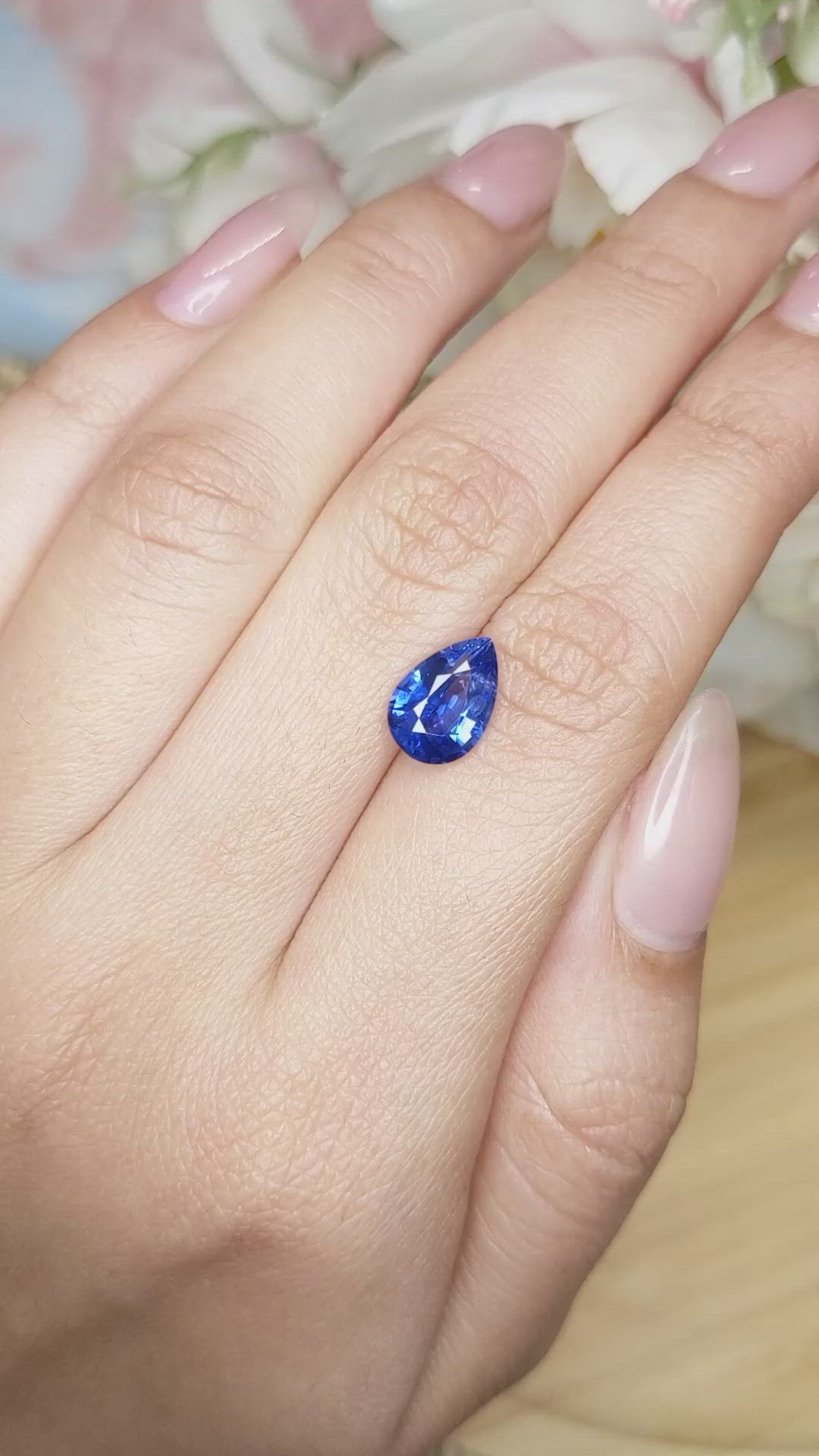
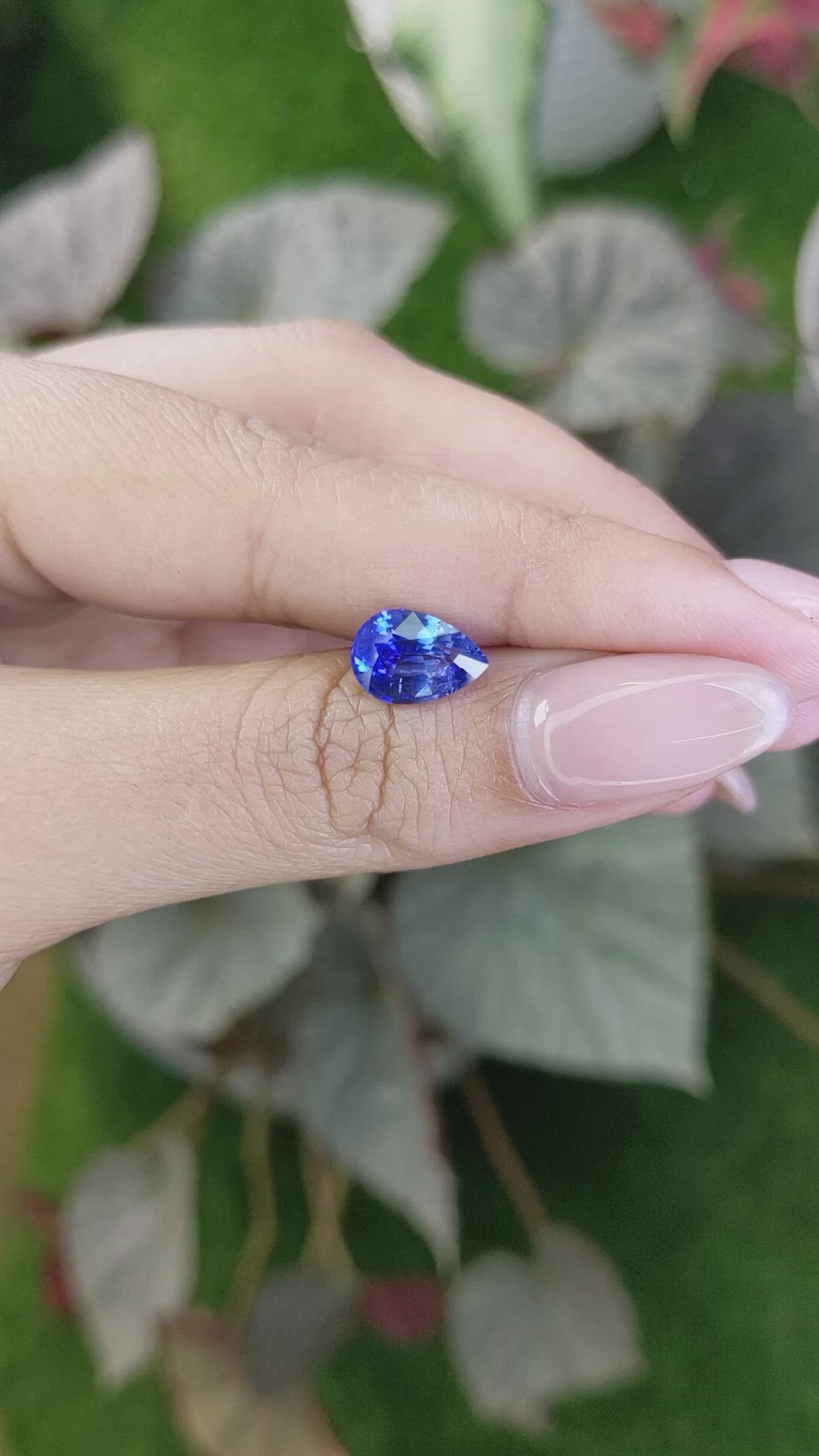
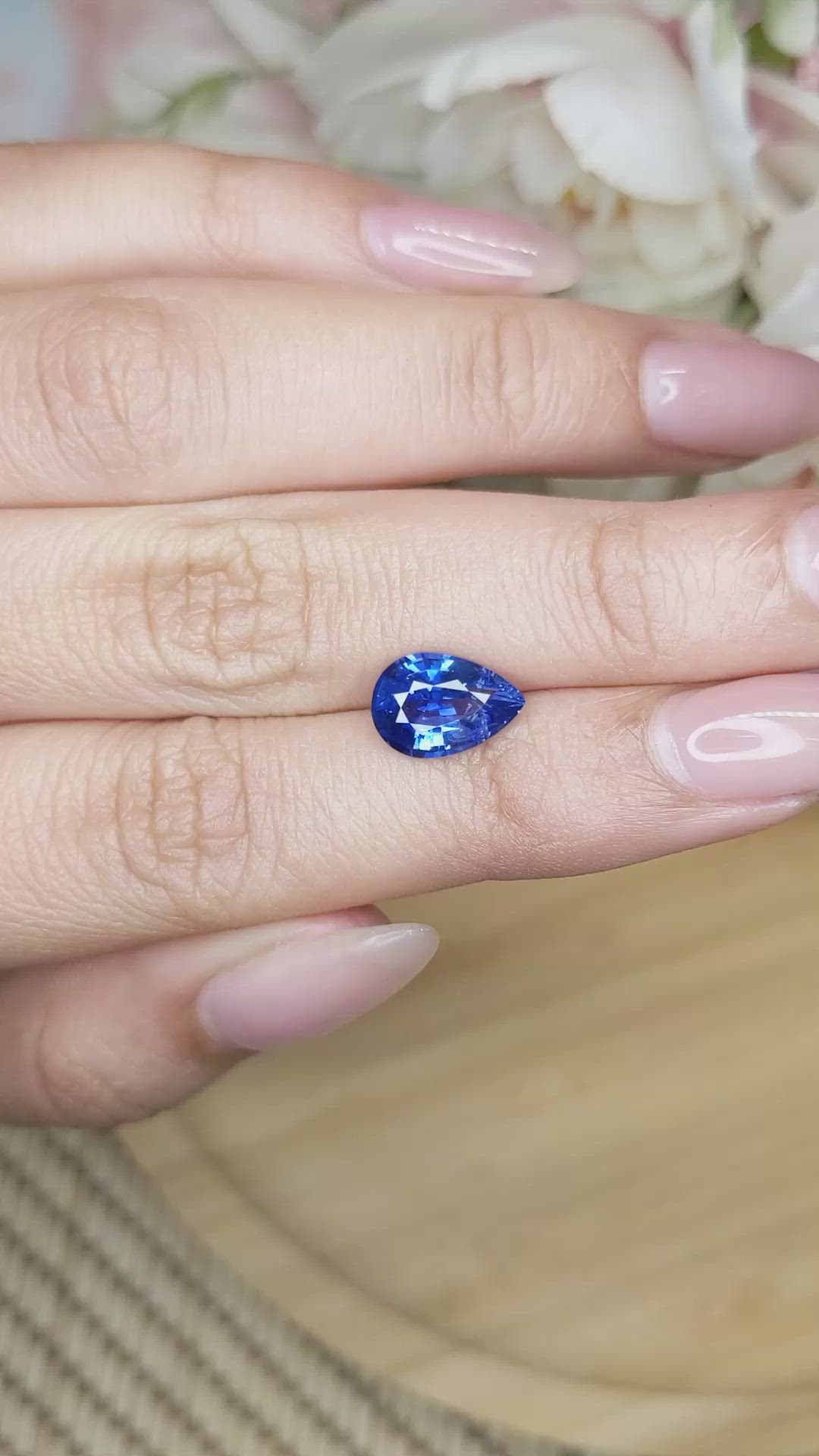
2.53 Ct. Blue Sapphire from Ceylon (Sri Lanka)
This loose stone ships by Apr 22
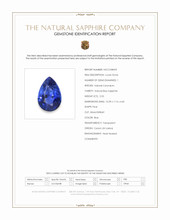
Item ID: | S38695 |
|---|---|
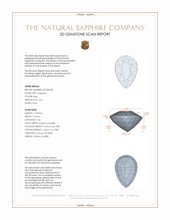
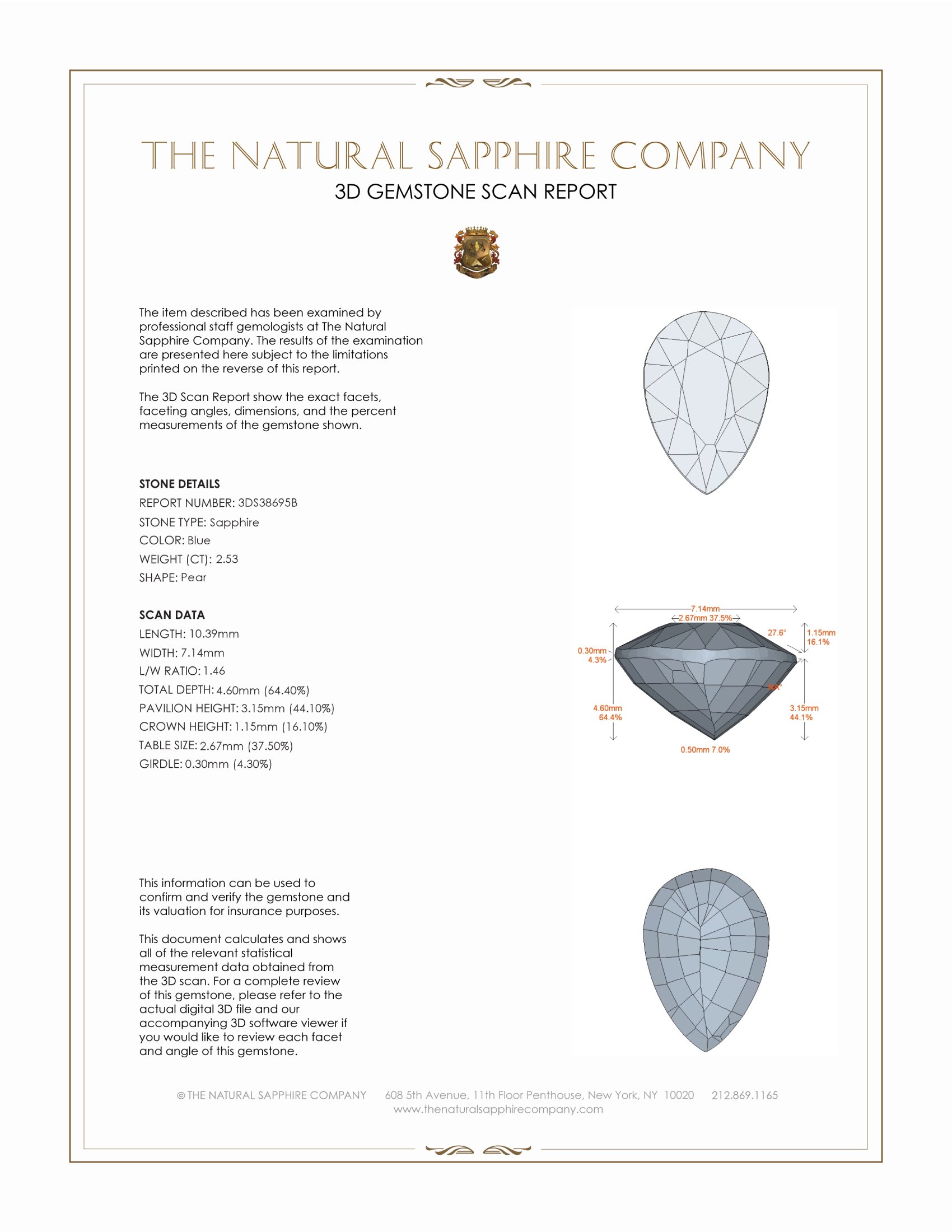
Dimensions (MM): help | Length: 10.39 Width: 7.14 Height: 4.6 |
Weight: | 2.53 Ct. |
Color: help | Blue |
Color intensity: help | Vivid |
Clarity: help | Slightly Included |
Shape: help | Pear |
Cut: | Mixed Brilliant |
Cutting style: | Faceted |
Enhancements: help | Heat Treated |
Origin: help | Ceylon (Sri Lanka) |
Per carat price: help | $632 |
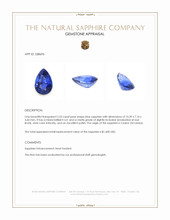
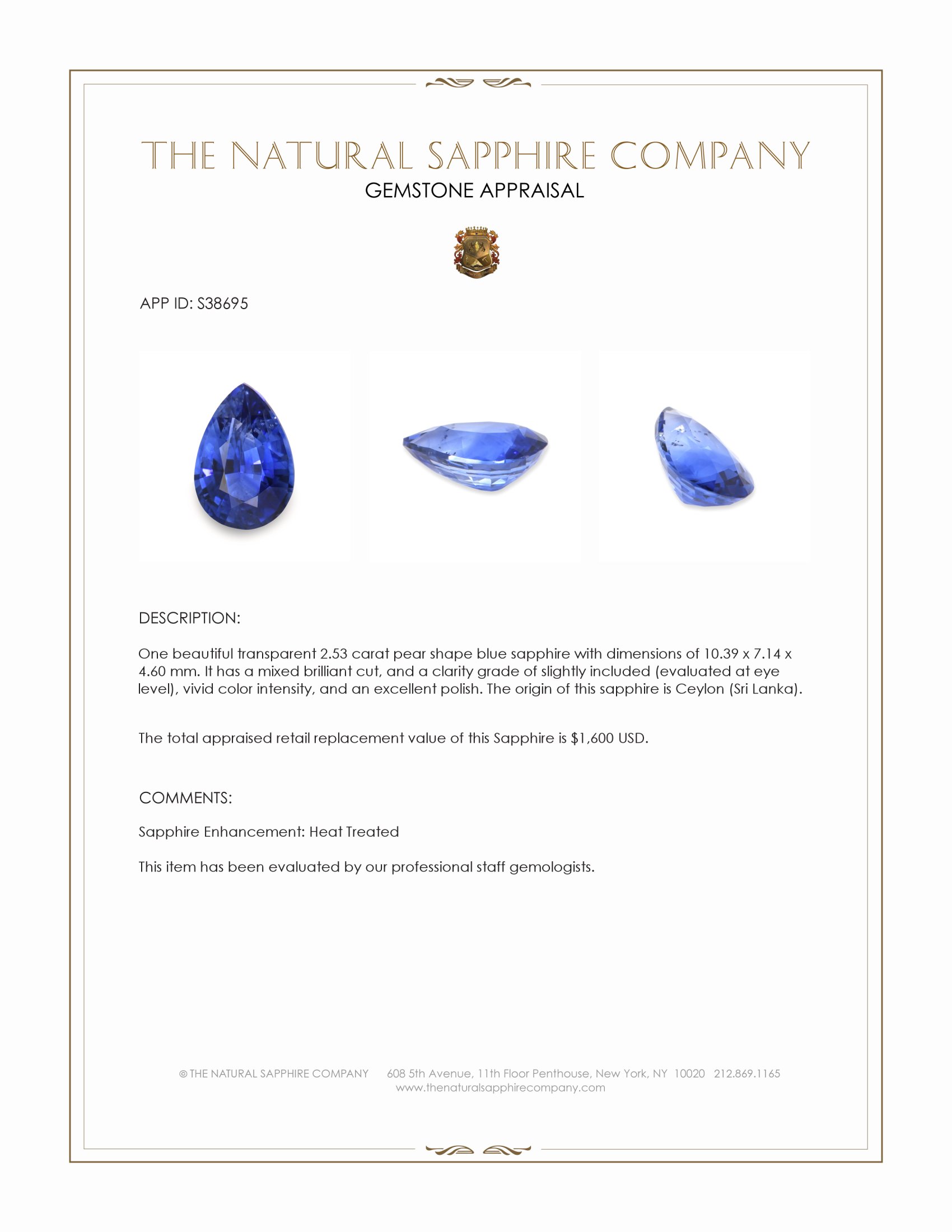
This sapphire is a transparent, pear shaped gem weighing 2.53 carats, with exact dimensions of 10.39 x 7.14 x 4.60 mm, and it exemplifies a vivid blue color intensity through a mixed brilliant cut that blends faceting styles to balance brilliance and depth. The stone has been evaluated as slightly included at eye level, and these minor internal characteristics are typical of natural corundum and do not materially detract from the gem's overall visual impact, particularly because the cutting and excellent polish optimize light return. The sapphire originates from Ceylon, Sri Lanka, a historically important source for high quality blue sapphires, and it has been subjected to routine heat treatment to improve tone and clarity, a stable and widely accepted enhancement in the trade. The proportions and the mixed brilliant faceting give the pear shape a pleasing symmetry, and the precision of the polish produces crisp facet junctions and a reflective finish that accentuates the gem's saturation and surface brightness. The Natural Sapphire Company presents this stone as a clear example of the balance between natural character and skilled cutting, with specifications that allow jewelers and buyers to assess suitability for a variety of settings.
The mixed brilliant cut of this pear shape is designed to harness contrast and scintillation, combining small crown facets that contribute to lively dispersion with a pavilion layout that returns light to the viewer, and this arrangement is particularly effective for a gem of these dimensions. At 10.39 x 7.14 mm, the gem sits within a size range that reads comfortably in finger jewelry and pendant designs, and the depth of 4.60 mm indicates a profile that preserves face up area while maintaining optical performance. Clarity grade slightly included at eye level means that inclusions are present but generally do not interrupt the stone's color field or its primary flashes of light when set, and because the inclusions are not large or opaque, they often become part of the stone's natural fingerprint rather than a detracting feature. The excellent polish minimizes surface diffusion of light and enhances both brilliance and the perception of color saturation, so that even under close inspection the facets present clean, mirror like planes. Heat treatment applied to this Ceylon sapphire is consistent with standard gemological practice to stabilize and intensify the blue hue, and this process does not affect the inherent hardness of corundum, which is well suited for everyday wear in rings and similar items when set with protective and appropriate mounting techniques.
Under varied lighting conditions this sapphire offers distinct visual behavior that can be described in terms of color response, brilliance, and scintillation, and understanding these differences helps set appropriate expectations for how the gem will appear in daily life. In natural daylight, particularly in northern daylight or overcast conditions with balanced spectral content, the stone displays its vivid blue with clarity and evenness, offering a true representation of the saturation that defines its description, and the mixed brilliant facets create a pleasing play of light with small, bright flashes that animate the surface without disrupting the overall color. In direct sunlight the contrast increases, generating stronger scintillation and more pronounced facet reflections, which brings out flashes of lighter blue and demonstrates the stone's ability to deliver both depth and sparkle simultaneously. Under warm incandescent lighting the color will typically take on a slightly deeper and richer tone, as the relative increase in longer wavelengths can make the blue read as warmer and more velvety, while the intensity of small flashes may be reduced compared to bright daylight. Cool white LED lighting tends to accentuate the gem's brilliance and the crispness of facet reflections, making the blue feel vivid and slightly cooler in tone, and fluorescent office lighting may render a lighter, more electric blue appearance with moderate scintillation. In low light and candlelit environments the overall saturation will appear deeper and more concentrated, while occasional internal reflections will create discreet pinpoints of light, producing an effect that is more about depth and richness than about overt sparkle. It is also common for natural sapphires to exhibit minor pleochroic behavior, where viewing the gem from different orientations shows subtle shifts in hue and tone, and this gem's mixed brilliant cut and transparency make those directional color variations part of its visual complexity without causing a disruptive color change.
For practical considerations this stone is well suited to a range of jewelry applications because of its balanced proportions, robust corundum hardness, and the stability afforded by conventional heat treatment, and mountings that allow light to enter the pavilion enhance the gem's performance by facilitating internal reflection. Settings that expose the pavilion, such as prong or open back bezel styles, will maximize brilliance and color depth, while protective designs that shield the tip of the pear can reduce the risk of chipping during wear. Routine cleaning with a soft brush, warm water, and a mild detergent will maintain surface luster, and periodic professional inspection of the mounting is recommended to ensure long term security of the stone. The Natural Sapphire Company provides this detailed description so that clients and craftsmen have a clear technical understanding of the gem's attributes, including its origin, enhancement, and optical behavior, and buyers can therefore make informed decisions based on objective specifications and predictable lighting performance.


